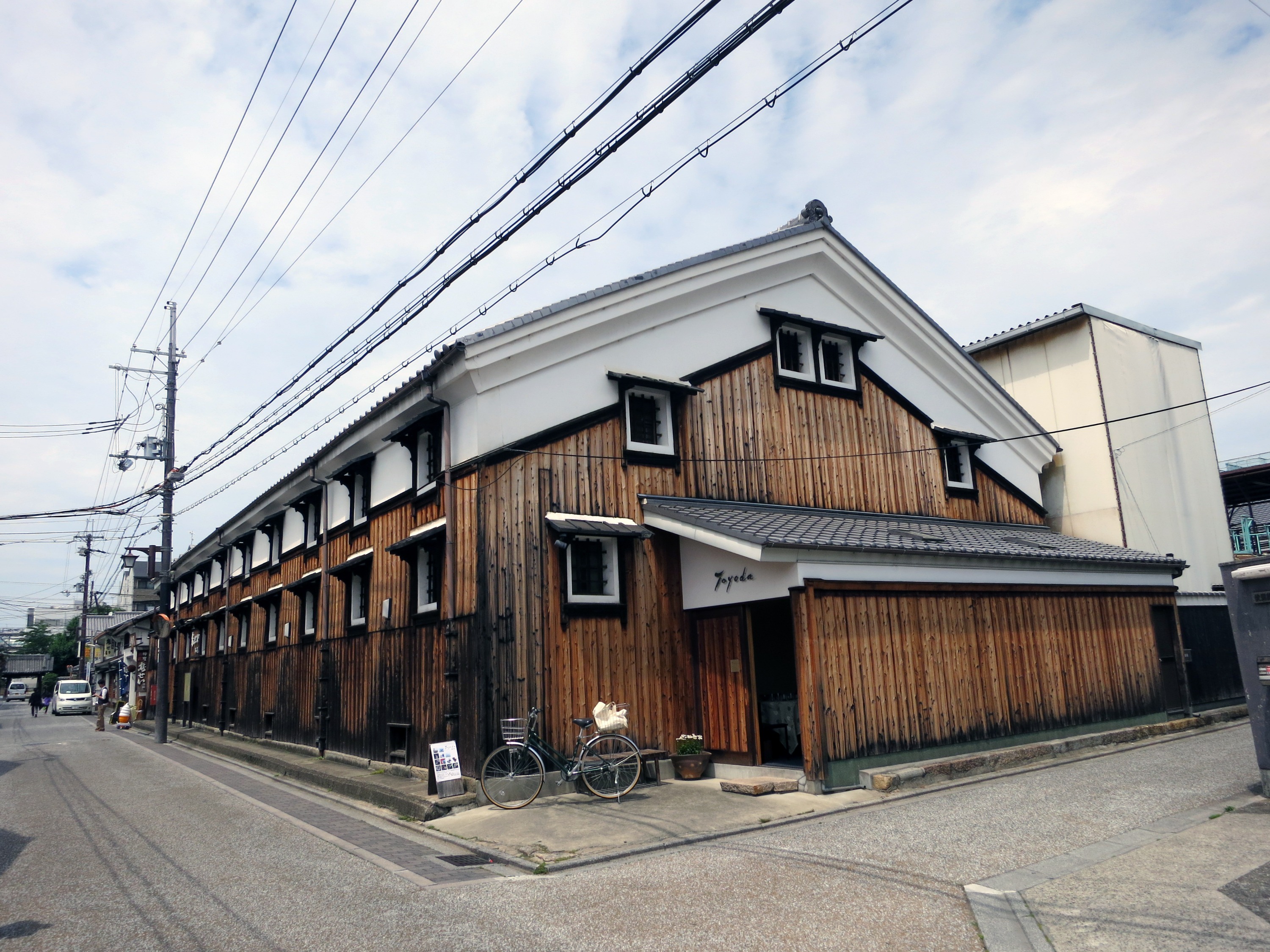
The Best Of Saitama Private Walking Tour
Active
2h
For a full refund, cancel at least 24 hours before the scheduled departure time.
Instant confirmation
Mobile or paper ticket accepted
About this experience
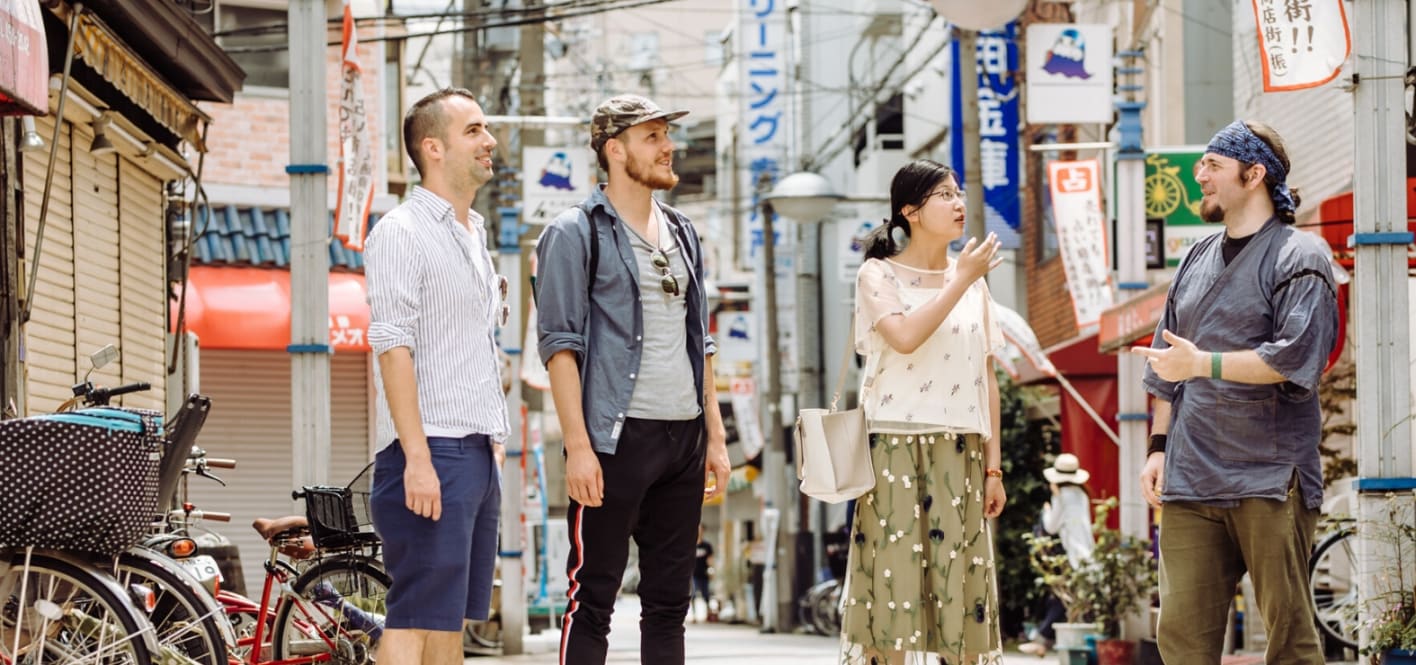
Skip the crowds—this is a private tour for your group only.
You will see the city's best attractions with your guide. Have you heard about the San-no-torii (Third Shrine Gate)? There are numerous spots perfect for seeing nature, and you shouldn’t miss the chance to view the beauty of Omiya Park. You will have a chance to explore the place while hearing about its fascinating facts. How is Saitama so well-known for its "Bonsai"? There must be a good reason for it to draw tourists from all over the world. Did you know that the Hikawa Shrine is 1,500 years old and houses five different deities? You will be surprised how many stories are hidden in the streets, buildings, and corners of Saitama. The wonderful things about life in this city that your guide will highlight for you. This is the best option for first-time visitors who want to see as much as possible during their stay in the city.
Available options
The Best Of Saitama Private Walking Tour
What's included
Professional local guide services
Detailed itinerary
1
Third among Saitama's shrine gates is San-no-tori. During the reign of the legendary Emperor Ksh in 473 BC, the ruling clan of the area, the Musashi kuni no miyatsuko, relocated here from Izumo, bringing with them the worship of Susanoo, so the legend goes.
2
This shrine is one of two in the region that consider themselves to be the "ichinomiya" of the province of Musashi. The annual shrine festival is celebrated on August 1.
3
Located just one kilometer northeast of Miya Station, Omiya Park is Saitama's most popular green space. It is considered one of the best 100 spots to see cherry blossoms in all of Japan.
4
About ten individual bonsai gardens make up what is known as "The Bonsai Village." The "Great Bonsai Festival" is held annually from May 3 to 5 at Bonsai Village. All over Japan, bonsai enthusiasts converge on the area for the festival.
Available languages
Guide guide
JA
EN
Important information
Public transportation options are available nearby
Suitable for all physical fitness levels
Meeting point
Meeting point of this tour is at the first destination, San-no-Torii (Third Shrine Gate), 1 Chome-407 Takahanacho, Omiya Ward, Saitama, 330-0803, Japan.
About Saitama Prefecture
Saitama Prefecture, located just north of Tokyo, offers a mix of urban convenience and natural beauty. Known for its parks, museums, and as a gateway to the mountains, it's a perfect blend of modern living and traditional charm.
Top Attractions
Kawagoe
Known as 'Little Edo,' Kawagoe features well-preserved Edo-period buildings, traditional sweets, and a vibrant atmosphere.
Historical
Half day to full day
Budget to Moderate
Chichibu
A mountainous region known for its hiking trails, hot springs, and beautiful landscapes.
Nature
Full day to overnight
Budget to Moderate
Saitama Super Arena
A multi-purpose arena hosting concerts, sports events, and exhibitions.
Entertainment
2-4 hours
Variable
Must-Try Local Dishes
Kawagoe Mochi
A traditional sweet made from rice flour, often filled with red bean paste or other sweet fillings.
Dessert
Vegetarian
Saitama Gyu (Beef)
High-quality beef from Saitama, often grilled or served in hot pots.
Dinner
Contains meat
Soba Noodles
Buckwheat noodles served hot or cold, often with a dipping sauce or in a broth.
Lunch
Vegetarian (check for dipping sauce ingredients)
Popular Activities
Hiking in Chichibu-Tama-Kai National Park
Canyoning in Mitake Gorge
Onsen (hot spring) visits
Strolling through Kawagoe's historical streets
Visiting temples and shrines in Nikko and Kamakura
Exploring traditional candy shops in Kawagoe
Boating on Lake Chuzenji in Nikko
Skiing and snowboarding in the mountains of Chichibu
Best Time to Visit
Spring (March to May) and Autumn (September to November)
Spring offers cherry blossoms and pleasant weather, while autumn provides cool temperatures and beautiful fall colors. These are the most popular times to visit.
10-25°C (50-77°F)
50-77°F
Practical Information
Language
- Official: Japanese
- Widely spoken: English (limited)
- English: Limited
Currency
Japanese Yen (JPY)
Time Zone
GMT+9
Electricity
100VV, 50/60HzHz
Safety Information
Overall Safety Rating: Generally safe
Saitama is generally safe with low crime rates. However, petty theft and pickpocketing can occur in crowded areas and on public transportation.
Important Precautions:
- • Keep valuables secure and be aware of your surroundings in crowded areas.
- • Use licensed taxis and official tour operators.
- • Be cautious of strangers offering help or services, especially in tourist areas.
Getting there
By air
- Narita International Airport • 80 km (50 miles)
- Haneda Airport • 30 km (19 miles)
By train
Tokyo Station, Ueno Station
By bus
Tokyo Station Bus Terminal, Buster Terminal Tokyo
Getting around
Public transport
Efficient and punctual train network covering the entire prefecture and connecting to Tokyo.
Taxis
Available • Apps: JapanTaxi, DiDi
Rentals
Car, Bike, Scooter
Neighborhoods
Omiya
Kawagoe
Chichibu
Day trips
Nikko
100 km (62 miles) • Full day
A UNESCO World Heritage site known for its beautiful shrines, temples, and natural landscapes.
Kamakura
60 km (37 miles) • Full day
A coastal town known for its ancient temples, shrines, and the Great Buddha.
Kumagaya
50 km (31 miles) • Half day
A city known for its historical sites and the Kumagaya Onsen hot spring.
Festivals
Kawagoe Festival • Early October
Saitama Gold Theater Festival • Annual (dates vary)
Chichibu Night Festival • Early December
Pro tips
- Use an IC card like Suica or Pasmo for easy and discounted public transportation.
- Visit Kawagoe during festivals for a more authentic and vibrant experience.
- Explore the rural areas of Saitama for stunning natural landscapes and outdoor activities.
- Try local specialties like Kawagoe Mochi and Saitama Gyu for a taste of the region's cuisine.
- Book accommodations and popular attractions in advance, especially during peak travel seasons.
From $25
per person
Price varies by option
Secure booking
Free cancellation available
Instant confirmation