Ephesus Half Day Tour From Kusadasi Hotels / Selcuk Hotels
Active
4h - 5h
For a full refund, cancel at least 24 hours before the scheduled departure time.
Instant confirmation
Mobile or paper ticket accepted
About this experience
This half-day tour takes you to the ancient city of Ephesus, one of the most well-preserved ancient cities in the world.
Your tour begins with a pick-up from your hotel in Kusadasi or Selcuk and a drive to Ephesus, which is located only a short distance away.
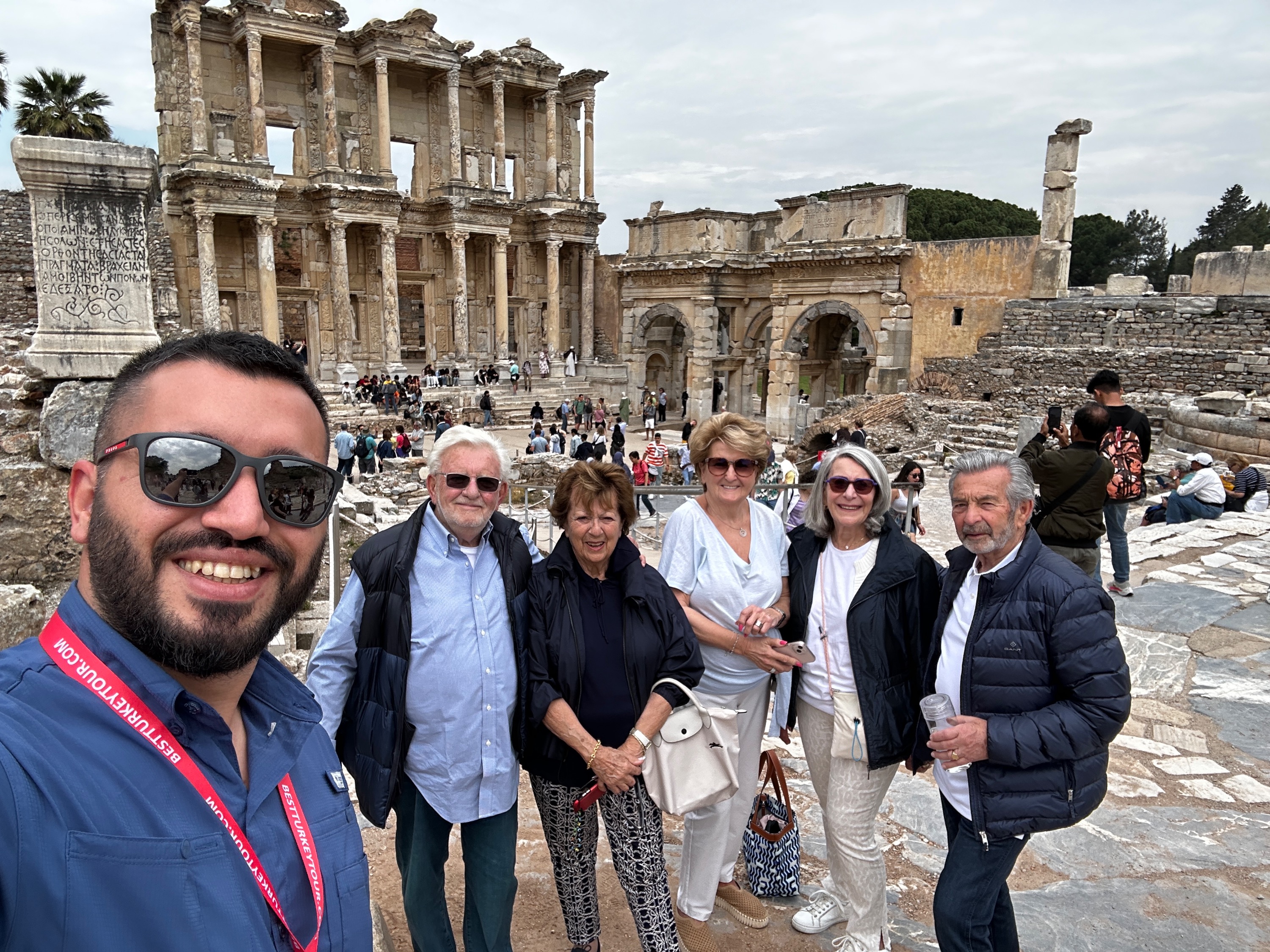
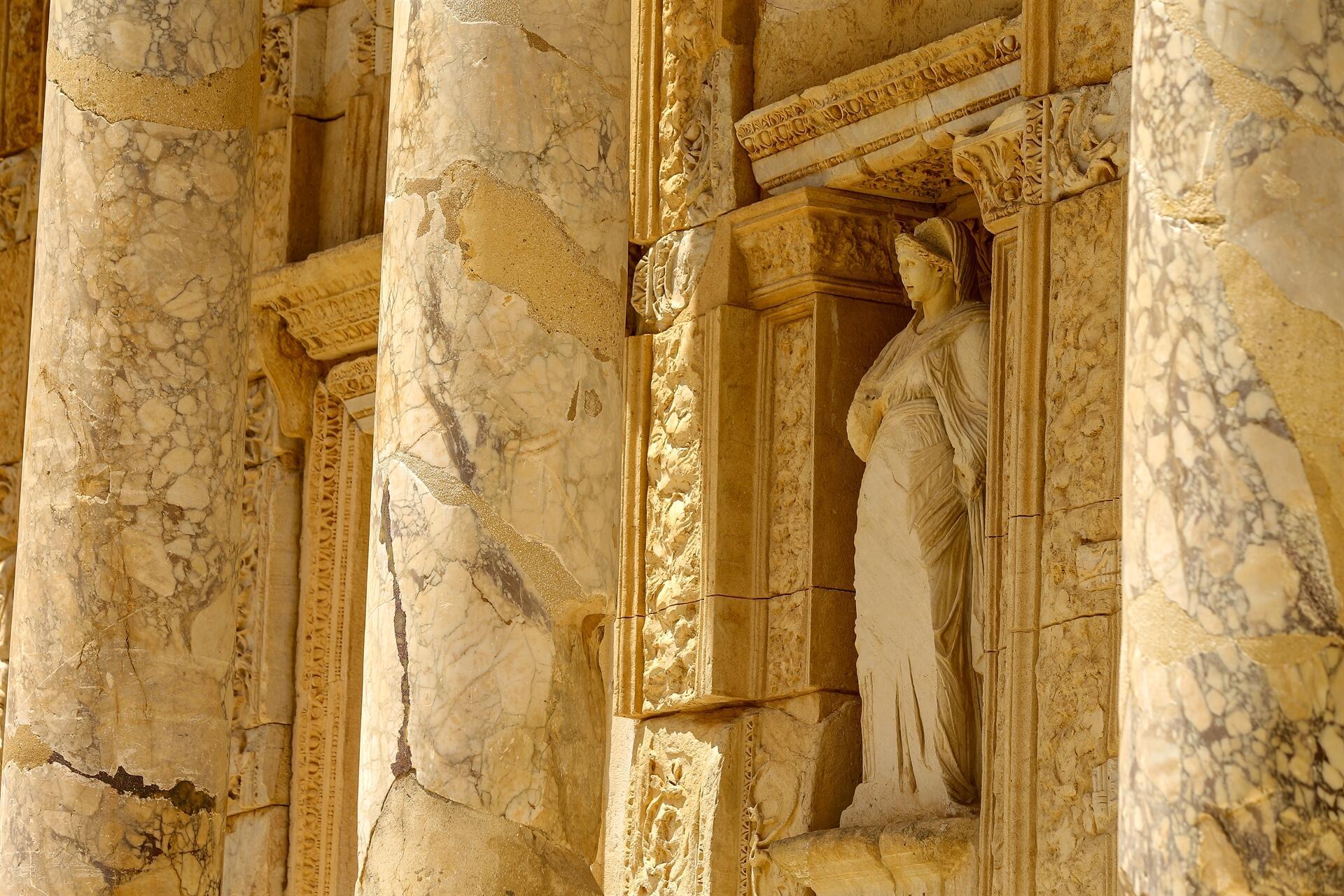
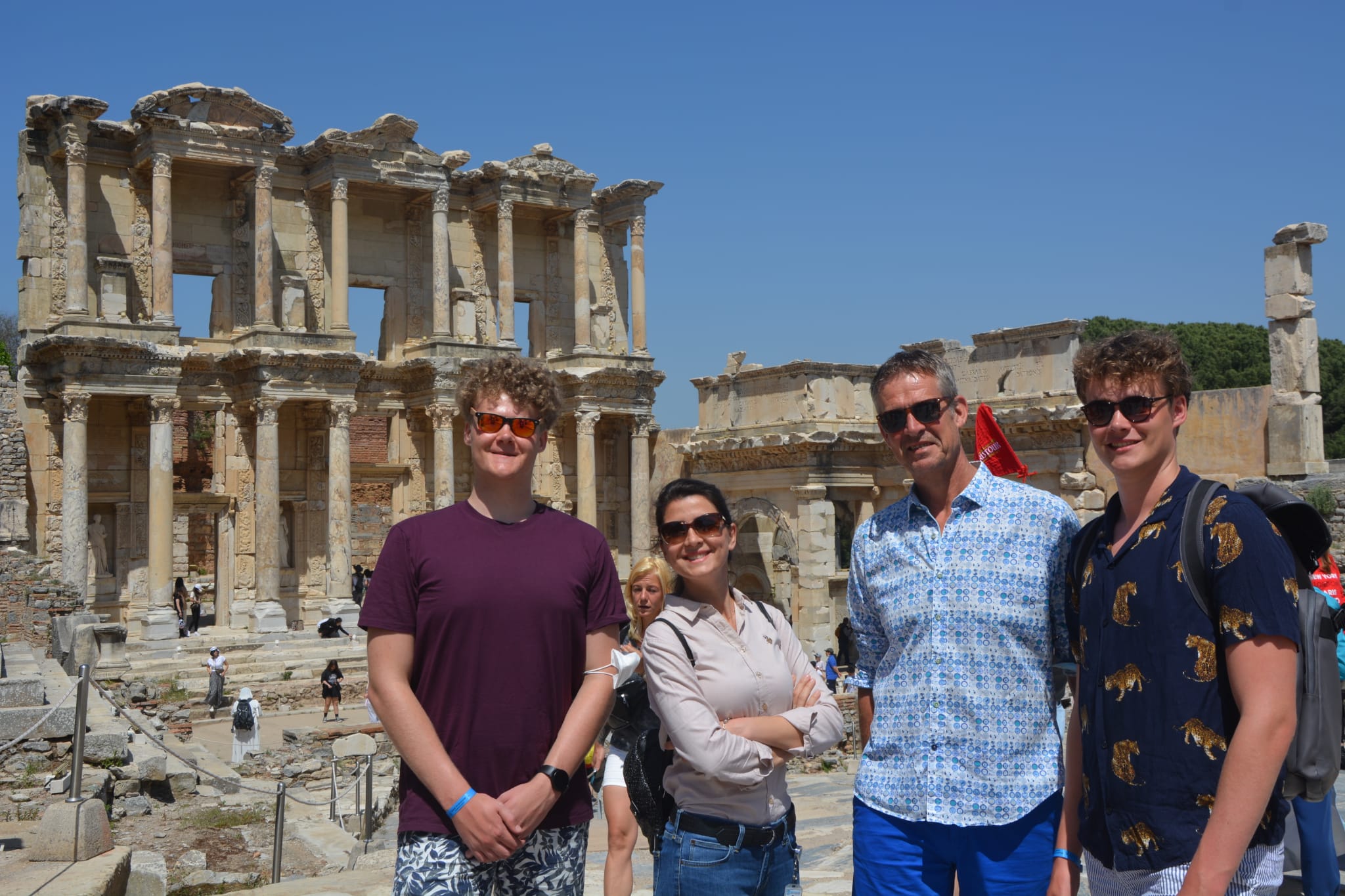
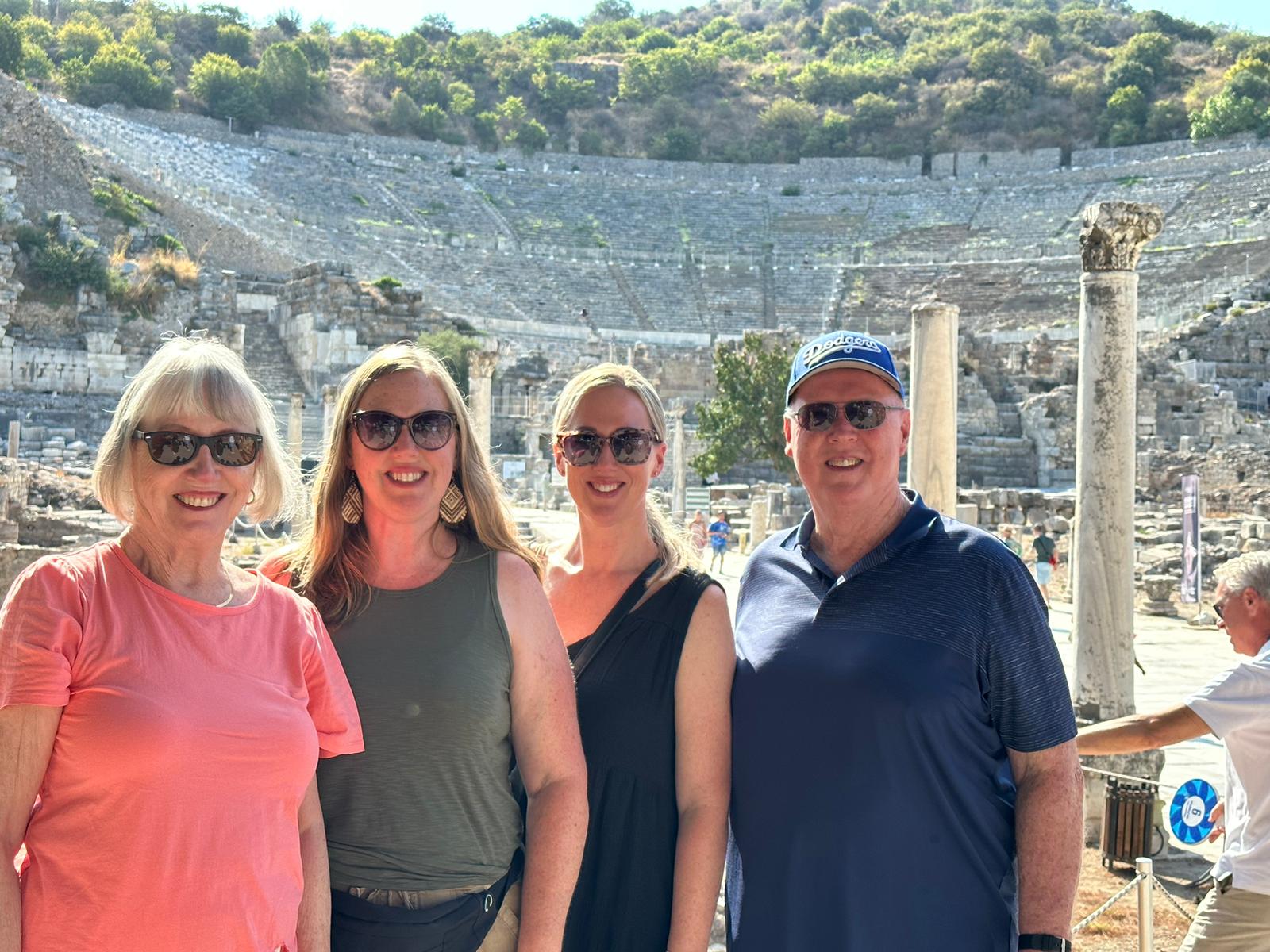
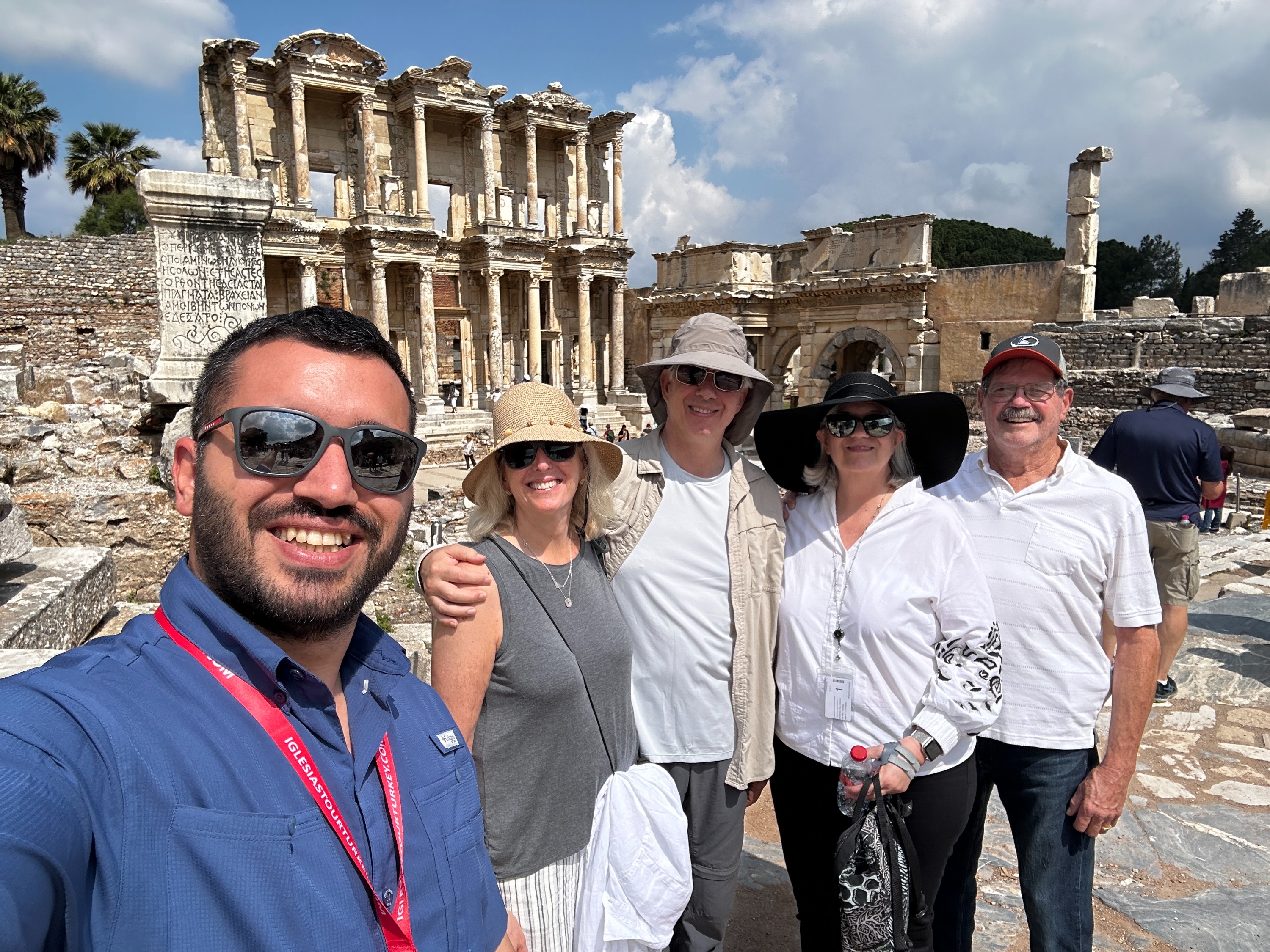
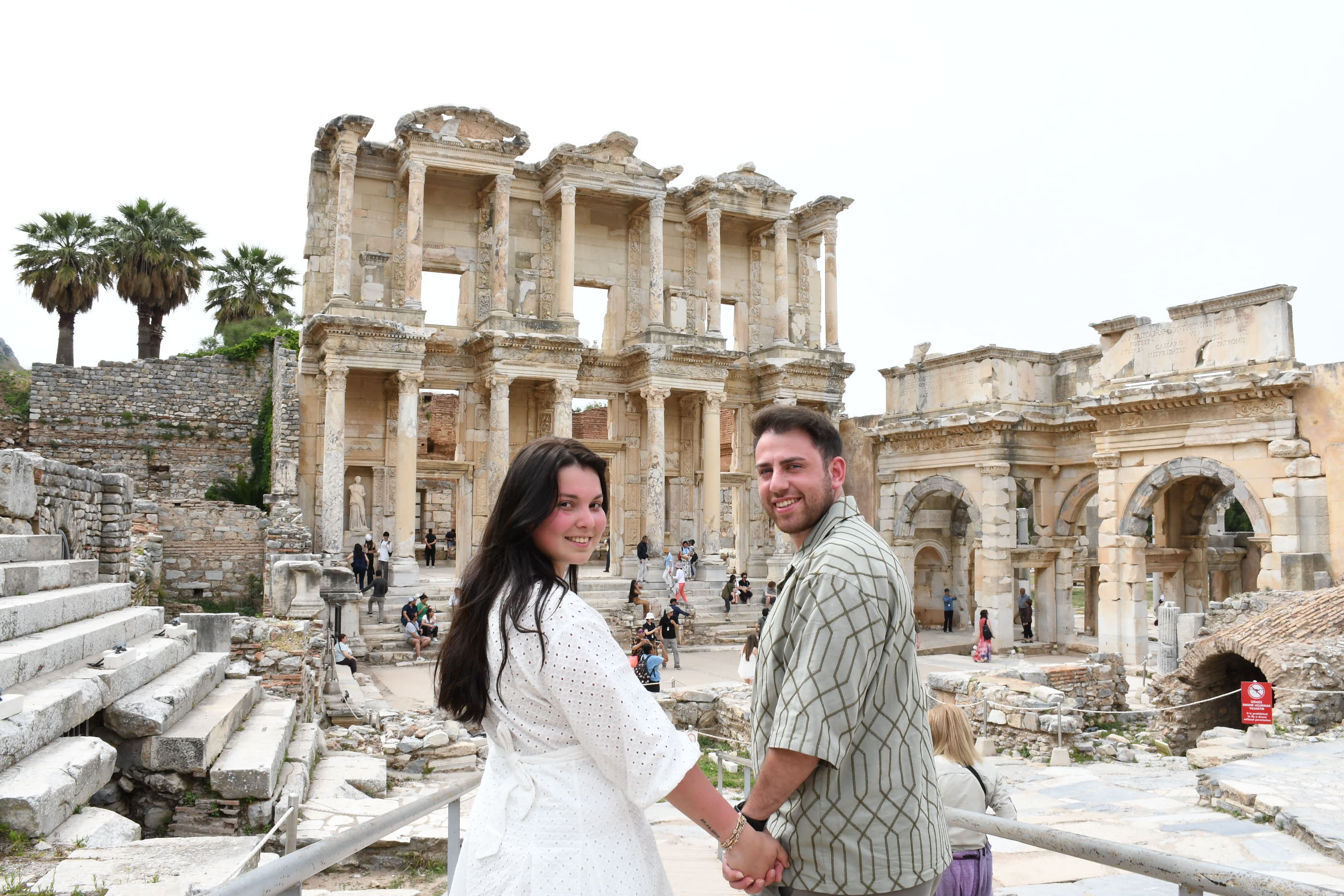
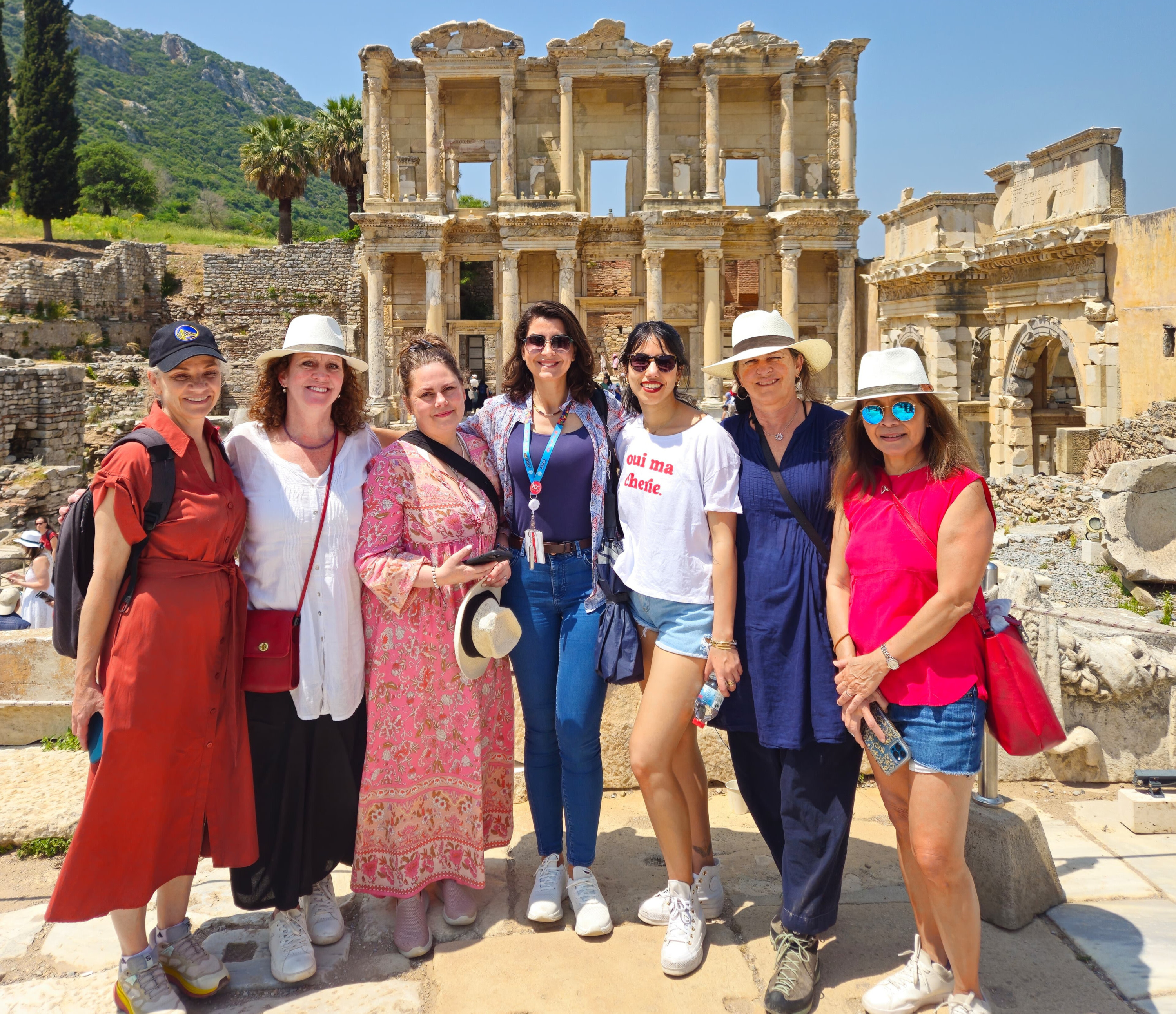
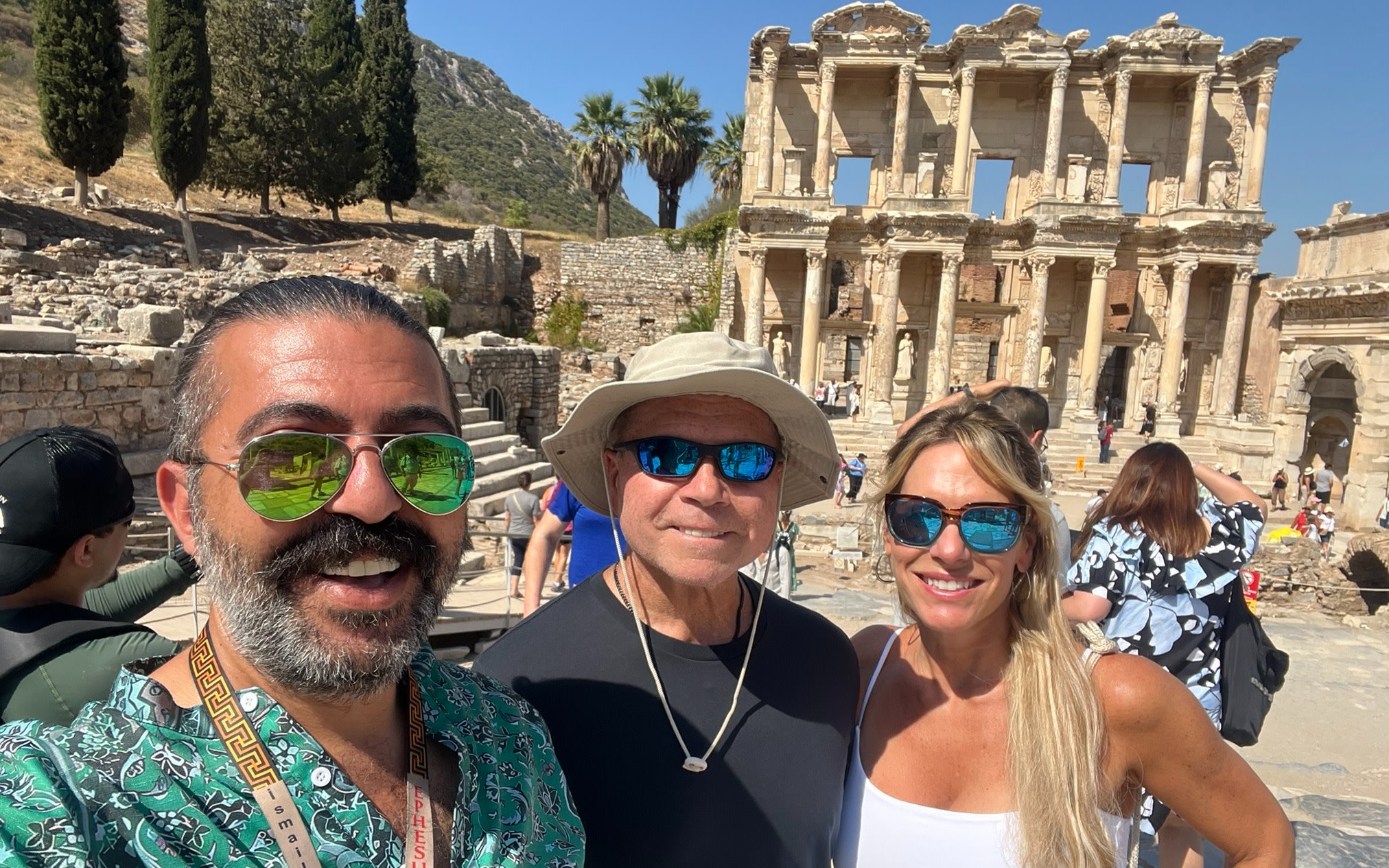
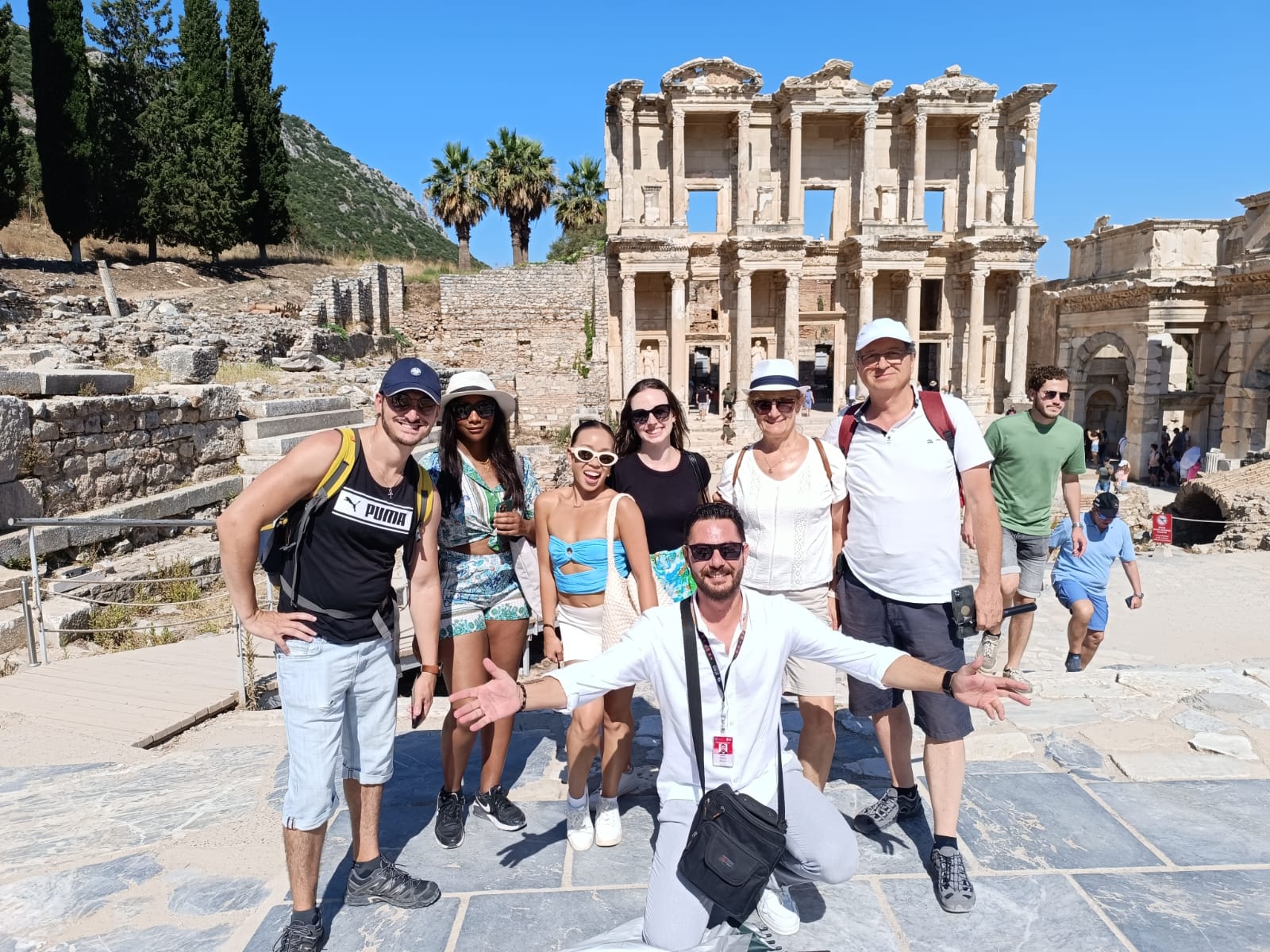
Once you arrive at the ancient city of Ephesus, your knowledgeable guide will lead you through the well-preserved ruins and point out important sites such as the Library of Celsus, the Temple of Hadrian, and the Great Theatre. You'll learn about the fascinating history of this ancient city, including its important role in the Roman Empire.
Finally, you'll stop by the Temple of Artemis, one of the Seven Wonders of the Ancient World.
After the tour, you'll be transported back to your hotel in Kusadasi or Selcuk.
Stores to visit:
Carpet Weaving Village
Leather Factory
Available options
Ephesus Half Day Tour From Kusadasi Hotels / Selcuk Hotels
Pickup included
What's included
Pick Up & Drop Off
Fully Air-Conditioned Vehicle
Insurance
Professional Licensed Tour Guide
Detailed itinerary
1
Stop 1
Ephesus, was the second largest city in the Roman Empire over 250.000 people in the 1st BC. Ranking only behind Rome it was the second largest city in the world. Ephesus was also a harbour city. And, this giant city was built only with marbel. Did you know Ephesus had a largest amphitheater in the ancient world over 25.000 seats? Also see Goddess Nike, Local pharmacy, Hadrian Gate, Library of Celcius (the third largest library), Marbel Street and Harbour Street.
2
Stop 2
Temple of Artemis or Artemision, also known as the Temple of Diana, was a Greek Temple dedicated to the goddess Artemis. It was located in Ephesus and it was one of the seven wonders of the world.
3
Behind the basilica is the Prytaneion, where religious ceremonies , official receptions and banquets were held. The sacred flame symbolizing the heart of Ephesus was kept constantly alight in the Prytaneion. The construction of the building dates to the 3rd century B.C, during the reign of Lysimachos, but the ruins of the complex dates to the Augustan age.
The four-cornered pit in which the sacred fire is burned is a relic from the reign of Lysimachos. The front of the building is four columns, beyond the columns is a courtyard surrounded by a portico, and on the north is the center of the building, the ceremonial hall, and its side rooms. The eternal flame was here in the center of the ceremonial hall, the red color on the floor determined the location of the flame. Towards the back, there was a large area with wooden roof, the base of an altar is still recognizable today.
4
Stop 4
The ruins to the east of the Basilica belong to the bath of Varius, dating to the Roman period. The construction dates to the 2nd century A.D and the mosaics in the 40 meters long corridor dates to the 5th century.
It is built of cut blocks of marble. It has three sections, frigidarium (cold water), tepidarium (warm water) and caldarium (hot water). The excavations have not been completed yet.
5
The Pollio Fountain was located to the south of the State Agora, across the Odeon. It was built in 97 A.D by the rich Ephesian C.S.Pollio and his family.
The water was brought to the fountains of Ephesus from three main sources through aqueducts and distributed from fountains by a branching system of baked clay pipes. The sources were Kencherios (42km) at Kuşadası, Çamlık village stream of Marnas (15km), and the Cayster River (20km).Water was free of charge by the city in the public fountains. Also they provided refreshment in hot summer days for the streets.
What's not included
Meals & Beverages
Personal Expenses
Driver & Guide Tips – Gratitue
Entrance fee of Ephesus 40 €.
Available languages
Guide guide
EN
Reviews breakdown
Tripadvisor
5.0
6 reviews
5★
6
4★
0
3★
0
2★
0
1★
0
Important information
Public transportation options are available nearby
Infants are required to sit on an adult’s lap
Suitable for all physical fitness levels
Ephesus entrance fee is 40 €. You can pay to the guide for skip-the-line tickets.
GUARANTEED RETURN ON TIME TO CRUISE
If you are staying in Ozdere hotels, you should pay 20 euro per person for transfer both way.
If you are staying in Guzelcamli hotels, you should pay 25 euro per person for transfer both way.
About Kusadasi
Kusadasi is a vibrant coastal city on the Turkish Riviera, known for its stunning beaches, rich history, and proximity to ancient ruins. It offers a blend of modern resort amenities and traditional Turkish culture, making it a popular destination for both relaxation and exploration.
Top Attractions
Lady Mary's Bath
A historic hamam (Turkish bath) built in 1640, offering traditional Turkish bath experiences and spa treatments.
Historical
2-3 hours
Moderate
Kusadasi Castle
A medieval castle with a rich history, offering panoramic views of the city and harbor.
Historical
1-2 hours
Free
Long Beach (Long Beach)
A popular beach with golden sand, clear waters, and a variety of water sports and activities.
Beach
Half day to full day
Free to Moderate (for amenities and water sports)
Ephesus Ancient City
One of the most famous ancient cities in the world, featuring well-preserved ruins and significant historical sites.
Historical
Half day to full day
Moderate (entry fee applies)
Pigeon Island (Kusadasi Castle)
A small island connected to the mainland by a causeway, featuring a historic castle and beautiful views.
Historical
2-3 hours
Free to enter, moderate for activities
Must-Try Local Dishes
Gözleme
A traditional Turkish flatbread filled with various ingredients like cheese, spinach, or potatoes
Breakfast/Snack
Vegetarian options available
Kusadasi Köfte
Spicy meatballs made with ground beef, onions, and spices, often served with rice or bread
Main Course
Contains meat, not suitable for vegetarians
Baklava
A sweet pastry made with layers of filo dough, nuts, and honey syrup
Dessert
Vegetarian, contains nuts
Popular Activities
Scuba diving
Parasailing
Jet skiing
Hiking in nearby nature parks
Beach lounging
Spa treatments
Yoga on the beach
Boat tours
Best Time to Visit
June to September
This is the peak tourist season with warm weather, clear skies, and vibrant nightlife. The sea is at its warmest, perfect for swimming and water sports.
25°C to 35°C
77°F to 95°F
Practical Information
Language
- Official: Turkish
- Widely spoken: English, German, Russian
- English: Moderately spoken in tourist areas, limited elsewhere
Currency
Turkish Lira (TRY)
Time Zone
GMT+3
Electricity
220VV, 50HzHz
Safety Information
Overall Safety Rating: Generally safe
Kusadasi is generally safe for tourists, but standard precautions should be taken to avoid petty crime and scams.
Important Precautions:
- • Keep valuables secure
- • Use reputable tour operators
- • Be cautious of strangers offering services
Getting there
By air
- Adnan Menderes Airport • 75 km south of Kusadasi
By bus
Kusadasi Bus Station
Getting around
Public transport
Affordable and frequent minibuses that follow set routes. Easy to use but can get crowded.
Taxis
Available • Apps: BiTaksi, Gett
Rentals
Car, Bike, Scooter
Neighborhoods
City Center
Kadınlar Denizi
Davutlar
Day trips
Ephesus
20 km • Half day to full day
One of the most famous ancient cities in the world, featuring well-preserved ruins and significant historical sites.
Pamukkale
160 km • Full day
A natural wonder featuring terraces of white travertine pools filled with thermal water.
Sirince
30 km • Half day
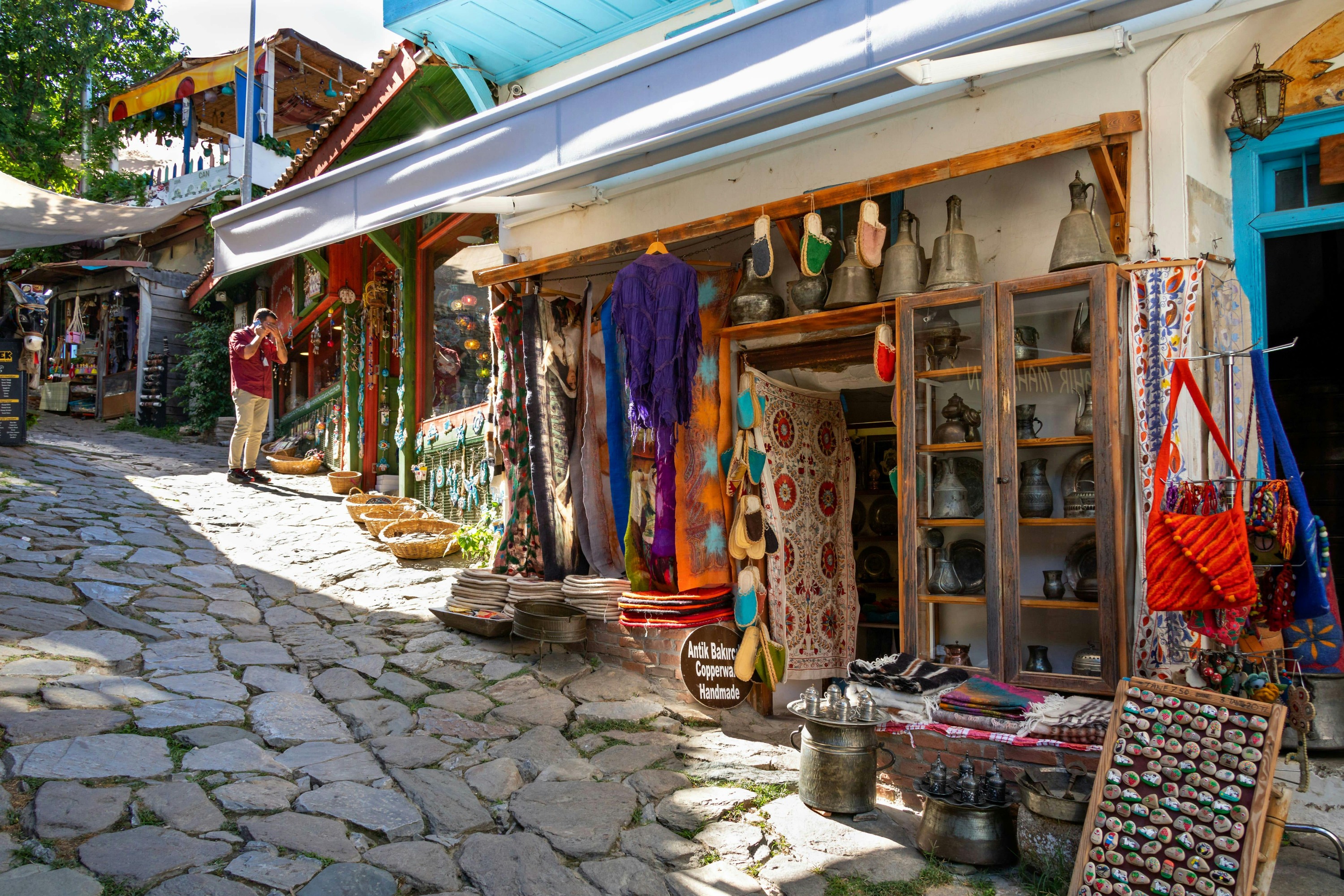
A charming village known for its wine production, fruit wines, and traditional architecture.
Festivals
Kusadasi International Music Festival • July
Kusadasi International Kite Festival • May
Pro tips
- Visit Ephesus early in the morning to avoid crowds and the heat
- Try the local street food, especially simit and kebabs
- Bargain politely when shopping in bazaars
- Learn a few basic Turkish phrases to enhance your experience and interact with locals
- Use dolmuş (shared taxis) for affordable and convenient transport within the city
From $25
per person
Price varies by option
Secure booking
Free cancellation available
Instant confirmation