Biblical Ephesus Private Tour From Kusadasi Port
Active
6h - 7h
For a full refund, cancel at least 24 hours before the scheduled departure time.
Instant confirmation
Mobile or paper ticket accepted
About this experience
This full-day tour that explores the ancient city of Ephesus with a focus on its religious significance.
The tour includes visits to the House of Virgin Mary, believed by many to be the final home of the Virgin Mary, and the Basilica of St. John, where the apostle John is said to be buried.
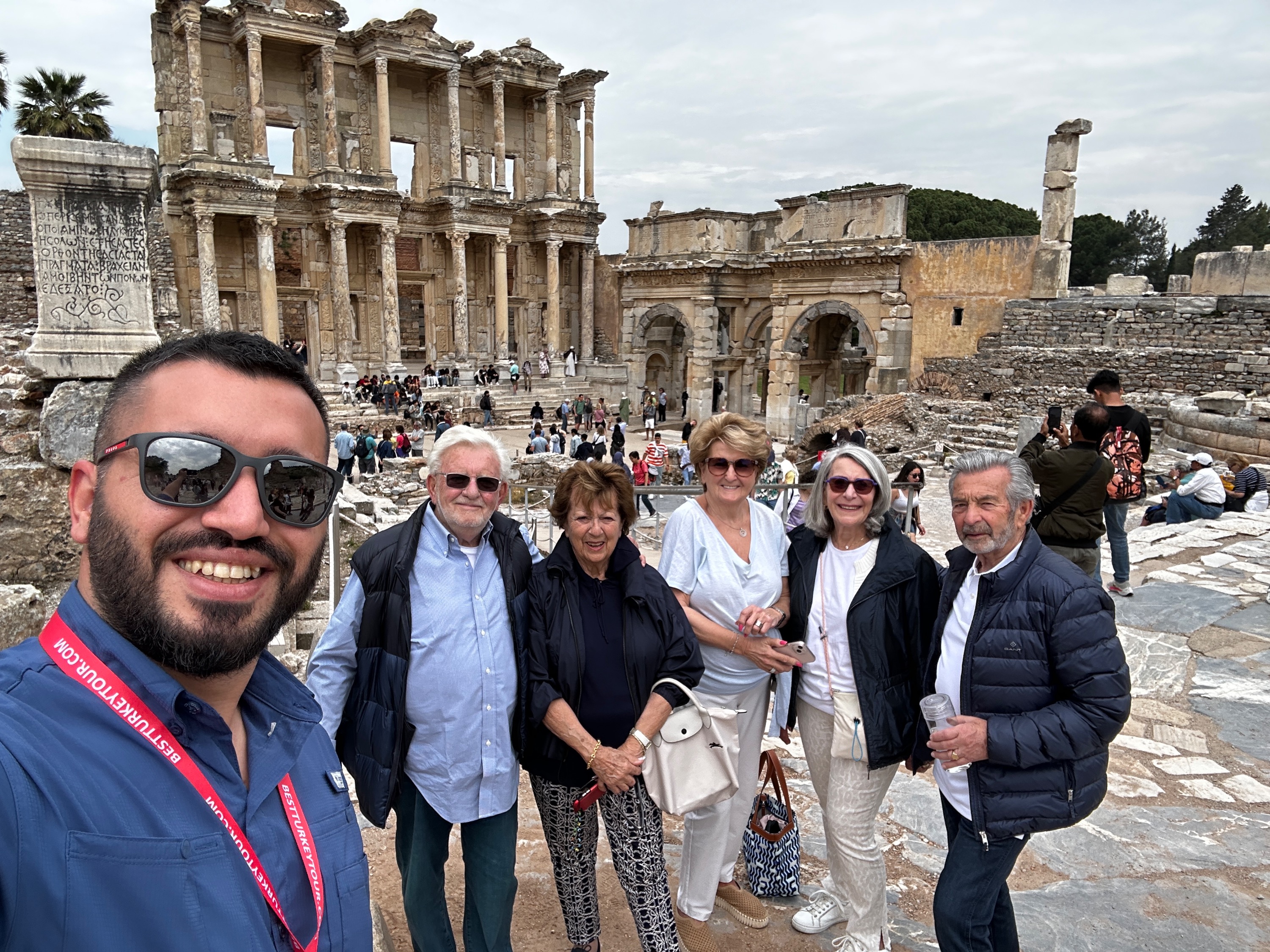
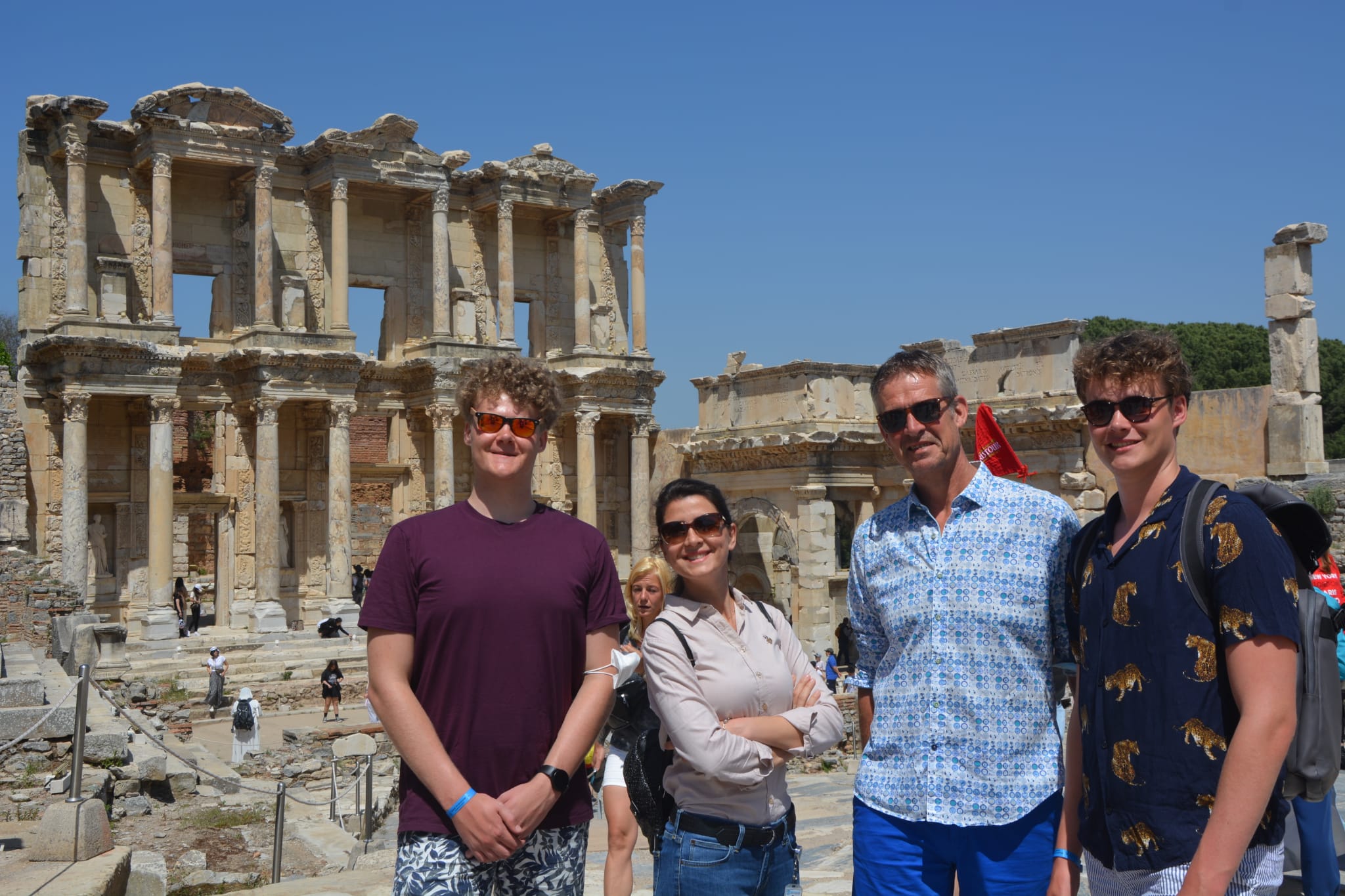
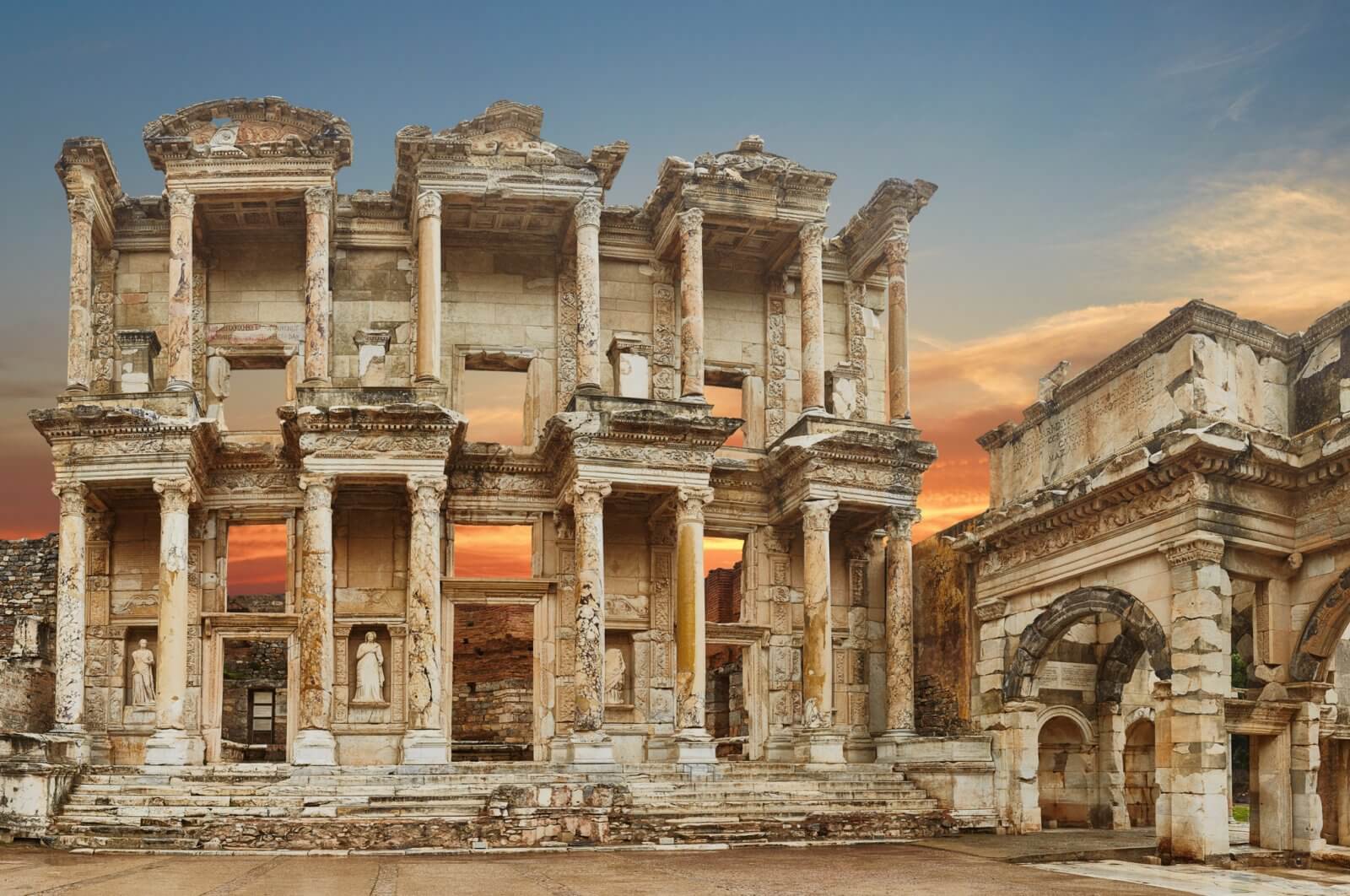
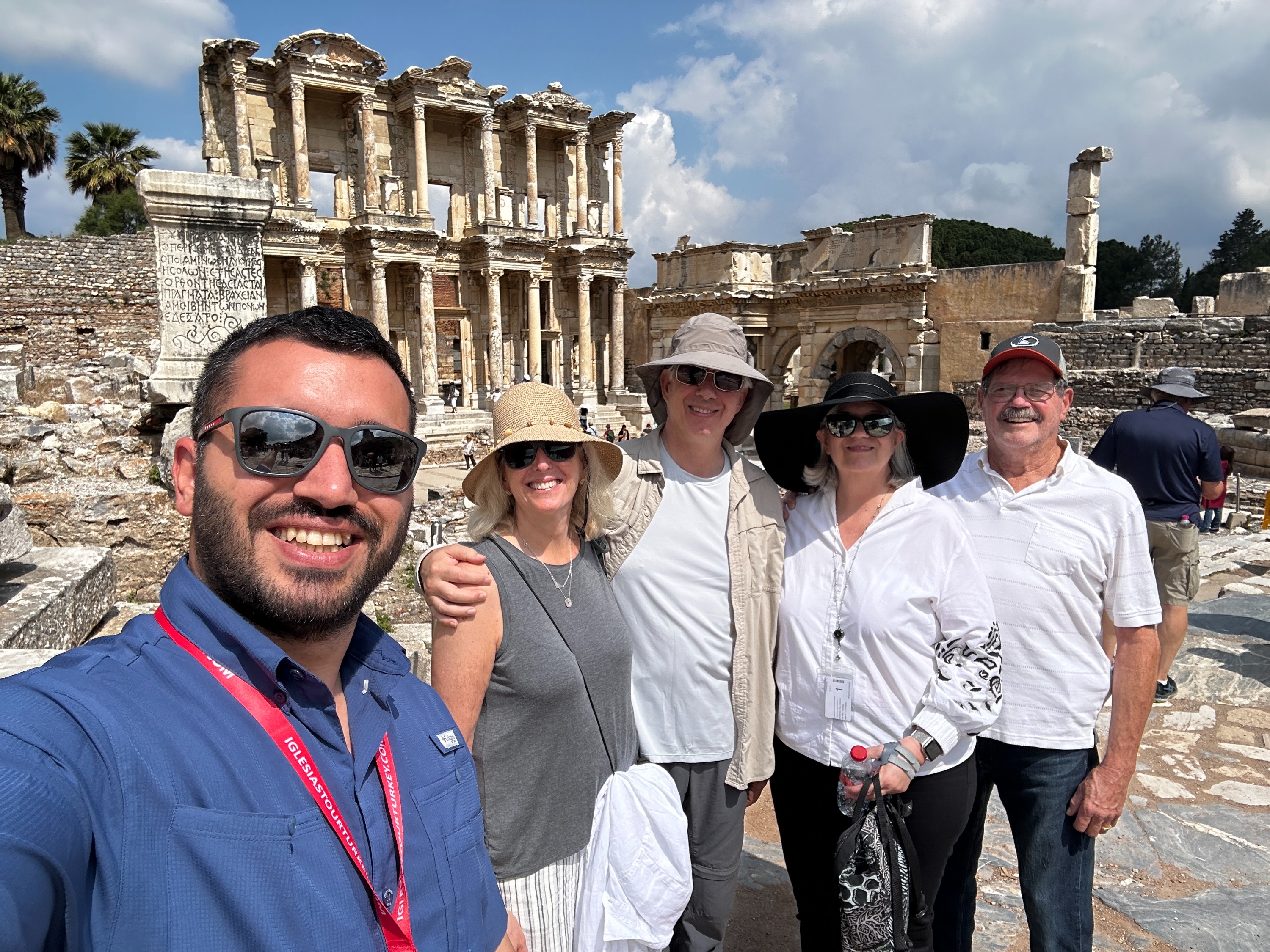
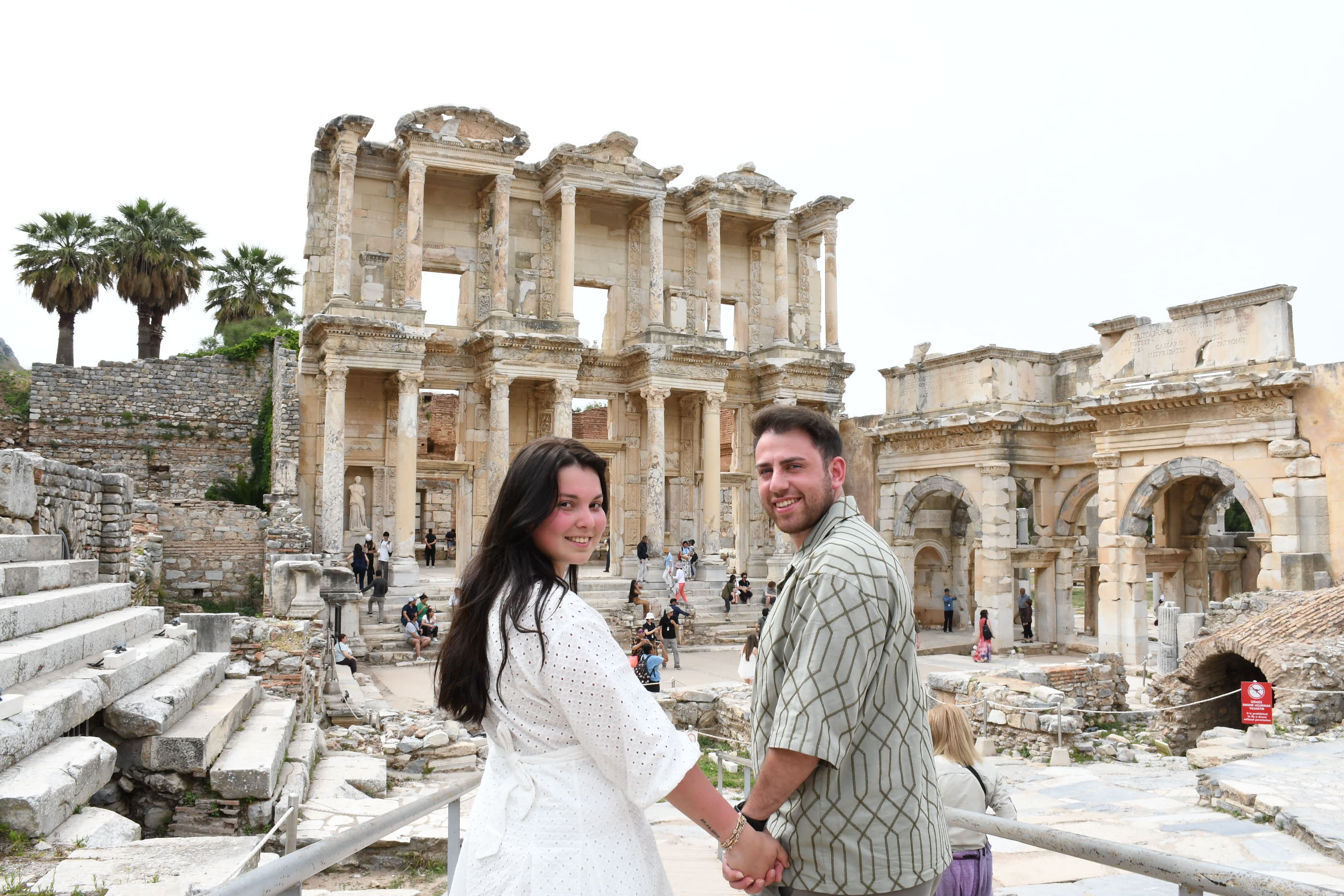
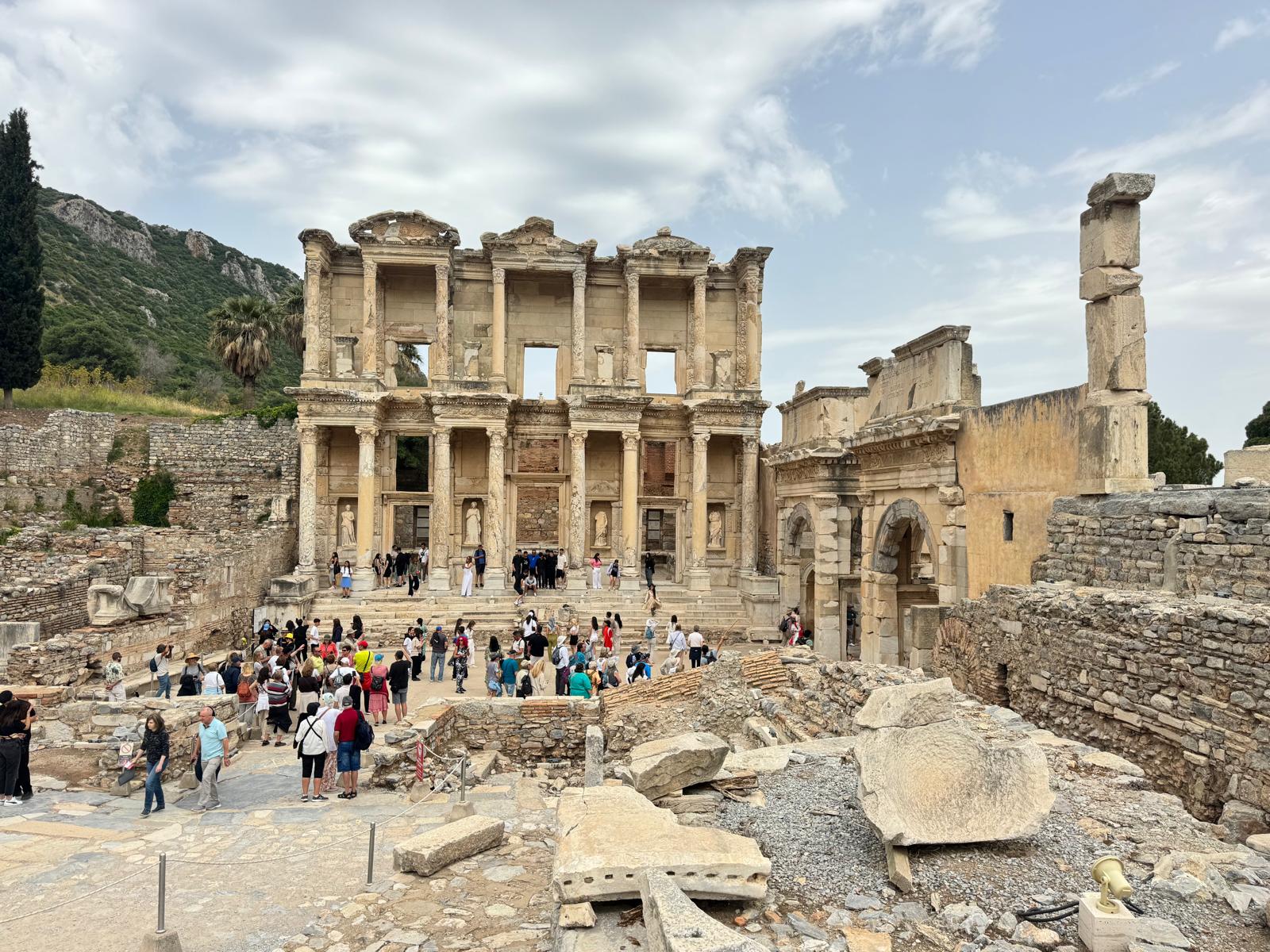
The tour also includes a visit to the ancient city of Ephesus and its many important religious sites, such as the Library of Celsus, the Great Theater, and the Temple of Artemis.
The tour is private, meaning you'll have a personal guide who will customize the tour to your interests and pace. Port pick-up and drop-off is included in the tour.
Stores to visit:
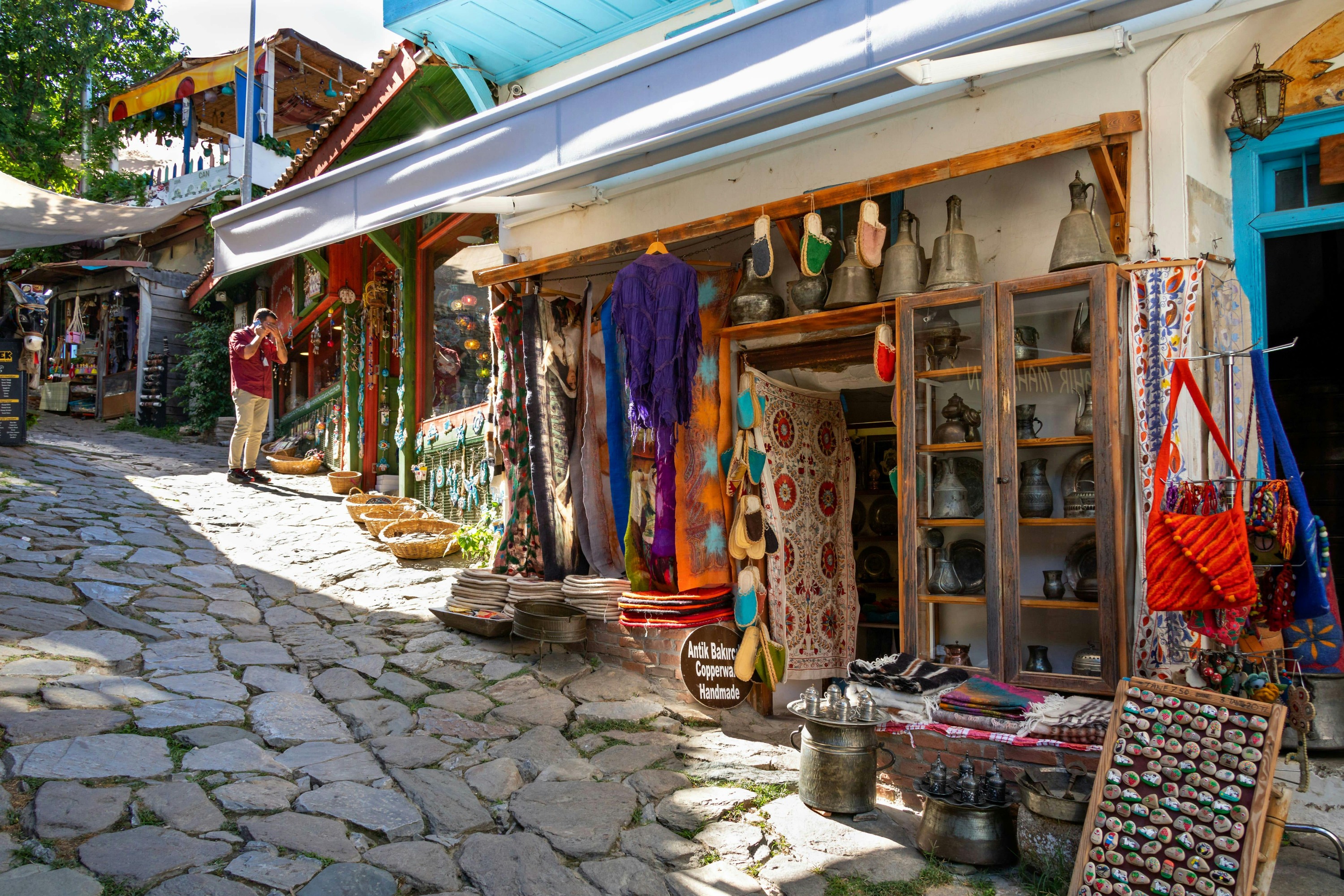
Carpet Weaving Village
Leather Factory
Available options
Biblical Ephesus Private Tour From Kusadasi Port
Pickup included
What's included
Deluxe Lunch
Fully Air-Conditioned Vehicle
A bottle of water during tour
Insurance
Professional Licensed Tour Guide
Detailed itinerary
1
Please look for your reservation name which your name is on the board in the port exit area.
2
Stop 2
The House of Virgin Mary, is a place where according to the beliefs of many people Mary, the mother of Jesus, spent her last years of her life. She was supposed to arrive at Ephesus together with St. John and lived there in the years 37-45 CE until her Assumption or Dormition.
3
Stop 3
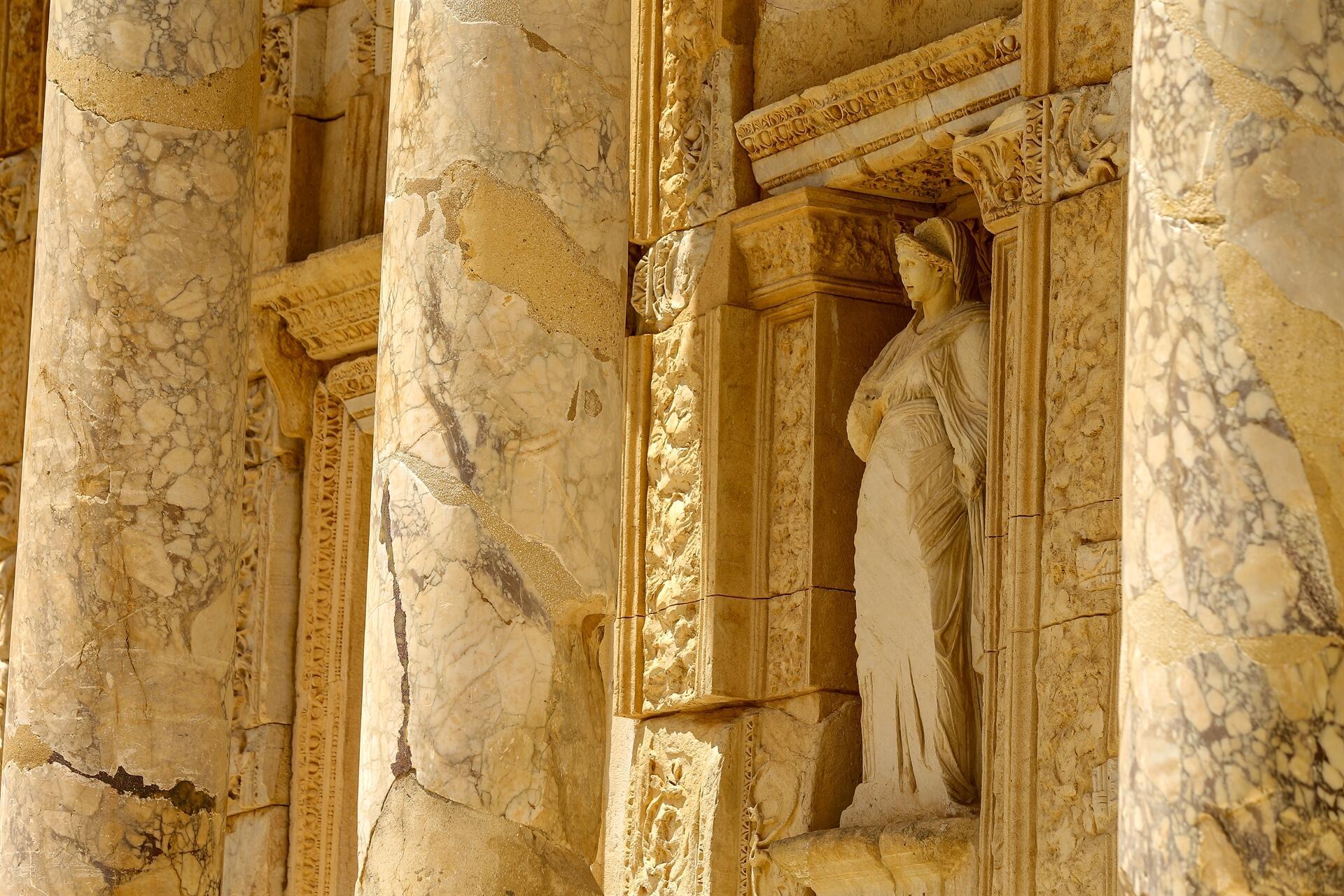
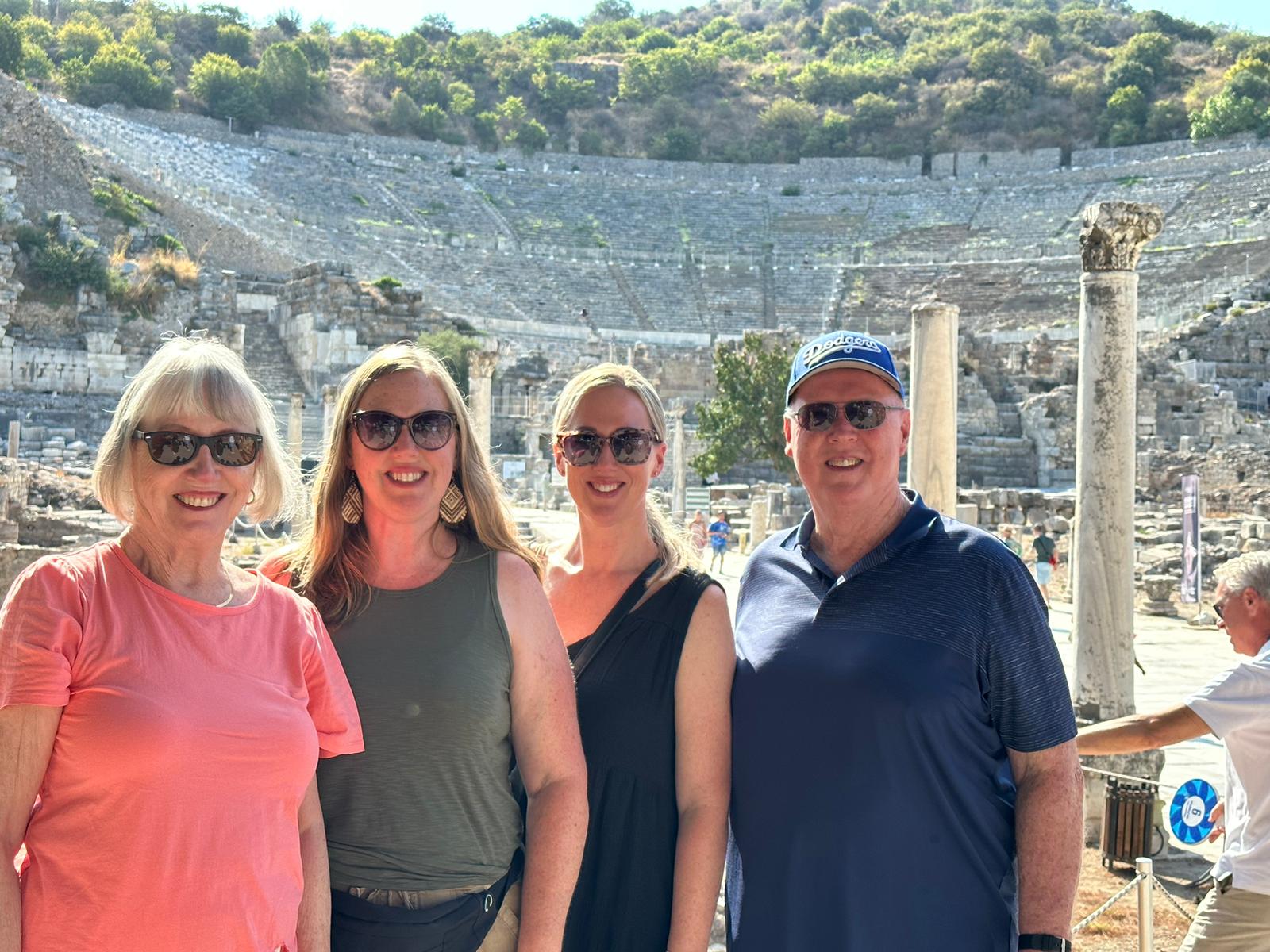
Ephesus, was the second largest city in the Roman Empire over 250.000 people in the 1st BC. Ranking only behind Rome it was the second largest city in the world. Ephesus was the harbour city. This giant city was built only with marbel. Did you know Ephesus had a largest amphitheater in the ancient world over 25.000 seats? Also see Goddess Nike, Local pharmacy, Hadrian Gate, Library of Celcius (the third largest library), Marbel Street, Harbour Street.
4
Stop 4
St. John Basilica, was a basilica in Ephesus. It was constructed by Justinian I in the 6th Century. It stands over the believed burial site of John the Apostle. It was modeled after the now last Church of the Holy Apostles in Constantinople.
5
Stop 5
Temple of Hadrian is one of the best preserved and most beautiful structures on Curetes Street. It was built before 138 A.D by P. Quintilius and was dedicated to the Emperor Hadrian, who came to visit the city from Athens in 128 A.D The facade of the temple has four Corinthian columns supporting a curved arch, in the middle of which contains a relief of Tyche, goddess of victory. The side columns are square.
Inside the Hadrian Temple above the door, a human figure, probably Medusa stands with ornaments of acanthus leaves. On both sides there are friezes depicting the story of the foundation of Ephesus - Androklos shooting a boar, Dionysus in ceremonial procession and the Amazons. The fourth frieze portrays two male figures, one of which is Apollo; Athena, goddess of the moon; a female figure, Androkles, Herakles, the wife and son of Theodosius and the goddess Athena.
6
Stop 6
Hercules Gate located towards the end of the Curetes Street, it was called the Hercules gate because of the relief of Hercules on it. It was brought from another place in the fourth century AD to its current place, but the relief on it dates back to the second century AD.
Only the two side of the columns remain today and the other parts of it have not been found. The relief of the flying Nike in the Domitian Square is thought to also be a part of this gate.
The Heracles Gate narrowed the access to the street, preventing the passage of vehicles.We can understand that from the Fourth Century, the street had become a pedestrian area.
In these reliefs Heracles was depicting with the skin of the Nemean lion in myhtology. The Nemean lion had been terrorizing the area around Nemea, and had a skin so thick that it was impossible to kill it. Finally he wrestled the lion to the ground, eventually killing it by thrusting his arm down its throat and choking it to death.
7
It is one of the three main streets of Ephesus between The Hercules Gate till to the Celsus Library.This street took its name from the priests who were called as Curetes later.Their names were written in Prytaneion.
There were fountains, monuments, statues and shops on the sides of the street. The shops on the south side were two-storied. Ephesus had many earthquakes, in which many structures including the Curetes Street were damaged. These damages especially on the columns were restored by the new ones, but after the earthquake in the 4th century, the columns were replaced by the other ones brought from different buildings in the city.
There were also many houses on the slope.These were used by the rich of Ephesians.Under the houses there were colonnaded galleries with mosaics on the floor were located in front of the shops with a roof to protect the pedestrians from sun or rain.
8
Stop 8
Terraced Houses, are located on the hill, opposite the Hadrian Temple. Also called as “the houses of rich”, important for the reason give us about family life during the Roman period. They were built according to Hippodamian plan of the city in which roads transected each other of right angels.
9
Guaranteed return on time to cruise. You will be dropped off to Kusadasi port.
What's not included
Beverages
Personal Expenses
Driver & Guide Tips – Gratitue
Entrance Fees
Available languages
Guide guide
EN
Reviews breakdown
Viator
4.5
2 reviews
5★
1
4★
1
3★
0
2★
0
1★
0
Tripadvisor
5.0
10 reviews
5★
10
4★
0
3★
0
2★
0
1★
0
Important information
Public transportation options are available nearby
Infants are required to sit on an adult’s lap
Suitable for all physical fitness levels
Ephesus entrance fee is 40 €. You can pay to the guide for skip-the-line tickets.
House of Virgin Mary entrance fee is 500 TRY. You can pay to the guide for skip-the-line tickets.
St. John's Basilica entrance fee is 6 €. You can pay to the guide for skip-the-line tickets.
Terrace Houses entrance fee is 15 €. You can pay to the guide for skip-the-line tickets.
PRIVATE TOUR ONLY FOR YOUR PARTY.
EXCLUSIVE PERSONALIZED TOUR.
FOR CRUISE TRAVELERS.
GUARANTEED RETURN ON TIME TO CRUISE.
Personalized greeting with name at the port is an additional 3 euros per person.
About Kusadasi
Kusadasi is a vibrant coastal city on the Turkish Riviera, known for its stunning beaches, rich history, and proximity to ancient ruins. It offers a blend of modern resort amenities and traditional Turkish culture, making it a popular destination for both relaxation and exploration.
Top Attractions
Lady Mary's Bath
A historic hamam (Turkish bath) built in 1640, offering traditional Turkish bath experiences and spa treatments.
Historical
2-3 hours
Moderate
Kusadasi Castle
A medieval castle with a rich history, offering panoramic views of the city and harbor.
Historical
1-2 hours
Free
Long Beach (Long Beach)
A popular beach with golden sand, clear waters, and a variety of water sports and activities.
Beach
Half day to full day
Free to Moderate (for amenities and water sports)
Ephesus Ancient City
One of the most famous ancient cities in the world, featuring well-preserved ruins and significant historical sites.
Historical
Half day to full day
Moderate (entry fee applies)
Pigeon Island (Kusadasi Castle)
A small island connected to the mainland by a causeway, featuring a historic castle and beautiful views.
Historical
2-3 hours
Free to enter, moderate for activities
Must-Try Local Dishes
Gözleme
A traditional Turkish flatbread filled with various ingredients like cheese, spinach, or potatoes
Breakfast/Snack
Vegetarian options available
Kusadasi Köfte
Spicy meatballs made with ground beef, onions, and spices, often served with rice or bread
Main Course
Contains meat, not suitable for vegetarians
Baklava
A sweet pastry made with layers of filo dough, nuts, and honey syrup
Dessert
Vegetarian, contains nuts
Popular Activities
Scuba diving
Parasailing
Jet skiing
Hiking in nearby nature parks
Beach lounging
Spa treatments
Yoga on the beach
Boat tours
Best Time to Visit
June to September
This is the peak tourist season with warm weather, clear skies, and vibrant nightlife. The sea is at its warmest, perfect for swimming and water sports.
25°C to 35°C
77°F to 95°F
Practical Information
Language
- Official: Turkish
- Widely spoken: English, German, Russian
- English: Moderately spoken in tourist areas, limited elsewhere
Currency
Turkish Lira (TRY)
Time Zone
GMT+3
Electricity
220VV, 50HzHz
Safety Information
Overall Safety Rating: Generally safe
Kusadasi is generally safe for tourists, but standard precautions should be taken to avoid petty crime and scams.
Important Precautions:
- • Keep valuables secure
- • Use reputable tour operators
- • Be cautious of strangers offering services
Getting there
By air
- Adnan Menderes Airport • 75 km south of Kusadasi
By bus
Kusadasi Bus Station
Getting around
Public transport
Affordable and frequent minibuses that follow set routes. Easy to use but can get crowded.
Taxis
Available • Apps: BiTaksi, Gett
Rentals
Car, Bike, Scooter
Neighborhoods
City Center
Kadınlar Denizi
Davutlar
Day trips
Ephesus
20 km • Half day to full day
One of the most famous ancient cities in the world, featuring well-preserved ruins and significant historical sites.
Pamukkale
160 km • Full day
A natural wonder featuring terraces of white travertine pools filled with thermal water.
Sirince
30 km • Half day
A charming village known for its wine production, fruit wines, and traditional architecture.
Festivals
Kusadasi International Music Festival • July
Kusadasi International Kite Festival • May
Pro tips
- Visit Ephesus early in the morning to avoid crowds and the heat
- Try the local street food, especially simit and kebabs
- Bargain politely when shopping in bazaars
- Learn a few basic Turkish phrases to enhance your experience and interact with locals
- Use dolmuş (shared taxis) for affordable and convenient transport within the city
From $25
per person
Price varies by option
Secure booking
Free cancellation available
Instant confirmation