Rome Kids Friendly Guided Tour | Highlights Hidden Treasures Rome Private Tour
Active
2h - 3h
For a full refund, cancel at least 24 hours before the scheduled departure time.
Instant_then_manual confirmation
Mobile or paper ticket accepted
About this experience
Join this Special Kids Private Tour to discover the highlights of Rome and its hidden treasures, designed to let kids approach art and culture in a funny way. This Tour is suitable for all the family. Our expert guide will be able to involve everyone in the discovery of the Eternal City. Along the way, your kids will be involved by the tour guide! Your kids deserve to feel special
That's why we've developed Family Friendly tours. Our carefully selected tour guides will make your experience enjoyable for both adults and kids. Our tours are designed to make your kids feel special.
If you are looking for a fun activity to do with your family while traveling to the Eternal City, then we are ready to make your visit to Rome extra fun.
Our friendly guides have passion and are specially trained to work with children so that your experience with us will be the one your family. They say that positive emotions increase motivation and interest in learning.
Available options
Highlights of Rome Family tour
What's included
Private tour
Professional art historian guide
Insurance
Detailed itinerary
1
Stop 1
PANORAMIC VIEW The church of the Santissima Trinità dei Monti, often called merely the Trinità dei Monti (French: La Trinité-des-Monts), is a Roman Catholic late Renaissance titular church in Rome, central Italy. It is best known for its position above the Spanish Steps which lead down to the famous Piazza di Spagna. The church and its surrounding area (including the Villa Medici) are a French State property.
2
Stop 2
The Spanish Steps (Italian: Scalinata di Trinità dei Monti) in Rome, Italy, climb a steep slope between the Piazza di Spagna at the base and Piazza Trinità dei Monti, dominated by the Trinità dei Monti church, at the top.
The monumental stairway of 135 steps was built with French diplomat Étienne Gueffier's bequeathed funds of 20,000 scudi, in 1723–1725,[citation needed] linking the Trinità dei Monti church under the patronage of the Bourbon kings of France and the Spanish Embassy at the top of the steps to the Holy See in the Palazzo Monaldeschi at the bottom of the steps. The stairway was designed by architects Francesco de Sanctis and Alessandro Specchi.
3
Stop 3
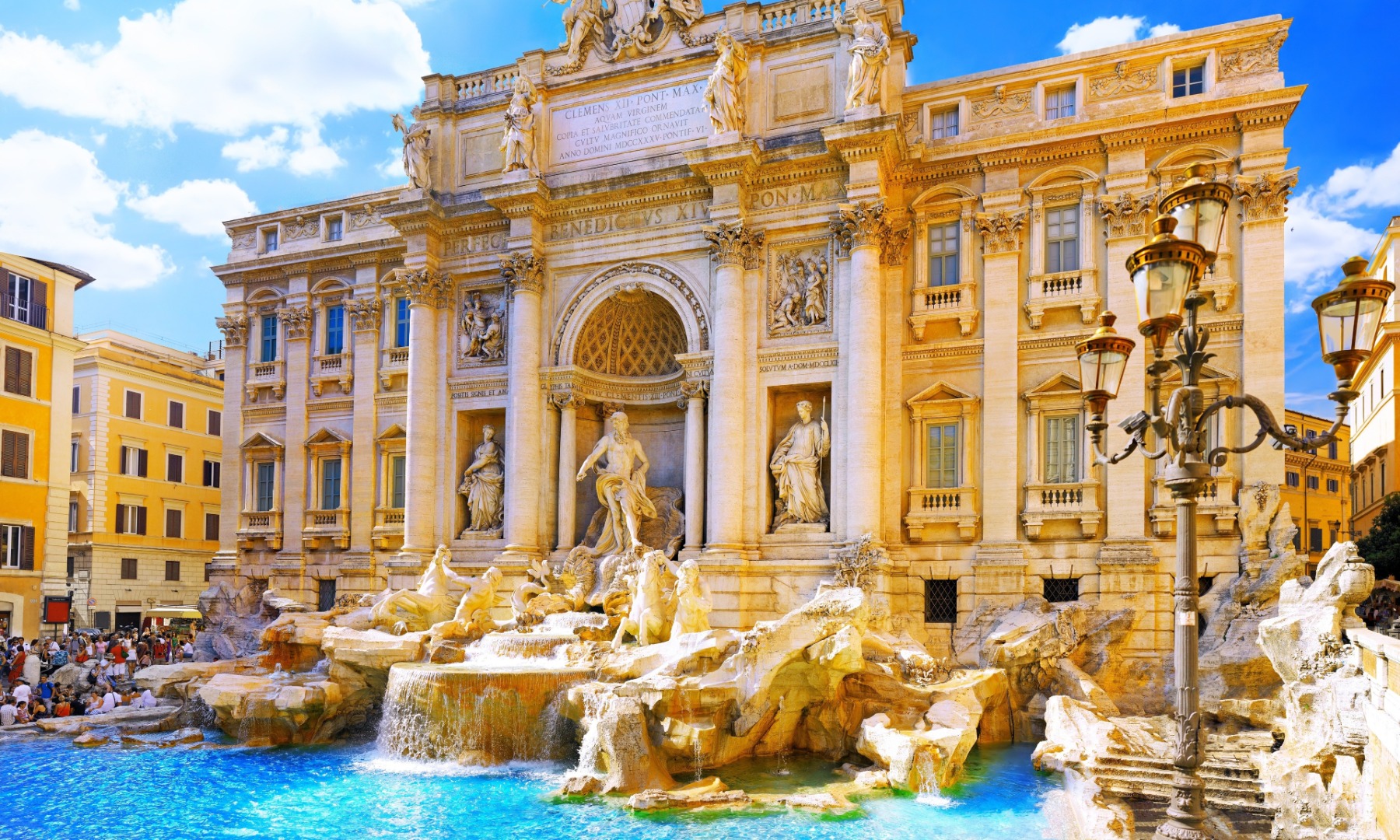
The Trevi Fountain (Italian: Fontana di Trevi) is an 18th-century fountain in the Trevi district in Rome, Italy, designed by Italian architect Nicola Salvi and completed by Giuseppe Pannini and several others. Standing 26.3 metres (86 ft) high and 49.15 metres (161.3 ft) wide,[1] it is the largest Baroque fountain in the city and one of the most famous fountains in the world.
The fountain has appeared in several films, including Roman Holiday (1953); Three Coins in the Fountain (1954); Federico Fellini's classic, La Dolce Vita (1960); Sabrina Goes to Rome (1998); and The Lizzie McGuire Movie (2003).[2]
4
Stop 4
Although the Pantheon has stood from antiquity, the area in front of it had over the centuries become choked with a maze of sheds and small shops that had grown up around its columns. These medieval accretions were cleared by order of Pope Eugenius IV (1431–39) and the piazza was laid out and paved.[1] It took its name from the Pantheon, which had been converted in the 7th century AD into a Christian church dedicated to "St. Mary and the Martyrs" but informally known as Santa Maria Rotonda.[2] The piazza is roughly rectangular, approximately 60 meters north to south and 40 meters east to west, with a fountain and obelisk in the center and the Pantheon on the south side.
5
Stop 5
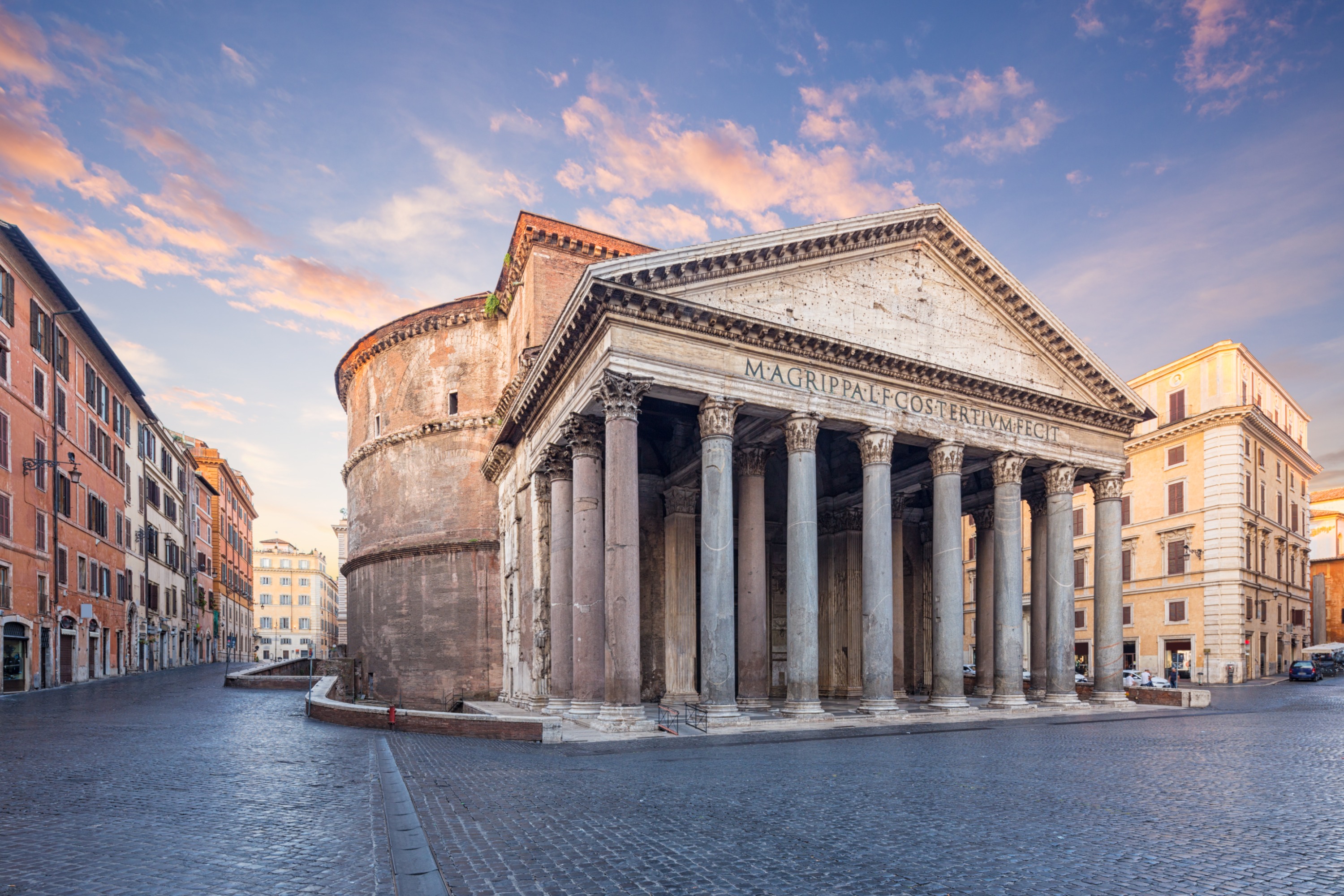
The Pantheon "[temple] of all the gods") is a former Roman temple and, since 609 AD, a Catholic church in Rome, Italy, on the site of an earlier temple commissioned by Marcus Agrippa during the reign of Augustus (27 BC – 14 AD). It was rebuilt by the emperor Hadrian and probably dedicated c. 126 AD. Its date of construction is uncertain, because Hadrian chose not to inscribe the new temple but rather to retain the inscription of Agrippa's older temple, which had burned down.
The building is cylindrical with a portico of large granite Corinthian columns (eight in the first rank and two groups of four behind) under a pediment. A rectangular vestibule links the porch to the rotunda, which is under a coffered concrete dome, with a central opening (oculus) to the sky. Almost two thousand years after it was built, the Pantheon's dome is still the world's largest unreinforced concrete dome.The height of the oculus and the diameter of the interior circle are the same, 43 meters
6
The Temple of Hadrian is an ancient Roman structure dedicated to the deified emperor Hadrian by his adoptive son and successor Antoninus Pius in 145 This temple was previously known as the Basilica of Neptune but has since been properly attributed as the Temple of Hadrian completed under Antoninus Pius. With one cella wall and eleven columns from the external colonnade surviving, the remains of the temple have been incorporated into a later building in the Piazza di Pietra, whereby its facade, alongside the architrave which was reconstructed, later on, was incorporated into a 17th-century papal palace by Carlo Fontana, now occupied by Rome's Chamber of commerce. While only part of the structure remains, excavations and scholarship have provided us with information regarding its construction techniques and stylistic influences, helping us recreate the building dynamics and significance of the Temple of Hadrian in Imperial Rome.
7
Stop 7
It was built atop the ruins of the ancient baths of Nero, next to Piazza Navona. The terrain had been acquired in the Middle Ages by the monks of the Abbey of Farfa, who later ceded it to France.
The new building was begun at the end of the 15th century and completed in 1505, for the Medici family. It housed two Medici cardinals and cousins, Giovanni and Giulio, who both later became popes as Leo X and Clement VII, respectively. Catherine de' Medici, Clement VII's niece, also lived here before she was married to Henry, son of King Francis I of France in 1533. Cardinal Francesco Maria Del Monte, patron of the artist Caravaggio, lived there until his death in 1627.
The palace takes its name from Madama Margherita of Austria, the illegitimate daughter of Emperor Charles V, who married another illegitimate son, Alessandro de' Medici, and, after his death, Ottavio Farnese. Thus part of the art collection of the Florentine Medici family was inherited by the Farnese family.
8
Stop 8
Piazza Navona is one of the most famous squares in Rome, built by the Pamphili family. Its shape is that of an ancient stadium: it was built in a monumental style at the behest of Pope Innocent X.
What's not included
Gratuities
Hotel pick-up and drop-off
Transportation to/from attractions
Food and Drinks
Available languages
Guide guide
EN
IT
Reviews breakdown
Viator
3.5
2 reviews
5★
1
4★
0
3★
0
2★
1
1★
0
Tripadvisor
5.0
1 reviews
5★
1
4★
0
3★
0
2★
0
1★
0
Important information
Infants and small children can ride in a pram or stroller
Public transportation options are available nearby
Suitable for all physical fitness levels
Dress code is smart casual
An adult per booking is required
A maximum of 7 people per booking
We kindly inform you that any kind of disability (mobility issues, wheelchair, visual impairment, hearing impairment,... ) or anything that might prevent you to regularly join the tour, MUST BE communicate in advance to our staff. For people with disabilities, the tour route may be different from the one presented.
Itinerary may vary depending on extraordinary events
Starting time can change depending on availability
Every refund request MUST be done within and not later than 48 hours from the day of the tour
Not reccomended for travelers with mobility problems
Meeting point
Directions: You will meet your guide on the top of the Spanish Steps, in Piazza della Trinità dei Monti, near the big Obelisk. Look for the label "TOUR IN THE CITY". Please be on time!
Important notes
Directions: You will meet your guide on the top of the Spanish Steps, in Piazza della Trinità dei Monti, near the big Obelisk. The tour guide will have a signboard reporting your name.
Make sure to show up at the meeting point 15 minutes before your tour departure time.
Comfortable walking shoes are recommended.
We kindly inform you that any kind of disability (mobility issues, wheelchair, visual impairment, hearing impairment,... ) or anything that might prevent you from regularly joining the tour, must be communicated in advance to our staff. For people with disabilities, the tour route may be different from the one presented.
The local Supplier number is active from 9:00 am till 7:00 pm
Every refund request MUST be made within and not later than 48 hours from the day of the tour
About Rome
Rome, the capital of Italy, is a city of ancient ruins, artistic masterpieces, and vibrant culture. Known as the Eternal City, it is a living museum where every corner tells a story of its rich history spanning over 2,500 years.
Top Attractions
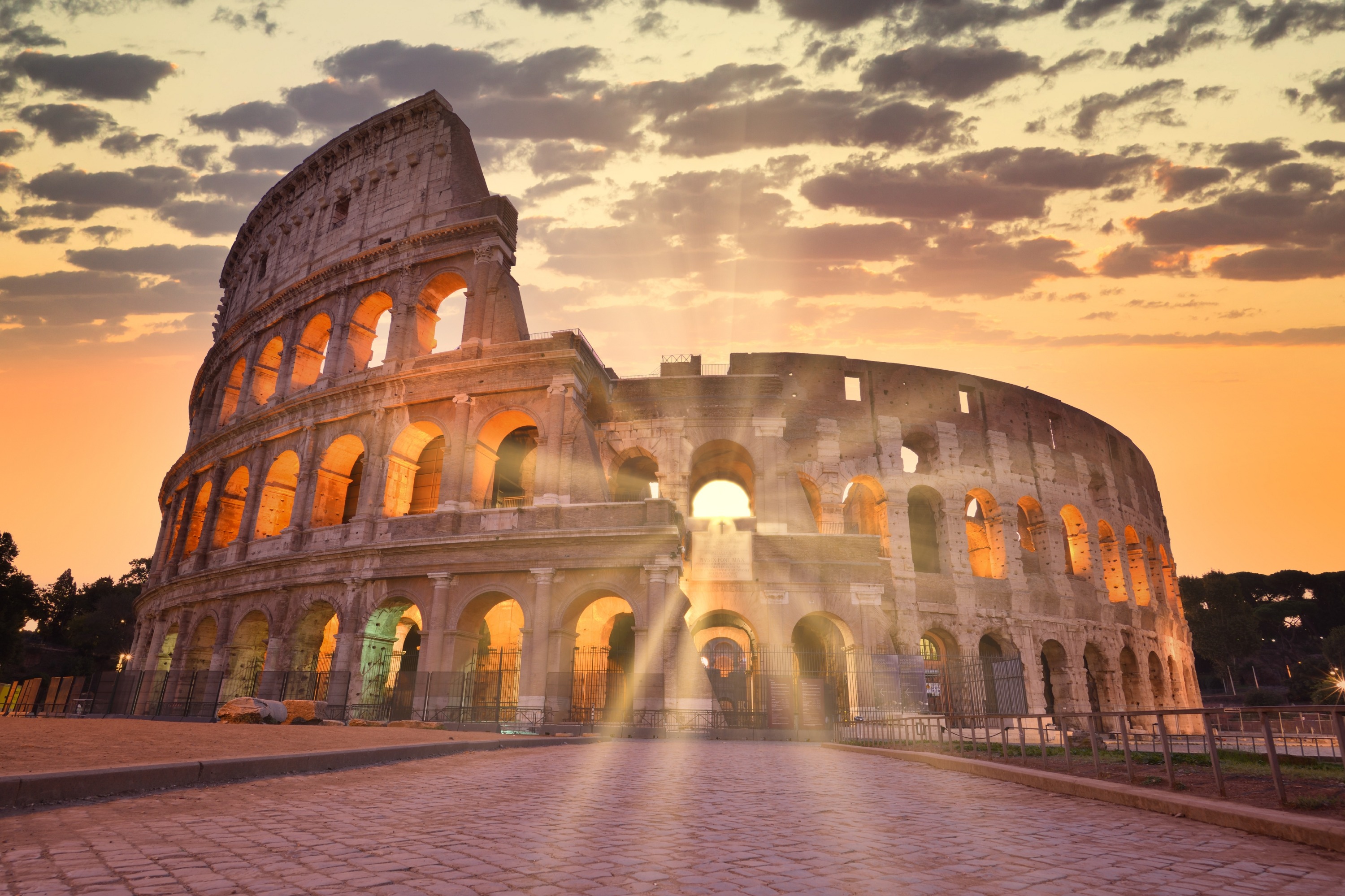
Colosseum
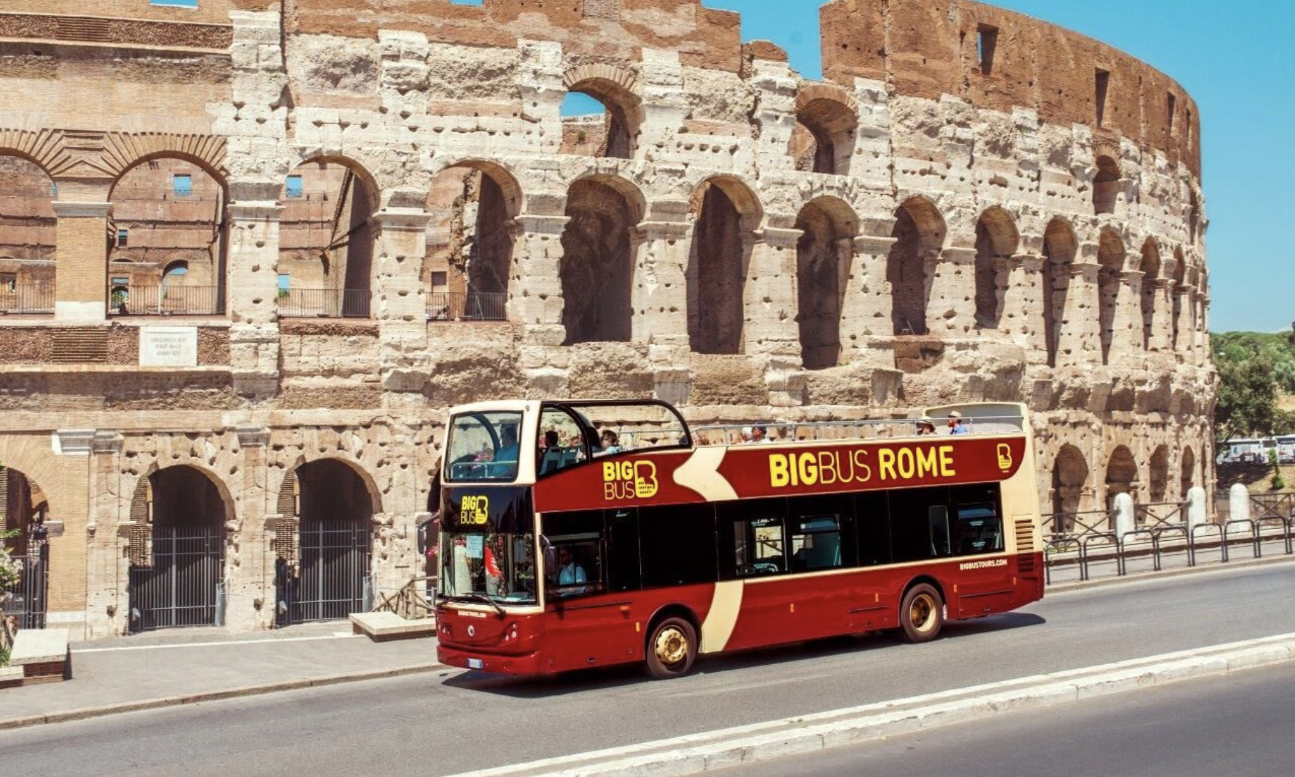
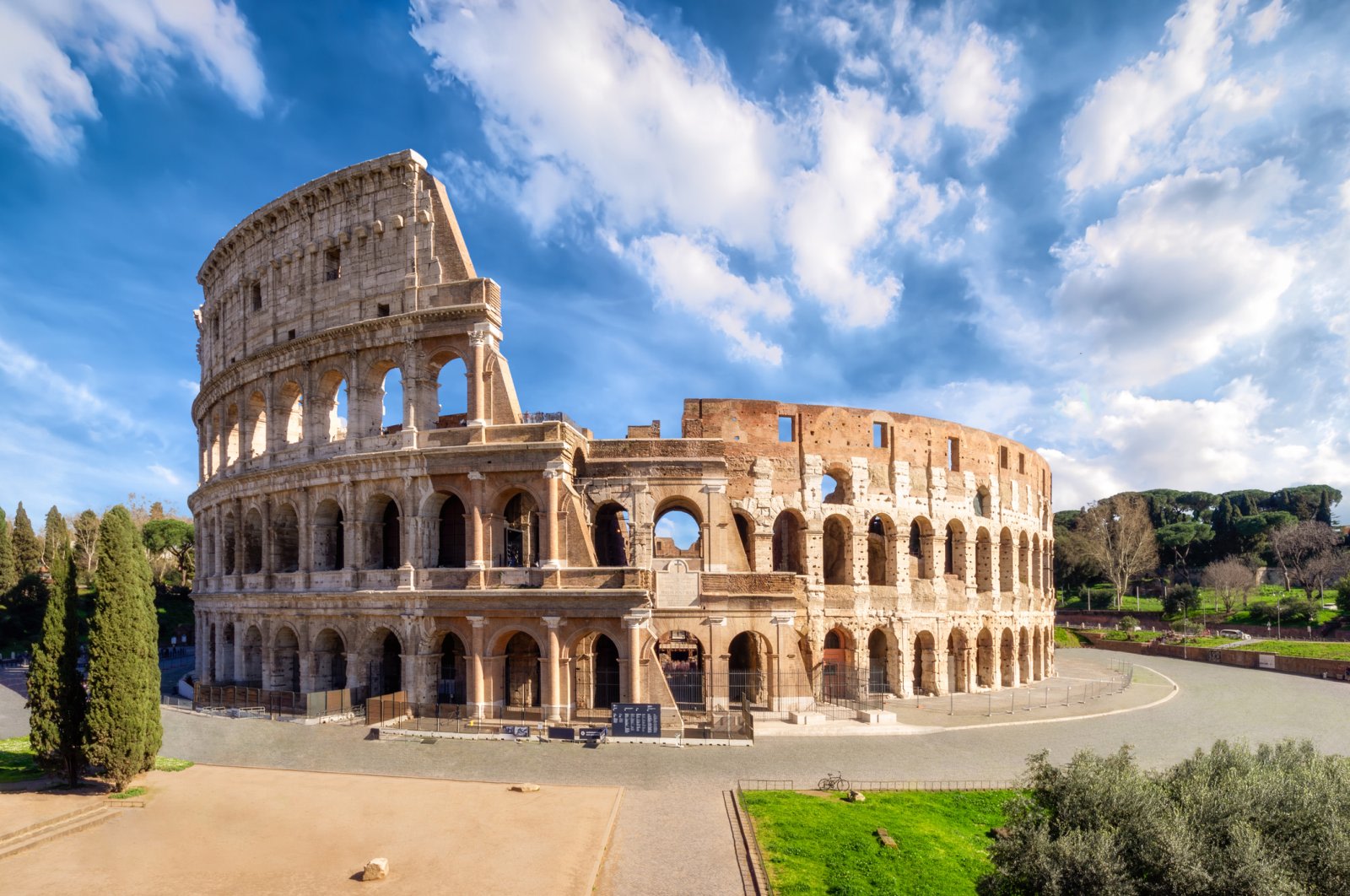
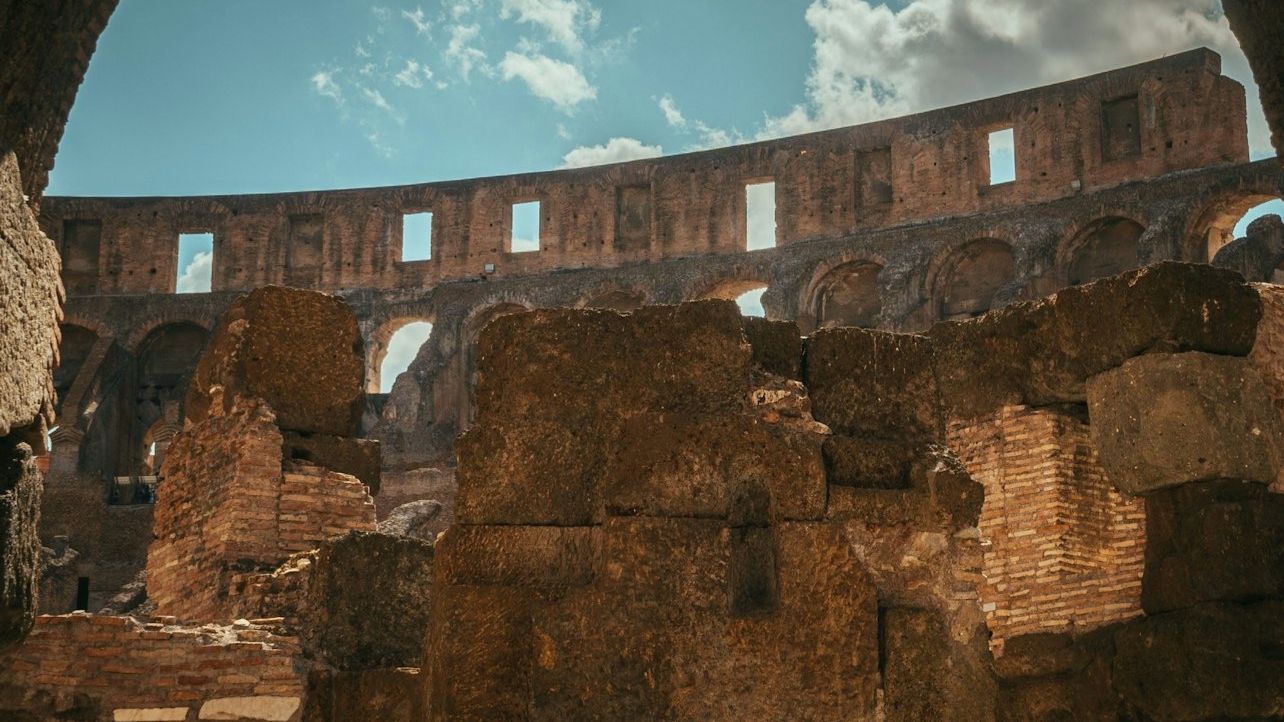
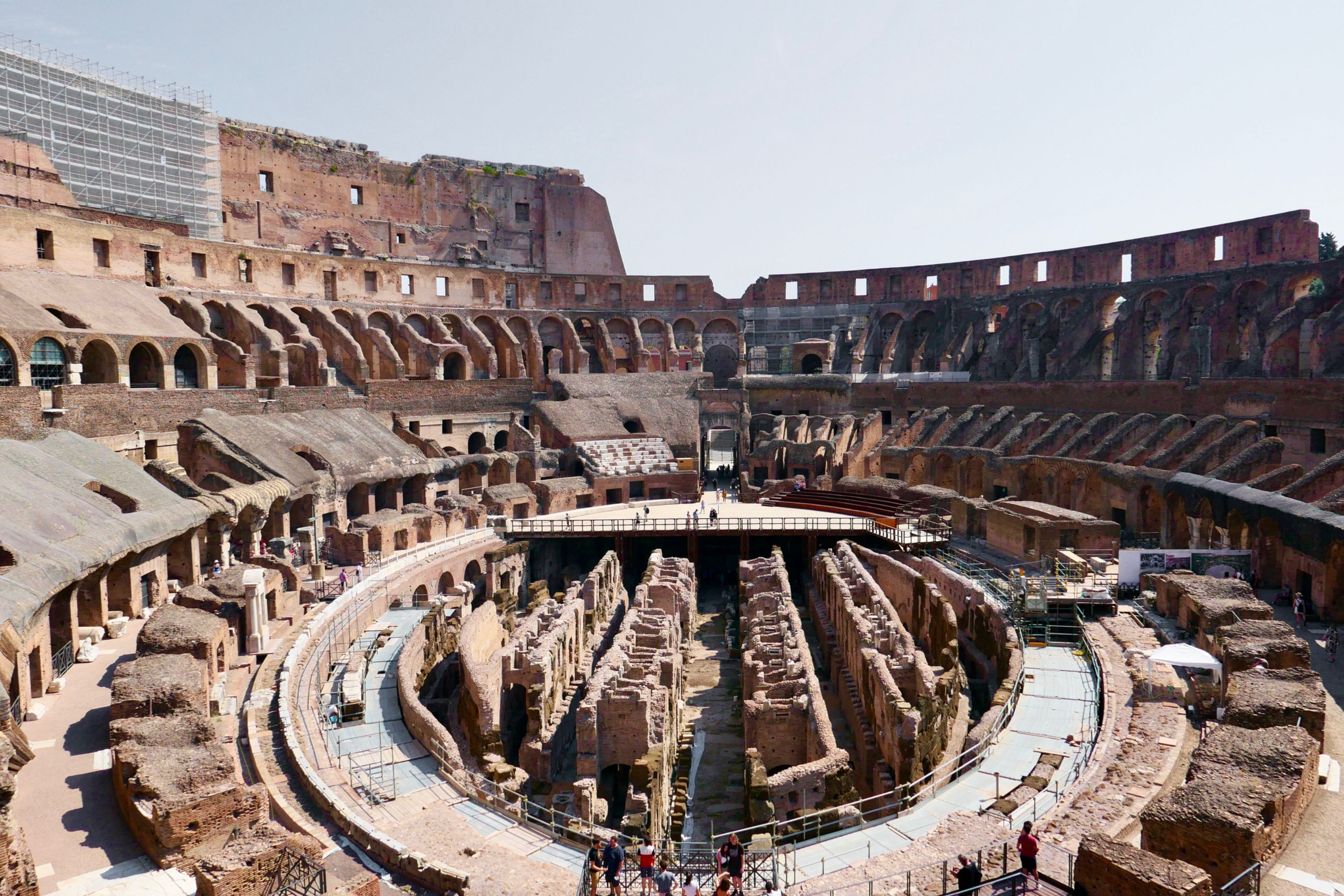
The Colosseum is an iconic symbol of Rome and one of the most famous ancient amphitheaters in the world. It was used for gladiatorial contests and public spectacles.
Historical
1-2 hours
€16 (combined ticket with Roman Forum and Palatine Hill)
Vatican City
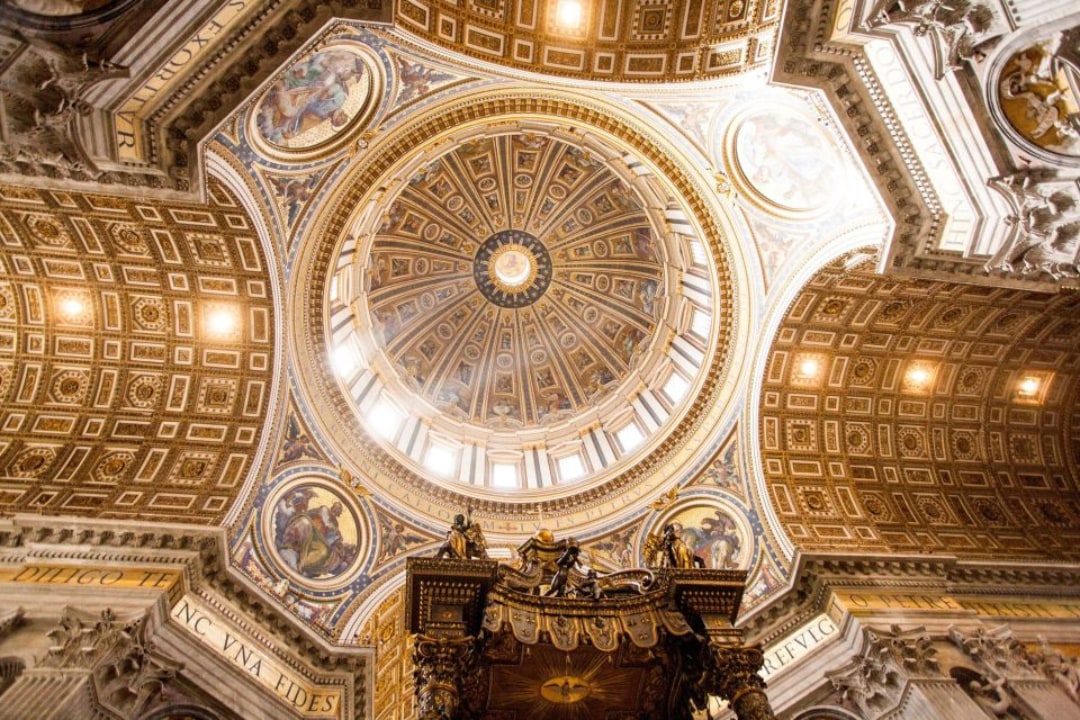
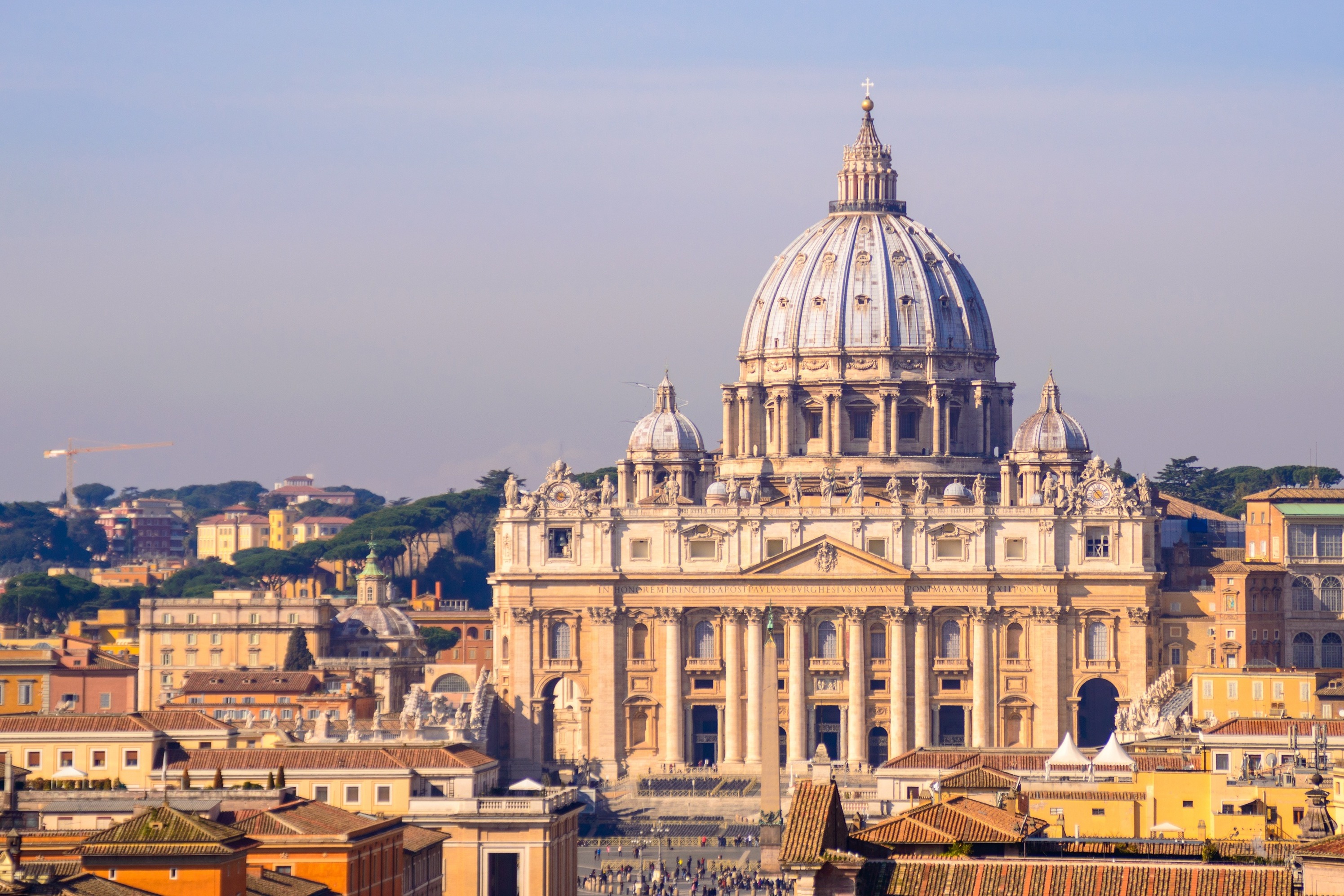
Vatican City is an independent city-state enclaved within Rome. It is the spiritual and administrative center of the Roman Catholic Church.
Religious
Half day
€17 (Vatican Museums and Sistine Chapel), Free (St. Peter's Basilica)
Roman Forum
The Roman Forum was the political, commercial, and legal hub of the Roman Republic and Empire. It is a sprawling ruin of temples, basilicas, and arches.
Historical
1-2 hours
€16 (combined ticket with Colosseum and Palatine Hill)
Pantheon
The Pantheon is a former Roman temple, now a church, known for its large dome and oculus. It is one of the best-preserved ancient buildings in Rome.
Historical
30 minutes to 1 hour
Free
Trevi Fountain
The Trevi Fountain is a Baroque masterpiece and the largest fountain in Rome. It is a popular spot for visitors to throw coins and make wishes.
Architecture
15-30 minutes
Free
Must-Try Local Dishes
Cacio e Pepe
A simple yet delicious pasta dish made with Pecorino Romano cheese and black pepper.
Pasta
Vegetarian
Carbonara
A rich pasta dish made with eggs, Pecorino Romano, guanciale (cured pork cheek), and black pepper.
Pasta
Contains pork and eggs
Supplì
Fried rice balls filled with mozzarella and tomato sauce.
Snack
Vegetarian (some variations may contain meat)
Carciofi alla Romana
Artichokes braised with garlic, mint, and olive oil.
Vegetable
Vegetarian
Popular Activities
Hiking in the Appian Way Regional Park
Biking along the Tiber River
Rock climbing in the nearby mountains
Picnicking in Villa Borghese Gardens
Boating on Lake Albano
Enjoying a spa day at a luxury hotel
Visiting the Vatican Museums
Attending an opera at the Teatro dell'Opera di Roma
Best Time to Visit
April to June, September to October
Spring and fall offer pleasant weather and fewer crowds compared to the summer peak. Ideal for sightseeing and outdoor activities.
15-30°C
59-86°F
Practical Information
Language
- Official: Italian
- Widely spoken: English, Spanish, French
- English: Moderately spoken
Currency
Euro (EUR)
Time Zone
GMT+1 (CET), GMT+2 (CEST during daylight saving time)
Electricity
230VV, 50HzHz
Safety Information
Overall Safety Rating: Generally safe
Rome is generally safe for tourists, but pickpocketing and scams can be a problem in crowded areas. Be aware of your surroundings and take precautions to protect your belongings.
Important Precautions:
- • Keep valuables secure and out of sight
- • Use official taxis or ride-sharing services
- • Be cautious of strangers approaching you with petitions or bracelets
Getting there
By air
- Leonardo da Vinci International Airport • 35 km from city center
- Ciampino Airport • 15 km from city center
By train
Roma Termini, Roma Tiburtina
By bus
Tiburtina Bus Station, Roma Termini
Getting around
Public transport
The metro system is efficient and covers major tourist areas. It operates from 5:30 AM to 11:30 PM.
Taxis
Available • Apps: Uber, FreeNow
Rentals
Car, Bike, Scooter
Neighborhoods
Trastevere
Monti
Prancipio
Testaccio
Day trips
Ostia Antica
30 km from Rome • Half day
An ancient Roman port city with well-preserved ruins, including a theater, baths, and mosaics. It offers a glimpse into daily life in ancient Rome.
Tivoli
30 km from Rome • Full day
A picturesque town known for its stunning villas and gardens, including the famous Villa d'Este with its elaborate fountains and gardens.
Orvieto
120 km from Rome • Full day
A charming hilltop town known for its stunning cathedral, underground caves, and local wine. It offers a mix of history, culture, and scenic views.
Festivals
Natale di Roma • April 21
Festa de' Noantri • July
Rome Film Festival • October
Pro tips
- Visit major attractions early in the morning or late in the afternoon to avoid crowds
- Use public transport or walk instead of taking taxis to save money and experience the city like a local
- Try local specialties and ask for recommendations from locals and restaurant staff
- Dress modestly when visiting religious sites and be respectful of local customs and traditions
- Be aware of pickpockets and scams, especially in crowded areas and tourist hotspots
From $25
per person
Price varies by option
Secure booking
Free cancellation available