Colourful Uzbekistan (9d7n)
Active
4h - 7h
For a full refund, cancel at least 24 hours before the scheduled departure time.
Instant confirmation
Mobile or paper ticket accepted
About this experience
Trip Type: Small and Big Group
The minimum is usually no less than 2, and the maximum is no more than 20 but some can be smaller or bigger, depending on the trip. Check individual trips for details.
Unforgettable Journey
Garant Travel is dedicated to creating and facilitating travel experience to develop awareness of each person to the place and the culture they are visiting. We specialize in sectors Inbound & Outbound and continue to develop products and provide services to each client with the experience and the best price.
Our Mission
To introduce the best of what there is in Central Asia. Which is natural beauty, culture and ethnicity.
Being a leader in the travel industry sectors Inbound, our experience since 2009 is a strong foundation to organize your trip
Available options
Colourful Uzbekistan (9d7n)
What's included
3*/4* Hotel accommodation in centrally located hotels (best available) with private facilities
Bullet train tickets
0.5L mineral water per day
Air-conditioned vehicle
Comprehensive sightseeing,visits to museums and attractions including entrance fees as per itinerary
Breakfast at hotel
English / Russian speaking guide
Detailed itinerary
1
which consist of of Barakkhan madrasah and The Museum of Quran where the original VII century Othman Quran written on a deer skin is preserved.
2
The Minor mosque is one of new sights of Tashkent located in the new part of the city, not far from the UzExpoCentre and Hotel International. It was opened on 1 October 2014, on the eve of the Eid holiday, and has become one of the favorite places of city residents for evening strolls. Minor mosque is located on the embankment of the Ankhor channel and is surrounded by a landscaped area.
3
This unique museum dedicated to the memory of the people killed or imprisoned as a result of repressions and persecutions was founded in the Uzbek capital not long ago.
4
fund lists over 7,000 samples of applied arts: handmade embroidery, skull-caps (tyubeteyka), jewelry, carpets and other examples of craftsmanship of the beginning of the 19th century to present day.
5
Stop 5
One of the most significant architectural ensembles of medieval East – the Gur Emir was built in the southwestern part of Samarkand at the beginning of the XV century.
6
Stop 6
The Registan Square is a real gem located in the very heart of the ancient city of Samarkand. It has gained its worldwide fame thanks to the great architectural ensemble that has become a monument of the oriental architecture.
7
Stop 7
Upon its completion in 1404, the Bibi-Khanym Mosque, Emperor Tamerlane's latest audacious project, was the largest in Central Asia and could accommodate a congregation of almost 10 000 worshippers. In large part destroyed by earthquakes, its 50m-high minarets, portal decorated with blue ceramics and majestic cupola still act as landmarks for kilometres around. Just opposite, the mausoleum is an initiative of Bibi Khanym, the emperor's favourite, who wanted to be laid to rest in front of the mosque bearing his name.
8
mosque is located on the south of Afrasiab fort. The area of the Mosque is 30 x 16 m. It stands on a natural elevation where a steep stairs leads. The mosque consists of aivan and khanaka. The mosque’s aivan (an indoor canopy standing on the columns) is richly decorated with ornaments.
9
Stop 9
there is one of the most mysterious and unique architectural monuments of Samarkand, Shakhi Zinda complex. It consists of rows of refine sparkling blue colors tombs. Harmoniously combined in a lively and moving composition, various mausoleums are grouped along the narrow medieval streets. Shakhi Zinda consists of eleven mausoleums, which were built one after another in 14 - 15th centuries.
10
Among historical monuments of Samarkand observatory takes particular place, constructed by Ulugbek in 1428-1429 on one of the hills on height, at the bottom of Chupanata altitude.
Observatory was unique construction for its time.The basis of observatory was giant goniometer vertical circle), radius of circle was equal 40,212 meters, and the length of arc was 63 meters. The main instrument-sextant was oriented with amazing exactness by line of meridian from south to north.
11
One of the most ancient legends is associated with the name of the Old Testament prophet Daniel. As it is known from biblical sources, Daniel, or, as it is customary to call Christians, Daniel, and Muslims - Khoja Daniyar, was a descendant of King Solomon and lived in the 5th-4th centuries BC in Jerusalem. God gave him the ability to prophesy.
12
Architectual ensemble Lyabi-Khauz is formed with three large monumental buildings: Kukeldash Madrasah in the north, khanaka and Nodir Divan-begi in the west and in the east. From the south the square was closed with Trade Street. The center of old Bukhara large ensemble became a reservoir.
13
Ulugbek Observatory is one of the important observatories in the world of the middle ages, built by Ulugbek near Samarkand in 1428-1429. It is round three-storey building, its diametre is 46,4 and height is 30 metre. There was marble sextant here. The device which was under the ground is well preserved.
14
Opposite Ulugbek Madrasah there is Abdullazizkhan Madrasah. Abdullazizkhan built it in 1651 – 1652 and it is the last large Madrasah in Bukhara. The building is typical by composition, with four-ayvans yard, but with unordinary divergent fan of hudj groups after side ayvans and cupola buildings on the central axis.
15
Construction of the Miri-Arab madrasah dates back to the 16th century and is related to the sheikh Abdallah Yamani (from Yemen), the spiritual pir (guide) of sheybanids.
16
The Kalyan Minaret: history of the city symbols
17
Bukhara is well-known to the world not only with its mosques, Ark Fortress and the majestic Kalyan minaret but also with its trading domes stretching in procession from Lyabi-Khauz to the Miri-Arab madrasah.
18
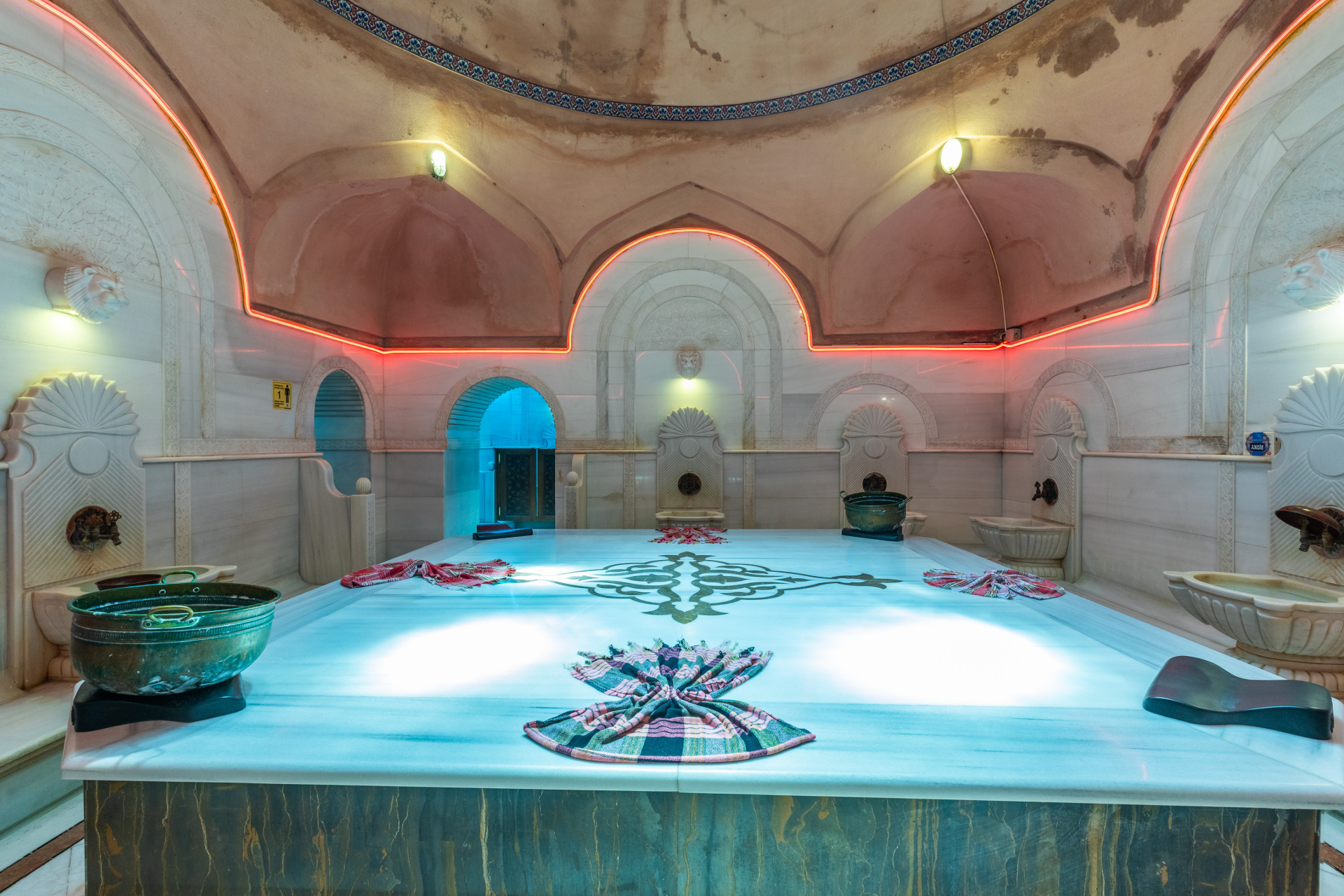
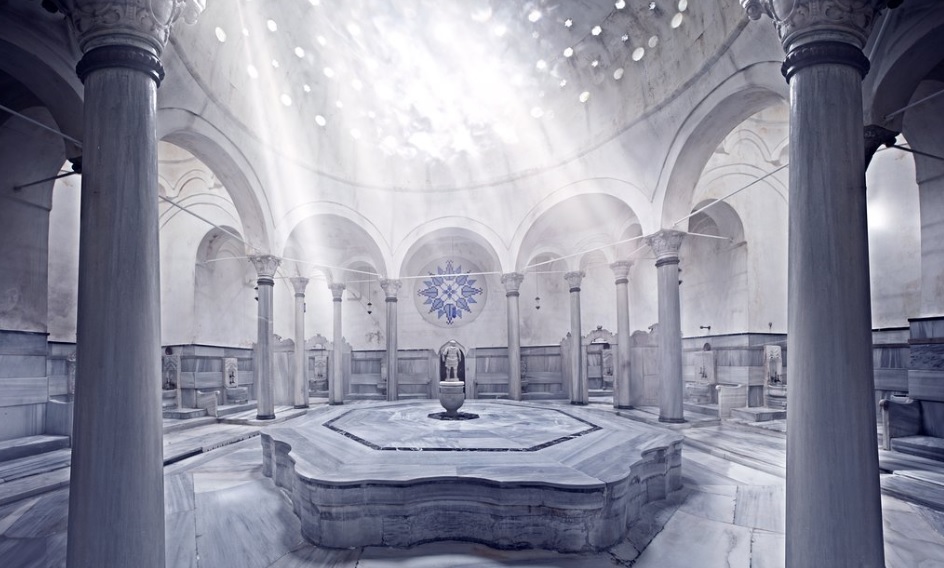
(Optional) The Bozori Kord Hammam was built in the 14th century, and has been in regular use ever since. The hammam experience may be one of the most memorable ones of your trip. You will immerse yourself in centuries-old traditions, and will experience the "real Bukhara". This will take you beyond the souvenir shops and tour guides, and will put you in contact with the way people really live in Bukhara.
19
Of all the medieval buildings in Bukhara, the Samanids Mausoleum is of special interest. This world-famous architectural masterpiece was built at the close of the ninth century.
20
Mausoleum of Chashma-Ayub is the religious building in the heart of Bukhara. It consists of the mausoleum and a holy spring. Today it includes a Museum of Water. The mausoleum was built by the order of Karakhanid rulers in the 12th century.
21
It is located on the opposite site of Ark - the Emir's fortress. The complex consists of the reservoir, Friday mosque and minaret.
22
Ark-Citadel is a residence of Bukhara khans. According to the last excavations, it was determined the citadel was on this place from 4 century BC.
23
You will visit Ichan-Kala Fortress which is a UNESCO World heritage site
24
A store that sells products from Uzbek and Russian designers - clothing, shoes, accessories, dishes, fabrics, carpets, souvenirs, paintings and more.
25
The architecture of the Tashkent metro stations is one of the most beautiful in the world and it is traditionally a destination for travelers and guests during sightseeing tours around the city.
Tashkent is the first city in Central Asia which has a subway. Its construction was begun in 1973, and in 1977 the first line began operations.
What's not included
International and Domestic air fare to/from
Lunches and Dinners
Gratuities for local guides and drivers
Any services not included in the above itinerary
Available languages
Guide guide
HI
AR
DE
RU
EN
IT
FR
TR
ES
ML
Audio guide
RU
EN
Written guide
RU
EN
Important information
Wheelchair accessible
Public transportation options are available nearby
Infants are required to sit on an adult’s lap
Travelers should have at least a moderate level of physical fitness
Meeting point
Breakfast. Visit Human House and Amir Timur museum. Explore Tashkent subway. Walking tour at Amir Timur square, People Friendship square. Lunch and shopping in Chorsu bazaar. 19:00 Departure flight to KLIA by HY553. Flight at 22:45. (from KLIA flight to next destination)
End of Tour.
Important notes
Entance fees included
About Tashkent
Tashkent, the capital of Uzbekistan, is a vibrant city that blends modern urban life with rich historical heritage. Known for its Soviet-era architecture, bustling bazaars, and beautiful parks, it offers a unique mix of cultures and experiences. The city's rapid development and strategic location make it a gateway to Central Asia.
Top Attractions
Khast Imam Complex
This historic religious complex houses the Osman Quran, one of the world's oldest Qurans. It's a significant site for Islamic pilgrimage.
Historical/Religious
1-2 hours
Free (small fee for the museum)
Chorsu Bazaar
One of the oldest and largest bazaars in Central Asia, Chorsu offers a vibrant atmosphere with a variety of goods, from fresh produce to traditional crafts.
Market/Cultural
1-2 hours
Free to enter, prices vary for goods
Amir Timur Square
Named after the famous conqueror, this square is the heart of Tashkent, surrounded by beautiful architecture and monuments.
Historical
30 minutes to 1 hour
Free
Tashkent Metro
The Tashkent Metro is not just a mode of transport but a work of art, with beautifully decorated stations showcasing Soviet-era design.
Architecture/Historical
1-2 hours for a full tour
1,200-1,500 UZS per ride
Tashkent TV Tower
The Tashkent TV Tower is the tallest structure in Uzbekistan, offering panoramic views of the city from its observation deck.
Architecture/Adventure
1-2 hours
Moderate (entry fee for the observation deck and suspension bridge)
Must-Try Local Dishes
Plov
A rice dish cooked with carrots, meat (usually lamb or beef), and spices. It's a staple of Uzbek cuisine and often served at celebrations.
Main dish
Contains meat, can be made with chicken or vegetarian versions
Lagman
A noodle soup with meat, vegetables, and a rich broth. It's a comforting and hearty dish, often enjoyed for lunch.
Main dish
Contains meat, can be made with chicken or vegetarian versions
Shashlik
Grilled skewers of marinated meat, usually lamb or beef. It's a popular street food and often served with onions and flatbread.
Main dish
Contains meat, can be made with chicken or vegetarian versions
Samsa
Baked pastries filled with meat, pumpkin, or potatoes. They are a popular street food and can be found in bakeries and markets.
Snack
Can be vegetarian or with meat
Popular Activities
Hiking in the nearby mountains
Exploring the Chimgon Water Park
Visiting the hot springs in Chimgon
Enjoying a traditional tea ceremony
Exploring the Khast Imam Complex
Visiting the Tashkent Metro stations
Swimming in the Chimgon Water Park
Skiing in the nearby mountains
Best Time to Visit
April to June, September to October
These months offer pleasant weather, ideal for sightseeing and outdoor activities. The city is vibrant with festivals and cultural events.
15°C to 30°C
59°F to 86°F
Practical Information
Language
- Official: Uzbek
- Widely spoken: Russian
- English: Limited
Currency
Uzbekistani Som (UZS)
Time Zone
GMT+5
Electricity
220VV, 50HzHz
Safety Information
Overall Safety Rating: Generally safe
Tashkent is generally safe for travelers, with low crime rates and a strong police presence. However, petty crime and scams can occur, especially in crowded areas and tourist spots.
Important Precautions:
- • Use official taxis or app-based services
- • Keep valuables secure and out of sight
- • Be cautious of strangers offering unsolicited help or services
Getting there
By air
- Tashkent International Airport • 10 km from city center
By train
Tashkent Railway Station
By bus
Tashkent International Bus Terminal, Seragelsk Bus Station
Getting around
Public transport
The metro is clean, efficient, and affordable. It's the fastest way to get around the city.
Taxis
Available • Apps: Yandex.Taxi, Uber
Rentals
Car, Bike, Scooter
Neighborhoods
Old City
City Center
Yunusabad District
Seragelsk
Day trips
Chimgon
25 km from Tashkent • Half day to full day
Chimgon is a popular resort town known for its hot springs, parks, and recreational facilities. It's a great place to relax and enjoy nature.
Ohangaron
70 km from Tashkent • Full day
Ohangaron is a picturesque area known for its natural beauty, hiking trails, and traditional Uzbek villages. It's a great place for nature lovers and adventure seekers.
Jomboy Valley
80 km from Tashkent • Full day to overnight
Jomboy Valley is a stunning area known for its natural beauty, hiking trails, and traditional Uzbek villages. It's a great place for nature lovers and adventure seekers.
Festivals
Tashkent Fashion Week • April
Tashkent International Film Festival • September
Navruz (Nowruz) • March 21
Pro tips
- Learn a few basic phrases in Uzbek or Russian to enhance your experience and interact with locals
- Use the metro for a unique and efficient way to get around the city, and take the time to appreciate the beautiful station designs
- Visit the Chorsu Bazaar early in the morning for the freshest produce and fewer crowds
- Try a traditional Uzbek plov cooking class for a unique and delicious cultural experience
- Explore the city's parks and green spaces, such as the Amir Timur Museum Park and the Tashkent Botanical Garden, for a relaxing and scenic break from the bustling city
From $25
per person
Price varies by option
Secure booking
Free cancellation available
Instant confirmation