FROM AMMAN | PETRA City Tour In One Day | Lunch & Admission fees included
Active
9h - 11h
For a full refund, cancel at least 24 hours before the scheduled departure time.
Instant confirmation
Mobile or paper ticket accepted
About this experience
Made for travelers willing to visit the lost city of Petra in one day from Amman
Driven by a private vehicle along the desert highway, visit the ancient city of Petra with a private guide.
Your guide will take you through the site where he will give you another dimension to the mystery icons detailing every spot along your trail such as the Treasury, the Roman Theater, and the Temple of the Winged Lion, before he leaves you to explore the site on your own.
After that you enjoy a traditional lunch booked for you before you head all the way back to Amman.
Available options
FROM AMMAN | PETRA City Tour In One Day | Lunch & Admission fees included
Pickup included
What's included
Private transportation
WiFi on board
Lunch
Landing and facility fees
Air-conditioned vehicle
Restroom on board
Detailed itinerary
1
Walk through the 1200m (2/3 mile) Siq to see the Treasury, the Street of Facades, passed the Theatre and down the Roman Street and have a panoramic view of the Royal Tombs. - Depending upon time available your will either have a lunch in a local Wadi Musa restaurant or a packed lunch - so as to maximise your viewing time
2
Stop 2
As the Siq becomes narrower and darker in the last few metres, the Al-Khazneh (Treasury) suddenly lights up at the end of the cleft. To stand in front of one of the most famous facades in the world is a magnificent experience, provided you get there before masses of tourists block the view.
The Nabataeans had staged this overture when entering their capital from the east in a far more imposing manner than the present sight suggests. The forecourt lay about 6 m lower, was paved, and might have contained a pond. An open staircase about 13 m length and more than 5 m width led over older graves (see below) to a terrace in front of the portico. The magnificent rock-cut mausoleum (25 m wide, 39 m high) was probably built during the second half of the reign of King Aretas IV (ruled 9 BC - 40 AD), but it is not known for whom. Traces of burnt incense found on the plaza suggest that Al Khazneh was an important pilgrimage site.
3
Stop 3
It is the ancient main entrance leading to the city of Petra, starts at the Dam and ends at the opposite side of the vault, a split rock with a length of about 1200m and a width of 3 to 12m, and height up to about 80m; most of the rock is natural and another part was sculptured by the Nabataeans. The Siq, the main road that leads to the city, starts from the Dam and ends at the Treasury. It is a rock canal that measures 160 meters in length, 3
to 12 meters in width and reaches up to 80 meters in height. The main part of the Siq is created by natural rock formation and the rest is carved by the Nabataeans.
At the beginning of the Siq, one can still view the remains of the city’s gate. On both sides of the Siq, there are channels to draw water from Wadi MAusa (the Valley of Moses), from outside the city to the inside.
4
Drop-Off
What's not included
Personal Expenses
Available languages
Guide guide
EN
Important information
Suitable for all physical fitness levels
About Amman
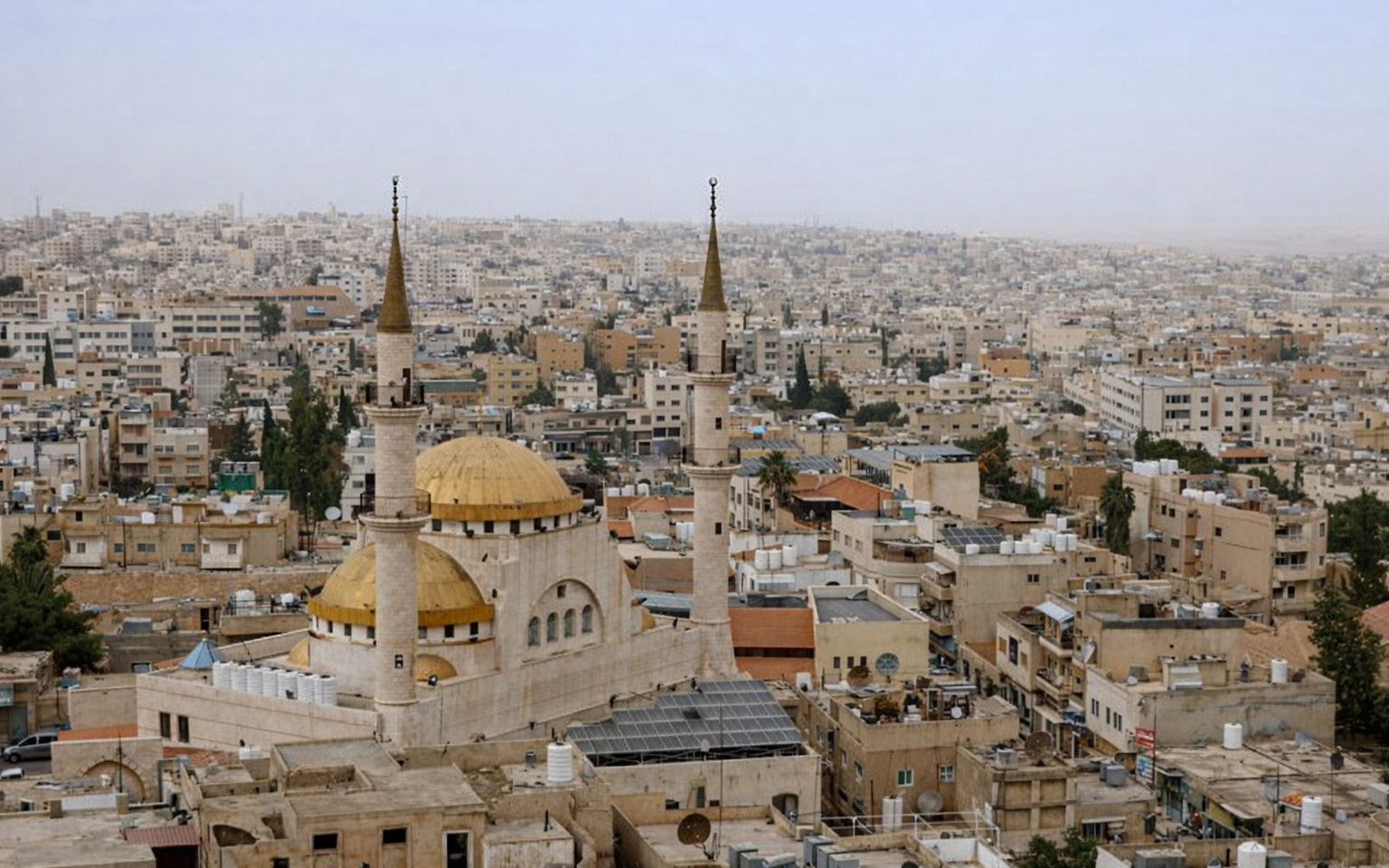
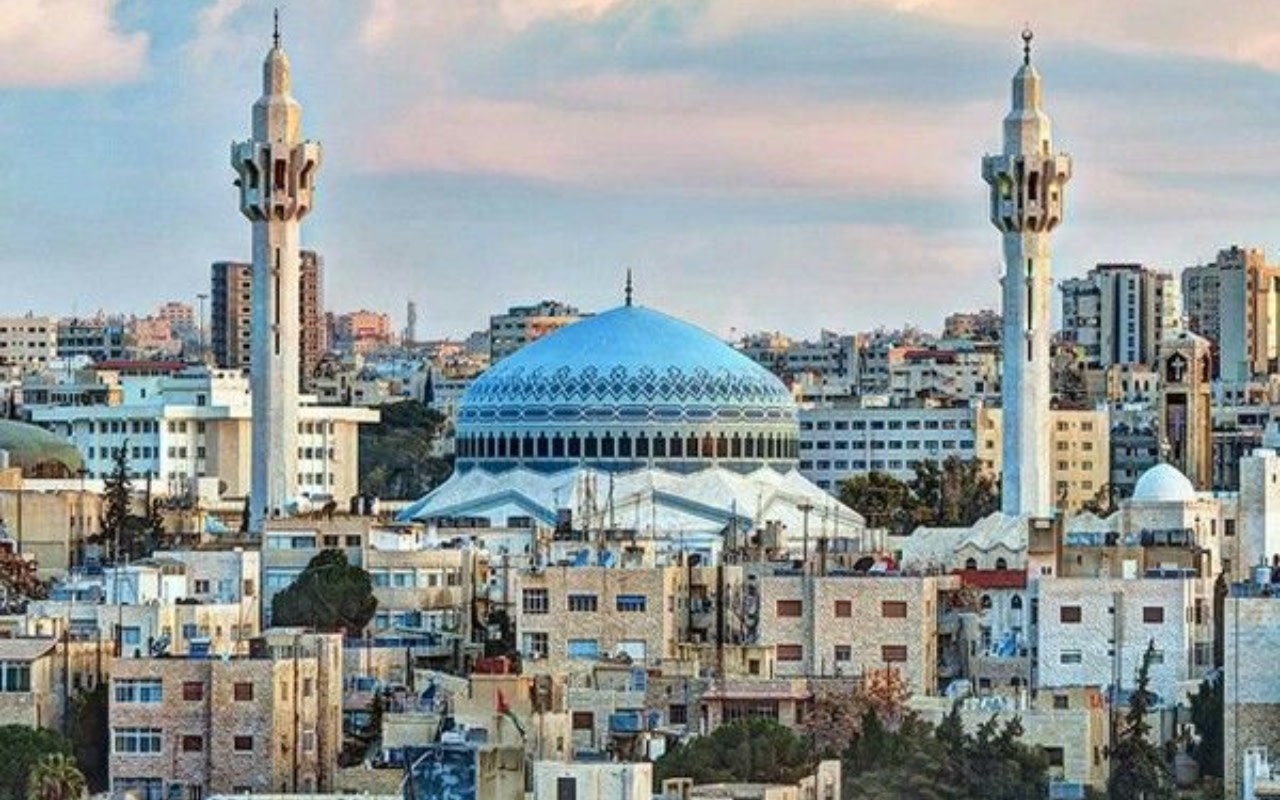
Amman, Jordan's vibrant capital, is a fascinating blend of ancient history and modern sophistication. Known as the 'White City' for its gleaming limestone buildings, it offers a unique mix of ancient ruins, contemporary art, and a thriving culinary scene.
Top Attractions
Amman Citadel
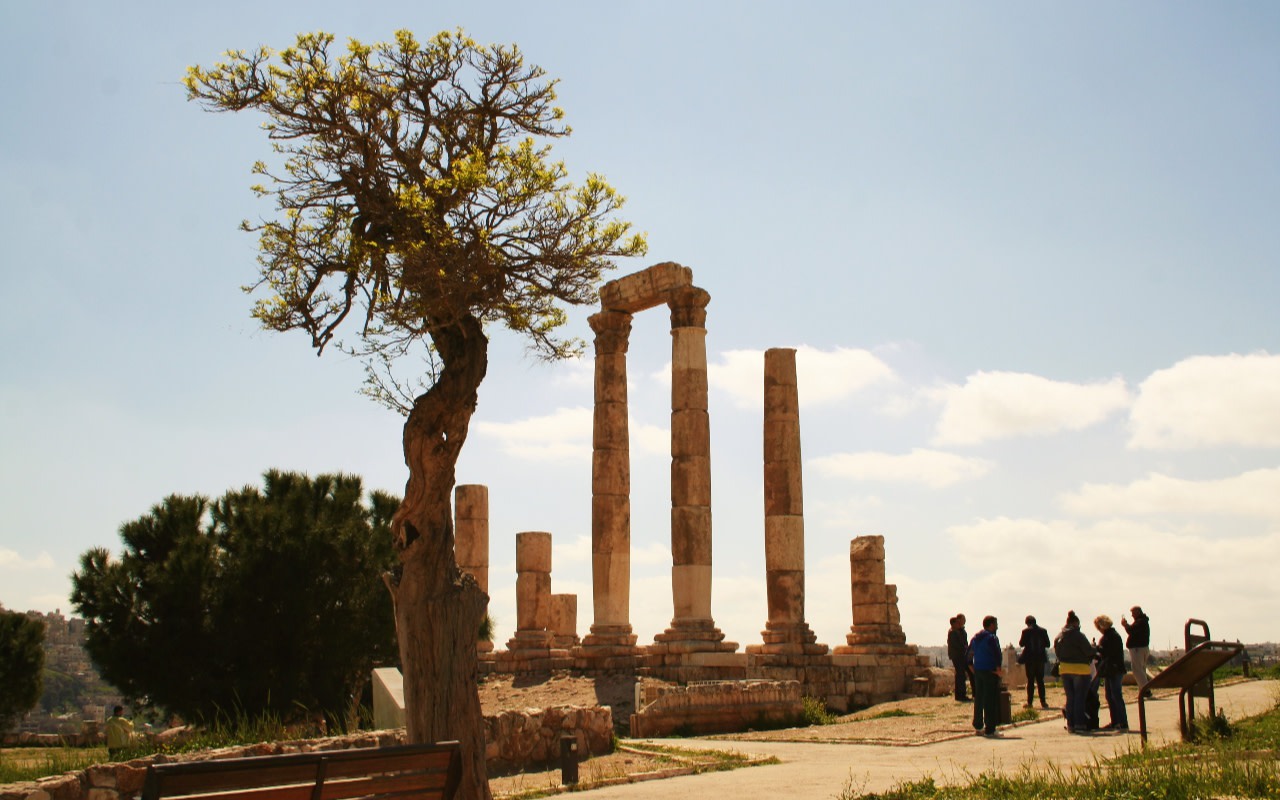
The Amman Citadel is an ancient fortress that offers stunning views of the city and a glimpse into its rich history. It houses the Temple of Hercules, the Umayyad Palace, and the Byzantine Church.
Historical
1-2 hours
10 JOD (14 USD)
Roman Theater
This well-preserved 2nd-century Roman theater is a testament to Amman's ancient past. It is still used for cultural events and performances today.
Historical
30-60 minutes
2 JOD (3 USD)
Rainbow Street
Rainbow Street is a vibrant and historic street in Amman known for its cafes, restaurants, and shops. It offers a mix of traditional and modern Jordanian culture.
Cultural
1-2 hours
Free to explore
Darab Alanda
Darab Alanda is a bustling market area with a variety of shops, restaurants, and cafes. It's a great place to experience local culture and cuisine.
Cultural
1-2 hours
Free to explore
Must-Try Local Dishes
Mansaf
Jordan's national dish, consisting of lamb cooked in a yogurt sauce and served with rice and pine nuts.
Main Course
Contains meat and dairy
Falafel
Deep-fried balls made from ground chickpeas, herbs, and spices, often served in pita bread with vegetables and tahini sauce.
Snack
Vegetarian, can be vegan if no dairy added
Hummus
A creamy dip made from chickpeas, tahini, lemon juice, and garlic, often served with pita bread.
Appetizer
Vegetarian, can be vegan if no dairy added
Shawarma
Thinly sliced marinated meat, usually chicken or lamb, cooked on a vertical spit and served in pita bread with vegetables and sauces.
Main Course
Contains meat, can be vegetarian if made with halloumi cheese
Popular Activities
Hiking in Wadi Mujib
ATV tours in the desert
Hot air ballooning
Spa treatments at the Dead Sea
Yoga and meditation retreats
Cultural tours
Visiting museums and historical sites
Attending traditional music and dance performances
Best Time to Visit
Spring (March to May) and Autumn (September to November)
These seasons offer pleasant weather, perfect for exploring the city's historical sites and outdoor activities. The crowds are moderate, and the city is lively with festivals and events.
15-28°C (59-82°F)
59-82°F
Practical Information
Language
- Official: Arabic
- Widely spoken: English
- English: Moderately spoken
Currency
Jordanian Dinar (JOD)
Time Zone
GMT+3
Electricity
230VV, 50HzHz
Safety Information
Overall Safety Rating: Generally safe
Amman is generally safe for travelers, with low crime rates. However, petty crimes like pickpocketing can occur in crowded areas. Exercise caution and stay aware of your surroundings.
Important Precautions:
- • Use licensed taxis or app-based services like Uber or Careem.
- • Keep valuables secure and be cautious in crowded areas.
- • Avoid unlicensed tour guides and always verify their credentials.
Getting there
By air
- Queen Alia International Airport • 35 km (22 miles) south of Amman
By bus
Abdali Bus Terminal, Tabarbour Bus Terminal
Getting around
Public transport
Buses are the most common form of public transport in Amman. They are affordable but can be crowded and confusing for first-time visitors.
Taxis
Available • Apps: Uber, Careem
Rentals
Car, Bike, Scooter
Neighborhoods
Jabal Amman
Downtown Amman
Abdoun
Day trips
Jerash
50 km (31 miles) north of Amman • Half day to full day
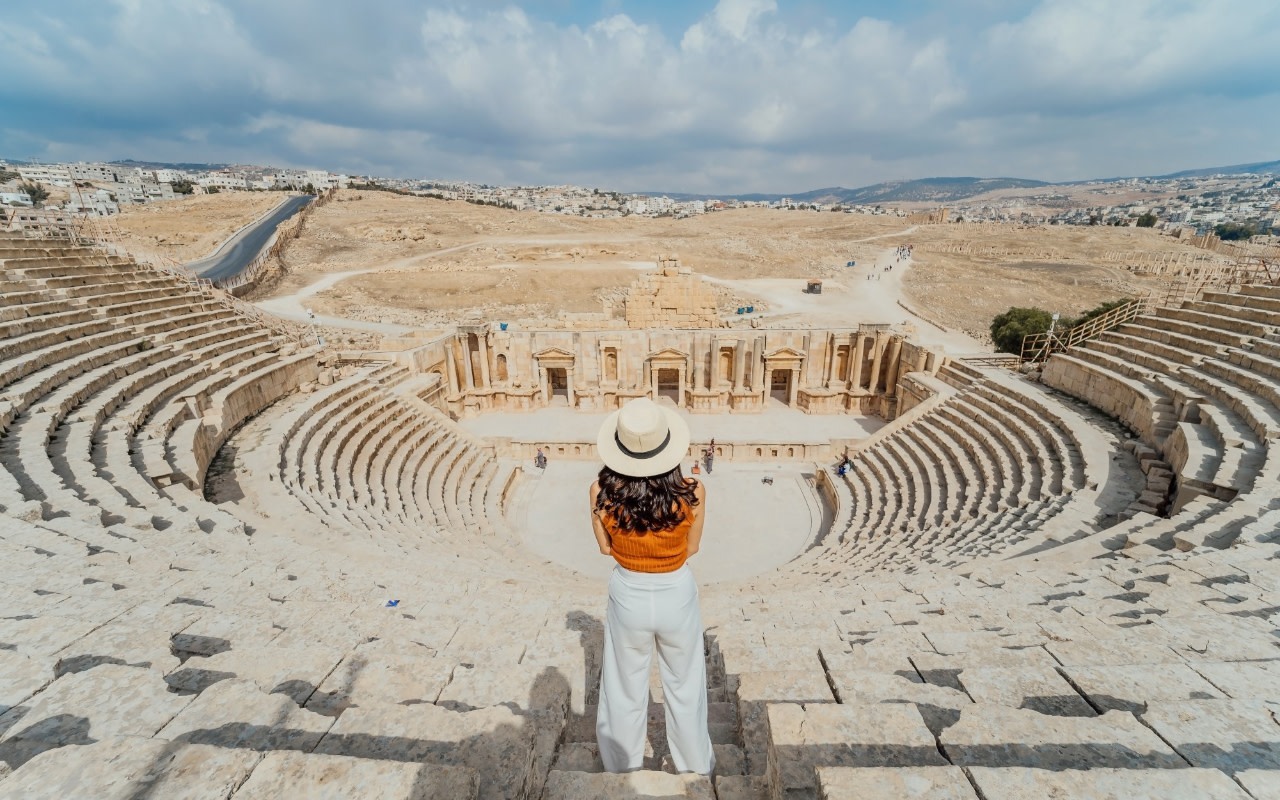
Jerash is known for its well-preserved Roman ruins, including the Oval Forum, the Temple of Artemis, and the South Theater. It offers a glimpse into Jordan's ancient past.
Dead Sea
55 km (34 miles) southwest of Amman • Full day
The Dead Sea is the lowest point on Earth and offers unique floating experiences due to its high salt content. It is also known for its mineral-rich mud and spa treatments.
Petra
240 km (150 miles) south of Amman • Overnight
Petra is a historic and archaeological city known for its rock-cut architecture and water conduit system. It is one of the New Seven Wonders of the World.
Festivals
Amman International Film Festival • July
Amman Spring Festival • April
Pro tips
- Learn a few basic Arabic phrases to enhance your experience and connect with locals.
- Try local street food and coffee for an authentic taste of Jordanian culture.
- Visit historical sites early in the morning or late in the afternoon to avoid the heat and crowds.
- Use app-based services like Uber or Careem for fixed prices and English-speaking drivers.
- Dress modestly and respect local customs, especially when visiting religious sites.
From $25
per person
Price varies by option
Secure booking
Free cancellation available
Instant confirmation