Meteora Full Day Private Tour 4seat
Active
12h
For a full refund, cancel at least 24 hours before the scheduled departure time.
Manual confirmation
Mobile or paper ticket accepted
About this experience
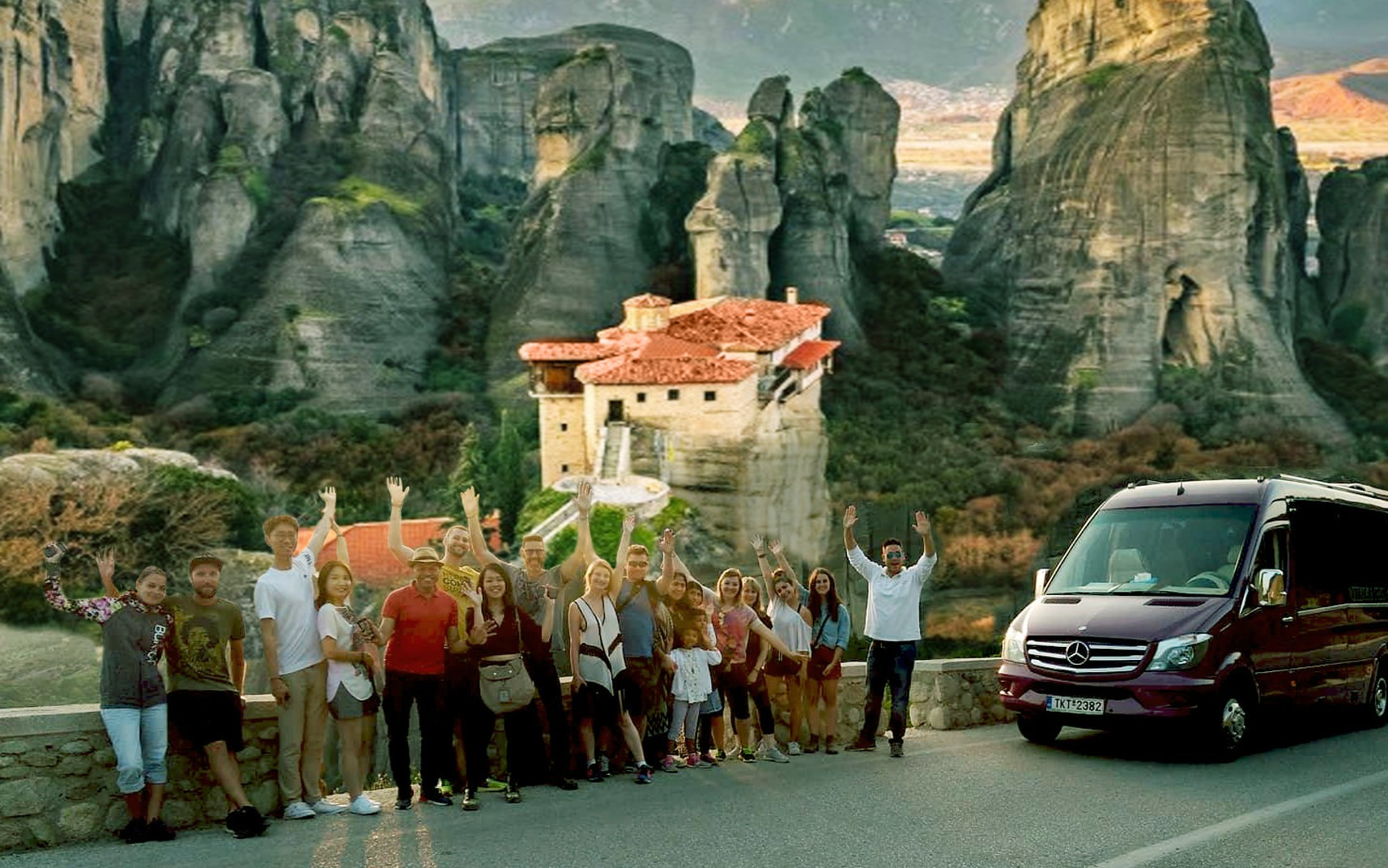
This trip offers a unique experience of combining nature’s greatness with history, architecture and religion. It is an inspiring and spiritual place where one can discover their inner peace. The trip starts from Athens early in the morning. Our route will have beautiful views of the lake and sea. We will pass by Thebes, we will see Lake Yliki and Lake Kopaida, and we will drive along the beautiful city of Trikala. After this, we will arrive in Meteora, which consists of a breathtaking geological phenomenon. There, we will visit the monasteries and have a closer look at the massive rocks where one of the most important complexes of Eastern Orthodox Monasteries is located. Afterwards, we will move to the town of Kalampaka for lunch, and then we will head to Thermopylae and visit the battleground where the famous battle of Thermopylae took place between an alliance of Greek city-states and the Persian Empire. After seeing the statue of Leonidas, we will return to Athens.
Available options
Meteora Tour 4seat 12hours
What's included
WiFi on board
Air-conditioned vehicle
Transfer in new, luxury non-smoking cars
Hotel pick-up and drop off
Luggage service
Detailed itinerary
1
Stop 1
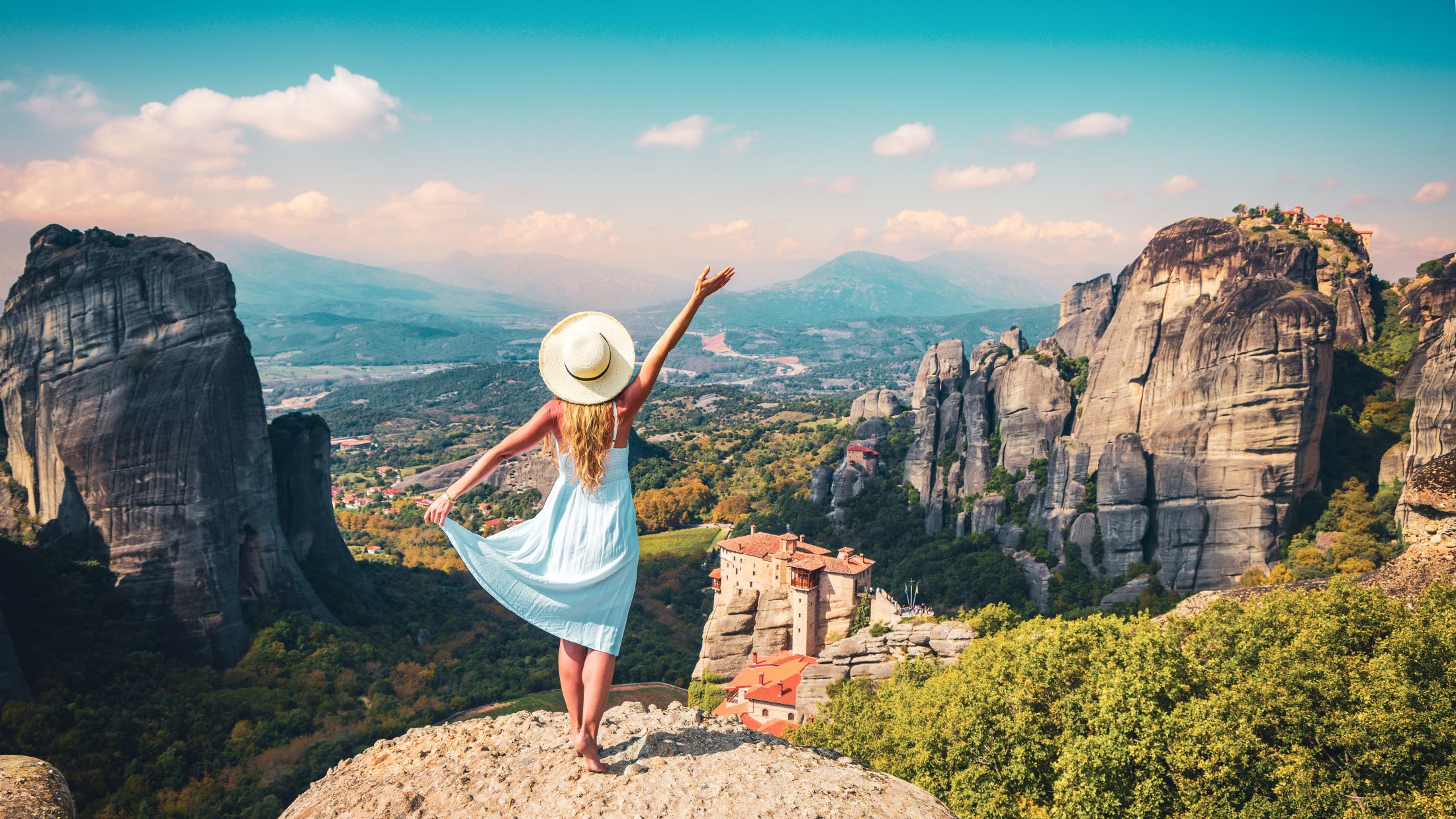
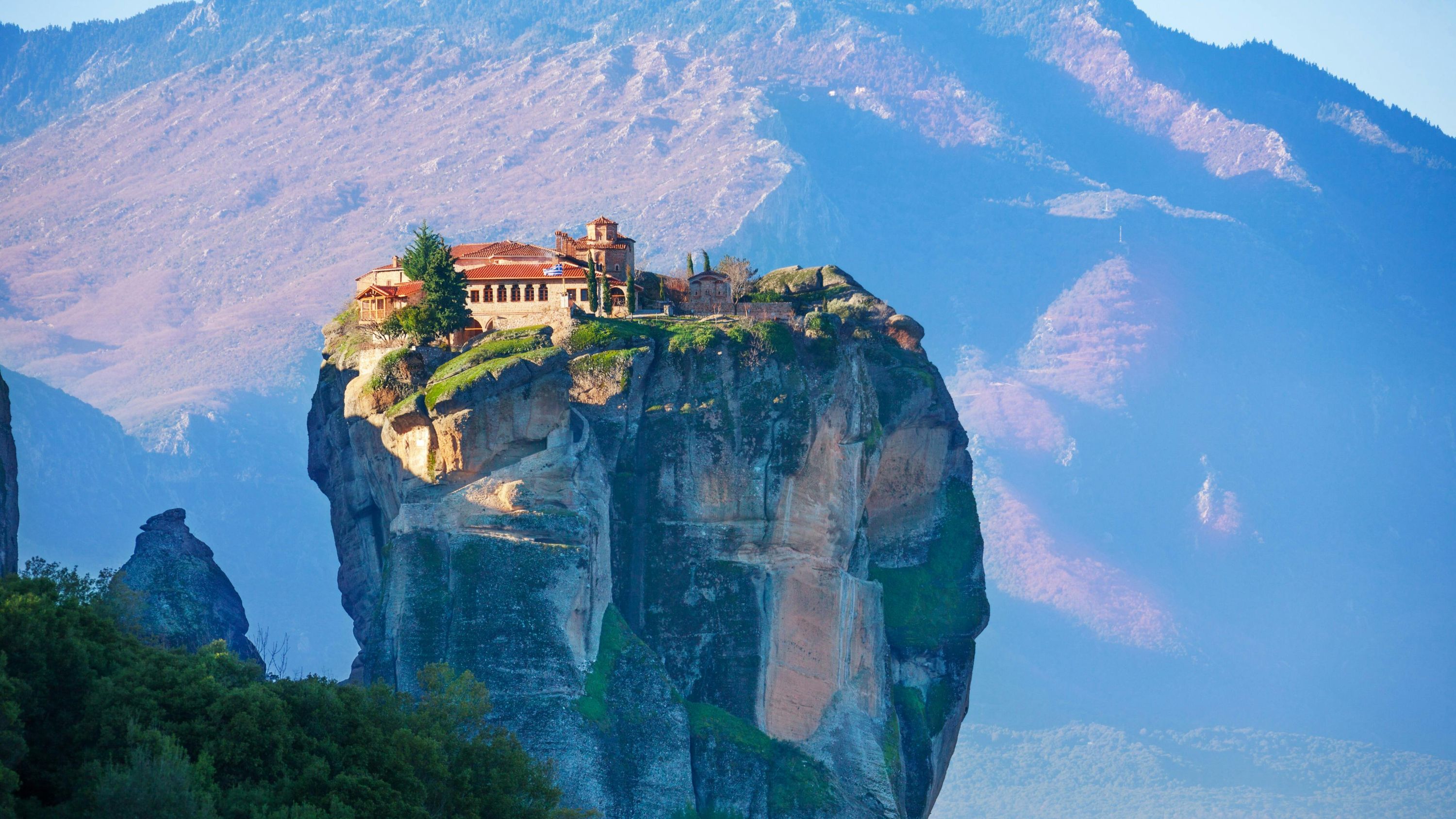
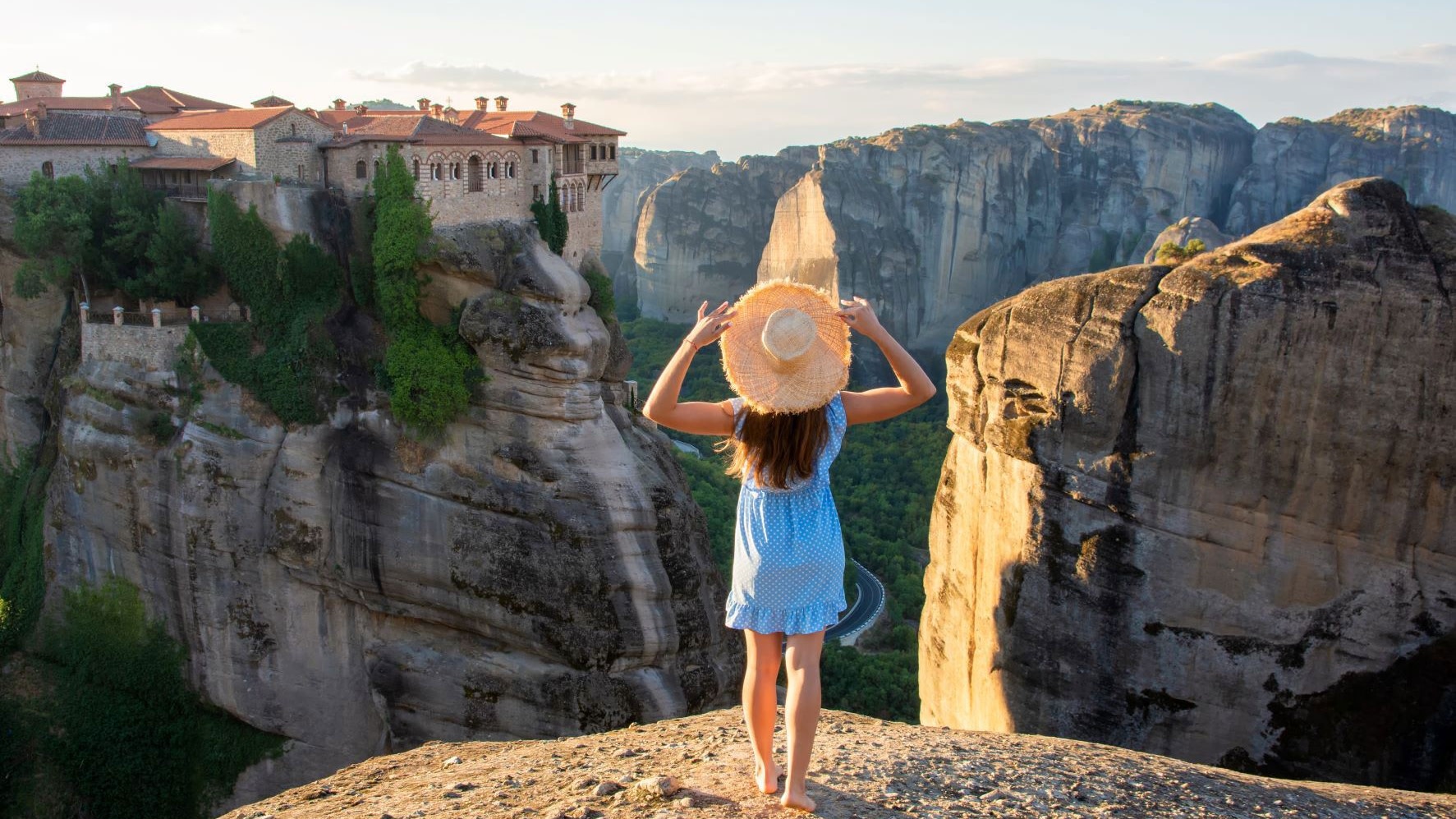
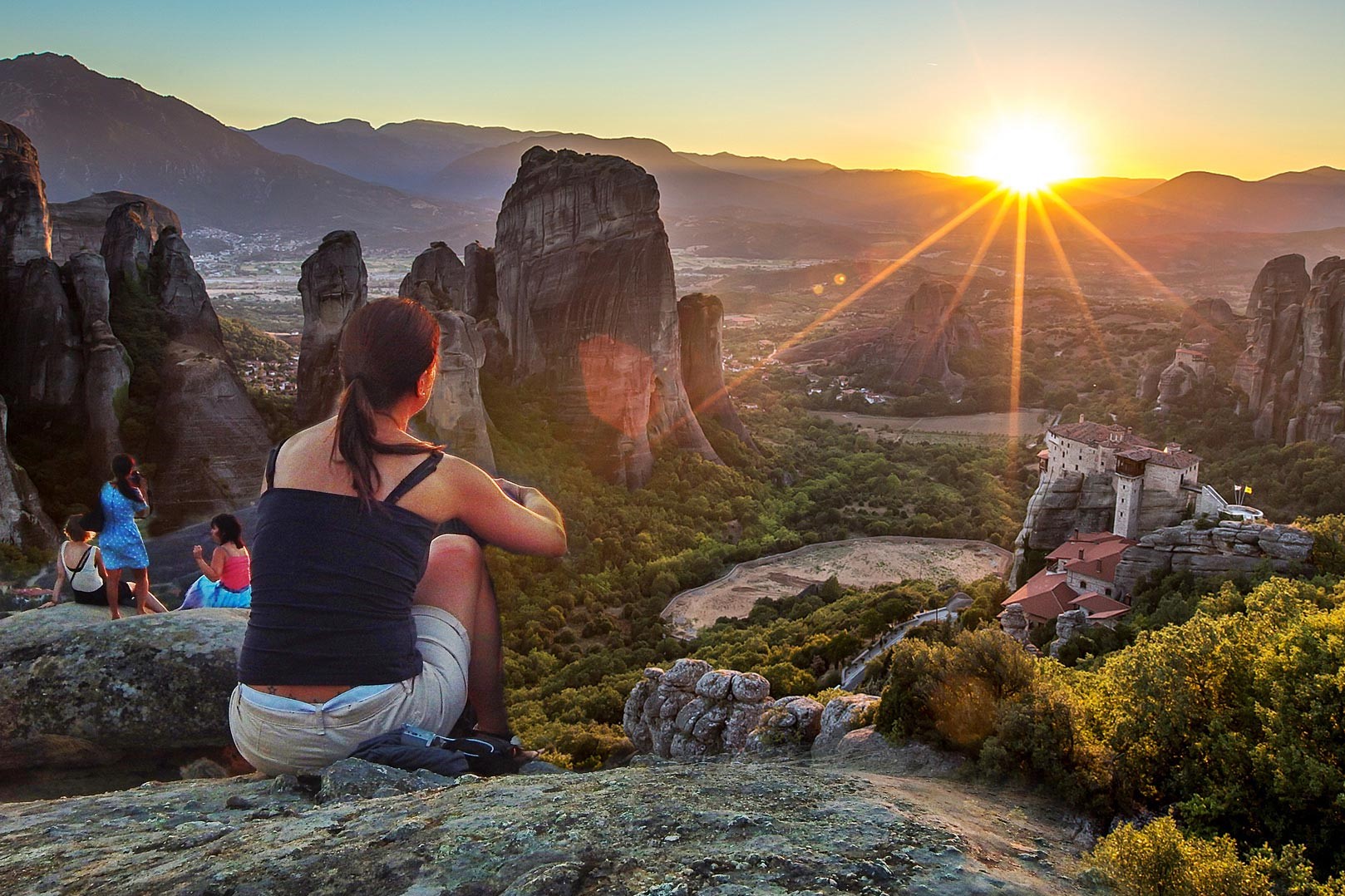
Meteora is a cluster of sandstone rocks, some rising to 400 meters, northeast from the town of Kalampaka with a group of Orthodox monasteries built on top of the rocks. The Greek word Meteora means “suspended in the air” which describes these outstanding Greek Orthodox monasteries to seem as if they are floating in midair. It is believed that these rock pillars were formed about 60 million years ago, during the Tertiary Period. In the beginning, the area was covered by sea but a series of earth movements pushed the seafloor upwards. The high plateau that was created, caused many cracks which were continuously hit by extreme weather conditions such as strong winds and waves. These events impacted their shape and turned them into huge rock pillars composed of sandstone and conglomerate. In the twelve century AD, an ascetic group of hermit monks were the first people that inhabited Meteora and moved up to the ancient pinnacles and resided at the caverns of Meteora. However, monasteries were not built until the fourteenth century, when saint Athanasios established the Holly Monastery of the Transfiguration. More than 20 monasteries were built in the fourteenth century. Between the 15nth to 16nth centuries, Meteora developed and flourished by creating places of worship and Orthodox iconography. For many centuries, the monks used scaffolds to climb the rocks to bring supplies. Later, this method was replaced by the method of nets with hooks and rope ladders. Other tools needed for the access to the monasteries where wooden ladders, 40 meters in length, and baskets which were pulled up by monks. Today only six monasteries are active with a small number of monks or nuns who live in Meteora. In 1988, the Meteora monasteries were included in the UNESCO World Heritage List and the Meteora-Antichassia area is part of the Natura 2000 network hosting some rare species of birds and flowers.
2
The small city with the great view of Meteora
3
Thermopylae, which means "hot gates", is a place in Greece where a narrow coastal passage existed in antiquity. The name derives from its hot sulfur springs. In Greek mythology, it was the cavernous entrance to Hades. This passage from north to south along the east coast of the Balkan Peninsula requires use of the pass and for this reason Thermopylae has been the site of several battles. Thermopylae is world-known for the battle that took place in 480 BC between an outnumbered Greek army probably of one thousand (including the famous 300 Spartans) and the invading and extremely larger army of Persians under Xerxes. Despite being greatly inferior in numbers, the Greeks held the narrow pass for three days with Spartan King Leonidas fighting a last-ditch defense with a small force of Spartans and other Greek soldiers. Eventually, the Persians took control of the pass. Leonidas fought heroically and his heroism has impacted and made a lasting impression on later generations of Greece. Within a year the Persian invasion was repelled at the battles of Salamis and Plataea. A bronze statue of Leonidas was built at Thermopylae in 1955. Under the statue, the following is written: Molon Labe ("Come and take them"), which was Leonidas' reply when Xerxes offered to spare the lives of the Spartans if they gave up their arms.
What's not included
Lunch
Snacks
Admission ticket for museums & attractions
Guided Tours (only upon request)
Available languages
Guide guide
EN
Reviews breakdown
Viator
5.0
1 reviews
5★
1
4★
0
3★
0
2★
0
1★
0
Important information
Infants and small children can ride in a pram or stroller
Public transportation options are available nearby
Specialized infant seats are available
Suitable for all physical fitness levels
About Athens
Athens, the capital of Greece, is a city rich in history and culture, often considered the cradle of Western civilization. It is home to iconic ancient landmarks, vibrant neighborhoods, and a thriving modern scene.
Top Attractions
Acropolis of Athens
The Acropolis is the most iconic landmark in Athens, featuring ancient ruins and temples, including the Parthenon.
Historical
2-3 hours
€20 (combined ticket for multiple sites)
Ancient Agora of Athens
The heart of ancient Athens, featuring the Temple of Hephaestus and the Stoa of Attalos.
Historical
1-2 hours
€8 (included in the combined ticket)
Plaka
A charming, historic neighborhood with narrow streets, neoclassical houses, and vibrant nightlife.
Cultural
2-3 hours
Free to explore
Acropolis Museum
A modern museum showcasing artifacts from the Acropolis and its surroundings.
Museum
1-2 hours
€10
Temple of Olympian Zeus
An ancient temple dedicated to Zeus, once the largest temple in Greece.
Historical
30 minutes to 1 hour
€6 (included in the combined ticket)
Must-Try Local Dishes
Moussaka
A baked dish with layers of eggplant, minced meat, and béchamel sauce.
Dinner
Vegetarian versions available
Souvlaki
Grilled meat skewers, often served with pita bread and tzatziki.
Snack
Can be made with chicken, pork, or vegetarian options
Tzatziki
A yogurt-based dip with cucumber, garlic, and herbs.
Snack
Vegetarian and vegan options available
Baklava
A sweet pastry made with layers of filo, nuts, and honey syrup.
Dessert
Vegetarian
Popular Activities
Hiking in the mountains
Rock climbing
Scuba diving
Beach visits
Spa treatments
Café hopping
Museum visits
Theater performances
Best Time to Visit
April to June, September to October
The best time to visit Athens is during the spring and autumn months when the weather is pleasant and the tourist crowds are smaller.
18°C to 32°C
64°F to 90°F
Practical Information
Language
- Official: Greek
- Widely spoken: English, French, German
- English: Moderately spoken
Currency
Euro (EUR)
Time Zone
GMT+2 (EET)
Electricity
230VV, 50HzHz
Safety Information
Overall Safety Rating: Generally safe
Athens is generally safe for travelers, but petty crime and pickpocketing can occur in tourist areas. Be cautious with your belongings and avoid poorly lit areas at night.
Important Precautions:
- • Keep valuables secure
- • Use licensed taxis or ride-sharing apps
- • Be cautious with ATMs and credit cards
Getting there
By air
- Eleftherios Venizelos International Airport • 30 km from city center
By train
Athens Central Railway Station
By bus
KTEL Bus Station
Getting around
Public transport
Clean, efficient, and air-conditioned. Easy to navigate with clear signage in English.
Taxis
Available • Apps: Beat, Uber
Rentals
Car, Bike, Scooter
Neighborhoods
Plaka
Monastiraki
Psiri
Koukaki
Kolonaki
Day trips
Cape Sounion
65 km from Athens • Half day to full day
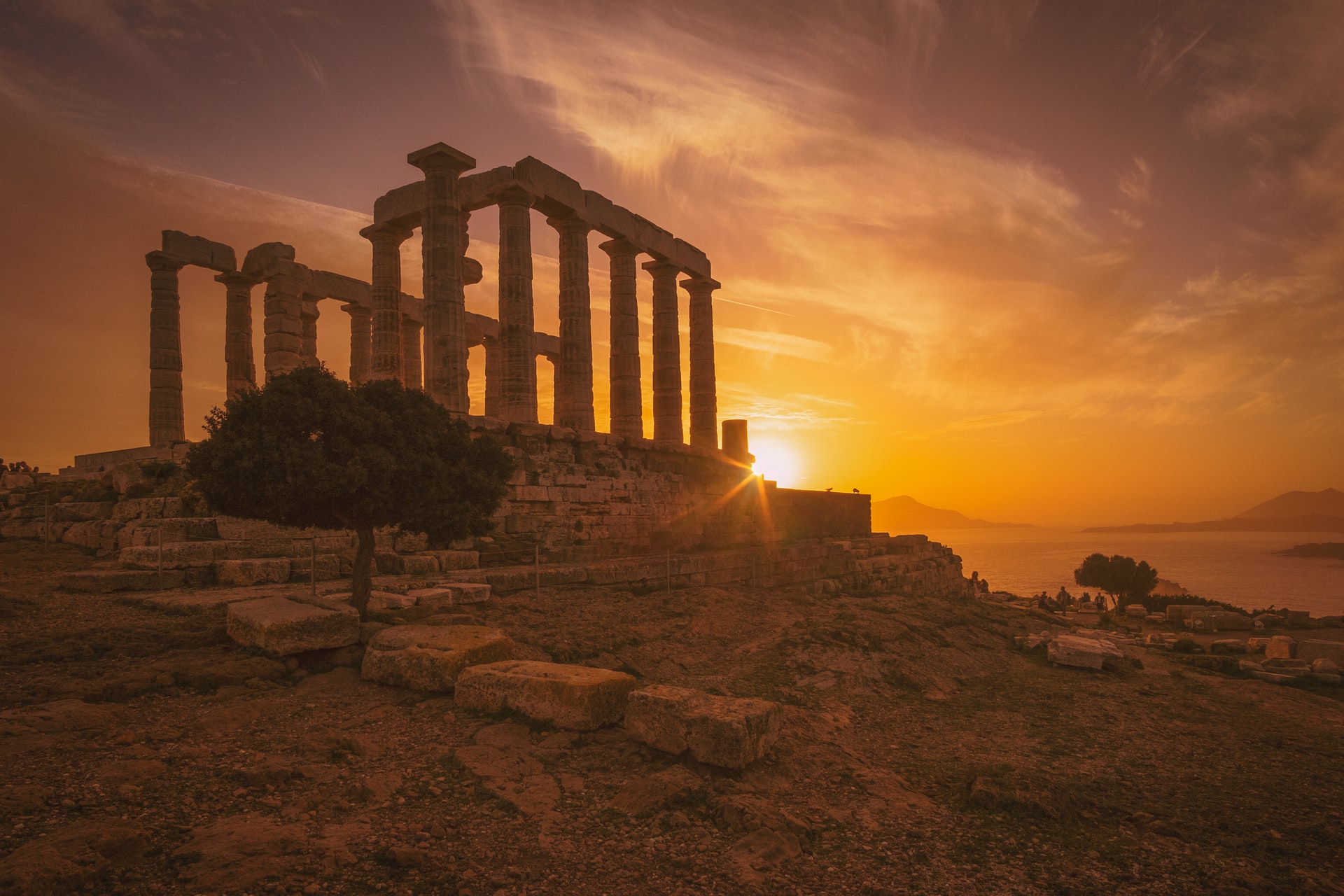
A scenic coastal area featuring the Temple of Poseidon with stunning views of the Aegean Sea.
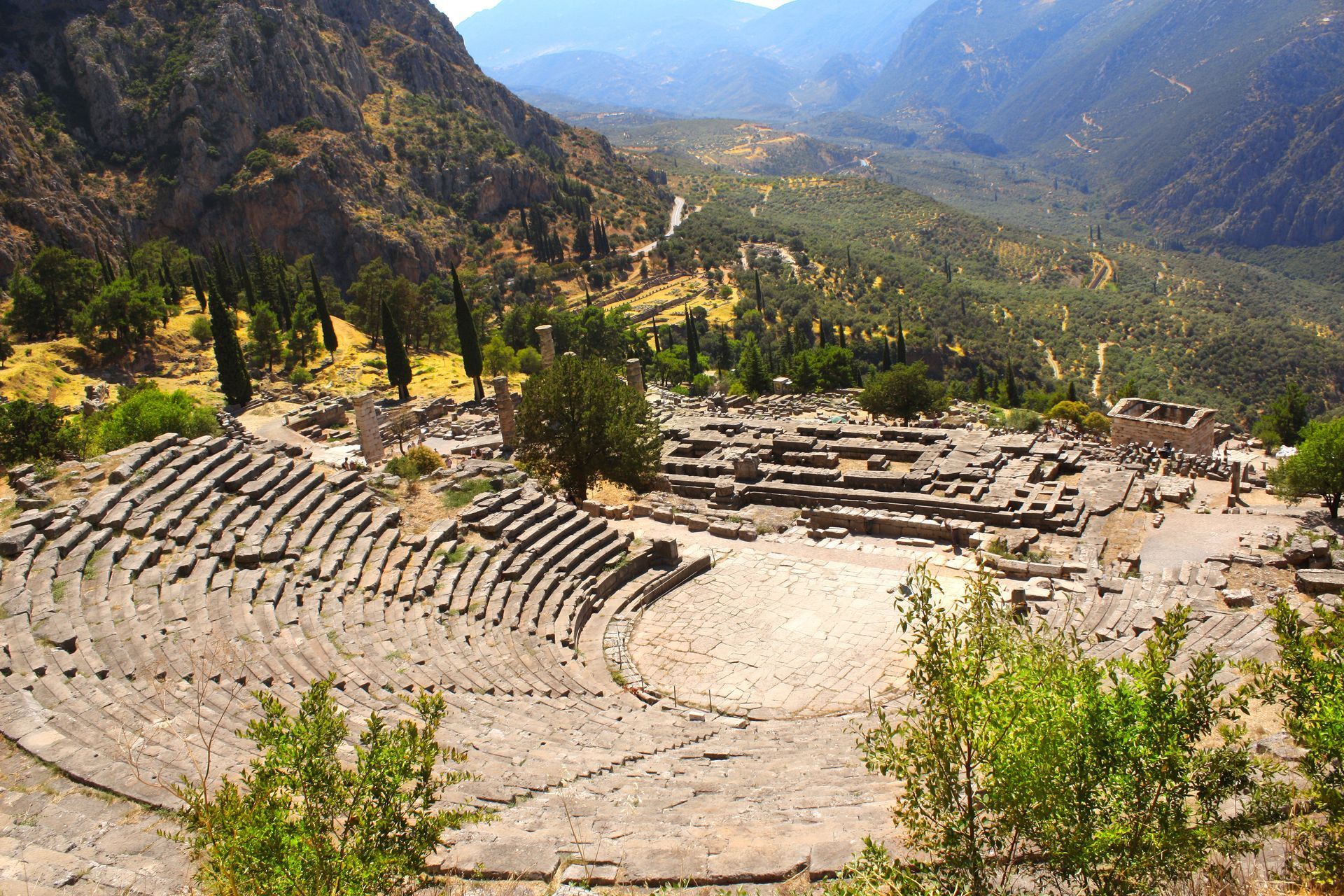
Delphi
180 km from Athens • Full day
An ancient archaeological site and home to the famous Oracle of Delphi.
Meteora
350 km from Athens • Overnight
A unique landscape featuring rock formations and medieval monasteries perched atop cliffs.
Festivals
Athens Festival • May to October
Athens Epidaurus Festival • June to August
Athens International Film Festival • October
Pro tips
- Visit major attractions early in the morning or late in the afternoon to avoid crowds and heat
- Use the metro for easy and efficient travel around the city
- Explore local neighborhoods for an authentic Greek experience
- Try local street food for a quick and delicious meal
- Learn a few basic Greek phrases to enhance your experience and connect with locals
From $25
per person
Price varies by option
Secure booking
Free cancellation available