Kyoto, Osaka, Nara Full Day tour by Car English speaking Driver
Active
10h
For a full refund, cancel at least 24 hours before the scheduled departure time.
Instant confirmation
Mobile or paper ticket accepted
About this experience
NOTE: Kindly choose any one Location KYOTO or OSAKA or NARA for tour. If you want to go all these places then book 3 days tour so all places Kyoto, Osaka, Nara.
We Can pick up all travelers from there own location in OSAKA, Kyoto, KOBE, NARA or Osaka kanasai airport or Osaka cruise terminal
Or book with us we will contact you & ask which place you want to go & we can ask your pick & drop of place.
Our tour is fully customizable you can add or skip any place.
Osaka itinerary
1 Osaka Castle
2-Shitennoji temple
3-Shinsekai
4-Sumiyoshi Taisha Shrine
5-Sakai City Hall Observatory Flour
6-Daisen Park
Kyoto itinerary
1. Arashiyama,
2. Kinkakuji Temple,
3. Kiyomizu-dera Temple
4. Fushimi Inari-taisha Shrine
5. Gion
6. Sanjusangendo Temple
7. Ginkakuji Temple
8. Nishiki Market Shopping District
Nara itinerary
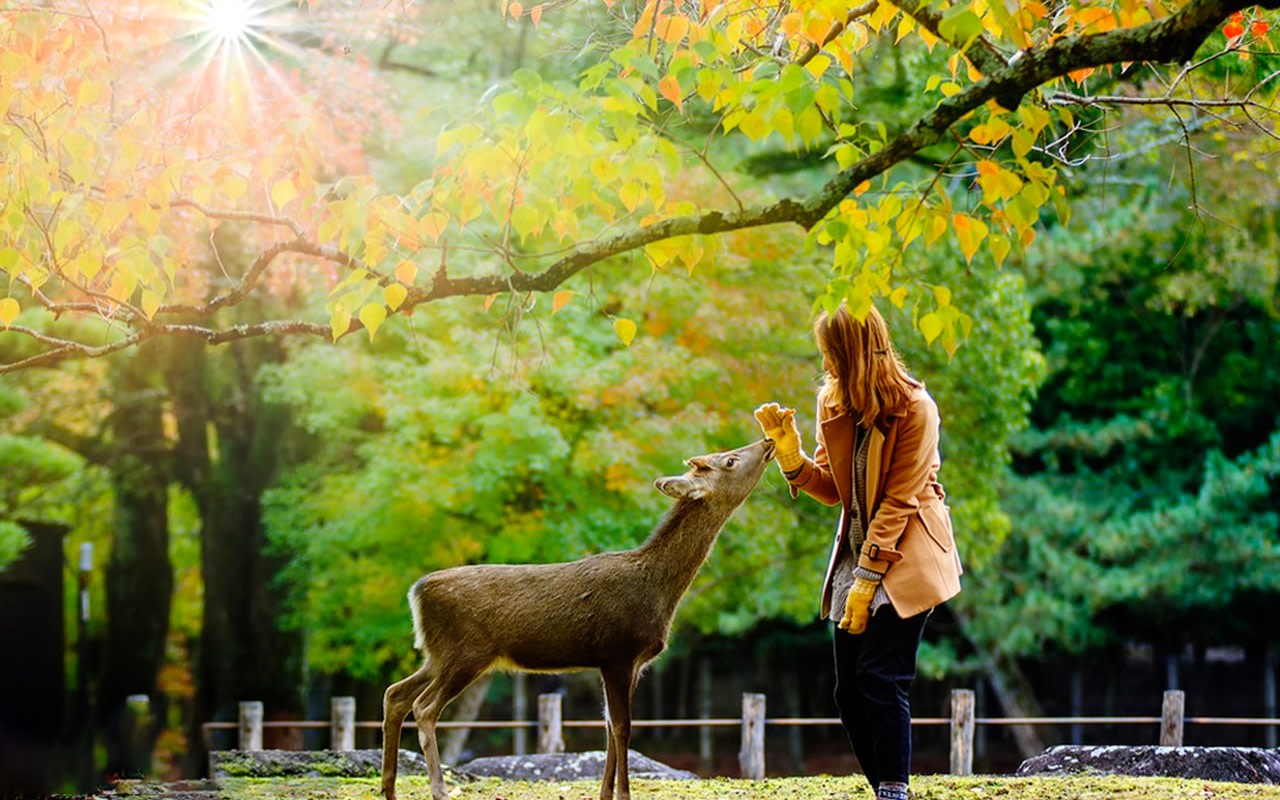
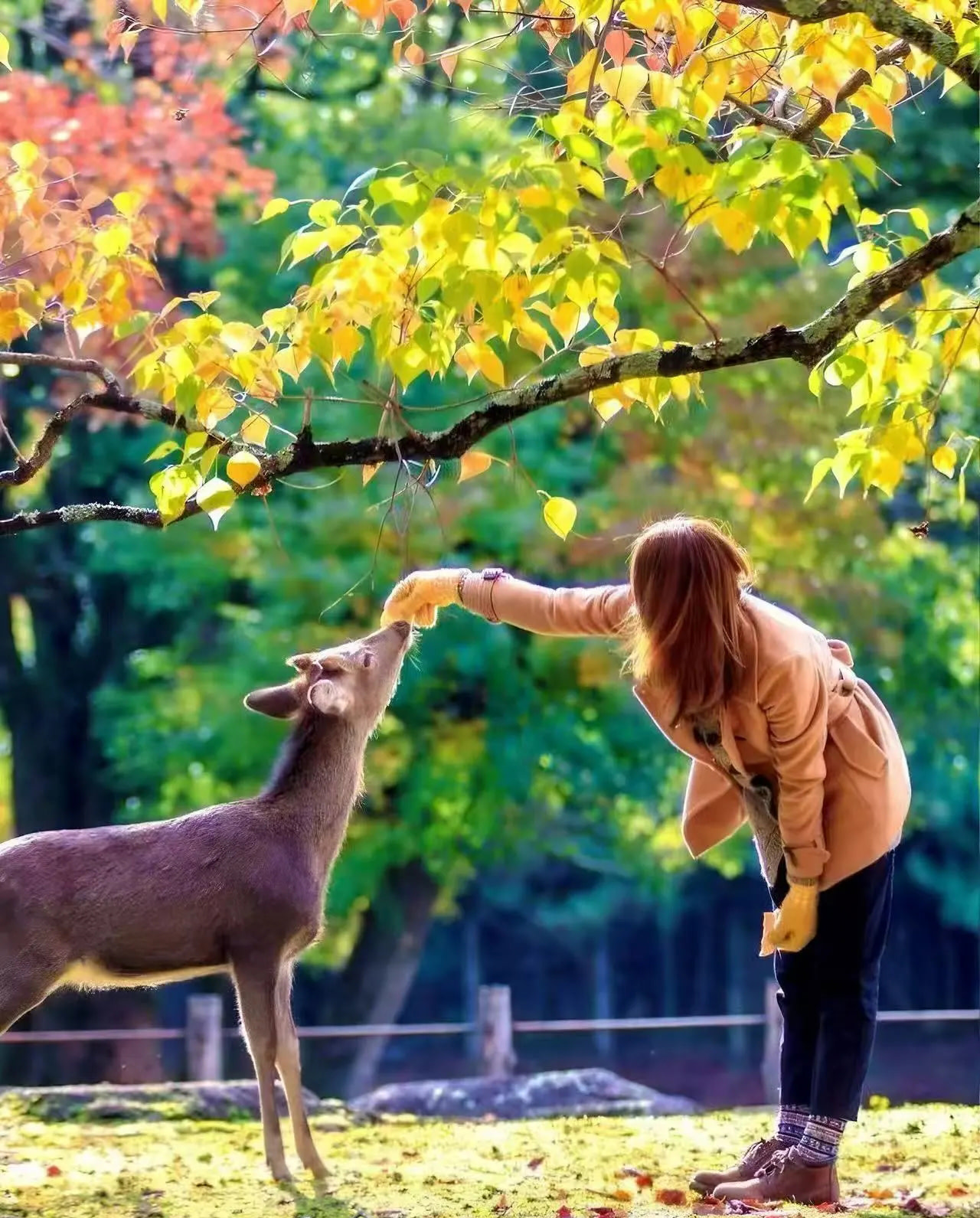
1-Nara deer Park
2-Todai-ji Temple
3-Todai-ji Nigatsudo Kuden
4-Wakakusayama Hill
5-Horyu-ji Temple
6-Kasuga Taisha Shrine
7-Shinyakushiji Temple
8-Naramachi street
Available options
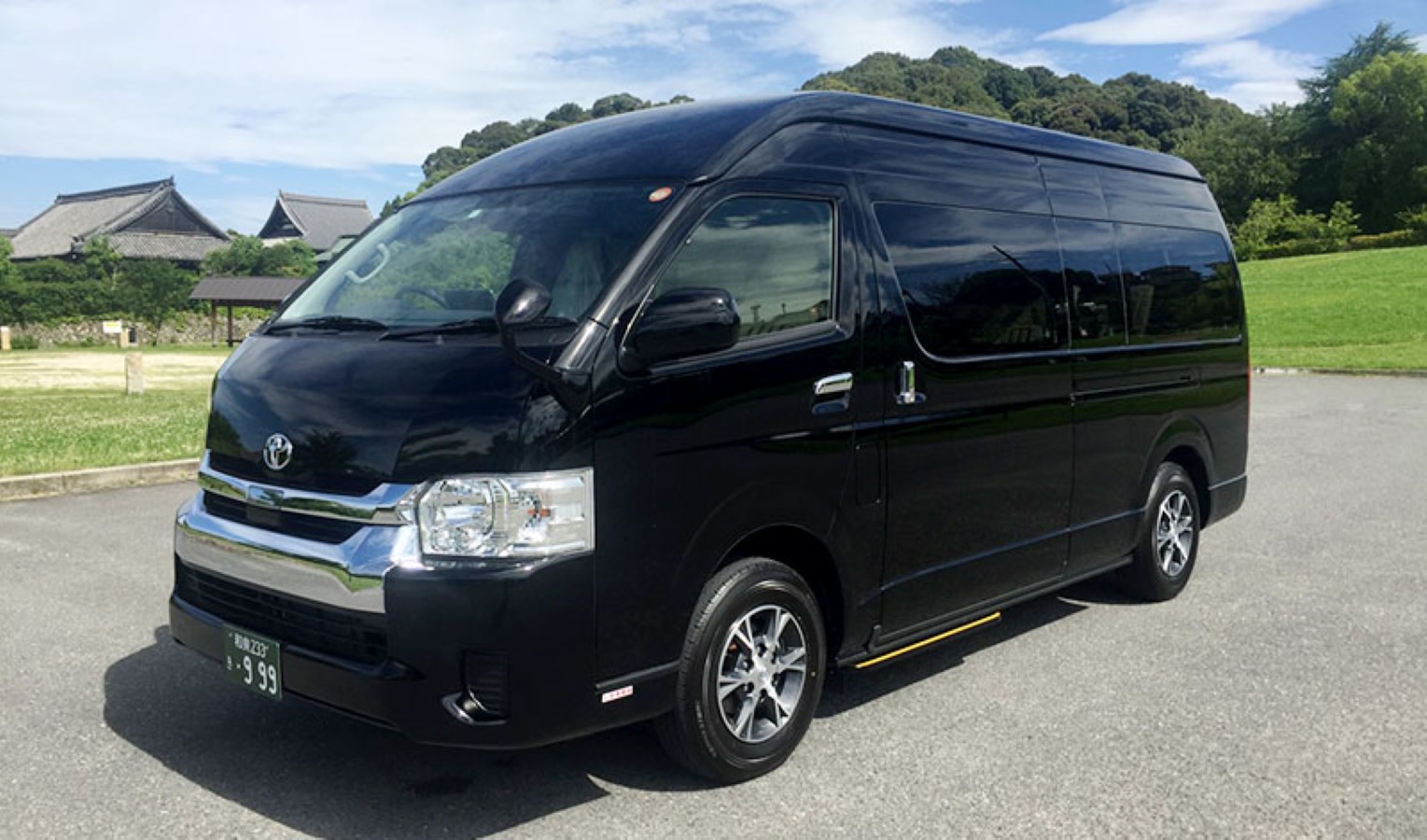
Hiace Van for 1 to 9 Person
Hiace Van: all type of Van cars according to number of passengers <br/>Pickup included
1 to 6 Person
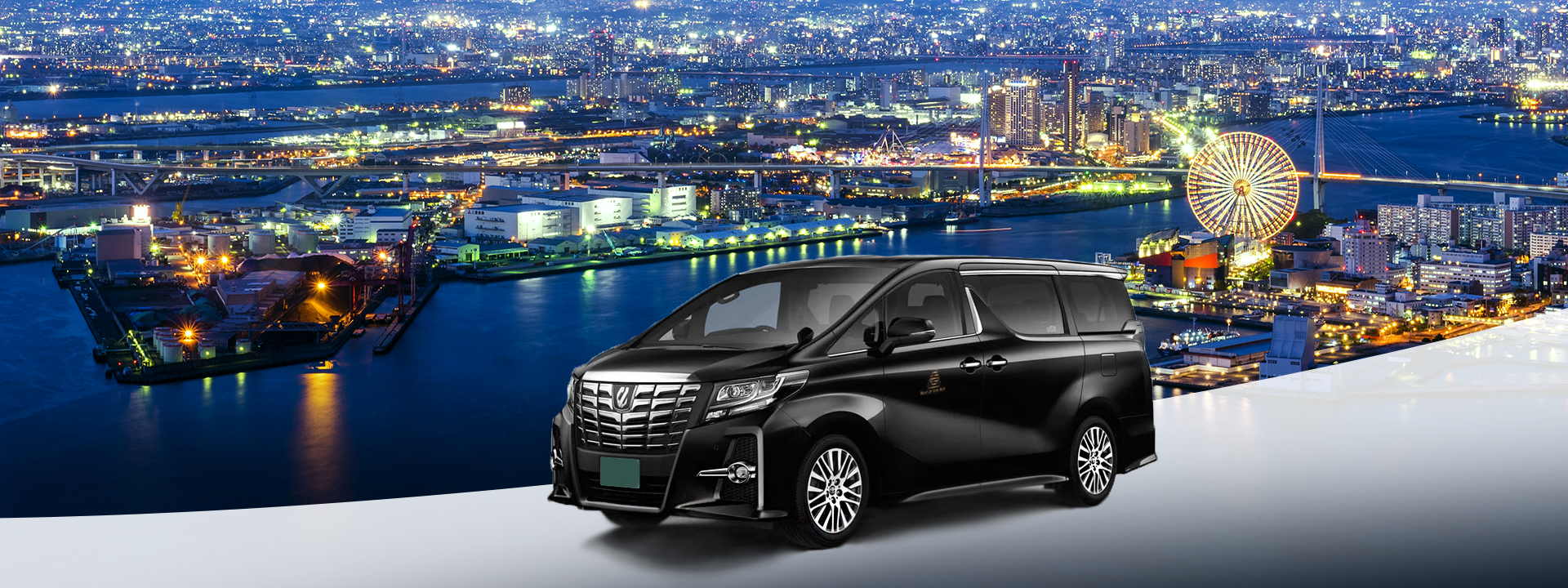
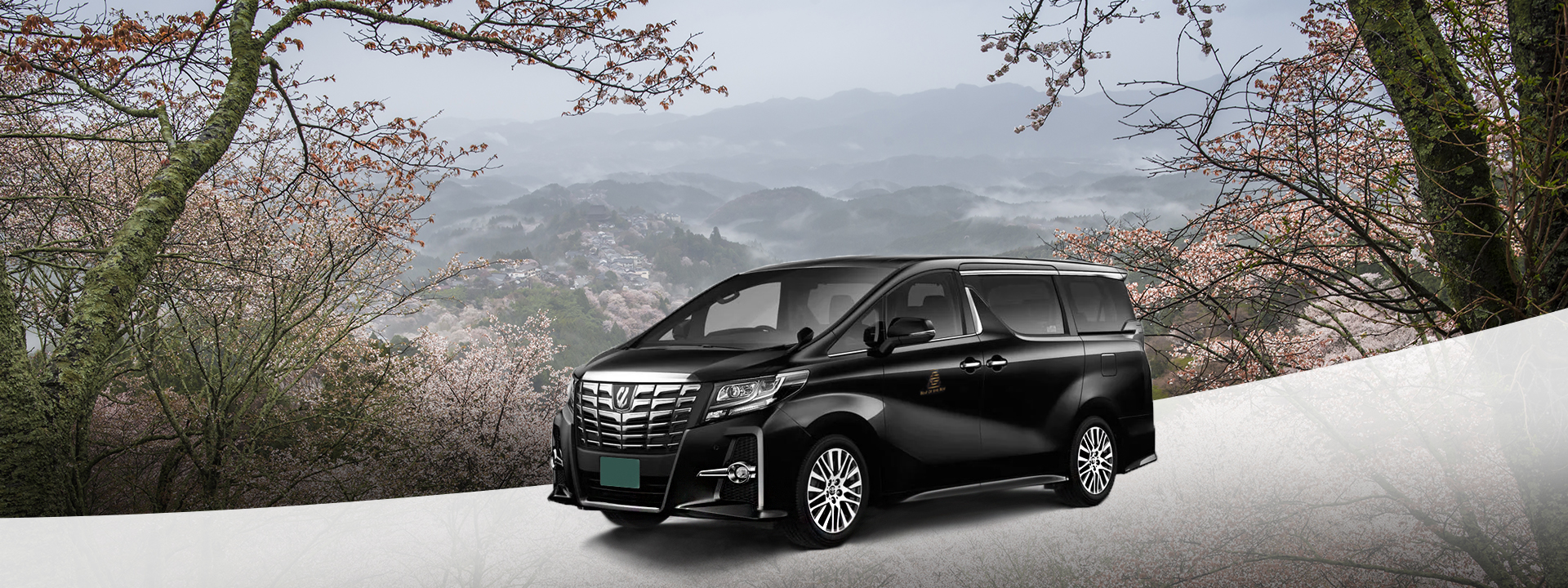
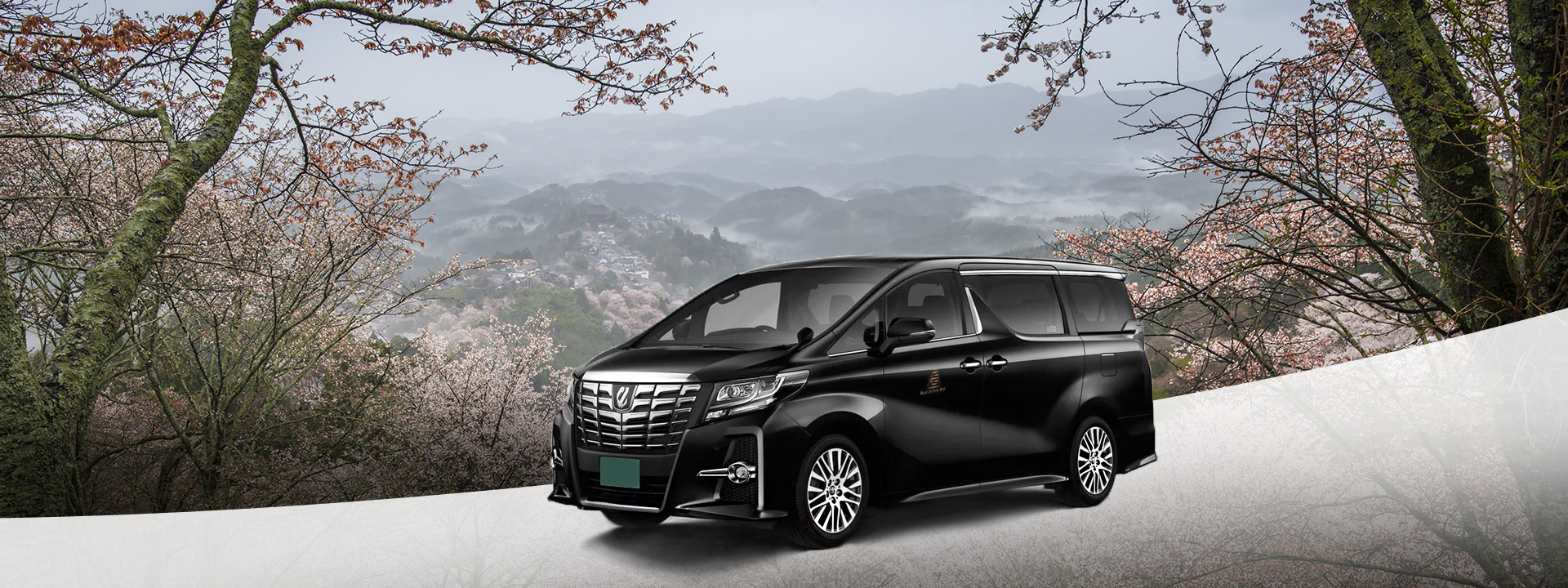
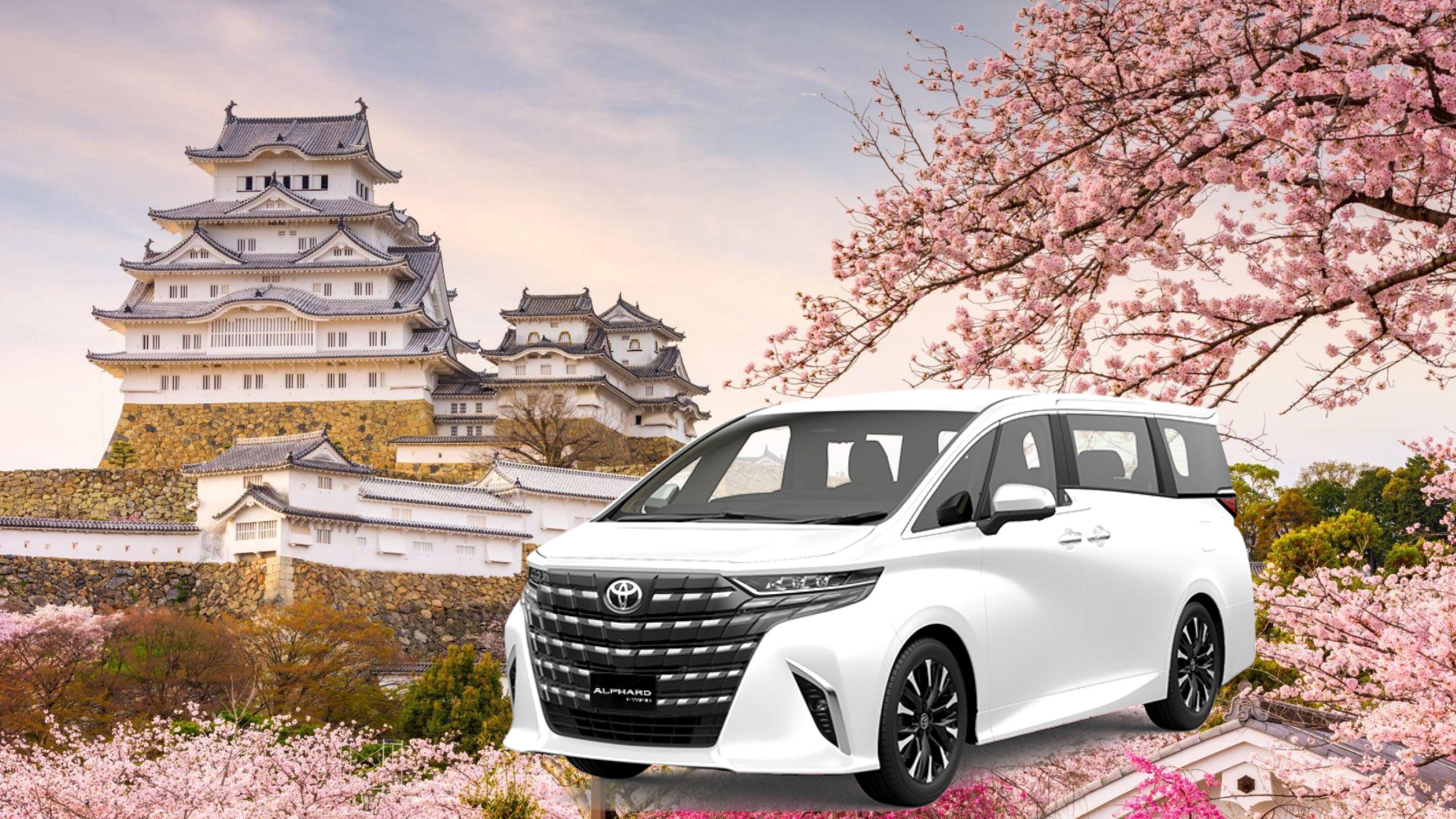
Toyota ALPHARD : 1 to 6 person easily access <br/>Pickup included
1 to 9 person Hiace Van
Hiace 10 seater: All type of Van car according to number of passengers <br/>Pickup included
What's included
Private transport only for your group
Driver in person Tour Guide cost included
Air-conditioned vehicle
Price Including Highway Toll Tax+ Gasoline
Pick up & Drop off included
English Speaking Driver/Guide
Meet & Greet
Detailed itinerary
1
Stop 1
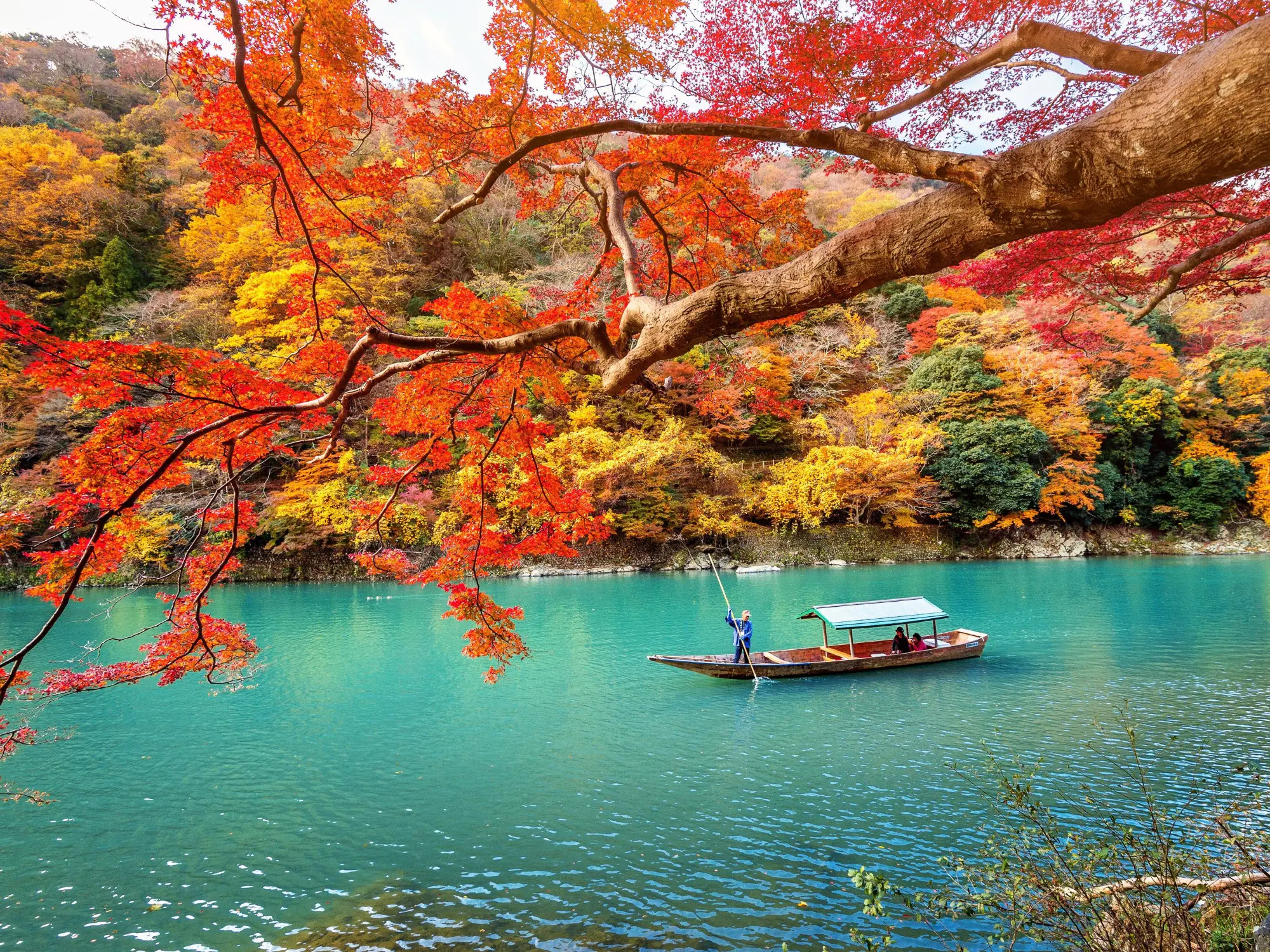
Arashiyama is the second-most important sightseeing district in Kyoto. It’s filled with temples and shrines, but the star attraction is the famed Arashiyama Bamboo Grove.
Arashiyama Bamboo Grove
The Arashiyama Bamboo Grove is one of Kyoto’s top sights and for good reason: standing amid these soaring stalks of bamboo is like being in another world
Tenryu-ji Temple
Tenryu-ji Temple is the headline attraction in Arashiyama, a sprawling Zen temple with one of the finest gardens in Kyoto and wonderful mountain views
Kameyama-koen Park
Escape the crowds and (if you’re lucky) mingle with the monkeys at Arashiyama’s lovely hilltop park, Kameyama-koen Park
Okochi-Sanso Villa
Okochi-Sanso Villa is one of the top sights in Kyoto. It rivals any of the city’s imperial properties, and you don’t need reservations to enter
2
Stop 2
Kiyomizu-dera Temple
Kiyomizudera (清水寺, literally "Pure Water Temple") is one of the most celebrated temples of Japan. It was founded in 780 on the site of the Otowa Waterfall in the wooded hills east of Kyoto, and derives its name from the fall's pure waters. The temple was originally associated with the Hosso sect, one of the oldest schools within Japanese Buddhism, but formed its own Kita Hosso sect in 1965. In 1994, the temple was added to the list of UNESCO world heritage sites.
Kiyomizudera is best known for its wooden stage that juts out from its main hall, 13 meters above the hillside. The stage affords nice views of the numerous cherry and maple trees below that erupt in a sea of color in spring and fall, as well as of the city of Kyoto in the distance. The main hall, which together with the stage was built without the use of nails, houses the temple's primary object of worship, a small statue of the eleven faced, thousand armed Kannon.
3
Stop 3
Kinkakuji Temple
Kinkaku-ji, officially named Rokuon-ji, is a Zen Buddhist temple in Kyoto, Japan. It is one of the most popular buildings in Kyoto, attracting many visitors annually.
4
Stop 4
Fushimi Inari-taisha Shrine
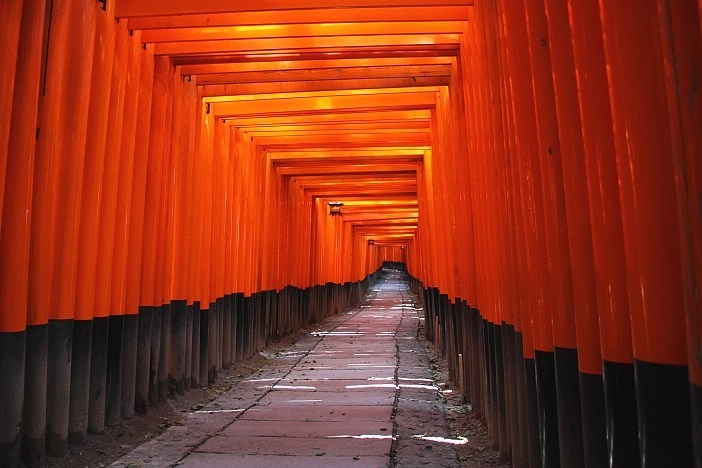
Fushimi Inari Shrine (伏見稲荷大社, Fushimi Inari Taisha) is an important Shinto shrine in southern Kyoto. It is famous for its thousands of vermilion torii gates, which straddle a network of trails behind its main buildings. The trails lead into the wooded forest of the sacred Mount Inari, which stands at 233 meters and belongs to the shrine grounds.
Fushimi Inari is the most important of several thousands of shrines dedicated to Inari, the Shinto god of rice. Foxes are thought to be Inari's messengers, resulting in many fox statues across the shrine grounds. Fushimi Inari Shrine has ancient origins, predating the capital's move to Kyoto in 794.
5
Stop 5
Gion
Gion (祇園) is Kyoto's most famous geisha district, located around Shijo Avenue between Yasaka Shrine in the east and the Kamo River in the west. It is filled with shops, restaurants and ochaya (teahouses), where geiko (Kyoto dialect for geisha) and maiko (geiko apprentices) entertain.
Gion attracts tourists with its high concentration of traditional wooden machiya merchant houses. Due to the fact that property taxes were formerly based upon street frontage, the houses were built with narrow facades only five to six meters wide, but extend up to twenty meters in from the street.
6
Stop 6
Sanjusangendo Temple
Sanjusangendo (三十三間堂, Sanjūsangendō) is the popular name for Rengeo-in, a temple in eastern Kyoto which is famous for its 1001 statues of Kannon, the goddess of mercy. The temple was founded in 1164 and rebuilt a century later after the original structure had been destroyed in a fire.
Measuring 120 meters, the temple hall is Japan's longest wooden structure. The name Sanjusangendo (literally "33 intervals") derives from the number of intervals between the building's support columns, a traditional method of measuring the size of a building. In the center of the main hall sits a large, wooden statue of a 1000-armed Kannon (Senju Kannon) that is flanked on each side by 500 statues of human sized 1000-armed Kannon standing in ten rows. Together they make for an awesome sight.
1000-armed Kannon are equipped with 11 heads to better witness the suffering of humans and with 1000 arms to better help them fight the suffering.
7
Stop 7
Ginkakuji (銀閣寺, Silver Pavilion) is a Zen temple along Kyoto's eastern mountains (Higashiyama). In 1482, shogun Ashikaga Yoshimasa built his retirement villa on the grounds of today's temple, modeled after Kinkakuji (Golden Pavilion), his grandfather's retirement villa at the base of Kyoto's northern mountains (Kitayama). The villa was converted into a Zen temple after Yoshimasa's death in 1490.
8
Stop 8
Nishiki Market Shopping District
Nishiki Market (“錦市場” in Japanese) is one of the most famous and busiest markets in Kyoto. Originally opened as a fish market during the Edo period (1603 – 1868), this lively market has served as a popular shopping district among locals for centuries. From JR Kyoto station, it is about a 5-minute subway ride and a 10-minute walk.
This shopping area stretches about 390 meters along Nishiki-koji Street, a stone-paved narrow street that crosses central Kyoto from east to west. Stalls and shops at Nishiki Market offer an endless array of food options, including Kyoto’s traditional specialties as well as reasonably priced delicious sweets.
9
Stop 9
Kyoto Imperial Palace
The Kyoto Imperial Palace (京都御所, Kyōto Gosho) used to be the residence of Japan's Imperial Family until 1868, when the emperor and capital were moved from Kyoto to Tokyo. It is located in the spacious Kyoto Imperial Park (京都御苑, Kyōto Gyoen), an attractive park in the center of the city that also encompasses the Sento Imperial Palace, which served retired emperors, and a few other attractions.
10
Stop 10
Nijo Castle
Nijo Castle (二条城, Nijōjō) was built in 1603 as the Kyoto residence of Tokugawa Ieyasu, the first shogun of the Edo Period (1603-1867). His grandson Iemitsu completed the castle's palace buildings 23 years later and further expanded the castle by adding a five story castle keep.
After the Tokugawa Shogunate fell in 1867, Nijo Castle was used as an imperial palace for a while before being donated to the city and opened up to the public as a historic site. Its palace buildings are arguably the best surviving examples of castle palace architecture of Japan's feudal era, and the castle was designated a UNESCO world heritage site in 1994.
11
Stop 11
Eikando Zenrinji Temple
Eikan-do Temple is the main temple of the Jodo-shu Seizan-Zenrinji school. It began as a training temple of Esoteric Buddhism of Shingon sect in 853. Eikan, the 7th abbot, later converted the temple to Jodo sect. Of the many temple treasures the most intriguing one is perhaps the Mikaeri Amida Nyorai, Amida Buddha looking back over his shoulder.
12
Stop 12
Yasaka Shrine
There are several theories about the origin of Yasaka Jinja Shrine. According to the record of the shrine, the history of Yasaka Jinja Shrine may go back as far as 656 (Heian Era), the second year of the reign of Emperor Saimei. Irishi, an errand from Korea, brought the spirit of Susanoo-no-mikoto to this place.
Besides this vies, in Jogan Era, 876, a Buddhist priest from Nara Prefecture, Ennyo, had built a temple, and enshrined Susanoo-no-mikoto, the deity of the region
What's not included
Entrance Fees • Accommodation Fees • Meals (Breakfast, Lunch, Dinner...)
Entrance fees of any place or ride of any thing not included customer choice can skip or want to ho
Admission fee for Kinkaku-ji Temple 500 yen (Adults), 300 yen (Students-grade 1-9
Admission fee for Kiyomizu-dera - Adults: ¥400, Students: ¥200
Osaka castle entrance fees
* Overtime charge 5000¥ per extra hour after 10 hours Hotel to Hotel Time
Available languages
Guide guide
EN
Reviews breakdown
Viator
3.4
8 reviews
5★
2
4★
2
3★
1
2★
3
1★
0
Tripadvisor
4.2
5 reviews
5★
4
4★
0
3★
0
2★
0
1★
1
Important information
Infants and small children can ride in a pram or stroller
Service animals allowed
Public transportation options are available nearby
Infants are required to sit on an adult’s lap
Suitable for all physical fitness levels
About Kyoto
Kyoto, once the imperial capital of Japan, is a city rich in history, culture, and tradition. Known for its numerous classical Buddhist temples, as well as gardens, imperial palaces, Shinto shrines, and traditional wooden houses, Kyoto offers a unique blend of ancient and modern Japan. The city is a must-visit for travelers seeking to experience the heart of Japanese heritage.
Top Attractions
Kinkaku-ji (Golden Pavilion)
A Zen Buddhist temple covered in gold leaf, Kinkaku-ji is one of Kyoto's most iconic landmarks. The temple's top two floors are completely covered in gold leaf, reflecting beautifully on the surrounding pond.
Historical/Religious
1-2 hours
¥400
Fushimi Inari Taisha
Famous for its thousands of vermilion torii gates, Fushimi Inari Taisha is a Shinto shrine dedicated to Inari, the god of rice. The trails leading up the mountain offer stunning views of Kyoto.
Religious
2-4 hours (depending on how far you hike)
Free
Kiyomizu-dera
A historic wooden temple with a large veranda supported by massive wooden pillars, Kiyomizu-dera offers panoramic views of Kyoto. The temple is particularly famous for its spring and autumn foliage.
Religious
1-2 hours
¥400
Arashiyama Bamboo Grove
A stunning grove of bamboo, Arashiyama is one of Kyoto's most famous natural attractions. The towering bamboo stalks create a surreal and peaceful atmosphere.
Nature
1-2 hours
Free (Tenryu-ji Temple costs ¥500)
Gion
Kyoto's most famous geisha district, Gion is known for its traditional wooden machiya houses, teahouses, and the chance to spot geishas and maikos (apprentice geishas).
Cultural
1-2 hours (longer if dining or attending a cultural event)
Free to explore (dining and cultural events can be expensive)
Must-Try Local Dishes
Kaiseki Ryori
A traditional multi-course Japanese meal that emphasizes seasonality and presentation. Each dish is carefully prepared and artfully presented.
Dinner
Often includes fish, meat, and vegetables, but vegetarian options are available.
Yudofu (Tofu Hot Pot)
A Kyoto specialty featuring tofu simmered in a light kombu (kelp) broth, often served with vegetables and condiments.
Lunch/Dinner
Vegetarian-friendly, can be made vegan if broth is vegetable-based.
Matcha Desserts
Kyoto is famous for its high-quality matcha (green tea) powder, used in various desserts like ice cream, parfaits, and wagashi (traditional sweets).
Dessert
Vegetarian and vegan options available.
Obanzai
Home-style Kyoto dishes made with fresh, local ingredients, often featuring vegetables, fish, and tofu.
Lunch/Dinner
Can be adapted to various dietary preferences.
Popular Activities
Hiking in the mountains
Cycling through the countryside
Rafting on the Hozu River
Onsen (hot spring) visits
Tea ceremonies
Scenic walks in gardens and parks
Temple and shrine visits
Traditional tea ceremonies
Best Time to Visit
March to May (Spring), October to November (Autumn)
Spring and autumn offer pleasant weather and are the best times to visit for cherry blossoms and autumn foliage. These seasons also see the highest tourist volumes.
15°C to 25°C (Spring), 10°C to 20°C (Autumn)
59°F to 77°F (Spring), 50°F to 68°F (Autumn)
Practical Information
Language
- Official: Japanese
- Widely spoken: English (limited)
- English: Limited/Rare
Currency
Japanese Yen (JPY)
Time Zone
JST (UTC+9)
Electricity
100VV, 50/60HzHz
Safety Information
Overall Safety Rating: Very safe
Kyoto is a very safe city with a low crime rate. Violent crime is rare, and petty crime is uncommon. However, as with any tourist destination, it's important to take basic precautions to protect yourself and your belongings.
Important Precautions:
- • Keep valuables secure and out of sight
- • Be cautious of your surroundings, especially in crowded areas
- • Use reputable tour operators and taxis
Getting there
By air
- Kansai International Airport • 115 km from Kyoto
- Osaka International Airport (Itami) • 40 km from Kyoto
By train
Kyoto Station
By bus
Kyoto Station Bus Terminal
Getting around
Public transport
Buses are the most extensive and affordable way to get around Kyoto. They cover most areas of the city and are especially useful for reaching temples and shrines.
Taxis
Available • Apps: JapanTaxi, INDRIVER
Rentals
Car, Bike, Scooter
Neighborhoods
Gion
Higashiyama
Arashiyama
Downtown Kyoto (Shijo-Kawaramachi)
Day trips
Nara
40 km from Kyoto • Half day to full day
Nara is a historic city known for its ancient temples, shrines, and the famous Nara Park, home to hundreds of free-roaming deer.
Uji
20 km from Kyoto • Half day
Uji is a small city known for its historic temples, beautiful riverside scenery, and high-quality matcha (green tea).
Kurama and Kibune
25 km from Kyoto • Full day
Kurama and Kibune are two neighboring villages in the mountains north of Kyoto, known for their hot springs, hiking trails, and scenic beauty.
Festivals
Gion Matsuri • July (main events on July 17th and 24th)
Jidai Matsuri • October 22nd
Aoi Matsuri • May 15th
Pro tips
- Visit popular attractions like Fushimi Inari Taisha and Kinkaku-ji early in the morning or late in the afternoon to avoid crowds.
- Consider purchasing a Kyoto City Bus Pass or other transportation passes to save money on getting around the city.
- Try local specialties like yudofu (tofu hot pot), matcha desserts, and obanzai (home-style Kyoto dishes).
- Explore the city's many temples and shrines, but don't forget to take time to enjoy the natural beauty of Kyoto's gardens and parks.
- Learn a few basic Japanese phrases to enhance your experience and show respect for local customs and traditions.
From $25
per person
Price varies by option
Secure booking
Free cancellation available
Instant confirmation


![[Small Group Tour for 4-9 People] Kyoto & Nara Day Trip | Kiyomizu-dera Temple & Fushimi Inari Shrine & Nara Park | Optional Osaka Hotel Pickup/Drop-off | Round Trip from Osaka | Chinese Service](https://res.klook.com/image/upload/activities/fhj0httwd7v9dvgkciij.jpg)
![[Kyoto & Nara Day Tour] Arashiyama|Kinkaku-ji|Nara Park](https://res.klook.com/image/upload/activities/nekb0xkae4rjrpcunpap.jpg)