Paris City Highlights Private Guided Bike Tour with Photo Stops
Active
3h
For a full refund, cancel at least 24 hours before the scheduled departure time.
Instant confirmation
Mobile or paper ticket accepted
About this experience
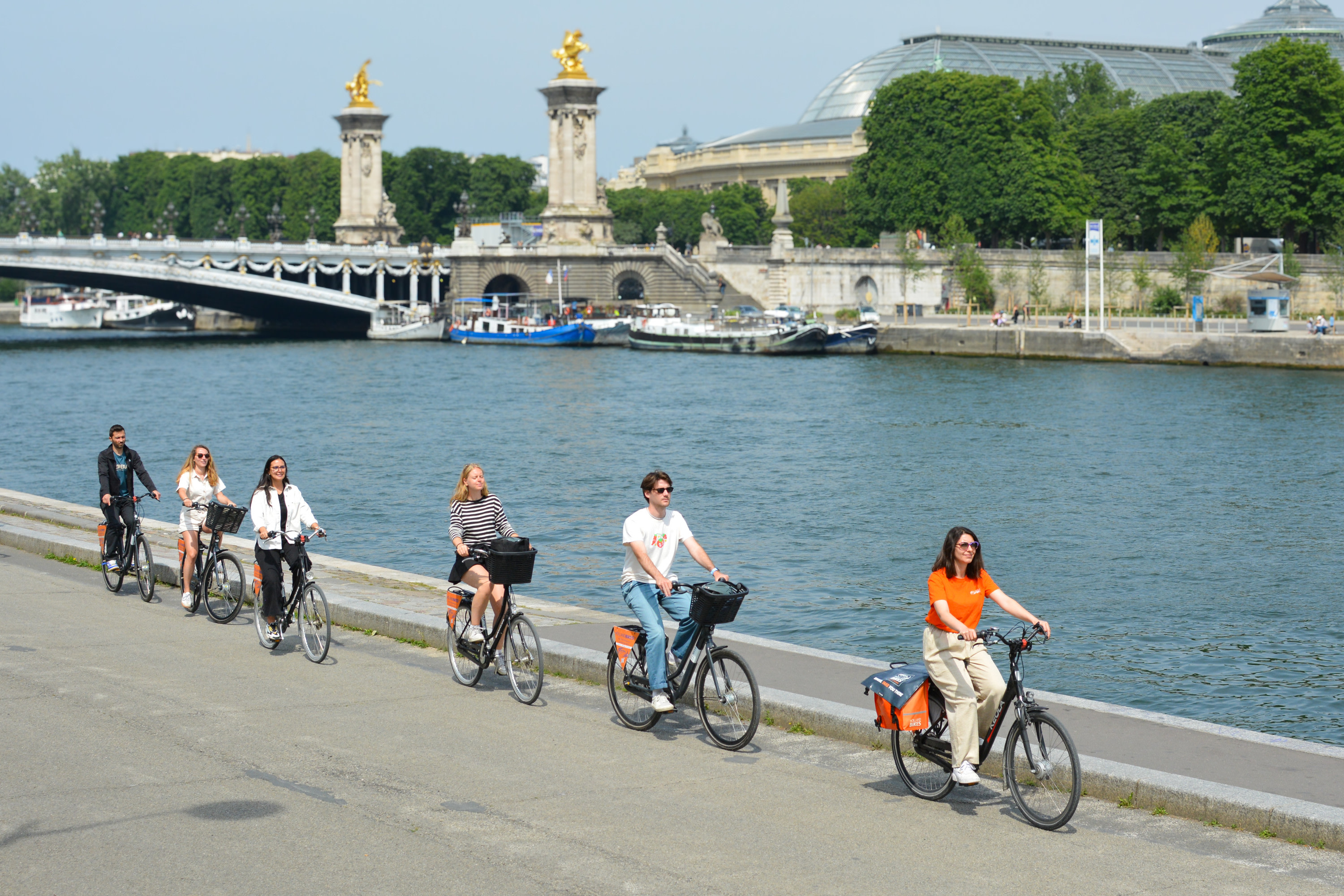
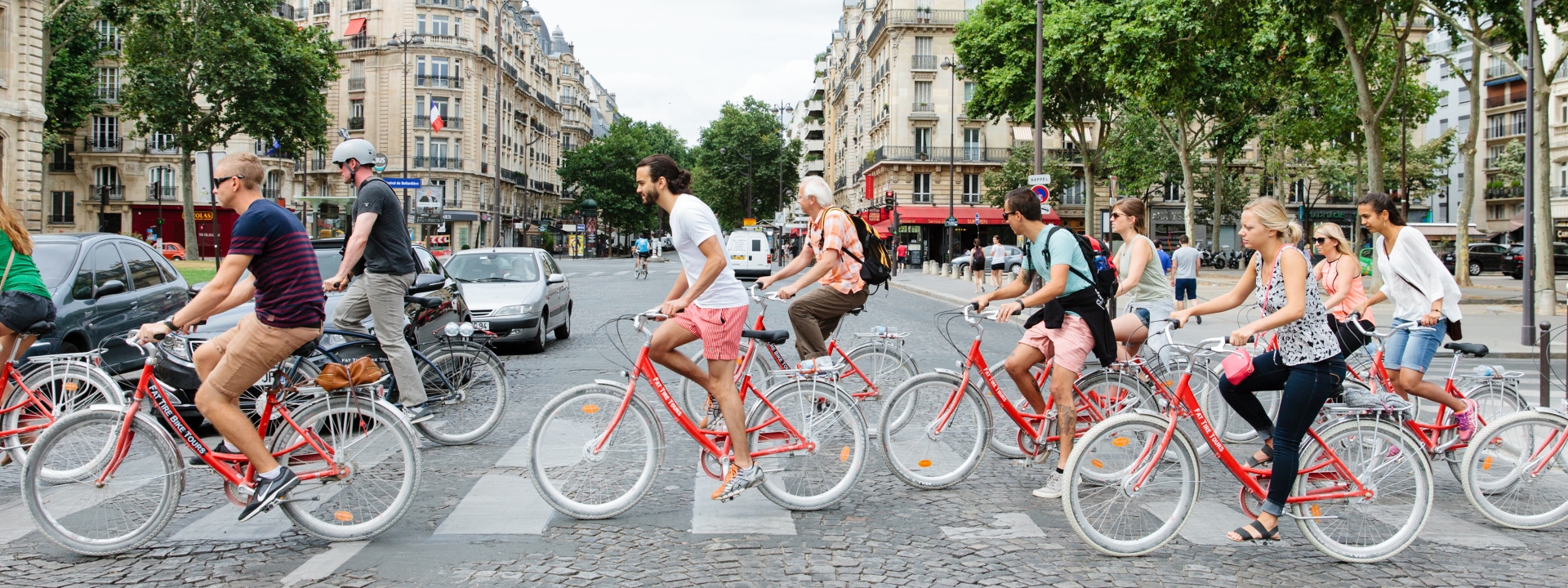
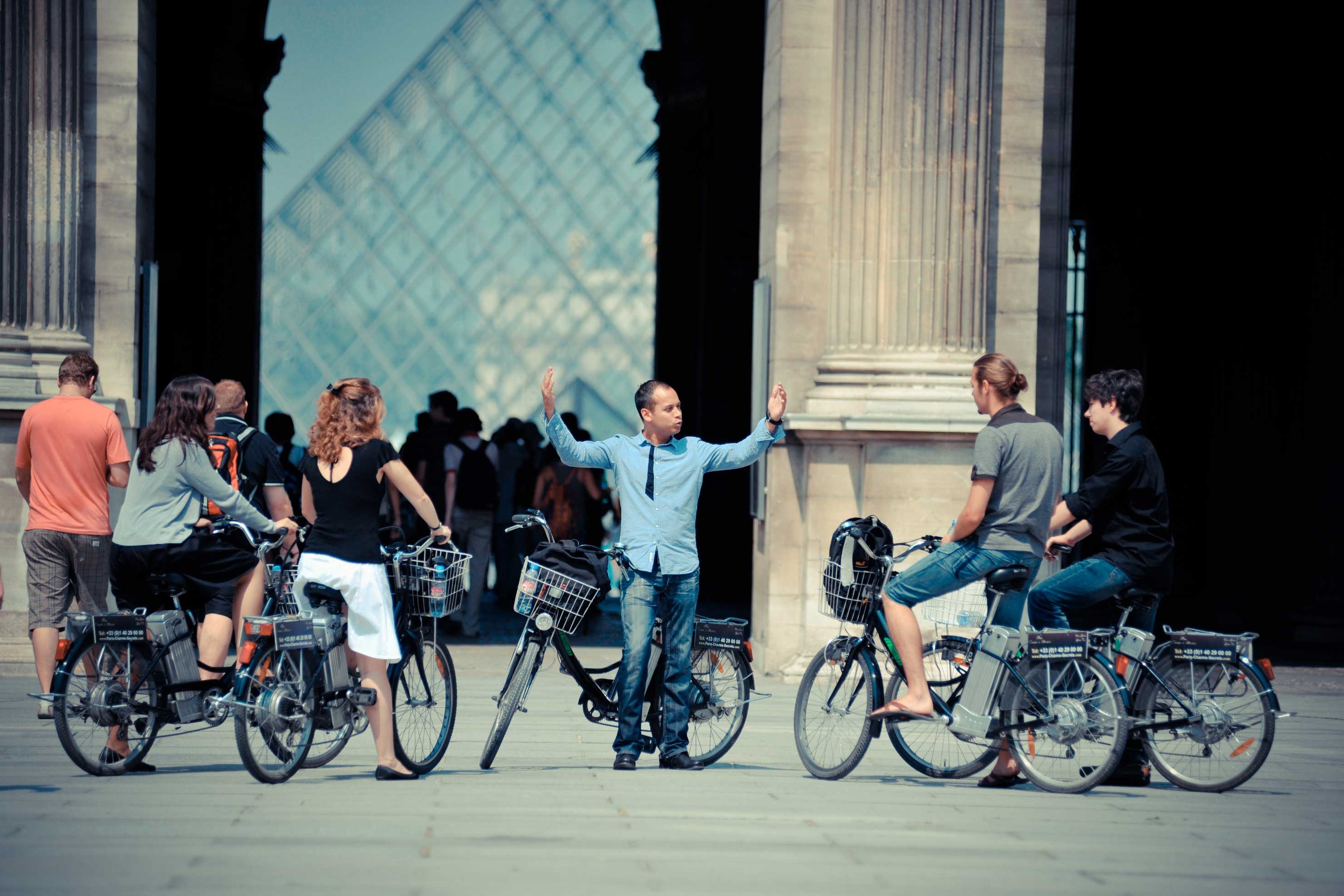
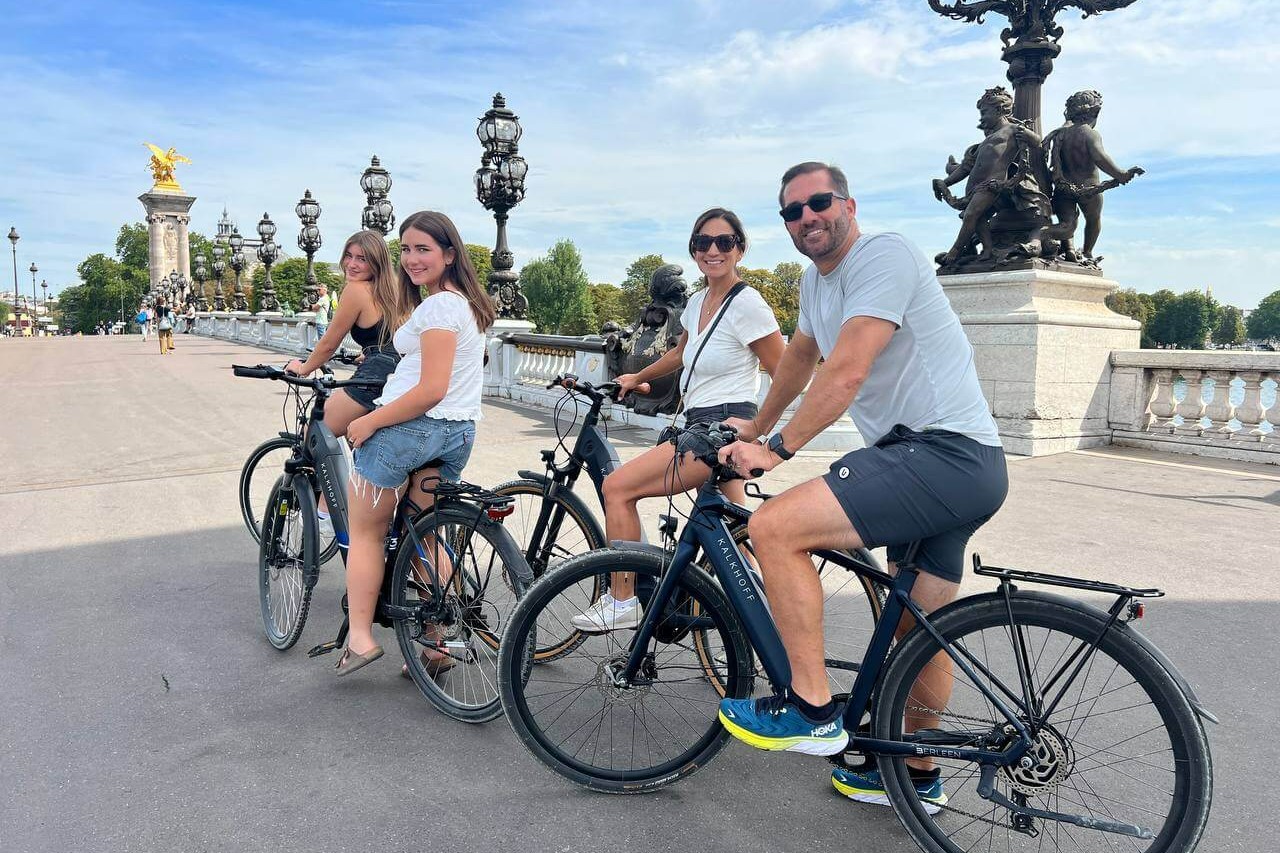
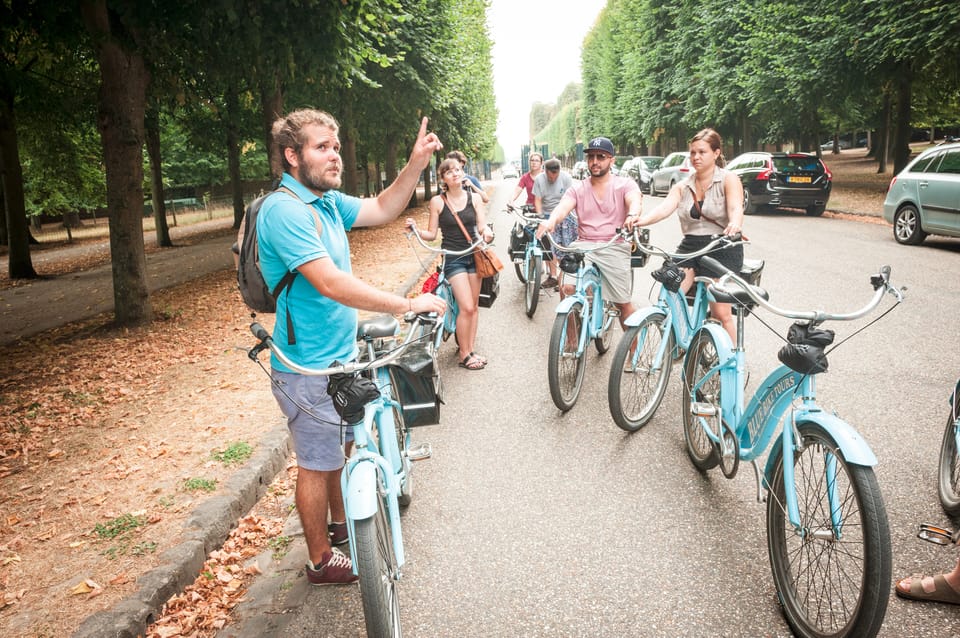
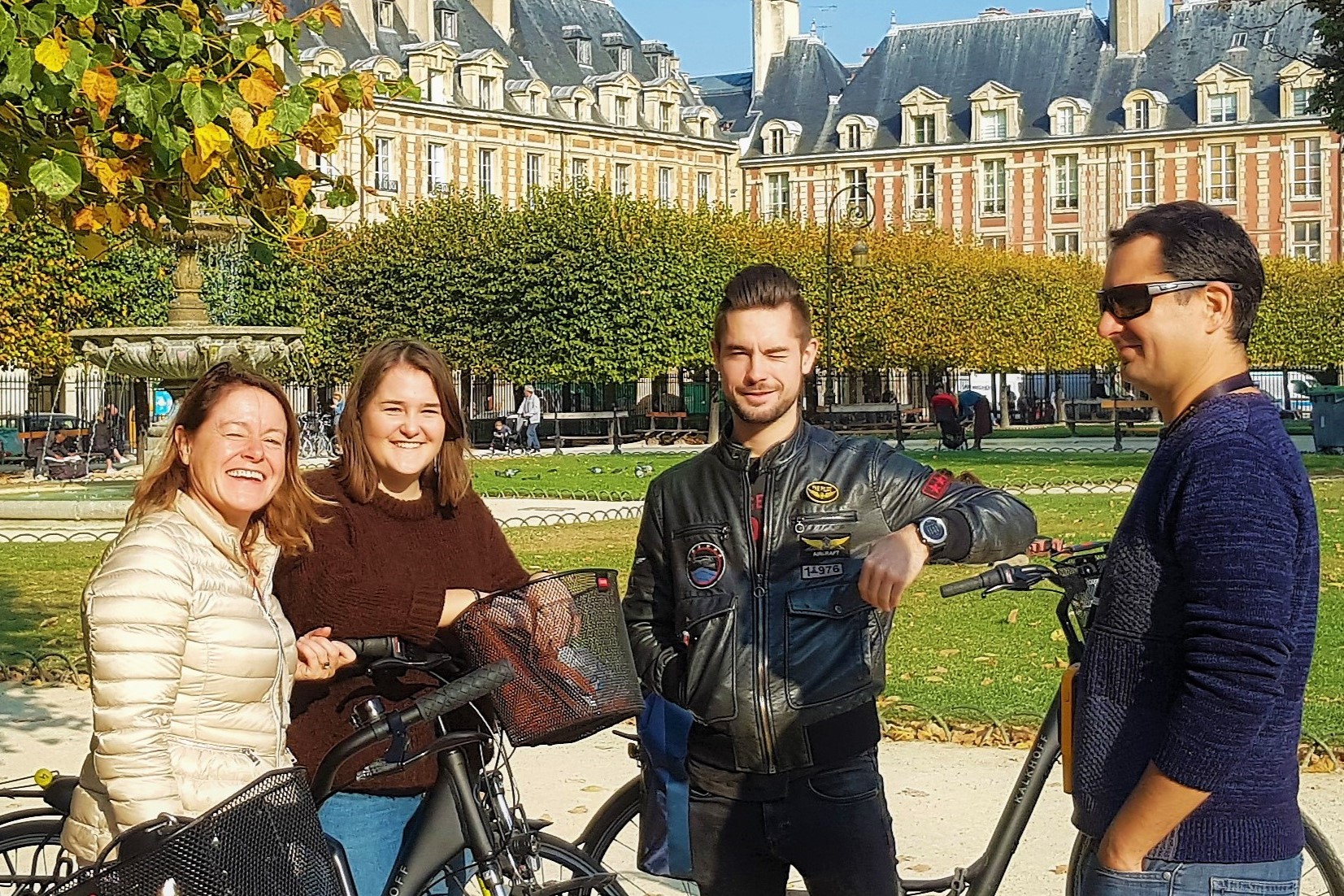
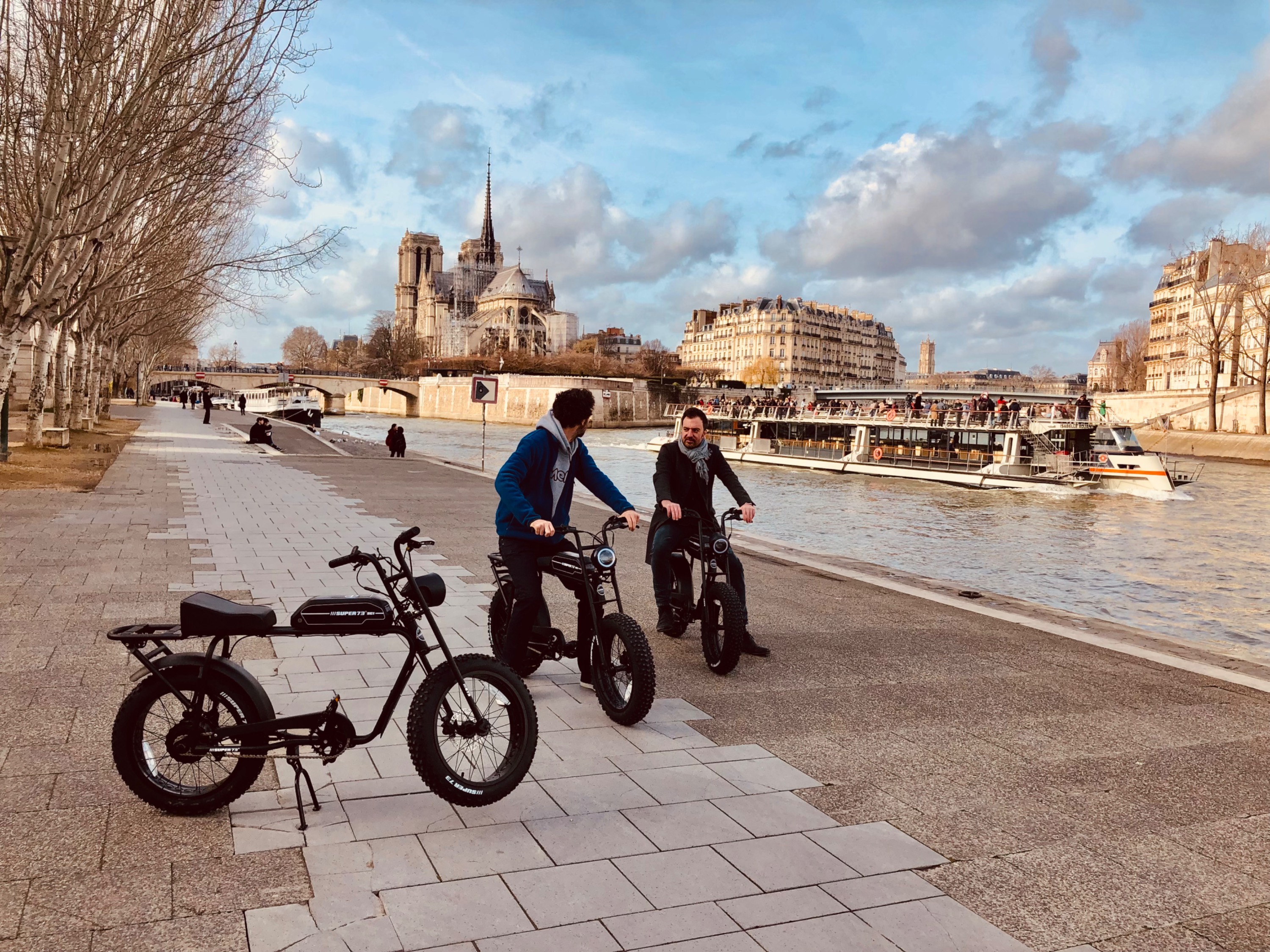
Travel to the heart of the City of Light on this 3.3 hour private group guided bike tour (no more than 6 participants). Saddle up for a complete private guided bike tour of Paris combining fun and culture. Our tour is led by an experienced and passionate guide who knows the City of Light like the back of their hand, ensuring you get the most authentic and enriching experience with a great feeling of freedom. He'll even let you in on his culinary delights! Set off in search of the best croissant in Paris, or a delicious ice cream from a Parisian artisan.
Available options
Private bike tour - Spanish
Private bike tour - English
Private bike tour - French
What's included
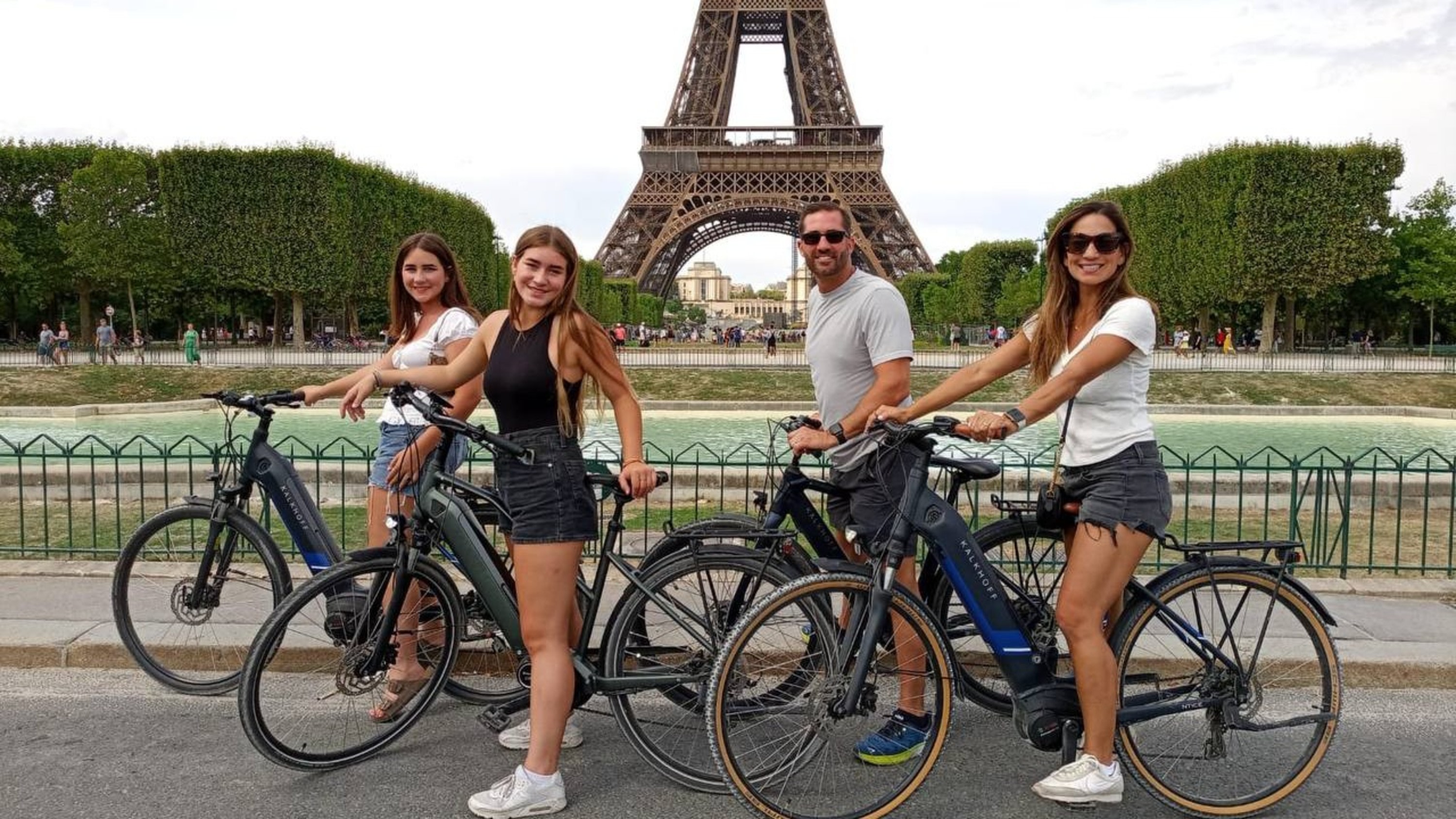
Option to take pictures in some key locations
Become a Parisian for a stroll through typical Parisian neighborhoods
Services of an experimented guide
Private guided visit of Paris by bike
English, Spanish or French-speaking guide
Detailed itinerary
1
Is a former French royal palace located on Rue Saint-Honoré in the 1st arrondissement of Paris. The screened entrance court faces the Place du Palais-Royal, opposite the Louvre.
2
Stop 2
Pass by
Louvre Museum, is a national art museum in Paris, France. It is located on the Right Bank of the Seine in the city's 1st arrondissement (district or ward) and home to some of the most canonical works of Western art.
3
Stop 3
Pass by
The Pont Neuf is the oldest standing bridge across the river Seine in Paris, France. It stands by the western (downstream) point of the Île de la Cité, the island in the middle of the river that was, between 250 and 225 BC, the birthplace of Paris, then known as Lutetia and, during the medieval period, the heart of the city.
4
Stop 4
Pass by
The Place Dauphine is a public square located near the western end of the Île de la Cité in the first arrondissement of Paris.
5
Stop 5
Pass by
Notre-Dame de Paris meaning ("Our Lady of Paris"), referred to simply as Notre-Dame, is a medieval Catholic cathedral on the Île de la Cité (an island in the Seine River), in the 4th arrondissement of Paris, France. The cathedral, dedicated to the Virgin Mary, is considered one of the finest examples of French Gothic architecture.
6
Stop 6
Pass by
Ile de la Cité, once known as Lutetia, is the oldest settlement in Paris, and boasts more than its fair share of Paris sights: the Pont Neuf, the Pont de l’Archevêché and Notre Dame cathedral, to name only three. Its location bang in the middle of Paris, with Châtelet to the north and Saint-Germain-des-Prés to the south, makes it the central crossroads of the city, which grew outwards from here. When you’ve finished visiting all the sights, take one last admiring look at the magnificent facade of Notre Dame, then stroll along the banks of the Seine and stop to watch improvised concerts by wandering musicians, for whom this area is a prime performance venue. Ile de la Cité is also the perfect place for a riverside picnic. At night, the bridges are beautifully lit, and there is a feeling of midsummer magic.
7
Stop 7
Pass by
No trip to Paris is complete without a visit to the Latin Quarter in the 5th arrondissement, on the Left Bank. The area’s many cafés and restaurants are laid-back and welcoming; they are filled with Parisians, students and tourists. There are several attractions to visit, among them the Pantheon, the Musée National du Moyen-Âge, the Luxembourg gardens and museum and the Arènes de Lutèce. As you stroll through the district you will also come across the Sorbonne, the best known university in Paris; the Collège de France, the Lycée Henri IV, the shopping streets Rue Mouffetard and Rue Monge and the charming Place de la Contrescarpe. The district also has popular show venues like the Paradis Latin, the Théâtre de l’Odéon and the Caveau de la Huchette.
8
Stop 8
Pass by
The Saint Michel Fountain is located between the boulevard Saint-Michel and the Place Saint-André-des-Arts. It depicts the archangel Michael vanquishing the Devil, evoking thoughts of the battle between Good and Evil. It was commissioned by Haussmann, under Napoleon III.
9
The Hôtel des Invalides, commonly called Les Invalides is a complex of buildings in the 7th arrondissement of Paris, France, containing museums and monuments, all relating to the military history of France, as well as a hospital and an Old Soldiers' retirement home, the building's original purpose.
10
Since the Gaulish Parisii tribe settled here in Roman times, Paris has been built up on either side of the river. The history of the city’s development can be followed along the banks of the Seine, which are a UNESCO World Heritage site. From historic monuments and architectural gems to waterfront developments, this walk – or cycle ride – will take you on a journey back in time.
11
Stop 11
Pass by
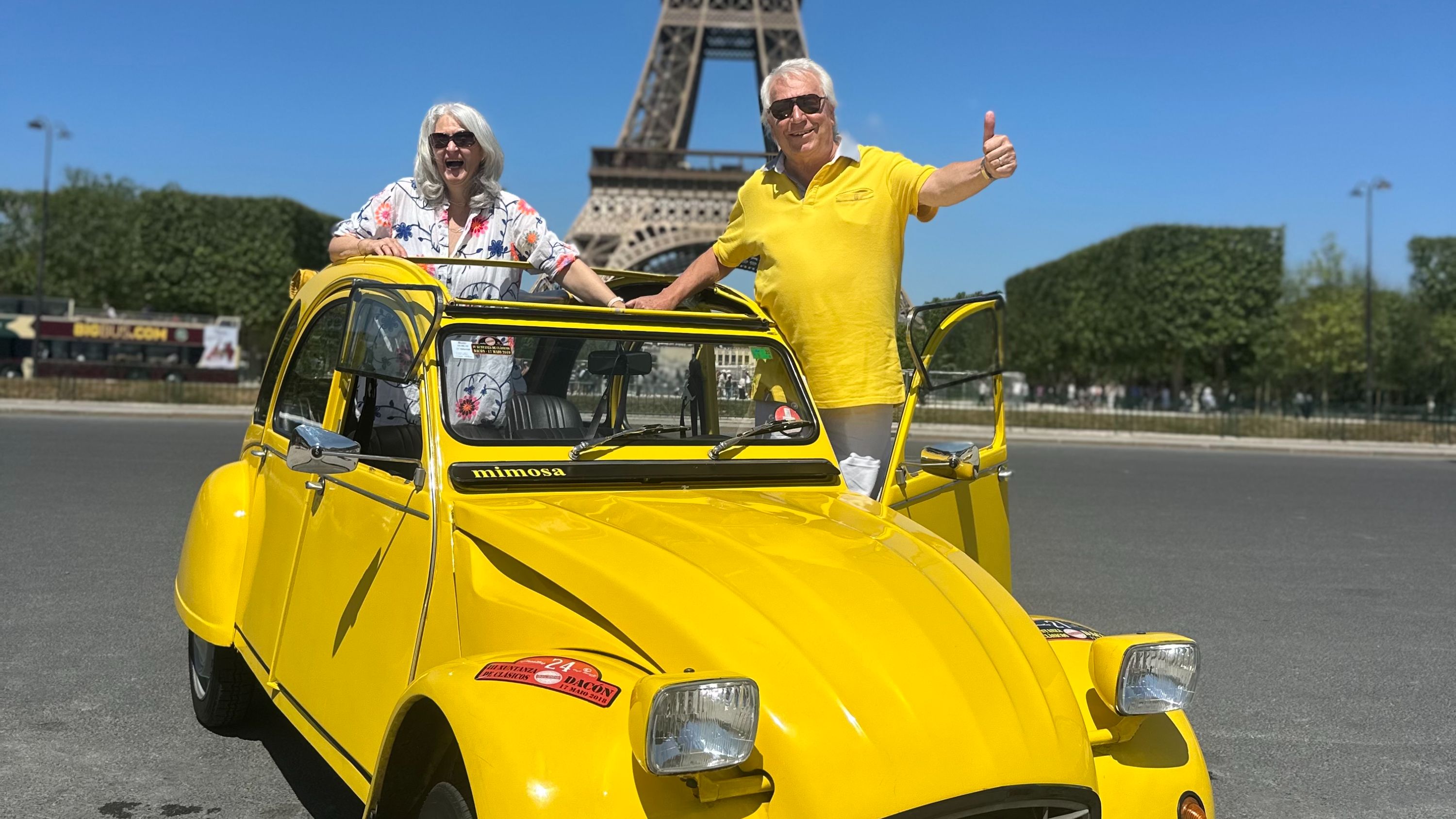
Eiffel Tower, wrought-iron structure in Paris that is among the most famous landmarks in the world. It is also a technological masterpiece in building-construction history. It was designed and built (1887–89) by Gustave Eiffel and named in his honor.
12
Stop 12
Pass by
The Arc de Triomphe honours those who fought and died for France in the French Revolutionary and Napoleonic Wars, with the names of all French victories and generals inscribed on its inner and outer surfaces. Beneath its vault lies the Tomb of the Unknown Soldier from World War I
13
Stop 13
Pass by
The Champs-Élysées avenue is so beautiful... it's like a postcard! Almost 2 km long, this historic thoroughfare links the Place de la Concorde to the monumental Arc de Triomphe. But before it became the "most beautiful avenue in the world", the Champs-Élysées was a swamp. It was in the 17th century that Le Nôtre, Louis XIV's gardener, laid "the first stones". From then on, the avenue was constantly embellished. A myth was born!
14
Stop 14
Pass by
The Grand Palais des Champs-Élysées, commonly known as the Grand Palais (English: Great Palace), is a historic site, exhibition hall and museum complex located at the Champs-Élysées in the 8th arrondissement of Paris, France. Construction of the Grand Palais began in 1897 following the demolition of the Palais de l'Industrie (Palace of Industry) to prepare for the Universal Exposition of 1900
15
Stop 15
Pass by
Petit Palais
16
Stop 16
Pass by
Place de la Concorde lies at the foot of the Champs-Élysées avenue. Today, it is distinguished by the Luxor Obelisk (3,300 years old with J-C and erected in May 1998), the prestigious hotels that line it and the two monumental fountains (Fontaine des Mers and Fontaine des Fleuves). Created in 1772, the Place de la Concorde was first known as a place of execution during the French Revolution. Louis XVI and Marie-Antoinette (among others) were guillotined here. It was between 1836 and 1846 that architect Jacques-Ignace Hittorf shaped the square into what it is today.
17
Until the 17th century the land where the quarter is located was prone to flooding from the Seine, and little building took place there; it was largely open fields, or prés, which gave the quarter its name.
18
Is one of the few state theatres in France. Founded in 1680, it is the oldest active theatre company in the world
What's not included
Gratuities
Hotel pickup and drop-off
Food and drinks
Entrance tickets to monuments
Available languages
Guide guide
EN
FR
ES
Important information
Public transportation options are available nearby
Not recommended for travelers with poor cardiovascular health
Travelers should have at least a moderate level of physical fitness
Departure from the heart of Paris, next to the Louvre.
Private group from 1 to 6 people for an exclusive experience.
This is a tour for everyone, but a certain level of cycling ability is required. The guide will ensure that there is some flexibility in the frequency of stops to suit your rythme and needs
Be sure to check the weather forecast and dress appropriately for a bike ride.
Children's bikes are suitable for children between 13 and 17 years old or the required height (approx. 130cm/4'2") and cycling ability.
The minimum age for this tour is 13.
Meeting point
Meet your guide in front of the "PARISCITYVISION Agency" before the beginning of the visit. Your guide will be wearing a special badge with the "PARISCITYVISION" logo.
Important notes
Meet your guide in front of the "PARISCITYVISION Agency" before the beginning of the visit. Your guide will be wearing a special badge with the "PARISCITYVISION" logo.
About Paris
Paris, the capital of France, is a city steeped in history, art, and romance. Known for its iconic landmarks, world-class museums, and charming neighborhoods, Paris offers a unique blend of timeless elegance and modern vibrancy. From the Eiffel Tower to the Louvre, the city is a treasure trove of cultural and historical gems.
Top Attractions
Eiffel Tower
The Eiffel Tower is Paris's most iconic landmark and a symbol of France. Built in 1889 for the World's Fair, it offers breathtaking views of the city.
Architecture
2-3 hours
€17.10-€26.80 (depending on the level)
Louvre Museum
The Louvre is the world's largest art museum and a historic monument in Paris. It houses thousands of works of art, including the Mona Lisa and the Venus de Milo.
Museum
3-4 hours
€17 (full price), free for under 18s and EU residents under 26
Notre-Dame Cathedral
Notre-Dame is a masterpiece of French Gothic architecture and one of the most famous cathedrals in the world. It has been undergoing restoration since the 2019 fire.
Historical/Religious
1-2 hours
Free (towers and crypts may have reopening fees in the future)
Montmartre
Montmartre is a historic and artistic district known for its bohemian past, charming streets, and the stunning Sacré-Cœur Basilica.
Cultural
Half-day
Free to explore (Sacré-Cœur dome visit €6)
Palace of Versailles
The Palace of Versailles is a grand royal château and garden located just outside of Paris. It was the principal royal residence of France from 1682 to 1790.
Historical
Full day
€18-€28 (depending on the pass)
Must-Try Local Dishes
Croissant
A buttery, flaky pastry made from laminated dough. Best enjoyed fresh from a local bakery.
Breakfast
Contains gluten and dairy
Baguette
A long, thin loaf of French bread with a crispy crust and soft interior. Often served with cheese or ham.
Breakfast/Lunch
Contains gluten
Steak Frites
A classic French dish consisting of steak and French fries, usually served with a side of salad and béarnaise sauce.
Lunch/Dinner
Contains gluten (if served with fries) and meat
Crêpes
Thin pancakes that can be filled with a variety of sweet or savory ingredients, such as Nutella, cheese, or ham.
Snack/Dessert
Can be made gluten-free and vegetarian/vegan options available
Popular Activities
Hot air balloon rides
Rock climbing in Fontainebleau forest
Kayaking on the Seine
Picnicking in the Luxembourg Garden
Boat tours on the Seine
Spa day at a luxury hotel
Visiting museums and galleries
Attending a cabaret show
Best Time to Visit
June to August
Summer is the peak tourist season in Paris, with warm weather and long daylight hours. This is the best time to enjoy outdoor activities and festivals. However, it's also the busiest and most expensive time to visit.
15°C to 25°C (59°F to 77°F)
59°F to 77°F
Practical Information
Language
- Official: French
- Widely spoken: English, Spanish, Arabic, Portuguese
- English: Moderately spoken
Currency
Euro (EUR)
Time Zone
GMT+1 (Central European Time, CET), GMT+2 (Central European Summer Time, CEST) during daylight saving time
Electricity
230VV, 50HzHz
Safety Information
Overall Safety Rating: Generally safe
Paris is generally safe for travelers, but pickpocketing and petty theft can be a problem in tourist areas. Be aware of your surroundings and take precautions to protect your belongings.
Important Precautions:
- • Keep valuables secure and out of sight
- • Be cautious of pickpockets in crowded areas and on public transport
- • Use licensed taxis or ride-sharing services
Getting there
By air
- Charles de Gaulle Airport • 25 km (15.5 miles) from city center
- Orly Airport • 14 km (8.7 miles) from city center
By train
Gare du Nord, Gare de Lyon
By bus
Bercy Seine, Porte Maillot
Getting around
Public transport
The Paris Metro is one of the most efficient and extensive subway systems in the world, covering all major attractions and neighborhoods.
Taxis
Available • Apps: Uber, G7
Rentals
Car, Bike, Scooter
Neighborhoods
Le Marais
Montmartre
Latin Quarter
Saint-Germain-des-Prés
Champs-Élysées
Day trips
Versailles
17 km (10.5 miles) from Paris • Full day
The Palace of Versailles is a grand royal château and garden located just outside of Paris. It was the principal royal residence of France from 1682 to 1790 and is famous for its opulent interiors and vast gardens.
Giverny
75 km (47 miles) from Paris • Half day to full day
Giverny is a charming village known as the home of the famous impressionist painter Claude Monet. The village is home to Monet's House and Gardens, which inspired many of his most famous works.
Château de Fontainebleau
55 km (34 miles) from Paris • Full day
The Château de Fontainebleau is a grand royal château and park located just outside of Paris. It was a residence of the French monarchs from Louis VII to Napoleon III and is known for its beautiful architecture and vast forests.
Festivals
Fête de la Musique • June 21st (annual)
Paris Fashion Week • February and September (annual)
Nuit Blanche • First Saturday in October (annual)
Pro tips
- Learn a few basic French phrases to enhance your experience and show respect for the local culture
- Use public transport, walk, or bike to get around the city and avoid traffic and parking issues
- Consider purchasing a Paris Museum Pass or a multi-day public transport pass to save money on attractions and transport
- Explore the city's many neighborhoods and hidden gems, not just the major tourist attractions
- Try local specialties and enjoy the dining experience slowly and leisurely
From $25
per person
Price varies by option
Secure booking
Free cancellation available
Instant confirmation