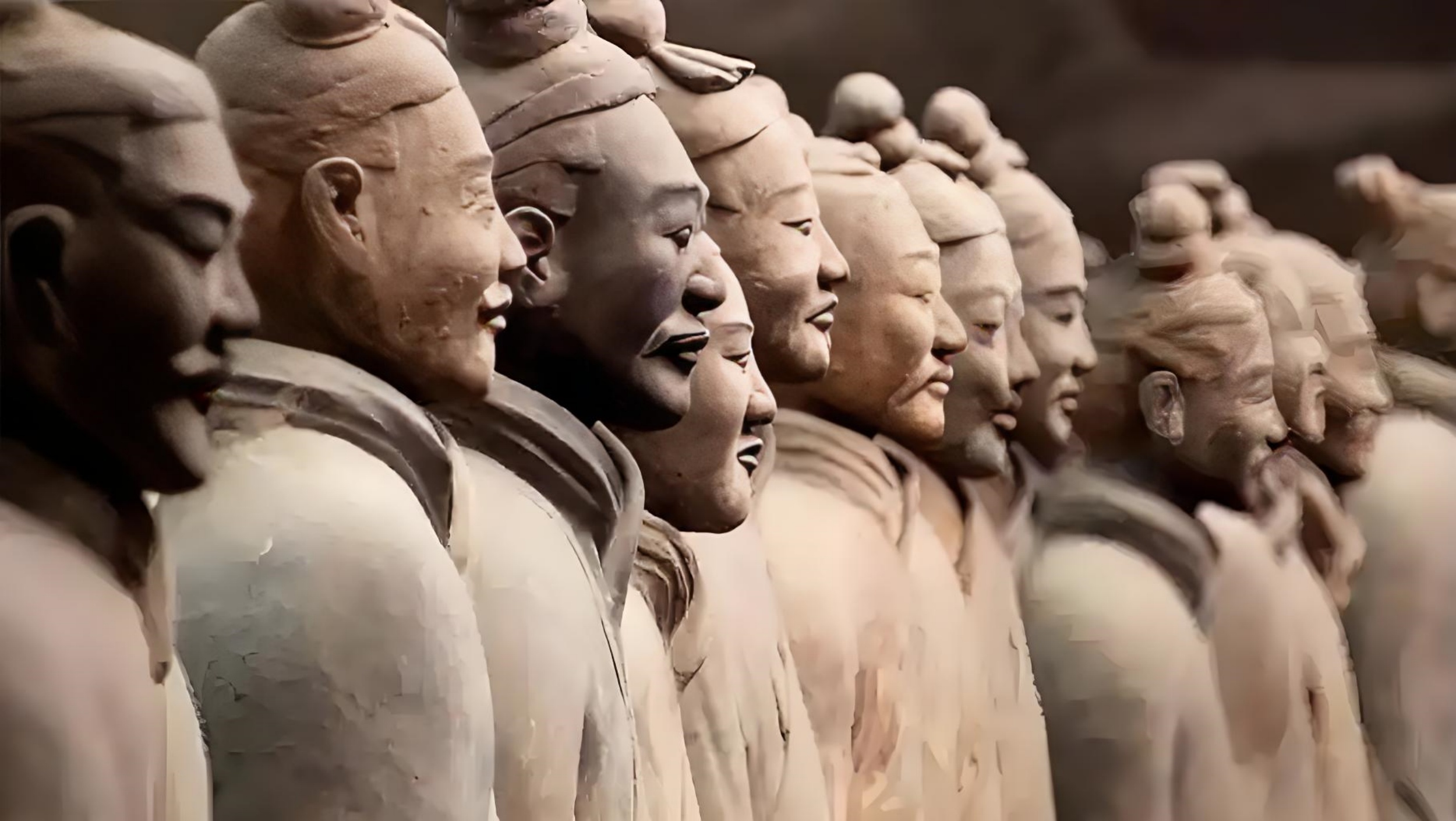
Classic Han Dynasty & Tang Dynasty Private Day Tour from Xian including Lunch
Active
8h
For a full refund, cancel at least 24 hours before the scheduled departure time.
Instant confirmation
Mobile or paper ticket accepted
About this experience
Han and Tang Dynasty are the two most powerful dyansties in Chinese history. You will visit three most importance heritages in one day, including Qian Mausoleum, The Tomb of Princess Yongtai, and Famen Temple.
Available options
Option 1
Pickup included
What's included
Chinese style lunch
Hotel pickup and drop-off
Professional English-speaking tour guide
Air-conditioned vehicle
Admission tickets
Detailed itinerary
1
Qian Mausoleum, the tomb of Emperor Gaozong and his empress Wuzetian, is located on the peak of Liangshan, 80 kilometers away from Xi’An. The great mausoleum was first built in 684 and is one of the best preserved tombs among the Tang Dynasty’s 18 mausoleums. Stone sculptures scatter around everywhere in the mausoleum sites. Exquisite and elegant, these stone carvings upright on top of the mountain for over 1,200 years. The first stone sculpture encounters visitor is a pair of ornamental pillars. The tall and upright pillars are charismatic and their shafts, plinths and crown were all decorated with line carvings. Along the sacred path, visitor will then find pairs of winged horses and rose finches. Ancient Chinese supreme rulers wanted their underground life would be prosperous so they often had propitious creatures, birds, beasts placed in front of their mausoleum to guard them. The winged horses, wings decorated with slender, delicate lines, are in a flying gallop. The rose finches, in high relief, were beautifully shaped and sturdily carved. It is said that because rose finches were a gift from Afghanistan for the funeral and could serve as guards, a pair of them were erected in front of the tomb.
2
The Tomb of Princess Yongtai is the first tomb to be excavated and remains the most impressive of all the satellite tombs in Qian Mausoleum. Princess Yongtai was the granddaughter of Tang Emperor Gaozong and his wife Empress Wu Zetian. In 700, she married Wu Yanji, son of Wu Chengsi, who was Wu Zetian’s nephew. In 701, Princess Yongtai died in Luoyang, at the age of 17. The tomb of Princess Yongtai held more than 1,000 valuable cultural artifacts, including murals, pottery and wooden figurines, tri-color glazed pottery figurines, gold vessels, jade articles, and copper wares. The tri-color glazed pottery figurines, which are beautifully shaped and have peculiar decorative designs, demonstrate the high artistic level of the Tang Dynasty ceramic industry. The antechamber represents a drawing room with murals mainly depicting elegantly dressed women attendants. With different articles in their hands, they carry themselves with grace and wear different expressions from one another. They look as if they are on the way to serve Princess Yongtai. On the ceiling of the chamber are painted celestial figures. There is a triple-leg rooster symbolizing the sun, a Jade Hare representing the moon, with the Milky Way in between. The mural reflects the highly developed astronomy at that time. The stone coffins of Princess Yongtai and her husband are in the rear chamber. The coffins had an outer one and an inner one. The outer coffin was carved with exquisite pictures on both sides. The inner wooden coffin had completely rotted away due to its long-time saturation in silt.
3
Famen Temple is located in Famen Town, 120 kilometers northwest of Xi’An. It’s the famous temple as dagoba for the bones of Sakyamuni in the ancient times. Famen means the initial approach to become a Buddhist believer. The Famen Temple was first built during East Han Dynasty. In 147 AD King Asoka of India traveled throughout Asia, distributing Buddhist relics as atonement for his sins and war-like attitude. In China, he built this Temple and left the fingers of Buddha to be enshrined here, so The Famen Temple pagoda, also named “the Real Spirit Pagoda”. An underground vault was discovered beneath the foundation of the pagoda. The palace is 21.2 meters long with an area of 31.84 square meters. A large amount of Buddhist relics were found including four finger sarira relics, 121 gold and silver articles, 17 glass articles, 16 pieces of olive green porcelain, more than 700 pieces of silk fabrics, 104 Buddhist figurines, hundreds of volumes of Buddhist scripture and many stone carvings and steles. They are national treasures.
What's not included
Gratuities
Available languages
Guide guide
CMN
EN
Important information
Infants are required to sit on an adult’s lap
Public transportation options are available nearby
Infants and small children can ride in a pram or stroller
Suitable for all physical fitness levels
Important notes
Hotel pickups commence prior to this time, you must contact the local service provider to verify your exact pickup time.
About Xian
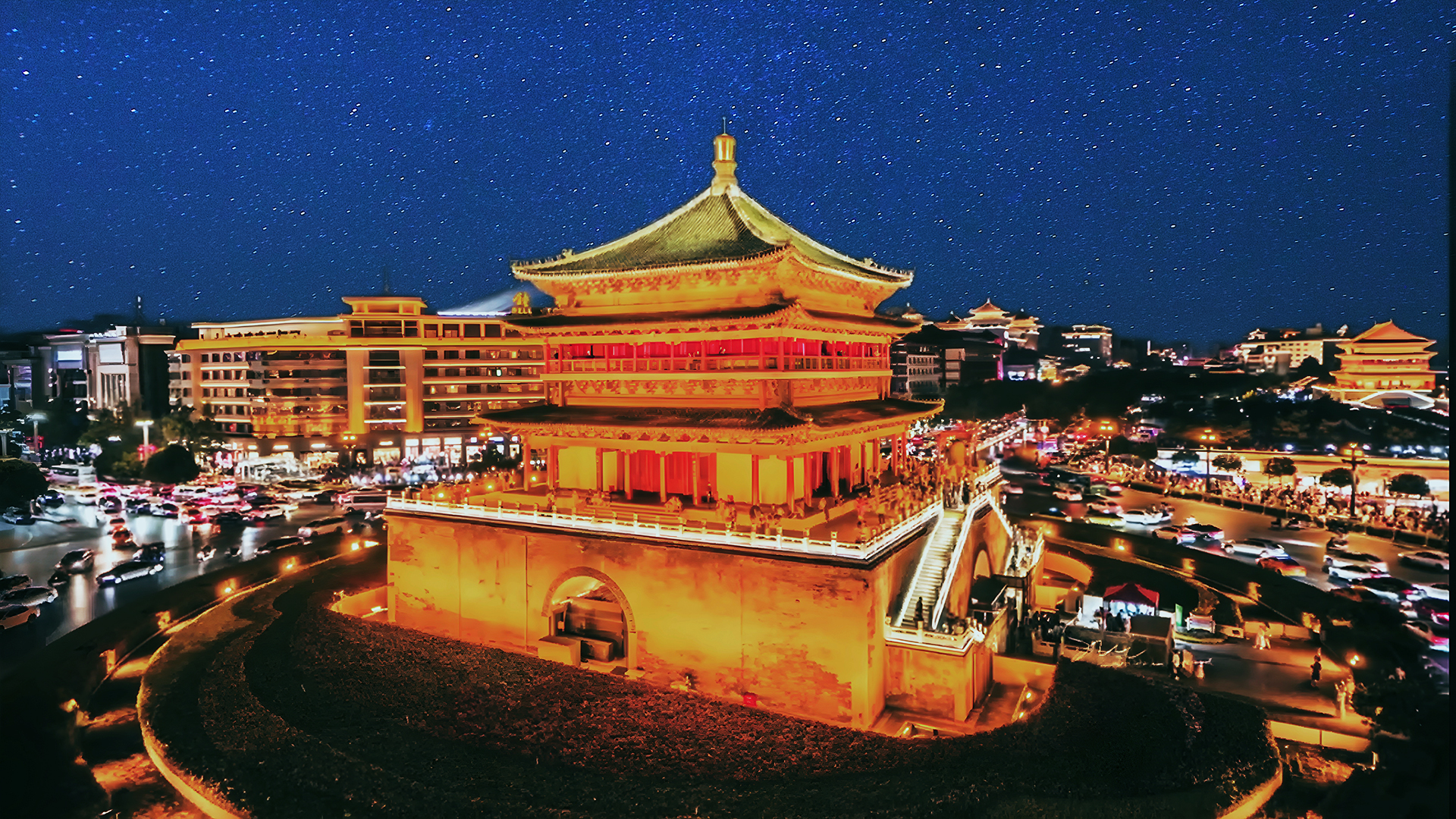
Xian is one of the oldest cities in China, serving as the capital for 13 dynasties, including the famous Tang Dynasty. It is renowned for its rich history, ancient architecture, and as the starting point of the Silk Road. The city offers a unique blend of ancient and modern attractions, making it a must-visit destination for history enthusiasts and cultural explorers.
Top Attractions
Terracotta Army
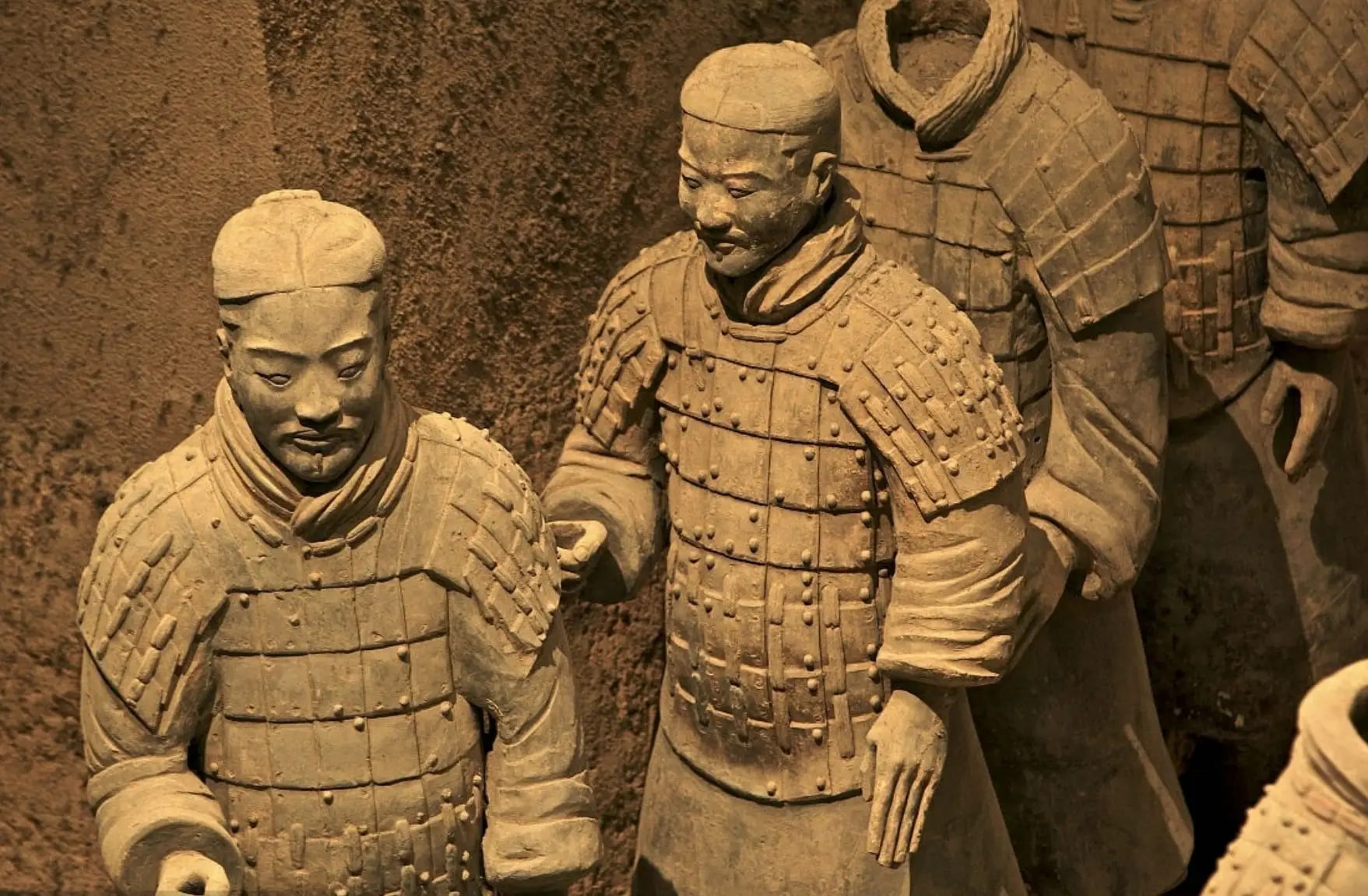
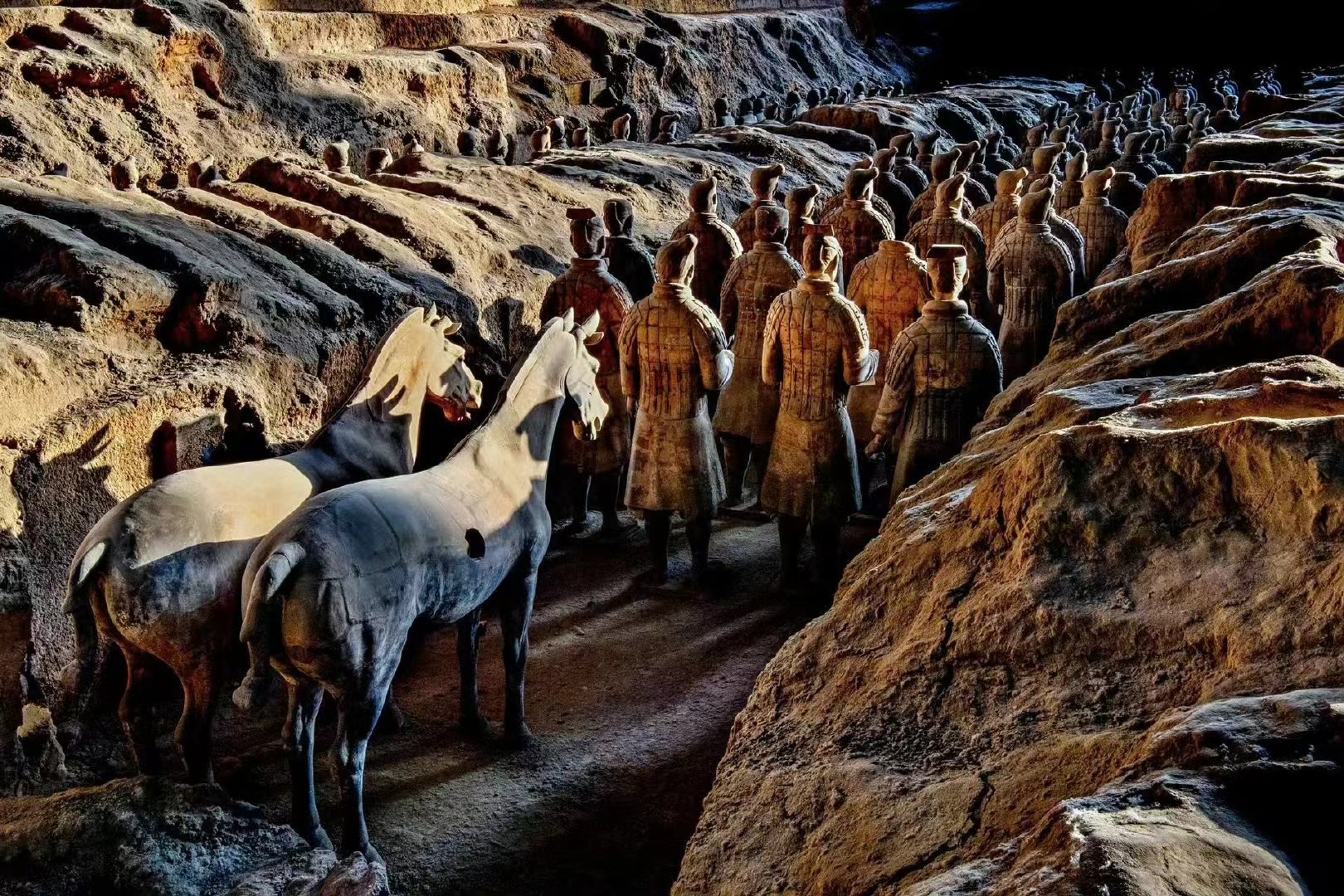
Discovered in 1974, the Terracotta Army is a collection of terracotta sculptures depicting the armies of Qin Shi Huang, the first Emperor of China. It is one of the most significant archaeological discoveries of the 20th century.
Historical
2-3 hours
150 RMB (including museum)
Ancient City Wall
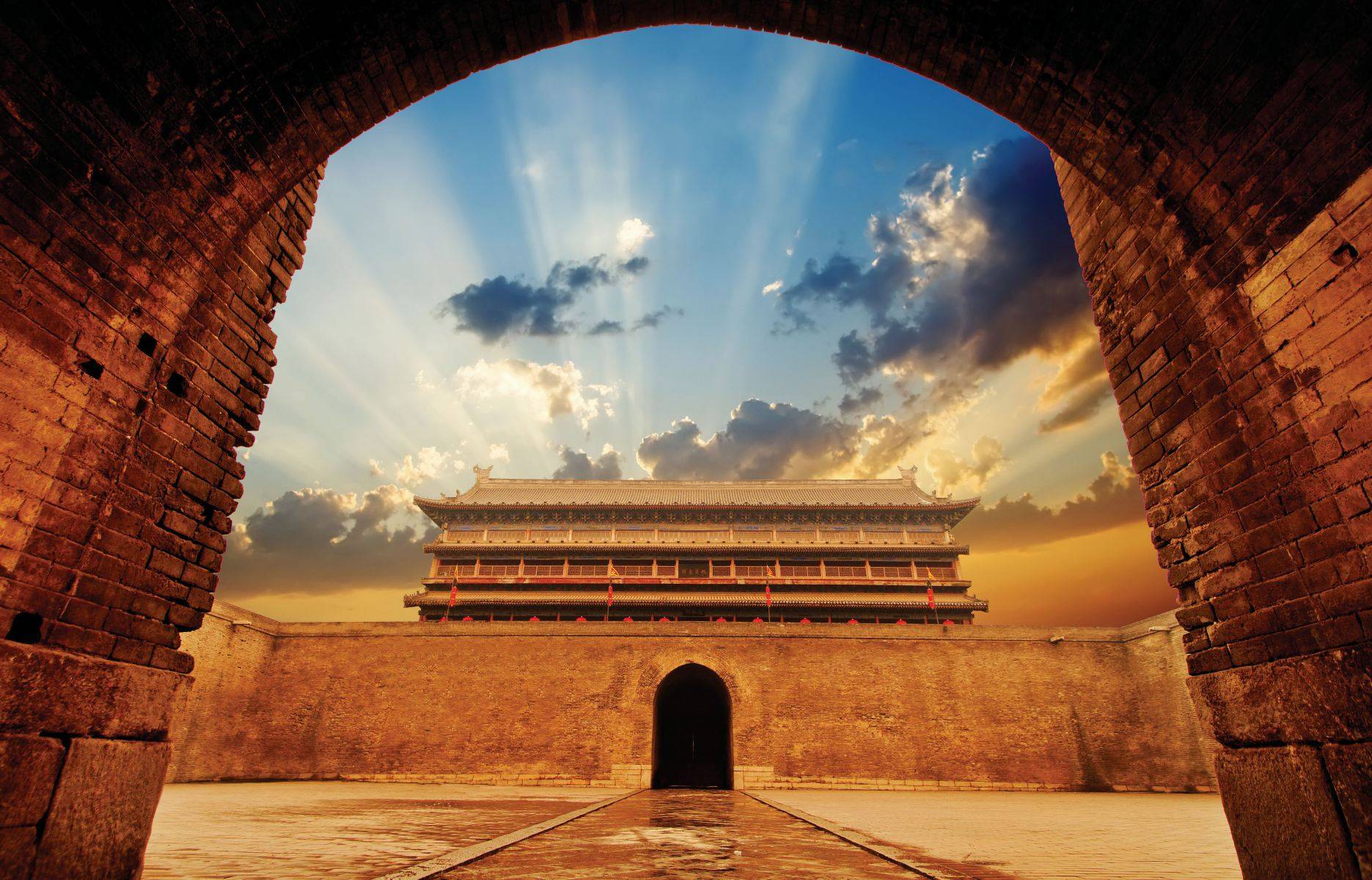
The Ancient City Wall is one of the oldest and best-preserved city walls in China. It encircles the old city and offers a unique perspective of Xian's history and urban landscape.
Historical
1-2 hours
54 RMB (including bike rental)
Muslim Quarter
The Muslim Quarter is a bustling area known for its vibrant street food scene, historic mosques, and unique Islamic architecture. It offers a glimpse into the multicultural history of Xian.
Cultural
1-2 hours
Free (food and shopping costs extra)
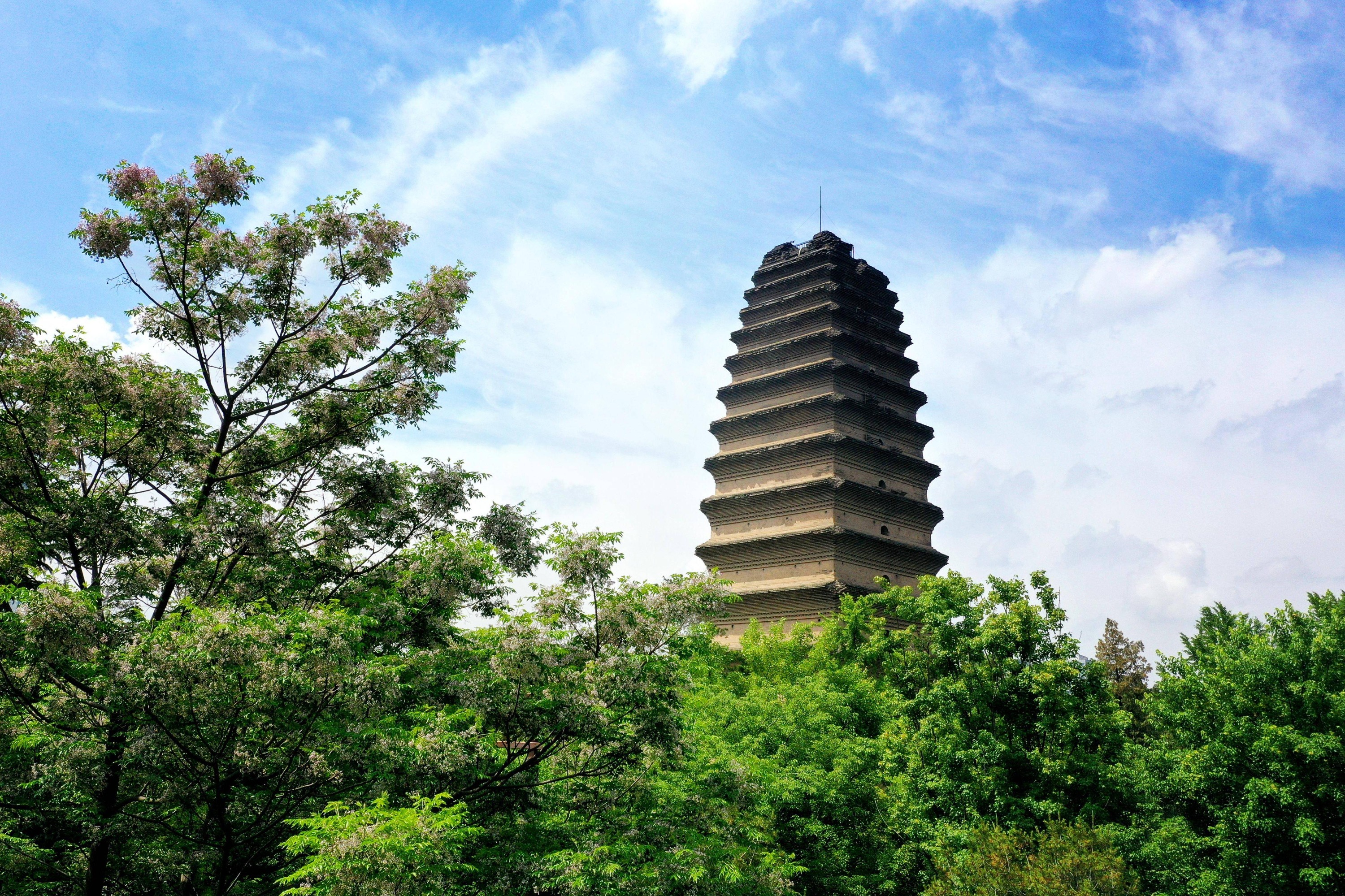
Big Wild Goose Pagoda
The Big Wild Goose Pagoda is a famous Buddhist pagoda and a symbol of Xian. It was built in the Tang Dynasty and is a UNESCO World Heritage Site. The surrounding area is a popular spot for both locals and tourists.
Historical
1-2 hours
50 RMB (including museum)
Shaanxi History Museum
The Shaanxi History Museum is one of the most important museums in China, showcasing the rich history and culture of the Shaanxi region. It houses a vast collection of artifacts spanning thousands of years.
Museum
1-2 hours
Free (but requires a reservation)
Must-Try Local Dishes
Roujiamo
Also known as the Chinese burger, it consists of braised pork belly stuffed in a crispy flatbread.
Snack
Contains pork
Liangpi
Cold noodles made from wheat or rice flour, served with a spicy sauce and various toppings.
Dish
Vegetarian options available
Yangrou Paomo
Lamb soup with bread pieces, a staple dish in Xian.
Dish
Contains lamb
Biangbiang Noodles
Wide, hand-pulled noodles with a thick, chewy texture, often served with a spicy sauce.
Dish
Vegetarian options available
Popular Activities
Hiking in Lishan Mountain
Biking along the Ancient City Wall
Visiting Huaqing Palace hot springs
Tea tasting in local teahouses
Exploring the Terracotta Army
Visiting the Shaanxi History Museum
Walking the Ancient City Wall at sunset
Trying local street food in the Muslim Quarter
Best Time to Visit
April to October
This is the best time to visit Xian as the weather is pleasant and ideal for outdoor activities. The city hosts various festivals and events during this period.
15°C to 35°C
59°F to 95°F
Practical Information
Language
- Official: Chinese (Mandarin)
- Widely spoken: English (limited)
- English: Limited
Currency
Chinese Yuan Renminbi (CNY)
Time Zone
GMT+8
Electricity
220VV, 50HzHz
Safety Information
Overall Safety Rating: Generally safe
Xian is generally safe for travelers, with low crime rates. However, petty crimes like pickpocketing can occur in crowded areas.
Important Precautions:
- • Use licensed taxis or ride-hailing apps like Didi Chuxing.
- • Be cautious of strangers offering unsolicited help or tours.
- • Keep valuables secure and be aware of your surroundings in crowded areas.
Getting there
By air
- Xian Xianyang International Airport • 40 km from city center
By train
Xian Railway Station, Xian North Railway Station
By bus
Xian Long-distance Bus Station, Xian North Bus Station
Getting around
Public transport
The Xian Metro is efficient and covers most major attractions. It's the fastest way to get around the city.
Taxis
Available • Apps: Didi Chuxing
Rentals
Car, Bike, Scooter
Neighborhoods
Yanta District
Beilin District
Muslim Quarter
Qujiang New District
Day trips
Huaqing Palace
15 km from city center • Half day
Huaqing Palace is a complex of hot springs and palaces known for its historical significance and beautiful gardens. It was a favorite retreat for emperors and is associated with the Tang Dynasty.
Lishan Mountain
20 km from city center • Full day
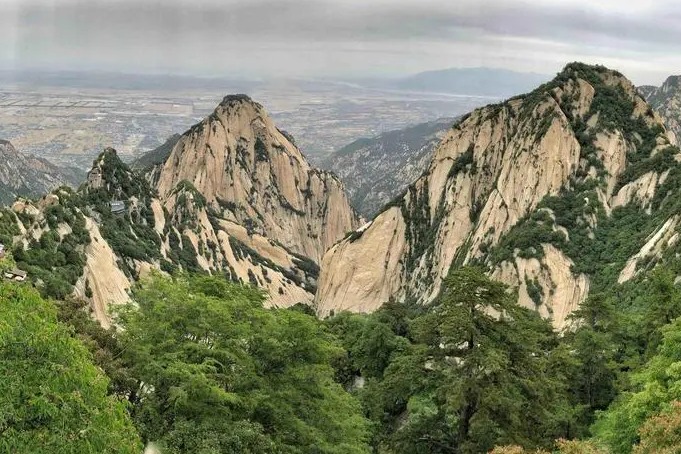
Lishan Mountain is a scenic area known for its natural beauty, hiking trails, and historical sites. It offers panoramic views of the surrounding landscape and is a popular spot for outdoor activities.
Famen Temple
120 km from city center • Full day
Famen Temple is one of the most important Buddhist temples in China, known for housing the relics of the Buddha. It is a significant pilgrimage site and offers a peaceful retreat from the city.
Festivals
Chinese New Year • January or February (varies)
Lantern Festival • 15th day of the first lunar month
Qinling Mountain Marathon • October
Pro tips
- Learn a few basic Chinese phrases to enhance your experience and interact with locals.
- Visit major attractions early in the morning or late in the afternoon to avoid crowds and heat.
- Try local street food, but choose busy stalls with high turnover to ensure freshness and food safety.
- Use the metro or bike-sharing services to get around the city efficiently and affordably.
- Book tickets for popular attractions like the Terracotta Army in advance to avoid long queues.
From $25
per person
Price varies by option
Secure booking
Free cancellation available
Instant confirmation


![[Small Group Tour for 15 People] Terracotta Army + Huaqing Palace + Eternal Love/Camel Bell Legend/Empress of the Tang Dynasty 1-Day Tour](https://res.klook.com/image/upload/activities/w2vpnmqemrxutekfvn9f.jpg)