Nagano Zenkoji Temple Town Walking Tour and Oyaki Tasting
Active
3h
For a full refund, cancel at least 24 hours before the scheduled departure time.
Instant confirmation
Mobile or paper ticket accepted
About this experience
Sacred Streets, Historic Zenkoji Temple and Nagano’s Hidden Corners. Discover the soul of one of Japan’s most sacred cities with our local guide
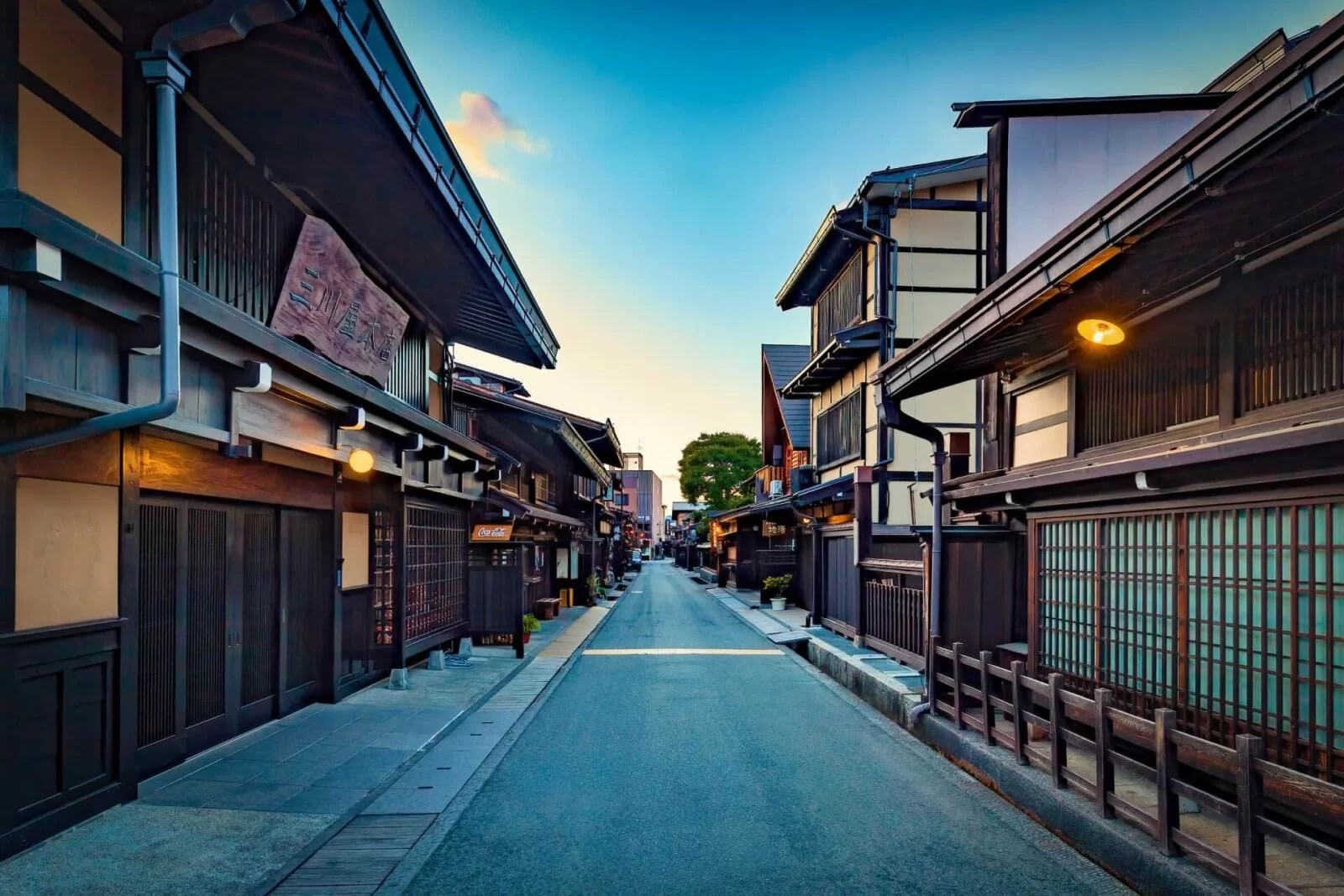
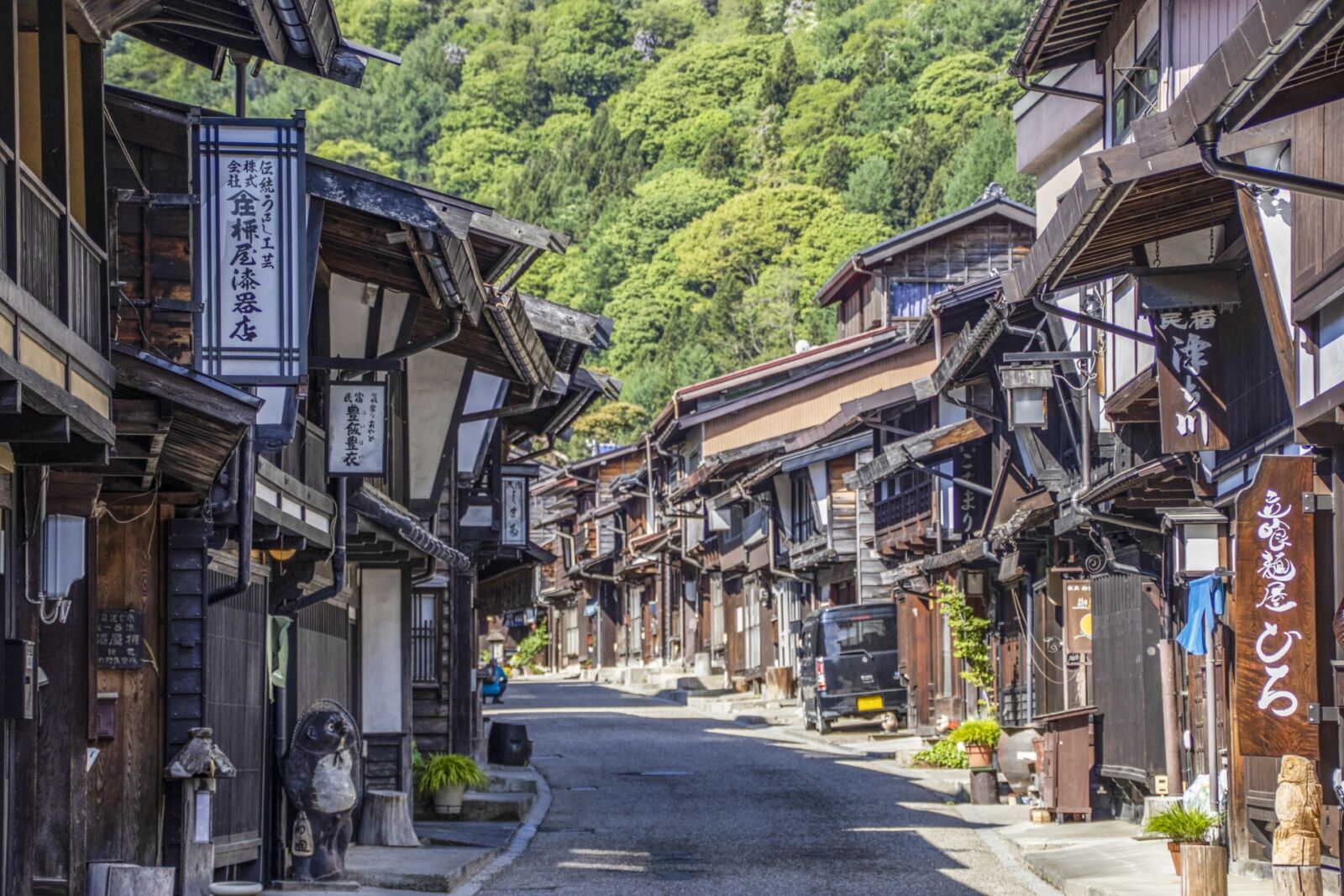
Follow a path that leads you deep into the city’s past. This isn’t just a walk. It’s a cultural journey once shared by monks, pilgrims, and samurai. From the sacred grounds of Zenkoji Temple to atmospheric backstreets lined with old storehouses, a historic sake brewery, and local shops, the tour uncovers sides of Nagano that most travelers miss.
Available options
Nagano Zenkoji Temple Town Walking Tour and Oyaki Tasting
Pickup included
What's included
English or French Speaking Guide
One Japanese “Oyaki” bun (vegan-friendly)
Detailed itinerary
1
Nagano Central Square is a welcoming public space where both locals and visitors often gather. While it’s a popular gathering spot today, the square first came into the global spotlight during the 1998 Winter Olympic Games, when it hosted the official medal ceremonies. While its Olympic legacy gives the square historical significance, it’s the everyday atmosphere that keeps it alive.
Omotesando serves both practical and cultural roles. It connects Nagano Station to Zenkoji Temple, guiding a steady flow of visitors through a mix of shops, cafés, and historical buildings. The street functions as the city’s main ceremonial approach while also supporting daily activity. It is an easy walk from the station. And gives visitors a clear sense of the area’s character within just a few blocks.
This approach to Zenkoji is part of the experience. Lined with traditional inns, quaint shops, and cozy cafés, it invites visitors to linger and take part in the local atmosphere.
2
Stop 2
Zenkoji Temple is one of Japan’s oldest and most revered Buddhist temples. For over 1,400 years, people from across the country have come here to pray, reflect, or simply soak in its peaceful atmosphere.
Unlike many temples in Japan, Zenkoji isn’t affiliated with any one Buddhist sect. It welcomes everyone. Its main hall, a designated National Treasure, is awe-inspiring in both scale and serenity.
Zenkoji Temple also houses one of the oldest Buddhist statues in Japan, believed to have arrived from India centuries ago. Zenkoji isn’t just a historical landmark, it’s the living heart of the city. Whether you visit for its spiritual depth, rich history, or just a peaceful morning walk, Zenkoji Temple leaves you with the sense that you’ve touched something truly timeless.
3
Patio Daimon blends Nagano’s historic charm with modern creativity. Made up of carefully restored kura (traditional earthen-walled storehouses),Patio Daimon has been repurposed to give visitors a chance to experience the old town atmosphere in a modern way.
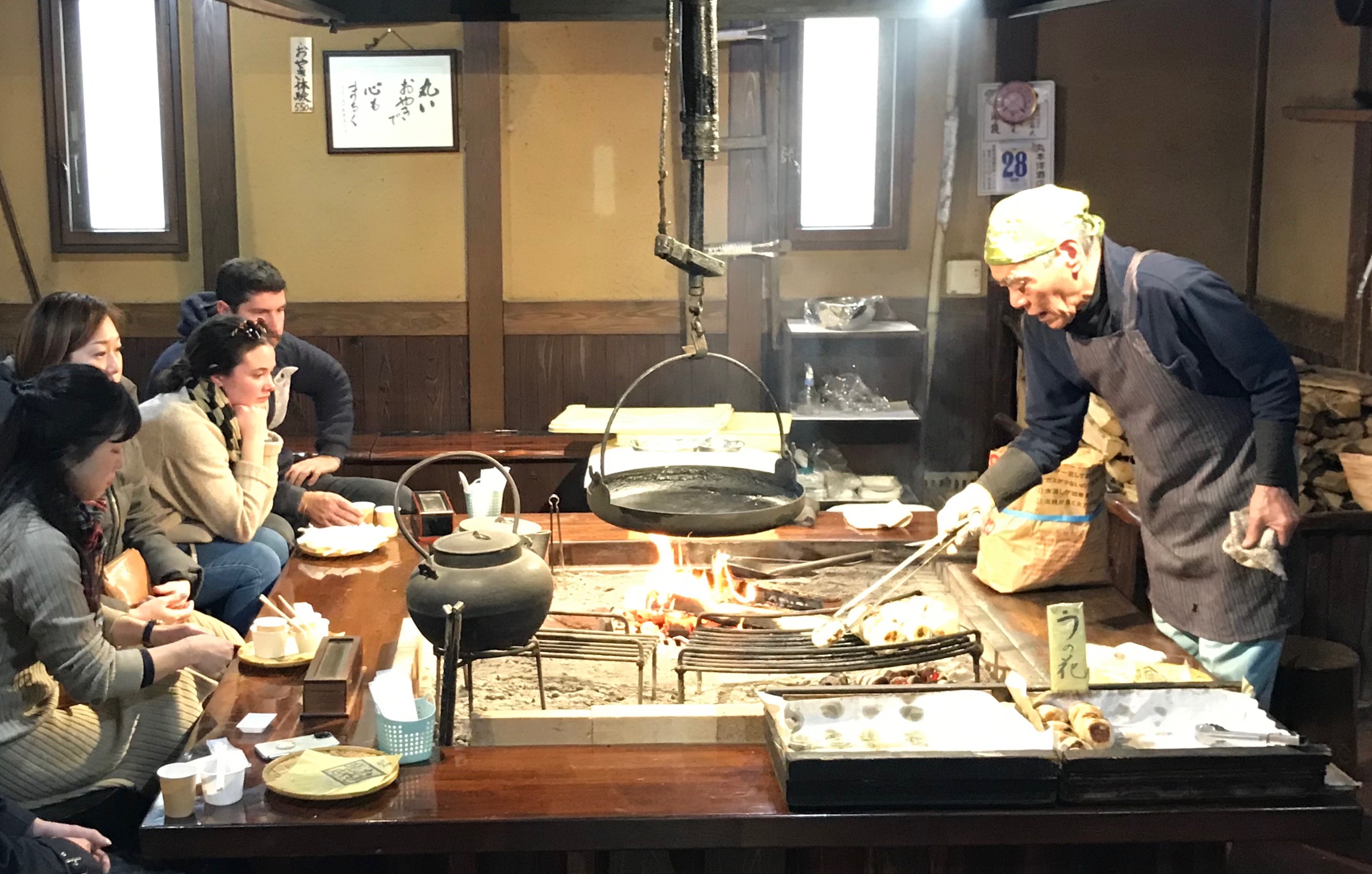
One of the highlights here is a well-known oyaki shop, where you can try this local Nagano specialty. These dumplings are filled with ingredients like seasonal vege-tables, sweet beans, or miso, then steamed or baked to perfection. Enjoying freshly made oyaki in the quiet atmosphere of a restored storehouse offers a sim-ple, satisfying way to connect with local food culture.
What's not included
Admission to Zenkoji Temple’s paid inner area (optional)
Miscellaneous fees during the activity (souvenirs, snacks other than the Oyaki tasting, etc.)
Insurance (Travel Insurance, Private Insurance, etc...)
Available languages
Guide guide
EN
FR
Important information
Public transportation options are available nearby
Suitable for all physical fitness levels
This is a walking tour and includes a moderate walk, particularly between the meeting location and the temple.
Oyaki are traditional Japanese buns made from plain flour, salt, and oil, typically filled with seasonal vegetables. They are vegan-friendly by default.
Our tour can accommodate most food allergies and dietary restrictions. Please let us know your preferences in advance.
There is no minimum age requirements
Children less than 6 years old can participate for free
About Nagano
Nagano, the capital of Nagano Prefecture, is a city rich in history and natural beauty. Known for its role in the 1998 Winter Olympics, Nagano offers a blend of traditional Japanese culture, stunning mountain landscapes, and world-class ski resorts. The city is a gateway to some of Japan's most famous hot springs and ancient temples.
Top Attractions
Zenko-ji Temple
Zenko-ji is one of Japan's most important Buddhist temples, dating back to the 7th century. It is a significant pilgrimage site and a symbol of Nagano's spiritual heritage.
Religious
1-2 hours
Free (donations appreciated)
Snow Monkeys of Jigokudani
The Snow Monkeys of Jigokudani are a famous attraction, known for their unique behavior of bathing in hot springs during the winter months.
Nature
Half day to full day
¥800 (adults) or ¥400 (children)
Nagano Olympic Museum
This museum commemorates the 1998 Winter Olympics held in Nagano. It features exhibits on the history of the Olympics, the events held in Nagano, and the athletes who participated.
Historical
1-2 hours
¥500 (adults) or ¥200 (children)
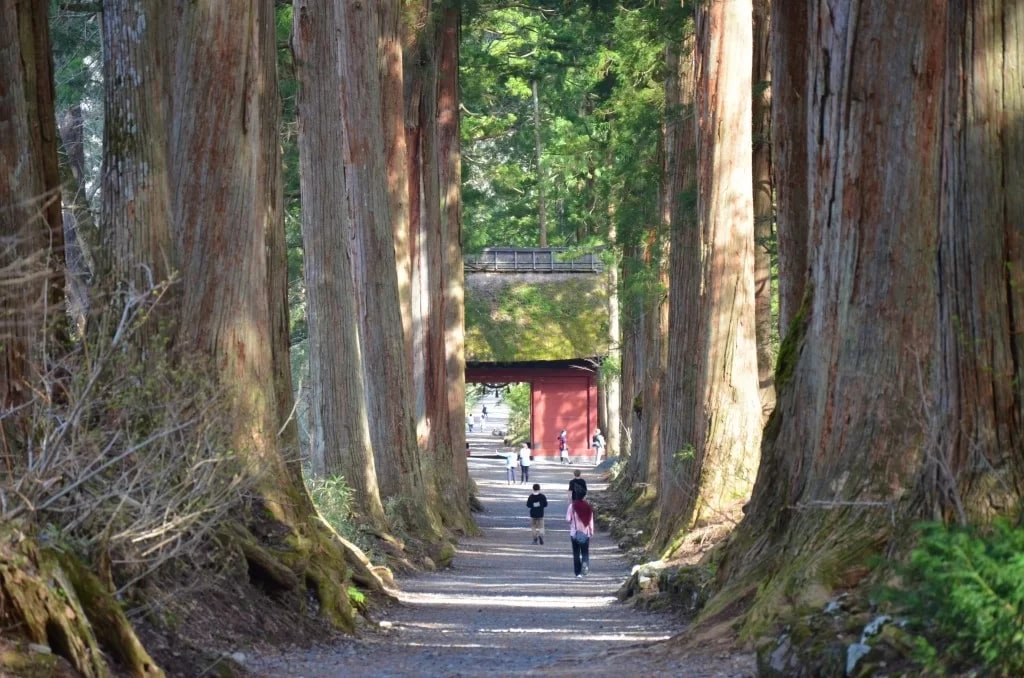
Togakushi Shrine
Togakushi Shrine is a complex of three shrines dedicated to the Shinto goddess of archery. It is a popular destination for both spiritual and cultural tourism.
Religious
Half day
Free (donations appreciated)
Shiga Kogen
Shiga Kogen is one of Japan's largest and most popular ski resorts, known for its extensive ski runs, modern facilities, and beautiful mountain scenery.
Adventure
Full day or overnight
¥4,000 - ¥6,000 (lift tickets)
Must-Try Local Dishes
Soba Noodles
Soba noodles are made from buckwheat flour and are a staple of Nagano's cuisine. They can be served hot or cold, with various toppings and dipping sauces.
Dish
Vegetarian (if no meat or fish toppings are added)
Oyaki
Oyaki are dumplings filled with various ingredients, such as vegetables, meat, or cheese. They are a popular snack in Nagano and are often served with meals.
Dish
Vegetarian options available
Sake
Nagano is known for its high-quality sake, made from locally grown rice. The region has numerous sake breweries, offering a variety of flavors and styles.
Drink
Contains alcohol
Onsen Ryori
Onsen Ryori is a type of cuisine served in hot spring resorts. It typically consists of dishes made with local ingredients, such as vegetables, fish, and tofu, cooked in the hot spring water.
Dish
Vegetarian options available
Popular Activities
Skiing
Snowboarding
Hiking
Mountain biking
Hot air ballooning
Hot spring bathing
Temple visiting
Shopping
Best Time to Visit
Winter (December to February)
Winter is the peak season for skiing, snowboarding, and other winter sports. The city hosts numerous winter festivals and events. Expect heavy snowfall and cold temperatures.
-2°C to 5°C (28°F to 41°F)
28°F to 41°F
Practical Information
Language
- Official: Japanese
- Widely spoken: English (limited)
- English: Limited
Currency
Japanese Yen (JPY)
Time Zone
GMT+9
Electricity
100VV, 50/60HzHz
Safety Information
Overall Safety Rating: Generally safe
Nagano is a generally safe destination for travelers. Violent crime is rare, and petty crime, such as pickpocketing, is uncommon. However, travelers should still take precautions to protect their belongings and be aware of their surroundings.
Important Precautions:
- • Keep valuables secure and out of sight.
- • Be cautious of your surroundings, especially at night.
- • Use reputable taxis and tour services.
Getting there
By air
- Nagano Airport • 10 km (6 miles) from the city center
- Chubu Centrair International Airport • 200 km (124 miles) from the city center
By train
Nagano Station
By bus
Nagano Station Bus Terminal, Zenko-ji Temple Bus Stop
Getting around
Public transport
The city bus system is the primary mode of public transport in Nagano, covering most areas of the city and connecting to major attractions. Buses are frequent and affordable.
Taxis
Available • Apps: JapanTaxi, DiDi
Rentals
Car, Bike, Scooter
Neighborhoods
Central Nagano
Togakushi
Shiga Kogen
Day trips
Shiga Kogen
50 km (31 miles) from Nagano • Full day or overnight
Shiga Kogen is one of Japan's largest and most popular ski resorts, offering a wide range of winter and summer activities. It is a great destination for outdoor enthusiasts and nature lovers.
Togakushi
20 km (12 miles) from Nagano • Half day
Togakushi is a rural area known for its ancient shrines, soba noodles, and hiking trails. It is a popular destination for both spiritual and cultural tourism.
Jigokudani Monkey Park
60 km (37 miles) from Nagano • Half day to full day
Jigokudani Monkey Park is a popular destination for observing wild Japanese macaques, known as snow monkeys, in their natural habitat. The park is especially famous for the monkeys' unique behavior of bathing in hot springs during the winter months.
Festivals
Nagano Winter Festival • February
Nagano Summer Festival • August
Togakushi Fire Festival • February 3rd
Pro tips
- Visit Zenko-ji Temple early in the morning to avoid crowds and experience the temple's serene atmosphere.
- Try Togakushi's famous soba noodles at a local restaurant, such as Soba Koenji or Soba Nagano.
- Take a day trip to Shiga Kogen for skiing, snowboarding, or hiking, depending on the season.
- Experience the Nagano Winter Festival in February for a unique and memorable cultural event.
- Visit the Snow Monkeys of Jigokudani in winter to see the monkeys bathing in the hot springs.
From $25
per person
Price varies by option
Secure booking
Free cancellation available
Instant confirmation


![[Nagano Day Trip] Togakushi Shrine & Jigokudani Monkey Park: Snow Monkey Walk & Sake Culture Experience (From Nagano)](https://res.klook.com/image/upload/activities/ukyhyhpy5wizkkwfpvyg.jpg)
![[1 Person Guaranteed Departure] Hokkaido Noboribetsu Popular Instagram Tour: Lake Toya Observatory & Lake Toya Onsen Pier & Lake Hill Farm & Showa Shinzan Bear Ranch & Noboribetsu Hell Valley](https://res.klook.com/image/upload/activities/uykul3gogj0z93pkqqee.jpg)