Discover Buenos Aires on a Private Full Day Tour with Guide
Active
6h
For a full refund, cancel at least 24 hours before the scheduled departure time.
Instant confirmation
Mobile or paper ticket accepted
About this experience
You will get to know all the corners of the city of Buenos Aires in a relaxed and exclusive atmosphere with a bilingual guide. A full day experience that will allow you to explore the most cultural attractions of the city, such as the Colon Theater, the Grand Splendid Athenaeum, notable for being located in what used to be the "Grand Splendid" theater, the Recoleta Cemetery famous for its numerous and imposing mausoleums and vaults, among others, all tickets are included and you will have time to enjoy a delicious lunch in the city of Buenos Aires.
If you already know the city, we offer you the possibility to personalize the tour and explore in depth those places of most interest.
Available options
City Private up to 6 pax
up to 6 passengers in SUV<br/>Pickup included
City Tour 6 hours up to 4 PAX
Pickup included
What's included
Private transportation
Air-conditioned vehicle
Detailed itinerary
1
Stop 1
It is located in the exclusive neighborhood of Recoleta, which owes its name to the fact that the convent of the Recollect monks was located there, to which the neighboring Basilica Nuestra Señora del Pilar also belonged (the cemetery was built in the old monks' garden). ).
It is the most visited in the city, due to its numerous and imposing mausoleums and vaults, belonging to many of the main protagonists of Argentine history, such as that of Eva Perón (Evita), one of the most popular tombs. Likewise, it deserves a visit for its architectural value, since it is a sample of the times when the country was an emerging economic power and the main families of the city competed to build splendid pantheons. Many of the vaults and mausoleums are the work of important architects and are adorned with marble and sculpture; more than 90 vaults have been declared a National Historical Monument.
2
The Ateneo Grand Splendid was chosen by the British newspaper The Guardian as the second most important bookstore in the world. Erected over the old Grand Splendid cinema theater in the Recoleta neighborhood, it retains its former splendor and elegance, with the dome decorated with frescoes, the original railings and the decoration intact. On the old stage – with the velvet curtain slightly open – there is a bar that invites you to sit down with a book in hand. You can also take advantage of the armchairs that are on both sides of the main room or sit in the exclusive boxes that function as small reading rooms. In the basement there is a sector dedicated to children's books, and the upper floor is dedicated to samples and exhibitions.
3
Stop 3
This imposing 20-meter-high sculpture that dominates the United Nations Square was donated to the City of Buenos Aires by its author, the Argentine architect Eduardo Catalano. It is made of stainless steel and aluminum and weighs 18 tons. It is the first moving sculpture controlled by a hydraulic system and photoelectric cells.
The work was inaugurated on April 13, 2002. Its name, "Floralis Generica", is a tribute to all flowers. It is the projection of a dream of its creator, that of building a large-scale structure that reflects the dynamism of our time.
4
Inside the Parque 3 de Febrero, in Palermo, is the Rosedal, with a collection of more than 18,000 roses and a lake that surrounds it. It occupies a space that belonged to the fifth of Juan Manuel de Rosas, until he was defeated on February 3, 1852 in the battle of Caseros. The work began with the landscaper Carlos Thays, the same one who built the Botanical Garden, the Avellaneda Park and the Lezama Park, among others. Later, his disciple Benito Carrasco finished it in 1914.
Every July, when the pruning season begins, neighbors and tourists approach the gardeners to receive flowers or cuttings from which new species can be reproduced. In this way, in winter the rosebushes bloom healthy and strong to reach the maximum point of development in October.
5
Stop 5
Surrounded by the Palermo Woods, the Japanese Garden is a corner of Buenos Aires that falls in love with whoever visits it. Built in 1967 on the occasion of the visit of the Emperor of Japan Akihito and his wife Michiko, it is the largest Japanese-style garden outside Japan. Walking surrounded by bonsai, azaleas, kokedamas, orchids and cement lanterns is an unforgettable pleasure.
6
Stop 6
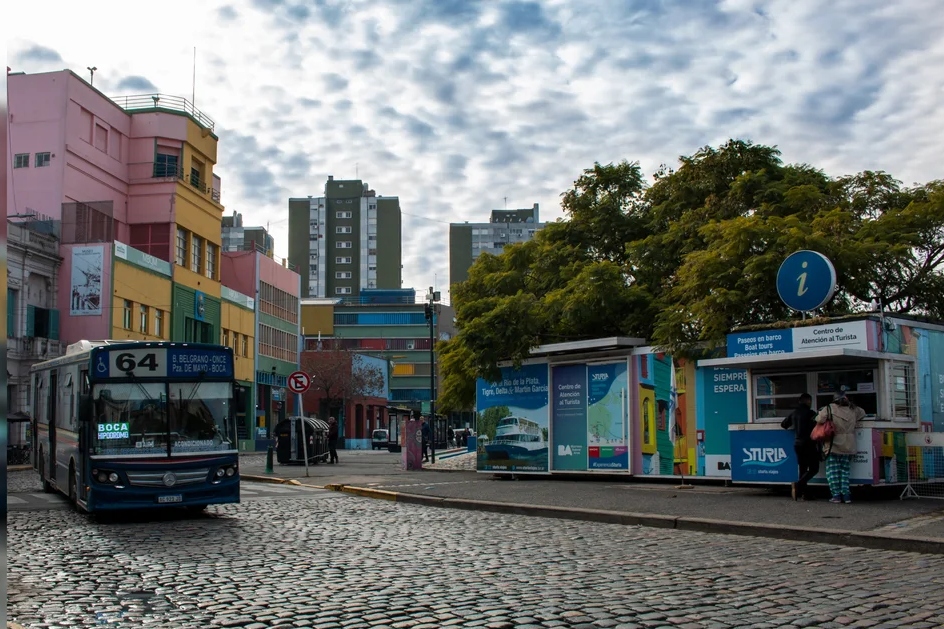
Caminito is the most famous pedestrian street in Buenos Aires. It is one of the most popular tourist attractions in the city due to its colorful houses and its deep historical and cultural significance.
Caminito is located in the popular La Boca neighborhood, on the Riachuelo River coast and only 400 meters from La Bombonera, the Boca Juniors stadium. It is a 150 meter long curved pedestrian promenade where important artistic works can be seen.
7
It is a large indoor market located in the San Telmo neighborhood. Although it preserves old shops selling vegetables and meat, today it is a tourist spot and there are plenty of antique dealers. The old "neighborhood" stalls that have been preserved for several decades coexist with the more recent and related antique dealers, such as the tourist boom in San Telmo. The building also includes some premises that have their own entrance from the street, including greengrocers, liquor stores, a restaurant and two notable bars: "San Pedro Telmo", and "La Coruña".1
8
Stop 8
It is a palace located in front of the Plaza de Mayo that functions as the seat of the National Government. This imposing pink building occupies the site where the Fort of Buenos Aires was erected in 1580. It was the residence of Spanish viceroys and later housed, with some reforms, the authorities of successive national governments. The current building is the product of the merger of two previous constructions: the presidential headquarters and the Palacio de Correos (on the corner of Hipólito Yrigoyen and Balcarce).
9
Stop 9
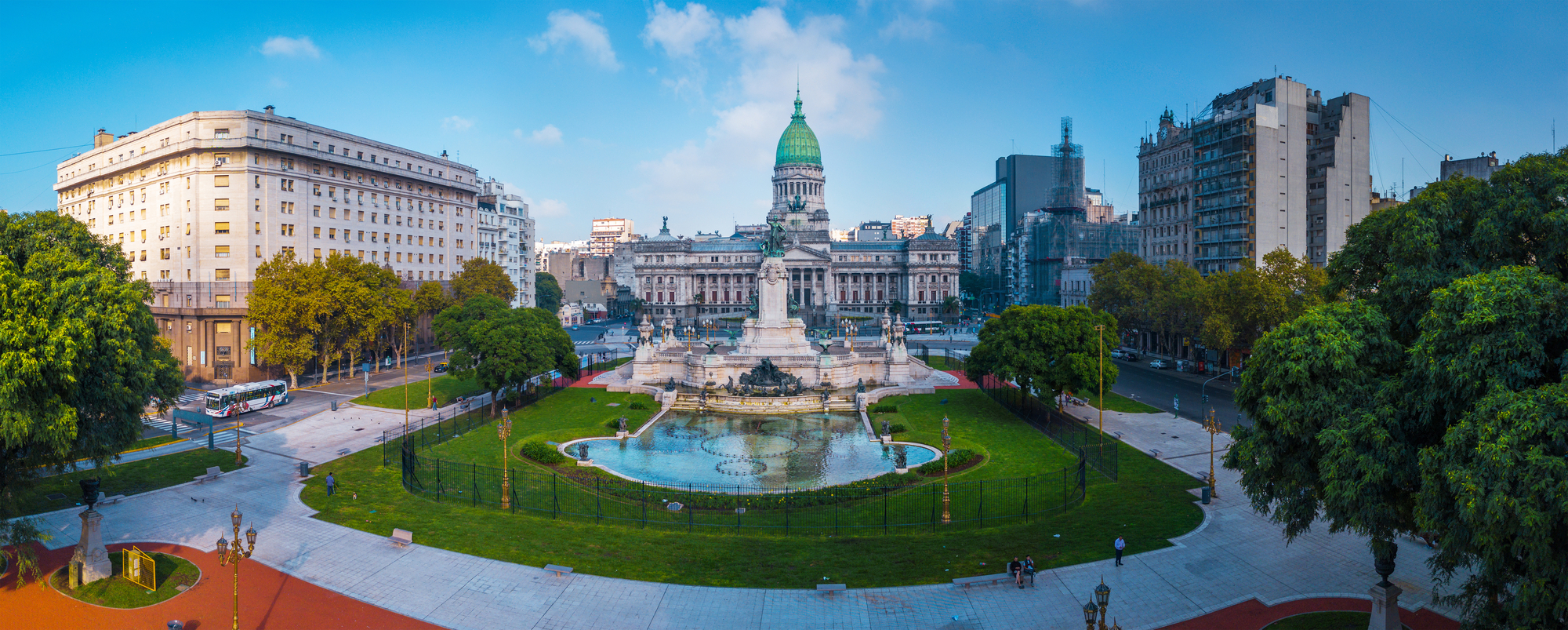
Inspired by the Gran Vía in Madrid, Avenida de Mayo is one of the largest and most important arteries in Buenos Aires. It runs through the city from Plaza de Mayo with the Casa Rosada at one end, to the National Congress building at the other. Officially opened in 1894, it is worth going through, as it is like taking a trip through the entire history of the city.
What's not included
Lunch
Gratuities
Available languages
Audio guide
DE
EN
IT
FR
ES
Guide guide
DE
EN
IT
FR
ES
Written guide
DE
EN
IT
FR
ES
Reviews breakdown
Viator
4.7
110 reviews
5★
96
4★
8
3★
1
2★
2
1★
3
Tripadvisor
4.9
111 reviews
5★
105
4★
1
3★
2
2★
1
1★
2
Important information
Wheelchair accessible
Infants and small children can ride in a pram or stroller
Service animals allowed
Public transportation options are available nearby
Infants are required to sit on an adult’s lap
Specialized infant seats are available
Transportation options are wheelchair accessible
All areas and surfaces are wheelchair accessible
Suitable for all physical fitness levels
About Buenos Aires and The Pampas
Buenos Aires, the vibrant capital of Argentina, is known for its European-influenced architecture, rich cultural scene, and passionate tango. The Pampas, a vast fertile plain, offers a glimpse into Argentina's gaucho (cowboy) culture and stunning landscapes. Together, they provide a unique blend of urban sophistication and rural charm.
Top Attractions
Recoleta Cemetery
A famous cemetery where Eva Perón is buried, featuring ornate mausoleums and a rich history.
Historical
1-2 hours
Free
La Boca
A colorful neighborhood known for its vibrant street art, tango performances, and the famous Caminito street.
Cultural
2-3 hours
Free to explore, paid shows
The Pampas
A vast fertile plain offering a glimpse into Argentina's gaucho culture, with estancias (ranches) and beautiful landscapes.
Nature
Full day or overnight
Varies by estancia (ARS 1,000-5,000 approx. USD 13-65)
Teatro Colón
One of the world's most famous opera houses, known for its stunning architecture and acoustics.
Cultural
1-2 hours (tour), longer for performances
Tour: ARS 1,200 (approx. USD 16), Performances: ARS 500-5,000 (approx. USD 6.50-65)
San Telmo Market
A historic market offering antiques, collectibles, and local crafts, with a lively Sunday market atmosphere.
Market
1-3 hours
Free to explore, varies for purchases
Must-Try Local Dishes
Asado
Argentine barbecue featuring various cuts of beef, sausages, and other meats, cooked over an open fire.
Dinner
Not vegetarian or vegan
Empanadas
Savory pastries filled with various ingredients like beef, chicken, or cheese.
Snack or Lunch
Can be vegetarian or vegan
Milanesa
Breaded and fried meat cutlet, similar to schnitzel, often served with mashed potatoes or salad.
Lunch or Dinner
Not vegetarian or vegan
Dulce de Leche
A sweet, caramel-like spread made from milk and sugar, used in various desserts.
Dessert
Vegetarian
Popular Activities
Horseback riding in The Pampas
Kayaking in Tigre Delta
Hiking in Sierra de la Ventana
Wine tasting in Palermo
Spa day in Recoleta
Strolling through Bosques de Palermo
Tango shows in La Boca
Visiting museums in Recoleta
Best Time to Visit
Spring (September to November) and Fall (March to May)
Pleasant weather, fewer crowds, and vibrant city life. Ideal for outdoor activities and exploring both the city and the Pampas.
15-25°C
59-77°F
Practical Information
Language
- Official: Spanish
- Widely spoken: English, Italian, French
- English: Moderately spoken in tourist areas, limited elsewhere
Currency
Argentine Peso (ARS)
Time Zone
GMT-3
Electricity
220VV, 50HzHz
Safety Information
Overall Safety Rating: Exercise caution
Buenos Aires is generally safe for tourists, but petty crime like pickpocketing and scams can occur, especially in crowded areas. Be aware of your surroundings and take precautions.
Important Precautions:
- • Keep valuables secure
- • Avoid flashing expensive items
- • Use reputable taxi services or app-based taxis
Getting there
By air
- Ministro Pistarini International Airport • 35 km from city center
- Aeroparque Jorge Newbery • 4 km from city center
By train
Retiro Station
By bus
Retiro Bus Terminal, Constitución Bus Terminal
Getting around
Public transport
Efficient and affordable, with six lines connecting major neighborhoods.
Taxis
Available • Apps: Uber, Cabify
Rentals
Car, Bike, Scooter
Neighborhoods
Palermo
Recoleta
La Boca
San Telmo
Day trips
Estancia Santa Susana
100 km from Buenos Aires • Full day
A traditional estancia offering horseback riding, gaucho shows, and authentic Argentine asado.
Colonia del Sacramento
100 km from Buenos Aires (by ferry) • Full day
A charming colonial town in Uruguay with cobblestone streets, historic buildings, and a relaxed atmosphere.
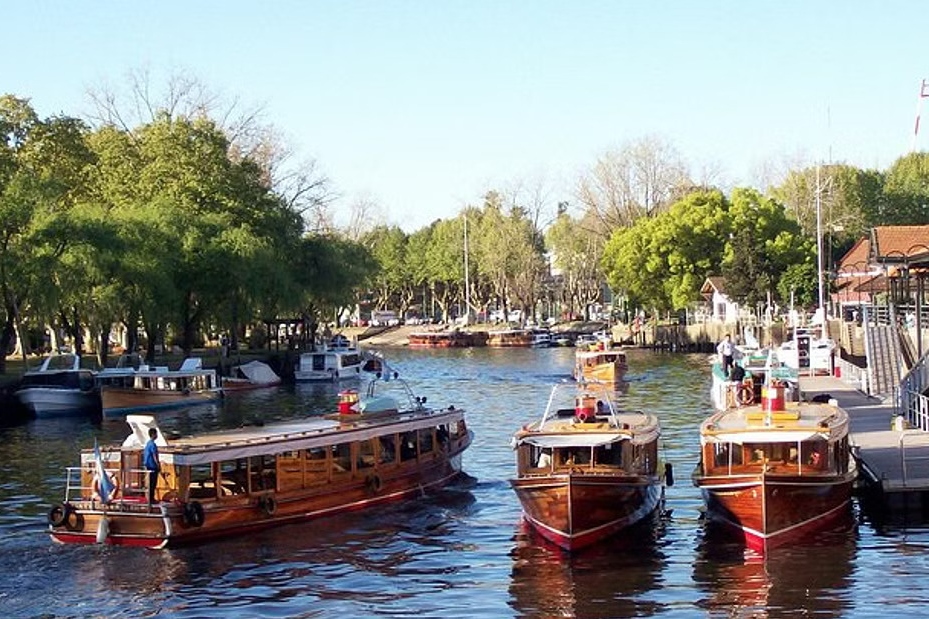
Tigre Delta
35 km from Buenos Aires • Half day to full day
A network of islands and waterways offering boat tours, kayaking, and nature walks.
Festivals
Carnaval de Buenos Aires • February or March (dates vary)
Festival Internacional de Cine Independiente de Buenos Aires (BAFICI) • April (dates vary)
La Noche de los Museos • November (dates vary)
Pro tips
- Use the SUBE card for convenient and discounted public transport
- Learn a few basic Spanish phrases to enhance your experience and connect with locals
- Explore beyond the tourist hotspots to discover the city's hidden gems
- Try local specialties like empanadas, milanesa, and dulce de leche
- Visit during the shoulder seasons (spring and fall) for pleasant weather and fewer crowds
From $25
per person
Price varies by option
Secure booking
Free cancellation available
Instant confirmation