Mumbai: Imperial Bombay- A Story Driven Walking Tour with Lunch
Active
3h
For a full refund, cancel at least 24 hours before the scheduled departure time.
Instant confirmation
Mobile or paper ticket accepted
About this experience
Walk through the pages of Bombay’s imperial history in this immersive, story-led experience titled, "Imperial Bombay".
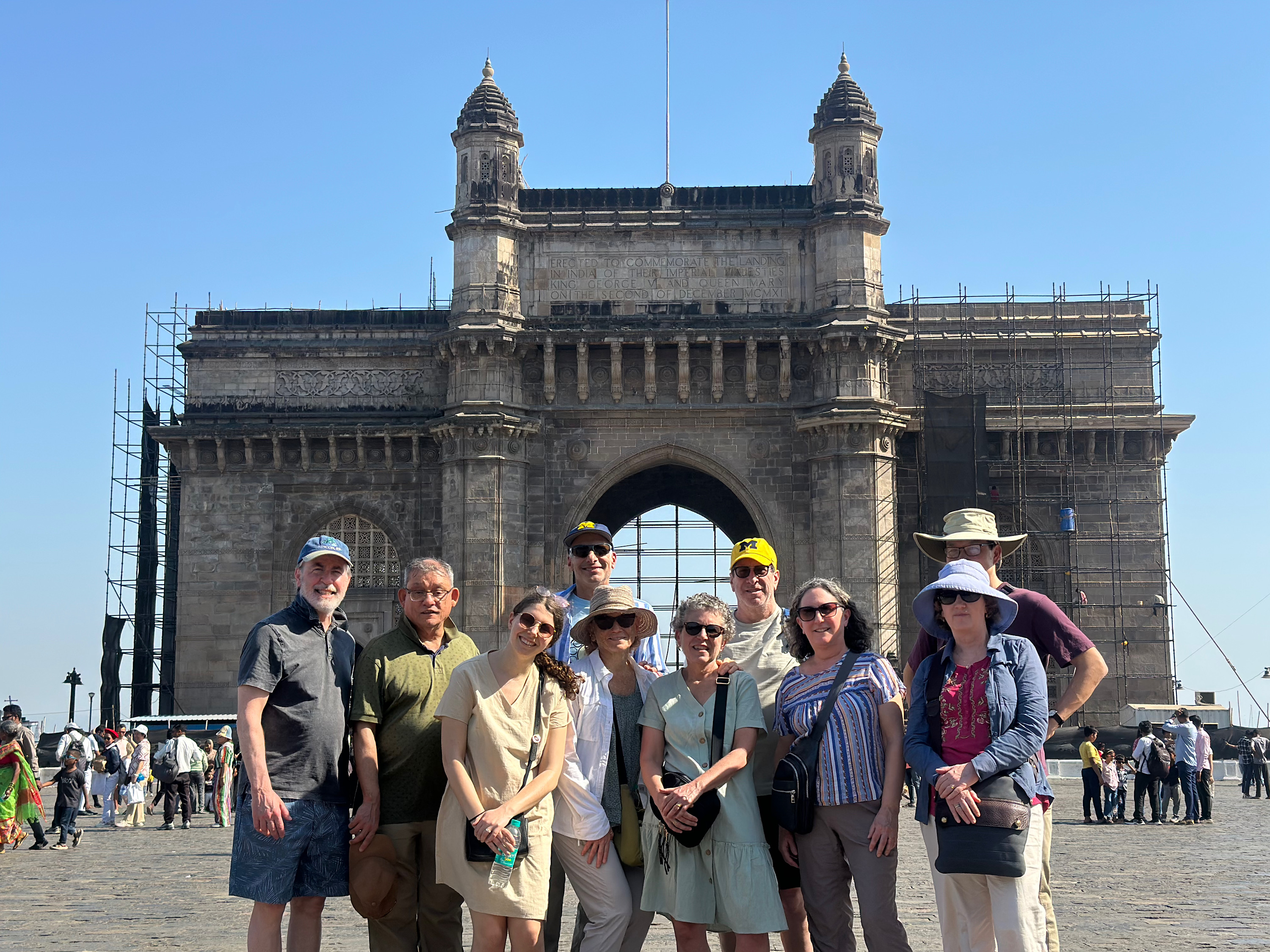
We begin at the Gateway of India, tracing the city’s origins as a British stronghold. Wander through the lanes of Colaba Causeway and into Fort, where you’ll encounter landmarks like the Prince of Wales Museum, Dalal Street, and the majestic St. Thomas Cathedral.
At Flora Fountain, revolutionary voices rise from the past, setting the stage for our walk past the Bombay High Court and University of Mumbai, towering testaments to colonial ambition and intellectual awakening.
Crossing the Oval Maidan, we literally move through time — from Gothic to Art Deco — before catching a break at Marine Drive, where modern Mumbai breathes.
Finally, hop into a local cab for the last ride to the iconic CST Station, a UNESCO World Heritage Site, and wrap up the tour with two local legends: Vada Pav and Pav Bhaji — because no story of Bombay is complete without its flavours.
Available options
Mumbai: Imperial Bombay- A Story Driven Walking Tour with Lunch
What's included
Bottled water
Admission fee
Lunch
Expert Local Guide
Coffee and/or Tea
Detailed itinerary
1
Stop 1
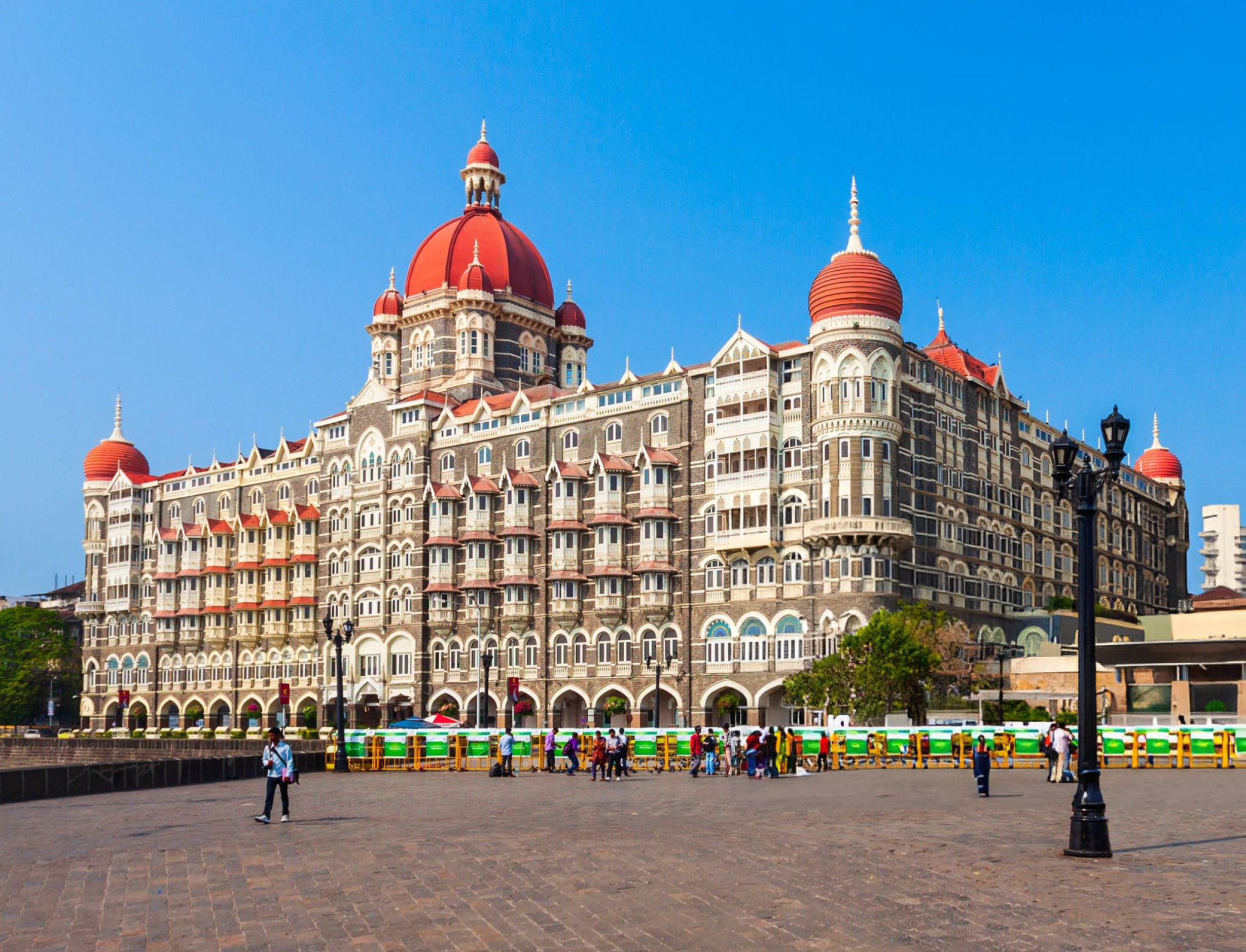
We begin at the Gateway of India, where the Raj once arrived in all its ceremony — and where, decades later, it departed. From this symbolic arch, we trace the city's evolution through the bustling Colaba Causeway, alive with street vendors and historic facades.
2
We continue our tour to the Fort area — Bombay’s original business district.
Here, we pass by the Prince of Wales Museum, Dalal Street, and the stately St. Thomas Cathedral — each building a chapter in the story of power, trade, and faith.
At Flora Fountain, whispers of dissent echo — as we uncover how this colonial administrative hub became a cradle of resistance.
3
Stop 3
The Bombay High Court and University of Mumbai rise ahead — not just structures, but statements of colonial intent and the city’s growing intellectual awakening.
4
As we cross the Oval Maidan, the city’s timeline unfolds visually: on one side, Gothic spires; on the other, the clean lines of Art Deco — a rare dialogue of design, speaking to Bombay’s layered identity.
5
We pause at Marine Drive, where the sea breeze carries stories old and new — a moment to reflect on what has changed and what endures.
6
Finally, a classic black-and-yellow taxi whisks us to CST Station, a living cathedral of steel, stone, and steam — and a UNESCO World Heritage site that pulses with daily life.
We end the tour the way all good Bombay stories should — with two iconic street foods: Vada Pav and Pav Bhaji. Because in this city, the flavours are part of the story.
What's not included
Tips for Guide
There is 1 Taxi ride which is not included due to dynamic pricing.
Available languages
Guide guide
EN
Important information
Public transportation options are available nearby
Not recommended for pregnant travelers
Suitable for all physical fitness levels
Meeting point
Meeting point is right outside the entrance.
About Mumbai
Mumbai, India's bustling financial capital, is a vibrant metropolis where tradition meets modernity. Known for its Bollywood industry, historic landmarks, and bustling street life, Mumbai offers a unique blend of cultural experiences and economic opportunities.
Top Attractions
Gateway of India
A historic arch monument built during the British Raj, located in the Apollo Bunder area.
Historical
1-2 hours
Free
Elephanta Caves
A UNESCO World Heritage Site featuring ancient rock-cut temples and caves.
Historical
Half-day trip
600 INR (including ferry and entry)
Marine Drive
A scenic promenade along the Arabian Sea, popular for evening strolls and views.
Scenic
1-2 hours
Free
Must-Try Local Dishes
Vada Pav
A popular street food item consisting of a spiced potato fritter sandwiched between two slices of bread.
Snack
Vegetarian
Pav Bhaji
A thick vegetable curry served with buttered bread rolls.
Dinner
Vegetarian
Popular Activities
Hiking in Sanjay Gandhi National Park
Water sports at Juhu Beach
Yoga and meditation at various centers
Spa treatments at luxury hotels
Visiting art galleries and museums
Attending Bollywood dance classes
Boating at Powai Lake
Fishing at Girgaon Chowpatty
Best Time to Visit
November to February
The best time to visit Mumbai is during the winter months when the weather is pleasant and ideal for sightseeing.
18°C to 32°C
64°F to 90°F
Practical Information
Language
- Official: Marathi, English
- Widely spoken: Hindi, Gujarati
- English: Widely spoken
Currency
Indian Rupee (INR)
Time Zone
IST (UTC+5:30)
Electricity
230VV, 50HzHz
Safety Information
Overall Safety Rating: Generally safe
Mumbai is generally safe for travelers, but it's important to be aware of your surroundings and take precautions to avoid scams and pickpocketing.
Important Precautions:
- • Use reputable taxi services or apps like Uber and Ola.
- • Be cautious of strangers offering unsolicited help or services.
- • Keep your belongings secure in crowded areas.
Getting there
By air
- Chhatrapati Shivaji Maharaj International Airport • 10 km from city center
By train
Chhatrapati Shivaji Maharaj Terminus, Lokmanya Tilak Terminus
By bus
Mumbai Central, Bandra Terminus
Getting around
Public transport
The Mumbai Metro is a fast and efficient way to travel, but it currently covers only specific routes.
Taxis
Available • Apps: Uber, Ola
Rentals
Car, Bike, Scooter
Neighborhoods
Colaba
Bandra
Day trips
Alibaug
50 km from Mumbai • Half-day to full-day trip
A coastal town known for its beautiful beaches and historic forts.
Lonavala
80 km from Mumbai • Full-day trip
A picturesque hill station known for its lush greenery and scenic viewpoints.
Festivals
Gudi Padwa • March or April
Ganesh Chaturthi • August or September
Pro tips
- Visit the Elephanta Caves early in the morning to avoid crowds and the heat.
- Try local street food like vada pav, pav bhaji, and pani puri for an authentic culinary experience.
- Explore the city's Art Deco architecture in the Colaba and Oval areas.
- Take a Bollywood dance class for a fun and unique cultural experience.
- Visit the Dharavi slum on a guided tour to learn about the local community and their innovative recycling practices.
From $25
per person
Price varies by option
Secure booking
Free cancellation available
Instant confirmation