Mumbai: A Symphony of Seven Islands - Get Local in 1 Day
Active
6h - 7h
For a full refund, cancel at least 24 hours before the scheduled departure time.
Instant confirmation
Mobile or paper ticket accepted
About this experience
See Mumbai like never before with this unique tour that treats the city as a person rather than a collection of sights. Journey through four carefully crafted “scenes” that showcase the city’s many personalities—from her colonial charm to her modern spirit—tracing her evolution from a cluster of seven islands to the bustling metropolis she is today.
Available options
Mumbai - A Symphony of Seven Islands (guided by a local)
Small Group Tour with Pick up
Pickup
What's included
Pav Bhaji and Vada Pav
Transport (Tuk Tuk, Train and Bus)
Detailed itinerary
1
Stop 1
Scene 1: IMPERIAL BOMBAY
Part 1:
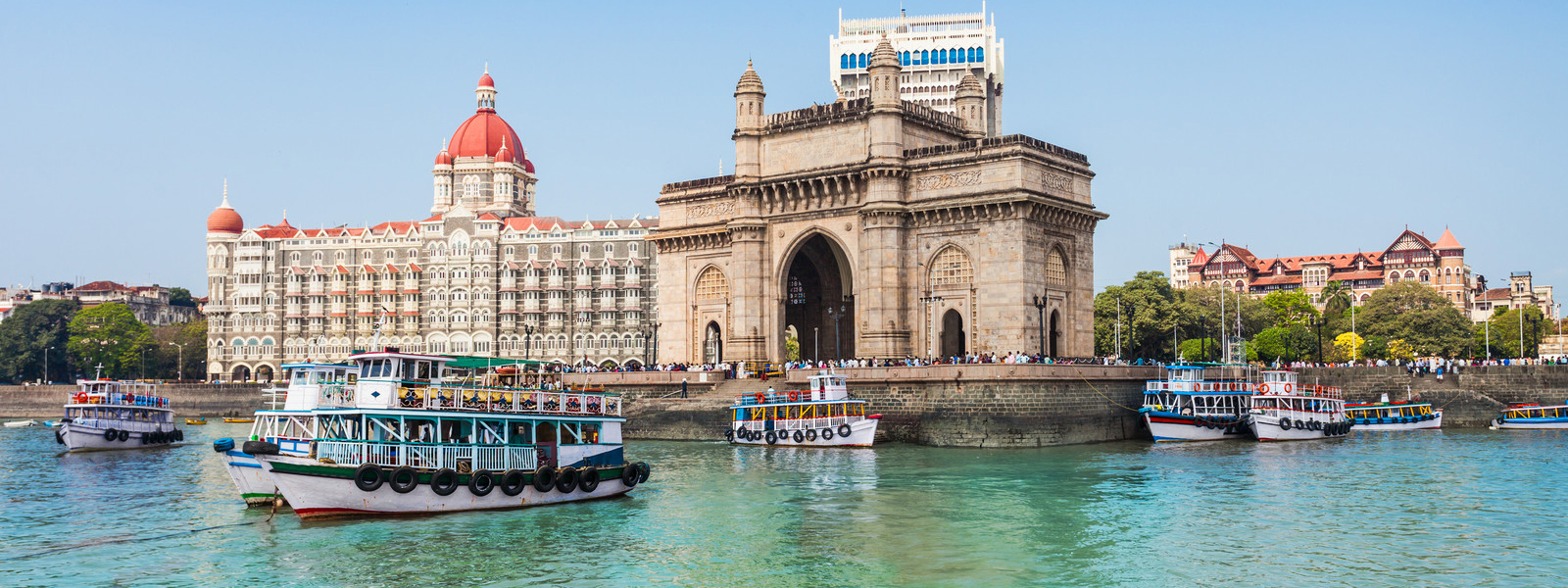
Our journey through Mumbai begins at one of its most iconic landmarks—the Gateway of India. Standing tall by the Arabian Sea, this grand archway has witnessed history unfold, from the arrival of British dignitaries to India’s independence. As you soak in the sea breeze and admire the stunning Taj Mahal Palace Hotel, you’ll get a glimpse of Mumbai’s colonial past and its vibrant present.
2
Stop 2
Part 2:
Next, we'll step into the lively streets of Colaba, a neighbourhood filled with old-world charm, bustling cafés, and quaint bookstores. As you walk through its narrow lanes, the blend of British-era architecture and modern-day energy creates a fascinating contrast.
3
Pass By / Photo stop
4
Tea Break
5
Pass By / Photo Stop
6
Part 3:
Our journey continues as we make your way through the bustling markets of South Mumbai. The streets are filled with vendors selling everything from fresh flowers to handcrafted jewelry. Amidst this vibrant chaos, you’ll find yourself at St. Thomas Cathedral, Mumbai’s oldest Anglican church. Built in the early 18th century, this serene and historic place offers a peaceful escape from the city’s hustle and bustle.
7
Part 4:
As we walk further, we’ll pass some of Mumbai’s most significant landmarks—each telling a story of the city’s transformation over time. You’ll see the Bombay Stock Exchange, the heart of India’s financial world; the Flora Fountain, a beautiful heritage structure surrounded by colonial-era buildings; and the majestic University of Mumbai and High Court, both testaments to the city’s rich architectural legacy.
8
Stop 8
Pass By / Photo Stop
9
Short Break
10
Part 5:
We continue our walk to Marine Drive, the famous seaside promenade that curves along the coastline, offering stunning views of the Arabian Sea. As we walk along this picturesque stretch, take a moment to admire the Art Deco buildings that line the boulevard. These elegant structures, built in the 1930s and 1940s, give Mumbai the second-largest collection of Art Deco architecture in the world, after Miami.
11
Stop 11
Part 6:
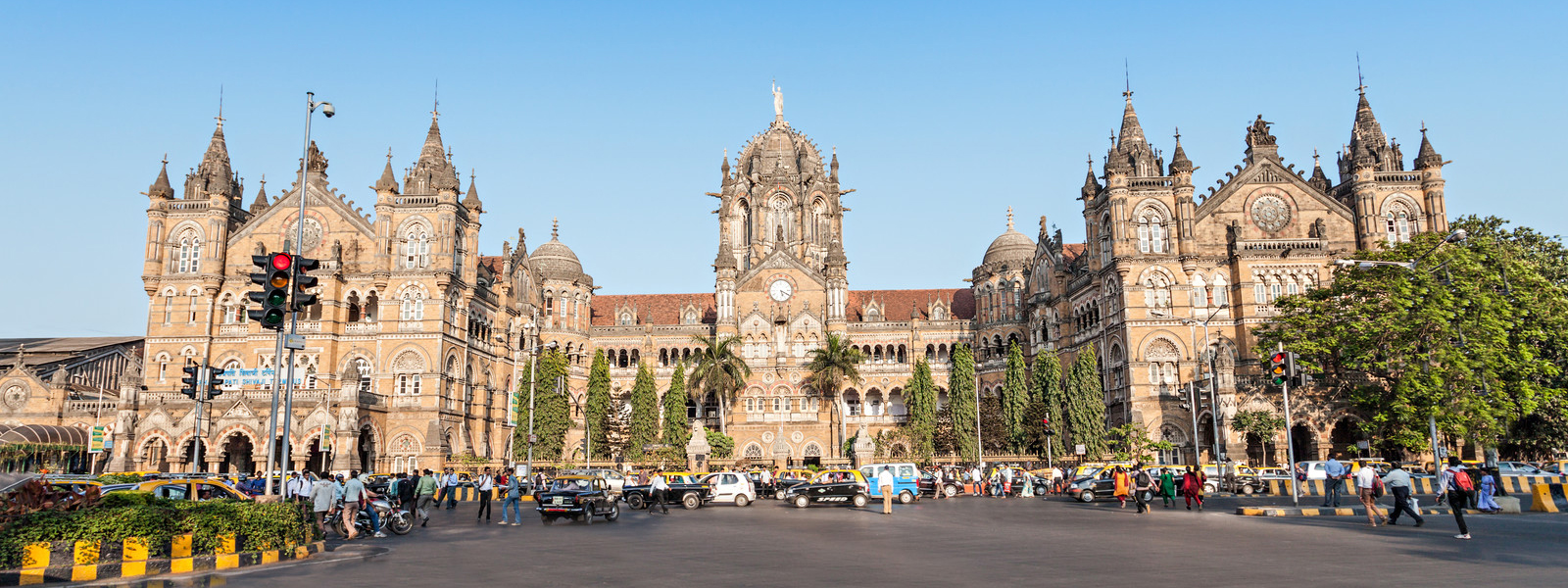
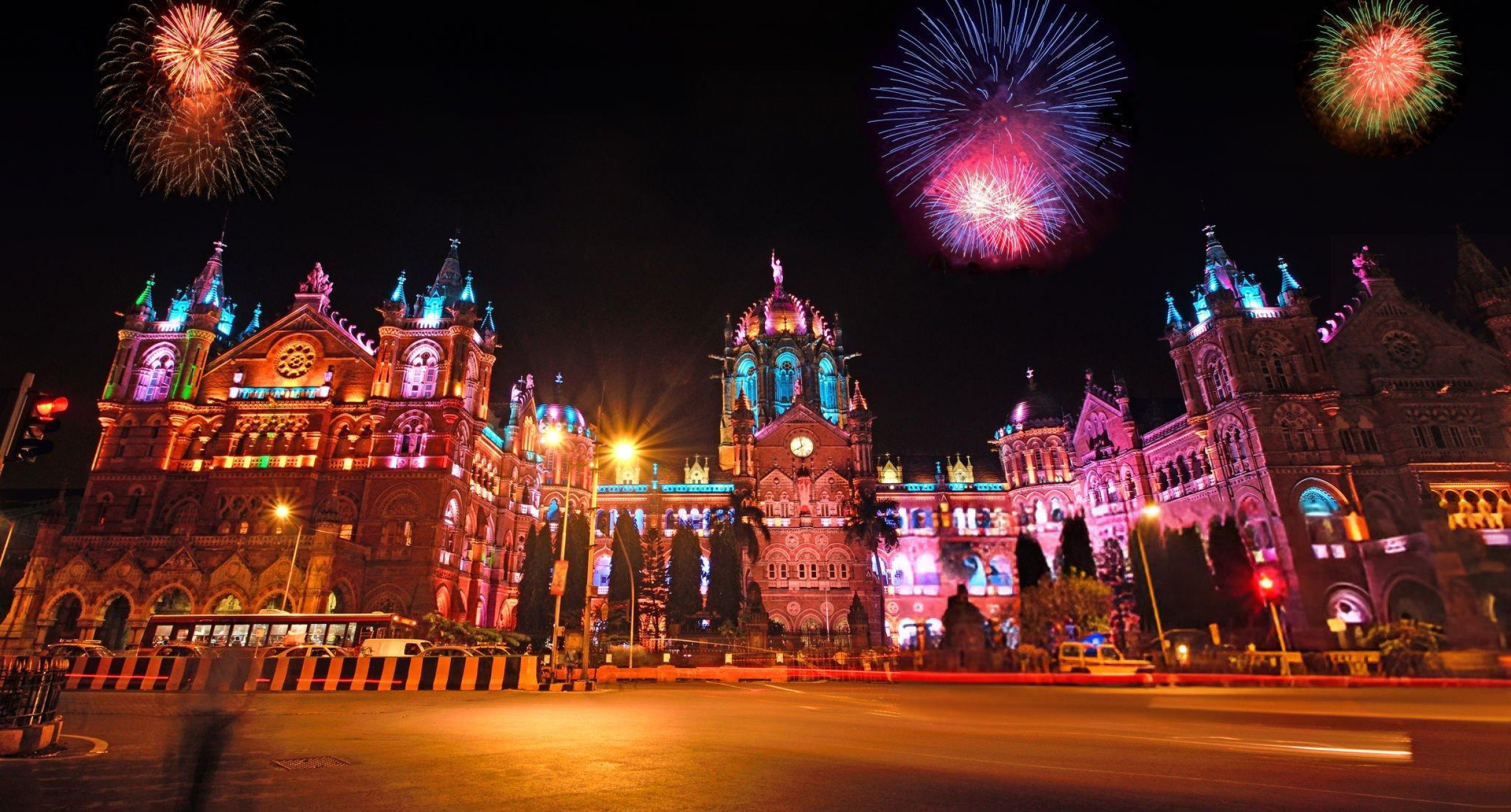
Next, hop on a local bus, just like the city’s daily commuters, and ride through the busy streets to Chhatrapati Shivaji Terminus (CST), a UNESCO World Heritage Site. This architectural masterpiece, formerly known as Victoria Terminus, is a stunning mix of Gothic and Indian styles.
After marveling at CST, it’s time for a taste of Mumbai’s flavours. You’ll indulge in a plate of Pav Bhaji, one of the city’s most famous street foods. The buttery, spicy vegetable mash served with soft, toasted bread is a must-try, and no visit to Mumbai is complete without it.
12
Stop 12
Scene 2: BOMBAY BLACK
Part 1:
Leaving behind the grandeur of South Mumbai, we hop into a black-and-yellow cab, weaving through the city’s maze-like streets as we enter the heart of what was once known as Black Town, a term famously described in Shantaram. This part of Mumbai stands in stark contrast to the colonial facades of Fort and Colaba—here, life moves at a frenetic pace, unfiltered and raw, with every street corner telling a different story.
Our first stop is the legendary Chor Bazaar, one of Mumbai’s most fascinating and chaotic markets. Its name translates to "Thieves' Market," and true to its reputation, it is a treasure trove of antiques, vintage Bollywood posters, old gramophones, rare books, and quirky bric-a-brac.
13
Part 2:
Our journey takes us deeper into the city’s economic underbelly, where Mumbai’s relentless hustle unfolds in full force. As we pass through Kamathipura, one of the city's oldest neighborhoods, you get a glimpse into a world shaped by migrants, trade, and industry. Originally established as a colonial-era red-light district, Kamathipura today is an area undergoing transformation, home to a resilient community of small businesses, bustling eateries, and age-old traditions.
If you have a sweet tooth, this is the perfect time for a quick culinary detour. Hidden in the narrow lanes is a century-old sweet shop, where you can sample some of Mumbai’s classic desserts. (optional)
Finally, we make our way to a nearby local train station, ready to continue your adventure. The local trains—often called the "lifeline of Mumbai"—offer an unfiltered, exhilarating glimpse into the daily rhythm of the city.
14
Scene 3: BOM BAHIA
Part 1:
Leaving behind the chaotic charm of South Mumbai, we head toward Bandra, a neighbourhood that perfectly embodies Mumbai’s cosmopolitan spirit. Known as the Queen of the Suburbs, Bandra is a melting pot where heritage and modernity coexist effortlessly. Once a sleepy fishing village and a Portuguese colony, it has now evolved into one of Mumbai’s trendiest districts, where Bollywood celebrities, artists, and entrepreneurs mingle in its stylish cafés and boutiques.
Our first stop is a quick auto-rickshaw ride away to Bandra Fort, a hidden gem overlooking the Arabian Sea. Originally built by the Portuguese in 1640 to guard against invasions, the fort now serves as a picturesque escape from the city’s chaos.
15
Part 2:
Our next stop is Hill Road, a vibrant stretch known for its eclectic mix of high-street fashion, bustling local markets, and quirky street stalls.
Wandering away from the commercial streets, we step into the old Portuguese quarters of Bandra, a stark contrast to the urban sprawl just minutes away. Here, charming East Indian cottages with red-tiled roofs and colorful facades sit tucked between trendy cafes and art studios. The narrow lanes, adorned with graffiti murals and street art, tell the stories of Mumbai’s past while celebrating its artistic present.
One of the highlights of this area is a historic church that predates even the Taj Mahal. Built in 1575, this magnificent structure stands as a testament to Mumbai’s Portuguese heritage.
16
Part 3:
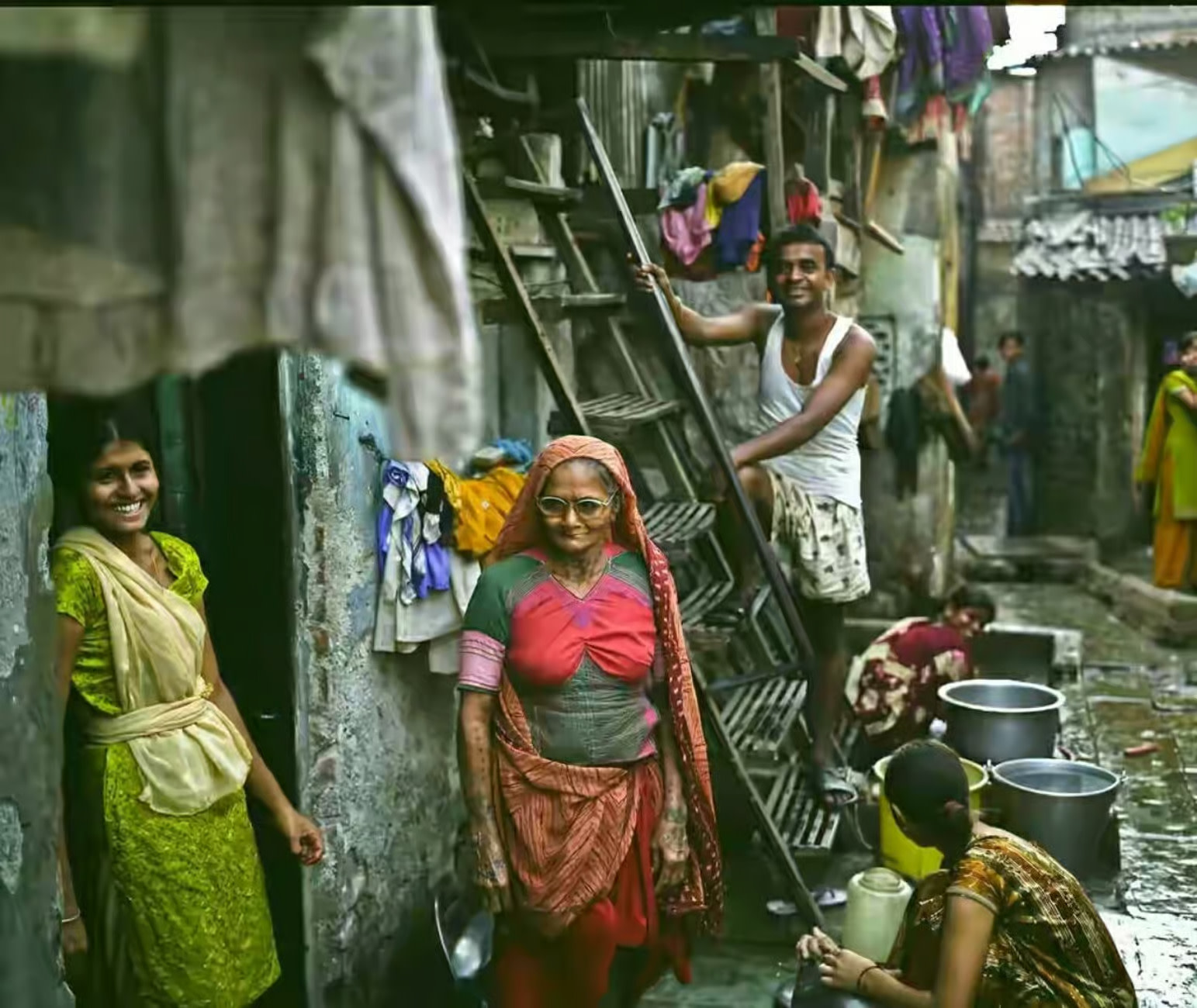
Now, it's time to step into a completely different side of Mumbai—the slums, where resilience and resourcefulness shape daily life. In Bandra, the contrast is striking: on one side, upscale neighborhoods with luxurious homes and trendy cafés, and on the other, a vibrant working-class community where life thrives in the face of challenges.
17
Scene 4: AAMCHI (OUR) MUMBAI
Our final journey takes us on a local train to Dadar, Mumbai’s Marathi cultural hub. As we step into the city’s busiest station, the energy is electric. A shared cab whisks you past a bustling kabutarkhana, where pigeons gather in a mesmerizing dance, before arriving at Mumbai’s most famous Vada Pav stall. This beloved street snack—spicy, crispy, and bursting with flavor—is the perfect way to savour the city’s essence.
A short walk leads us to the serene Dadar Beach, where the waves tell stories of Mumbai’s past and present. As the sun sets over the Arabian Sea, our journey through the Symphony of Seven Islands comes full circle, leaving you with an unforgettable connection to this ever-evolving city.
18
Pass By / Photo stop at the flower market section
19
Pass By / Phot stop
20
We visit this 1600s Portuguese church, now transformed into a striking post-modern structure.
21
Stop 21
Passing by the famed Siddhivinayak (Ganesh) Temple, you can pause for a quick prayer if the crowd allows.
What's not included
Desserts (optional) and Taxi (Fare is dynamic in nature) Please keep Rs. 300 extra.
Available languages
Guide guide
HI
EN
BN
Reviews breakdown
Viator
5.0
1 reviews
5★
1
4★
0
3★
0
2★
0
1★
0
Tripadvisor
5.0
1 reviews
5★
1
4★
0
3★
0
2★
0
1★
0
Important information
Public transportation options are available nearby
Infants are required to sit on an adult’s lap
Not recommended for pregnant travelers
Suitable for all physical fitness levels
Meeting point
The Taj Mahal Palace is a renowned 5 star hotel located opposite Gateway of India and can be easily located using Google maps
About Mumbai
Mumbai, India's bustling financial capital, is a vibrant metropolis where tradition meets modernity. Known for its Bollywood industry, historic landmarks, and bustling street life, Mumbai offers a unique blend of cultural experiences and economic opportunities.
Top Attractions
Gateway of India
A historic arch monument built during the British Raj, located in the Apollo Bunder area.
Historical
1-2 hours
Free
Elephanta Caves
A UNESCO World Heritage Site featuring ancient rock-cut temples and caves.
Historical
Half-day trip
600 INR (including ferry and entry)
Marine Drive
A scenic promenade along the Arabian Sea, popular for evening strolls and views.
Scenic
1-2 hours
Free
Must-Try Local Dishes
Vada Pav
A popular street food item consisting of a spiced potato fritter sandwiched between two slices of bread.
Snack
Vegetarian
Pav Bhaji
A thick vegetable curry served with buttered bread rolls.
Dinner
Vegetarian
Popular Activities
Hiking in Sanjay Gandhi National Park
Water sports at Juhu Beach
Yoga and meditation at various centers
Spa treatments at luxury hotels
Visiting art galleries and museums
Attending Bollywood dance classes
Boating at Powai Lake
Fishing at Girgaon Chowpatty
Best Time to Visit
November to February
The best time to visit Mumbai is during the winter months when the weather is pleasant and ideal for sightseeing.
18°C to 32°C
64°F to 90°F
Practical Information
Language
- Official: Marathi, English
- Widely spoken: Hindi, Gujarati
- English: Widely spoken
Currency
Indian Rupee (INR)
Time Zone
IST (UTC+5:30)
Electricity
230VV, 50HzHz
Safety Information
Overall Safety Rating: Generally safe
Mumbai is generally safe for travelers, but it's important to be aware of your surroundings and take precautions to avoid scams and pickpocketing.
Important Precautions:
- • Use reputable taxi services or apps like Uber and Ola.
- • Be cautious of strangers offering unsolicited help or services.
- • Keep your belongings secure in crowded areas.
Getting there
By air
- Chhatrapati Shivaji Maharaj International Airport • 10 km from city center
By train
Chhatrapati Shivaji Maharaj Terminus, Lokmanya Tilak Terminus
By bus
Mumbai Central, Bandra Terminus
Getting around
Public transport
The Mumbai Metro is a fast and efficient way to travel, but it currently covers only specific routes.
Taxis
Available • Apps: Uber, Ola
Rentals
Car, Bike, Scooter
Neighborhoods
Colaba
Bandra
Day trips
Alibaug
50 km from Mumbai • Half-day to full-day trip
A coastal town known for its beautiful beaches and historic forts.
Lonavala
80 km from Mumbai • Full-day trip
A picturesque hill station known for its lush greenery and scenic viewpoints.
Festivals
Gudi Padwa • March or April
Ganesh Chaturthi • August or September
Pro tips
- Visit the Elephanta Caves early in the morning to avoid crowds and the heat.
- Try local street food like vada pav, pav bhaji, and pani puri for an authentic culinary experience.
- Explore the city's Art Deco architecture in the Colaba and Oval areas.
- Take a Bollywood dance class for a fun and unique cultural experience.
- Visit the Dharavi slum on a guided tour to learn about the local community and their innovative recycling practices.
From $25
per person
Price varies by option
Secure booking
Free cancellation available
Instant confirmation