Day Trip from Taormina: Syracuse & Noto Private Tour with Driver
Active
7h - 8h
For a full refund, cancel at least 24 hours before the scheduled departure time.
Instant confirmation
Mobile or paper ticket accepted
About this experience
Starting from your Taormina accommodation, you'll reach the town of Noto, the city considered the capital of Sicilian Baroque. You will be lead through this characteristic town passing beautiful baroque buildings, including a visit to the Cathedral of Noto. Syracuse is the next stop, home to the ancient, powerful, Mediterranean colony during the Greek period. Here, you'll discover great historical sites within the archaeological park Neapolis. The most important monuments of the Greek and roman age are within this park, such as The Greek theatre, the Latomia del Paradiso, the Ear of Dionysius and the Roman amphitheater.
Available options
Day Trip from Taormina: Syracuse & Noto Private Tour with Driver
Pickup included
What's included
Private Guide in Syracuse
Meet & Greet your Guide at your Hotel/ Accommodation in Taormina
Private Driver at Your Disposal Throughout the Day
Free Time in Noto
Private Tour
Entrance Fees for the Neapolis
Detailed itinerary
1
Perched on the cliffside overlooking the beautiful Sicilian sea and the famous "Isola Bella", you will find Taormina. You can spend days here without a problem. taste the great local food, take the sun along the beaches or be inspired by the ancient Roman Theatre and Odeon. Going to Taormina means to rest your body and your soul.
2
Stop 2
Visiting Syracuse you will feel like you've traveled back in time due to the vast history and myths. To think that the city was founded during the VIII century BC, and there were people like Plato or St Paul who came here is mindblowing. What you must visit is the ancient Greek Theatre, still used to this day, along with the Roman amphitheatre and what is considered the Archimedes’ Tomb. The sea that surrounds the city in Sicily, the great food and historical atmosphere makes this a complete destination to visit.
3
Stop 3
Located in the marvelous land of Sicily is the Neapolis Archaeological park. Within the site, there is the 5th century BC, 16,000-capacity greek amphitheatre. The area is still in a very impressive state and still often is home to shows during summer months.
4
The Greek Theatre of Syracuse, nestled within the Archaeological Park of Neapolis, stands as a prime example of classical Greek theatrical architecture in Sicily, renowned for its exceptional acoustics and grand scale. Annually, it breathes life into ancient traditions by hosting classical plays, thereby bridging the past with the present in a uniquely historic setting.
5
The Latomia del Paradiso, part of the Neapolis Archaeological Park in Syracuse, is an ancient limestone quarry that played a significant role in the city's history. The vast network of caves and tunnels is where much of the stone used to build the ancient city was extracted. Notable for its lush vegetation and the iconic "Ear of Dionysius," a cave famous for its unique acoustics and ear-like shape, the Latomia del Paradiso offers visitors a glimpse into the ingenuity and labor of the civilizations that thrived here thousands of years ago.
6
Stop 6
The Ear of Dionysius is a renowned limestone cave located in the Archaeological Park of Neapolis in Syracuse, Sicily. Resembling a human ear in shape and stretching up to 23 meters in height, the cave is famous for its remarkable acoustics, which can amplify even the smallest sounds. According to legend, the tyrant Dionysius I used the cave to eavesdrop on prisoners. Today, it stands as a popular tourist attraction well-known for its extraordinary echo
7
The Roman Amphitheatre of Syracuse is an ancient structure situated in the Archaeological Park of Neapolis in Syracuse, Sicily. Unlike Greek theatres that were usually built into hillside slopes, Roman amphitheatres were often freestanding structures designed for events like gladiatorial games. The amphitheatre in Syracuse, dating back to the 3rd century AD, is one of the largest of its kind. Its elliptical shape is typical of Roman design, with remnants of seating areas and the central arena still visible, offering insights into the sophisticated engineering of the Roman era. Today, visitors can explore the ruins and imagine the spectacles that once filled this historical space.
8
Stop 8
Ortygia is a small island which serves as the historical center of the city of Syracuse, Sicily. Renowned for its ancient Greek and Baroque architecture, Ortygia is home to the majestic Cathedral of Syracuse, constructed atop the ruins of a Greek temple dedicated to Athena. The island is connected to the mainland by several bridges, making it easily accessible for visitors. As you wander the narrow streets, you will encounter a tapestry of history spanning thousands of years, from the Fountain of Arethusa, a freshwater spring with a mythical past, to bustling piazzas filled with lively cafes. Ortygia's blend of cultural heritages and seaside charm make it a captivating destination.
9
The Temple of Apollo in Ortygia, Syracuse, is one of Sicily's oldest Greek temples, dating back to the 6th century BC. Originally dedicated to Apollo, it has served various roles through history, including a church and a mosque. Today, its ruins, notably some columns and part of the structure, stand at the entrance to Ortygia, offering a glimpse into the island's ancient past.
10
The Syracuse Cathedral, located on the island of Ortigia, is a stunning structure that encapsulates layers of religious and architectural history. Initially a Greek temple dedicated to Athena constructed in the 5th century BC, its original Doric columns are still visible, integrated into the current cathedral's walls.
Transformed into a Christian basilica in the 7th century, it has seen numerous modifications, including a Baroque reconstruction after the 1693 earthquake, which shaped its present facade. Today, the Syracuse Cathedral stands as a magnificent example of ancient and more recent architectural elements merged together, serving as a central place of worship and a significant historical attraction in the city.
11
The Fountain of Arethusa, located on the island of Ortygia in Syracuse, Sicily, is a legendary fresh water spring with a rich mythological history. According to Greek mythology, Arethusa was a nymph who fled from her home in Arcadia beneath the sea to emerge as a fresh water spring on Ortygia, escaping the river god Alpheus's advances.
Today, the Fountain of Arethusa presents a beautiful natural site surrounded by lush papyrus plants, a rarity in Europe and a nod to the ancient world, where the papyrus was more commonly found along the banks of the Nile. This site not only offers visitors a picturesque setting but also connects them with the long-standing myths and legends of Sicily's Greek past.
A place of natural beauty and mythological significance, the Fountain of Arethusa is a must-visit for those interested in the rich history and culture of Sicily.
12
Stop 12
Enjoy free time in Noto.
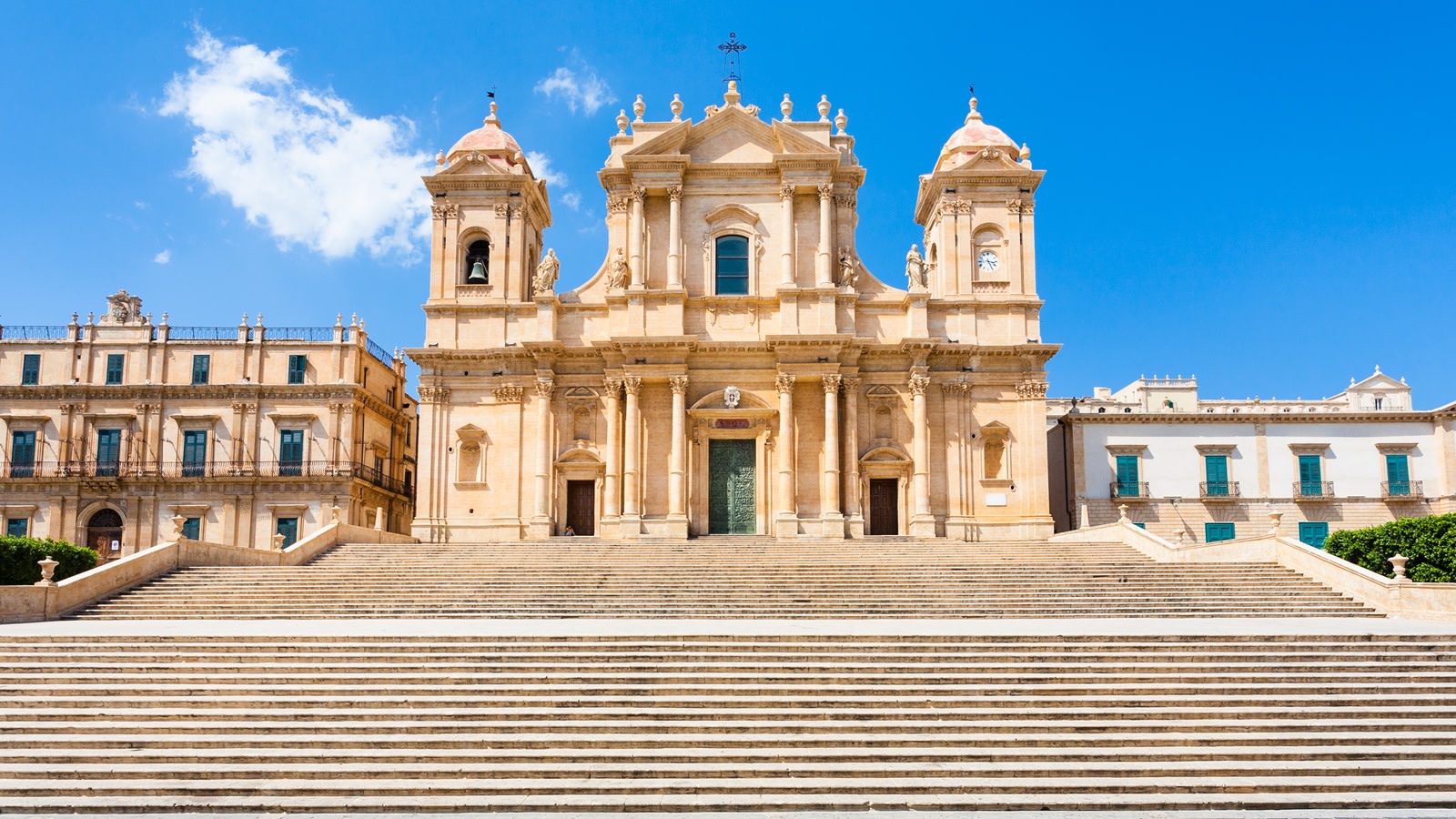
Noto, in southeastern Sicily, is famous for its exquisite Baroque architecture. Rebuilt after the 1693 earthquake, it is a UNESCO World Heritage site known for its grand buildings like the Cathedral of San Nicolò. Known as the "Baroque Capital" of Sicily, Noto boasts charming streets filled with historic palaces and churches. It is especially vibrant during the Infiorata flower festival each May, showcasing the town's rich culture and artistic heritage in a stunning display.
13
The Cathedral of Noto, dedicated to Saint Nicholas, is a masterpiece of Sicilian Baroque architecture. It was constructed in the early 18th century and completed in 1776. As part of the UNESCO World Heritage site "Late Baroque Towns of the Val di Noto," the cathedral tragically suffered a collapse in 1996 but has since been meticulously restored.
What's not included
Lunch
Extras
Available languages
Guide guide
EN
IT
FR
ES
Important information
Infants and small children can ride in a pram or stroller
Suitable for all physical fitness levels
To ensure the safety and well-being of all our guests, every reservation that includes minors (under 18) must be accompanied by at least one adult. Unfortunately, we are unable to accept bookings made exclusively by unaccompanied minors.
About Taormina
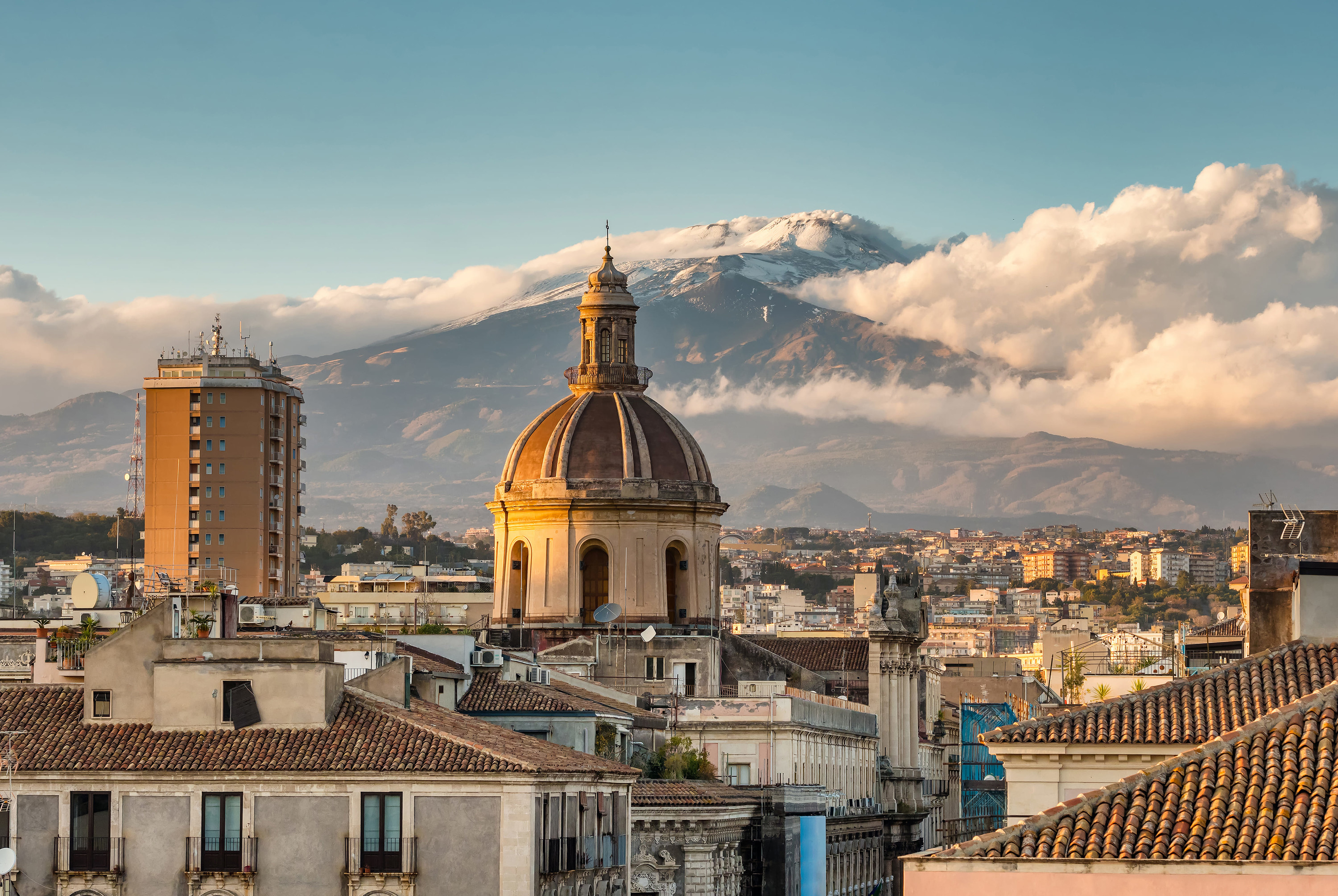
Taormina is a picturesque hilltop town in Sicily, known for its stunning views of Mount Etna and the Ionian Sea. It combines ancient Greek and Roman history with charming medieval streets, making it a unique and appealing destination for travelers.
Top Attractions
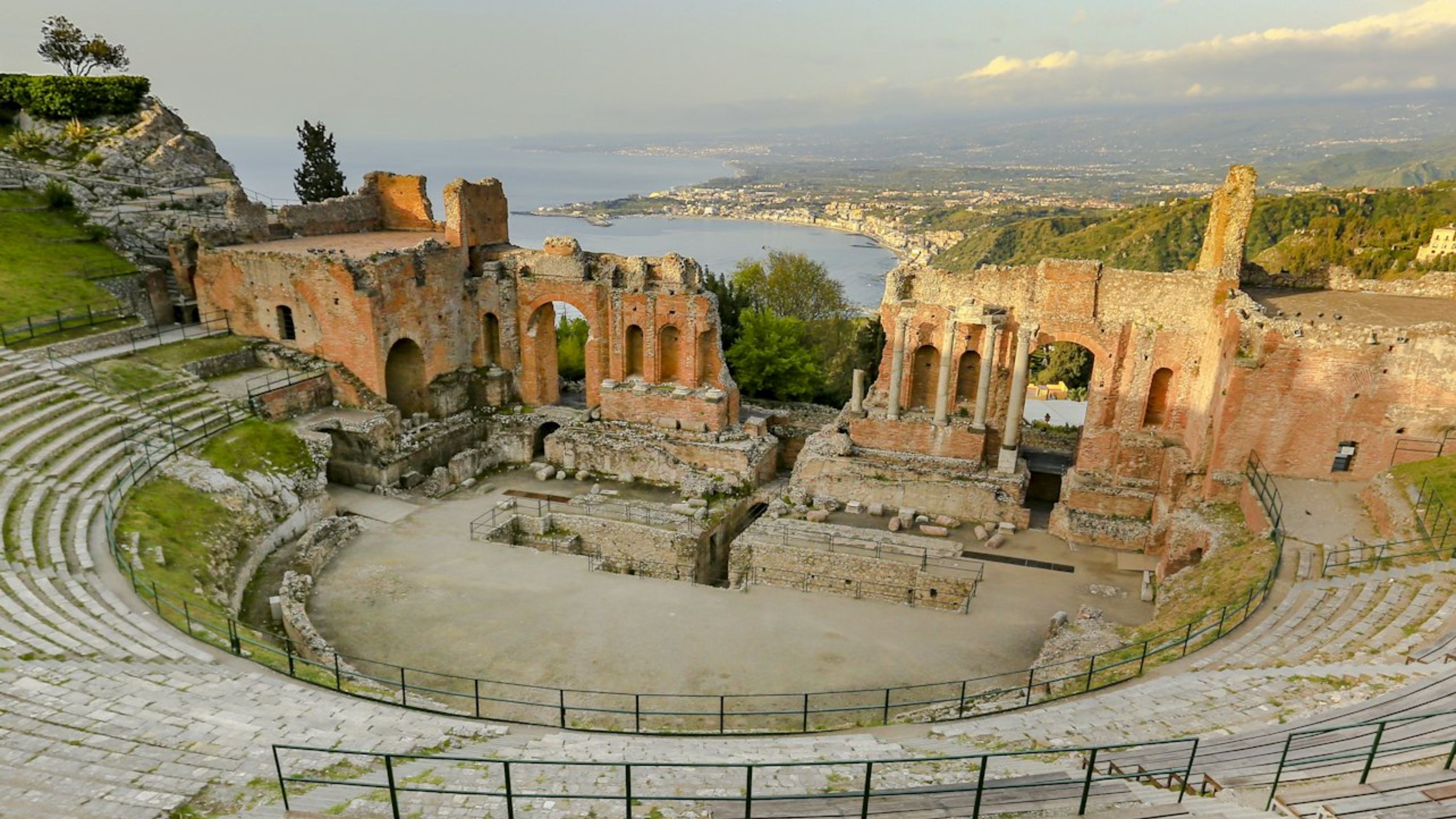
Ancient Theatre of Taormina
This well-preserved Greek theatre dates back to the 3rd century BC and offers stunning views of Mount Etna and the Ionian Sea. It is still used for performances and events.
Historical
1-2 hours
€10.50 for the combined ticket with the Odeon
Isola Bella
A small, picturesque island connected to the mainland by a narrow strip of land. It is a nature reserve with beautiful beaches and crystal-clear waters.
Nature
1-2 hours
Free to visit, €5 for the nature reserve
Corso Umberto
The main street of Taormina, lined with shops, cafes, and restaurants. It is a great place to stroll, shop, and enjoy the town's atmosphere.
Shopping
1-2 hours
Varies by shop
Public Gardens (Giardini della Villa Comunale)
Beautiful public gardens with panoramic views of the sea and Mount Etna. They are a peaceful retreat from the bustling town center.
Nature
30 minutes to 1 hour
Free
Castelmola
A charming medieval village perched above Taormina, offering breathtaking views of the coast and Mount Etna. It is known for its narrow streets, historic churches, and local wine.
Historical
1-2 hours
Free to explore, €5-€10 for wine tastings
Must-Try Local Dishes
Pasta alla Norma
A traditional Sicilian pasta dish made with eggplant, tomato sauce, ricotta cheese, and basil.
Main Course
Vegetarian
Arancini
Fried rice balls filled with ragù, mozzarella, and peas, coated in breadcrumbs.
Appetizer
Contains cheese and gluten
Cannoli
Crispy pastry tubes filled with sweet ricotta cheese, often with chocolate chips or candied fruit.
Dessert
Contains dairy and gluten
Granita
A semi-frozen dessert made from sugar, water, and various flavors like lemon, almond, or coffee.
Dessert
Vegetarian and vegan options available
Popular Activities
Hiking Mount Etna
Snorkeling and diving in Isola Bella
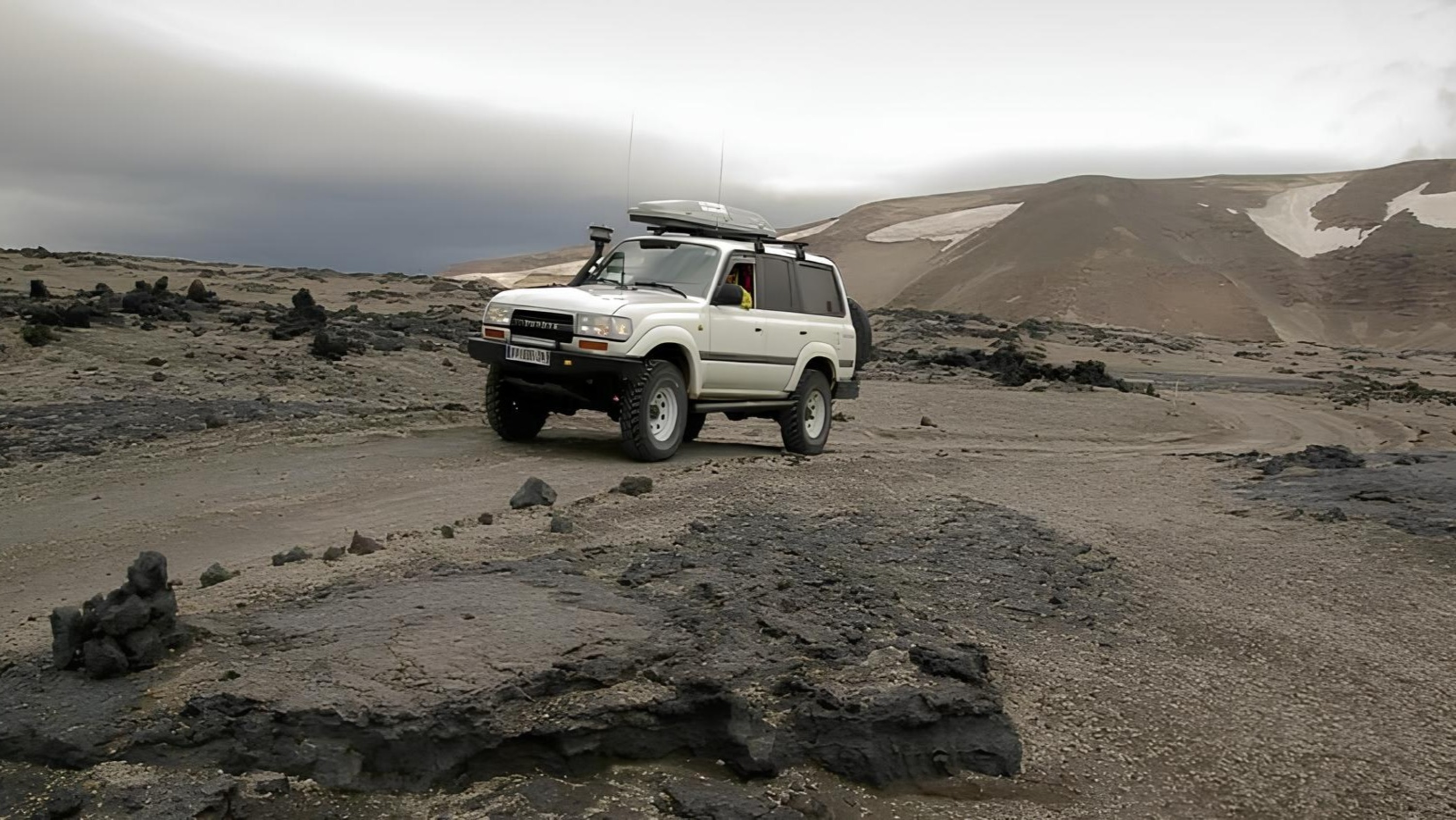
Jeep and cable car tours of Mount Etna
Sunbathing and swimming at Mazzarò Beach
Enjoying a granita at Bar Turrisi
Strolling through the Public Gardens
Exploring the Ancient Theatre of Taormina
Visiting the historic churches and museums
Best Time to Visit
April to June, September to October
This is the best time to visit Taormina, with comfortable temperatures and fewer crowds. The weather is ideal for exploring the town and enjoying outdoor activities.
18°C to 28°C
64°F to 82°F
Practical Information
Language
- Official: Italian
- Widely spoken: English, Sicilian dialect
- English: Moderately spoken in tourist areas, limited in rural areas
Currency
Euro (EUR)
Time Zone
GMT+1 (Central European Time, CET), GMT+2 (Central European Summer Time, CEST during daylight saving time)
Electricity
230VV, 50HzHz
Safety Information
Overall Safety Rating: Generally safe
Taormina is a safe destination for travelers, with low crime rates and a welcoming atmosphere. However, it's always important to take basic precautions to ensure a safe and enjoyable trip.
Important Precautions:
- • Keep valuables secure and be cautious in crowded areas.
- • Use licensed taxis and agree on the fare in advance.
- • Be wary of strangers offering unsolicited help or services.
Getting there
By air
- Catania-Fontanarossa Airport • 50 km from Taormina
By train
Taormina-Giardini Station
By bus
Taormina Bus Terminal
Getting around
Public transport
The funicular is efficient and frequent, offering a quick and scenic way to get around the town.
Taxis
Available • Apps: FreeNow, ItTaxi
Rentals
Car, Bike, Scooter
Neighborhoods
Central Taormina
Mazzarò
Castelmola
Day trips
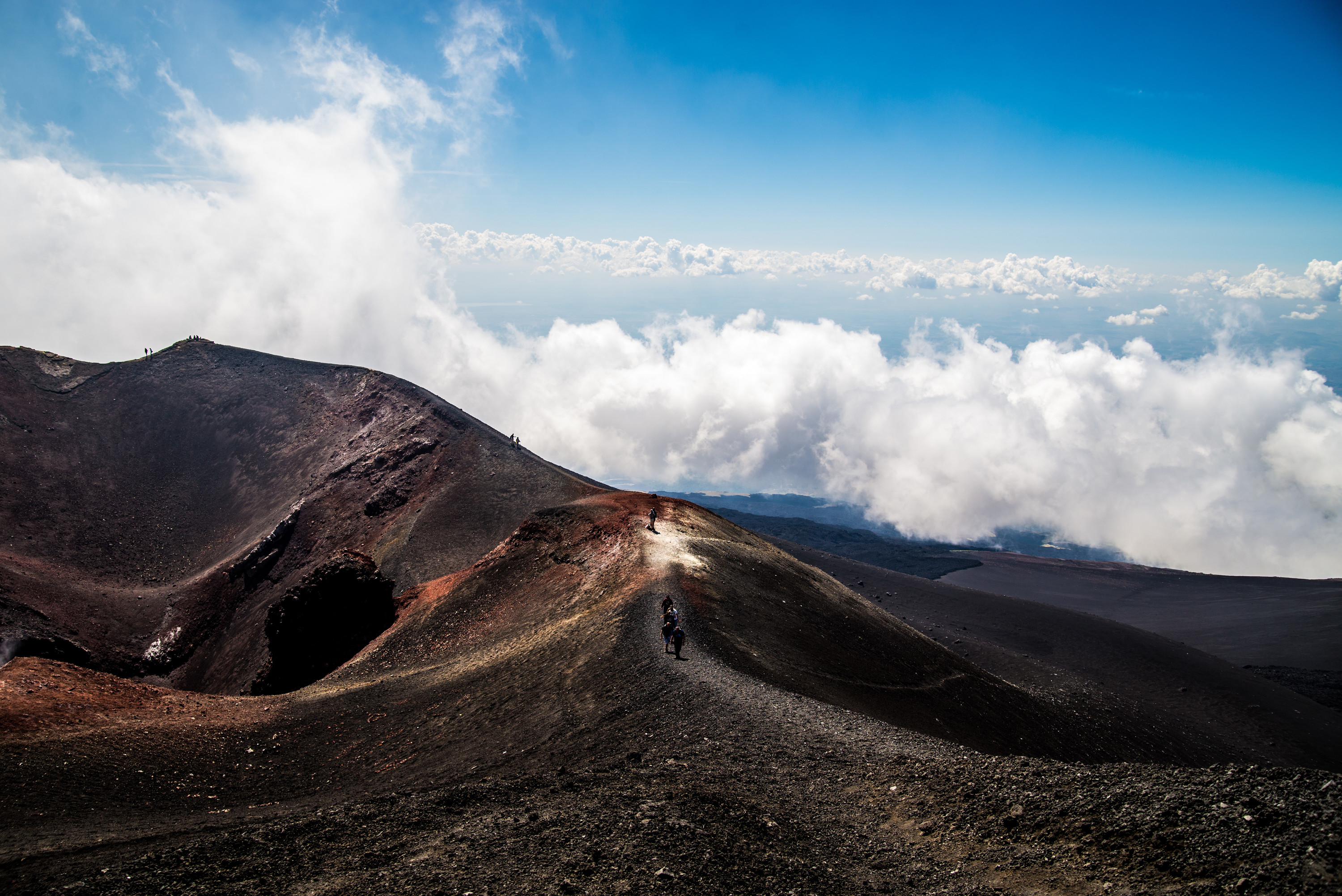
Mount Etna
40 km from Taormina • Full day
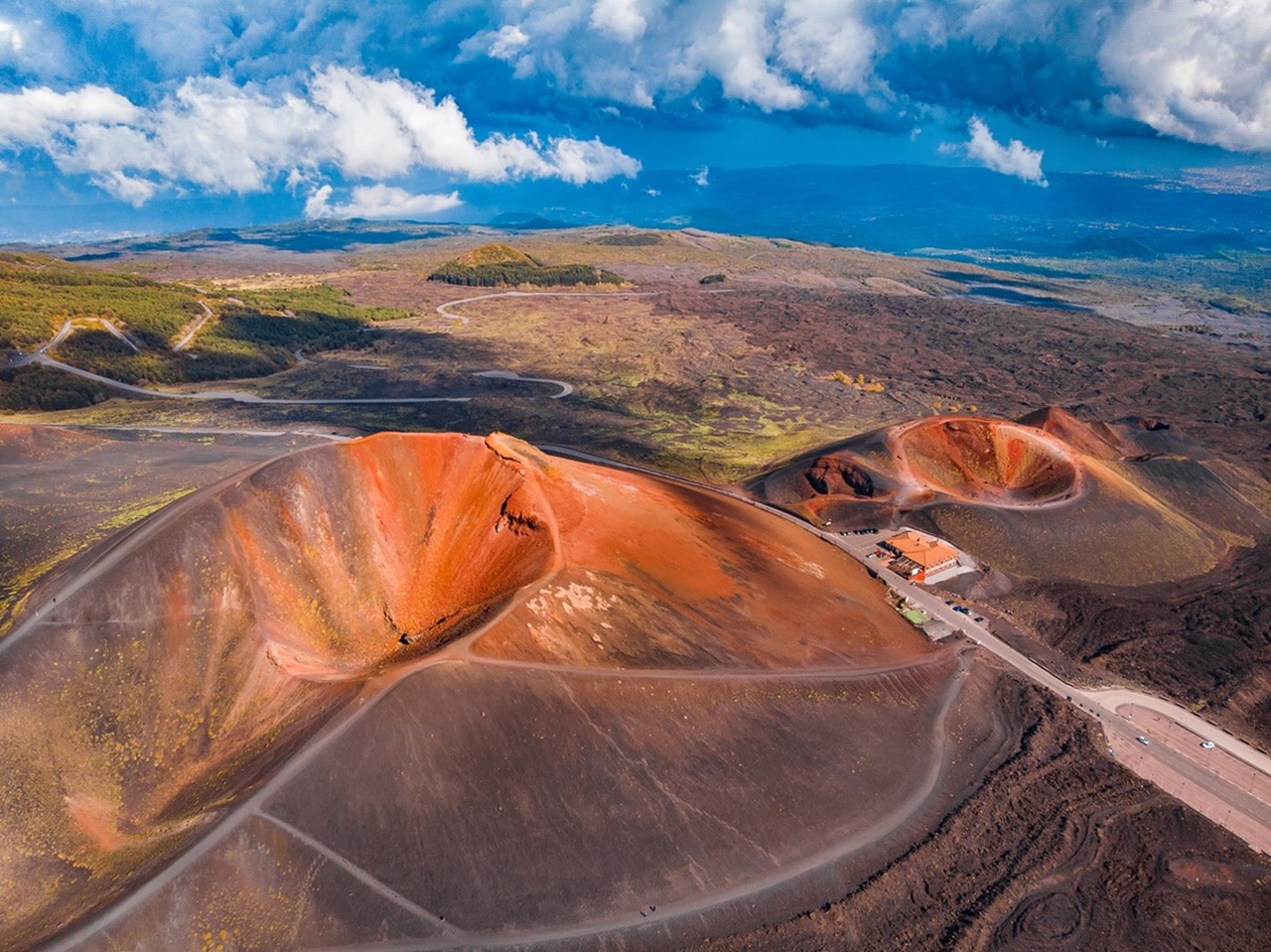
Mount Etna is Europe's highest and most active volcano, offering breathtaking views, hiking trails, and unique geological features.
Aeolian Islands
Varies by island, approximately 50-100 km from Taormina • Full day or overnight
The Aeolian Islands are a UNESCO World Heritage Site, known for their volcanic landscapes, hot springs, and stunning beaches.
Syracuse (Siracusa)
100 km from Taormina • Full day
Syracuse is a historic city with ancient Greek and Roman ruins, a charming old town, and beautiful beaches.
Festivals
Taormina Arte • July to August
Taormina Film Festival • June
Festa di San Pancrazio • May 12th
Pro tips
- Visit the Ancient Theatre of Taormina for stunning views of Mount Etna and the Ionian Sea.
- Try local specialties like pasta alla Norma, arancini, and cannoli at traditional Sicilian restaurants.
- Explore the charming streets and shops of Corso Umberto and Via Naumachia.
- Take a day trip to Mount Etna for hiking, jeep tours, and wine tasting.
- Relax on the beautiful beaches of Mazzarò and Isola Bella, and enjoy the crystal-clear waters of the Ionian Sea.
From $25
per person
Price varies by option
Secure booking
Free cancellation available
Instant confirmation