

Pearls of Leuven - Private Walking Tour
Active
2h
All sales are final. No refund is available for cancellations.
Instant confirmation
Mobile or paper ticket accepted
About this experience
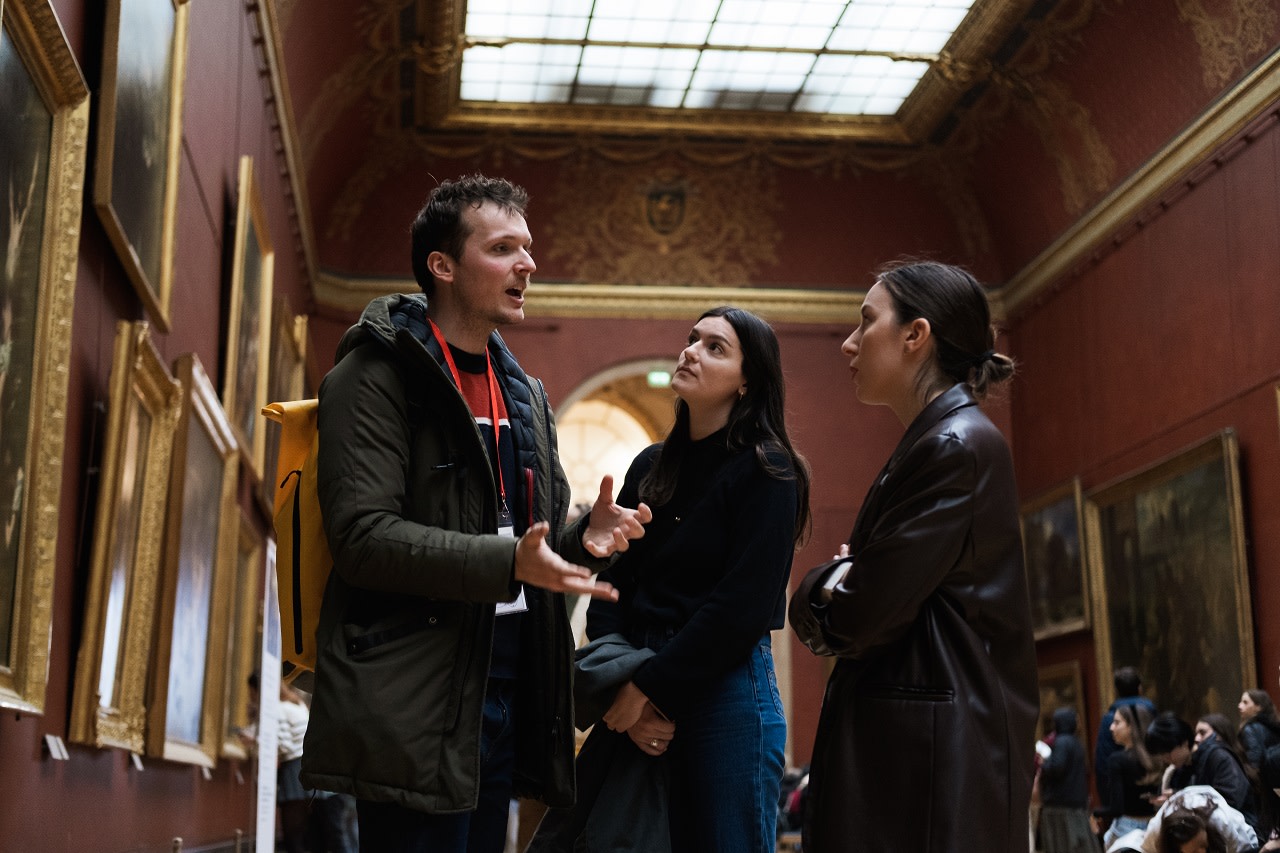
Enjoy a private, exclusive tour with your own local guide. Embark on a 2-hour walking tour of Leuven and discover its captivating highlights. Explore the M Leuven art museum, admire the majestic Historical Leuven Town Hall, and marvel at the exquisite Saint Peter’s Church. Experience the tranquility of the Kruidtuin botanical garden and wander through the charming streets of Groot Begijnhof Leuven, a UNESCO World Heritage Site. Our knowledgeable guide will share fascinating stories and insights along the way, offering a glimpse into the rich history and cultural heritage of this remarkable city. Join us for a memorable journey through Leuven’s treasures.
Available options
Pearls of Leuven - Private Walking Tour
What's included
Local Professional Guide
Detailed itinerary
1
The municipal museum operations that were launched in the early 19th century are still being run by Museum Leuven. The first museum was established in 1823 on the second floor of Leuven City Hall. A century or so later, the collection was transferred to Leuven's historic centre, to Leopold Vander Kelen's former private mansion. The M Museum's main display area is currently here.
The M Museum building was refurbished before it was launched in 2009
2
On Leuven's Grote Markt (Main Market) square, directly across from the enormous St. Peter's Church, stands the town hall, a well-known structure. Its beautiful, lace-like architecture is renowned for being constructed in a Brabantine Late Gothic style between 1448 and 1469. On the three sides that are visible from the Markt, the Town Hall's three main levels are framed by pointed Gothic windows. Behind the gallery parapet, a high roof with four levels of dormers rises. There are octagonal turrets at the angles of the roof that have openings that let light enter through. (Outside Visit)
3
Stop 3
The Brabantine Gothic-styled Saint Peter's Church, also known as Sint-Pieterskerk in Dutch, was erected in the 15th century in Leuven, Belgium. The building features a cruciform layout and a partially finished low bell tower. Its length is 93 metres (305 feet). It is situated across from the Town Hall on the city's "Grote Markt" (Grand Square). In acknowledgment of the cultural significance and aesthetic value of the belfries in the area, the church's bell tower and belfry were included in the Belfries of Belgium and France site and added to the UNESCO World Heritage List in 1999.
4
Founded in 1738, the Hortus Botanicus Lovaniensis (Kruidtuin in Dutch) is a botanical garden in Leuven, Belgium. It is located in the city's centre and spans 2.2 hectares. Henri-Joseph Rega, a medical professor at the University of Leuven, founded the city's first botanical garden in 1738. Herbs for medicinal purposes were its first goal. Later, the gardens were utilised for research, and a large collection of rare plants, cultivated species with commercial potential, and decorative plants were kept there.
5
Leuven's Groot Begijnhof, which consists of a dozen streets and is a well-preserved beguinage, has undergone a thorough restoration. It is one of the largest existing beguinages in the Low Countries, measuring about 3 hectares (7.5 acres) and housing over 300 flats in approximately 100 homes. It encompasses both sides of the island created when the river Dijle separates into two canals inside the beguinage.
What's not included
M Leuven Entrance Fee - 12 euros
Available languages
Guide guide
EN
Important information
Public transportation options are available nearby
Suitable for all physical fitness levels
Meeting point
In front of M Leuven.
About Brussels
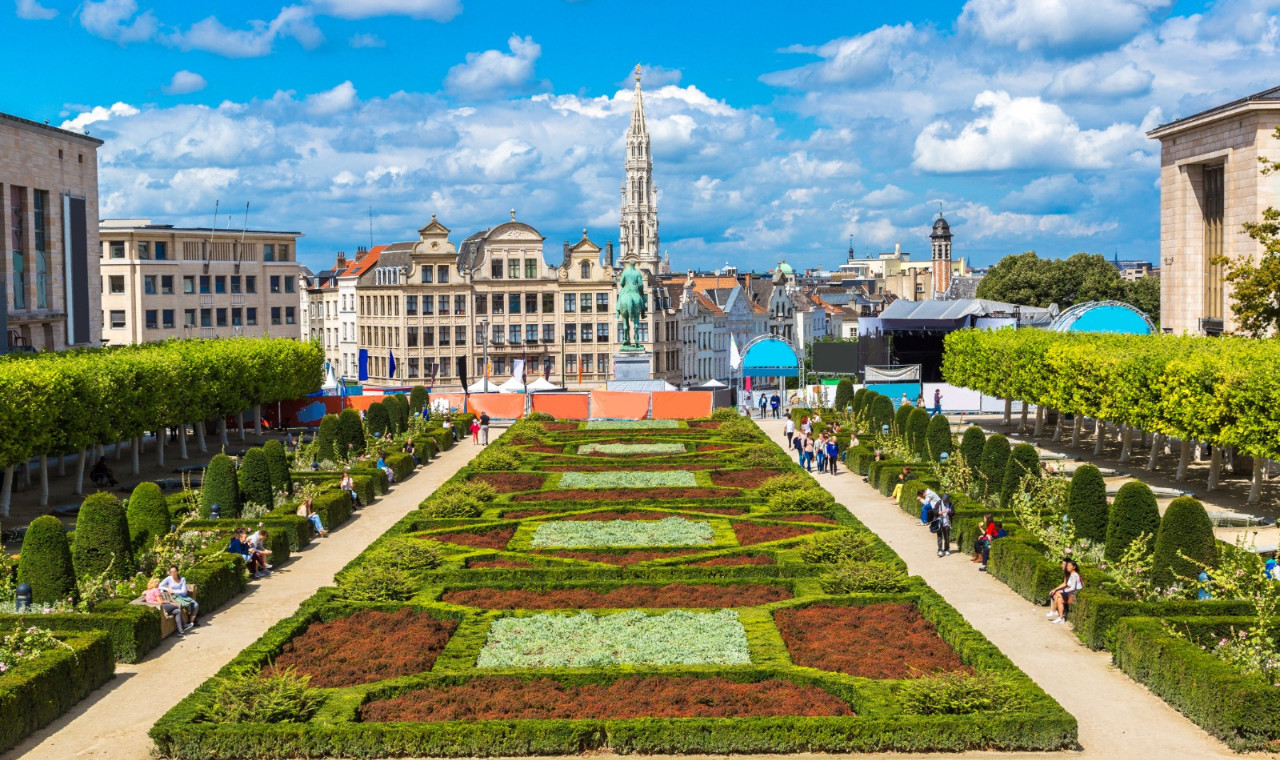
Brussels, the heart of Europe, is a vibrant city known for its rich history, stunning architecture, and world-renowned cuisine. As the de facto capital of the European Union, it's a melting pot of cultures and languages, offering a unique blend of medieval charm and modern sophistication.
Top Attractions
Grand Place
The Grand Place is the central square of Brussels and a UNESCO World Heritage site. It's famous for its ornate guildhalls and the impressive Town Hall.
Historical
1-2 hours
Free
Atomium
The Atomium is a unique structure built for the 1958 World's Fair. It's a symbol of Brussels and offers panoramic views of the city.
Architecture
2-3 hours
€16 (adults), €10 (children)
Manneken Pis
The Manneken Pis is a small bronze statue of a boy peeing, which has become one of Brussels' most famous landmarks. It's often dressed in costumes for special occasions.
Cultural
15-30 minutes
Free
Royal Palace of Brussels
The Royal Palace is the official palace of the King and Queen of the Belgians. While the royal family does not reside here, it's used for official events and ceremonies.
Historical
1-2 hours
€12.50 (for the Royal Greenhouses, open only in spring and autumn)
Parc du Cinquantenaire
Parc du Cinquantenaire is a large urban park with a triumphal arch, museums, and green spaces. It's a great place for a leisurely walk or picnic.
Nature
1-2 hours
Free (museums have separate fees)
Must-Try Local Dishes
Moules-frites
Mussels cooked in white wine, cream, or other sauces, served with a side of fries.
Main course
Can be made vegetarian by omitting the mussels and using a vegetable-based sauce.
Waffles
Belgian waffles are a must-try, with various toppings like whipped cream, chocolate, and fruit.
Dessert/Snack
Can be made vegetarian or vegan by choosing appropriate toppings.
Fries
Belgian fries are crispy on the outside and soft on the inside, often served with various sauces.
Snack/Side
Can be made vegetarian by choosing vegetable-based sauces.
Carbonade flamande
A traditional Flemish beef and beer stew, often served with fries or bread.
Main course
Not suitable for vegetarians or vegans.
Popular Activities
Cycling tours
Kayaking on the Senne River
Escape rooms
Spa days
Picnics in parks
Café hopping
Museum visits
Art gallery tours
Best Time to Visit
June to August
Summer is the peak tourist season with warm weather and numerous festivals. The city is lively, but also more crowded and expensive.
15°C to 25°C
59°F to 77°F
Practical Information
Language
- Official: Dutch, French, German
- Widely spoken: English
- English: Widely spoken
Currency
Euro (EUR)
Time Zone
GMT+1 (Central European Time, CET)
Electricity
230VV, 50HzHz
Safety Information
Overall Safety Rating: Generally safe
Brussels is generally safe for travelers, but petty crime like pickpocketing can occur in tourist areas. Be cautious with your belongings and stay aware of your surroundings.
Important Precautions:
- • Keep your belongings secure and out of sight
- • Be cautious with ATMs and avoid using them at night
- • Use licensed taxis or ride-sharing apps
Getting there
By air
- Brussels Airport • 11 km (7 miles) from city center
By train
Brussels-South Station, Brussels-Central Station
By bus
Brussels-North Station, Brussels-South Station
Getting around
Public transport
The metro is efficient and covers most of the city. It's a great way to get around, especially during peak hours.
Taxis
Available • Apps: Uber, Heetch
Rentals
Car, Bike, Scooter
Neighborhoods
City Center
Sablon
Saint-Géry
European Quarter
Day trips
Bruges
100 km (62 miles) • Full day
Bruges is a medieval city with a well-preserved historic center, canals, and cobblestone streets. It's often referred to as the 'Venice of the North'.
Ghent
60 km (37 miles) • Full day
Ghent is a vibrant city with a rich history, beautiful architecture, and a lively student population. It's known for its medieval buildings, castles, and museums.
Antwerp
45 km (28 miles) • Full day
Antwerp is a dynamic city known for its fashion, diamond district, and vibrant cultural scene. It's home to numerous museums, galleries, and historic sites.
Festivals
Ommegang • Early July
Flower Carpet • Every two years in August
Christmas Market • Late November to early January
Pro tips
- Visit the Grand Place early in the morning or late in the afternoon to avoid crowds and enjoy the square's beauty in peace.
- Try a Belgian waffle from a street vendor, but be cautious with toppings that may not be suitable for dietary restrictions.
- Explore the city's neighborhoods on foot or by bike to discover hidden gems and local culture.
- Learn a few basic phrases in French or Dutch to connect with locals and show respect for the language and culture.
- Consider purchasing a Brussels Card for unlimited public transport and discounts on attractions.
From $25
per person
Price varies by option
Secure booking
Free cancellation available
Instant confirmation