Kimono dressing experience
Active
3h
For a full refund, cancel at least 24 hours before the scheduled departure time.
Instant confirmation
Mobile or paper ticket accepted
About this experience
Tochigi Prefecture, near Tokyo, has Nikko World Heritage sites and many traditional crafts.
Why do not you experience a miyabi workshop when you pass Utsunomiya?
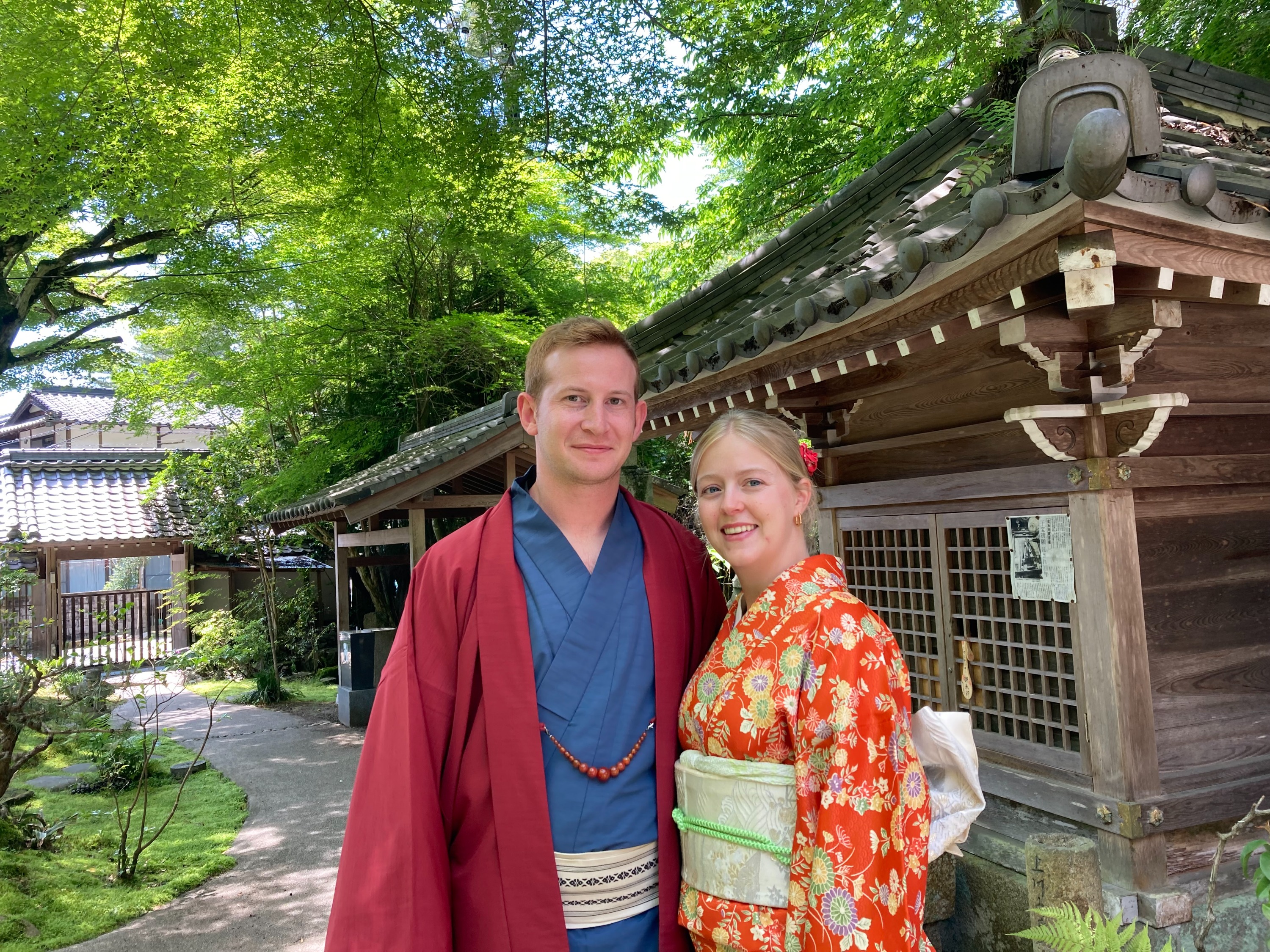
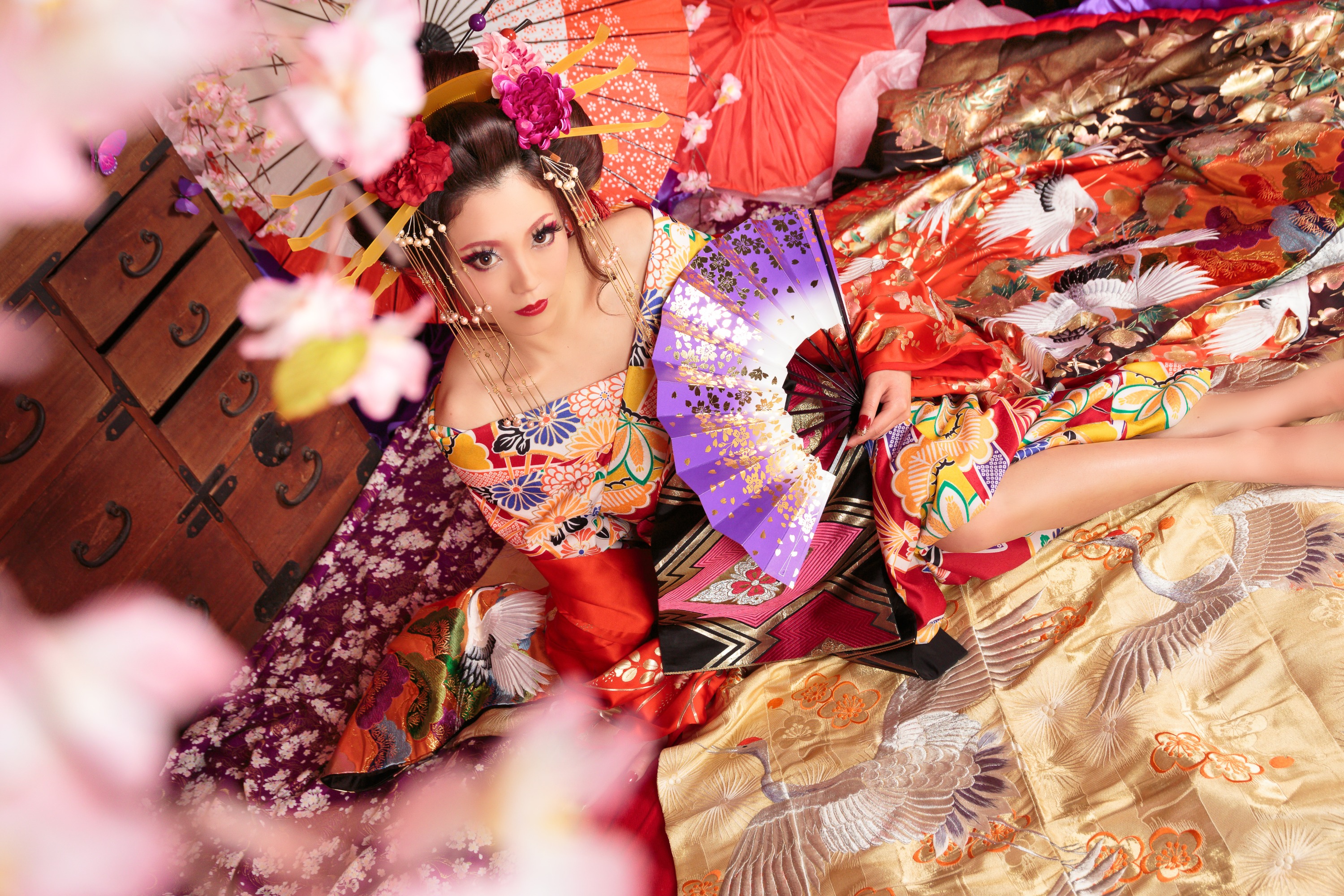
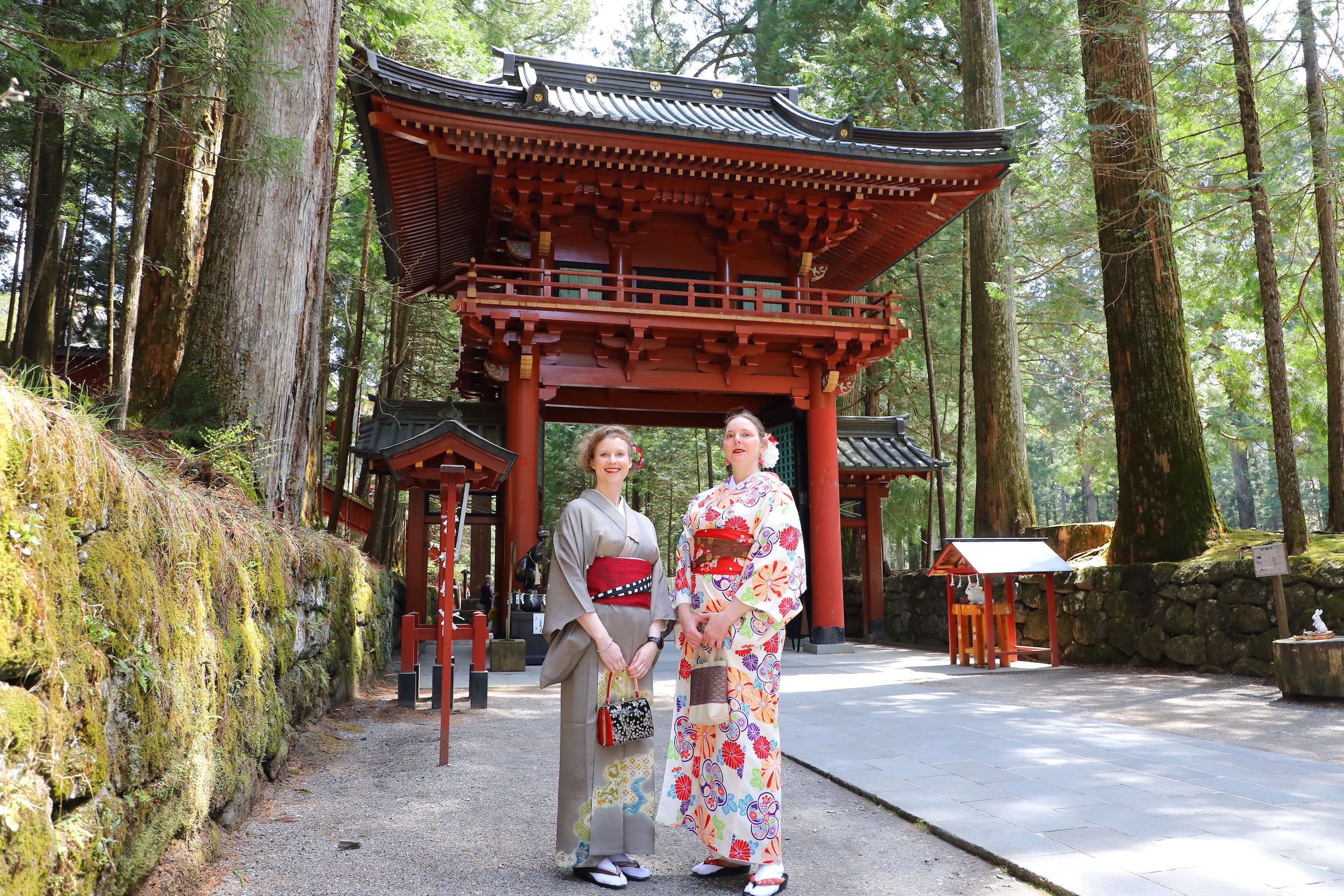
You can wear a kimono and explore the historic city. Guided staff who have lived for more than 20 years will guide you through the recommended places for your purpose.
Take a day trip from Tokyo and experience the beauty of nature and the historic city wearing a kimono.
Available options
Kimono dressing experience
What's included
Kimono, obi, accessory necessary for wearing, hair accessory
What's not included
Private transportation
Bottled water
Available languages
Guide guide
EN
Reviews breakdown
Tripadvisor
5.0
2 reviews
5★
2
4★
0
3★
0
2★
0
1★
0
Important information
Infants and small children can ride in a pram or stroller
Public transportation options are available nearby
Not recommended for travelers with spinal injuries
Not recommended for pregnant travelers
Not recommended for travelers with poor cardiovascular health
Suitable for all physical fitness levels
Meeting point
In front of the hospital, there is a staff with a plate of “Sanpachi-miyabi-”. Sanhabi House is in the immediate vicinity.
About Tochigi Prefecture
Tochigi Prefecture is known for its natural beauty, historic temples, and hot springs. It is home to Nikko, a UNESCO World Heritage site, and offers a mix of cultural heritage and outdoor activities.
Top Attractions
Nikko Toshogu Shrine
A UNESCO World Heritage site and the mausoleum of Tokugawa Ieyasu, the founder of the Tokugawa shogunate. It is famous for its intricate carvings and stunning architecture.
Historical
3-4 hours
Moderate (1,300 JPY for the outer grounds, 3,000 JPY for the inner shrine)
Kegon Falls
One of Japan's most famous waterfalls, located in Nikko National Park. It is a stunning 97-meter drop surrounded by lush greenery.
Nature
1-2 hours
Free (access to the park may require a fee)
Shinkyo Bridge
A sacred bridge and the gateway to the shrines and temples of Nikko. It is one of the three most famous bridges in Japan.
Historical
30 minutes
Free (unless you want to cross it, which requires a fee)
Must-Try Local Dishes
Gyoza
Pan-fried dumplings filled with pork and vegetables, a popular street food in Utsunomiya.
Snack
Not vegetarian or vegan, contains gluten.
Soba Noodles
Buckwheat noodles served cold with a dipping sauce or in a hot broth, a staple in Nikko.
Dinner
Vegetarian options available, contains gluten.
Yuba
Tofu skin, a delicacy in Nikko, often served in soups or as a topping for soba noodles.
Dinner
Vegetarian, contains soy.
Popular Activities
Hiking in Nikko National Park
White-water rafting in the Dabason River
Soaking in hot springs
Picnicking by Lake Chuzenji
Visiting Nikko Toshogu Shrine
Exploring Oya History Museum
Swimming in Lake Chuzenji
Boat tours on the Daiya River
Best Time to Visit
Spring (March to May) and Autumn (September to November)
Spring offers cherry blossoms and mild weather, while autumn provides colorful foliage and comfortable temperatures.
10°C to 25°C
50°F to 77°F
Practical Information
Language
- Official: Japanese
- Widely spoken: English (limited)
- English: Limited
Currency
Japanese Yen (JPY)
Time Zone
GMT+9
Electricity
100VV, 50/60HzHz
Safety Information
Overall Safety Rating: Very safe
Tochigi is generally very safe, with low crime rates and a peaceful environment. However, standard precautions should be taken to ensure a safe and enjoyable trip.
Important Precautions:
- • Keep valuables secure
- • Be cautious of your surroundings in crowded areas
- • Use reputable taxi companies and shops
Getting there
By air
- Narita International Airport • 150 km
By train
Utsunomiya Station, Nikko Station
By bus
Utsunomiya Bus Terminal, Nikko Bus Terminal
Getting around
Public transport
The train network is efficient and covers most of the prefecture, including Shinkansen services.
Taxis
Available • Apps: JapanTaxi, DiDi
Rentals
Car, Bike, Scooter
Neighborhoods
Nikko
Utsunomiya
Day trips
Kashima Shrine
50 km • Half day
One of Japan's most important Shinto shrines, dedicated to the Shinto deity of martial arts and war.
Oya History Museum
10 km • Half day
A museum showcasing the history of the Oya stone industry, with underground tunnels and exhibits on local history.
Festivals
Nikko Festival • October
Utsunomiya Gyoza Festival • October
Pro tips
- Visit Nikko Toshogu Shrine early in the morning to avoid crowds and enjoy the peaceful atmosphere.
- Try local specialties like gyoza in Utsunomiya and soba noodles in Nikko.
- Pack layers, as temperatures can vary significantly throughout the day and year.
- Consider staying in a ryokan for a traditional Japanese experience, complete with tatami-matted rooms and onsen baths.
- Use IC cards like Suica or Pasmo for convenient and discounted public transportation.
From $25
per person
Price varies by option
Secure booking
Free cancellation available
Instant confirmation