Private Full-Day Easter Island Complete Essentials Discovery Tour
Active
6h
For a full refund, cancel at least 24 hours before the scheduled departure time.
Instant confirmation
Mobile or paper ticket accepted
About this experience
Explore the soul of Easter Island in just one day. Visit the island’s most legendary sites — moai-studded slopes, ancient villages, volcanic craters, and white-sand beaches — all in a private tour designed to make every minute count.
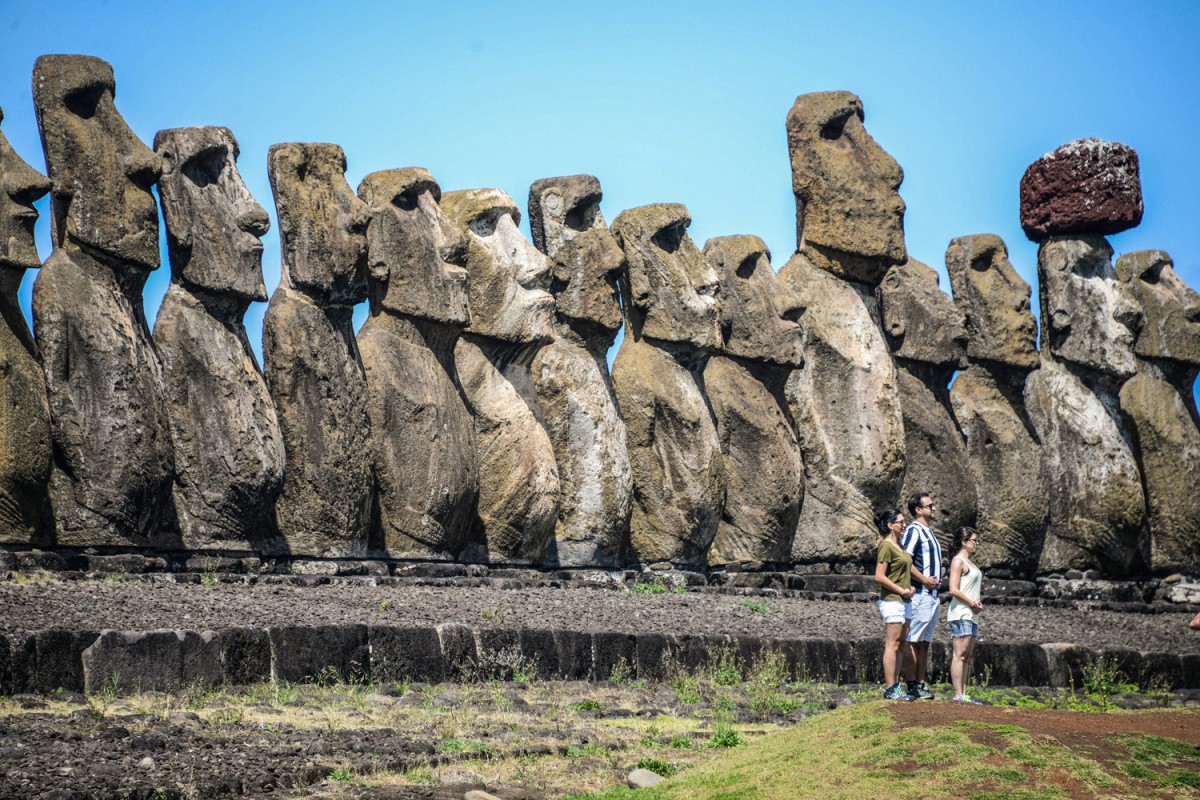
Start at Anakena Beach, where palm trees frame some of the island’s best-preserved moai. Then head to Orongo, the cliffside ceremonial village overlooking a vast volcanic crater. Walk among unfinished statues at the quarry of Rano Raraku, and end at Ahu Tongariki, where 15 majestic moai stand guard by the sea.
Available options
Private Full-Day Easter Island Complete Essentials Discovery Tour
Pickup included
What's included
Local professional driver/guide
Private transportation
Bottled water
Hotel pickup/drop-off
Detailed itinerary
1
Stop 1
Stunning Anakena is our only big sandy beach, and is also of high historic value. This is where our first king Hotu Matu'a arrived a thousand years ago when colonizing the island. Palmtrees and beautifully carved ancient moai statues decorate the landscape. The statues of the main monument, Ahu Nau-Nau, were buried in the sand for centuries, and were recently dug up when restored a few decades ago, so they are among the most well-preseved statues of the island.
We go here mainly for historic and photographic purposes, but if you want to have a quick swim, please feel free to.
2
Stop 2
Orongo is a ceremonial village perched dramatically on the edge of the Rano Kau crater. It was the center of the unique Birdman cult, where a dangerous annual competition determined leadership on the island. Dozens of restored stone houses and intricate petroglyphs reveal the spiritual and political importance of the site.
From within Orongo, we’ll have a stunning view of the volcanic crater of Rano Kau — by far the largest on Easter Island. Its freshwater lake was once an essential source of drinking water for the island’s ancient inhabitants.
3
Stop 3
Walk among giants and awe-inspiring traces of the past in Rano Raraku — the volcanic quarry where almost all of the island’s moai were carved. The entire hillside is scattered with statues in various stages of completion — some still partially buried, others frozen mid-creation. This is where the ancient sculptors worked for centuries, shaping the stone giants that would be transported across the island.
It’s a haunting and awe-inspiring landscape that feels like the workshop of a lost civilization.
4
Stop 4
Stand face to face with the island’s most iconic monument at Ahu Tongariki — a grand ceremonial platform lined with 15 towering moai. These massive stone figures once watched over the island's eastern shores, and today they remain a powerful symbol of Rapa Nui’s cultural legacy.
The site was devastated by a tsunami in the 1960s, but carefully restored in the 1990s, bringing the majestic lineup back to life against a dramatic coastal backdrop.
What's not included
Gratuities
1 ticket per person, valid for all tours and sites, bought online beforehand
We'll offer to stop at a place where you prefer
Tour not available for cruise ship passengers
Available languages
Guide guide
EN
ES
Important information
Wheelchair accessible
Infants and small children can ride in a pram or stroller
Infants are required to sit on an adult’s lap
Suitable for all physical fitness levels
About Hanga Roa
Hanga Roa is the main town and capital of Easter Island, known for its mysterious Moai statues and rich Polynesian culture. This remote island offers a unique blend of natural beauty, archaeological wonders, and a laid-back island lifestyle.
Top Attractions
Ahahu Tahai
An ancient ceremonial site with restored Moai statues and a beautiful sunset view.
Historical
1-2 hours
Free
Rano Raraku
The quarry where most of the Moai statues were carved. It offers a unique insight into the island's history.
Historical
2-3 hours
Moderate (entry fee)
Ahu Tongariki
The largest ahu (ceremonial platform) on Easter Island, featuring 15 restored Moai statues.
Historical
1-2 hours
Moderate (entry fee)
Anakena Beach
The most famous beach on Easter Island, known for its white sand and clear waters.
Beach
Half-day
Free
Orongo
A ceremonial village with a rich history, offering stunning views of the island's coastline.
Historical
2-3 hours
Moderate (entry fee)
Must-Try Local Dishes
Curanto
A traditional Rapa Nui dish cooked in an underground oven, featuring a mix of meats, seafood, and vegetables.
Main Dish
Contains meat and seafood, can be adapted for vegetarian/vegan
Po'e
A sweet banana pudding made from bananas, sugar, and sometimes coconut milk.
Dessert
Vegetarian, can be vegan with substitutions
Ika Mata
Raw fish marinated in citrus juice, similar to ceviche, often served with vegetables.
Appetizer
Contains fish, can be made with other seafood
Popular Activities
Hiking
Scuba diving
Surfing
Beach lounging
Yoga
Spa treatments
Visiting archaeological sites
Attending local festivals
Best Time to Visit
December to March
This is the summer season with warm temperatures, clear skies, and vibrant festivals. It's the best time for beach activities and outdoor exploration.
20-28°C
68-82°F
Practical Information
Language
- Official: Spanish
- Widely spoken: Rapa Nui (local Polynesian language), English (limited)
- English: Limited
Currency
Chilean Peso (CLP)
Time Zone
CLST (Chile Summer Time, GMT-4)
Electricity
220VV, 50HzHz
Safety Information
Overall Safety Rating: Generally safe
Hanga Roa is generally safe with low crime rates, but travelers should take standard precautions.
Important Precautions:
- • Keep valuables secure
- • Avoid walking alone at night
- • Use reputable tour operators
Getting there
By air
- Mata Uri Airport • 2 km from city center
Getting around
Public transport
Buses are not extensive but can be used for some routes around the island.
Taxis
Available • Apps:
Rentals
Car, Bike, Scooter
Neighborhoods
Hanga Piko
Vaihua
Mataveri
Day trips
Rano Kau
3 km from Hanga Roa • Half-day
A volcanic crater offering stunning views of the island and the Pacific Ocean.
Ana Kai Tangata
12 km from Hanga Roa • Half-day
A cave with ancient petroglyphs and a rich history of cannibalism.
Vaihu
18 km from Hanga Roa • Full-day
An archaeological site with restored Moai statues and ahu platforms.
Festivals
Tapati Festival • January or February (varies yearly)
Easter Celebrations • March or April (varies yearly)
Pro tips
- Book accommodation and tours well in advance, especially during peak season.
- Rent a car or bike to explore the island at your own pace.
- Visit the Moai statues early in the morning or late in the afternoon to avoid crowds and the heat.
- Try the local cuisine, especially the traditional Curanto.
- Respect the local culture and customs, and be mindful of the island's fragile environment.
From $25
per person
Price varies by option
Secure booking
Free cancellation available
Instant confirmation