Medieval Private Tour Besalú Castellfollit St. Pau from Barcelona
Active
7h - 8h
For a full refund, cancel at least 24 hours before the scheduled departure time.
Instant confirmation
Mobile or paper ticket accepted
About this experience
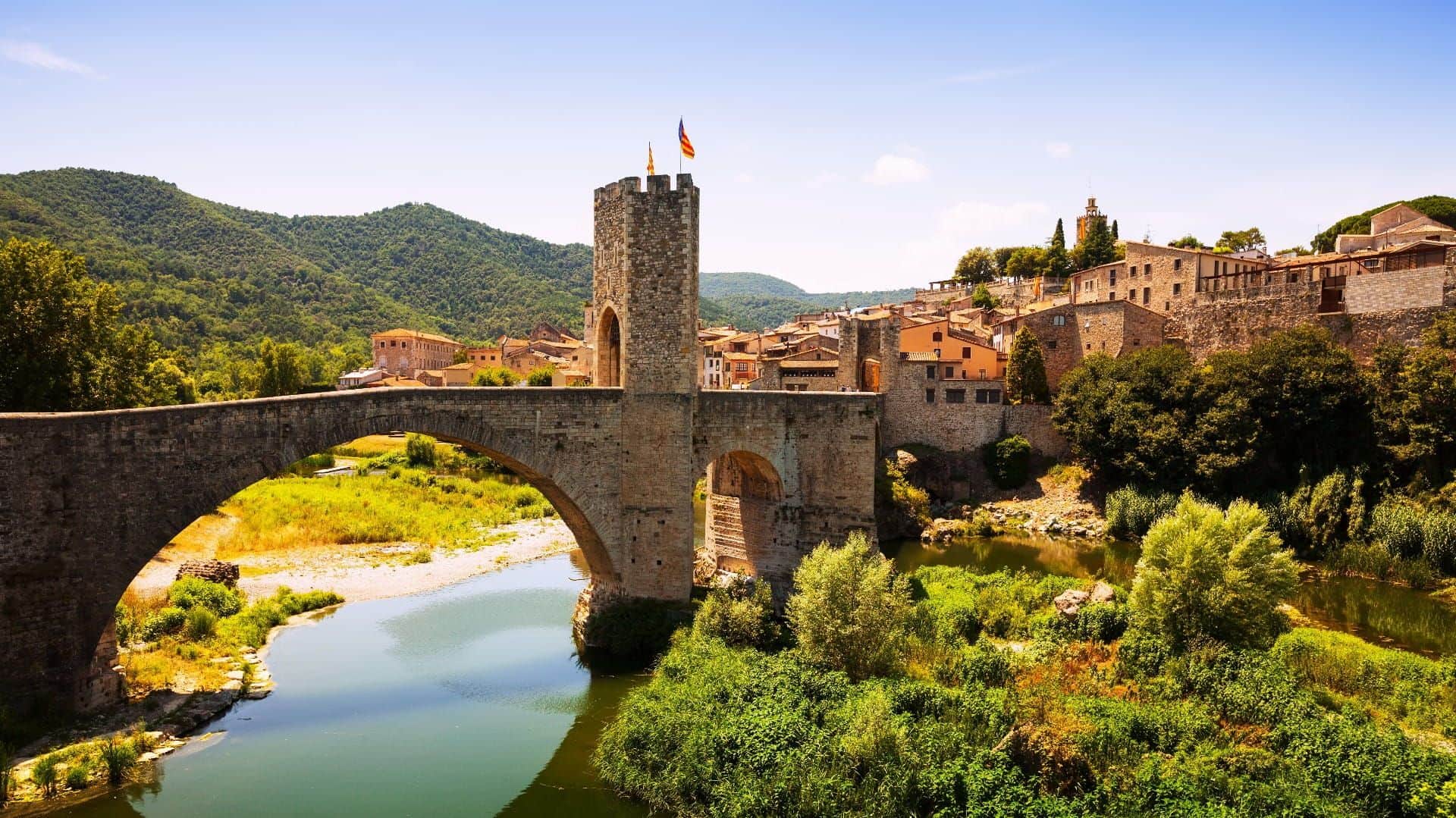
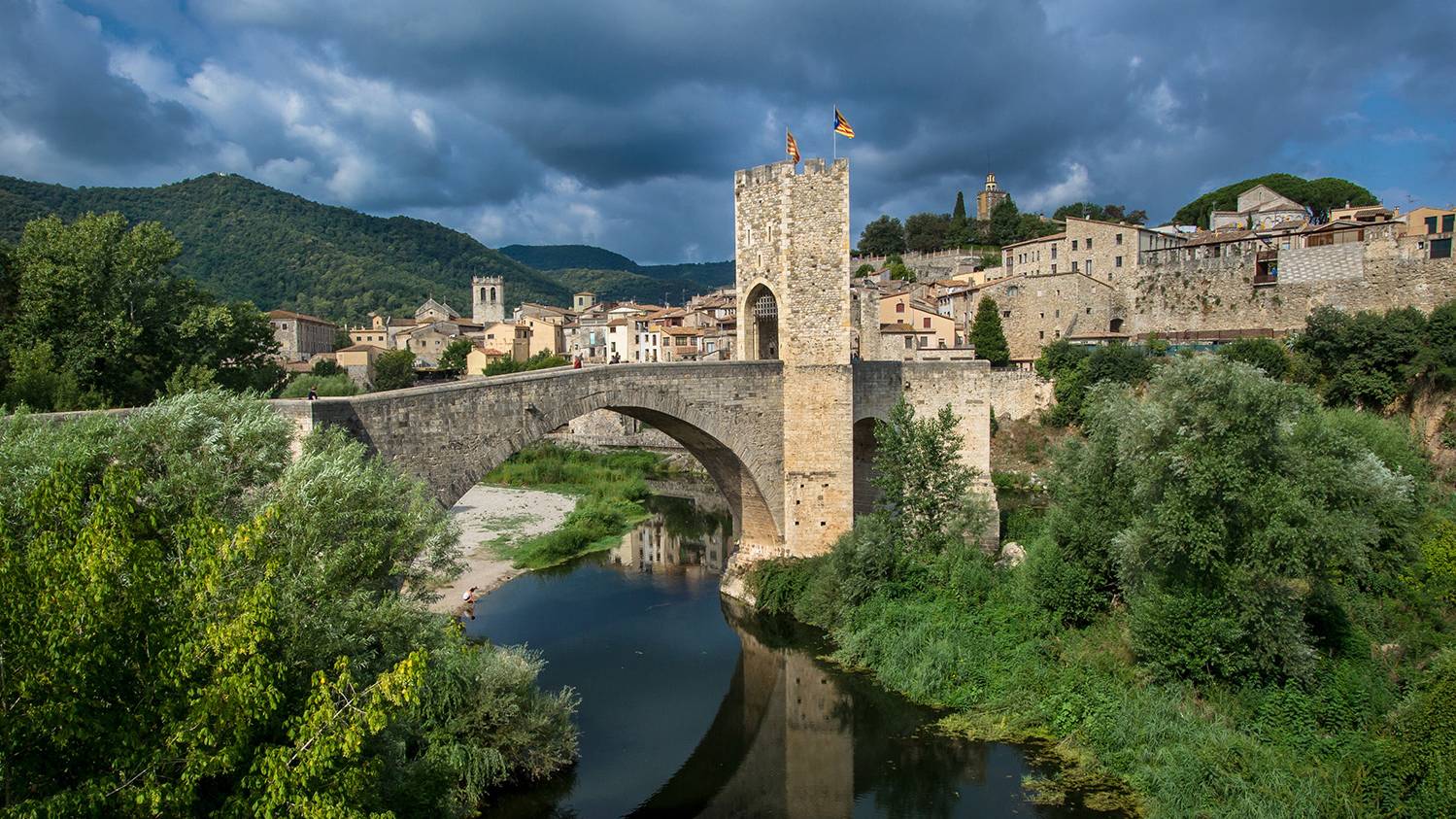
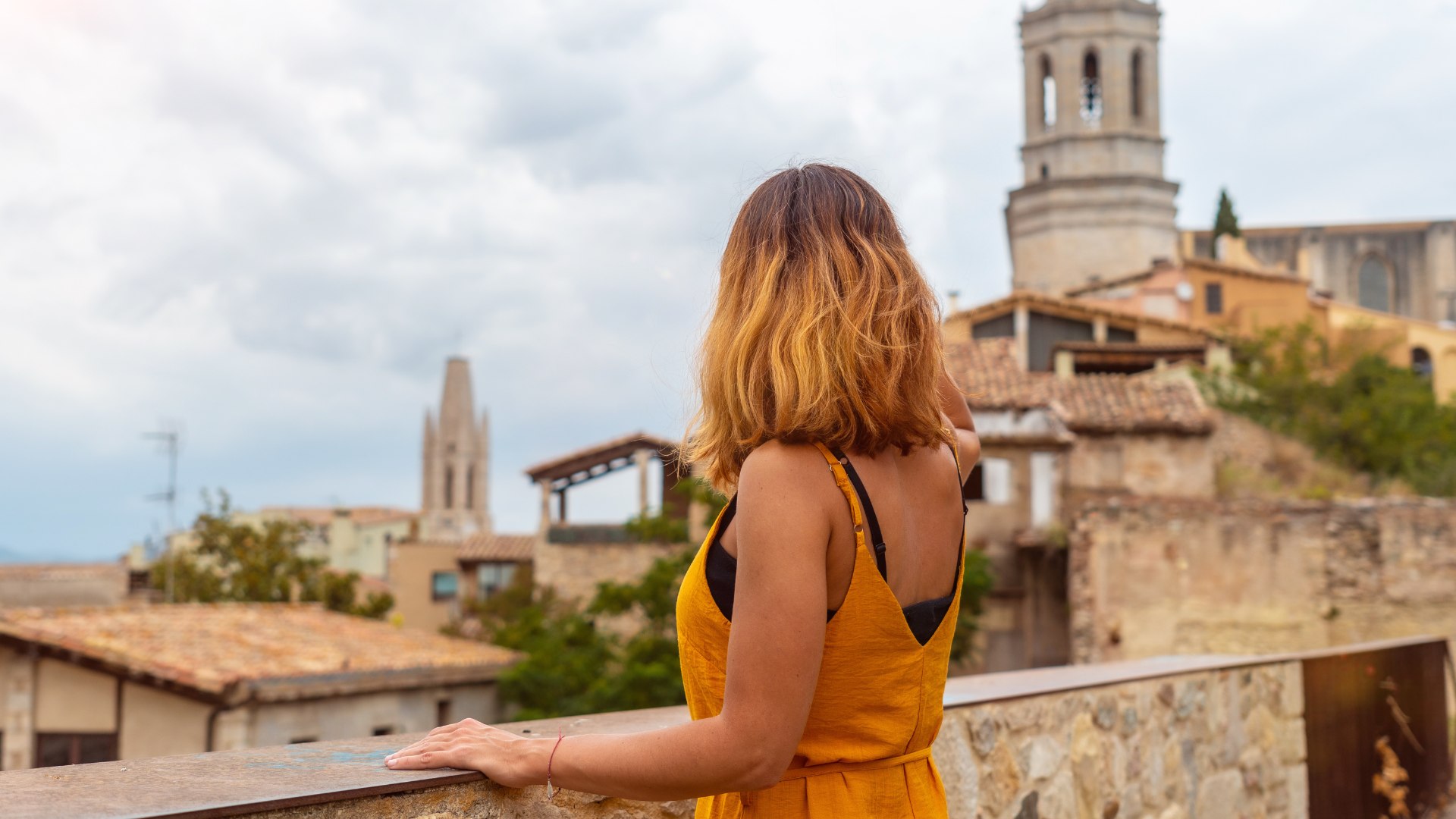
The tour begins in Besalú, one of Catalonia’s best-preserved medieval jewels. Crossing its iconic 12th-century Romanesque bridge over the Fluvià River feels like stepping into another era. Wander through narrow stone streets, explore the evocative Jewish Quarter and its ancient mikveh, and admire the historic monasteries and squares that reflect centuries of cultural heritage. Besalú sets the perfect tone for a journey into the past.
Next, travel to the dramatic landscape of Castellfollit de la Roca, perched atop a stunning basalt cliff formed by ancient lava flows. This tiny village seems suspended in the air, offering breathtaking views of the rivers and valleys below. A stop here is as much about natural wonder as it is about history.
The tour concludes at the peaceful village of Santa Pau, nestled within the heart of the Garrotxa Volcanic Zone Natural Park. Its perfectly preserved medieval core—dominated by the castle and the charming porticoed square
Available options
Medieval Private Tour Besalú Castellfollit St. Pau from Barcelona
Pickup included
What's included
Hotel Drop-Off in Barcelona
Walking Guided Private Tour inside the villages of Besalú, Castellfollit de la Roca and Santa Pau
Hotel Pick-Up in Barcelona
private transportation
Driver Guide
Detailed itinerary
1
Besalú is one of Catalonia’s most beautiful and well-preserved medieval towns, located in the province of Girona. Known for its iconic 12th-century Romanesque bridge that arches dramatically over the Fluvià River, Besalú offers visitors the feeling of stepping back in time. The town’s narrow stone streets, ancient houses, and historic squares form a remarkably intact medieval center. Highlights include the Jewish Quarter with its 12th-century mikveh (ritual bath), one of the best preserved in Europe;
2
The Monastery of Sant Pere de Besalú, founded in the 10th century, is one of the most iconic landmarks in this beautifully preserved medieval town. Its elegant Romanesque architecture, characterized by clean lines, robust stonework, and a harmonious layout, reflects the artistic and spiritual importance the monastery once held in the region.
The church’s impressive façade and sculpted capitals welcome visitors into a space filled with history. Inside, the simple yet majestic nave creates a serene atmosphere that invites contemplation. One of its unique features is the elevated presbytery, designed to accommodate an underground crypt—an unusual element in Catalan Romanesque architecture.
Surrounded by the narrow streets and stone buildings of Besalú’s old quarter, Sant Pere is not just a monument but a window into the town’s monastic past, offering a peaceful contrast to the lively medieval bridge and main square. It is an essential stop for anyone exploring Besalú.
3
The Besalú Bridge, or Pont Vell, is the most iconic symbol of this medieval town and one of the finest examples of medieval civil engineering in Catalonia. Originally built in the 12th century and restored several times after floods, the bridge stretches across the Fluvià River with a striking, irregular shape that follows the natural course of the water.
Its seven arches, fortified gateway tower, and stone walkway instantly transport visitors back to the Middle Ages. The defensive tower, once used to control access to the town, still rises proudly above the bridge, offering a perfect spot for photographs and panoramic views of the river and old quarter.
Walking across the Besalú Bridge is a highlight of any visit: the texture of the ancient stones, the gentle curve of the arches, and the silhouette of Besalú’s historic center create a uniquely atmospheric experience. At sunset, when the warm light hits the stonework, the bridge becomes one of the most magical and photographed places.
4
Castellfollit de la Roca is one of Catalonia’s most striking and dramatic villages, perched atop a narrow basalt cliff nearly 1 km long and over 50 meters high. Formed by ancient volcanic lava flows, this dark basalt wall creates a spectacular natural balcony overlooking the confluence of the Fluvià and Toronell rivers.
The village itself is small and atmospheric, with narrow medieval streets, stone houses built right to the edge of the precipice, and a church tower that seems to hover above the void. The viewpoint at the end of the old town offers breathtaking panoramas of the surrounding valley and rugged landscapes of the Garrotxa region.
Castellfollit de la Roca is not only visually impressive but also rich in heritage and volcanic geology, making it a perfect stop for photographers, nature lovers, and travelers exploring the volcanic area of Girona.
5
Santa Pau is a beautifully preserved medieval village nestled in the heart of the Garrotxa Volcanic Zone Natural Park, one of Catalonia’s most unique landscapes. Surrounded by lush forests, volcanic cones, and fertile farmland, Santa Pau feels like a quiet, timeless retreat where nature and history blend seamlessly.
At the center of the village stands the impressive Castle of Santa Pau, overlooking a charming porticoed main square (Plaça Major) with stone arches, old houses, and narrow cobblestone streets that invite slow wandering. The surrounding countryside is dotted with ancient volcanoes—like Santa Margarida and Croscat—making Santa Pau a perfect base for hiking and exploring volcanic terrain.
Peaceful, authentic, and scenic, Santa Pau offers visitors a blend of medieval charm, rural traditions, and some of Catalonia’s most remarkable natural surroundings.
What's not included
Food and Drinks
Gratuities
Available languages
Guide guide
EN
IT
FR
ES
Important information
Public transportation options are available nearby
Infants are required to sit on an adult’s lap
Not recommended for travelers with poor cardiovascular health
Suitable for all physical fitness levels
About Barcelona
Barcelona is a vibrant city on the northeastern coast of Spain, known for its rich cultural heritage, stunning architecture, and lively atmosphere. It seamlessly blends medieval history with modernist masterpieces, making it a unique and appealing destination for travelers.
Top Attractions
Sagrada Família
Antoni Gaudí's unfinished masterpiece, a stunning basilica that combines Gothic and Art Nouveau forms. It's a UNESCO World Heritage Site and a must-visit.
Architecture
1.5-2.5 hours
€26-€34 (depending on access to towers)
Park Güell
Another Gaudí masterpiece, this park features colorful mosaics, whimsical structures, and beautiful city views.
Architecture
1.5-2 hours
€10 (Monumental Zone)
La Rambla
A famous pedestrian street filled with shops, restaurants, street performers, and the famous La Boqueria market.
Street
1-2 hours
Free (shopping and dining costs vary)
Casa Batlló
A unique building designed by Gaudí, known for its surrealist design and colorful façade.
Architecture
1 hour
€35-€45 (depending on the tour)
Gothic Quarter
The historic heart of Barcelona, filled with medieval streets, ancient buildings, and hidden plazas.
Historical
2-3 hours
Free (some attractions may have entry fees)
Must-Try Local Dishes
Pa amb tomàquet
Bread rubbed with tomato, garlic, and olive oil, often served as an appetizer.
Snack
Vegetarian
Fideuà
A paella-like dish made with short, thin noodles, seafood, and saffron.
Main Course
Contains seafood
Crema Catalana
A Catalan version of crème brûlée, made with egg yolks, sugar, and cinnamon.
Dessert
Vegetarian
Patatas Bravas
Fried potato cubes topped with a spicy tomato sauce and garlic aioli.
Snack
Vegetarian
Popular Activities
Hiking in Montserrat
Water sports in Barceloneta
Rock climbing
Beach lounging in Barceloneta
Spa treatments
Strolling through parks and gardens
Visiting museums and galleries
Attending festivals and events
Best Time to Visit
May to June, September to October
The peak season offers pleasant weather and is ideal for exploring the city's attractions. The crowds are manageable, and the city is vibrant with festivals and events.
20°C to 28°C
68°F to 82°F
Practical Information
Language
- Official: Catalan, Spanish
- Widely spoken: English, French
- English: Moderately spoken
Currency
Euro (EUR)
Time Zone
GMT+1 (CET), GMT+2 (CEST during daylight saving time)
Electricity
230VV, 50HzHz
Safety Information
Overall Safety Rating: Generally safe
Barcelona is generally safe, but like any major city, it has its share of petty crime and scams. Be aware of your surroundings, especially in touristy areas and on public transportation.
Important Precautions:
- • Be cautious of pickpockets, especially in crowded areas and on public transportation.
- • Keep an eye on your belongings, especially in touristy areas and on public transportation.
- • Be cautious of fake petitions or distractions to steal from you.
Getting there
By air
- Barcelona-El Prat Airport • 12 km from city center
By train
Sants Station, Estació de França
By bus
Estació d'Autobusos Sants, Estació d'Autobusos Nord
Getting around
Public transport
The metro system is efficient, clean, and covers most of the city. It's a great way to get around quickly and affordably.
Taxis
Available • Apps: Free Now, Cabify
Rentals
Car, Bike, Scooter
Neighborhoods
Eixample
Gràcia
Barceloneta
Gothic Quarter
El Raval
Day trips
Montserrat
50 km from Barcelona • Half day to full day
A stunning mountain range with a historic monastery, offering hiking, scenic views, and religious sites.
Girona
100 km from Barcelona • Full day
A charming medieval city with a well-preserved Jewish Quarter, a stunning cathedral, and a rich history.
Sitges
40 km from Barcelona • Half day to full day
A picturesque coastal town known for its beaches, nightlife, and historic sites.
Festivals
La Mercè Festival • Late September
Sant Jordi • April 23
Festa Major de Gràcia • Mid-August
Pro tips
- Visit popular attractions like the Sagrada Família and Park Güell early in the morning or late in the afternoon to avoid crowds.
- Explore the city's neighborhoods on foot or by bike to discover hidden gems and local culture.
- Try local specialties like pa amb tomàquet, fideuà, and crema catalana at local markets and restaurants.
- Use the T-Casual pass for unlimited travel on public transportation, which is more cost-effective than single tickets.
- Be cautious of pickpockets, especially in crowded areas and on public transportation, and keep an eye on your belongings.
From $25
per person
Price varies by option
Secure booking
Free cancellation available
Instant confirmation