Full Day Private Tour to Montenegro, Mostar, Split and Sarajevo
Active
8h - 12h
For a full refund, cancel at least 24 hours before the scheduled departure time.
Instant confirmation
Mobile or paper ticket accepted
About this experience
Travelers should book this tour because it is unique, private and adjusted to guests in every way.With professional driver / guide and luxury cars and vans this tour will be comfortable and relaxing.
Available options
Split
van tour<br/>Pickup included
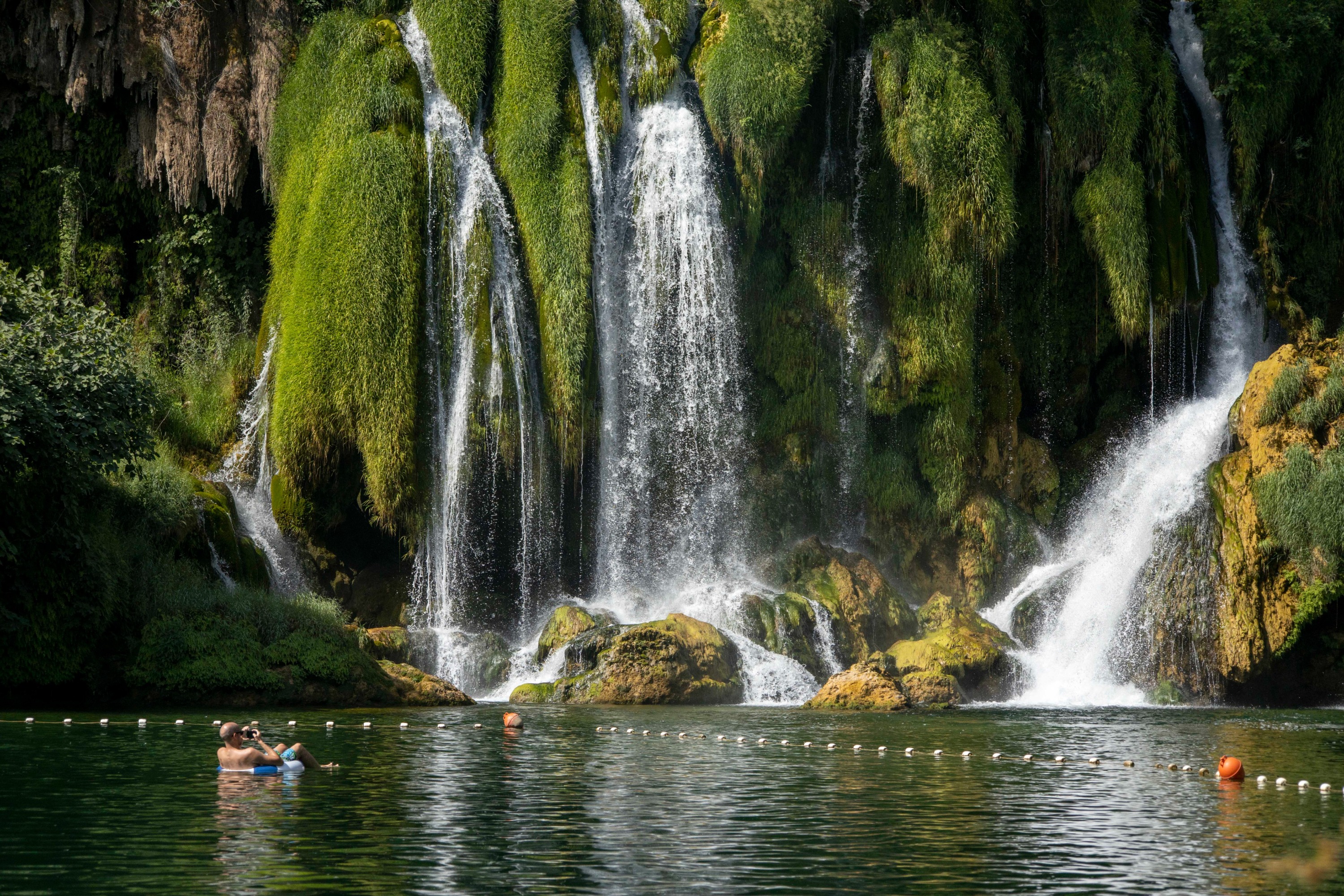
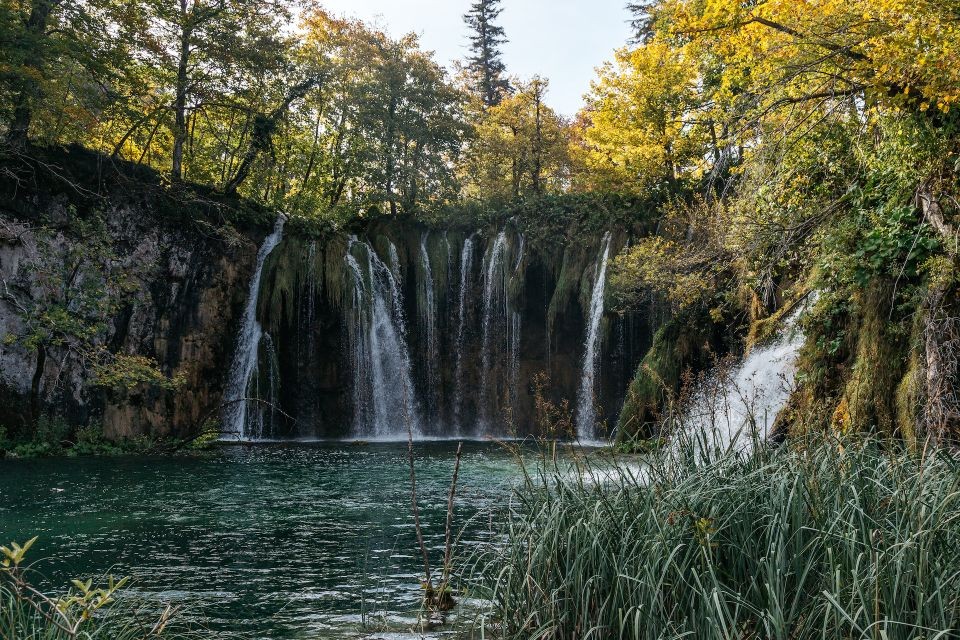
Mostar & Kravice waterfalls
optional stop in Počitelj<br/>Pickup included
Montenegro coast
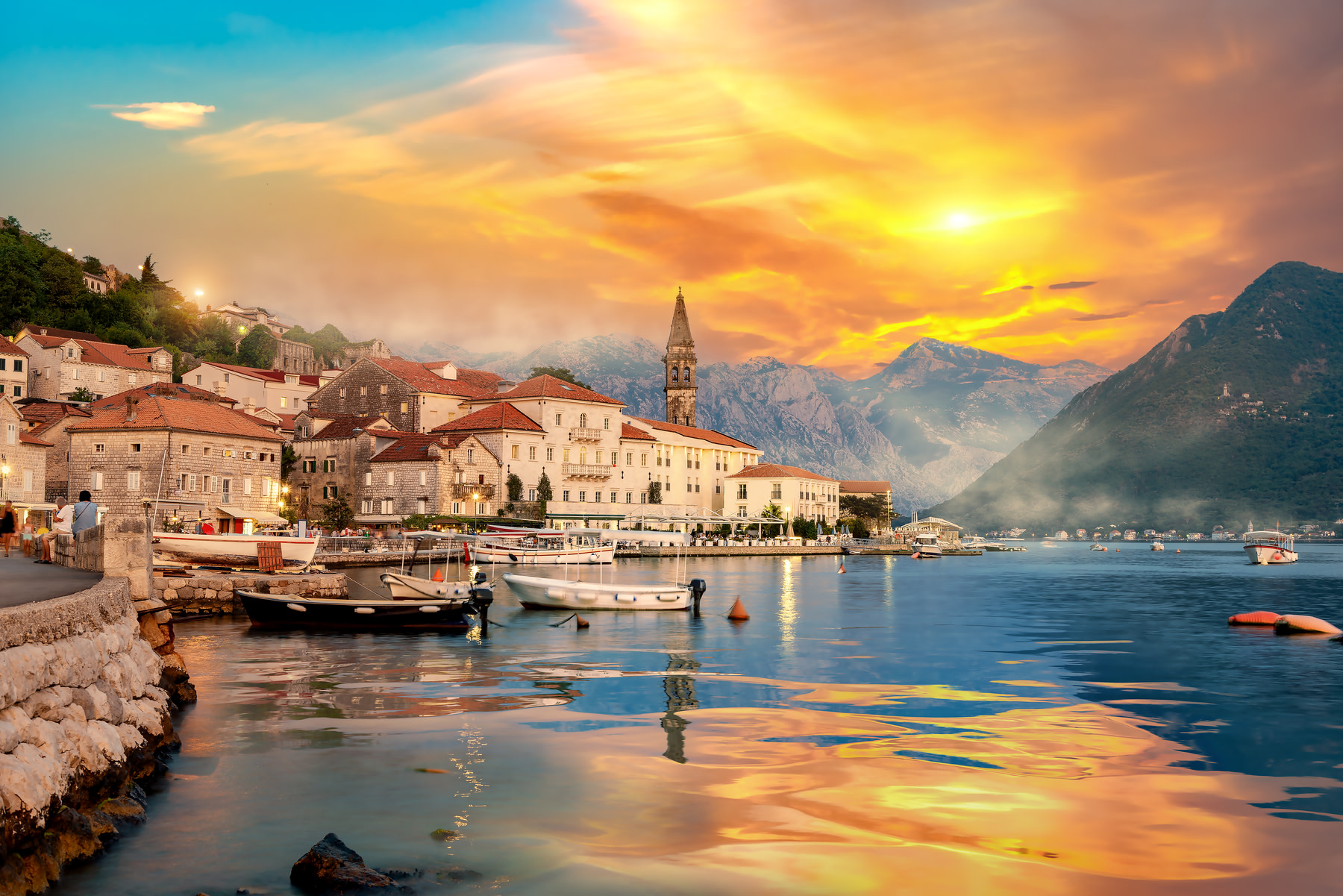
Perast and Kotor<br/>Pickup included
Sarajevo
Pickup included
What's included
Private transportation
Air-conditioned vehicle
Detailed itinerary
1
Stop 1
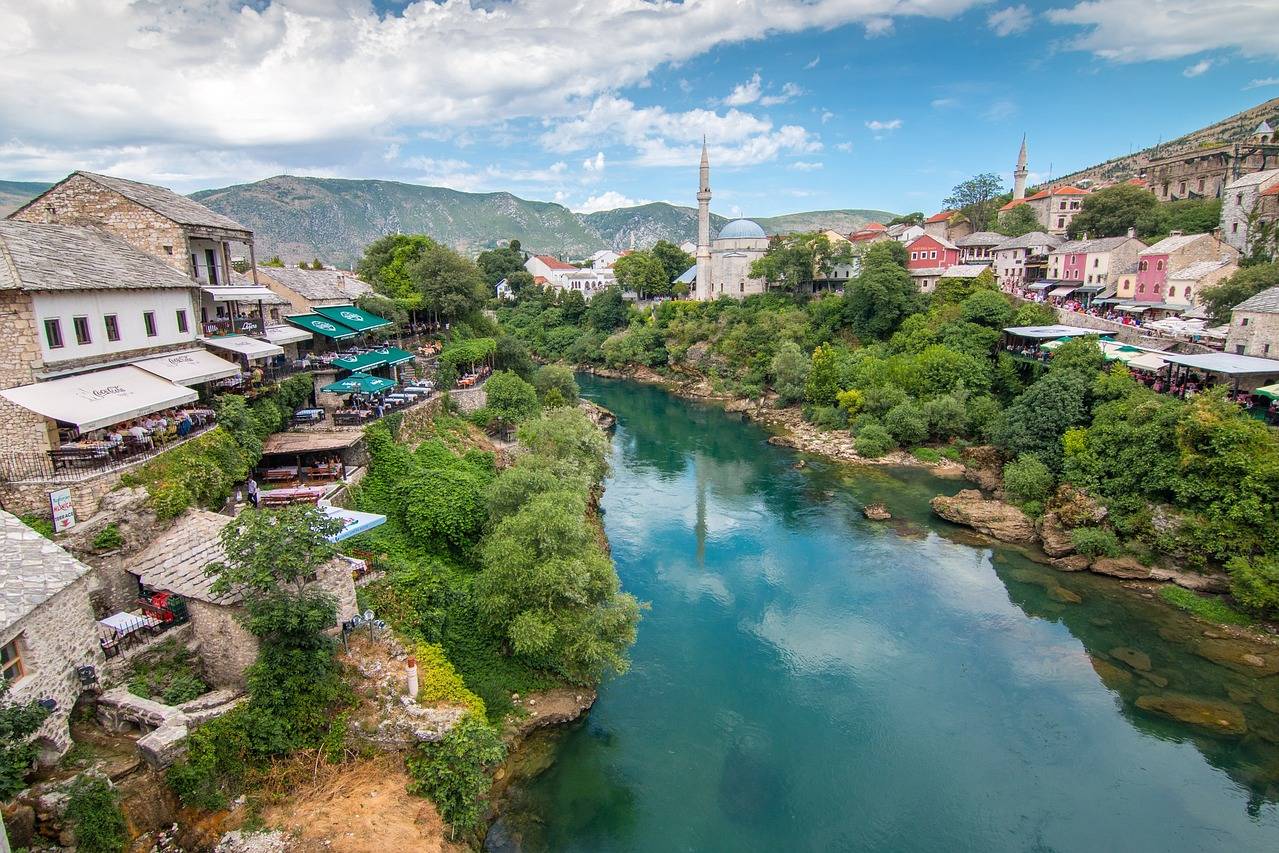
The Old Bridge was recently rebuilt and many of the edifices in the Old Town have been restored or rebuilt with the contribution of an international scientific committee established by UNESCO. The Old Bridge area, with its pre-Ottoman, eastern Ottoman, Mediterranean and western European architectural features, is an outstanding example of a multicultural urban settlement. The reconstructed Old Bridge and Old City of Mostar is a symbol of reconciliation, international co-operation and of the coexistence of diverse cultural, ethnic and religious communities.
2
Stop 2
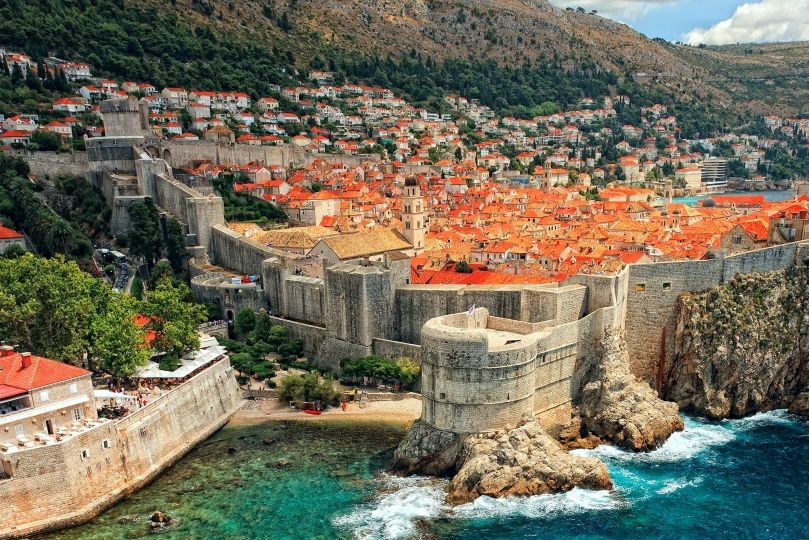
The 4.5 km long Kotor city walls surround the old town of Kotor, from the sea level up to 250m high to the fortress of San Giovanni (St John). Their thickness changes from 2m to 16m, height of some parts are 20m. Some parts of the Kotor city walls were built during the Byzantines but the current walls mostly date back to 17th and 18th century, the time of Venetians.
3
Stop 3
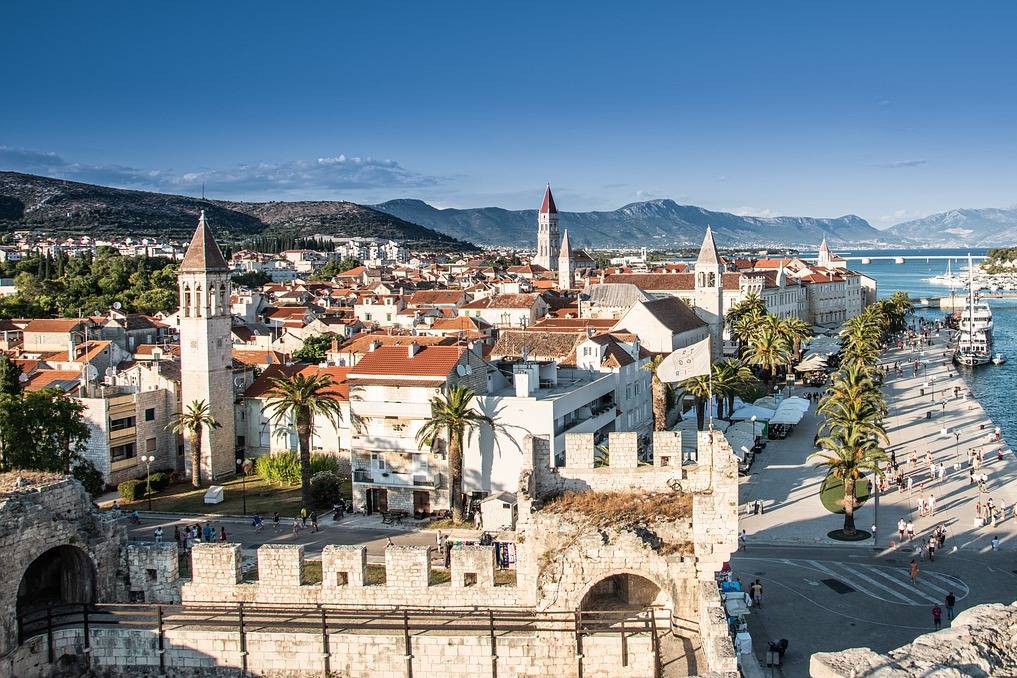
Diocletian Palace is one of the best preserved monuments of the Roman architecture in the world. The Emperor's Palace was built as a combination of a luxury villa - summer house and a Roman military camp (castrum), divided into four parts with two main streets. Southern part of the Palace was, in this scheme, intended for the Emperor's apartment and appropriate governmental and religious ceremonies, while the north part was for the Imperial guard - the military, servants, storage etc. The Palace is a rectangular building (approximately 215 x 180 meters) with four large towers at the corners, doors on each of the four sides and four small towers on the walls. The lower part of the walls has no openings, while the upper floor is open with a monumental porch on the south and halls with grand arch windows on the other three sides. Over the centuries the Palace inhabitants, and later also the citizens of Split adapted parts of the palace for their own requirements.
4
Stop 4
A visit to Sarajevo should start with Baščaršija, the old part of town. At its heart is Sebilj, a pseudo-Moorish fountain which is one of the city’s most recognizable symbols. Brusa Bezistan Museum provides an overview of the city’s history and is housed in an old covered bazaar. Other options include Husrev-Bey’s Mosque and the Old Synagogue (now a Jewish Museum). Time permitting, Svrzo’s House is another must-see; with its quiet garden and traditional architecture, the house shows how a wealthy Muslim family lived in Sarajevo during Ottoman times. Another attraction is Despić’s House, not far from Hotel Europe. This museum offers a look inside a wealthy Serbian Orthodox family’s home. Performances were put on here before the National Theater opened. Be sure not to miss a single spot in town where East and West meet, including Vijećnica – a symbol of the meeting of civilizations – which has countless interesting stories to share with visitors.
What's not included
Lunch
WiFi on board
All Fees and Taxes
gratuity
Available languages
Guide guide
EN
Important information
Public transportation options are available nearby
Specialized infant seats are available
Suitable for all physical fitness levels
About Dubrovnik
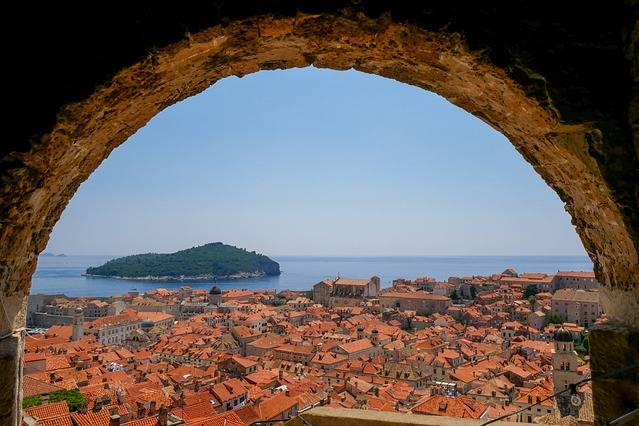
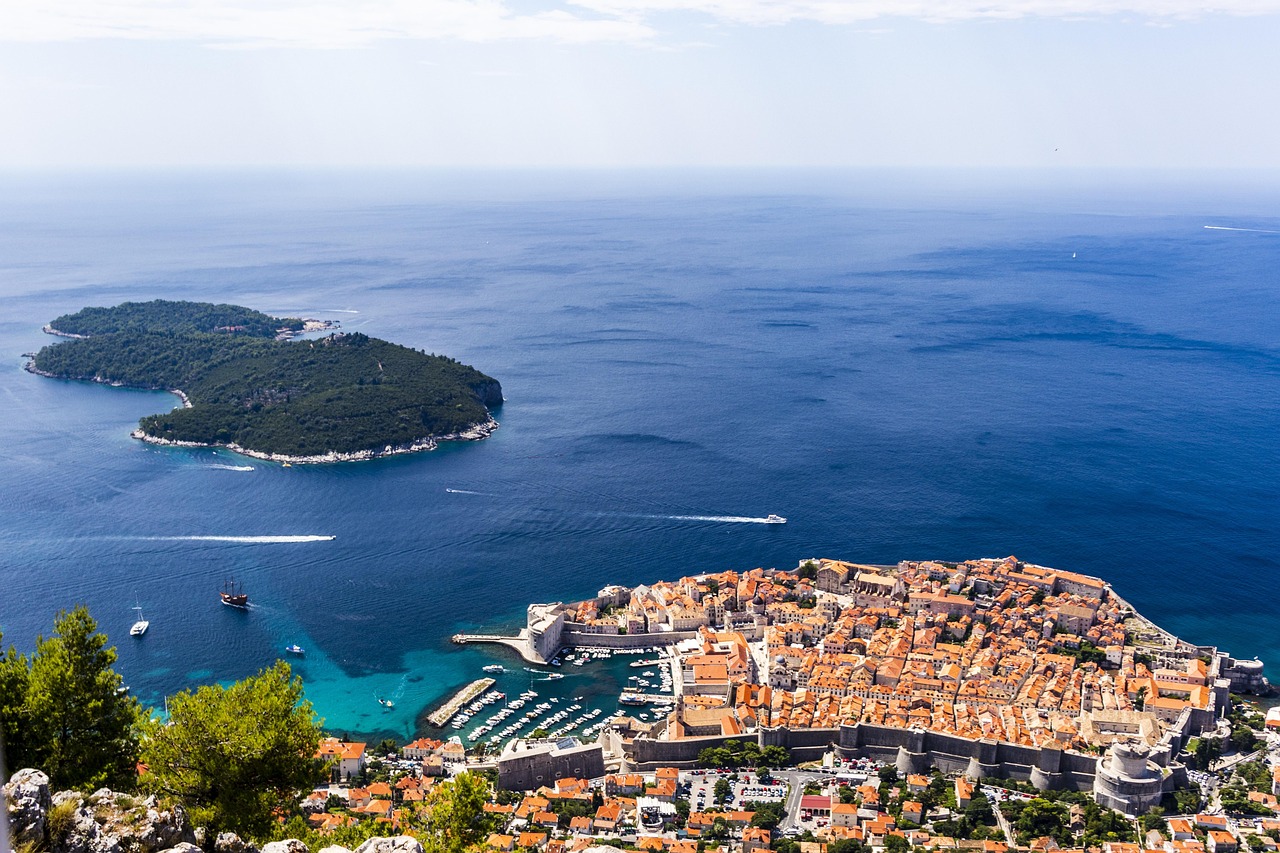
Dubrovnik is a historic coastal city known for its stunning Old Town, medieval walls, and Adriatic Sea views. A UNESCO World Heritage site, it's famous for its well-preserved architecture, cultural heritage, and as a filming location for 'Game of Thrones'.
Top Attractions
Old Town
The heart of Dubrovnik, a UNESCO World Heritage site with medieval architecture, historic sites, and charming streets.
Historical
Half day to full day
Free to explore, individual attractions may have entry fees
City Walls
The iconic medieval walls surrounding the Old Town, offering stunning views of the city and the Adriatic Sea.
Historical
1-2 hours
250 HRK (~34 EUR)
Lokrum Island
A small island near Dubrovnik with lush vegetation, historic sites, and peacocks roaming freely.
Nature
Half day
100 HRK (~14 EUR) for ferry and entrance
Mount Srđ
A mountain overlooking Dubrovnik, offering panoramic views of the city and the Adriatic Sea.
Nature
1-2 hours
200 HRK (~27 EUR) for cable car round trip
Dubrovnik Cathedral
A beautiful Baroque cathedral with a rich history and a museum housing religious artifacts.
Religious
30 minutes to 1 hour
50 HRK (~7 EUR) for the museum
Must-Try Local Dishes
Black Risotto (Crni Rižot)
A traditional Dalmatian dish made with cuttlefish or squid ink, giving it a distinctive black color. It's often served with a side of white wine.
Main Course
Contains seafood, not suitable for vegetarians or those with seafood allergies.
Peka
A slow-cooked dish made with meat (lamb, veal, or octopus) and vegetables, cooked under a bell-like lid with hot coals on top.
Main Course
Can be made with meat or seafood, not suitable for vegetarians.
Rožata
A traditional Dalmatian dessert similar to crème caramel, made with eggs, sugar, and cream, and flavored with lemon or orange zest.
Dessert
Contains dairy and eggs, not suitable for vegans.
Popular Activities
Hiking
Kayaking
Rock climbing
Paragliding
Beach relaxation
Spa treatments
Yoga
Meditation
Best Time to Visit
June to September
This is the warmest and sunniest time of year, perfect for beach activities and sightseeing. The city is bustling with tourists, and the sea is at its warmest.
22°C to 35°C
72°F to 95°F
Practical Information
Language
- Official: Croatian
- Widely spoken: English, Italian, German
- English: Widely spoken, especially in tourist areas
Currency
Croatian Kuna (HRK)
Time Zone
CET (UTC +1), CEST (UTC +2) during daylight saving time
Electricity
230VV, 50HzHz
Safety Information
Overall Safety Rating: Generally safe
Dubrovnik is generally a safe destination for travelers, with low crime rates and a welcoming atmosphere. However, as with any tourist destination, it's important to be aware of your surroundings and take precautions to protect yourself and your belongings.
Important Precautions:
- • Keep valuables secure
- • Be cautious of pickpockets in crowded areas
- • Use licensed taxis or ride-sharing apps
Getting there
By air
- Dubrovnik Airport • 20 km from city center
By bus
Dubrovnik Bus Station
Getting around
Public transport
The bus system is efficient and affordable, with frequent services connecting the city center to the airport, ports, and other key locations.
Taxis
Available • Apps: Camme, Bolt
Rentals
Car, Bike, Scooter
Neighborhoods
Old Town
Lapad
Ploče
Day trips
Mljet National Park
100 km from Dubrovnik • Full day
A beautiful national park with lush forests, saltwater lakes, and a small island monastery. Perfect for hiking, swimming, and kayaking.
Kotor, Montenegro
90 km from Dubrovnik • Full day
A charming medieval town with a well-preserved Old Town, surrounded by towering mountains and a stunning bay. A UNESCO World Heritage site.
Cavtat
20 km from Dubrovnik • Half day
A charming coastal town with beautiful beaches, historic sites, and a relaxed atmosphere. A great escape from the bustle of Dubrovnik.
Festivals
Dubrovnik Summer Festival • July to August
Dubrovnik Winter Festival • Late November to early January
Dubrovnik Jazz Festival • Early July
Pro tips
- Visit the City Walls early in the morning or late in the afternoon to avoid crowds and heat
- Take a ferry to the nearby islands for a unique perspective on Dubrovnik and the Adriatic Sea
- Try local dishes like black risotto, peka, and rožata for an authentic taste of Dalmatian cuisine
- Explore the Old Town on foot to discover hidden gems and charming streets
- Take a cable car to Mount Srđ for breathtaking views of the city and the Adriatic Sea
From $25
per person
Price varies by option
Secure booking
Free cancellation available
Instant confirmation