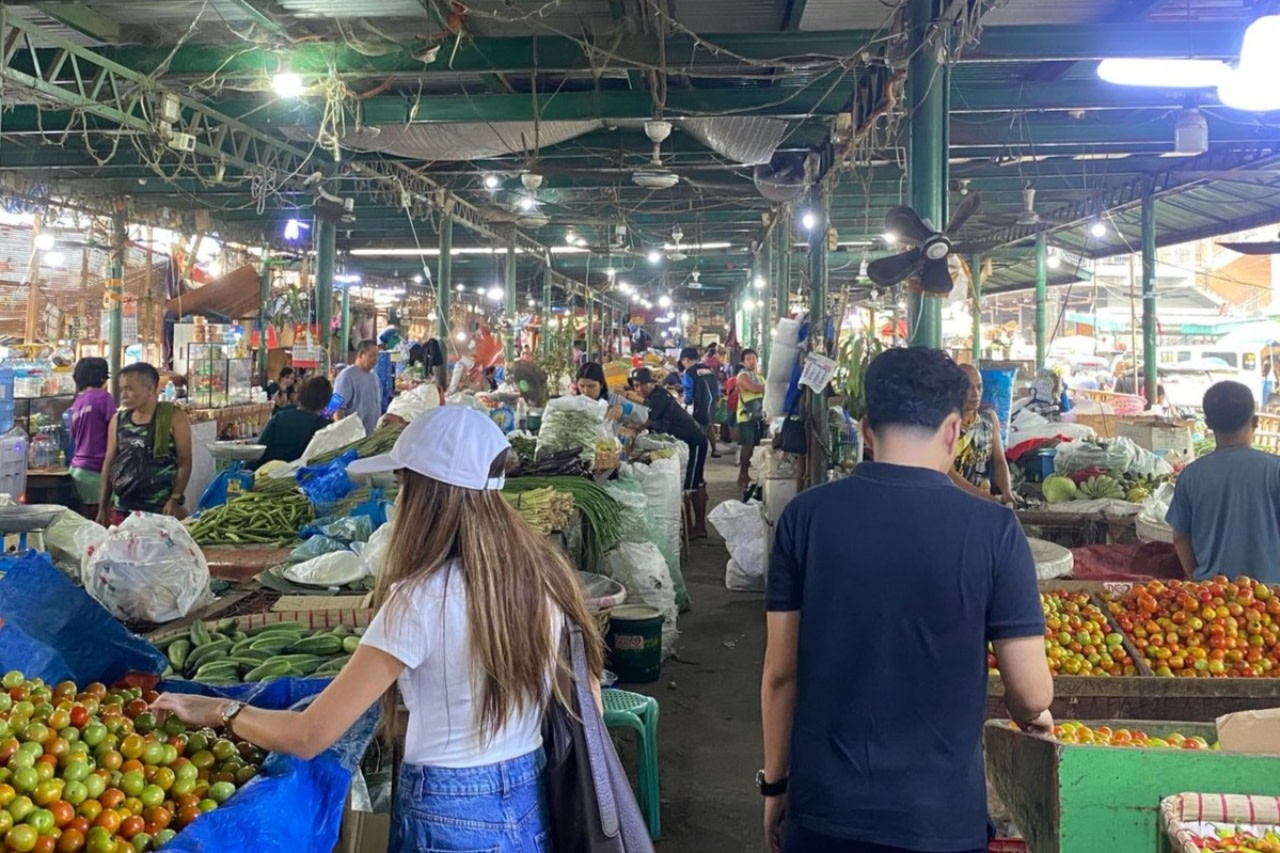
Cebu Street Food, Historical & Mountain Journeys
Active
8h - 9h
For a full refund, cancel at least 24 hours before the scheduled departure time.
Instant confirmation
Mobile or paper ticket accepted
About this experience
This comprehensive tour covers the key historical, cultural, and scenic spots of Cebu City, giving you a well-rounded experience of what the city has to offer. Cebu’s most iconic landmarks, Magellan’s Cross.
Basilica Minore del Santo Niño is the oldest Roman Catholic church in the Philippines. It houses the revered statue of the Santo Niño, a gift from Magellan to Rajah Humabon and Queen Juana.
Fort San Pedro is the oldest and smallest fort in the Philippines, built by Spanish and indigenous Cebuano laborers under the command of Miguel López de Legazpi.
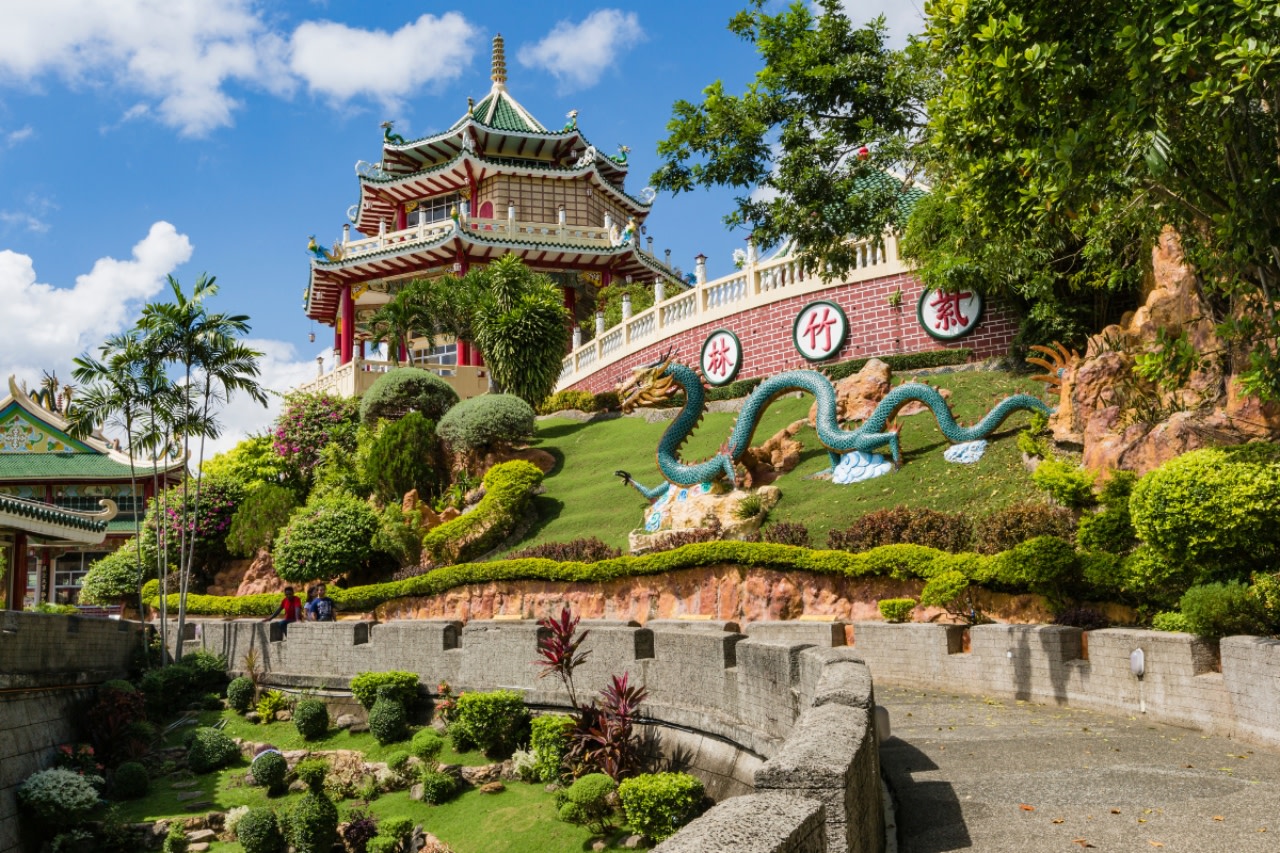
Taoist Temple: is an active place of worship for Cebu’s Chinese community.
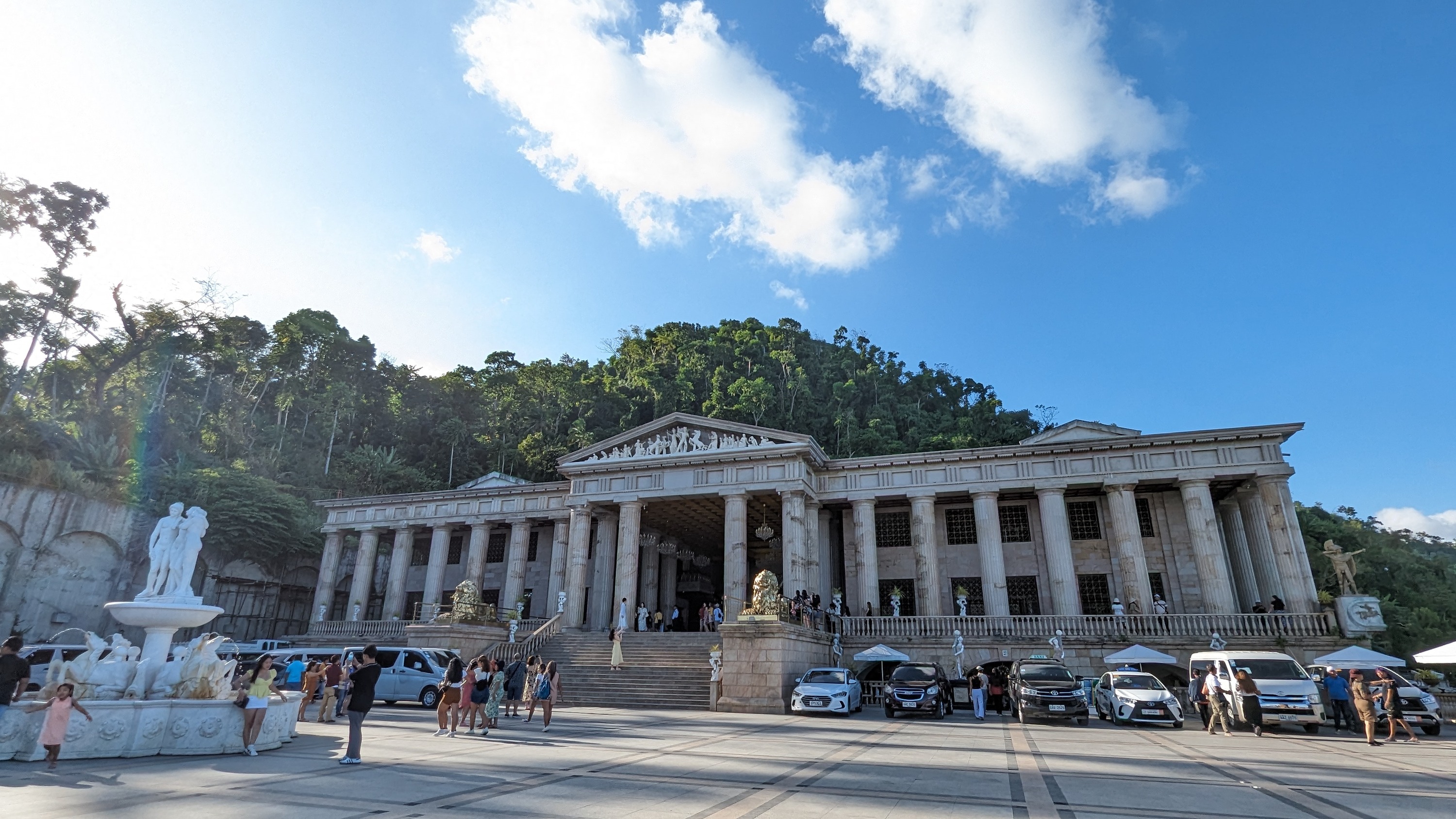
The Temple of Leah is one of Cebu’s most remarkable landmarks, often referred to as the “Taj Mahal of Cebu” due to the love story behind its creation.
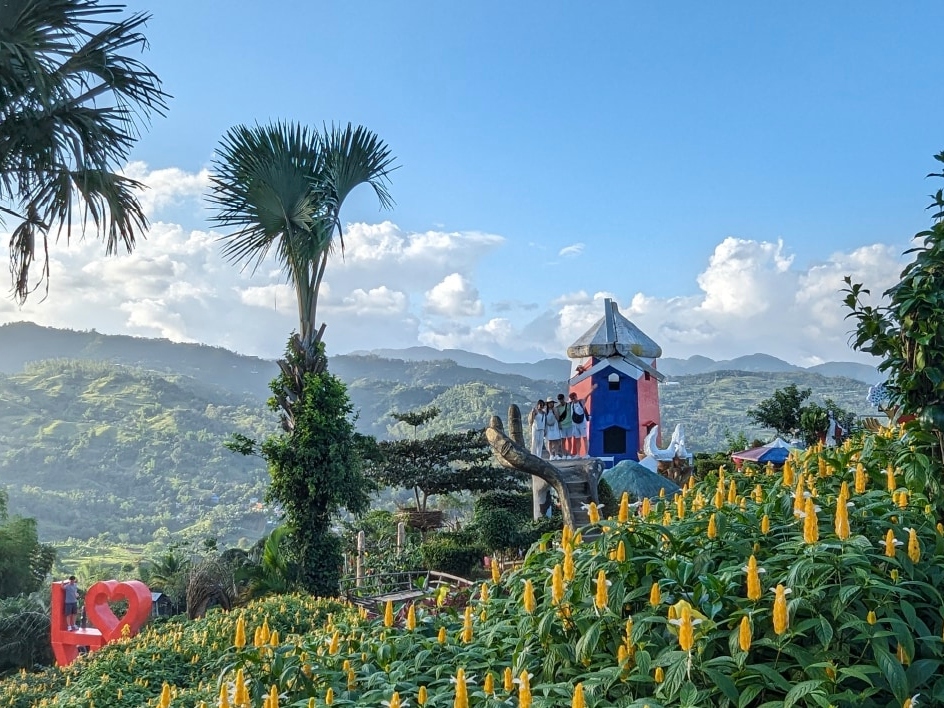
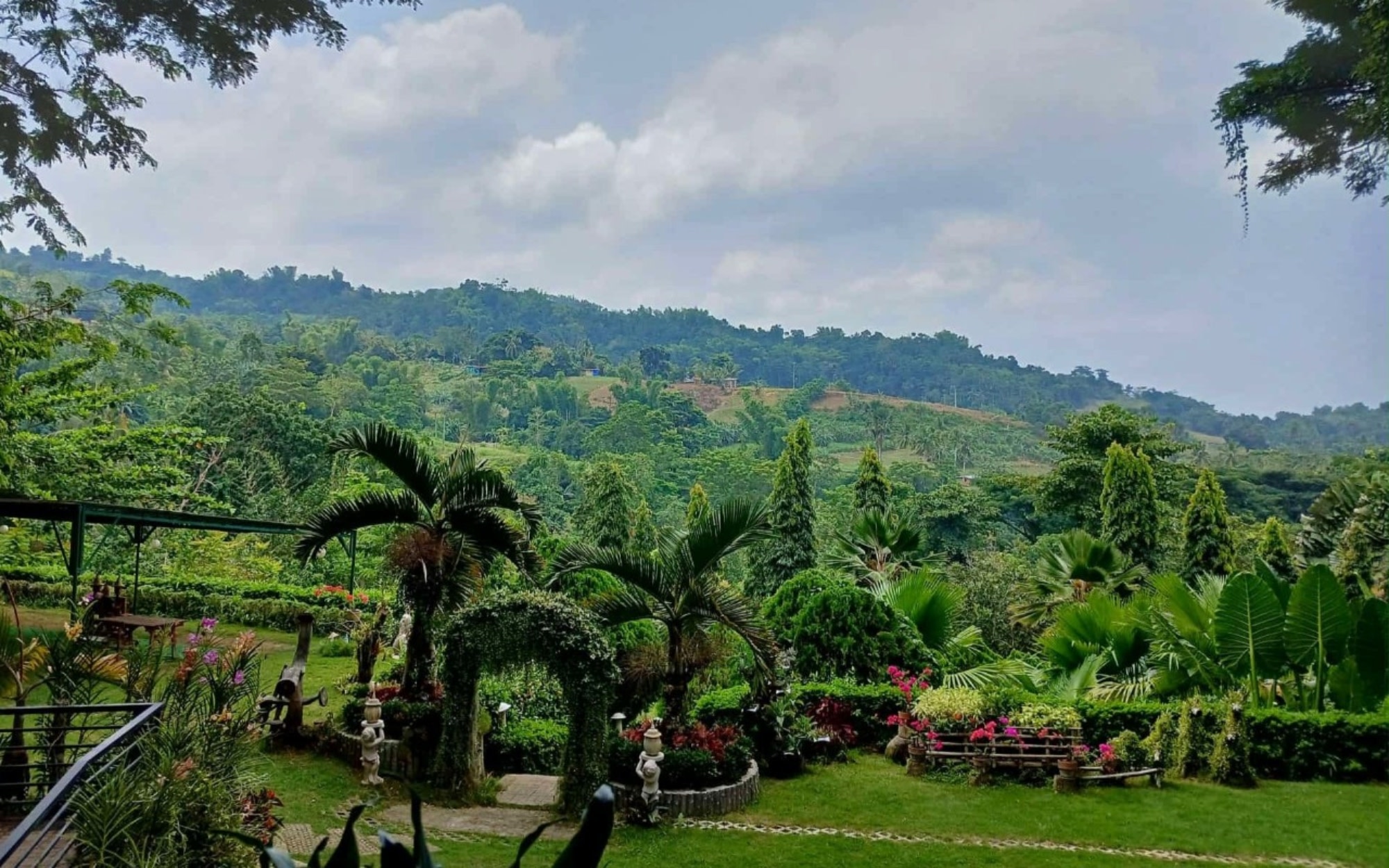
Sirao Garden is known for its vibrant flower fields and picturesque landscapes.
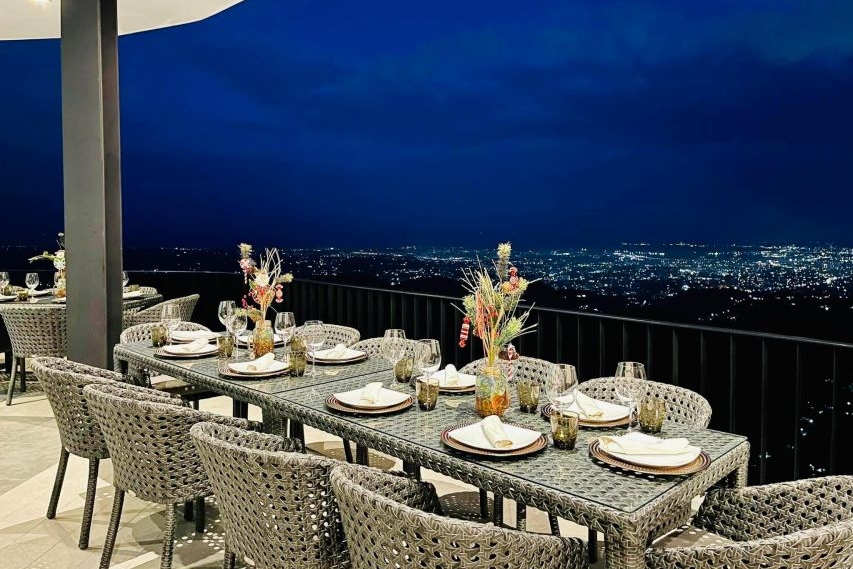
Tops viewing deck offers panoramic views of the city.
Available options
Cebu Street Food, Historical & Mountain Journeys
Pickup included
What's included
All Fees and Taxes
Air-conditioned vehicle
Detailed itinerary
1
Guitar making factory sightseeing
2
A hero’s statue of bravery.
3
Stop 3
Church
4
Stop 4
Historical site.
5
Stop 5
Historical site
6
Stop 6
Historical site
7
Sightseeing
8
Stop 8
Sightseeing
9
Stop 9
Sightseeing
10
Sightseeing
What's not included
Dinner
Alcoholic Beverages
Lunch
Available languages
Guide guide
JA
EN
Reviews breakdown
Viator
5.0
1 reviews
5★
1
4★
0
3★
0
2★
0
1★
0
Tripadvisor
3.0
1 reviews
5★
0
4★
0
3★
1
2★
0
1★
0
Important information
Infants are required to sit on an adult’s lap
Suitable for all physical fitness levels
About Cebu
Cebu is a vibrant and historic city in the Philippines known for its rich cultural heritage, stunning beaches, and warm hospitality. It's a blend of urban life and natural beauty, making it a top destination in the Visayas region.
Top Attractions
Magellan's Cross
Magellan's Cross is a Christian cross erected by Portuguese and Spanish explorers in 1521. It marks the spot where Christianity was first introduced in the Philippines.
Historical
30 minutes
Free
Basilica del Santo Niño
Basilica del Santo Niño is a Roman Catholic basilica in Cebu City, Philippines. It is one of the oldest churches in the country and houses the oldest religious relic in the Philippines, the Santo Niño de Cebu.
Religious
1 hour
Free
Kawasan Falls
Kawasan Falls is a beautiful waterfall in the southern part of Cebu, known for its turquoise waters and lush surroundings. It's a popular spot for swimming, canyoneering, and picnicking.
Nature
Half day to full day
Free to moderate
Moalboal
Moalboal is a coastal town in Cebu known for its beautiful beaches, clear waters, and marine life. It's a popular destination for snorkeling, diving, and island hopping.
Beach
Full day to overnight
Moderate
Osmeña Peak
Osmeña Peak is the highest point in Cebu, offering stunning views of the surrounding landscape. It's a popular spot for hiking and picnicking.
Nature
Half day
Free
Must-Try Local Dishes
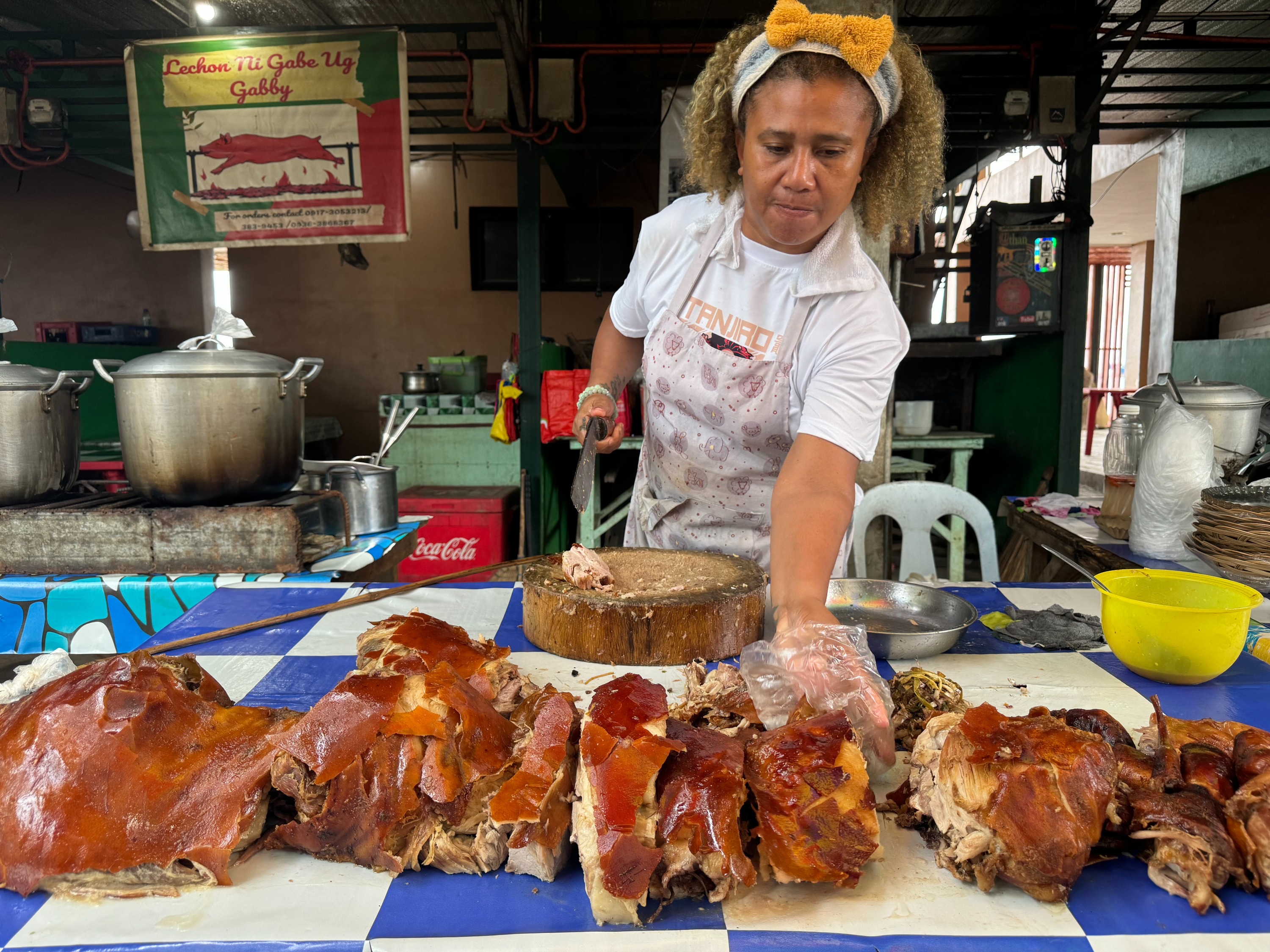
Lechon
A whole roasted pig, known for its crispy skin and tender meat. It's a staple at celebrations and special occasions.
Main course
Pork, not suitable for vegetarians or those with pork allergies.
Sutukil
A dining experience where seafood is prepared in three ways: steamed (S), stir-fried (U), and grilled (T).
Main course
Seafood, can be customized for dietary preferences.
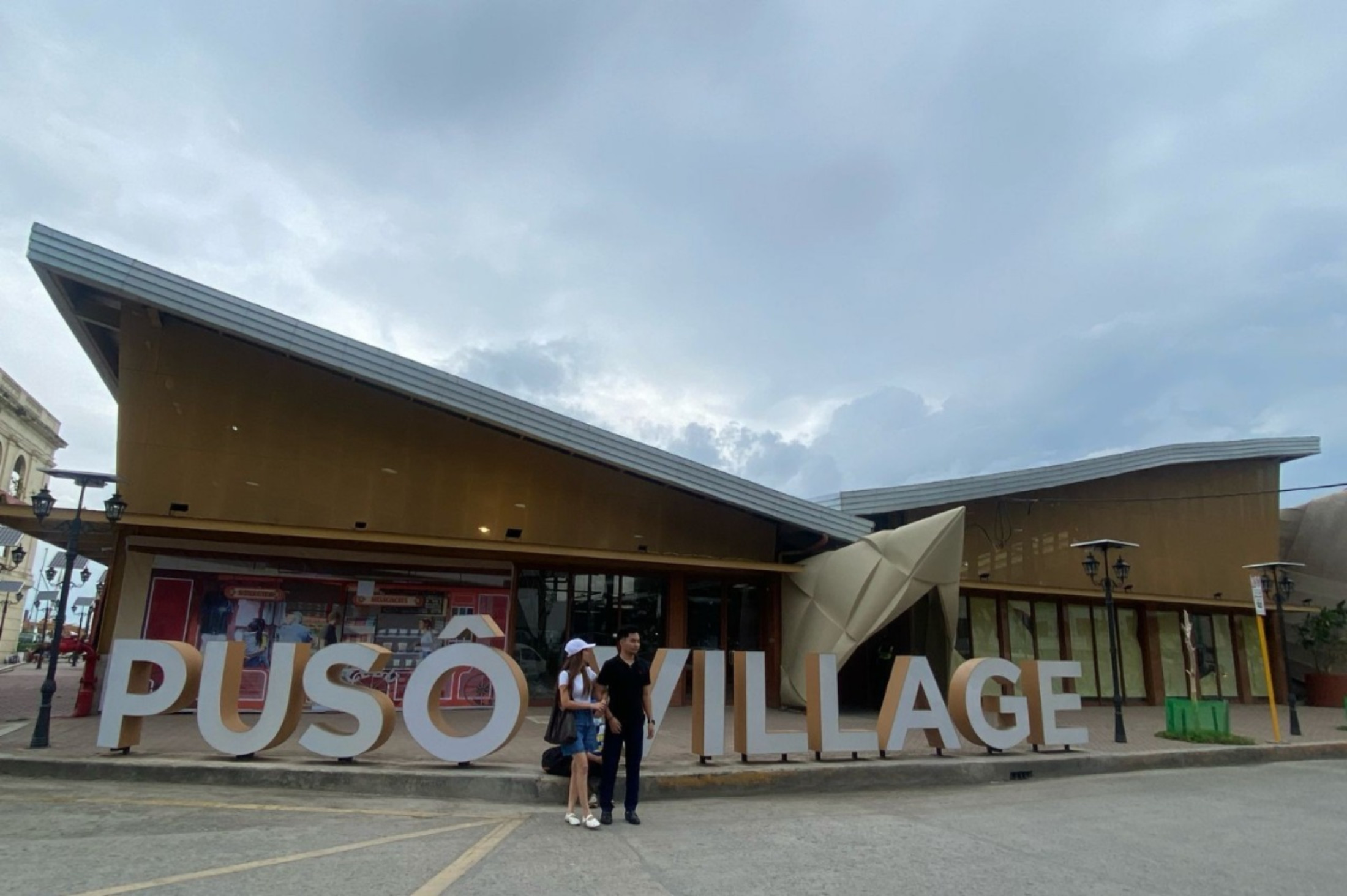
Puso
A popular street food made from coconut husk, shaped like a heart, and stuffed with ground meat or vegetables.
Snack
Can be made vegetarian or vegan.
Popular Activities
Canyoneering
Snorkeling
Diving
Hiking
Beach hopping
Island hopping
Spas and resorts
Visiting historical sites
Best Time to Visit
December to April
The best time to visit Cebu is during the dry season, from December to April. The weather is sunny and warm, perfect for outdoor activities and beach trips. However, this is also the peak tourist season, so expect more crowds and higher prices.
24°C to 32°C
75°F to 90°F
Practical Information
Language
- Official: Filipino, English
- Widely spoken: Cebuano
- English: Widely spoken
Currency
Philippine Peso (PHP)
Time Zone
GMT+8
Electricity
220VV, 60HzHz
Safety Information
Overall Safety Rating: Generally safe
Cebu is generally safe for travelers, but it's important to take precautions to avoid scams, petty theft, and other common issues.
Important Precautions:
- • Use reputable taxi companies or app-based services
- • Keep an eye on your belongings in crowded areas
- • Be cautious of strangers offering unsolicited help or services
Getting there
By air
- Mactan-Cebu International Airport • 15 km from Cebu City
By bus
South Bus Terminal, North Bus Terminal
Getting around
Public transport
Jeepneys are the most common form of public transport in Cebu. They are inexpensive and widely available, but they can be crowded and slow due to frequent stops.
Taxis
Available • Apps: Grab
Rentals
Car, Bike, Scooter
Neighborhoods
Cebu City
Mactan Island
Bantayan Island
Day trips
Bantayan Island
100 km from Cebu City • Full day to overnight
Bantayan Island is known for its pristine beaches, clear waters, and relaxed atmosphere. It's a great spot for swimming, sunbathing, and enjoying local seafood.
Sumilon Island
80 km from Cebu City • Full day
Sumilon Island is a small island known for its beautiful sandbar, clear waters, and rich marine life. It's a great spot for snorkeling, diving, and picnicking.
Oslob
100 km from Cebu City • Full day
Oslob is known for its whale shark interactions, where visitors can swim with these gentle giants. It's also a great spot for visiting waterfalls and hot springs.
Festivals
Sinulog Festival • Third Sunday of January
Paro-Paro Festival • Last Sunday of January
Pintados Festival • Third Sunday of June
Pro tips
- Learn a few basic phrases in Cebuano to enhance your experience and connect with locals
- Try the local street food, but be cautious and stick to busy stalls with high turnover
- Visit historical sites early in the morning to avoid crowds and the heat
- Book tours and accommodations in advance, especially during peak season and festivals
- Use app-based services like Grab for convenient and safe transportation
From $25
per person
Price varies by option
Secure booking
Free cancellation available
Instant confirmation