Private Walking tour in Bucharest Little Paris
Active
2h
For a full refund, cancel at least 24 hours before the scheduled departure time.
Instant confirmation
Mobile or paper ticket accepted
About this experience
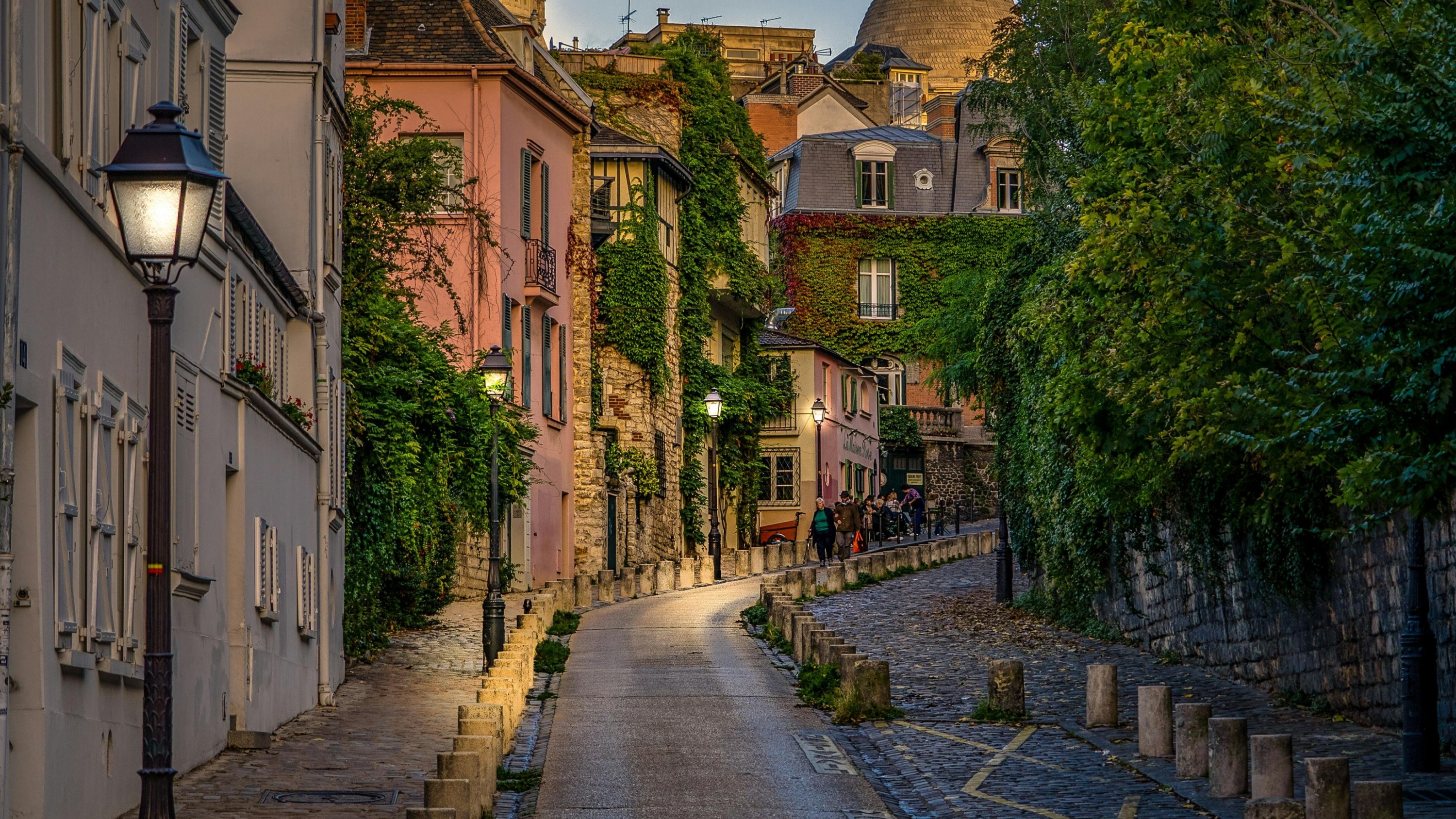
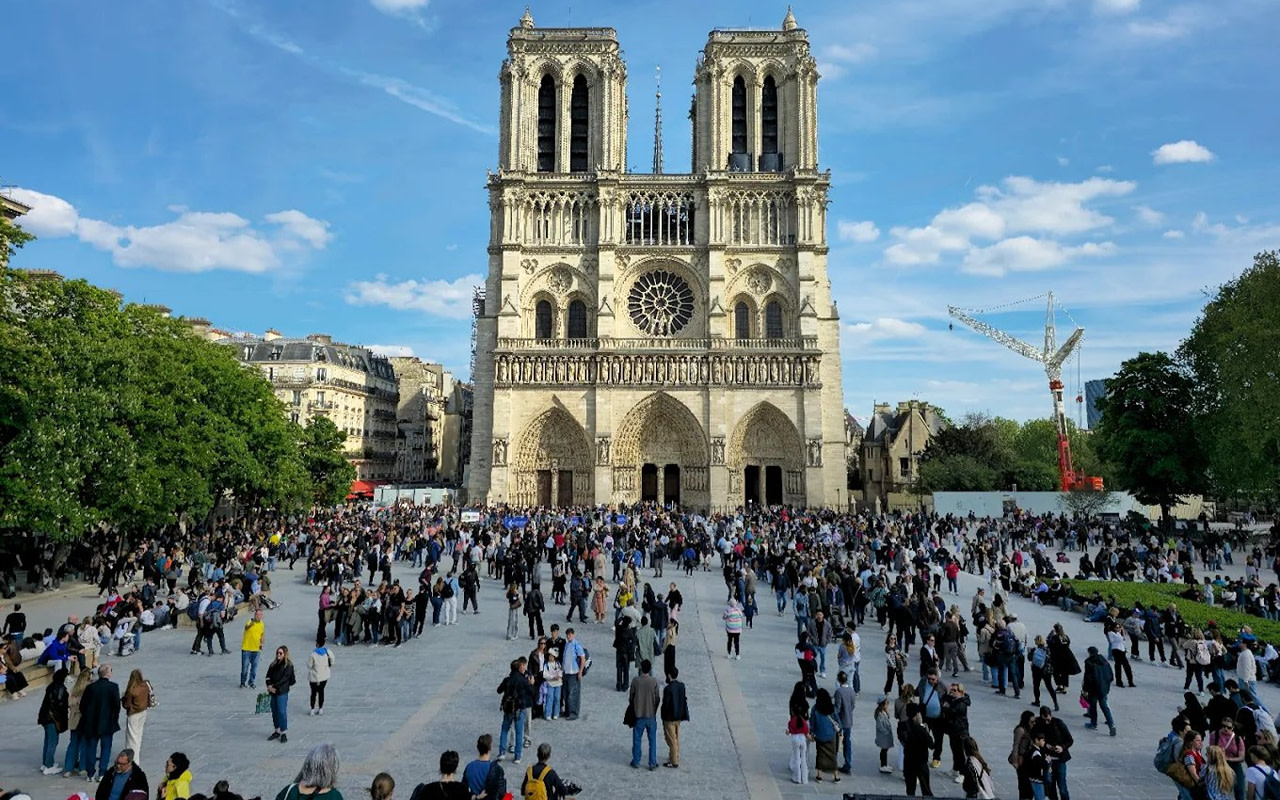
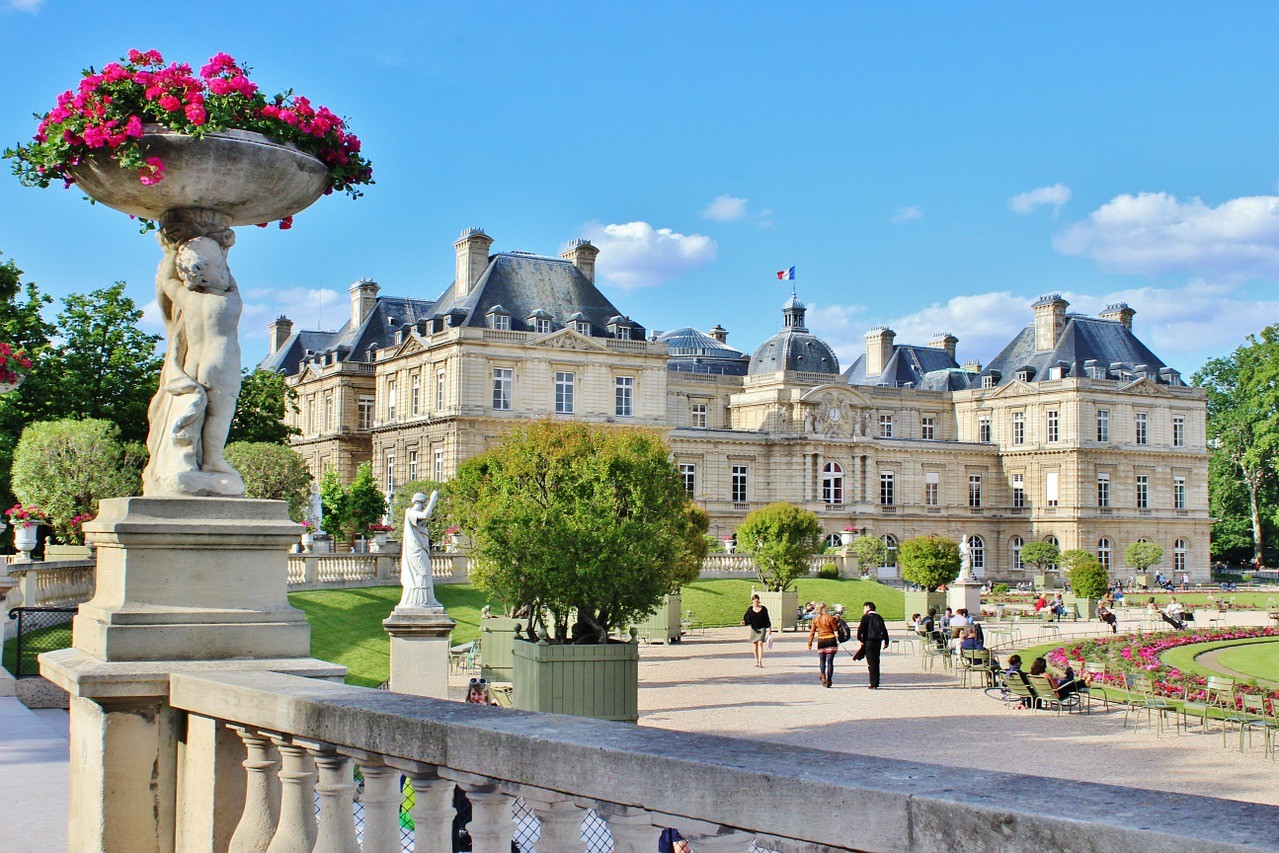
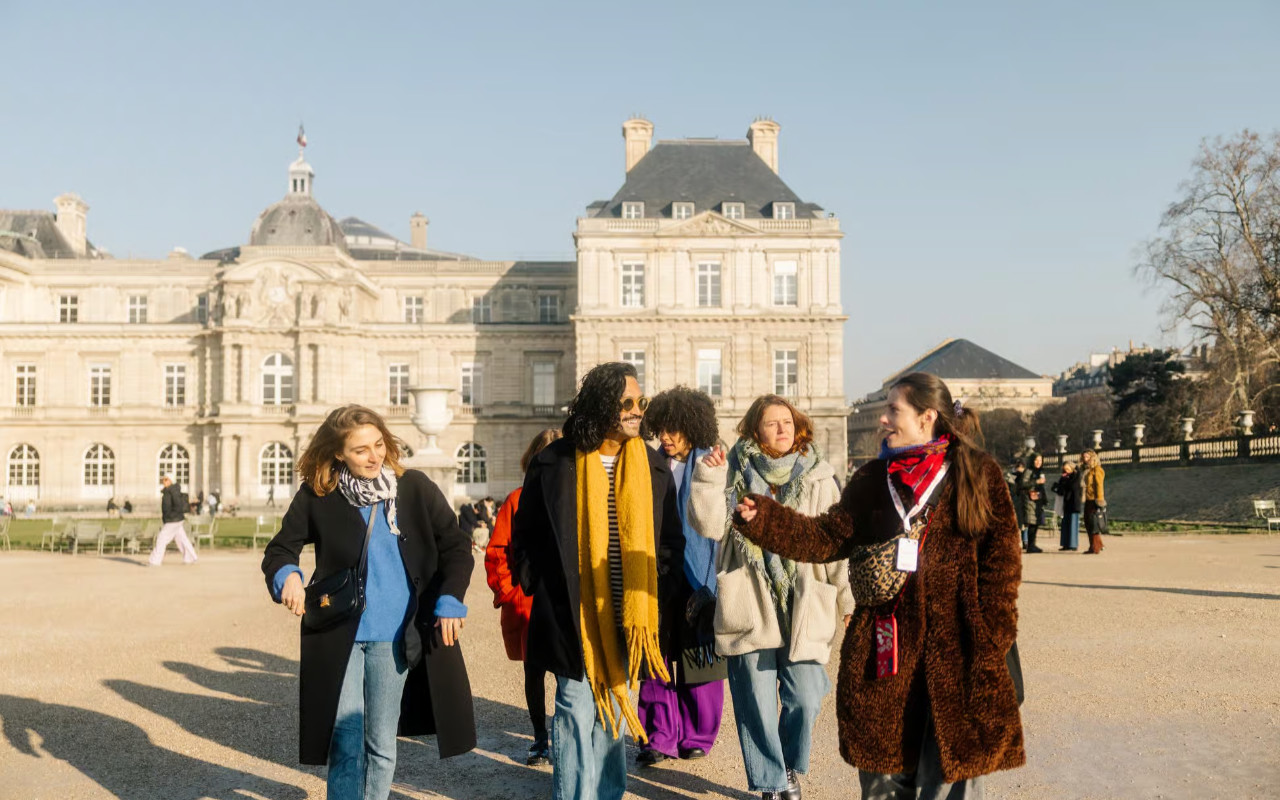
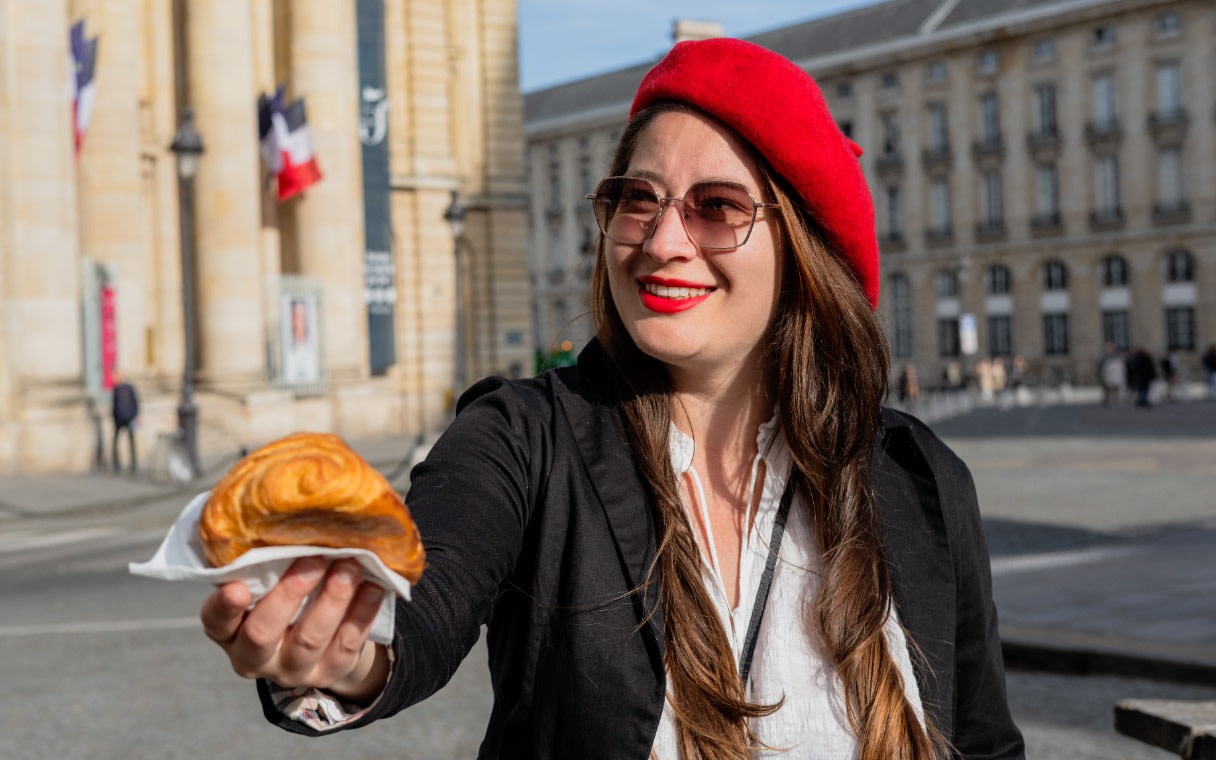
Skip the crowds this is a private tour for your group only! Between the middle of the 19th and the middle of the 20th centuries, Bucharest's urban life was heavily influenced by French culture. It was a time when young male generations were traveling to Paris to study and returning with a great desire to alter the way society was at the time. As a result, the local aristocracy promoted an overall French-like lifestyle that attempted to simply reverse the previous Eastern trends. French architects were hired to help with urban development; restaurant menus included French terms; numerous diaries from that era are in French; and French artists frequently visited Bucharest. French manners and lifestyle also contributed to French-inspired fashion. Our guided tour of Bucharest will introduce you to the atmosphere of this little Paris. You will know all the little secrets of the capital of Romania.
Available options
Private Walking tour in Bucharest Little Paris
What's included
Professional Guide
Detailed itinerary
1
Paul Gottereau, a French architect, also created the CEC Palace, a significant landmark in Bucharest.
2
Stop 2
A passageway lined with colored glass that is home to cafes and bistros is the best indicator of Paris.
3
Walking tour of a bustling district in the heart of Bucharest that is home to many 19th-century buildings in addition to cafes, bars, and restaurants.
4
Stop 4
Calea Victoriei, one of the main thoroughfares in the city, is lined with magnificently restored structures, museums, and memorial homes that evoke the avenues of Paris.
5
This library was inaugurated towards the end of the 19th century and was created by the French architect Paul Gottereau. The edifice was damaged by gunshots during the 1989 revolution that overthrew the Communist government, but it was later brought back to its former splendor.
Available languages
Guide guide
EN
Important information
Public transportation options are available nearby
Suitable for all physical fitness levels
Meeting point
Guide will meet you near the entrane to CEC Palace. Address: Palace of the Deposits and Consignments, Calea Victoriei 13, București 030022, Romania
About Bucharest
Bucharest, the capital of Romania, is a vibrant city known for its blend of historic architecture and modern development. With a rich cultural scene, lively nightlife, and significant historical landmarks, it offers a unique experience for travelers.
Top Attractions
Palace of the Parliament
One of the largest administrative buildings in the world, a symbol of communist architecture and power.
Historical/Architecture
2-3 hours
€7-10
Old Town (Lipscani)
The historic center of Bucharest, filled with charming streets, cafes, restaurants, and nightlife.
Historical/Cultural
Half-day
Free to explore
Village Museum (Muzeul Satului)
An open-air museum showcasing traditional Romanian village life with authentic houses and buildings.
Cultural
2-3 hours
€3-5
Must-Try Local Dishes
Sarmale
Cabbage rolls stuffed with minced meat, rice, and spices, usually served with polenta and sour cream
Main Course
Contains meat and gluten
Mămăligă
Polenta made from cornmeal, often served with cheese, sour cream, or meat dishes
Side Dish
Vegetarian, gluten-free
Ciorbă
A sour soup made with various ingredients such as meat, vegetables, or fish, often served with a boiled egg and sour cream
Soup
Can be vegetarian or with meat
Popular Activities
Hiking in the Carpathian Mountains
Skiing in Poiana Brașov
Spa treatments
Strolling through Herăstrău Park
Visiting museums and art galleries
Attending classical concerts at the Romanian Athenaeum
Boating on Lake Herăstrău
Skiing
Best Time to Visit
June to August
This is the warmest time of the year with the most outdoor activities and festivals. However, it can be crowded with tourists.
20°C to 30°C
68°F to 86°F
Practical Information
Language
- Official: Romanian
- Widely spoken: English, French
- English: Moderately spoken
Currency
Romanian Leu (RON)
Time Zone
GMT+2 (EET), GMT+3 (EEST) during daylight saving time
Electricity
230VV, 50HzHz
Safety Information
Overall Safety Rating: Generally safe, but exercise caution in certain areas
Bucharest is generally safe for tourists, but petty crime such as pickpocketing and scams can occur, especially in crowded areas. Be cautious at night and avoid poorly lit streets.
Important Precautions:
- • Keep valuables secure and out of sight
- • Use licensed taxis or ride-sharing apps
- • Be cautious of strangers approaching you with unsolicited offers or requests
Getting there
By air
- Henri Coandă International Airport • 16.7 km (10.4 miles) from city center
- Aurel Vlaicu International Airport • 8 km (5 miles) from city center
By train
Gara de Nord, Băneasa
By bus
Autogara Nord, Autogara Sud
Getting around
Public transport
Clean, efficient, and affordable. The metro system is the fastest way to get around Bucharest.
Taxis
Available • Apps: Bolt, Uber
Rentals
Car, Bike, Scooter
Neighborhoods
Old Town (Lipscani)
Dorobanți
Cotroceni
Day trips
Peleș Castle
120 km (75 miles) • Full day
A stunning neo-Renaissance castle nestled in the Carpathian Mountains, once the summer residence of the Romanian royal family.
Bran Castle
160 km (100 miles) • Full day
A medieval fortress often associated with Dracula, offering a glimpse into Romania's rich history and folklore.
Sinaia
120 km (75 miles) • Full day
A beautiful mountain town known for its stunning landscapes, historic sites, and outdoor activities.
Festivals
Bucharest International Film Festival (BIFF) • April
George Enescu Festival • September
Bucharest Pride • June
Pro tips
- Learn a few basic Romanian phrases to enhance your experience and interact with locals
- Explore beyond the tourist hotspots to discover hidden gems and local culture
- Use public transport or walk to get a sense of the city's rhythm and avoid traffic
- Try local street food for an authentic and affordable culinary experience
- Visit major attractions early in the morning or late in the afternoon to avoid crowds
From $25
per person
Price varies by option
Secure booking
Free cancellation available
Instant confirmation