Half Day Walking Tour of Traditional London by Walking & Public Transportation
Active
4h
All sales are final. No refund is available for cancellations.
Instant confirmation
Mobile or paper ticket accepted
About this experience
This half-day tour can start in the morning or in the afternoon. The direction of the tour can be reversible. In this tour, we aim to give the full history of London in a limited period of so that visitors can understand the 2000 years of history of the city. Our guides have an excellent knowledge of the city's history and we would be very pleased to offer an immaculate culture experience for our guests. We welcome large groups of travellers as well. Please just contact our tour management service.
Available options
With Public Transportation
Pickup included
Private Estate Car For 3 Pax
Private Estate Car For 3 Pax: You, your guide and the car. What a perfect combination of exploring the capital of the world. London is ready for you!<br/>Pickup included
Private Van for 8 People
Private Van for 8 People: If you are 8 people or less, this would be a suitable option for your group.<br/>Pickup included
Private MPV for 6 People
Private MPV for 6 People: MPV City Cars are just handy and we can take you London's medieval off the beaten pathways and streets.<br/>Pickup included
Private London Black Cab for 5
Private London Black Cab for 5: Upgrade your London experience with a black cab. A true British experience on the streets of the 2000-year-old Roman city. <br/>Pickup included
Private Minibus for 15 People
Private Minibus for 15 People: If you are a large group of traveller, you can have this option up to 15 people at a time. Please inquire for more than 15 px<br/>Pickup included
Private Minibus for 10 People
Private Minibus for 10 People: If you are 10 people in a party, this is the best option for exploring London's most magnificent and iconic landmarks.<br/>Pickup included
What's included
Some local treats will be offered as a sample during the tour
Detailed itinerary
1
Stop 1
The Houses of Parliament, known also as the Palace of Westminster is where the two Houses of the Parliament of the United Kingdom (the House of Lords and the House of Commons) conduct their sittings. They lie on the north bank of the River Thames in the London borough of the City of Westminster, close by other government buildings in Whitehall. The oldest part of the building is still in existence, Westminster Hall, which dates from 1097.The palace originally served as a royal residence, but no monarch has lived in it since the 16th century. Most of the present Houses of Parliament structure dates from the 19th century, when the Palace was rebuilt after it was almost entirely destroyed by a fire in 1834. The architects responsible for rebuilding the Palace was Sir Charles Barry and Augustus Welby Pugin, and the building is an example of the Gothic revival.
2
Stop 2
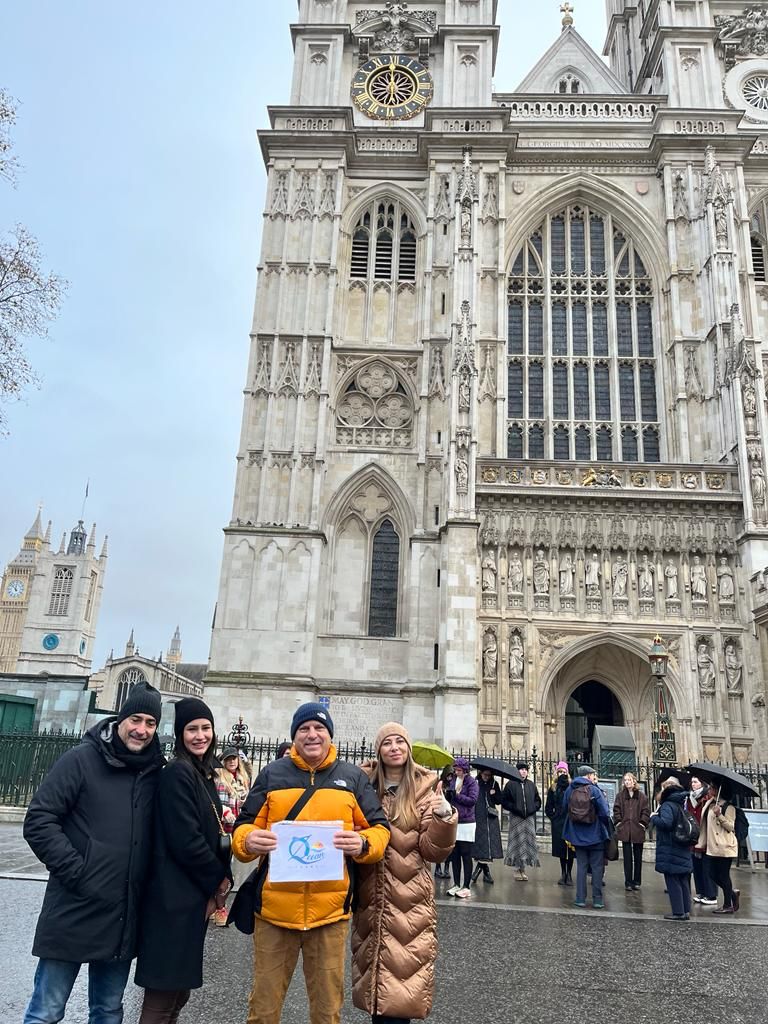
Westminster Abbey is a Church, burial ground, coronation site and much more and continues to attract visitors over 900 years after its founding. In many respects the architecture is common. There's the traditional cross-shaped floor plan with a nave, north and south transepts and several round side areas but both its execution and use raise The Collegiate Church of St Peter, Westminster (the official name) to among the highest examples of church construction. Here at Westminster Abbey lie buried kings and poets, scientists and philosophers who have themselves raised humankind to the highest levels. Isaac Newton and James Clerk Maxwell (discoverer of electromagnetic theory, which later lead to radio and TV), Chaucer and Kipling, Dr. Samuel Johnson (creator of the first English dictionary) and many other justly famous names are interred here.
3
Stop 3
Located right in the middle of London's iconic landmarks such as Houses of Parliament, Elizabeth Tower (a.k.a Big Ben), Whitehall, Saint-Margaret's Church, Westminster Abbey and Westminster Bridge. Parliament Square houses eleven state figures and world leaders, including Sir Winston Churchill, Gandhi and Nelson Mandela. Parliament Square in London is a popular destination among tourists. The atmosphere is magnificent and it's one of the must-visit locations in the city.
4
Stop 4
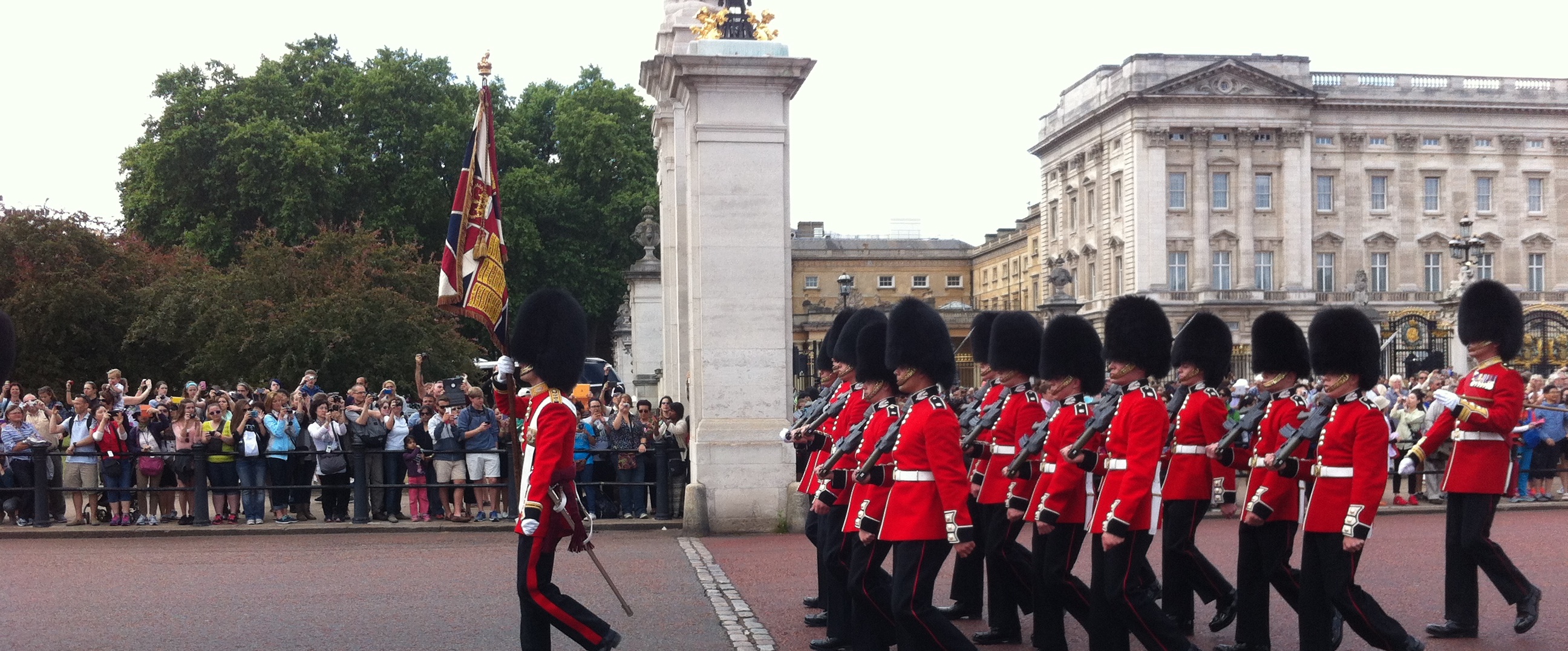
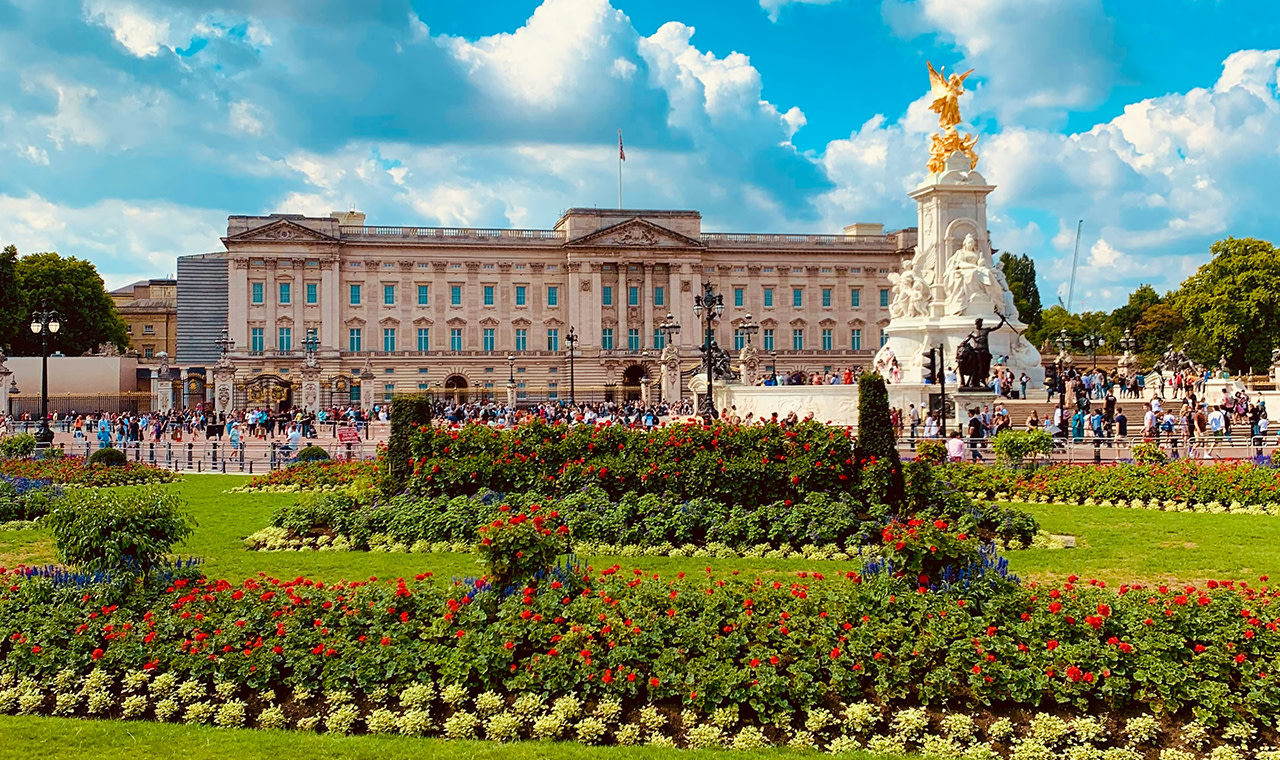
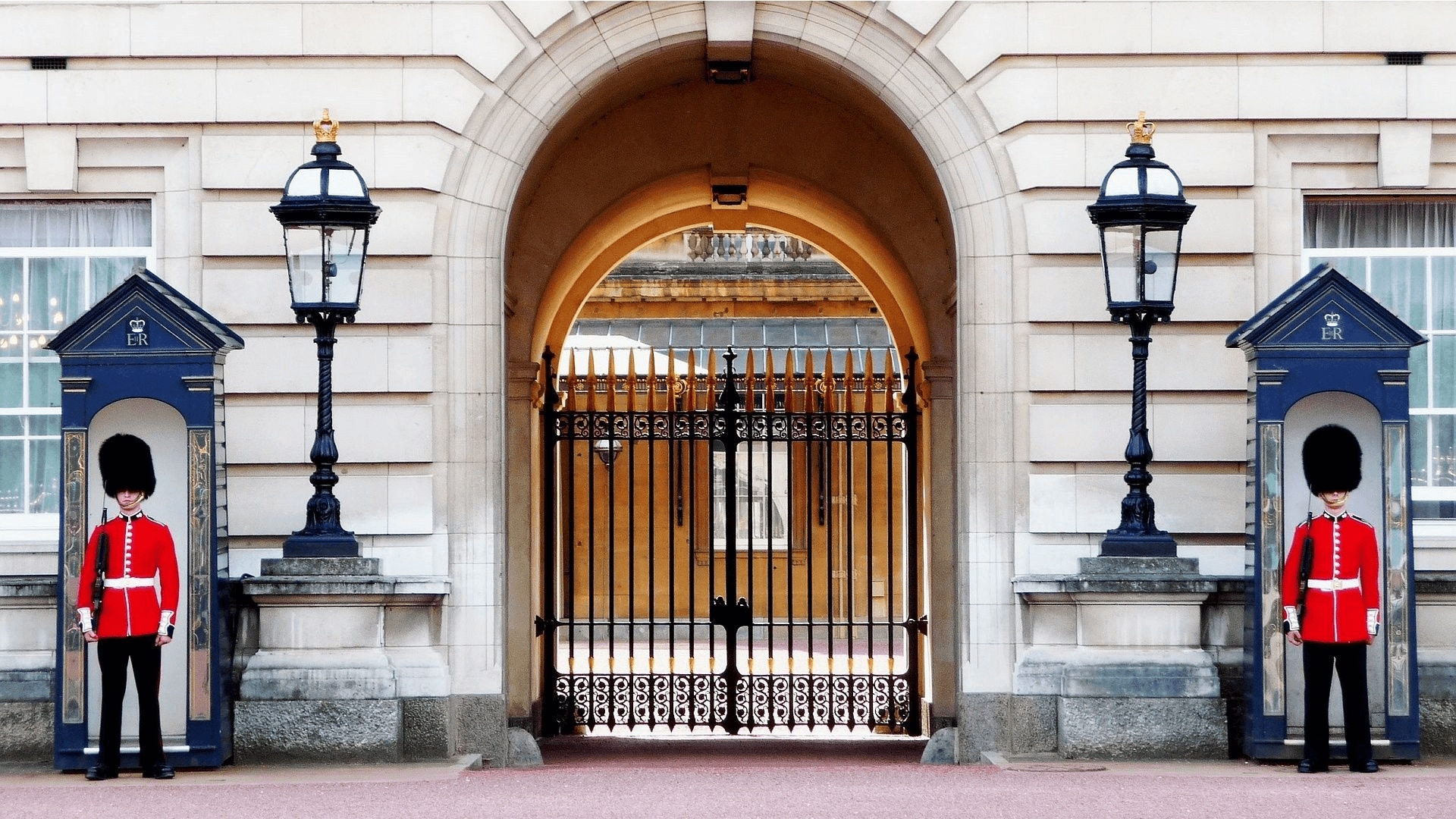
Buckingham Palace is still the official residence of Britain's monarchy, as it has been since Queen Victoria's designation in 1837. Much of Buckingham Palace was constructed as early as 1703 for the Duke of Buckingham. Buckingham House (as it was then known) was purchased in 1762 by George III, who used it as a private residence. Over the following 75 years, the house was expanded to form three wings around a central courtyard. When Queen Victoria discovered Buckingham Palace lacked several 'necessary' rooms - such as a formal ballroom, a nursery, visitor's bedrooms and others - major additions were undertaken, including adding an entire wing to form a quadrangle. The Marble Arch was moved to Hyde Park, where it still resides near Speaker's Corner. With the re-facing using Portland stone in 1913, the palace received its last major change. Buckingham Palace is still actively used as both residence and offices, over 50,000 guests and invited diplomats visit per year who interact with over 400 individuals for whom this is 'the office'. Nevertheless, several parts of Buckingham Palace are open to the public.
5
Stop 5
St. James's Park is one of the Royal Parks of London in the City of Westminster, London, just east of Buckingham Palace and west of Downing Street. For more than four hundred years, St James ' Park has been the center of the royal and ceremonial life of the country. Many features of the park have been shaped by Royal ambitions and national events. We will show hidden gems and the best spots for your best photo shots in the park.
6
Stop 6
Being one of the most important political buildings in the world, the United Kingdom's “White House”, Number 10 continuously hosts the British prime ministers since 1735. The main decisions affecting Britain's destiny in the last 275 years have seriously been taken behind its iconic black door. Today it's not possible to enter the street as a tourist but knowing the idea that an actual prime minister lives and works in the street is exhilarating.
7
Stop 7
Westminster Bridge is not an ordinary bridge to span the river Thames. It has a very tumultuous history in London. The bridge's colour is green and the story of the bridge is colourful. We will tell you about the history of the bridge after Lady Boudicca's role in London's 2000-year-old history. Oh before we leave we will walk along the bridge and take pictures of London Eye, Royal Festival Hall and the River Thames.
8
Stop 8
St Paul's Cathedral is a cathedral on Ludgate Hill, in the City of London, and the seat of the Bishop of London. The present building dates from the 17th century and is generally reckoned to be London's fourth St Paul’s Cathedral, although the number is higher if every major medieval reconstruction is counted as a new cathedral. The first cathedral was built of wood by the Saxons. It burned down in AD 675 and was rebuilt, again in wood, ten years later. After this version was sacked by the Vikings in 962, the "second" St Paul’s was built, this time mainly in stone. The predecessor to Wren's cathedral, the third St Paul’s (known as Old St Paul’s), was begun by the Normans after the late Saxon cathedral suffered in a fire of 1087. Work took over two hundred years, and a great deal was lost in a fire in 1136. Nonetheless, the roof was once more built of wood, which was ultimately to doom the building. St Paul is the symbol of a nation's resistance. We have plenty of stories to tell about Sir Christopher's masterpiece in the heart of London.
9
Stop 9
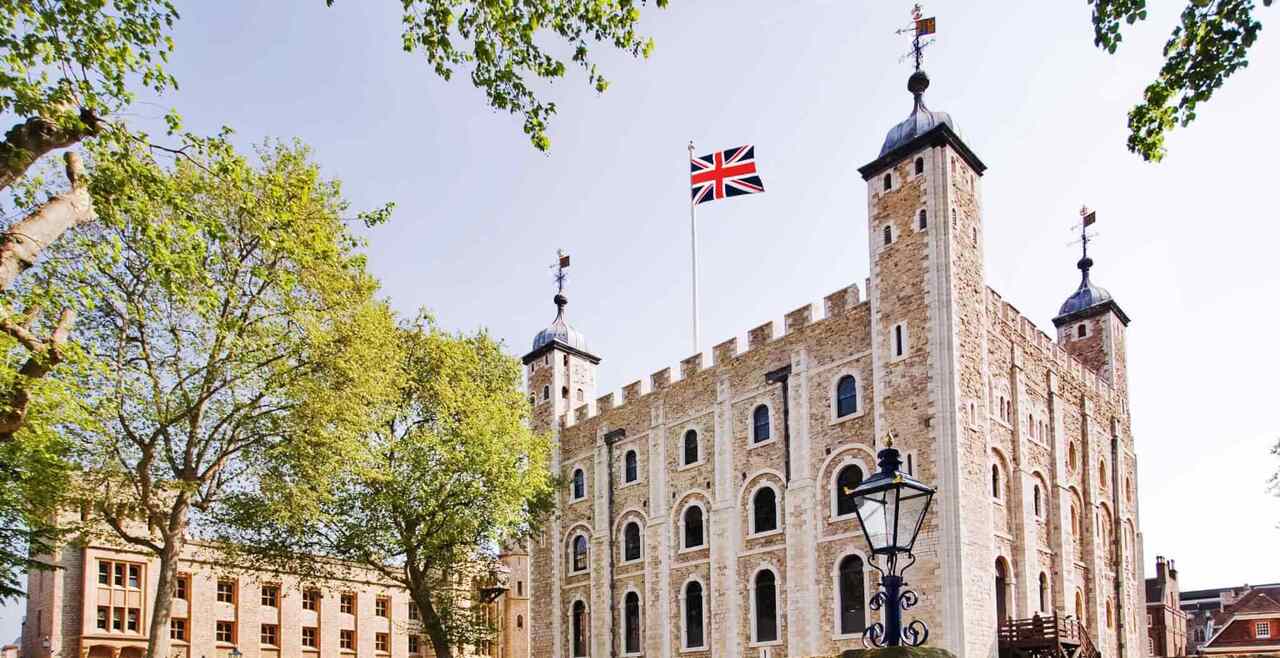
Few prisons can claim to be as popular as the Tower of London, an attraction - unpleasant for some - for over 900 years. Its twenty towers are filled with an ancient tradition of royal blood, armor and jewels and the history to match.
The Tower of London central structure began as a fort - used by the original builder William the Conqueror who completed the first tower around 1100 AD. At its completion it was the tallest building in London. Henry III had it whitewashed in the 13th century and the name, White Tower, has stuck.
Later it evolved into a prison, used by Henry VII (and many others). Still later - and continuing to this day - it has acted as a repository for the extensive collection of crown jewels. Henry VII, nearly always short of money, had few jewels to store.
But the stone complex, near the Tower Bridge alongside the River Thames, has also been used at various times to house the Royal Mint, the Public Records, the Royal Menagerie (later to form the starting point of the London Zoo) and an observatory (built in 1675). Listen to the rest of the story of the Tower of London from us today.
10
Stop 10
Tower Bridge is probably the city's most distinctive symbol of today. The Bridge shows a lot to its medieval predecessor London Bridge with its starlings and elaborate twin towers that give the bridge its name but it's not just a homage to the past, hidden inside that medieval looking exterior there's a rather wonderful piece of Victorian engineering and in its day it was the biggest and most sophisticated lifting bridge in the world. Unlike London Bridge, the genius of the design is that the bridge can act as a gateway swinging open to allow tall ships to pass through. We will tell you plenty of things about this masterpiece in London, just follow us!
What's not included
Gratuities
Lunch
Available languages
Guide guide
AR
DE
RU
JA
EN
ZH-CN
IT
FR
NL
TR
ES
Reviews breakdown
Viator
5.0
1 reviews
5★
1
4★
0
3★
0
2★
0
1★
0
Important information
Wheelchair accessible
Infants and small children can ride in a pram or stroller
Service animals allowed
Public transportation options are available nearby
Transportation options are wheelchair accessible
All areas and surfaces are wheelchair accessible
Travelers should have at least a moderate level of physical fitness
About London
London, the capital of England and the United Kingdom, is a vibrant, multicultural metropolis known for its rich history, iconic landmarks, and dynamic cultural scene. From the ancient Tower of London to the modern Shard, the city offers a blend of the old and the new, making it a fascinating destination for travelers from around the world.
Top Attractions
Tower of London
A historic castle located on the north bank of the River Thames. It has served as a royal palace, prison, armory, and treasury. The Crown Jewels are also housed here.
Historical
2-3 hours
£28 (adult ticket)
Buckingham Palace
The official residence of the British monarch. Visitors can watch the Changing of the Guard ceremony and tour the State Rooms during the summer.
Historical
1-2 hours
£27.50 (adult ticket for State Rooms)
The British Museum
One of the world's largest and most comprehensive museums, housing a vast collection of artifacts from around the globe.
Museum
2-3 hours
Free (special exhibitions may have a charge)
The London Eye
A giant Ferris wheel on the South Bank of the River Thames, offering panoramic views of the city.
Entertainment
30 minutes
£27-£33 (adult ticket)
Westminster Abbey
A large, mainly Gothic abbey church just to the west of the Palace of Westminster. It is one of the most notable religious buildings in the UK and the traditional place of coronation and burial for English and, later, British monarchs.
Religious
1-2 hours
£27 (adult ticket)
Tower Bridge
An iconic symbol of London, this combined bascule and suspension bridge spans the River Thames. Visitors can explore the bridge's walkways and the Tower Bridge Exhibition.
Architecture
1-2 hours
£11 (adult ticket for the exhibition)
Must-Try Local Dishes
Fish and Chips
A classic British dish consisting of battered and fried fish, usually cod or haddock, served with thick-cut chips (fries).
Dinner
Contains gluten and fish
Full English Breakfast
A hearty breakfast consisting of eggs, bacon, sausages, baked beans, grilled tomatoes, mushrooms, black pudding, and toast.
Breakfast
Contains meat and gluten
Afternoon Tea
A quintessential British tradition involving a selection of finger sandwiches, scones with clotted cream and jam, and a variety of pastries, all served with tea.
Snack
Can be adapted for vegetarian, vegan, and gluten-free diets
Sunday Roast
A traditional British meal served on Sundays, featuring roasted meat (usually beef, lamb, or chicken), Yorkshire pudding, roast potatoes, vegetables, and gravy.
Dinner
Contains meat and gluten
Popular Activities
Rock climbing
Kayaking on the Thames
Cycling tours
Afternoon tea
Spas and wellness centers
Punting on the River Cam
Museum visits
Theater performances
Best Time to Visit
June to August
Summer is the peak tourist season in London, with long daylight hours and a variety of festivals and events. The weather is generally pleasant, though it can be unpredictable.
15°C to 25°C
59°F to 77°F
Practical Information
Language
- Official: English
- Widely spoken: English
- English: Widely spoken
Currency
British Pound (GBP)
Time Zone
GMT (UTC+0) or BST (UTC+1) during daylight saving time
Electricity
230VV, 50HzHz
Safety Information
Overall Safety Rating: Generally safe
London is generally safe for travelers, but like any major city, it's important to be aware of your surroundings and take precautions to protect yourself and your belongings.
Important Precautions:
- • Keep your belongings secure and be aware of your surroundings
- • Avoid carrying large amounts of cash
- • Use licensed taxis or ride-sharing services
Getting there
By air
- Heathrow Airport • 23 km from city center
- Gatwick Airport • 40 km from city center
By train
London Waterloo, London King's Cross
By bus
Victoria Coach Station, Earls Court, Farringdon
Getting around
Public transport
The Tube is the fastest and most efficient way to get around London. It operates from early morning until late at night and covers all major attractions.
Taxis
Available • Apps: Uber, Bolt
Rentals
Car, Bike, Scooter
Neighborhoods
Westminster
Camden Town
Soho
Notting Hill
Shoreditch
Greenwich
Day trips
Windsor Castle
34 km from London • Half day to full day
Windsor Castle is the oldest and largest occupied castle in the world, and it's one of the official residences of the British monarch.
Stonehenge
130 km from London • Full day
Stonehenge is a prehistoric monument consisting of a ring of standing stones, located in the English county of Wiltshire.
Brighton
80 km from London • Full day
Brighton is a vibrant coastal city known for its beaches, lively atmosphere, and eclectic mix of shops, restaurants, and attractions.
Festivals
Notting Hill Carnival • Last Sunday and Monday of August
London Film Festival • October
New Year's Eve Fireworks • December 31
Pro tips
- Use an Oyster card or contactless payment for cheaper and more convenient public transportation
- Book tickets in advance for popular attractions to skip the queue and save money
- Explore the city's neighborhoods and markets for a unique and authentic experience
- Try the local street food and international cuisine at markets like Borough Market and Camden Market
- Visit the city's parks and gardens for a peaceful escape from the bustling streets
From $25
per person
Price varies by option
Secure booking
Free cancellation available
Instant confirmation