3 hours Spice Tour in Tanzania
Active
4h
For a full refund, cancel at least 24 hours before the scheduled departure time.
Instant confirmation
Mobile or paper ticket accepted
About this experience
1. Zanzibar’s Spice Heritage
Known as the "Spice Island," Zanzibar was once the world’s leading producer of cloves, nutmeg, and cinnamon, shaping global trade routes.
2. Hands-On & Sensory Experience
Unlike passive tours, you’ll touch, smell, and taste spices straight from the trees and plants.
3. Fresh Tropical Fruits Included
We offer freshly picked fruits like lychee, jackfruit, starfruit, and passionfruit—some you may never have tasted before!
4. Cultural Storytelling & Local Life
Guides share spice-related folklore and how they influenced Zanzibar’s economy, slavery, and even marriages (cloves were once used as dowry payments!).
5. Unique Souvenirs
You can buy pure, organic spices at unbeatable prices
6. Authentic Spice-Infused Meals
We include a Zanzibari lunch cooked with the spices you just saw—think pilau rice, coconut curry, or spiced tea.
7. Eco-Friendly & Community-Based
The farms are sustainable and support local communities, giving back directly to the growers.
Available options
3 hours Spice Tour in Tanzania
Pickup included
What's included
Private transportation
Bottled water
Lunch
All Fees and Taxes
Detailed itinerary
1
A must-do experience, offering a fascinating insight into the island’s rich history as the "Spice Island."
1. Guided Spice Farm Visit
You’ll explore a working spice farm with a knowledgeable guide.
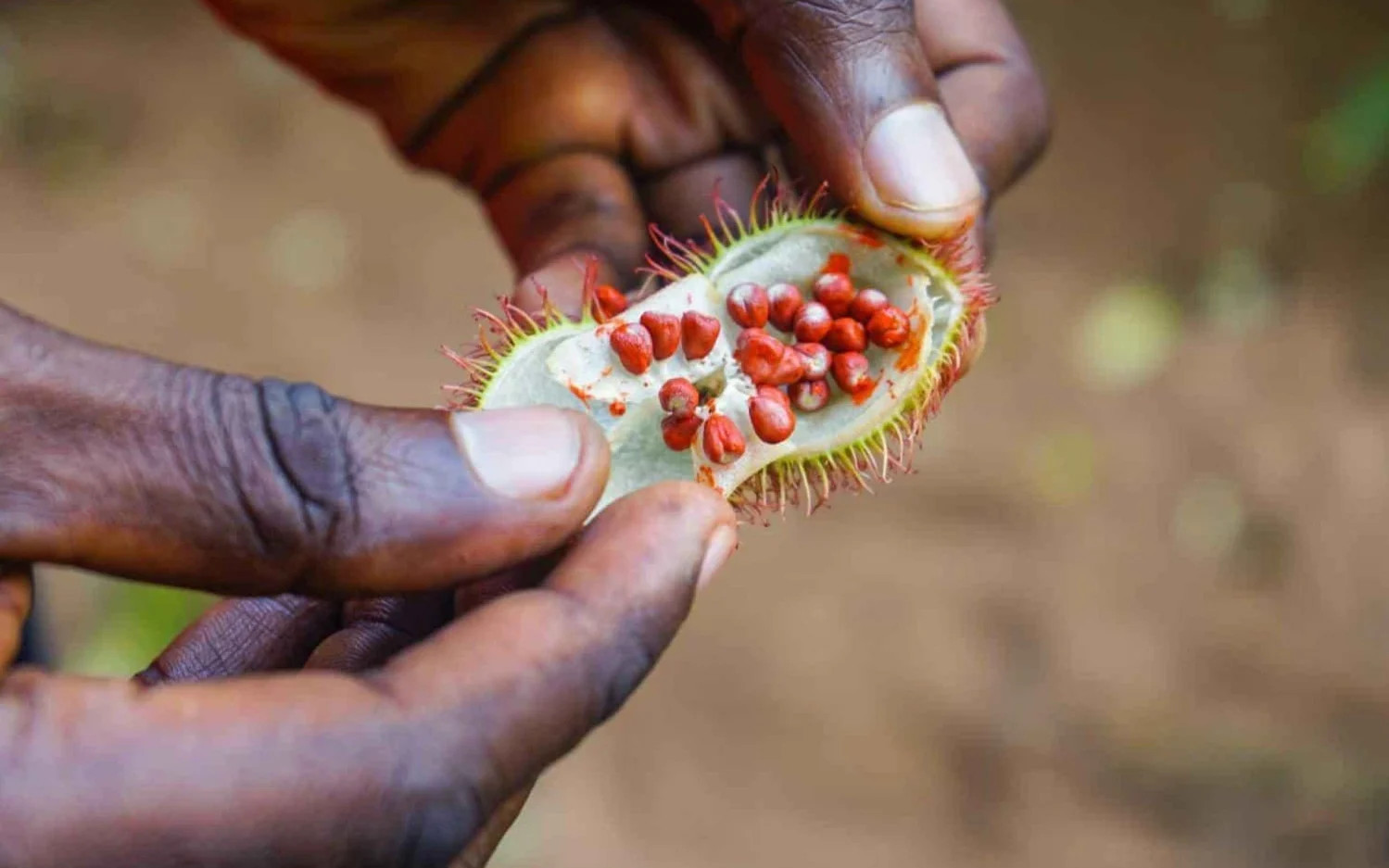
See, smell, and taste fresh spices like cloves, cinnamon, vanilla, nutmeg, black pepper, cardamom, and turmeric.
Learn about how these spices are grown, harvested, and used in cooking and medicine.
2. Interactive Experience
Guides often demonstrate traditional uses of spices
The tour include a spice lunch featuring Zanzibari dishes infused with local spices.
3. Cultural & Historical Insights
Discover how Zanzibar became a global spice trade hub under Omani and European colonial rule.
4. Fun & Engaging Demonstrations
Guides will weave you palm-leaf hats or rings as souvenirs.
You might see how coconut oil is extracted or how spices are processed.
5. Shopping for Spices
It end at a spice market where you can buy fresh, high-quality spices at great prices.
Available languages
Guide guide
DE
EN
IT
FR
ES
Reviews breakdown
Tripadvisor
4.5
2 reviews
5★
1
4★
1
3★
0
2★
0
1★
0
Important information
Service animals allowed
Public transportation options are available nearby
Infants are required to sit on an adult’s lap
Suitable for all physical fitness levels
About Zanzibar City
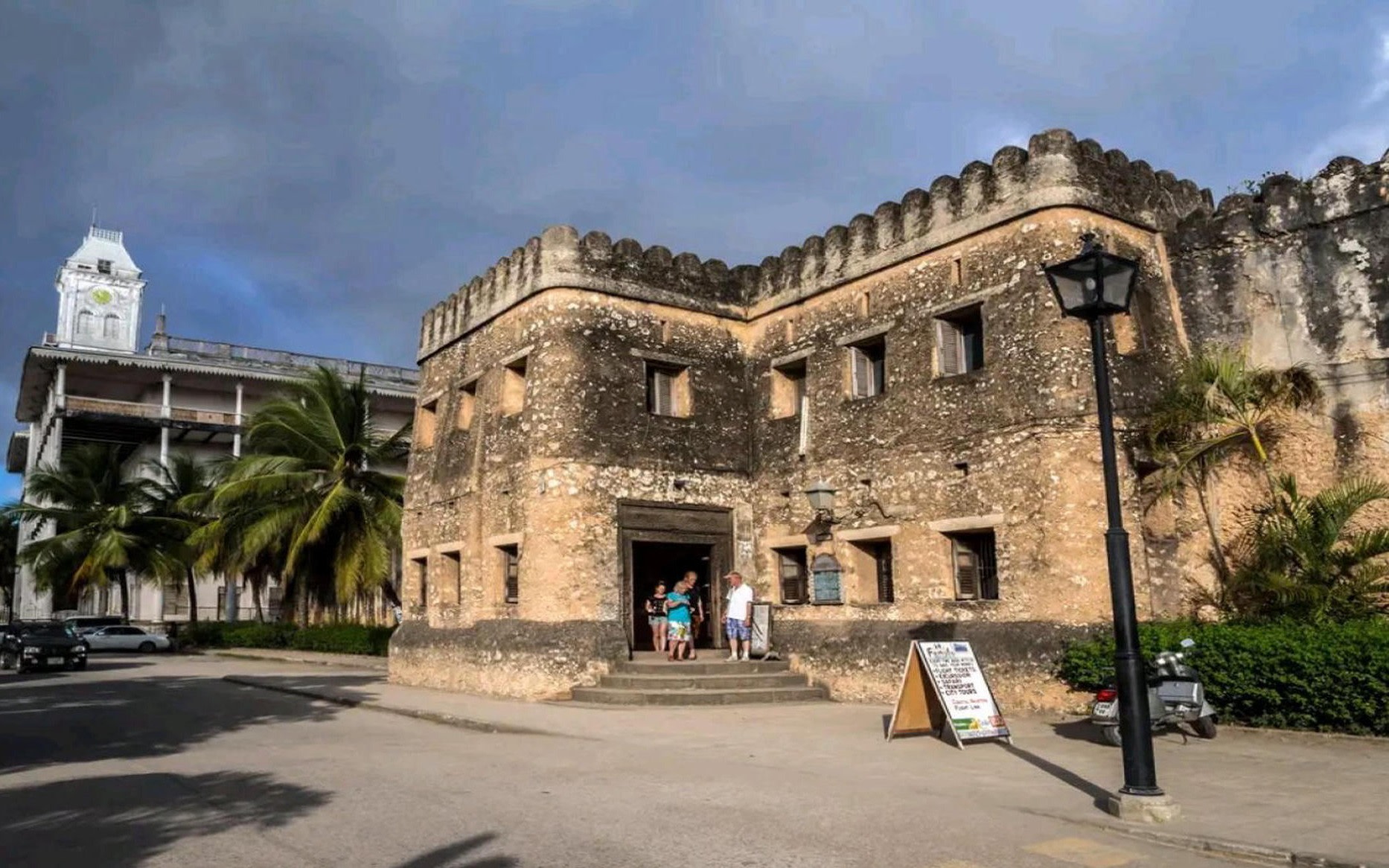
Zanzibar City, also known as Stone Town, is a UNESCO World Heritage site and the cultural heart of Zanzibar. This historic city offers a unique blend of African, Arab, and Indian influences, evident in its architecture, cuisine, and vibrant markets. With its narrow alleys, ornate doors, and bustling bazaars, Zanzibar City is a captivating destination for history lovers and cultural enthusiasts.
Top Attractions
Stone Town
A UNESCO World Heritage site known for its narrow alleys, ornate doors, and rich history. It's a labyrinth of culture, history, and architecture.
Historical
Half to full day
Free to explore, attractions may have entry fees
Forodhani Gardens
A popular waterfront area that comes alive in the evenings with food stalls, street performers, and local crafts.
Cultural
1-2 hours
Free, food and crafts for purchase
Prison Island (Changuu Island)
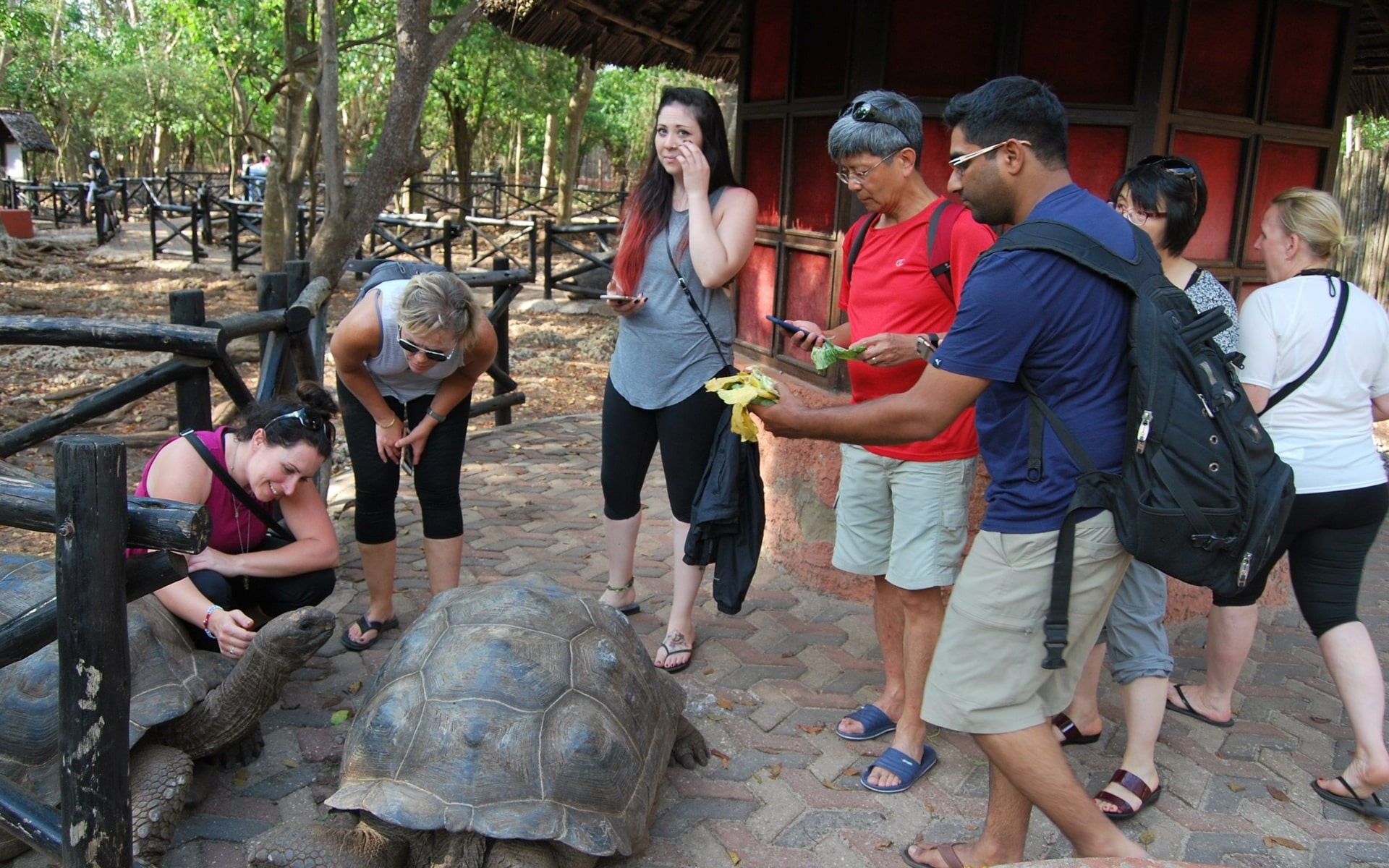
A small island known for its giant Aldabra tortoises and beautiful beaches. It's a great spot for snorkeling and relaxing.
Nature
Half day
Moderate (includes ferry ride and entry fee)
Must-Try Local Dishes
Zanzibari Pizza
A local version of pizza with a thin crust and topped with spices, meat, and vegetables.
Lunch/Dinner
Vegetarian options available
Urojo
A spicy soup made with potatoes, peas, and meat, served with rice or chapati.
Lunch/Dinner
Vegetarian options available
Coconut Rice
Rice cooked with coconut milk and spices, often served with fish or meat.
Lunch/Dinner
Vegetarian options available
Popular Activities
Snorkeling
Scuba diving
Dolphin tours
Beach relaxation
Spa treatments
Yoga
Exploring Stone Town
Visiting local markets
Best Time to Visit
June to October
This is the dry season with pleasant weather and lower humidity, making it ideal for exploring the city and enjoying outdoor activities.
24-30°C
75-86°F
Practical Information
Language
- Official: Swahili, English
- Widely spoken: Arabic
- English: Moderately spoken
Currency
Tanzanian Shilling (TZS)
Time Zone
GMT+3
Electricity
230VV, 50HzHz
Safety Information
Overall Safety Rating: Generally safe
Zanzibar City is generally safe for tourists, but it's important to be aware of your surroundings and take precautions.
Important Precautions:
- • Be cautious of pickpockets in crowded areas
- • Use reputable taxi services
- • Avoid walking alone at night in poorly lit areas
Getting there
By air
- Abeid Amani Karume International Airport • 5 km from city center
By bus
Dar es Salaam to Zanzibar ferry terminal
Getting around
Public transport
Affordable and widely used by locals. Can be crowded during peak hours.
Taxis
Available • Apps:
Rentals
Car, Bike, Scooter
Neighborhoods
Stone Town
Malindi
Day trips
Nungwi
60 km from Zanzibar City • Full day
A popular beach destination with white sandy beaches and clear blue waters.
Kizimkazi
40 km from Zanzibar City • Half day
A village known for its ancient mosques and dolphin tours.
Festivals
Zanzibar International Film Festival (ZIFF) • July
Mwaka Kogwa • July
Pro tips
- Hire a local guide for a deeper understanding of Stone Town's history
- Try local street food for an authentic culinary experience
- Visit the spice farms to learn about Zanzibar's spice trade history
- Explore the island's beaches and enjoy the crystal-clear waters
- Respect local customs and dress modestly, especially in religious sites
From $25
per person
Price varies by option
Secure booking
Free cancellation available
Instant confirmation