Udawalawe National Park Jeep Safari & Elephant Transit Home- One Day Trip
Active
11h - 12h
All sales are final. No refund is available for cancellations.
Instant_then_manual confirmation
Mobile or paper ticket accepted
About this experience
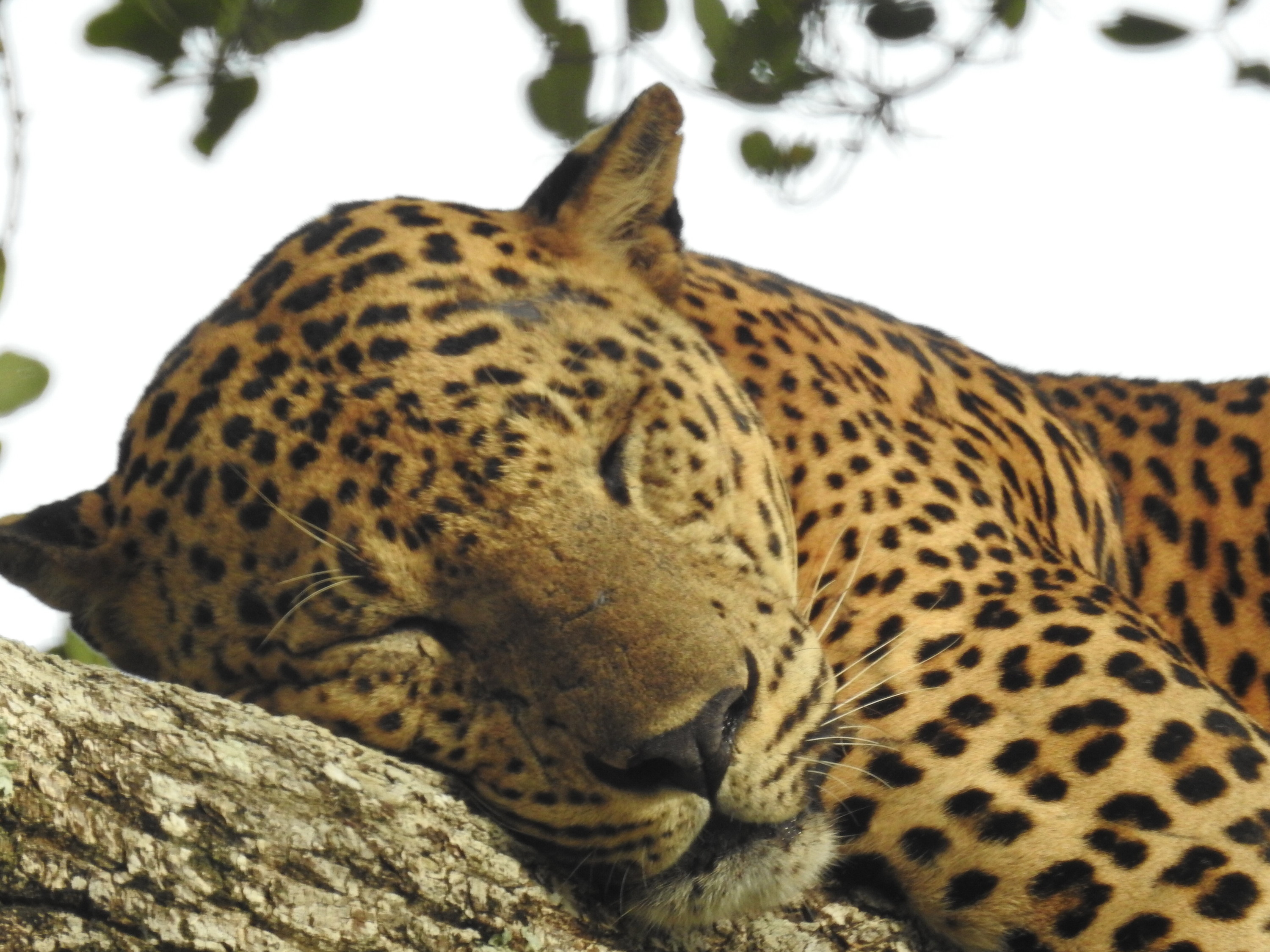
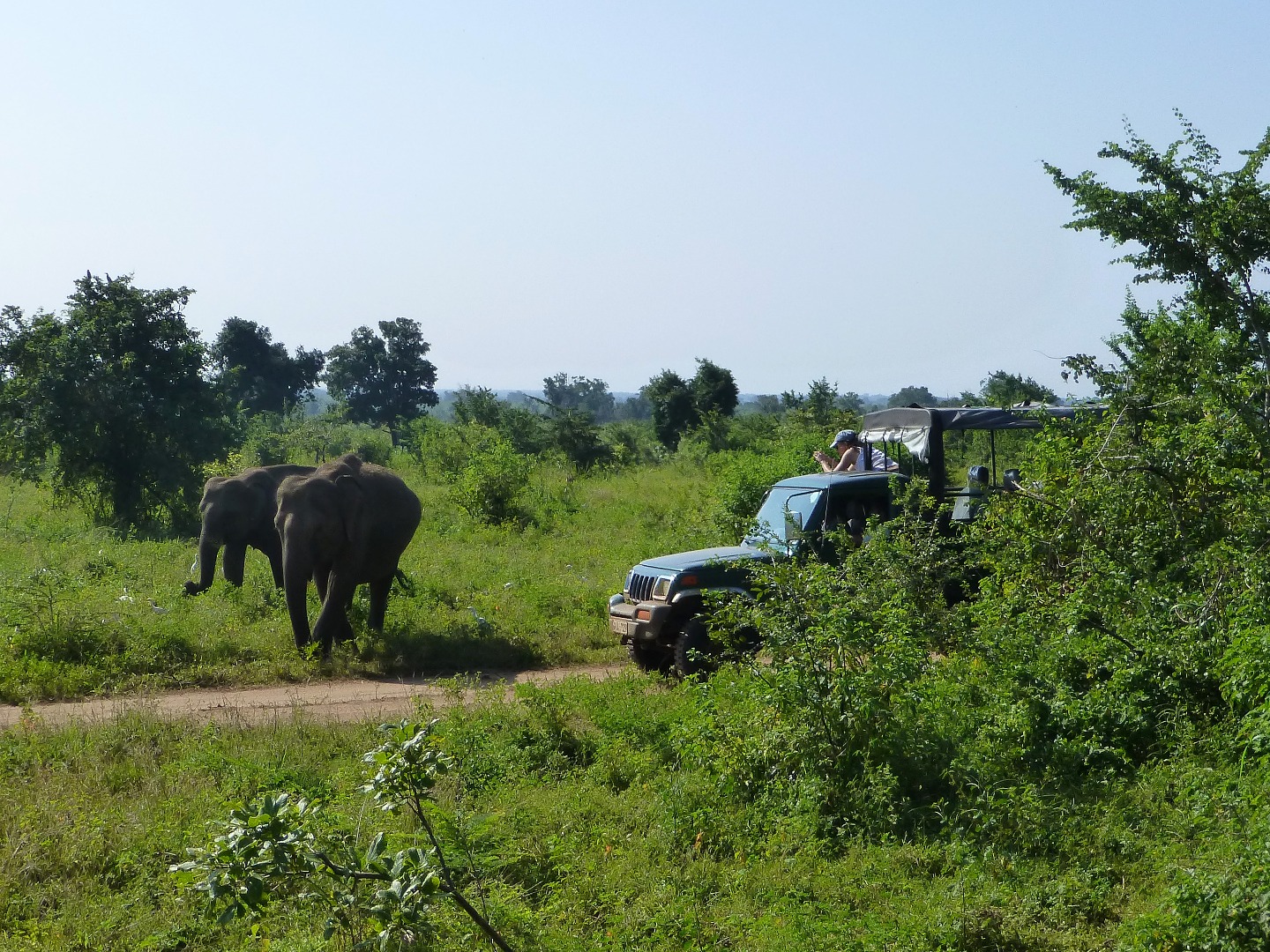
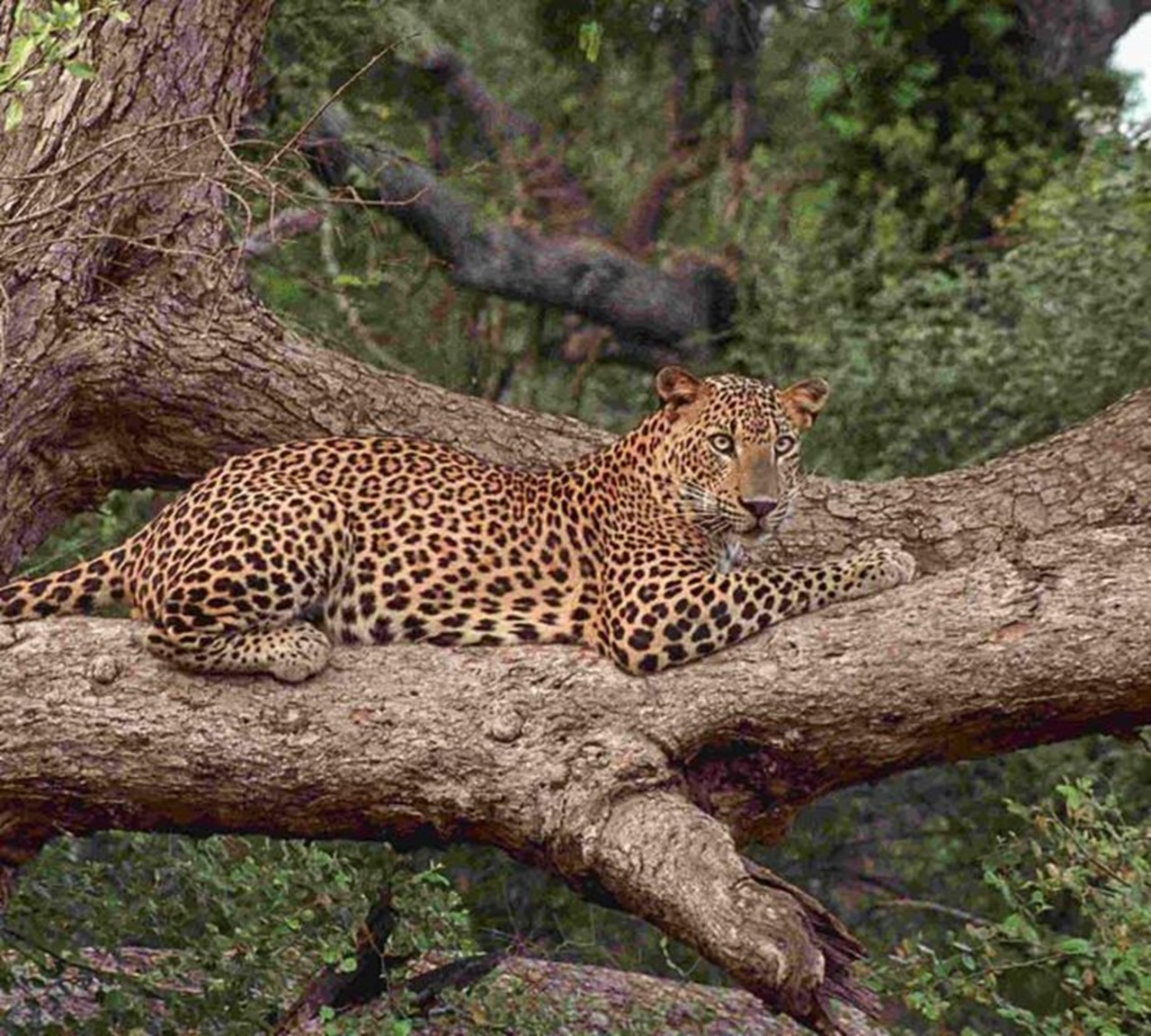
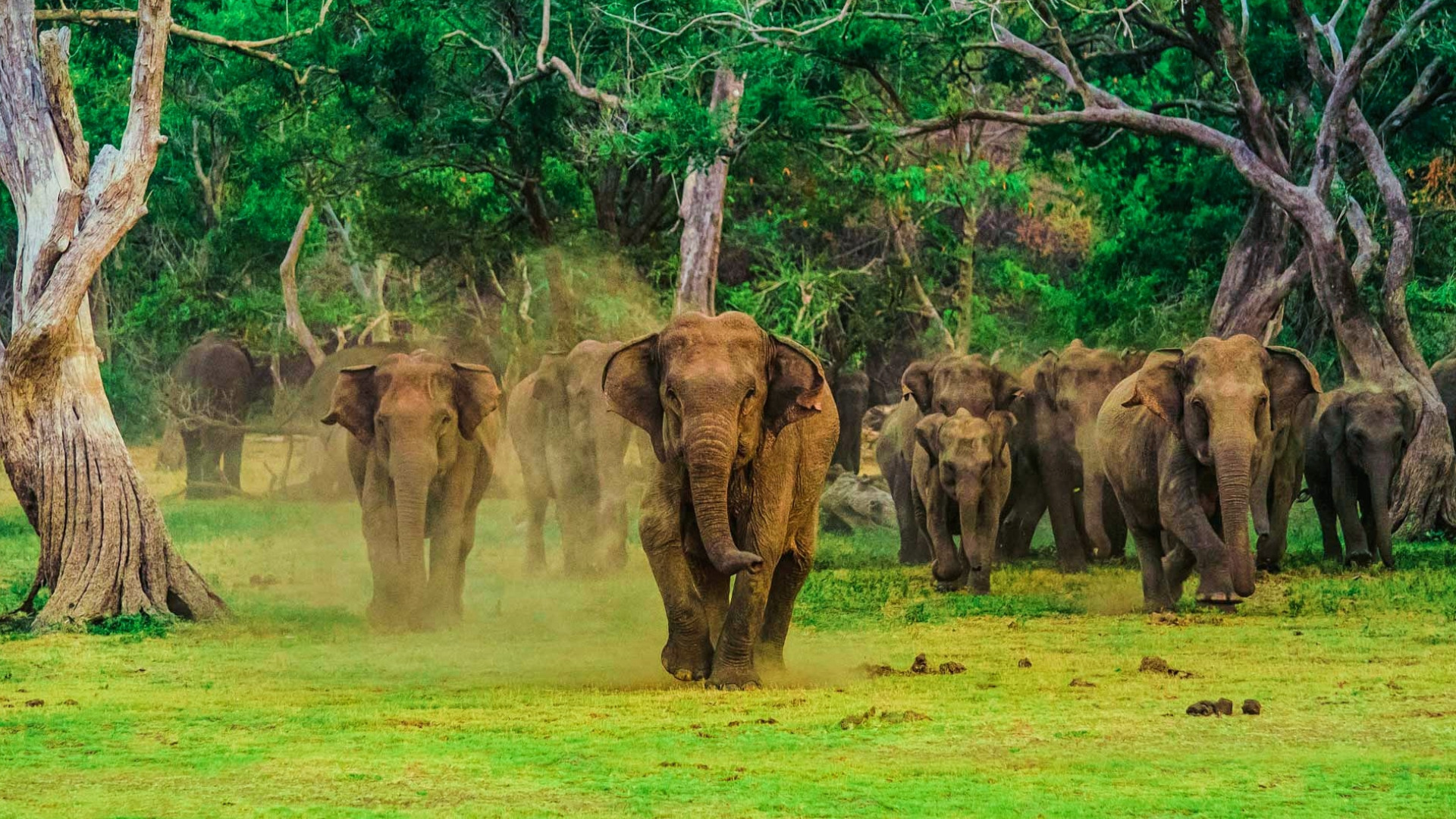
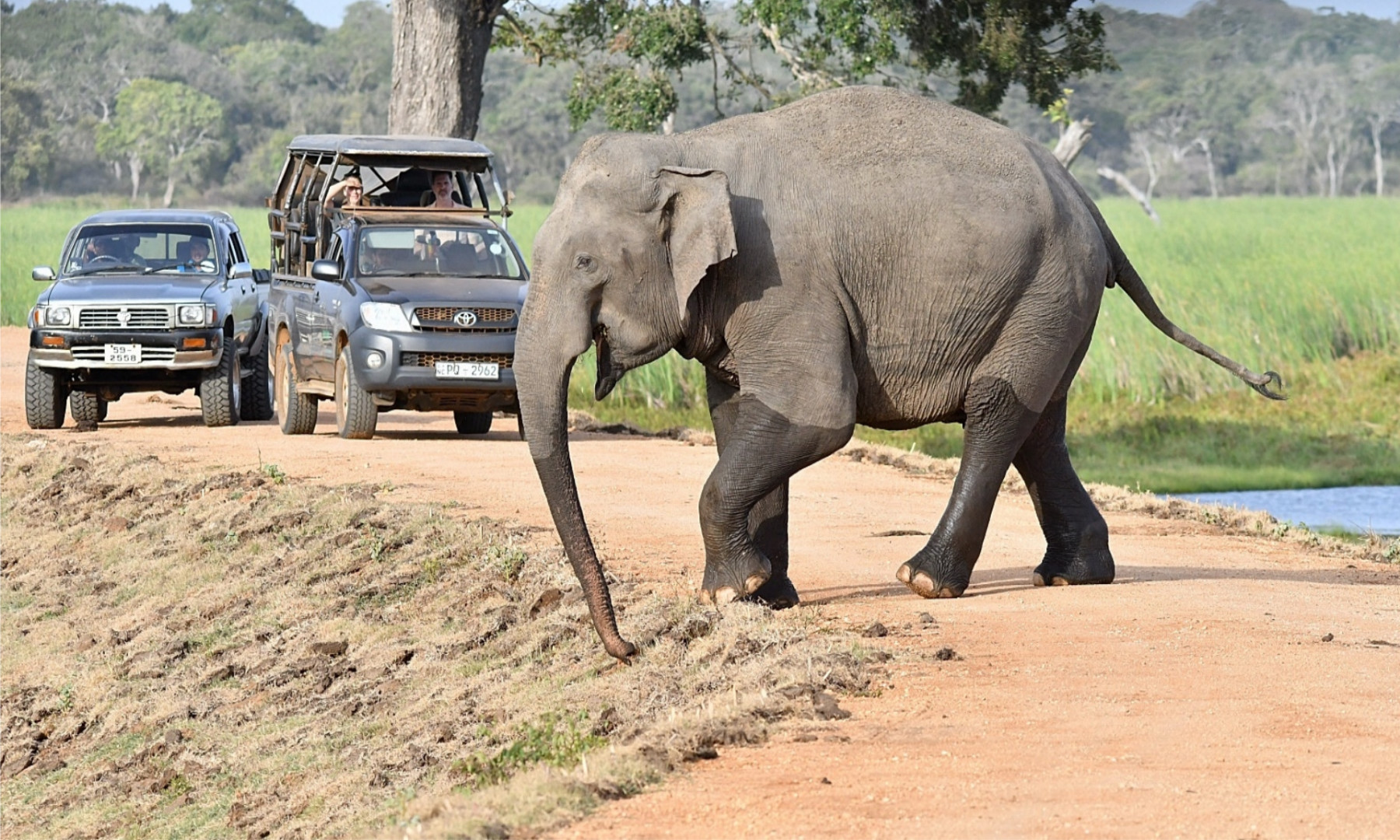
Not to be missed, Udawalawe National Park, is undoubtedly one of the best places in Sri Lanka to see wild Asian Elephants throughout the year. You may spot other animals in the park including water buffalo, wild boar, spotted deer, sambur deer, jackal, samber, black-naped hare, mongooses, bandicoots, foxes, the endemic toque macaque and gray langers.
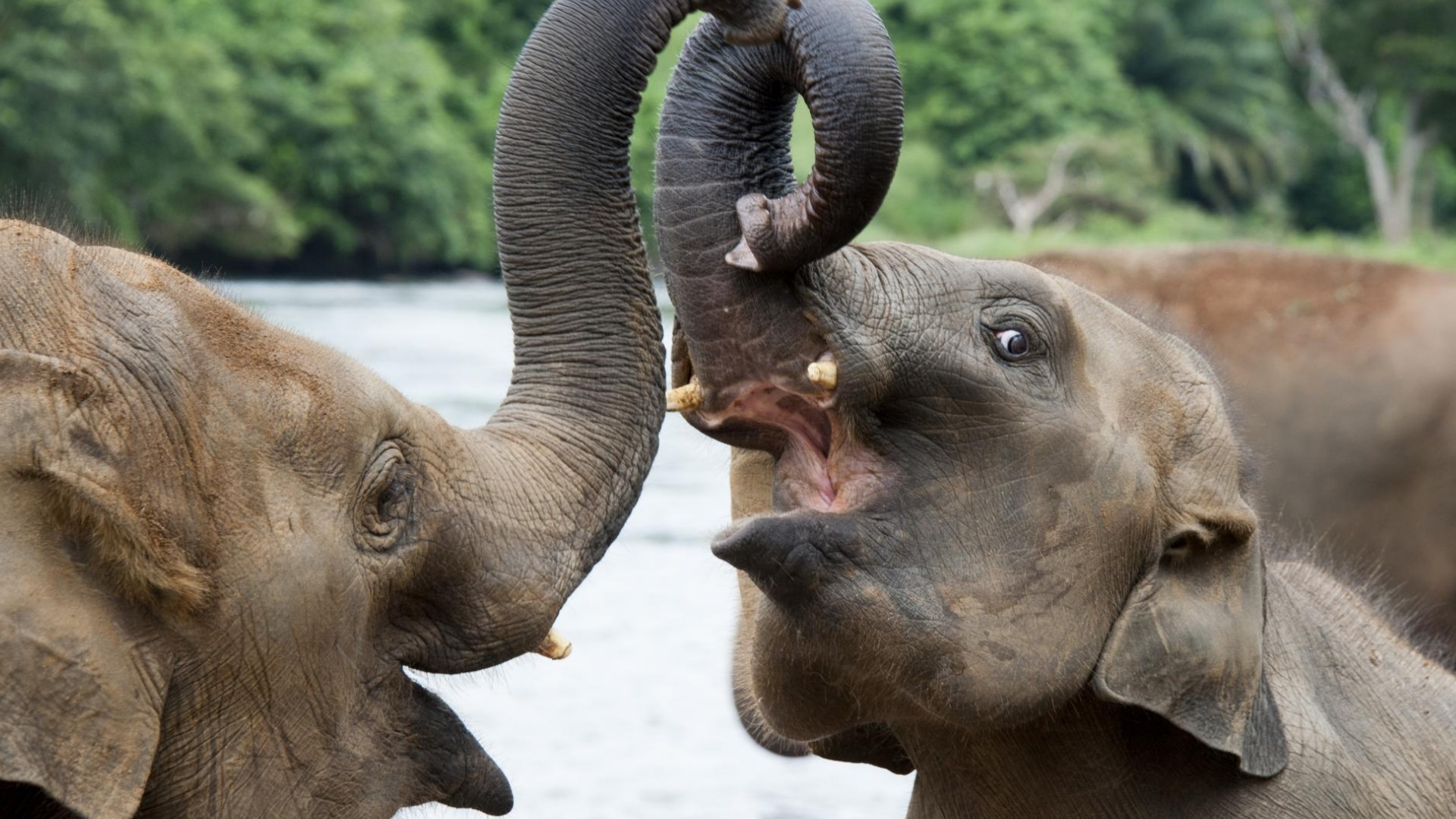
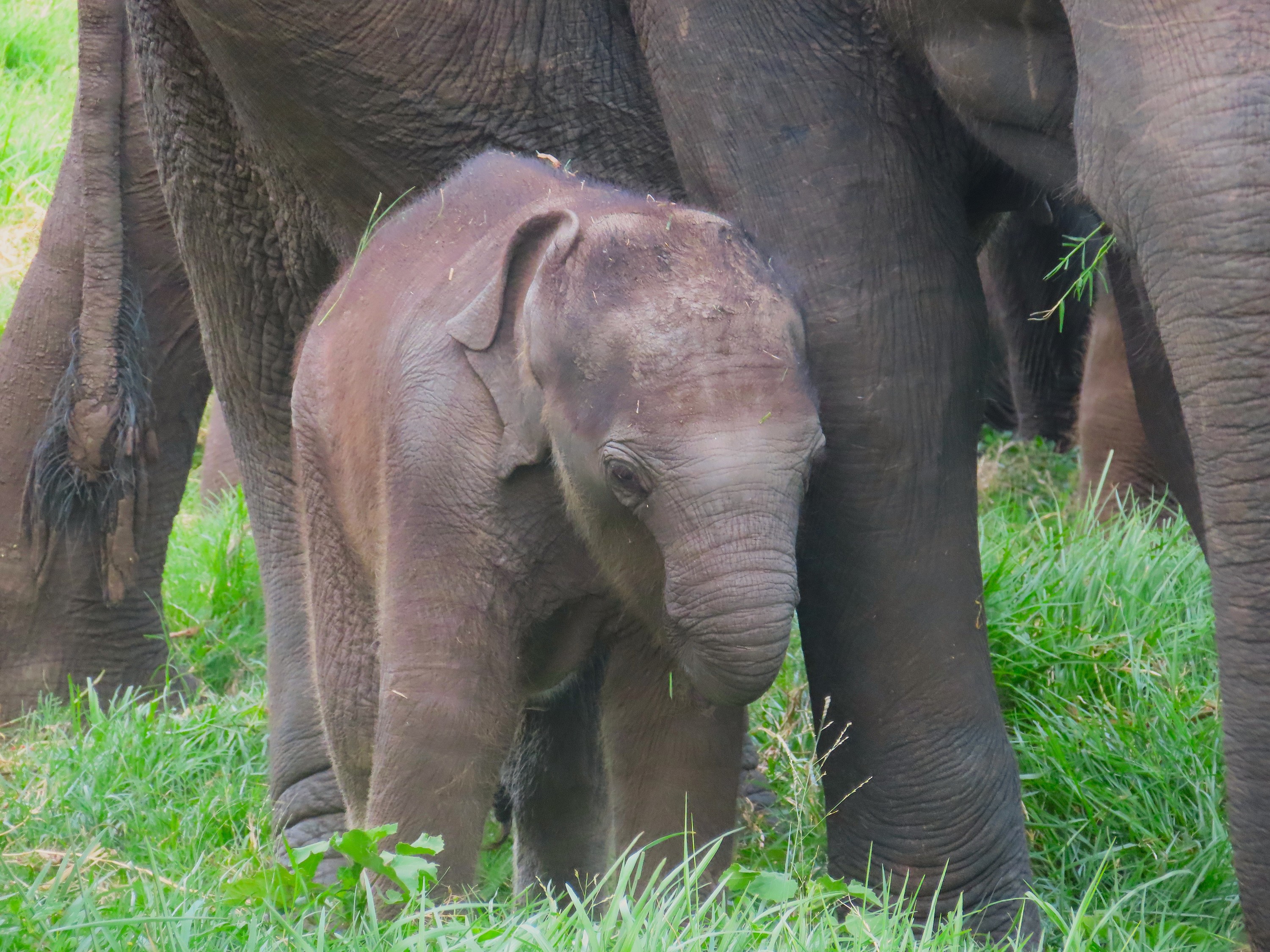
The first stop is the Elephant Transit Home, Udawalawe. Although you won’t get to interact with the elephants, this short visit is a great opportunity to see the animals and discover the work that’s done to get them back into the wild. Here, orphaned and injured elephants are treated and prepared to be released back into the wild with minimal human contact .Continue on for Jeep safari in Udawalawe National Park.
Available options
Udawalawe National Park Jeep Safari & Elephant Transit Home- One Day Trip
Pickup included
What's included
Southern Expressway tickets
Vehicle Passenger Insurance
Fuel charges
Hotel pickup & Drop
Bottled water
Air-conditioned vehicle
Detailed itinerary
1
Stop at Elephant Transit Home,Udawalawe is home to the Elephant Transit Home where orphaned elephants are rehabilitated before being released. Established in 1995, it helps rehabilitate orphaned elephants so they can be released back into the wild. The home is also supported by Born Free
Here, orphaned and injured elephants are treated and prepared to be released back into the wild with minimal human contact. During your visit you'll see the elephants but there is no interaction available as they need to be released back into the wild.
2
Stop 2
Udawalawe National Park, the sixth largest animal sanctuary of Sri Lanka, is located 112 miles (180 km) from Colombo in south-central sector of the island. Udawalawe National Park established in the year 1972 with the objective of protecting the catchment area of Udawalawe reservoir, which provides water for agriculture and hydro-power generation spreads.
Udawalawe is undoubtedly one of the best places in Sri Lanka to see wild Asian Elephants throughout the year. Usually you will have better chance to spot herds of elephants if you choose morning departure. There are about 500 elephants in the park and they often roam in herds of up to 100. Udawalawe National Park is unique in terms of consistency in numbers of elephants roaming the park.
You may spot other animals in the park including water buffalo, wild boar, spotted deer, sambur deer, jackal, samber, black-naped hare, mongooses, bandicoots, foxes, the endemic toque macaque and gray langers.
What's not included
Own arrangement
Entrance tickets & Cost of Safari Jeep to the Udawalawe National Park
Entrance tickets to the Elephant Transit Home, Udawalawe
Tips to guides, restaurants etc. Tipping is expected
Personal expenses
Available languages
Guide guide
EN
Important information
Not recommended for travelers with poor cardiovascular health
Suitable for all physical fitness levels
About Negombo
Negombo is a vibrant coastal city in Sri Lanka, known for its beautiful beaches, historic Dutch-era architecture, and the bustling fish market. Often called 'Little Rome' due to its significant Catholic population and churches, it offers a mix of cultural heritage, natural beauty, and lively local life.
Top Attractions
Negombo Beach
Negombo Beach is a beautiful stretch of golden sand along the Indian Ocean, perfect for swimming, sunbathing, and water sports. The beach is lined with palm trees and offers stunning sunsets.
Beach
Half day to full day
Free
Negombo Fish Market
The Negombo Fish Market is one of the largest and most vibrant fish markets in Sri Lanka. It's a bustling hub where fishermen sell their daily catch, and visitors can enjoy fresh seafood.
Market
1-2 hours
Free (Food purchases extra)
St. Mary's Church
St. Mary's Church is a historic Catholic church in Negombo, known for its beautiful architecture and religious significance. It's a popular pilgrimage site and a key landmark in the city.
Religious
30-60 minutes
Free
Dutch Canal
The Dutch Canal is a historic waterway built by the Dutch during their colonial period. It's a scenic spot for a leisurely walk or boat ride, offering glimpses of local life and nature.
Historical
1-2 hours
Free (Boat rides extra)
Anguruwankanda Forest Hermitage
Anguruwankanda Forest Hermitage is a peaceful retreat nestled in a lush forest. It's a great place for meditation, hiking, and experiencing the serenity of nature.
Nature
Half day
Free (Donations welcome)
Must-Try Local Dishes
Kottu Roti
A popular Sri Lankan dish made with chopped roti flatbread, vegetables, and meat or seafood, cooked with spices and served with gravy.
Dinner
Can be made vegetarian or vegan.
Seafood Curry
A flavorful curry made with fresh seafood, coconut milk, and a blend of spices, served with rice.
Dinner
Contains seafood and coconut.
Hoppers (Appa)
Bowl-shaped pancakes made from fermented rice flour and coconut milk, often served with an egg in the center.
Breakfast
Vegetarian (unless with egg).
Lamprais
A Dutch-influenced dish consisting of rice cooked in meat stock, wrapped in a banana leaf with meat, sambol, and a hard-boiled egg.
Lunch/Dinner
Contains meat and fish.
Popular Activities
Water sports
Boat safaris
Hiking
Beach lounging
Spa treatments
Yoga
Visiting temples and churches
Exploring local markets
Best Time to Visit
December to April
This is the dry season with sunny days and minimal rain, making it ideal for beach activities, sightseeing, and outdoor adventures. The city is bustling with tourists during this period.
26-30°C
79-86°F
Practical Information
Language
- Official: Sinhala, Tamil
- Widely spoken: English
- English: Moderately spoken
Currency
Sri Lankan Rupee (LKR)
Time Zone
GMT+5:30
Electricity
230VV, 50HzHz
Safety Information
Overall Safety Rating: Generally safe
Negombo is generally a safe destination for travelers. However, standard precautions should be taken to ensure a safe and enjoyable trip.
Important Precautions:
- • Use reputable taxi services or app-based taxis.
- • Keep valuables secure and out of sight.
- • Be cautious of strangers offering unsolicited help or services.
Getting there
By air
- Bandaranaike International Airport • 35 km (22 miles)
By train
Negombo Railway Station
By bus
Negombo Bus Station
Getting around
Public transport
Buses are the most common and affordable way to get around Negombo. They connect the city center with beaches, markets, and other attractions.
Taxis
Available • Apps: PickMe, Uber
Rentals
Car, Bike, Scooter
Neighborhoods
Negombo City Center
Negombo Beach
Lunuwila
Day trips
Colombo
35 km (22 miles) • Half day to full day
Colombo is the capital city of Sri Lanka, offering a mix of modern and colonial architecture, vibrant markets, and cultural attractions.
Kelani River Safari
40 km (25 miles) • Full day
A scenic boat safari along the Kelani River, offering opportunities to spot wildlife and enjoy the natural beauty of the river and its surroundings.
Muthurajawela Marsh
20 km (12 miles) • Half day
A unique wetland ecosystem located near Negombo, offering opportunities for birdwatching, boat rides, and nature walks.
Festivals
Easter Celebrations • March or April (varies by year)
Christmas Celebrations • December 25
Pro tips
- Visit the Negombo Fish Market early in the morning to see the fresh catch and experience the bustling atmosphere.
- Take a boat ride along the Dutch Canal to enjoy the scenic views and learn about its history.
- Try local seafood dishes, particularly grilled fish and prawn curry, for an authentic culinary experience.
- Explore the historic St. Mary's Church and learn about its significance to the local Catholic community.
- Relax on Negombo Beach and enjoy the beautiful sunset views.
From $25
per person
Price varies by option
Secure booking
Free cancellation available