Tour of Naples
Active
2h - 3h
For a full refund, cancel at least 24 hours before the scheduled departure time.
Instant confirmation
Mobile or paper ticket accepted
About this experience
Naples is a city with three thousand years of history. Founded by the Greeks in the 7th century BC, dominated by Romans, Normans, Germans, French, Spaniards, it still preserves monuments and traces of the ancient dominations. One of the few cities in the world where you can go through three millennia of history, walking for a few hundred meters along the Via di Spaccanapoli. And where the ancient city coexists in harmony with the ancient city.
And, most of all, it has one more wonder: the sea, the buildings that overlook it, the marinas, the life of the evenings in the tourist areas. An added value that makes it, in fact, wonderful!
We will visit:
the decumani with Spaccanapoli, via tribunali with Piazza San Gaetano
the church of San Lorenzo Maggiore
The noble palaces
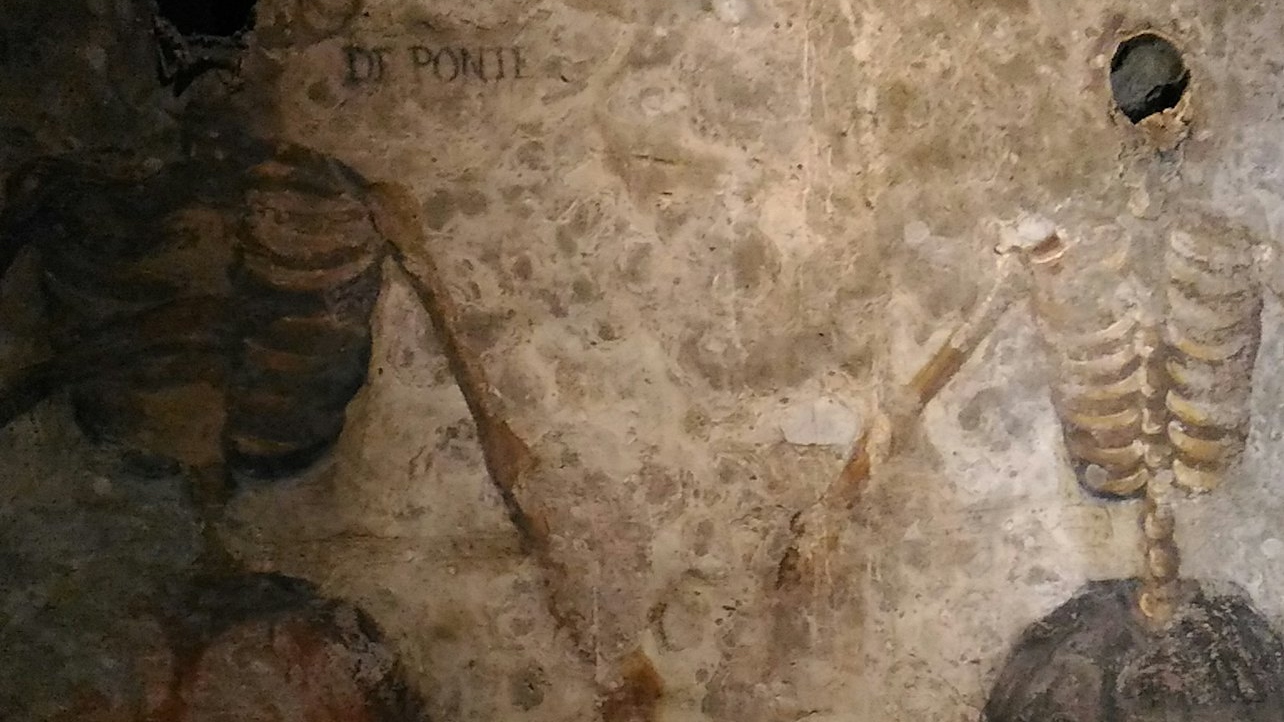
The church of the skulls
the game board of the ancient Romans
the monumental churches of Santa Chiara and Gesù Nuovo
the street of cribs
the Greek walls
the Music Conservatory of San Pietro a Maiella
Cathedral
Nile square
Available options
Tour of Naples
Pickup included
What's included
Tour guide available for the tour
Coffee and sympathy.
Detailed itinerary
1
Stop 1
One of the most fascinating places in the historic center of Naples, Piazza del Gesù nuovo, presents itself with its wonderful baroque church and its majestic front, with the piperno stones and their “magical” symbols.
2
Stop 2
The superior decumanus of Naples, also known as Vua Tribunale, named after the Flower of Justice of the 1500s, is truly the closest place to the daily lifestyle of the Neapolitans. Below the road develops another city, the underground Naples, used until the end of the nineteenth century as an aqueduct. Along the way there are the church of the skulls, the monumental Gothic church of San Lorenzo Maggiore, the Pious Mount of Mercy, with the wonderful painting by Caravaggio.
3
Stop 3
The lower decumanus of Naples, the long road that seems to “split”, divide the city into two equal parts, still has the same layout as the Greek city. Along the way we can see the palaces of the nobles, Piazza San Domenico with its monumental church, the remains of Greek and Roman buildings, art shops, street food, to live the tour “Neapolitan”.
4
Stop 4
The majestic cathedral of Naples, dedicated to the Assumption, is located at the top of the upper part of Via Duomo. Built by Angevin kings in 1300, today it is in Baroque style. Inside are
guard the precious ampoules of the blood of Saint Januarius, the patron saint of the city, who dissolves his own blood three times a year. Below the main altar are the bones of the saint. On the left side are the old cathedral, today the church of Santa Restituita and the baptistery of San Giovanni in Fonte, with its precious mosaic on the vault.
5
Stop 5
The street of San Gregorio armeno connects via courts to Spaccanapoli, and is famous for the nativity workshops, with scenes of the nativity of Jesus. There are also all the statues of VIPs, from the presidents of the various countries, to sportsmen, singers, actors. And, all around, the horn against the evil eye!
What's not included
Private transportation
All Fees and Taxes
Entrance tickets to museums
Lunch
Available languages
Guide guide
EN
IT
ES
Reviews breakdown
Tripadvisor
5.0
4 reviews
5★
4
4★
0
3★
0
2★
0
1★
0
Important information
Wheelchair accessible
Infants and small children can ride in a pram or stroller
Service animals allowed
Public transportation options are available nearby
Not recommended for travelers with poor cardiovascular health
Travelers should have at least a moderate level of physical fitness
About Naples
Naples, Italy's third-largest city, is a vibrant and chaotic metropolis known for its rich history, incredible food, and vibrant street life. As the birthplace of pizza, Naples offers a unique blend of ancient ruins, stunning coastal views, and a bustling urban atmosphere.
Top Attractions
Naples National Archaeological Museum
One of the most important archaeological museums in the world, housing a vast collection of artifacts from the Roman era, including those from Pompeii and Herculaneum.
Museum
2-3 hours
€15
Pompeii
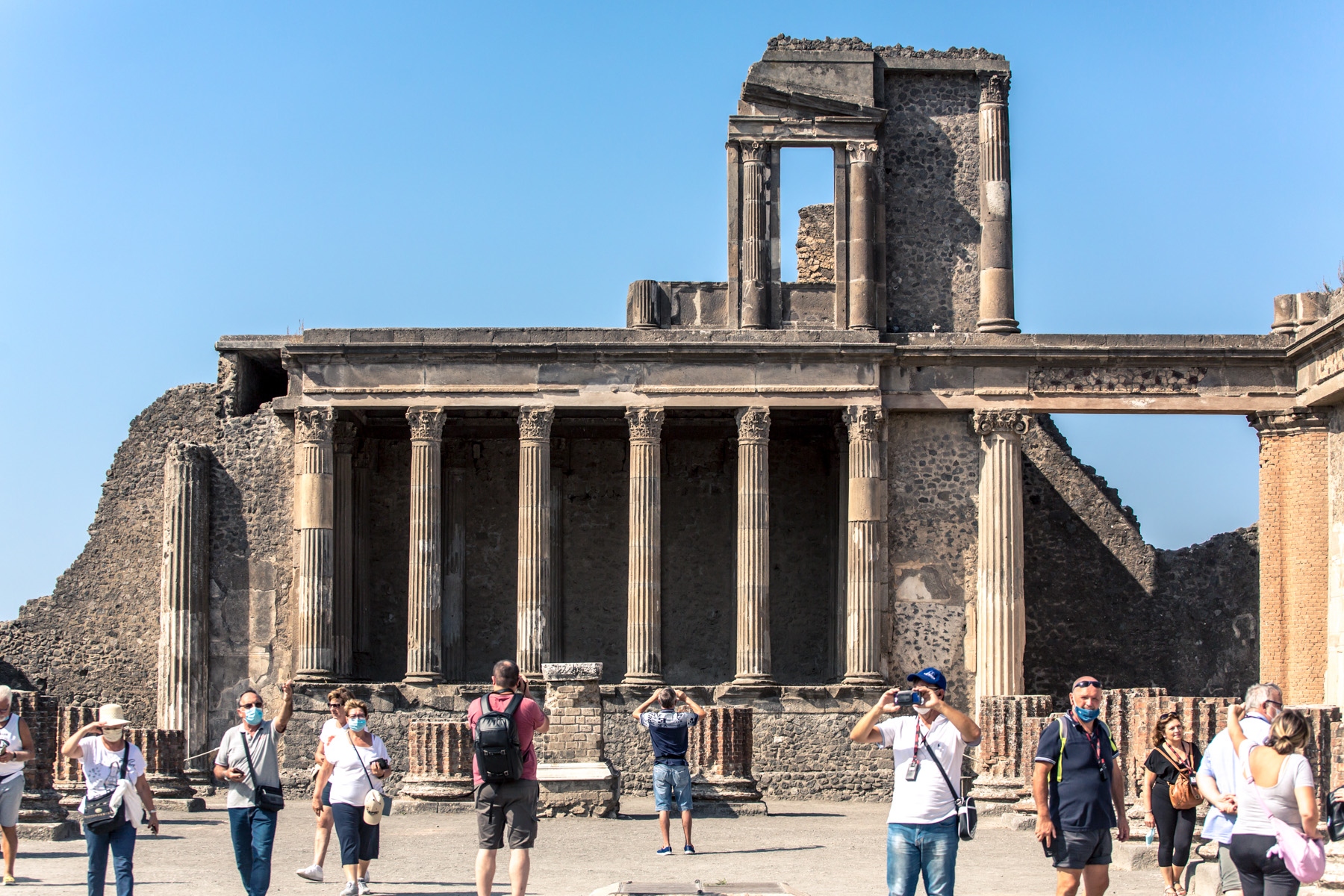
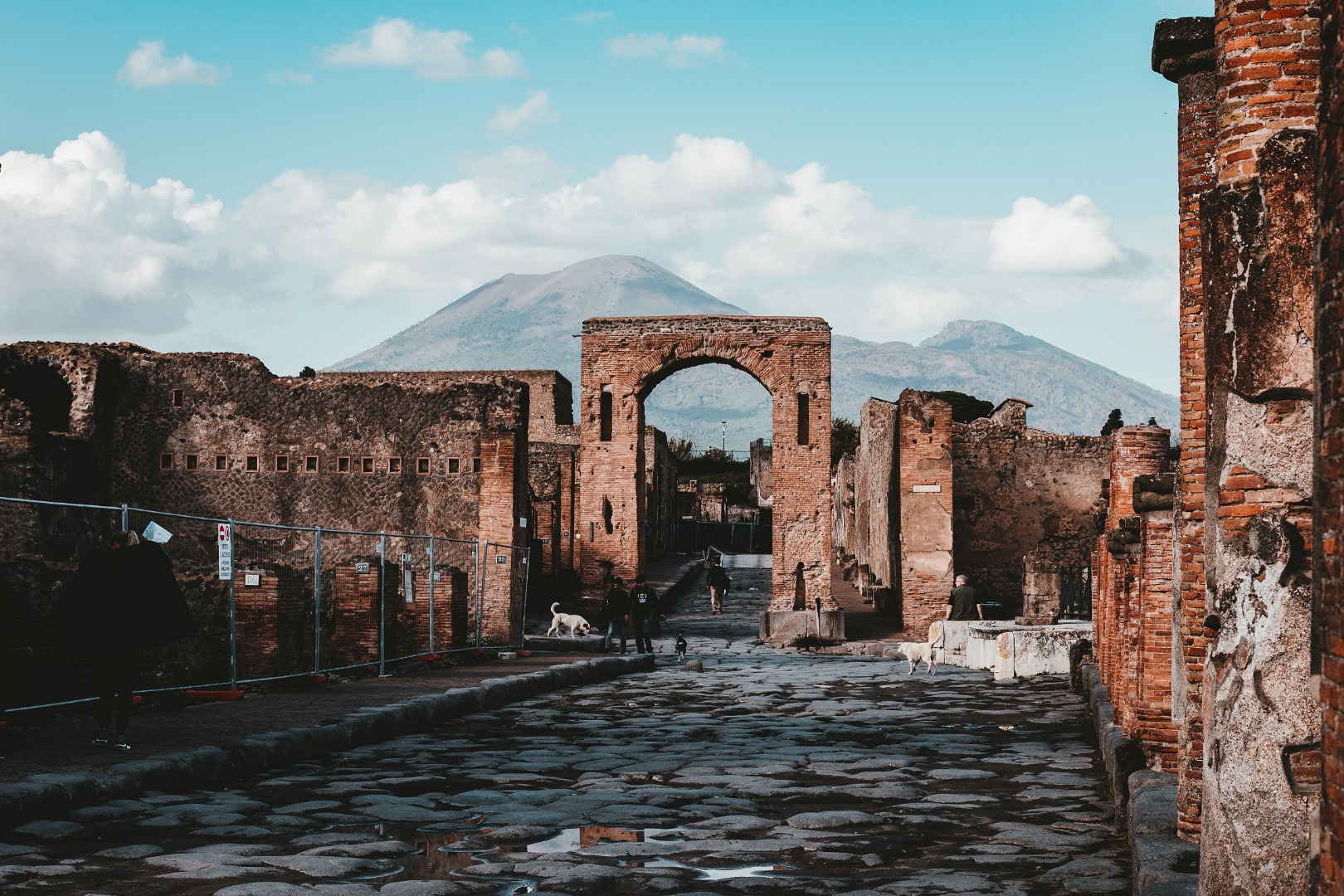
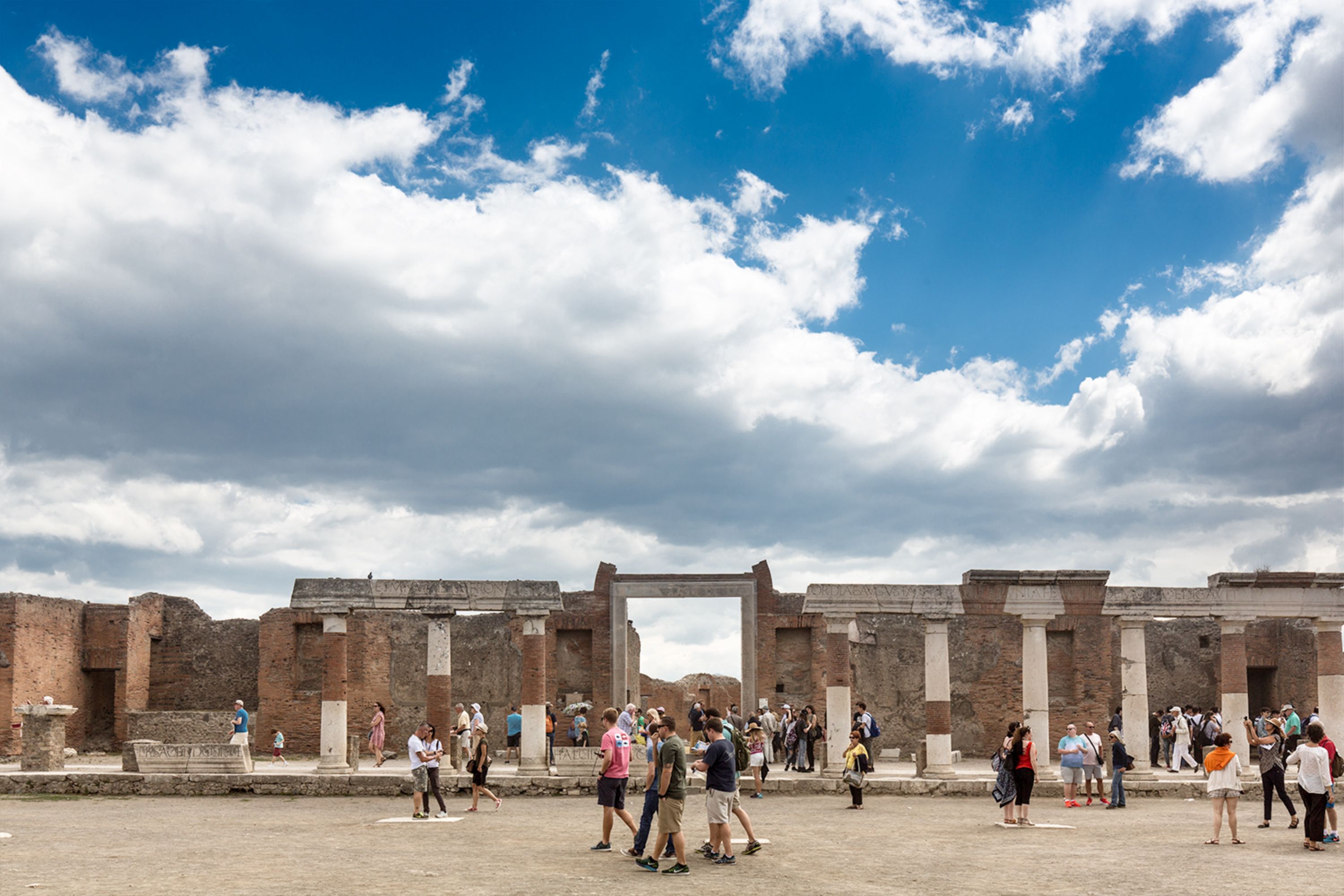
The ancient Roman city of Pompeii, preserved by volcanic ash from the eruption of Mount Vesuvius in 79 AD. It's a UNESCO World Heritage site and one of the most famous archaeological sites in the world.
Historical
Half day to full day
€15
Castel dell'Ovo
A medieval castle located on the former island of Megaride, connected to the mainland by a causeway. It offers stunning views of the Bay of Naples and a rich history.
Historical
1-2 hours
Free
Mount Vesuvius
The famous volcano that erupted in 79 AD, destroying Pompeii and Herculaneum. It's an active volcano and offers a unique hiking experience with breathtaking views.
Nature
Half day
€10
Galleria Umberto I
A beautiful 19th-century shopping gallery with a stunning glass and iron roof, elegant shops, and cafes. It's a great place to experience the city's vibrant atmosphere.
Architecture
1-2 hours
Free to enter
Must-Try Local Dishes
Pizza Margherita
The original Neapolitan pizza, made with simple ingredients: tomatoes, mozzarella, basil, and olive oil. It's a UNESCO Intangible Cultural Heritage and a must-try in Naples.
Dinner
Contains gluten and dairy.
Spaghetti alle Vongole
A classic Neapolitan dish made with spaghetti, clams, garlic, white wine, and parsley. It's a delicious and simple representation of the local seafood cuisine.
Dinner
Contains gluten and seafood.
Sfogliatella
A traditional Neapolitan pastry made with layers of crispy, flaky dough filled with sweet ricotta cheese and semolina. It's a popular breakfast or snack item.
Dessert
Contains gluten and dairy.
Babà al Rhum
A small, rum-soaked cake that's a popular dessert or afternoon snack in Naples. It's often served with whipped cream or pastry cream.
Dessert
Contains gluten and dairy.
Popular Activities
Hiking Mount Vesuvius
Boat tours to nearby islands
Scuba diving in the Bay of Naples
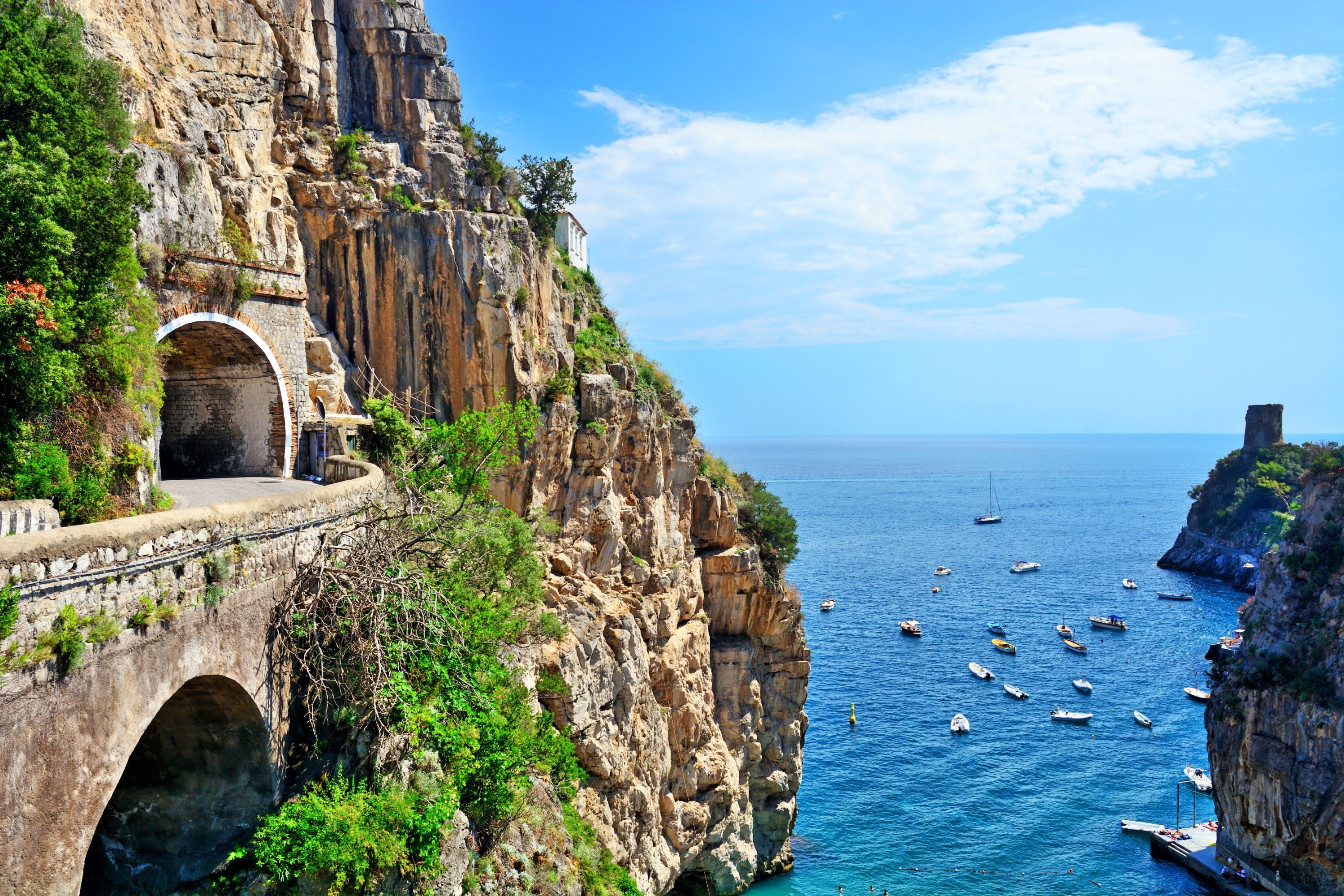
Beach relaxation on the Amalfi Coast
Spas and wellness centers
Coffee and pastry at historic cafes
Visiting museums and historical sites
Attending local festivals and events
Best Time to Visit
April to June, September to October
The peak season offers the best weather for exploring the city's attractions and enjoying outdoor activities. The weather is warm but not too hot, and the crowds are manageable.
15-28°C
59-82°F
Practical Information
Language
- Official: Italian
- Widely spoken: English, Napolitan (local dialect)
- English: Moderately spoken
Currency
Euro (EUR)
Time Zone
GMT+1 (CET), GMT+2 (CEST) during daylight saving time
Electricity
230VV, 50HzHz
Safety Information
Overall Safety Rating: Exercise caution
Naples is a vibrant and exciting city, but it can also be chaotic and overwhelming. While violent crime is relatively low, petty crime such as pickpocketing and scams is common, especially in tourist areas. It's important to be aware of your surroundings and take precautions to protect yourself and your belongings.
Important Precautions:
- • Keep your valuables secure and out of sight.
- • Be cautious of your surroundings, especially in crowded areas and on public transportation.
- • Use licensed taxis or ride-sharing services, and always ensure the meter is running.
Getting there
By air
- Naples International Airport • 5 km from city center
By train
Napoli Centrale, Napoli Garibaldi
By bus
Napoli Centrale, Napoli Garibaldi
Getting around
Public transport
The metro system is clean and efficient but has limited coverage. It's useful for reaching major attractions and connecting to other public transport.
Taxis
Available • Apps: MyTaxi, FreeNow
Rentals
Car, Bike, Scooter
Neighborhoods
Historic Center (Centro Storico)
Chiaia
Posillipo
Quartieri Spagnoli
Day trips
Pompeii
25 km • Half day to full day
The ancient Roman city of Pompeii, preserved by volcanic ash from the eruption of Mount Vesuvius in 79 AD. It's a UNESCO World Heritage site and one of the most famous archaeological sites in the world.
Herculaneum
15 km • Half day
An ancient Roman town, also preserved by the eruption of Mount Vesuvius in 79 AD. Herculaneum is smaller and less crowded than Pompeii, offering a more intimate and well-preserved look at Roman life.
Sorrento
50 km • Full day
A charming coastal town known for its stunning views of the Bay of Naples, lemon groves, and historic center. It's a popular destination for day trips from Naples.
Festivals
Festa di San Gennaro • September 19
Pizzafest • June
Napoli Teatro Festival • June to July
Pro tips
- Learn a few basic Italian phrases to communicate with locals and enhance your experience.
- Try the local specialties, such as pizza, seafood, and pastries, and support local businesses.
- Be cautious of your surroundings, especially in crowded areas and on public transportation, and take precautions to protect yourself and your belongings.
- Visit the historic center and other attractions early in the morning or late in the afternoon to avoid crowds and the heat.
- Use public transportation, walk, or bike instead of driving to reduce your environmental impact and experience the city like a local.
From $25
per person
Price varies by option
Secure booking
Free cancellation available
Instant confirmation