Private A Christmas Carol Walking Tour of London
Active
2h
For a full refund, cancel at least 24 hours before the scheduled departure time.
Instant confirmation
Mobile or paper ticket accepted
About this experience
Explore the world of Charles Dickens and discover the magic of 'A Christmas Carol' where it all began — in the heart of Victorian London.
Follow your expert guide and storytellers as they lead you through atmospheric streets that inspired Charles Dickens’ beloved tale. From the narrow alleys of the City to the historic buildings that echo with the spirit of Scrooge, Marley, and Tiny Tim, this tour reveals the experiences, sites, and city that inspired Dickens’ most famous creation. Led by expert guides, you'll uncover the real-life locations and hidden corners of London that shaped Dickens’ world, hear fascinating insights into the author's life and times, and explore the social history behind the novella. Along the way, enjoy dramatic readings, seasonal charm, and hidden corners of London that many visitors miss.
Perfect for literature lovers, families, and holiday travellers — this tour is a festive journey through the past, full of warmth, wonder, and Dickensian cheer.
Available options
Private A Christmas Carol Walking Tour of London
What's included
Guiding Fees
Detailed itinerary
1
Stop 1
At the first stop, it will be revealed how the Dickens family's financial difficulties in the 1820s led to the twelve-year-old Charles having to work at Warren’s Blacking factory at Hungerford Stairs. This traumatic chapter in Dickens’ childhood instilled a great fear of poverty in the future literary genius. The guide will reveal how much of Dickens’ work was inspired by the event and how it was kept secret by Dickens for his whole life.
2
Stop 2
Dickens knew this street well and it has hardly changed since it was laid out in 1730. Craven Street was the home of two American Founding Fathers and a contemporary American literary rival to Dickens also stayed here. Although the two writers never met you will learn what macabre event they both attended. Dickens was accompanied by John Leech, the illustrator of A Christmas Carol and the guide will explain the illustrator's importance to the famous story. And what feature of Doctor David Rees’ house inspired one the most famous images in literary history?
3
Your guide will explain how the stories of Charles Dickens were very often, quickly turned into plays and most of the time without his consent and without him receiving any money. A Christmas Carol was turned into theatrical productions very quickly but Dickens did have an official version at the Adelphi Theatre. Your guide will reveal how theatre had a huge impact on the popularity of A Christmas Carol and Dickens’ other Christmas books.
4
Stop 4
At the former site of Dickens’ publishers Chapman and Hall, the guide will reveal the genesis of A Christmas Carol. By the early 1840s, Charles Dickens was world famous so why was he having money problems, and how did this influence the creation of one of the world’s most famous stories? Hear how this quintessential London story was actually thought up during Dickens’ visit to the north west of England.
5
Charles Dickens’ parents were married at St Mary Le Strand. Discover how they met and how Charles was named after a relative who narrowly escaped the hangman’s noose.
6
Stop 6
At this little-known gem, the guide will reveal the living conditions for the characters in A Christmas Carol and what London looked like in 1843 when A Christmas Carol was published. Learn how Dickens thought up the character of Scrooge, and your guide will go through the story beginning with Stave One - Marley’s Ghost, the first of five parts of the Christmas classic.
7
Stop 7
Your literary guide will talk about Stave Two - The First Of The Three Spirits and reveal A Christmas Carol locations with links to Dickens’ past. Is it a coincidence that Scrooge’s sister has the same name as Charles Dickens’ favourite sister? Learn about Dickens’ first and unrequited love and the reunion he had with her many years later.
8
Stop 8
Your guide will explore Stave Three - The Second Of The Three Spirits. Bob Cratchit is one of Dickens’ most well-known and best-loved characters. You will hear what it was like for Bob to work as a clerk and why this was important in the City of London. How did everyday people live? Why did Dickens place Cratchit and his family in Camden Town?
9
Stop 9
Your guide will reveal one of the oldest places to eat and drink in the City of London and a place where Dickens regularly visited. How was Christmas observed in 1843? Your mouth may water and stomach rumble as you hear about the food and drink featured in A Christmas Carol and how working people prepared their Christmas dinners.
10
Stop 10
Your guide will explore Stave Four - The Last Of The Spirits, the eeriest chapter of the classic Christmas book. How did the early Victorians bury their dead? And why were thousands of bodies moved years later? You will visit Scrooge’s final resting place and learn about the true
horror of City churchyards.
11
Stop 11
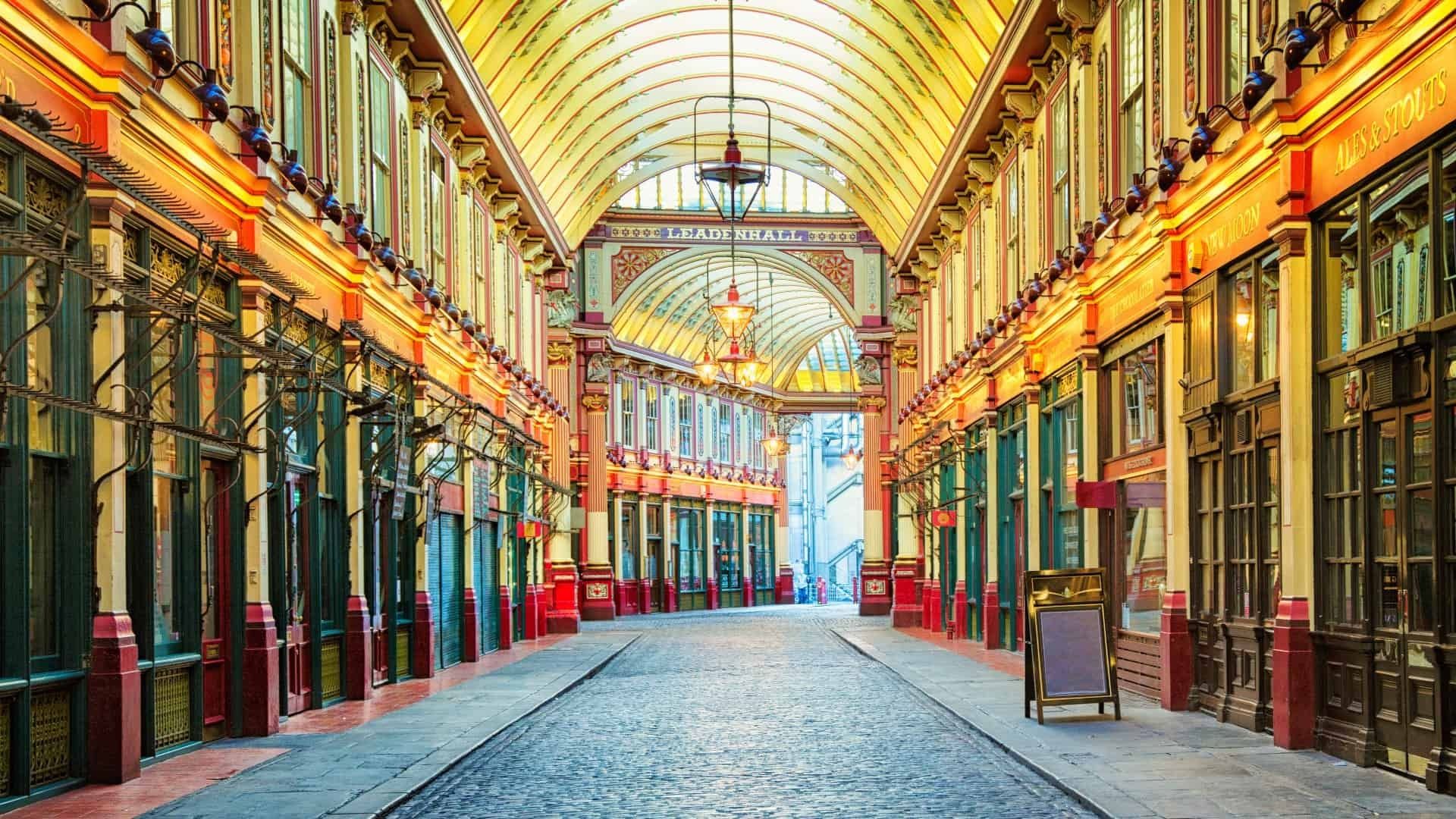
We end the tour with hope and Christmas cheer at the stunning Leadenhall market as we explore Stave Five - The End Of It, the final part of Dickens’ timeless classic. Where would Scrooge's gift of a turkey have come from? What happened after the publication of ‘A Christmas Carol’ and how did the reading public react to it. Hear how the book changed people's attitude to Christmas and how it led to four further Christmas books. How did it become the most well-known of Charles Dickens’ books and one of the most well-known stories in the world?
What's not included
As part of the tour we will take the London Underground. Customers will need a valid ticket, oyster card or contactless payment method to use the Underground network.
Available languages
Guide guide
EN
Reviews breakdown
Tripadvisor
5.0
3 reviews
5★
3
4★
0
3★
0
2★
0
1★
0
Important information
Infants and small children can ride in a pram or stroller
Service animals allowed
Public transportation options are available nearby
Travelers should have at least a moderate level of physical fitness
Meeting point
Please meet your guide outside Embankment Station. You should be able to see Starbucks and Costa Coffee from the entrance.
About London
London, the capital of England and the United Kingdom, is a vibrant, multicultural metropolis known for its rich history, iconic landmarks, and dynamic cultural scene. From the ancient Tower of London to the modern Shard, the city offers a blend of the old and the new, making it a fascinating destination for travelers from around the world.
Top Attractions
Tower of London
A historic castle located on the north bank of the River Thames. It has served as a royal palace, prison, armory, and treasury. The Crown Jewels are also housed here.
Historical
2-3 hours
£28 (adult ticket)
Buckingham Palace
The official residence of the British monarch. Visitors can watch the Changing of the Guard ceremony and tour the State Rooms during the summer.
Historical
1-2 hours
£27.50 (adult ticket for State Rooms)
The British Museum
One of the world's largest and most comprehensive museums, housing a vast collection of artifacts from around the globe.
Museum
2-3 hours
Free (special exhibitions may have a charge)
The London Eye
A giant Ferris wheel on the South Bank of the River Thames, offering panoramic views of the city.
Entertainment
30 minutes
£27-£33 (adult ticket)
Westminster Abbey
A large, mainly Gothic abbey church just to the west of the Palace of Westminster. It is one of the most notable religious buildings in the UK and the traditional place of coronation and burial for English and, later, British monarchs.
Religious
1-2 hours
£27 (adult ticket)
Tower Bridge
An iconic symbol of London, this combined bascule and suspension bridge spans the River Thames. Visitors can explore the bridge's walkways and the Tower Bridge Exhibition.
Architecture
1-2 hours
£11 (adult ticket for the exhibition)
Must-Try Local Dishes
Fish and Chips
A classic British dish consisting of battered and fried fish, usually cod or haddock, served with thick-cut chips (fries).
Dinner
Contains gluten and fish
Full English Breakfast
A hearty breakfast consisting of eggs, bacon, sausages, baked beans, grilled tomatoes, mushrooms, black pudding, and toast.
Breakfast
Contains meat and gluten
Afternoon Tea
A quintessential British tradition involving a selection of finger sandwiches, scones with clotted cream and jam, and a variety of pastries, all served with tea.
Snack
Can be adapted for vegetarian, vegan, and gluten-free diets
Sunday Roast
A traditional British meal served on Sundays, featuring roasted meat (usually beef, lamb, or chicken), Yorkshire pudding, roast potatoes, vegetables, and gravy.
Dinner
Contains meat and gluten
Popular Activities
Rock climbing
Kayaking on the Thames
Cycling tours
Afternoon tea
Spas and wellness centers
Punting on the River Cam
Museum visits
Theater performances
Best Time to Visit
June to August
Summer is the peak tourist season in London, with long daylight hours and a variety of festivals and events. The weather is generally pleasant, though it can be unpredictable.
15°C to 25°C
59°F to 77°F
Practical Information
Language
- Official: English
- Widely spoken: English
- English: Widely spoken
Currency
British Pound (GBP)
Time Zone
GMT (UTC+0) or BST (UTC+1) during daylight saving time
Electricity
230VV, 50HzHz
Safety Information
Overall Safety Rating: Generally safe
London is generally safe for travelers, but like any major city, it's important to be aware of your surroundings and take precautions to protect yourself and your belongings.
Important Precautions:
- • Keep your belongings secure and be aware of your surroundings
- • Avoid carrying large amounts of cash
- • Use licensed taxis or ride-sharing services
Getting there
By air
- Heathrow Airport • 23 km from city center
- Gatwick Airport • 40 km from city center
By train
London Waterloo, London King's Cross
By bus
Victoria Coach Station, Earls Court, Farringdon
Getting around
Public transport
The Tube is the fastest and most efficient way to get around London. It operates from early morning until late at night and covers all major attractions.
Taxis
Available • Apps: Uber, Bolt
Rentals
Car, Bike, Scooter
Neighborhoods
Westminster
Camden Town
Soho
Notting Hill
Shoreditch
Greenwich
Day trips
Windsor Castle
34 km from London • Half day to full day
Windsor Castle is the oldest and largest occupied castle in the world, and it's one of the official residences of the British monarch.
Stonehenge
130 km from London • Full day
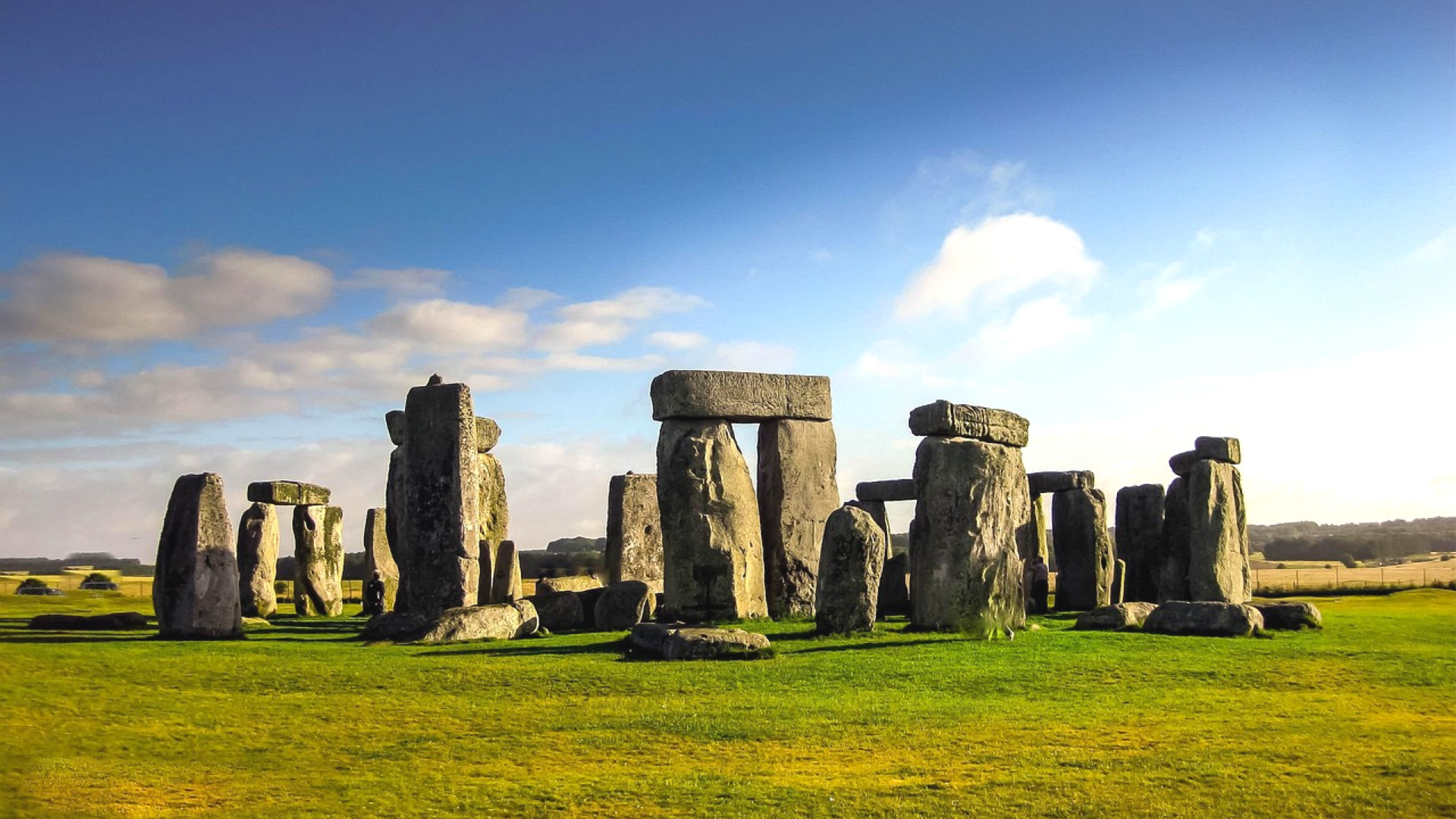
Stonehenge is a prehistoric monument consisting of a ring of standing stones, located in the English county of Wiltshire.
Brighton
80 km from London • Full day
Brighton is a vibrant coastal city known for its beaches, lively atmosphere, and eclectic mix of shops, restaurants, and attractions.
Festivals
Notting Hill Carnival • Last Sunday and Monday of August
London Film Festival • October
New Year's Eve Fireworks • December 31
Pro tips
- Use an Oyster card or contactless payment for cheaper and more convenient public transportation
- Book tickets in advance for popular attractions to skip the queue and save money
- Explore the city's neighborhoods and markets for a unique and authentic experience
- Try the local street food and international cuisine at markets like Borough Market and Camden Market
- Visit the city's parks and gardens for a peaceful escape from the bustling streets
From $25
per person
Price varies by option
Secure booking
Free cancellation available
Instant confirmation