2000 year old Buddhist trail to Karla & Bhaja Caves as a day trip from Mumbai
Active
12h
For a full refund, cancel at least 24 hours before the scheduled departure time.
Instant confirmation
Mobile or paper ticket accepted
About this experience
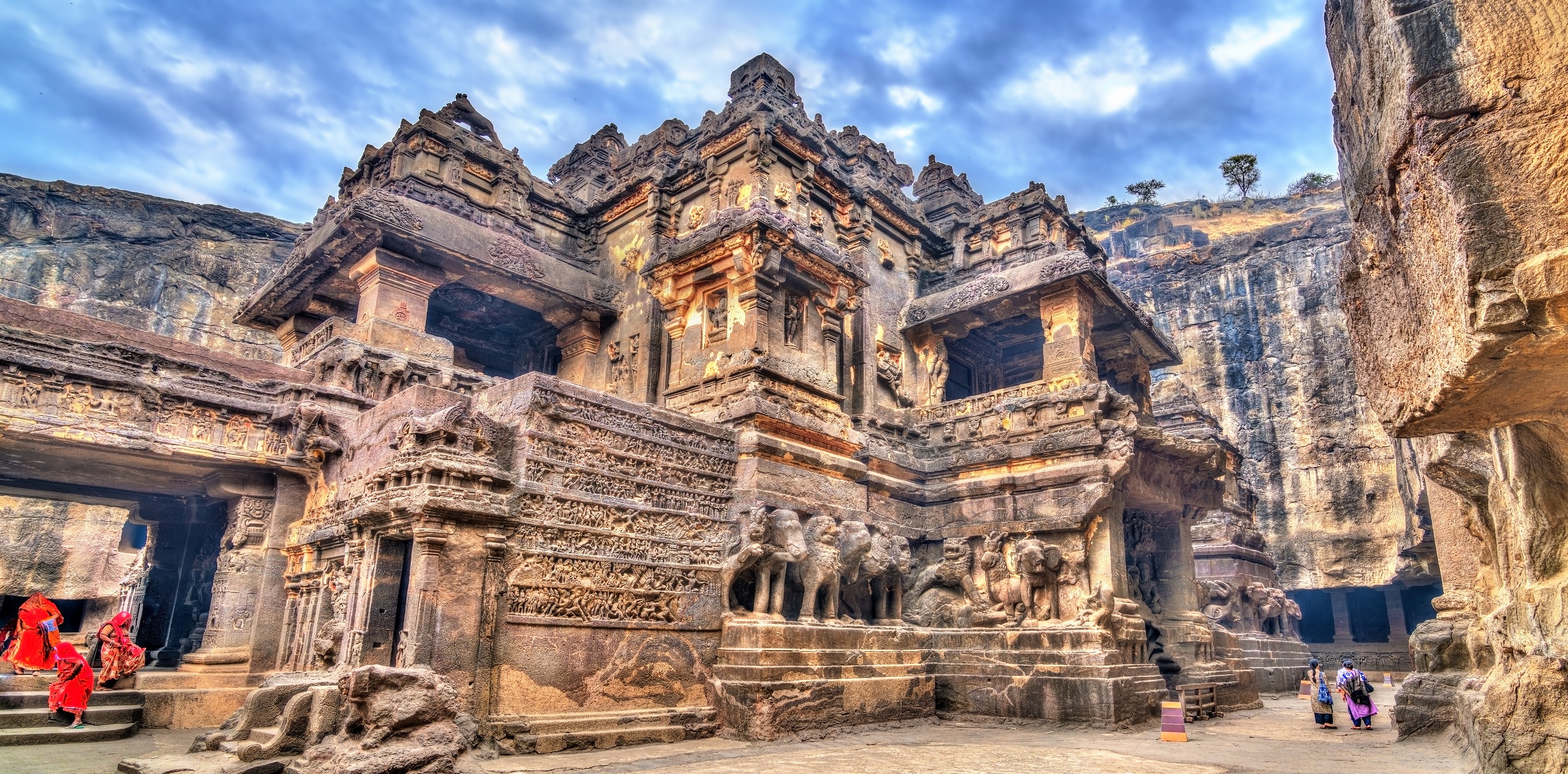
Karla & Bhaja Caves is a day tour from Mumbai where we go back 2000 years to explore rock cut Buddhist caves on an ancient trade route. Whats in store are magnificent monasteries up in the hill, prayer halls, exquisite sculptures carved on rocks, residences of monks of the first century as well as shelters made for weary travelers of the ancient trade routes between the Arabian Sea and the Deccan Plateau.
Available options
2000 year old Buddhist trail to Karla & Bhaja Caves as a day trip from Mumbai
Pickup included
With pick up drop
car<br/>Pickup included
What's included
Local guide
GST (Goods and Services Tax)
Hotel & Cruise Terminal pickup and drop-off
Lunch
Detailed itinerary
1
Stop 1
730AM- Hotel pick up
945AM– We reach the base of Karla caves. There are a set of 200 steps to be climbed from the parking area.
Karla Caves wee built between the 2nd and 5th centuries under the patronage of the Kingdoms of the day. These caves were a key centre for Buddhism in Western India. There are 16 magnificent Buddhist caves with the oldest one dating back to AD 160. The first set of caves were built by Theravadas, an ancient sect of Buddhists while Mahayana group of Buddhists built the later set of caves. The sculptures in the Caves are remarkable. Horse shoe shaped windows bring in the sun light into the cave providing a refreshing environment.
The highlight of this visit will be the prayer hall in the main Cave, which is one of the largest rock cut structures in India. The object of worship is a Stupa right at the end of the prayer hall.
Cave no 12 is the other unforgettable experience. It has a very interesting characteristic. The ceiling of this Cave has wooden ribs on the ceiling. The wood has survived for 2 millenia!
2
Stop 2
After lunch, we visit Bhaja Caves, the other important Buddhist centre in this part of the world. 200 intricately carved steps need to be surmounted before we reach this magnificent specimen of rock cut Buddhist caves. We visit a set of 22 caves located 400 feet above the village of Bhaja, dating back to 2nd century BC and built by Hinayana group of Buddhists. While 10 of these caves were Viharas or residences for the monks, the other 12 are Chaityas or prayer halls.
Cave 12 is a splendid specimen of wooden architecture and vaulted horseshoe ceiling. It also has a pillar which shows Buddha in different forms like Bodhi tree, lotus, elephant, wheel and throne. One of the carvings at Bhaja caves show a woman playing a Tabla the classical Hindustani musical instrument. This has pushed back the current understanding of origin of Tabla as an instrument in Ancient India.
730 PM- End of Karla & Bhaja Caves tour and we drop you back to hotel
What's not included
Drinks
Available languages
Guide guide
EN
Reviews breakdown
Viator
5.0
1 reviews
5★
1
4★
0
3★
0
2★
0
1★
0
Tripadvisor
4.9
10 reviews
5★
9
4★
1
3★
0
2★
0
1★
0
Important information
Public transportation options are available nearby
Not recommended for travelers with spinal injuries
Not recommended for pregnant travelers
Travelers should have at least a moderate level of physical fitness
A moderate amount of walking is involved. 200 steps each in Karla and Bhaja
Important notes
Karla caves has a temple as well. If we want to enter the temple then dress needs to cover knees and shoulders
About Mumbai
Mumbai, India's bustling financial capital, is a vibrant metropolis where tradition meets modernity. Known for its Bollywood industry, historic landmarks, and bustling street life, Mumbai offers a unique blend of cultural experiences and economic opportunities.
Top Attractions
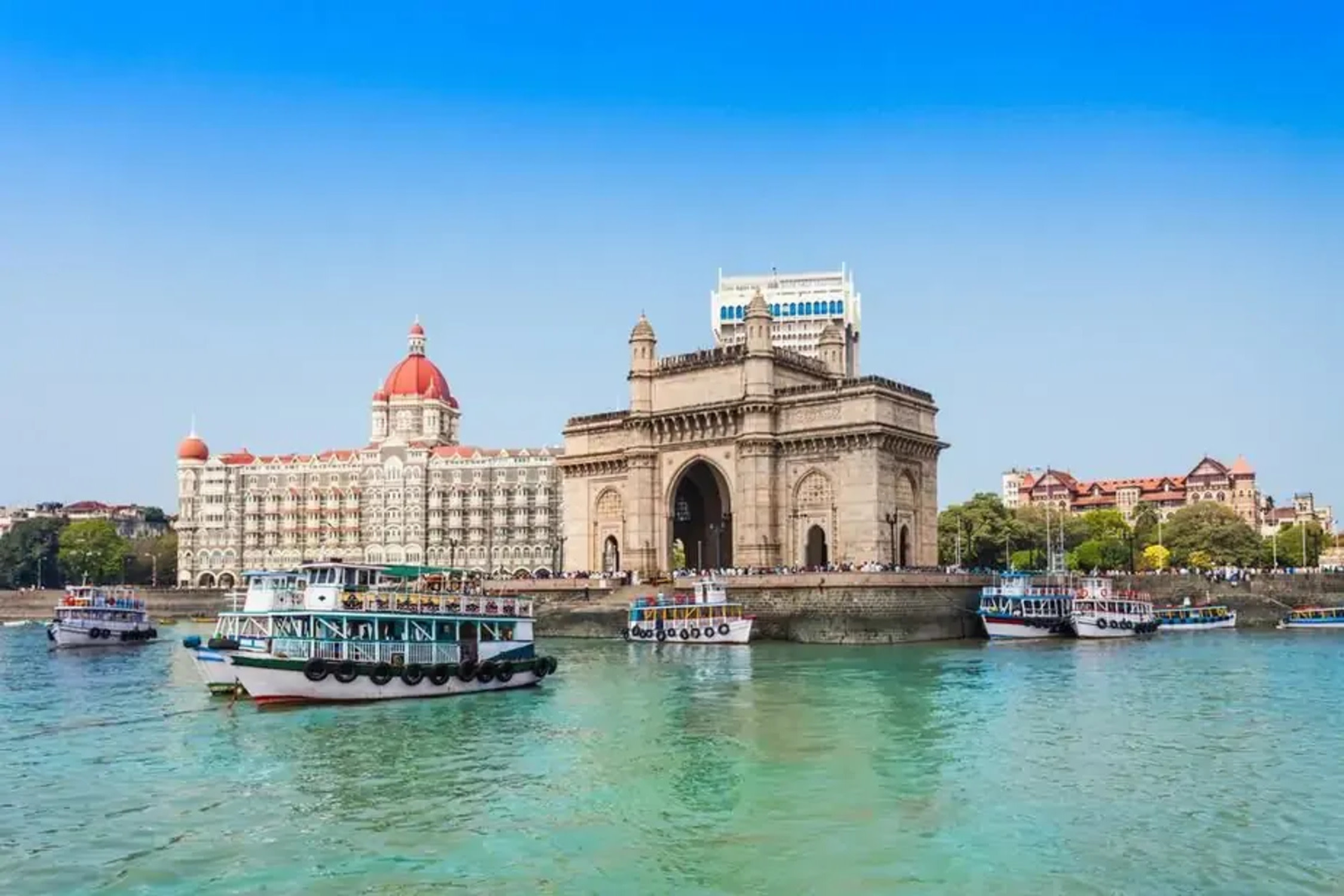
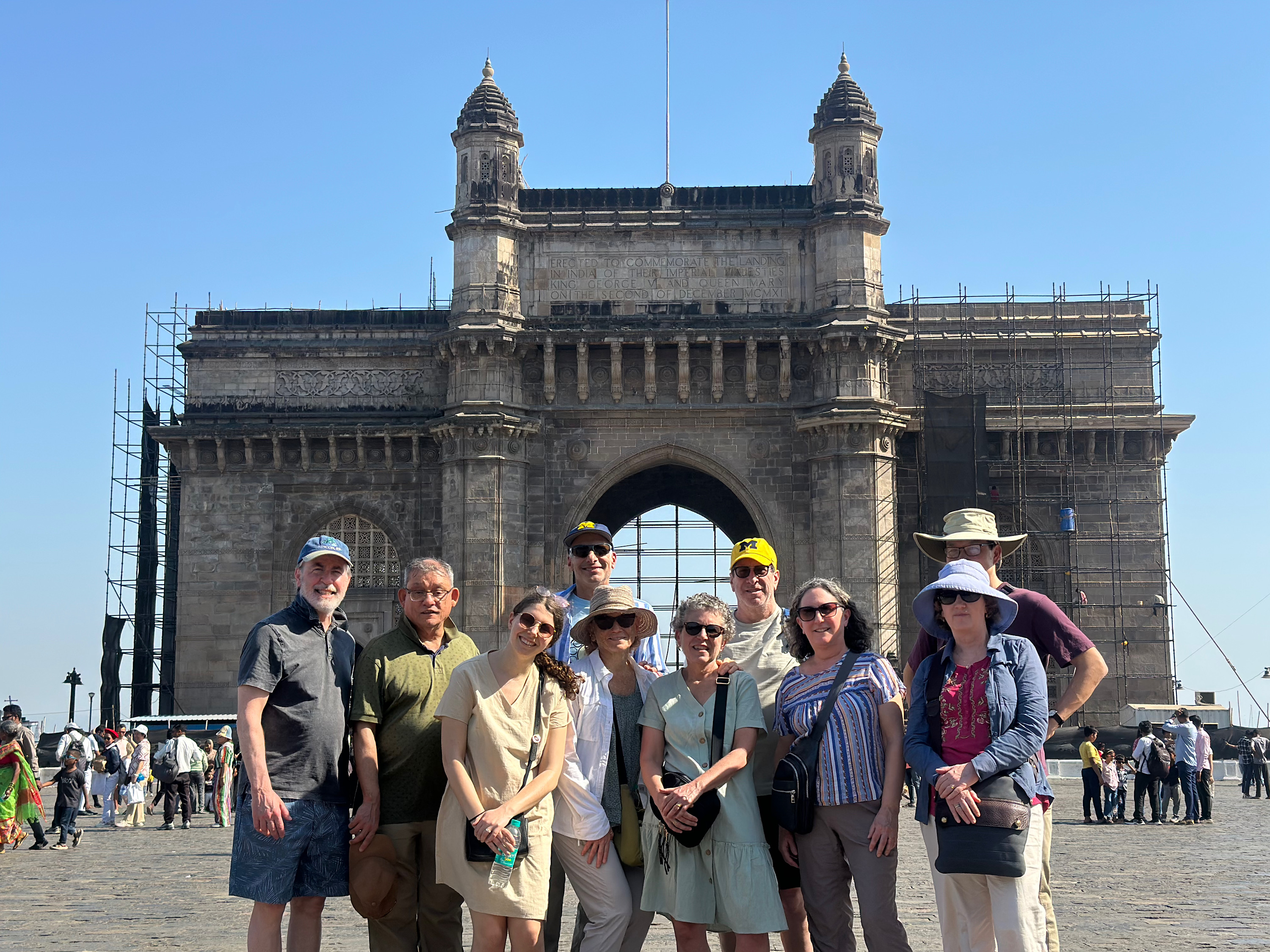
Gateway of India
A historic arch monument built during the British Raj, located in the Apollo Bunder area.
Historical
1-2 hours
Free
Elephanta Caves
A UNESCO World Heritage Site featuring ancient rock-cut temples and caves.
Historical
Half-day trip
600 INR (including ferry and entry)
Marine Drive
A scenic promenade along the Arabian Sea, popular for evening strolls and views.
Scenic
1-2 hours
Free
Must-Try Local Dishes
Vada Pav
A popular street food item consisting of a spiced potato fritter sandwiched between two slices of bread.
Snack
Vegetarian
Pav Bhaji
A thick vegetable curry served with buttered bread rolls.
Dinner
Vegetarian
Popular Activities
Hiking in Sanjay Gandhi National Park
Water sports at Juhu Beach
Yoga and meditation at various centers
Spa treatments at luxury hotels
Visiting art galleries and museums
Attending Bollywood dance classes
Boating at Powai Lake
Fishing at Girgaon Chowpatty
Best Time to Visit
November to February
The best time to visit Mumbai is during the winter months when the weather is pleasant and ideal for sightseeing.
18°C to 32°C
64°F to 90°F
Practical Information
Language
- Official: Marathi, English
- Widely spoken: Hindi, Gujarati
- English: Widely spoken
Currency
Indian Rupee (INR)
Time Zone
IST (UTC+5:30)
Electricity
230VV, 50HzHz
Safety Information
Overall Safety Rating: Generally safe
Mumbai is generally safe for travelers, but it's important to be aware of your surroundings and take precautions to avoid scams and pickpocketing.
Important Precautions:
- • Use reputable taxi services or apps like Uber and Ola.
- • Be cautious of strangers offering unsolicited help or services.
- • Keep your belongings secure in crowded areas.
Getting there
By air
- Chhatrapati Shivaji Maharaj International Airport • 10 km from city center
By train
Chhatrapati Shivaji Maharaj Terminus, Lokmanya Tilak Terminus
By bus
Mumbai Central, Bandra Terminus
Getting around
Public transport
The Mumbai Metro is a fast and efficient way to travel, but it currently covers only specific routes.
Taxis
Available • Apps: Uber, Ola
Rentals
Car, Bike, Scooter
Neighborhoods
Colaba
Bandra
Day trips
Alibaug
50 km from Mumbai • Half-day to full-day trip
A coastal town known for its beautiful beaches and historic forts.
Lonavala
80 km from Mumbai • Full-day trip
A picturesque hill station known for its lush greenery and scenic viewpoints.
Festivals
Gudi Padwa • March or April
Ganesh Chaturthi • August or September
Pro tips
- Visit the Elephanta Caves early in the morning to avoid crowds and the heat.
- Try local street food like vada pav, pav bhaji, and pani puri for an authentic culinary experience.
- Explore the city's Art Deco architecture in the Colaba and Oval areas.
- Take a Bollywood dance class for a fun and unique cultural experience.
- Visit the Dharavi slum on a guided tour to learn about the local community and their innovative recycling practices.
From $25
per person
Price varies by option
Secure booking
Free cancellation available
Instant confirmation