Legendary Tour of the Black Isle from Inverness or Invergordon
Active
4h
For a full refund, cancel at least 24 hours before the scheduled departure time.
Instant confirmation
Mobile or paper ticket accepted
About this experience
You will enjoy a relaxing few hours while you travel around the Black isle in comfort. Your Guide, Johnny will thrill you with stories of old while he takes you to visit some amazing historical sites, like the Old Priory (Which dates back to the13th century) in the beautiful village of Beauly. You will also see and hear the history and culture behind The Black Isle's villages and towns. You will even get to decide which version of just why this piece of land has become known as the Black Isle... intrigued? Book this tour and find out :)
Available options
Legendary Tour of the Black Isle from Inverness or Invergordon
What's included
Bottled water
Experienced Local Guide
WiFi onboard
Detailed itinerary
1
Home to the Valliscaulian Monks whom lived here happily since around 1230 to 1510. It was visited in 1564 by Mary Queen of Scots and on arrival she said what a BEAU LEU or beautiful place. After the reformation the priory fell into disuse and the lead was removed in 1582. In 1652 Oliver Cromwell took some materials to build a fort in Inverness. This is where Jamie left Scotland for France in the Outlander TV Series
2
Stop 2
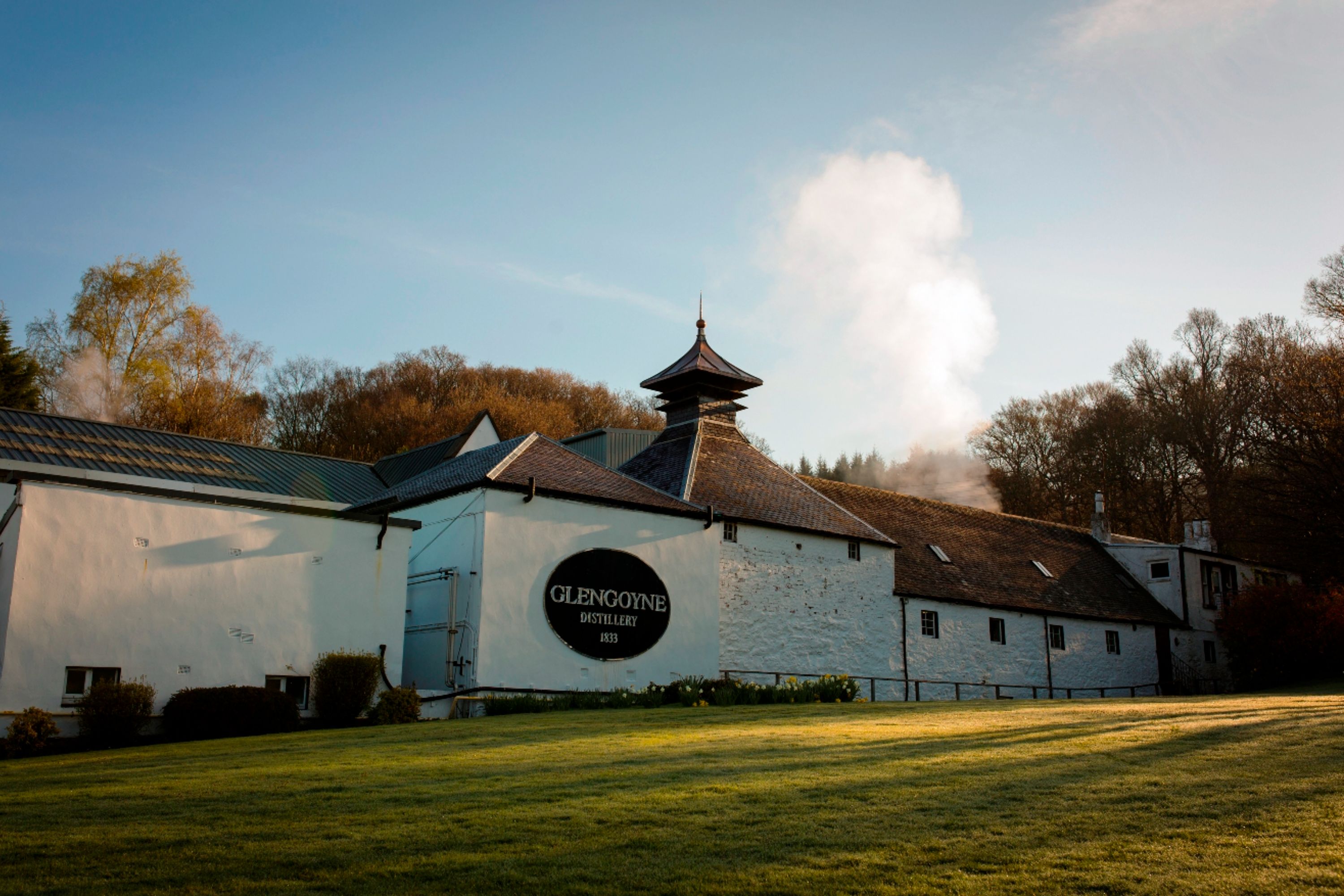
The Ord distillery dates back to 1838 it is the only single malt distillery on the Black Isle. The water for the mashing was taken from the Cuckoo Well and employed 18 people in the early days. Now it has 7 was stills and is owned by Diageo now the water come from the White Burn.
3
The Black Isle Brewery offers a short free tour and the Black Isle is another place I can highly recommend. Not a lot of the tours end up on the Black Isle which is a real shame as it is absolutely beautiful and has some great walks and an interesting history.
4
Stop 4
Chanonry Point is one of the best spots in the UK to view bottlenose dolphin from theshore. The dolphins are often visible off Chanonry point, particularly on an incoming tide when they play and fish in the strong currents. Other wildlife, including porpoises and grey seals, can also regularly be spotted. European otters are occasional visitors too.
5
Stop 5
Hugh Miller was a tall (nearly 6ft) man with a great mass of flaming red hair and "sapphire" blue eyes (according to his wife, Lydia). He possessed immense physical strength, and most importantly a questing intellect of extraordinary range. He was a self-taught geologist, and wrote about the history of the earth with an eloquence, breadth of imagination and descriptive power like no one else has then or since. His fossil collection of over 6,000 specimens became the founding core of what is today's Scottish national collection in the Royal Scottish Museum in Edinburgh. His books, such as The Old Red Sandstone, The Cruise of the Betsey, Footprints of the Creator, Testimony of the Rocks, Scenes and Legends of the North of Scotland, and My Schools and Schoolmasters (autobiography) became bestsellers in many editions. Hugh Miller was an evangelical Christian. He could be ferociously aggressive in debate with his religious opponents, via the columns of his newspaper, The Witness. He helped to found a new Presbyterian Church, and gave it its name, the Free Church of Scotland. For all his ferocity in print, he was intensely shy, introverted, humble, prone to melacholy, and plagued with silicosis all his life because of his toils in his youth as a stonemason. In the end he was to die by his own hand - a single shot in the chest - in the early hours of Christmas Eve, at his home in Shrub Mount, Portobello, just outside Edinburgh. By then his brain was "burning," tormented by nightmares and fears of approaching insanity. He left a widow, Lydia, herself a writer, who edited and secured posthumous publication of some of his books, and four children, Harriet, William, Bessie and Hugh Junior, who became a geologist like his father. MILLER HOUSE opened to great acclaim on 8th April 2004.
6
This elegant Grade A listed former courthouse, built in 1773, now houses fascinating exhibitions about the historic town of Cromarty and the neigbouring parish of Resolis, which are FREE to visit.
Available languages
Guide guide
EN
Reviews breakdown
Viator
4.7
3 reviews
5★
2
4★
1
3★
0
2★
0
1★
0
Tripadvisor
4.8
5 reviews
5★
4
4★
1
3★
0
2★
0
1★
0
Important information
Infants and small children can ride in a pram or stroller
Service animals allowed
Public transportation options are available nearby
Specialized infant seats are available
Suitable for all physical fitness levels
About Invergordon
Invergordon is a charming town in the Scottish Highlands, known for its historic castle ruins, picturesque coastline, and as a gateway to the stunning landscapes of the north. It offers a blend of maritime heritage, scenic beauty, and outdoor activities.
Top Attractions
Invergordon Castle
The ruins of Invergordon Castle offer a glimpse into the town's medieval past. The castle was once a stronghold of the Bishops of Ross.
Historical
1-2 hours
Free
Invergordon Museum
This small but informative museum showcases the town's maritime and industrial history, including exhibits on the local shipbuilding industry.
Museum
1 hour
Free (donations welcome)
Cromarty Firth
The Cromarty Firth is a stunning estuary offering beautiful coastal views, wildlife spotting, and various water activities.
Nature
2-3 hours
Free (boat tours may have a fee)
Must-Try Local Dishes
Haggis
A traditional Scottish dish made from sheep's heart, liver, and lungs, mixed with onions, oatmeal, suet, and spices, traditionally cooked in a sheep's stomach.
Main Dish
Not vegetarian or vegan, contains gluten
Cullen Skink
A creamy smoked haddock soup with potatoes and onions, originating from the nearby town of Cullen.
Soup
Contains fish, gluten-free if made without oats
Shortbread
A traditional Scottish biscuit made from butter, sugar, and flour, often served with tea or coffee.
Dessert
Vegetarian, contains gluten and dairy
Popular Activities
Hiking
Boat tours
Wildlife spotting
Scenic walks
Dining at local restaurants
Visiting cafes
Visiting museums
Exploring historical sites
Best Time to Visit
June to August
Summer is the best time to visit Invergordon for pleasant weather and longer daylight hours, ideal for exploring the outdoors and attending local festivals.
12°C to 18°C
54°F to 64°F
Practical Information
Language
- Official: English
- Widely spoken: Scottish Gaelic
- English: Widely spoken
Currency
British Pound (GBP)
Time Zone
GMT+0 (Greenwich Mean Time)
Electricity
230VV, 50HzHz
Safety Information
Overall Safety Rating: Generally safe
Invergordon is generally safe, with low crime rates. However, as with any destination, it's important to take basic precautions.
Important Precautions:
- • Keep valuables secure, especially in crowded areas
- • Be cautious of pickpockets, especially in tourist spots
- • Use reputable taxi services and agree on fares in advance
Getting there
By air
- Inverness Airport • 30 miles (48 km)
By train
Invergordon Station
By bus
Invergordon Bus Station
Getting around
Public transport
Buses are the primary mode of public transport, connecting Invergordon to surrounding towns and attractions.
Taxis
Available • Apps: Uber, Local taxi apps
Rentals
Car, Bike, Scooter
Neighborhoods
Town Center
Seafront
Day trips
Inverness
20 miles (32 km) • Half day
Inverness is the capital of the Highlands and offers a wealth of historical sites, museums, and shopping.
Cromarty
10 miles (16 km) • Half day
Cromarty is a charming coastal town known for its historic buildings, scenic views, and dolphin-spotting opportunities.
Festivals
Invergordon Highland Games • July
Invergordon Christmas Market • December
Pro tips
- Visit Invergordon Castle at different times of the day for the best photo opportunities
- Try local seafood dishes, especially those featuring haddock from the Cromarty Firth
- Explore the town's museums and historical sites to gain a deeper understanding of its maritime heritage
- Take a boat tour to spot dolphins and other wildlife in the Cromarty Firth
- Visit during the Highland Games for a lively and festive atmosphere
From $25
per person
Price varies by option
Secure booking
Free cancellation available
Instant confirmation