Pamukkale Day Tour from Kusadasi
Active
11h
For a full refund, cancel at least 24 hours before the scheduled departure time.
Instant confirmation
Mobile or paper ticket accepted
About this experience
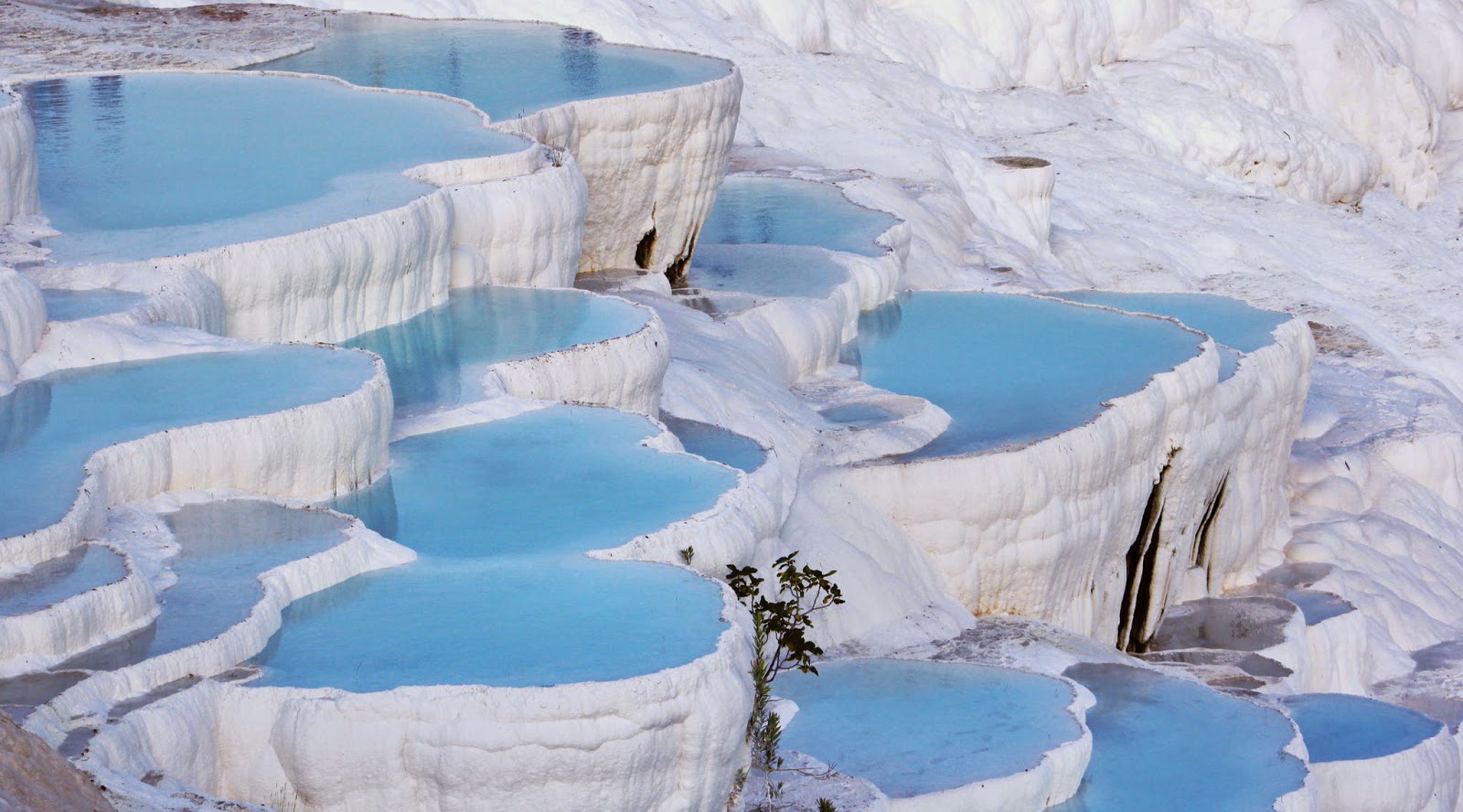
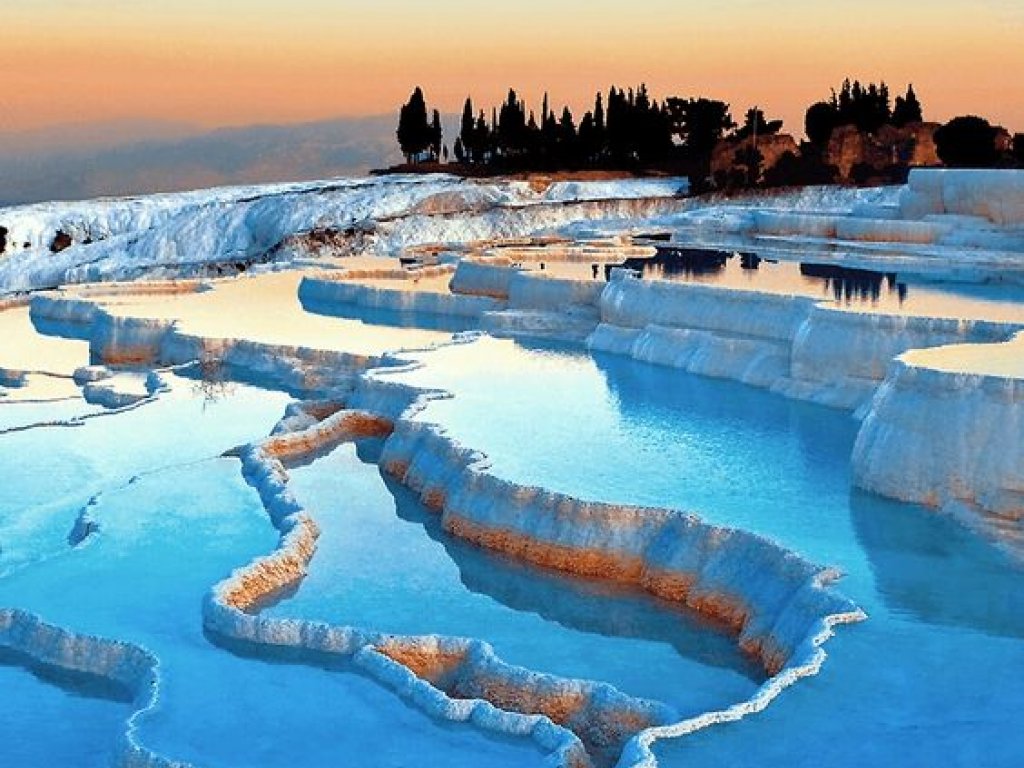
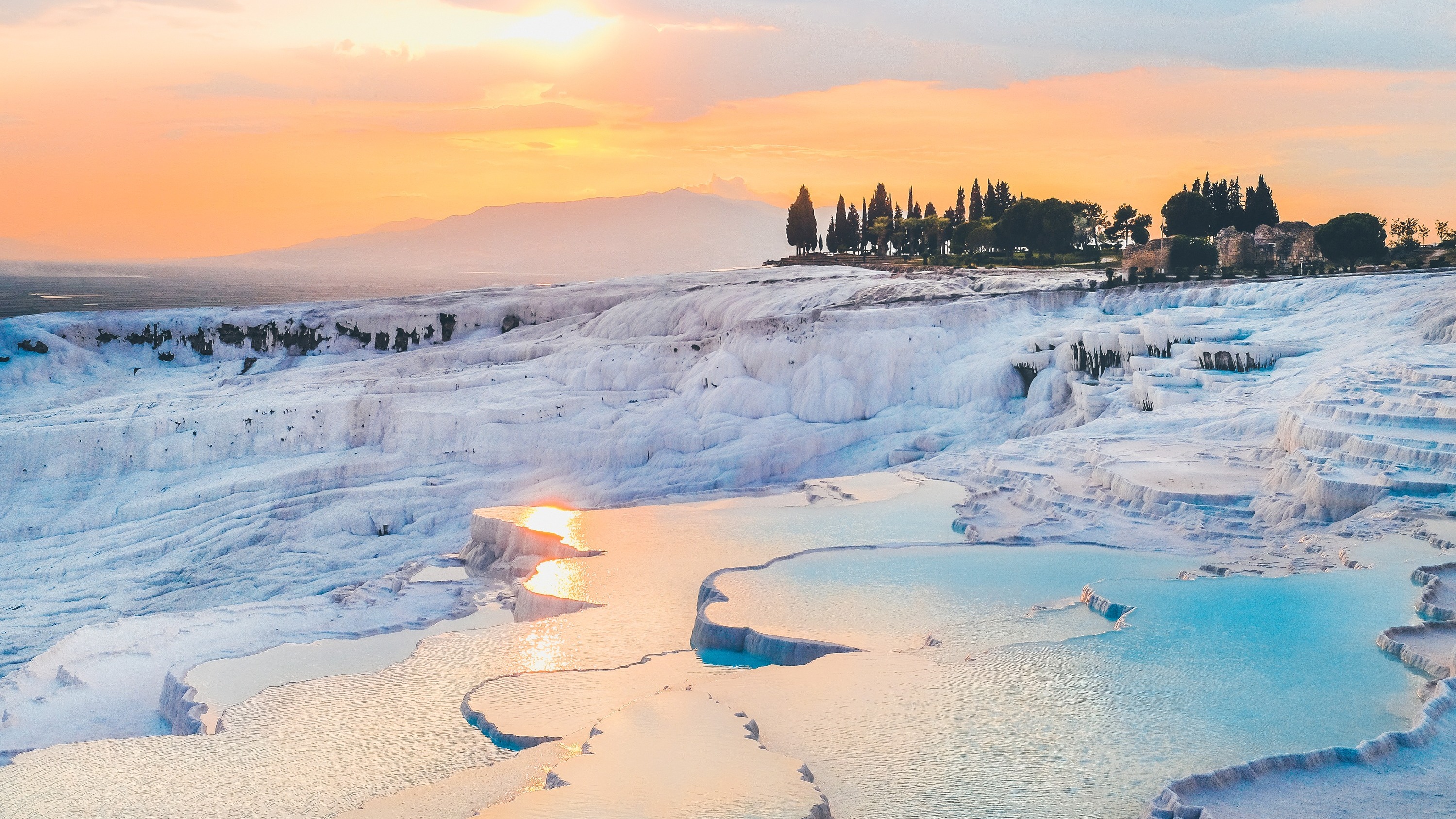
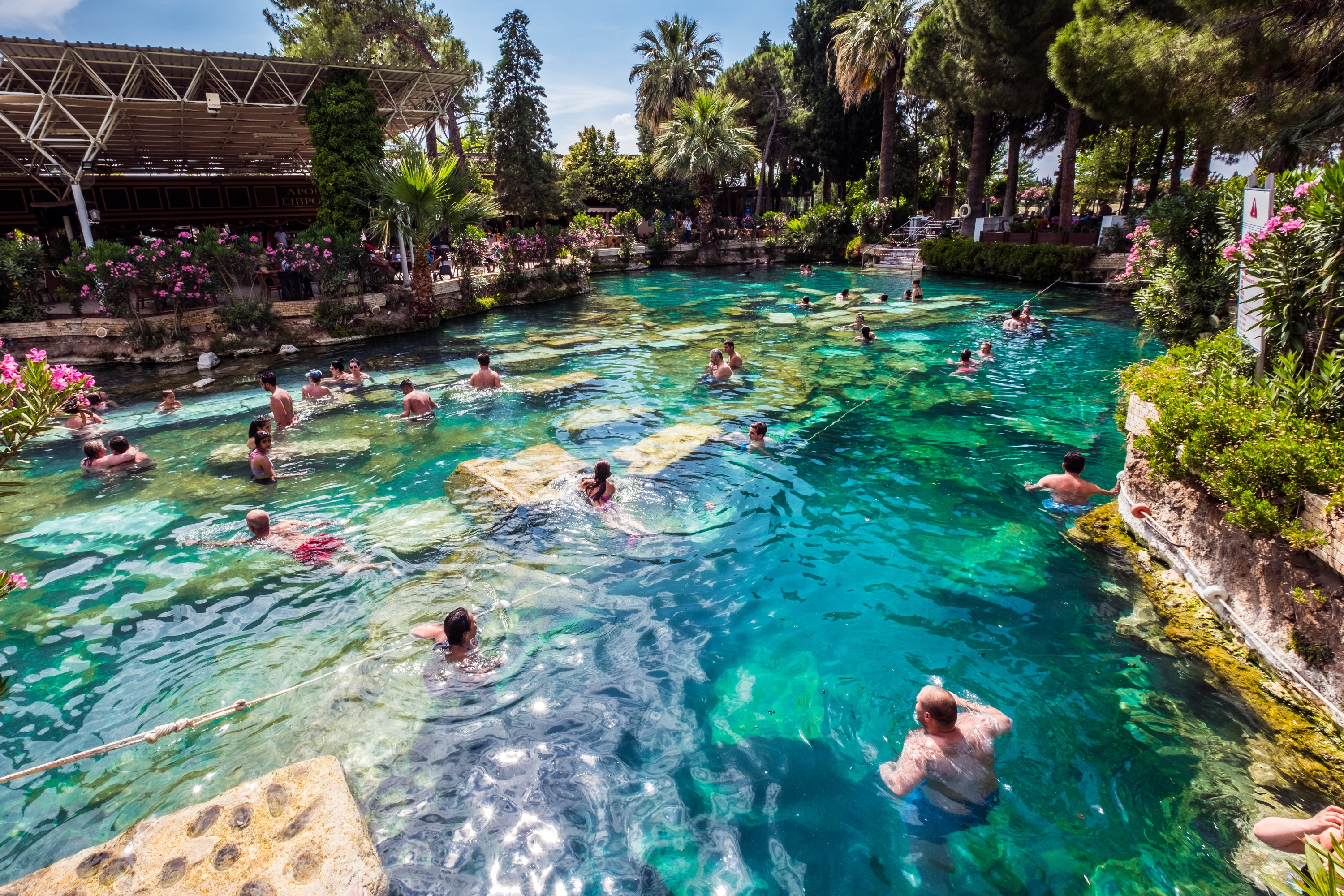
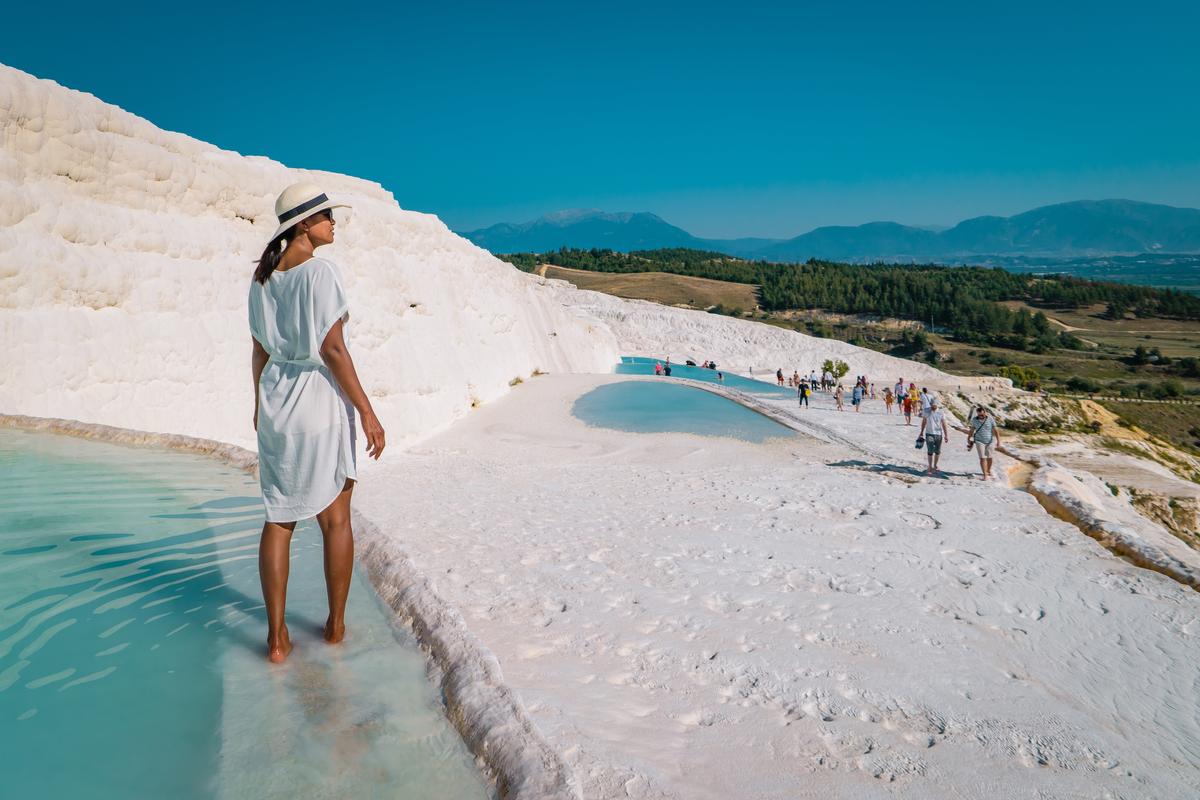
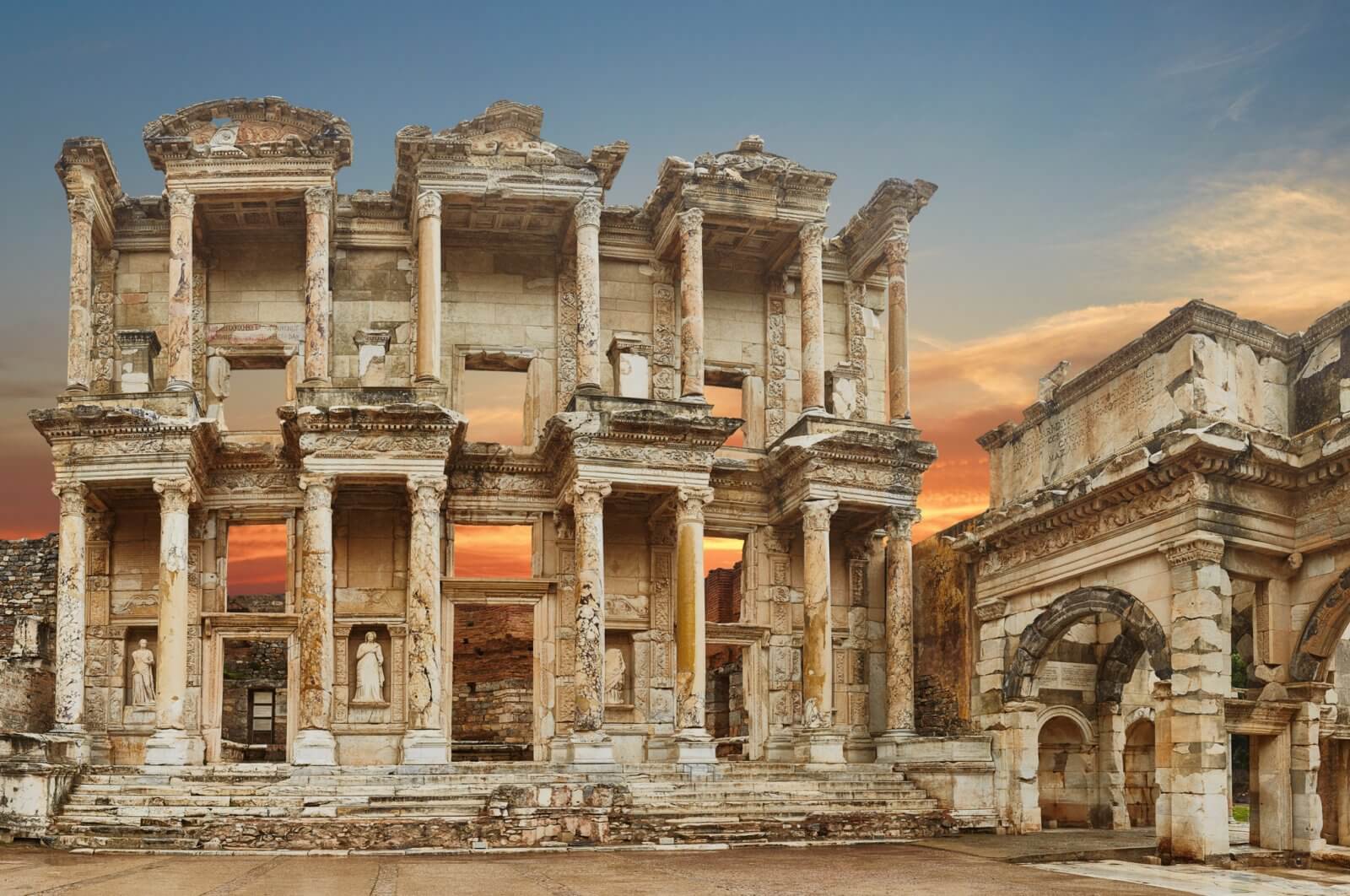
Pamukkale, known as the 'Cotton Castle', is a popular attraction and highlight of a holiday in Turkey. The tour will take you through the white cliffs of Pamukkale while providing you with the history of the area. You will also visit the Ancient City of Hierapolis, where you can marvel at the amazing amphitheater.
Available options
Spanish Guided Tour
Spanish Guided Tour<br/>Pickup included
Pamukkale Day Tour from Kusadasi
Pickup included
What's included
Hotel pickup and drop-off
Local guide
All taxes, fees and handling charges
Lunch
Transport by air-conditioned minivan
Detailed itinerary
1
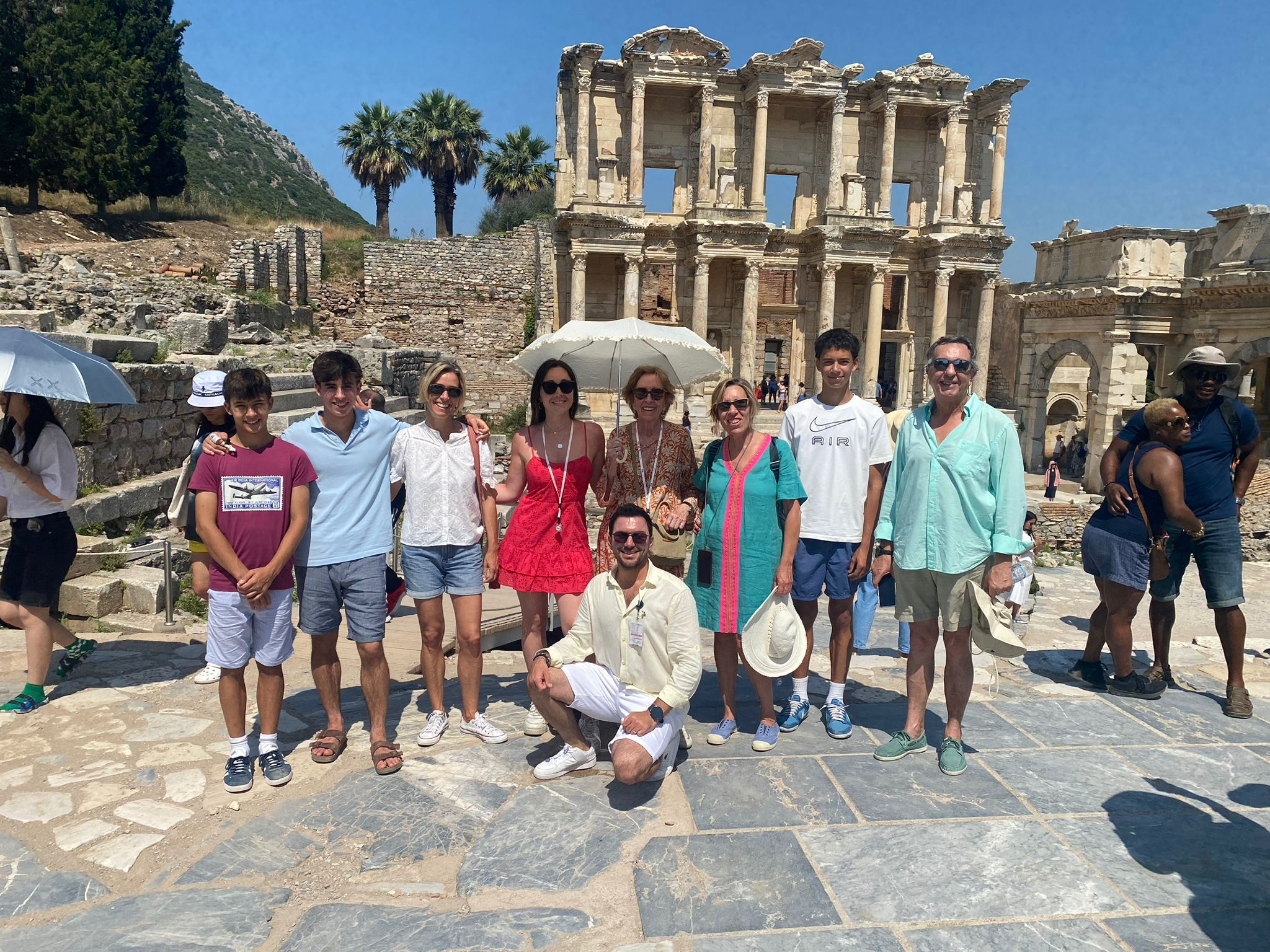
The ancient city of Hierapolis is located on a 200 meter high terrace of limestone deposits amid a wonderland of mineral water pools and petrified limestone waterfalls. The ancient city overlooks the modern town of Pamukkale in Turkey's Inner Aegean region. Founded as a thermal spa in 190 BC by Eumenes II, the King of Pergamon, the city was most likely named for Hiero, the wife of the legendary founder of the Pergamene dynasty.
2
It is located in the middle of Hierapolis and is very well preserved. it was built during the reign of Emperor Hadrian in 2nd century AD. In Emperor Severus' period the cavea and the stage of theatre were restored by using the remains of another old theatre built earlier on the north of the city. Roman Theatre had a capacity of 8500 – 10000 spectators and was divided into two parts as upper and lower parts of seat by a diazoma.
3
Located on the main street between the theater and a sacred pool, this forty-by-sixty-foot temple was dedicated to the supposed god of light, Apollo. The entrance faced west and was approached by a broad flight of stairs.
4
Stop 4
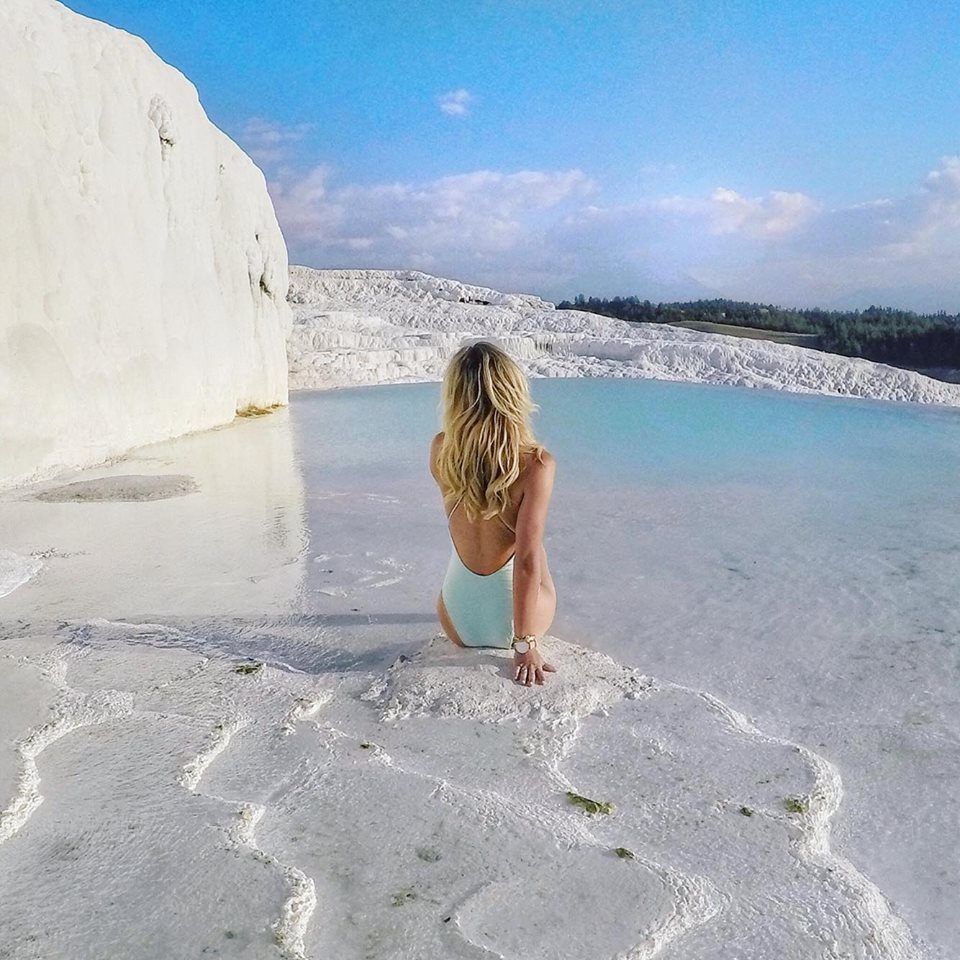
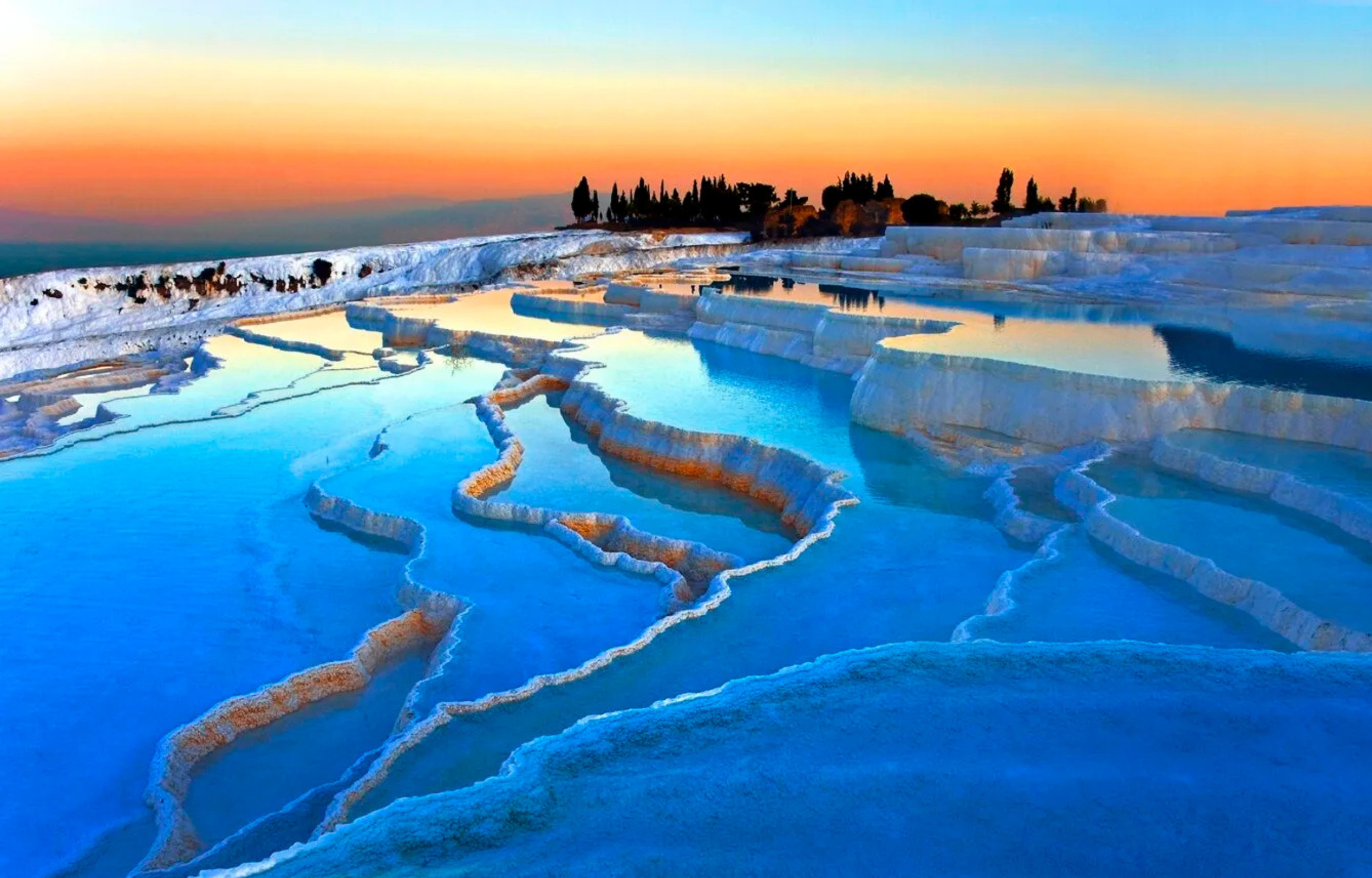
Pamukkale has been made eternally famous by the gleaming white calcite travertines (terraces) overrunning with warm, mineral-rich waters on the mountain above the village – the so-called ‘Cotton Castle' (pamuk means 'cotton' in Turkish). Just above the travertines lies Hierapolis, once a Roman and Byzantine spa city, which has considerable ruins and a museum.
What's not included
Alcoholic drinks (available to purchase)
Drinks
Gratuities
Available languages
Guide guide
EN
ES
Reviews breakdown
Viator
5.0
1 reviews
5★
1
4★
0
3★
0
2★
0
1★
0
Important information
Infants are required to sit on an adult’s lap
Public transportation options are available nearby
Suitable for all physical fitness levels
Child rate applies only when sharing with 2 paying adults
Infant meals not included
Important notes
• Comfortable walking shoes are recommended
Hotel pickups commence approximately 30 - 60 minutes prior to this time, exact pickup time will be advised on reconfirmation.
About Kusadasi
Kusadasi is a vibrant coastal city on the Turkish Riviera, known for its stunning beaches, rich history, and proximity to ancient ruins. It offers a blend of modern resort amenities and traditional Turkish culture, making it a popular destination for both relaxation and exploration.
Top Attractions
Lady Mary's Bath
A historic hamam (Turkish bath) built in 1640, offering traditional Turkish bath experiences and spa treatments.
Historical
2-3 hours
Moderate
Kusadasi Castle
A medieval castle with a rich history, offering panoramic views of the city and harbor.
Historical
1-2 hours
Free
Long Beach (Long Beach)
A popular beach with golden sand, clear waters, and a variety of water sports and activities.
Beach
Half day to full day
Free to Moderate (for amenities and water sports)
Ephesus Ancient City
One of the most famous ancient cities in the world, featuring well-preserved ruins and significant historical sites.
Historical
Half day to full day
Moderate (entry fee applies)
Pigeon Island (Kusadasi Castle)
A small island connected to the mainland by a causeway, featuring a historic castle and beautiful views.
Historical
2-3 hours
Free to enter, moderate for activities
Must-Try Local Dishes
Gözleme
A traditional Turkish flatbread filled with various ingredients like cheese, spinach, or potatoes
Breakfast/Snack
Vegetarian options available
Kusadasi Köfte
Spicy meatballs made with ground beef, onions, and spices, often served with rice or bread
Main Course
Contains meat, not suitable for vegetarians
Baklava
A sweet pastry made with layers of filo dough, nuts, and honey syrup
Dessert
Vegetarian, contains nuts
Popular Activities
Scuba diving
Parasailing
Jet skiing
Hiking in nearby nature parks
Beach lounging
Spa treatments
Yoga on the beach
Boat tours
Best Time to Visit
June to September
This is the peak tourist season with warm weather, clear skies, and vibrant nightlife. The sea is at its warmest, perfect for swimming and water sports.
25°C to 35°C
77°F to 95°F
Practical Information
Language
- Official: Turkish
- Widely spoken: English, German, Russian
- English: Moderately spoken in tourist areas, limited elsewhere
Currency
Turkish Lira (TRY)
Time Zone
GMT+3
Electricity
220VV, 50HzHz
Safety Information
Overall Safety Rating: Generally safe
Kusadasi is generally safe for tourists, but standard precautions should be taken to avoid petty crime and scams.
Important Precautions:
- • Keep valuables secure
- • Use reputable tour operators
- • Be cautious of strangers offering services
Getting there
By air
- Adnan Menderes Airport • 75 km south of Kusadasi
By bus
Kusadasi Bus Station
Getting around
Public transport
Affordable and frequent minibuses that follow set routes. Easy to use but can get crowded.
Taxis
Available • Apps: BiTaksi, Gett
Rentals
Car, Bike, Scooter
Neighborhoods
City Center
Kadınlar Denizi
Davutlar
Day trips
Ephesus
20 km • Half day to full day
One of the most famous ancient cities in the world, featuring well-preserved ruins and significant historical sites.
Pamukkale
160 km • Full day
A natural wonder featuring terraces of white travertine pools filled with thermal water.
Sirince
30 km • Half day
A charming village known for its wine production, fruit wines, and traditional architecture.
Festivals
Kusadasi International Music Festival • July
Kusadasi International Kite Festival • May
Pro tips
- Visit Ephesus early in the morning to avoid crowds and the heat
- Try the local street food, especially simit and kebabs
- Bargain politely when shopping in bazaars
- Learn a few basic Turkish phrases to enhance your experience and interact with locals
- Use dolmuş (shared taxis) for affordable and convenient transport within the city
From $25
per person
Price varies by option
Secure booking
Free cancellation available
Instant confirmation