Zagreb - Rijeka - Opatija
Active
8h - 12h
For a full refund, cancel at least 24 hours before the scheduled departure time.
Instant confirmation
Mobile or paper ticket accepted
About this experience
Do you have a day off from work or do you want a weekend break somewhere? No problem, Opatija is the best choice for a weekend this spring or for a short break this year. The beautiful city of Opatija is a summer resort and romantic city located near Rijeka. Opatija is a picturesque destination that offers a beautiful sunset, romantic atmosphere and some of the best wellness and spa hotels in Croatia.
Attractions in Opatija:
Church of St. James
promenade
The girl with the seagull
Swiss house
Gervais Center
Also nearby is Ucka Nature Park
Why visit Opatija?
Beautiful promenade
Architecture
Parks
Air conditioning, sea holidays
A romantic sunset
Great hotels that offer spa and wellness
Good gastronomic offer
You can get to Opatija cheaply and easily from all parts of HR
Available options
Zagreb - Rijeka - Opatija
Pickup included
What's included
Private transportation
All Fees and Taxes
Dress code is smart casual
WiFi on board
Bottled water
Air-conditioned vehicle
Stroller accessible
Local licensed guide for Diocletian Palace and Split downtown
Infant seats available
Detailed itinerary
1
Located at the foot of Ucka Mountain and Nature Park, Opatija provides a great choice for summer and winter vacations. Beautiful nature, parks, old Austro-Hungarian villas, promenades and beaches have been attracting tourists from Europe and the world for 160 years. Opatija is the leading tourist resort in the Republic of Croatia for the organization of congresses, seminars and consultations. Festivals, concerts, exhibitions and other cultural and sporting events Opatija offers culturally entertaining events throughout the year. [1]
The abbey is located on the eastern coast of the Istrian peninsula, and lies at the foot of Učka Mountain. It is the largest city and center of the Liburnian area, which extends from Plomin, along the coast and through the mountain range of Učka and Ćićarija to Rupa and Kastav.
Opatija is a tourist town, picturesque in appearance. With its tradition and appearance it stands out from other tourist cities because its, although short-lived history is very colorful.
Opatija's climate is sub-Mediterranean, which means that it is not like in Dalmatia, but the temperatures are slightly lower, and there are more rainfall and cloudy days in the year than in the southern Adriatic.
2
Historically, Rijeka was also called Tharsatica, Vitopolis (lit. City of [Saint] Vito), or Flumen (lit. River) in Latin. The city is called Rijeka in Croatian, Reka in Slovene, and Reka or Rika in the local dialects of the Chakavian language. It is called Fiume ([ˈfjuːme]) in Italian. All these names mean "river" in their respective languages.[6][7] Meanwhile, Hungarian has adopted the Italian name while in German the city has been called Sankt Veit am Flaum—St Vito on the river Flaum—or Pflaum ([pflaʊm]).Though traces of Neolithic settlements can be found in the region, the earliest modern settlements on the site were Celtic Tharsatica (modern Trsat, now part of Rijeka) on the hill, and the tribe of mariners, the Liburni, in the natural harbour below. The city long retained its dual character. Rijeka was first mentioned in the 1st century AD by Pliny the Elder as Tarsatica in his Natural History (iii.140).[8]
In the time of Augustus, the Romans rebuilt Tharsatica as a municipium Flumen (MacMullen 2000), situated on the right bank of small river Rječina (whose name means "the big river"). It became a city within the Roman Province of Dalmatia until the 6th century.After the 4th century Rijeka was rededicated to St. Vitus, the city's patron saint, as Terra Fluminis sancti Sancti Viti or in German Sankt Veit am Pflaum. From the 5th century onwards, the town was ruled successively by the Ostrogoths, the Byzantines, the Lombards, and the Avars. Croats settled the city starting in the 7th century giving it the Croatian name, Rika svetoga Vida ("the river of St. Vitus"). At the time, Rijeka was a feudal stronghold surrounded by a wall. At the center of the city, its highest point, was a fortress.
In 799 Rijeka was attacked by the Frankish troops of Charlemagne. Their Siege of Trsat was at first repulsed, during which the Frankish commander Duke Eric of Friuli was killed. However, the Frankish forces finally occupied and devastated the castle, while the Duchy of Croatia passed under the overlordship of the Carolingian Empire. From about 925, the town was part of the Kingdom of Croatia, from 1102 in personal union with Hungary. Trsat Castle and the town was rebuilt under the rule of the House of Frankopan. In 1288 the Rijeka citizens signed the Law codex of Vinodol, one of the oldest codes of law in Europe.
Rijeka even rivalled with Venice when it was purchased by the Habsburg emperor Frederick III, Archduke of Austria in 1466. It would remain under Habsburg overlordship for over 450 years, except for French rule between 1805 and 1813, until its occupation by Croatian and subsequently Italian irregulars at the end of World War I
Available languages
Guide guide
EN
Reviews breakdown
Viator
5.0
1 reviews
5★
1
4★
0
3★
0
2★
0
1★
0
Tripadvisor
5.0
3 reviews
5★
3
4★
0
3★
0
2★
0
1★
0
Important information
Specialized infant seats are available
Public transportation options are available nearby
Infants and small children can ride in a pram or stroller
Travelers should have at least a moderate level of physical fitness
About Zagreb
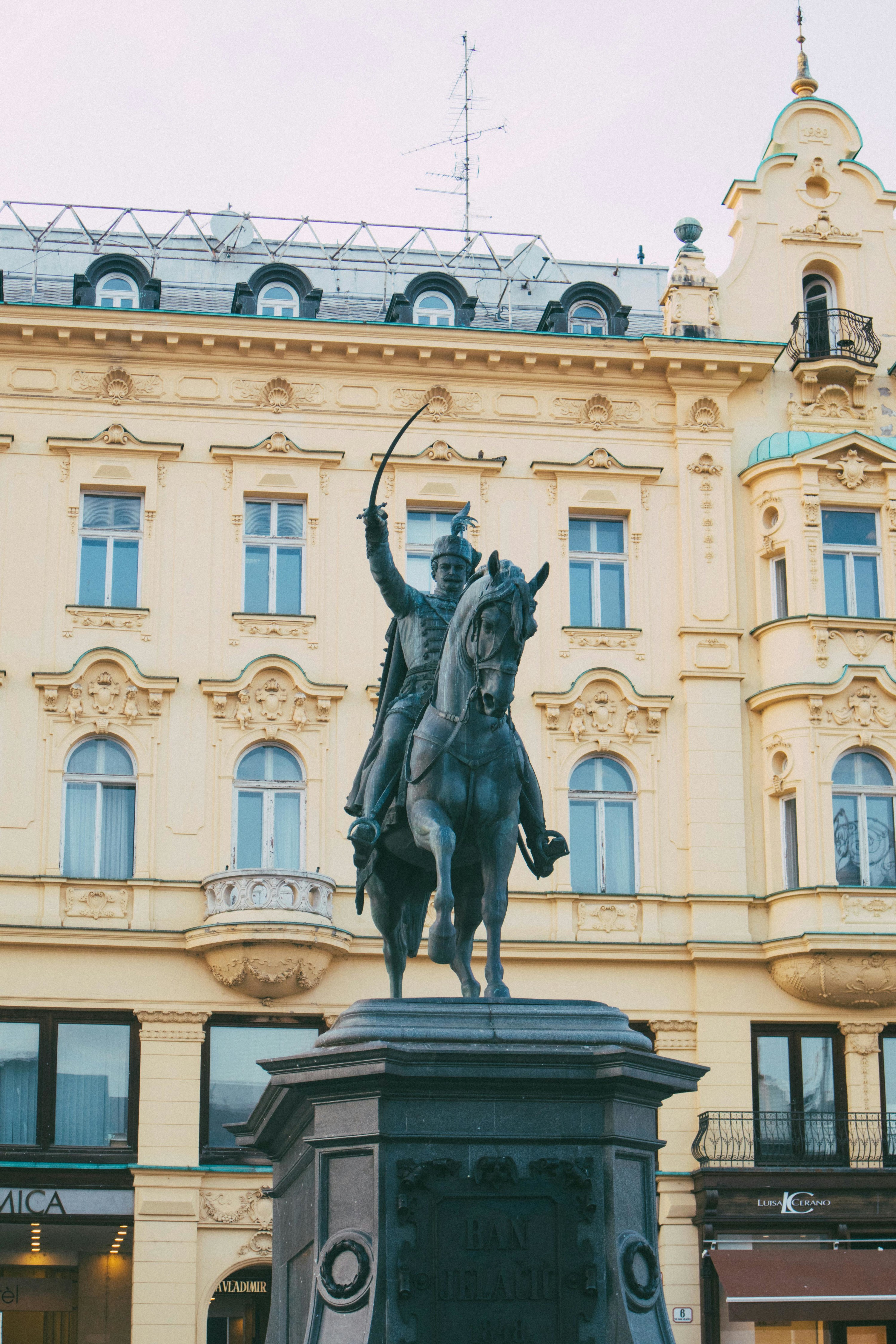
Zagreb, Croatia's vibrant capital, is a city where history and modernity blend seamlessly. Known for its rich cultural heritage, lush green spaces, and lively cafes, it offers a unique blend of Austro-Hungarian architecture and Mediterranean influences. The city's charming atmosphere and welcoming locals make it an appealing destination for travelers seeking both cultural enrichment and relaxation.
Top Attractions
Upper Town (Gornji Grad)
The historic heart of Zagreb, the Upper Town is known for its medieval streets, historic buildings, and vibrant atmosphere. It's home to many of the city's most famous landmarks.
Historical
Half day to full day
Free to explore, individual attractions may have fees
Zagreb Cathedral
One of the most distinctive landmarks in Zagreb, the cathedral's neo-Gothic spires dominate the skyline. It's a must-visit for its stunning architecture and panoramic views.
Historical
1-2 hours
Free entry, tower climb: 25 HRK (3.35 EUR)
Museum of Broken Relationships
This unique museum showcases personal items and stories from broken relationships, offering a poignant and thought-provoking experience.
Museum
1-2 hours
50 HRK (6.70 EUR)
Maksimir Park
One of the largest and most beautiful parks in Zagreb, Maksimir Park is perfect for a relaxing stroll, picnics, or visiting the zoo.
Nature
Half day
Free, Zagreb Zoo: 80 HRK (10.80 EUR)
Dolac Market
A bustling open-air market offering fresh produce, flowers, and local delicacies. It's a great place to experience the local culture and sample fresh food.
Market
1-2 hours
Free to explore, prices vary for purchases
Must-Try Local Dishes
Štrukli
A traditional Croatian pastry filled with cottage cheese, often served as an appetizer or main course.
Dish
Vegetarian
Zagrebački odrezak
A breaded and fried veal schnitzel topped with a ham and mushroom sauce, served with potatoes.
Dish
Contains meat and gluten
Kulen
A spicy sausage made from minced pork and beef, flavored with garlic and paprika.
Dish
Contains meat
Palačinka
A thin, crepe-like pancake that can be filled with various sweet or savory ingredients.
Dessert
Vegetarian (depending on filling)
Popular Activities
Hiking in Maksimir Park
Biking along the Sava River
Exploring nearby national parks
Café hopping in the Lower Town
Picnicking in Maksimir Park
Visiting spas and wellness centers
Visiting museums and galleries
Attending concerts and performances
Best Time to Visit
June to August
Summer is the peak tourist season with warm weather and numerous outdoor events. It's ideal for exploring the city's parks and enjoying its vibrant nightlife.
20°C to 30°C
68°F to 86°F
Practical Information
Language
- Official: Croatian
- Widely spoken: English, German, Italian
- English: Widely spoken, especially among younger people and in tourist areas
Currency
Croatian Kuna (HRK)
Time Zone
GMT+1 (Central European Time, CET)
Electricity
230VV, 50HzHz
Safety Information
Overall Safety Rating: Generally safe
Zagreb is generally a safe city with low crime rates. However, as with any urban area, it's important to be aware of your surroundings and take precautions to protect yourself and your belongings.
Important Precautions:
- • Keep valuables secure and out of sight
- • Use licensed taxis or ride-sharing apps
- • Be cautious when using ATMs, especially at night
Getting there
By air
- Zagreb Airport • 17 km from city center
By train
Zagreb Central Station
By bus
Zagreb Central Bus Station
Getting around
Public transport
Zagreb's tram system is the most convenient way to get around the city. It's affordable, reliable, and covers most tourist areas.
Taxis
Available • Apps: Camme, Fahr
Rentals
Car, Bike, Scooter
Neighborhoods
Upper Town (Gornji Grad)
Lower Town (Donji Grad)
Trebnjak
Day trips
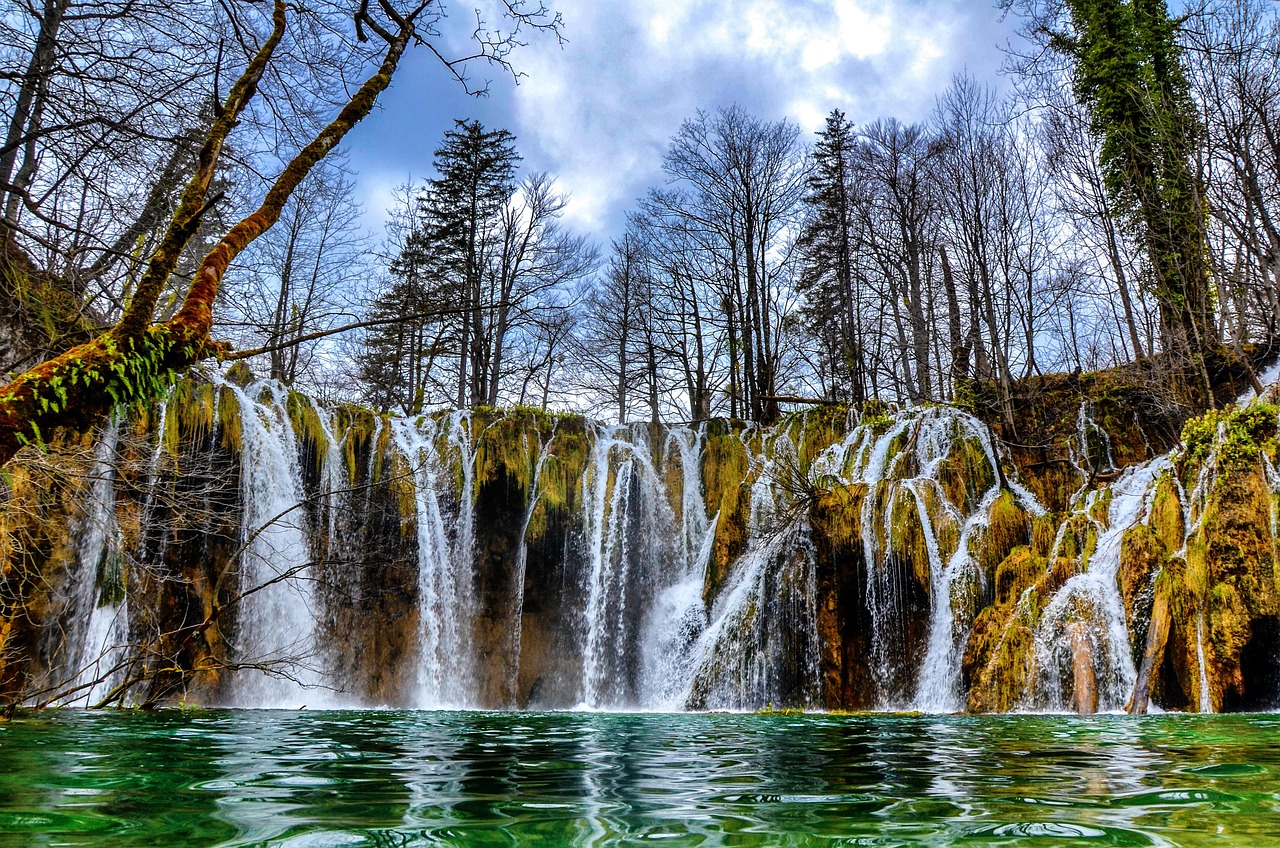
Plitvice Lakes National Park
130 km from Zagreb • Full day
A UNESCO World Heritage site known for its stunning lakes, waterfalls, and lush forests. It's one of the most beautiful natural attractions in Croatia.
Samobor
30 km from Zagreb • Half day to full day
A charming medieval town known for its well-preserved old town, beautiful architecture, and delicious pastries.
Varaždin
80 km from Zagreb • Full day
A historic town with beautiful Baroque architecture, a well-preserved old town, and a rich cultural heritage.
Festivals
Zagreb Advent • Late November to early January
Zagreb Film Festival • October
ZagrebDox • February
Pro tips
- Visit the Museum of Broken Relationships for a unique and thought-provoking experience
- Explore the underground tunnels of Medveščak Park for a fascinating glimpse into the city's history
- Take a hot air balloon ride over the city for a breathtaking view of Zagreb
- Try the famous Zagrebački odrezak, a breaded veal schnitzel with ham and mushroom sauce
- Shop at Dolac Market for fresh produce, flowers, and local delicacies
From $25
per person
Price varies by option
Secure booking
Free cancellation available
Instant confirmation