Zagreb - Trakošćan - Varaždin
Active
7h - 10h
For a full refund, cancel at least 24 hours before the scheduled departure time.
Instant confirmation
Mobile or paper ticket accepted
About this experience
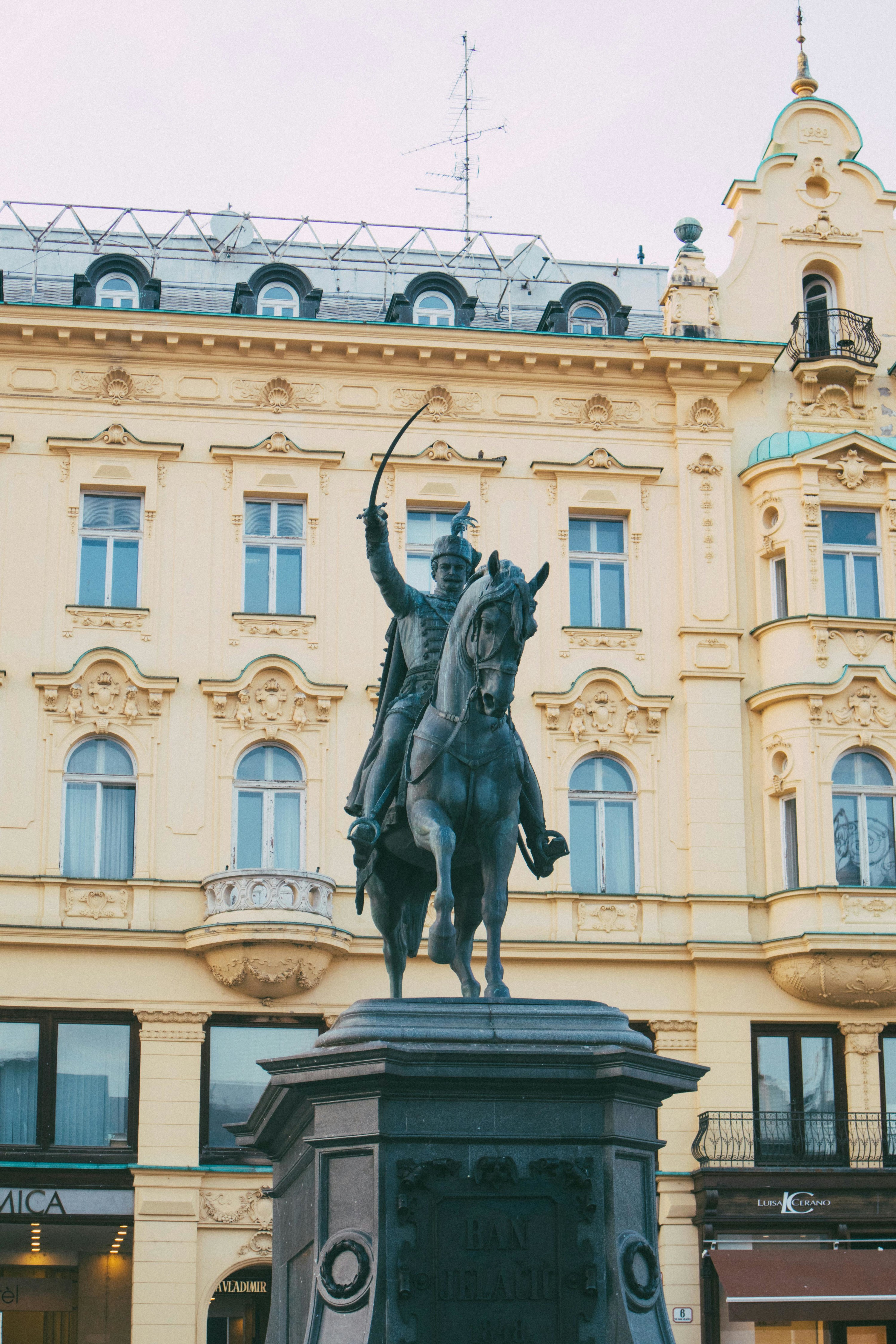
Varaždin is particularly remarkable for its exceptional monumental and artistic heritage with the preserved and magnificent baroque architectural ensemble of the historic center. Varazdin shows its unique urban identity not only by the splendid Baroque architecture of the historic center, but also by the warmth of its harmonious squares and romantic streets. The historic core is the stage of many events throughout the year. Varaždin is not enough for one day to see, experience and feel, but for love at first sight it will be enough.
Enjoy the artistic and architectural messages of the past
The preserved baroque urban ensemble is rich in monumental and artistic heritage, walking through the streets of the city will reveal numerous palaces, villas, the oldest town hall in Europe, introduce you to roommates who once marked the activity of a particular trade or were a trademark of an individual craftsman, tell legends.
Available options
Zagreb - Trakošćan - Varaždin
Pickup included
What's included
Private transportation
All Fees and Taxes
Dress code is smart casual
WiFi on board
Bottled water
Air-conditioned vehicle
Stroller accessible
Local licensed guide for Diocletian Palace and Split downtown
Infant seats available
Detailed itinerary
1
Stop 1
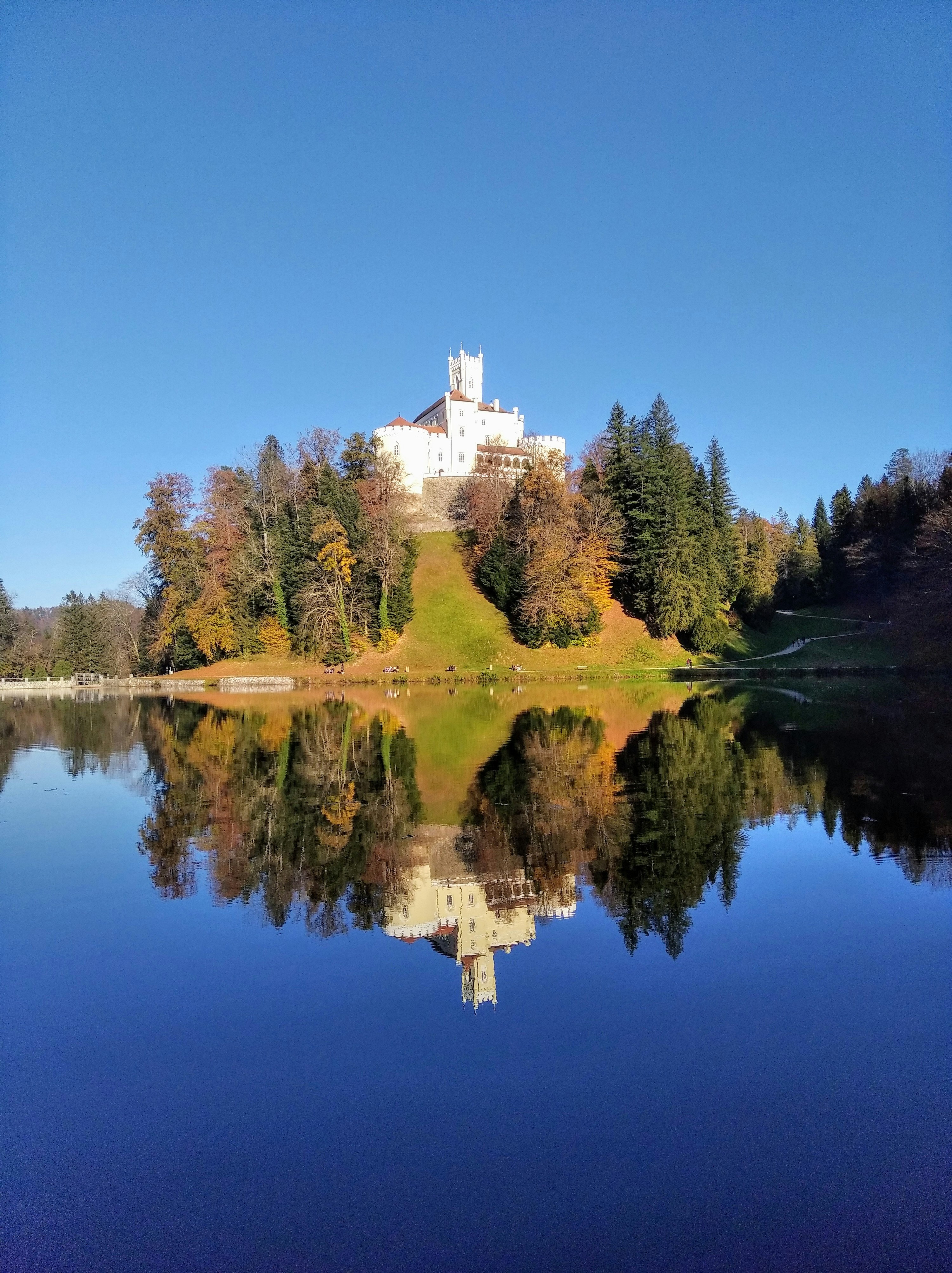
DescripTrakošćan was built at the end of the 13th century in the defense system of northwestern Croatia as a small observation fort to monitor the road from Ptuj to the Bednjan valley.
According to legend, Trakošćan was named after the Thracian fortress (arx Thacorum), which was supposed to have existed at the time of antiquity. Another preserved legend is that it was named after the Knights of Drachenstein who ruled those lands in the early Middle Ages.
The toponym Trakošćan was first mentioned in written documents in 1334.
The masters of the fortress are not known in the first centuries, we only know that from the end of the 14th century the counts of Celje were the owners who at the same time ruled the entire Zagorje county. Soon, this family became extinct and Trakoscan shared the fate of their other towns and possessions, which were being crushed, and changing various masters. In this division, Trakošćan, as a unique property, belongs first to the military commander Jan
Vitovac, then Ivanis Corvinus, who donates it to his brother Ivan Gyulay. This family
it retained the castle for three generations and became extinct in 1566 and was taken over by the state.
For the services rendered, King Maximilian granted the estate to Juraj Draskovic (1525-1587), first personally and then for hereditary enjoyment. Thus finally in 1584 Trakošćan was acquired by the Draskovic family.
During the flourishing period of the construction of castles in Hrvatsko Zagorje, in the second half of the 18th century, the Thracians abandoned. Abandoned, it began to decline rapidly, and it was not until the mid-19th century that the family became interested in their titular city again, in the spirit of a new age, and a romantic return to nature and family traditions. In this spirit, Marshal Juraj V. Draskovic transforms the city into a residential castle, and transforms the park environment into a romantic park. The following generations were occasionally resided in Trakošćan until 1944, when they moved to Austria, shortly afterwards the castle was nationalized.
In 1954 a permanent museum was established. Today the castle is owned by the Republic of Croatia.tion
2
Varaždin is the city of baroque, young people, music, flowers and bicycles. „Little Vienna“ with rich natural legacy interwoven in parks, a must see destination, located in the North of Croatia on the southern bank of the River Drava.
With 46.946 inhabitants and the average annual temperature of 10°C, the city of Varaždin is one of the most attractive destinations to live in or to visit in Croatia. It is the tourist, cultural, economical, educational and sporting centre of North-western Croatia.
The nine-times winner of the award presented by the National Tourism board, the nomination for the Golden Flower of Europe and holder of 11 „Green Flowers“; the national award, all for the most ordered, appointed and maintained destination, speak in favour of Varaždin being the city of pleasant emotions.
The city of angels, colourful and magical events; the most famous ones Špancirfest - the Street Festival of good emotions in summer and the classical music festival -Varaždin Baroque Evenings which celebrates music, baroque architectural inheritance and authentic instruments, in autumn.
Available languages
Guide guide
EN
Reviews breakdown
Viator
1.0
1 reviews
5★
0
4★
0
3★
0
2★
0
1★
1
Tripadvisor
5.0
1 reviews
5★
1
4★
0
3★
0
2★
0
1★
0
Important information
Specialized infant seats are available
Public transportation options are available nearby
Infants and small children can ride in a pram or stroller
Travelers should have at least a moderate level of physical fitness
About Zagreb
Zagreb, Croatia's vibrant capital, is a city where history and modernity blend seamlessly. Known for its rich cultural heritage, lush green spaces, and lively cafes, it offers a unique blend of Austro-Hungarian architecture and Mediterranean influences. The city's charming atmosphere and welcoming locals make it an appealing destination for travelers seeking both cultural enrichment and relaxation.
Top Attractions
Upper Town (Gornji Grad)
The historic heart of Zagreb, the Upper Town is known for its medieval streets, historic buildings, and vibrant atmosphere. It's home to many of the city's most famous landmarks.
Historical
Half day to full day
Free to explore, individual attractions may have fees
Zagreb Cathedral
One of the most distinctive landmarks in Zagreb, the cathedral's neo-Gothic spires dominate the skyline. It's a must-visit for its stunning architecture and panoramic views.
Historical
1-2 hours
Free entry, tower climb: 25 HRK (3.35 EUR)
Museum of Broken Relationships
This unique museum showcases personal items and stories from broken relationships, offering a poignant and thought-provoking experience.
Museum
1-2 hours
50 HRK (6.70 EUR)
Maksimir Park
One of the largest and most beautiful parks in Zagreb, Maksimir Park is perfect for a relaxing stroll, picnics, or visiting the zoo.
Nature
Half day
Free, Zagreb Zoo: 80 HRK (10.80 EUR)
Dolac Market
A bustling open-air market offering fresh produce, flowers, and local delicacies. It's a great place to experience the local culture and sample fresh food.
Market
1-2 hours
Free to explore, prices vary for purchases
Must-Try Local Dishes
Štrukli
A traditional Croatian pastry filled with cottage cheese, often served as an appetizer or main course.
Dish
Vegetarian
Zagrebački odrezak
A breaded and fried veal schnitzel topped with a ham and mushroom sauce, served with potatoes.
Dish
Contains meat and gluten
Kulen
A spicy sausage made from minced pork and beef, flavored with garlic and paprika.
Dish
Contains meat
Palačinka
A thin, crepe-like pancake that can be filled with various sweet or savory ingredients.
Dessert
Vegetarian (depending on filling)
Popular Activities
Hiking in Maksimir Park
Biking along the Sava River
Exploring nearby national parks
Café hopping in the Lower Town
Picnicking in Maksimir Park
Visiting spas and wellness centers
Visiting museums and galleries
Attending concerts and performances
Best Time to Visit
June to August
Summer is the peak tourist season with warm weather and numerous outdoor events. It's ideal for exploring the city's parks and enjoying its vibrant nightlife.
20°C to 30°C
68°F to 86°F
Practical Information
Language
- Official: Croatian
- Widely spoken: English, German, Italian
- English: Widely spoken, especially among younger people and in tourist areas
Currency
Croatian Kuna (HRK)
Time Zone
GMT+1 (Central European Time, CET)
Electricity
230VV, 50HzHz
Safety Information
Overall Safety Rating: Generally safe
Zagreb is generally a safe city with low crime rates. However, as with any urban area, it's important to be aware of your surroundings and take precautions to protect yourself and your belongings.
Important Precautions:
- • Keep valuables secure and out of sight
- • Use licensed taxis or ride-sharing apps
- • Be cautious when using ATMs, especially at night
Getting there
By air
- Zagreb Airport • 17 km from city center
By train
Zagreb Central Station
By bus
Zagreb Central Bus Station
Getting around
Public transport
Zagreb's tram system is the most convenient way to get around the city. It's affordable, reliable, and covers most tourist areas.
Taxis
Available • Apps: Camme, Fahr
Rentals
Car, Bike, Scooter
Neighborhoods
Upper Town (Gornji Grad)
Lower Town (Donji Grad)
Trebnjak
Day trips
Plitvice Lakes National Park
130 km from Zagreb • Full day
A UNESCO World Heritage site known for its stunning lakes, waterfalls, and lush forests. It's one of the most beautiful natural attractions in Croatia.
Samobor
30 km from Zagreb • Half day to full day
A charming medieval town known for its well-preserved old town, beautiful architecture, and delicious pastries.
Varaždin
80 km from Zagreb • Full day
A historic town with beautiful Baroque architecture, a well-preserved old town, and a rich cultural heritage.
Festivals
Zagreb Advent • Late November to early January
Zagreb Film Festival • October
ZagrebDox • February
Pro tips
- Visit the Museum of Broken Relationships for a unique and thought-provoking experience
- Explore the underground tunnels of Medveščak Park for a fascinating glimpse into the city's history
- Take a hot air balloon ride over the city for a breathtaking view of Zagreb
- Try the famous Zagrebački odrezak, a breaded veal schnitzel with ham and mushroom sauce
- Shop at Dolac Market for fresh produce, flowers, and local delicacies
From $25
per person
Price varies by option
Secure booking
Free cancellation available
Instant confirmation