Zagreb - Ljubljana - Bled
Active
8h - 12h
For a full refund, cancel at least 24 hours before the scheduled departure time.
Instant confirmation
Mobile or paper ticket accepted
About this experience
LJUBLJANA
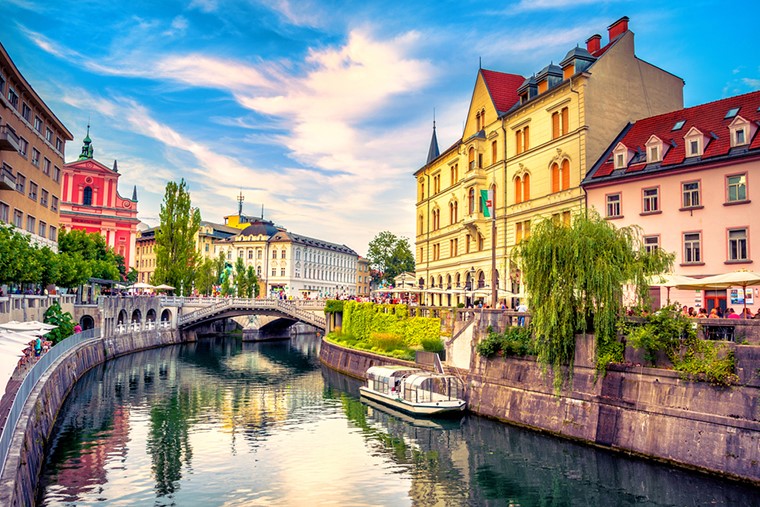
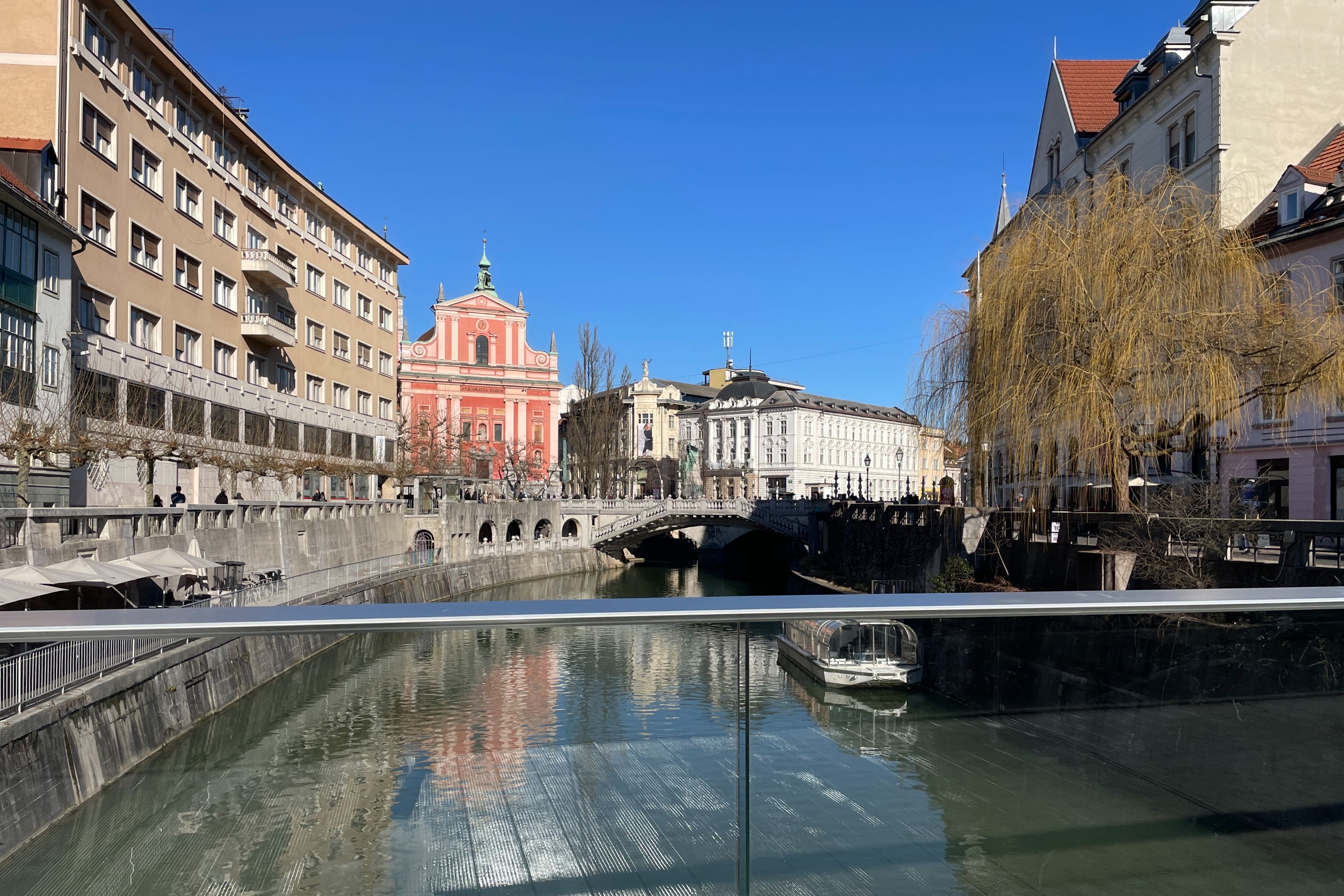
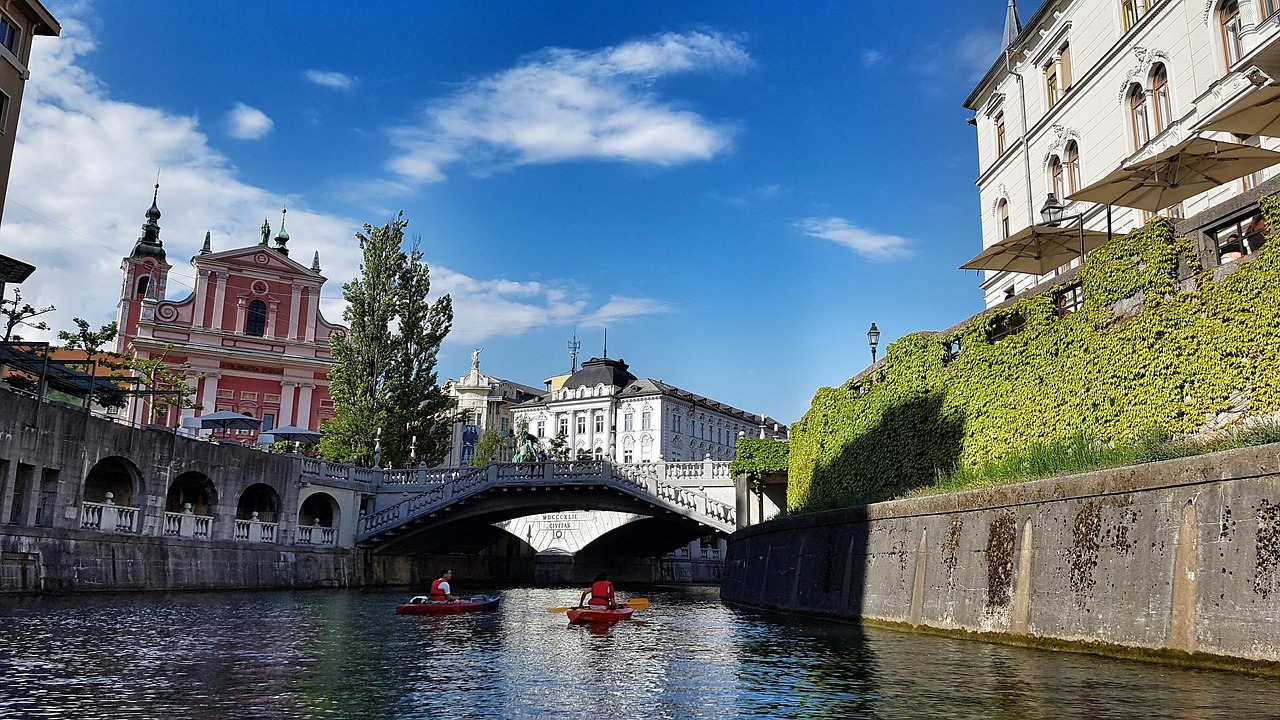
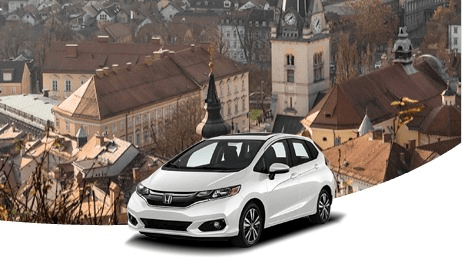
1. not expensive, 2. not far, 3. have a unicorn gin tonic ... If you are planning a weekend trip, Ljubljana will afford you plenty in just one day. Namely, the funicular, which is whole in glass, connects the old town center and Ljubljana Castle. Another interesting way to see Ljubljana from another angle is a boat ride along the Ljubljanica River. The ship, named after the river itself, offers a meal as desired. Boat trip lasts 45 minutes and costs 10 euros per person, 75 kuna. A romantic champagne ride for two is 30 euros or 223 kuna.If you want to take a break from sightseeing, you can do it in the Šmartinski park, which is ideal if you come with children because it is full of devices that they will be able to play on. within which is the Tivoli Castle, the apark extends to the city center.
BLED
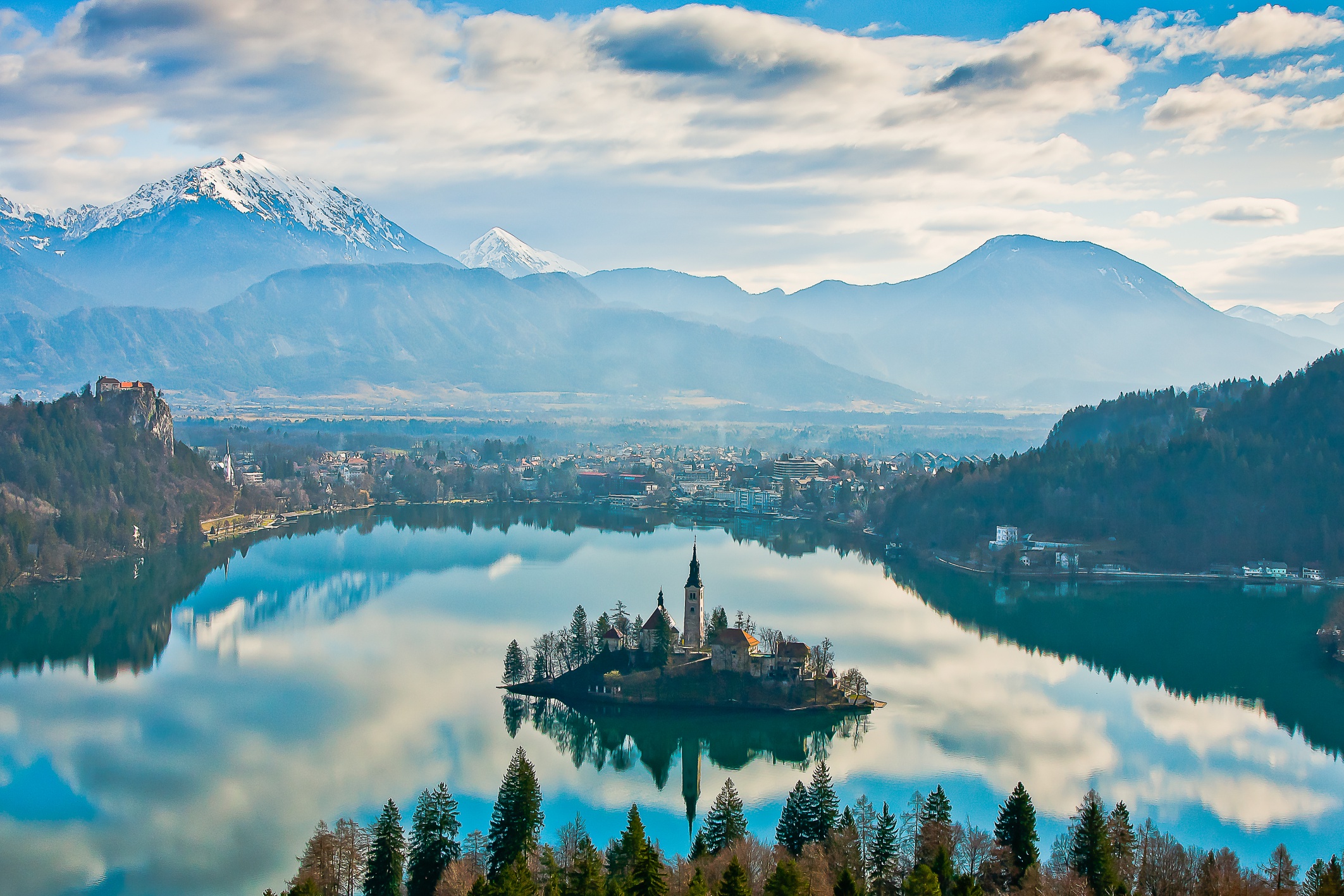
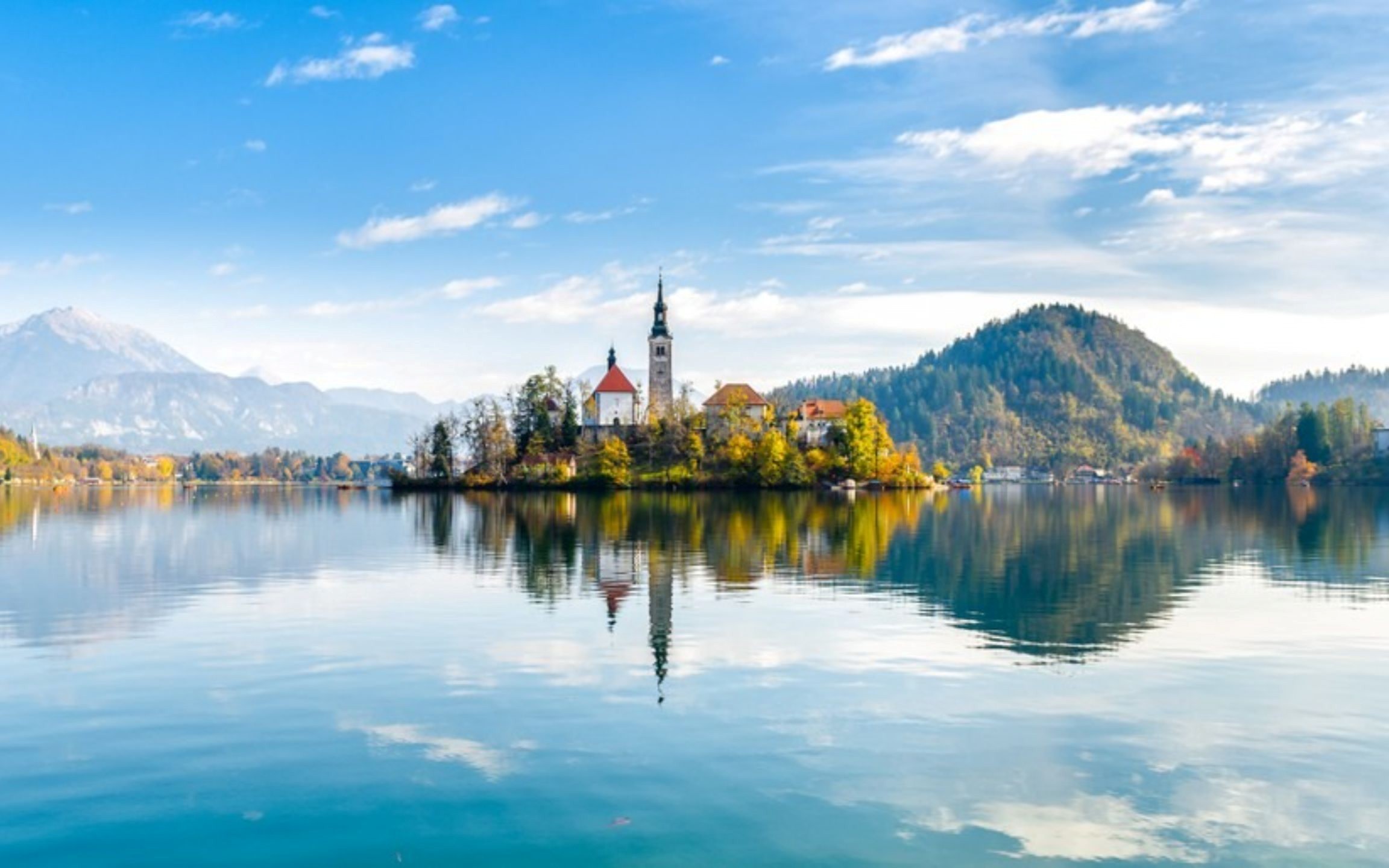
When you think of the perfect "getaway" for a weekend enjoy in nature, peace and quiet. Irresistible food and kremšnita. Don't forget to miss the ride in the boat "Pletna".
Available options
Zagreb - Bled - Ljubljana
Pickup included
What's included
Private transportation
Dress code is smart casual
WiFi on board
Bottled water
All Fees and Taxes
Air-conditioned vehicle
Stroller accessible
Local licensed guide for Diocletian Palace and Split downtown
Infant seats available
Detailed itinerary
1
Stop 1
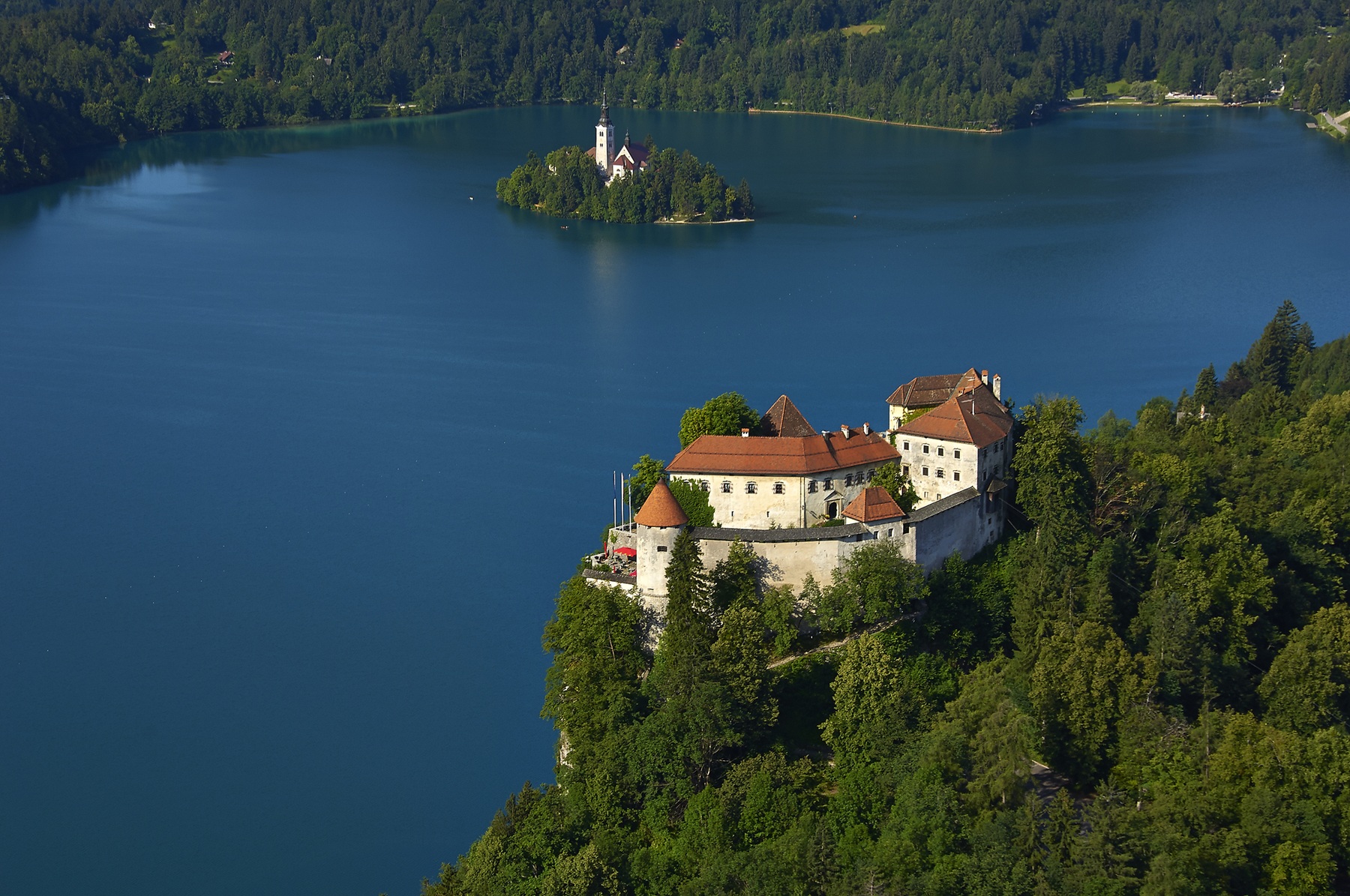
6 km long trail around the lake is just long enough for simple recreation (walks or bike rides). This trail also leads to sightseeing rises – Castle Hill and nearby hills with splendid views. Take a rest on one of the benches and enjoy the view on the lake with an island and the Karavanke mountains in the distance, and observe the ducks and swans playing on the surface of the lake. Rowing is a very popular sports activity in this area as Bled can pride itself with a long tradition of the rowing sport and with hosting international rowing competitions. During the summer visitors can cool down in the lake or enjoy on the Castle beach which each year attracts a great number of tourists. In extremely low winter temperatures the surface of the lake freezes. Would you dare to ice skate on its surface?
Once, there was a tectonic basin located at the place of the present lake, which was later on carved by the Bohinj glacier. The glacier found itself in front of an obstacle – a giant rock which it carved and chafed against for so long that only the island we know today remained. The ice melted and the basin was filled with water, thus creating a 2.12 km long and up to 1.30 km wide Lake Bled. Its maximum depth reaches up to 30.6 m, making it ideal for diving exploration.
Must-take picture: Take a picture of gracious swans, traditional Pletna boats, surrounding hills and their reflection on the surface of the lake, the picturesque island with the church and the romantic sunset.There are various ways to take a trip across the lake or to the island. One of them includes a trip with the traditional boat made by locals which is only known at Bled – the Pletna boat. The origins of the Pletna boat go back to 1590, whilst it size allows safe transportation of 20 persons. You should be able to recognize it from afar as it is equipped with a colourful awning which protect passengers from the sun and other elements.
The Pletna boat is operated by the Pletna oarsman. This profession is very respected as it cannot be performed just by anyone. The title of the Pletna oarsman was handed down from generation to generation, which is why the profession of “Pletnarstvo” remained in individual families throughout the centuries. The Pletna oarsmen await you in the Spa Park, under the Park Hotel Bled, in Mlino and in the Rowing centre Bled.
What is the Pletna boat?
The Pletna boat is a wooden flat-bottom boat with a pointed bow and the stern widened with a step to enable passengers to enter. The boat is propelled with the special »stehrudder« technique where the oarsman is standing and rowing with two oars.
The origin of the name
It is said that the Pletna boat gained its name after its roof which was once wickered. The other explanation claims that the name came from the German word »plateboot«, meaning flat-bottom boat.
Must-try: Hop in the Pletna boat and let the oarsman take you on a tour of the lake. You will experience a most special feeling and you most certainly won’t get disappointed. Actually, there is saying which says that you haven’t really visited Bled if you haven’t taken a trip with the Pletna boat. You can also rent your own boat, but you will have to row it yourself.Cream cakes, known to Bled for decades, are in fact the symbol of Bled. Although you can buy them elsewhere, those from Bled are simply the best. Ištvan Lukačevič, the former manager of the Hotel Park patisserie, tested recipes for many years before he finally succeeded. His cream cakes, which are prepared at this patisserie and sold in the café opposite the hotel, are famous.
What is the cream cake?
What is the secret? In fact, there is no secret - only experience matters, and the cooks from Bled have plenty of experience. Over the last 60 years they have sold as many as 12 million cream cakes. Let us treat you: a golden crispy crust made from butter dough (mixed with butter, not margarine), a delicious vanilla cream of exactly the right consistency (with exactly the right amount of flour - if there is too much the cakes are no good, if too little, they collapse after cutting), topped with whipped cream and a crispy layer of butter dough and finally, last but not least, a good dusting of icing sugar. You see? Your mouth is watering already.
Must-taste: After you have finished your lunch of traditional Bled cuisine, treat yourself with the Bled Cream cake.
2
Stop 2
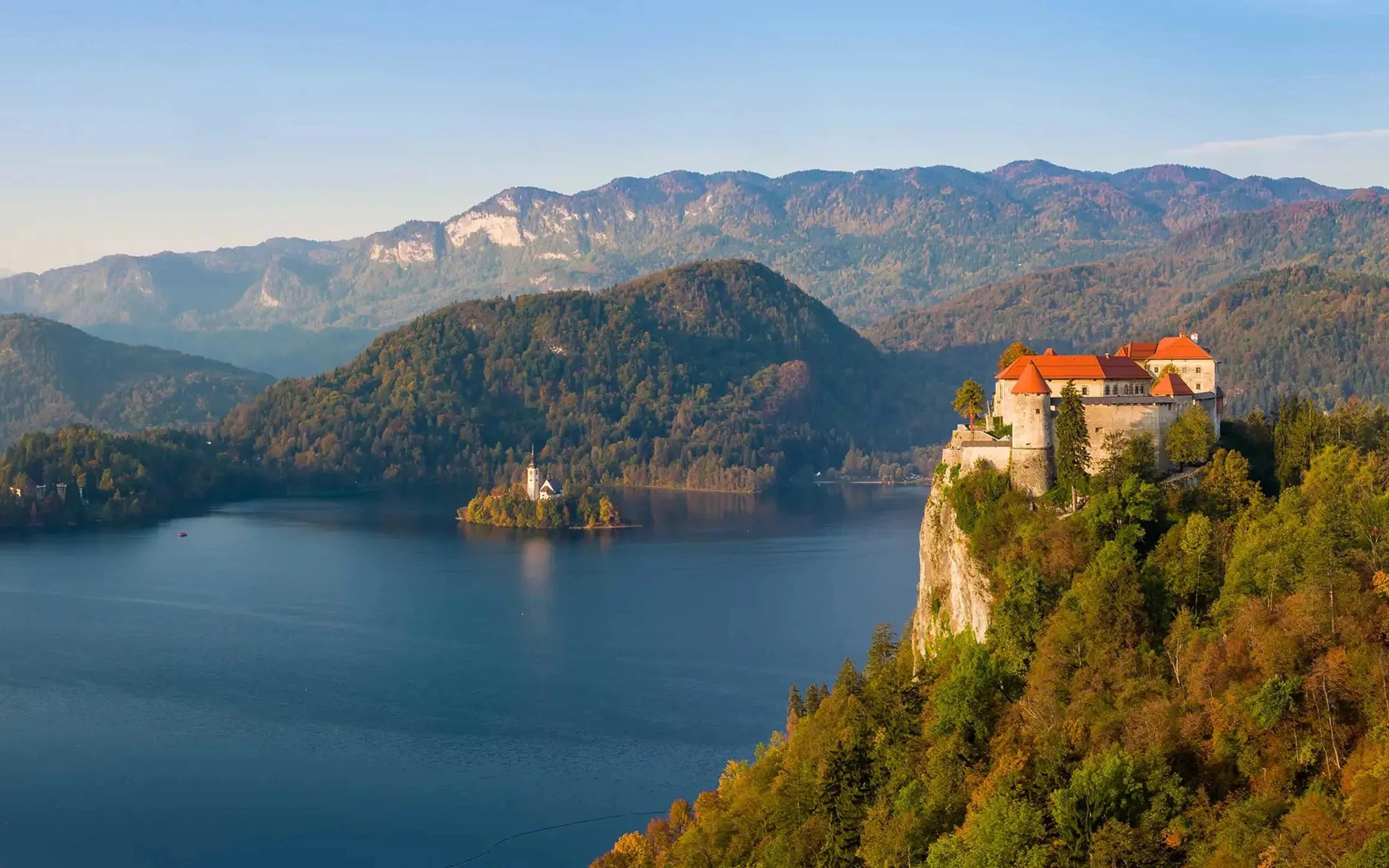
The history of the castle reaches back to 1004 when the German Emperor Henry II gave his estate at Bled to Bishop Albuin of Brixen. At that time, only a Romanesque tower protected by walls stood in the place of the present day castle. The first castle was built in approximately 1011 but the Bishops of Brixen never resided there. This is precisely why the castle has no luxurious halls as the greater emphasis was placed on the defence system.
In the late Middle Ages more towers were built and the fortifications system was improved. Can you imagine entering through the outer walls with the Gothic arch and walking over the drawbridge above the moat? Today, the moat is filled with earth, but the sight is still able to stir up your imagination.
The distinctive feature of the castle is its double structure – the fortified centre part was intended for the residence of feudal lords, whilst the outer part with walls and buildings was intended for the residence of servants. In 1511 the castle was heavily damaged by the earthquake. Later on, the castle was restored and given its present appearance. The castle buildings are decorated with coats-of-arms painted in the fresco technique or carved in stone.
The Bled Castle today
The Bled Castle is now arranged as an exhibition area. Display rooms next to the chapel present the ancient history of Bled from the first excavations, and the castle in individual stages of its historical development with furniture, characteristic of those times. Although these pieces are not originally from the Bled Castle, they are important as an illustration of the style of living in the historical periods presented.
During the warm months, the castle courtyard hosts numerous cultural events, from which the Medieval Days, when knights present the medieval life to visitors, are the most appreciated.
3
Stop 3
Ljubljana's Old Town is a former fortress located on a hill in the middle of Ljubljana. In the Middle Ages it was the seat of the Spanheim family. Between 1220 and 1243 the Duke connected the fort with the settlement of Ljubljana.
In the 14th century, when Ljubljana became the seat of the state of Carniola, the fort housed the apartments of the state dignitaries and the residence of the emperor upon his arrival there. The fort was damaged in the Turkish wars in the 15th century, after which it was rebuilt. The residential part and the chapel of St. George. From the 17th century, the ruler moved to the city and the fort declined slightly, so in the 19th century a state prison for Carniola and Carinthia was housed there.
In 1845-1848. a clock tower was built. During the 20th century, the fortress underwent numerous new changes. The last major renovation was done in the 1970s when the fort was rebuilt for cultural purposes.
Available languages
Guide guide
EN
Reviews breakdown
Tripadvisor
5.0
2 reviews
5★
2
4★
0
3★
0
2★
0
1★
0
Important information
Specialized infant seats are available
Public transportation options are available nearby
Infants and small children can ride in a pram or stroller
Travelers should have at least a moderate level of physical fitness
About Zagreb
Zagreb, Croatia's vibrant capital, is a city where history and modernity blend seamlessly. Known for its rich cultural heritage, lush green spaces, and lively cafes, it offers a unique blend of Austro-Hungarian architecture and Mediterranean influences. The city's charming atmosphere and welcoming locals make it an appealing destination for travelers seeking both cultural enrichment and relaxation.
Top Attractions
Upper Town (Gornji Grad)
The historic heart of Zagreb, the Upper Town is known for its medieval streets, historic buildings, and vibrant atmosphere. It's home to many of the city's most famous landmarks.
Historical
Half day to full day
Free to explore, individual attractions may have fees
Zagreb Cathedral
One of the most distinctive landmarks in Zagreb, the cathedral's neo-Gothic spires dominate the skyline. It's a must-visit for its stunning architecture and panoramic views.
Historical
1-2 hours
Free entry, tower climb: 25 HRK (3.35 EUR)
Museum of Broken Relationships
This unique museum showcases personal items and stories from broken relationships, offering a poignant and thought-provoking experience.
Museum
1-2 hours
50 HRK (6.70 EUR)
Maksimir Park
One of the largest and most beautiful parks in Zagreb, Maksimir Park is perfect for a relaxing stroll, picnics, or visiting the zoo.
Nature
Half day
Free, Zagreb Zoo: 80 HRK (10.80 EUR)
Dolac Market
A bustling open-air market offering fresh produce, flowers, and local delicacies. It's a great place to experience the local culture and sample fresh food.
Market
1-2 hours
Free to explore, prices vary for purchases
Must-Try Local Dishes
Štrukli
A traditional Croatian pastry filled with cottage cheese, often served as an appetizer or main course.
Dish
Vegetarian
Zagrebački odrezak
A breaded and fried veal schnitzel topped with a ham and mushroom sauce, served with potatoes.
Dish
Contains meat and gluten
Kulen
A spicy sausage made from minced pork and beef, flavored with garlic and paprika.
Dish
Contains meat
Palačinka
A thin, crepe-like pancake that can be filled with various sweet or savory ingredients.
Dessert
Vegetarian (depending on filling)
Popular Activities
Hiking in Maksimir Park
Biking along the Sava River
Exploring nearby national parks
Café hopping in the Lower Town
Picnicking in Maksimir Park
Visiting spas and wellness centers
Visiting museums and galleries
Attending concerts and performances
Best Time to Visit
June to August
Summer is the peak tourist season with warm weather and numerous outdoor events. It's ideal for exploring the city's parks and enjoying its vibrant nightlife.
20°C to 30°C
68°F to 86°F
Practical Information
Language
- Official: Croatian
- Widely spoken: English, German, Italian
- English: Widely spoken, especially among younger people and in tourist areas
Currency
Croatian Kuna (HRK)
Time Zone
GMT+1 (Central European Time, CET)
Electricity
230VV, 50HzHz
Safety Information
Overall Safety Rating: Generally safe
Zagreb is generally a safe city with low crime rates. However, as with any urban area, it's important to be aware of your surroundings and take precautions to protect yourself and your belongings.
Important Precautions:
- • Keep valuables secure and out of sight
- • Use licensed taxis or ride-sharing apps
- • Be cautious when using ATMs, especially at night
Getting there
By air
- Zagreb Airport • 17 km from city center
By train
Zagreb Central Station
By bus
Zagreb Central Bus Station
Getting around
Public transport
Zagreb's tram system is the most convenient way to get around the city. It's affordable, reliable, and covers most tourist areas.
Taxis
Available • Apps: Camme, Fahr
Rentals
Car, Bike, Scooter
Neighborhoods
Upper Town (Gornji Grad)
Lower Town (Donji Grad)
Trebnjak
Day trips
Plitvice Lakes National Park
130 km from Zagreb • Full day
A UNESCO World Heritage site known for its stunning lakes, waterfalls, and lush forests. It's one of the most beautiful natural attractions in Croatia.
Samobor
30 km from Zagreb • Half day to full day
A charming medieval town known for its well-preserved old town, beautiful architecture, and delicious pastries.
Varaždin
80 km from Zagreb • Full day
A historic town with beautiful Baroque architecture, a well-preserved old town, and a rich cultural heritage.
Festivals
Zagreb Advent • Late November to early January
Zagreb Film Festival • October
ZagrebDox • February
Pro tips
- Visit the Museum of Broken Relationships for a unique and thought-provoking experience
- Explore the underground tunnels of Medveščak Park for a fascinating glimpse into the city's history
- Take a hot air balloon ride over the city for a breathtaking view of Zagreb
- Try the famous Zagrebački odrezak, a breaded veal schnitzel with ham and mushroom sauce
- Shop at Dolac Market for fresh produce, flowers, and local delicacies
From $25
per person
Price varies by option
Secure booking
Free cancellation available
Instant confirmation