Jewish Quarter and Trastevere District Private Walking Tour
Active
3h
For a full refund, cancel at least 24 hours before the scheduled departure time.
Instant confirmation
Mobile or paper ticket accepted
About this experience
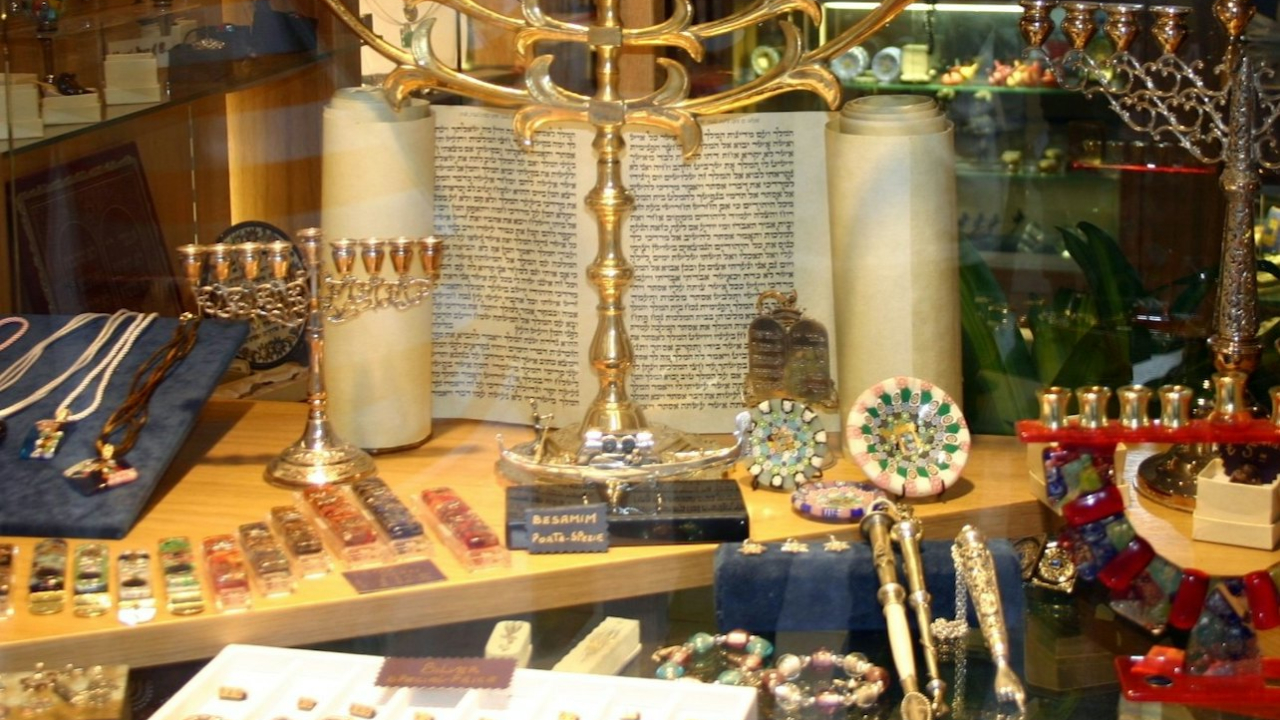
Rome's Jewish cultural heritage is extremely rich. In the Jewish district, the so-called "Ghetto" we will see the huge impact that the Jewish community has had on the cultural identity of the city, from the architecture to the culinary traditions.
Once we have finished our stroll from the Theatre of Marcellus and the Synagogue to the Portico di Ottavia we will walk to the Tiber Island, once the sight of the Temple of Aesculapius.
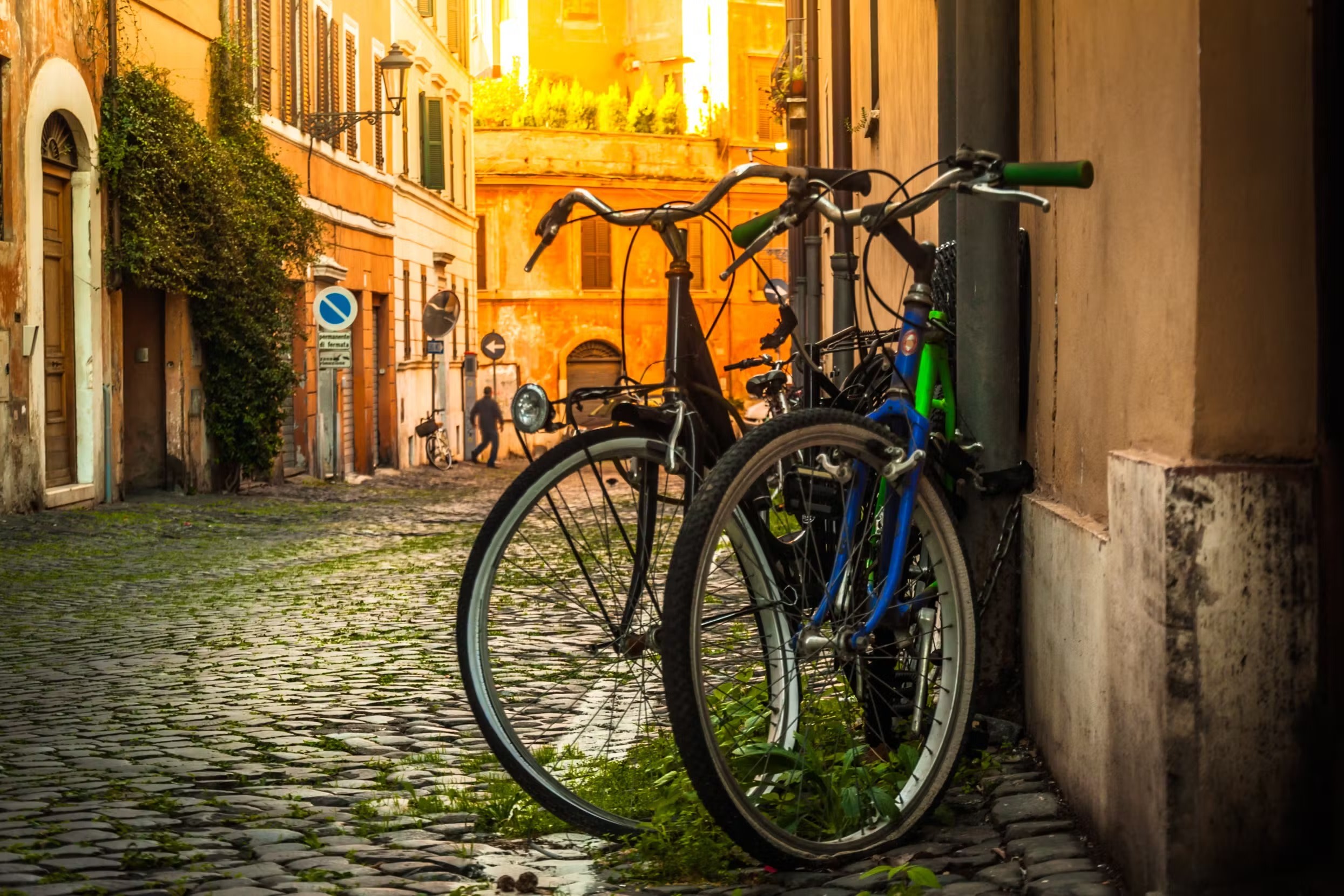
Finally I will take you to visit the medieval Trastevere district, with its narrow cobblestone alleys, restaurants, cafes and artisan shops, charming area for people who are looking for a taste of the "authentic" Rome. The Basilica of Santa Maria in Trastevere, one of the oldest churches in Rome, resplendent with magnificent medieval mosaics inside and outside, is the heart of the area.
Rome is a city where history does come alive, every street corner has its particular stories and by telling these stories, I will take you to discover the Eternal City!
Available options
Jewish Quarter and Trastevere District Private Walking Tour
What's included
Private guide service with a licensed local guide: 3,5 hours
Detailed itinerary
1
Stop 1
Theatre of Marcellus (outside)
The Theatre of Marcellus (Latin: Theatrum Marcelli, Italian: Teatro di Marcello) is an ancient open-air theatre in Rome, Italy, built in the closing years of the Roman Republic. At the theatre, locals and visitors alike were able to watch performances of drama and song. Today its ancient edifice in the rione of Sant'Angelo, Rome, once again provides one of the city's many popular spectacles or tourist sites. Space for the theatre was cleared by Julius Caesar, who was murdered before its construction could begin; the theatre was advanced enough by 17 BC that part of the celebration of the ludi saeculares took place within the theatre; it was completed in 13 BC and formally inaugurated in 12 BC by Augustus,[1] named after his nephew Marcus Claudius Marcellus who had died in 23 BC.
2
Piazza Mattei
In the centre of the small square is one of the most beautiful fountains in Rome: the Fountain of Turtles, built in the second half of the 16th century to a design by Giacomo Della Porta and with bronze sculptures by Taddeo Landini. In the centre of the basin at ground level, a decorated pedestal supports four African marble shells that receive water from dolphins, on which four Ephebians rest their feet in the act of pushing four turtles towards the edge of the marble basin.
The turtles, probably added by Gian Lorenzo Bernini in 1658 following the restoration carried out on the fountain at the time of Pope Alexander VII Chigi (1655-1667), were the object of repeated thefts as in 1906, 1944 and, recently, 1981. The turtles currently visible are copies of the originals preserved, in number of three surviving specimens, in the Capitoline Museums.
3
Stop 3
Portico di Ottavia
The Porticus Octaviae (Portico of Octavia; Italian: Portico di Ottavia) is an ancient structure in Rome. The colonnaded walks of the portico enclosed the temples of Jupiter Stator and Juno Regina, as well as a library. The structure was used as a fish market from the medieval period up to the end of 19th century.
4
Stop 4
Synagogue (outside)
Designed by Vincenzo Costa and Osvaldo Armanni, the synagogue was built from 1901 to 1904 on the banks of the Tiber, overlooking the former ghetto. It contains elements of Assyrian-Babylonian, Egyptian and Greco-Roman architecture. The interior of the synagogue is lavishly decorated in the Art Nouveau style.
5
Ponte Rotto
It is commonly known as Ponte Rotto (Broken Bridge) but the great arch with a decadent and poetic aspect that emerges from the waters of the Tiber, not far from the Tiber Island, is actually what remains of the ancient Pons Aemilius, made of wood in the 2nd century BC and reconstructed of stone a century later.
6
Ponte Fabricio
The Pons Fabricius (Italian: Ponte Fabricio, "Fabrician Bridge") or Ponte dei Quattro Capi, is the oldest Roman bridge in Rome, Italy, still existing in its original state.[1] Built in 62 BC, it spans half of the Tiber River, from the Campus Martius on the east side to Tiber Island in the middle (the Pons Cestius is west of the island). Quattro Capi ("four heads") refers to the two marble pillars of the two-faced Janus herms on the parapet, which were moved here from the nearby Church of St Gregory (Monte Savello) in the 14th century.
7
Stop 7
Tiber Island
The Tiber Island (Italian: Isola Tiberina, Latin: Insula Tiberina) is the only river island in the part of the Tiber which runs through Rome. Tiber Island is located in the southern bend of the Tiber.
The island is boat-shaped, approximately 270 metres (890 feet) long and 67 metres (220 feet) wide, and has been connected with bridges to both sides of the river since antiquity. Being a seat of the ancient temple of Asclepius and later a hospital, the island is associated with medicine and healing. The Fatebenefratelli Hospital founded in the 16th century, and the San Bartolomeo all'Isola dating from the 10th century are located on the island.
8
Stop 8
Trastevere District
rastevere (Italian pronunciation: [trasˈteːvere])[1] is the 13th rione of Rome: it is identified by the initials R. XIII and it is located within Municipio I. Its name comes from Latin trans Tiberim, literally 'beyond the Tiber'.
Its coat of arms depicts a golden head of a lion on a red background, the meaning of which is uncertain.
9
Piazza in Piscinula
A place of particular interest is Piazza in Piscinula, now known as a quite convenient parking lot amidst the calmness of this side of Trastevere. Medieval structures, the Case Mattei, flank the piazza tenderly, and the Church of San Benedetto in Piscinula lures any passerby in – by its endearing petiteness. The name Piscinula is reminiscent of Latin and Italian piscina, but not many know why the square gets its name.
10
Stop 10
Santa Cecilia Church
Santa Cecilia in Trastevere is a 5th-century church in Rome, Italy, in the Trastevere rione, devoted to the Roman martyr Saint Cecilia (early 3rd century AD).
The first church on this site was founded probably in the 3rd century, by Pope Urban I; it was devoted to the young Roman woman Cecilia, martyred it is said under Marcus Aurelius Severus Alexander (A.D. 222–235).
11
Stop 11
Basilica of Santa Maria in Trastevere
The Basilica of Santa Maria in Trastevere (Italian: Basilica di Santa Maria in Trastevere); English: Our Lady in Trastevere) is a titular minor basilica in the Trastevere district of Rome, and one of the oldest churches of Rome. The basic floor plan and wall structure of the church date back to the 340s, and much of the structure to 1140–43. The first sanctuary was built in 221 and 227 by Pope Callixtus I and later completed by Pope Julius I. The church has large areas of important mosaics from the late 13th century by Pietro Cavallini.
What's not included
Private transportation
Bottled water
Available languages
Guide guide
DE
EN
IT
FR
ES
Reviews breakdown
Viator
3.7
3 reviews
5★
2
4★
0
3★
0
2★
0
1★
1
Tripadvisor
5.0
3 reviews
5★
3
4★
0
3★
0
2★
0
1★
0
Important information
Wheelchair accessible
Infants and small children can ride in a pram or stroller
Service animals allowed
Public transportation options are available nearby
Infants are required to sit on an adult’s lap
Transportation options are wheelchair accessible
All areas and surfaces are wheelchair accessible
Suitable for all physical fitness levels
Meeting point
I will have a sign with your name.
About Rome
Rome, the capital of Italy, is a city of ancient ruins, artistic masterpieces, and vibrant culture. Known as the Eternal City, it is a living museum where every corner tells a story of its rich history spanning over 2,500 years.
Top Attractions
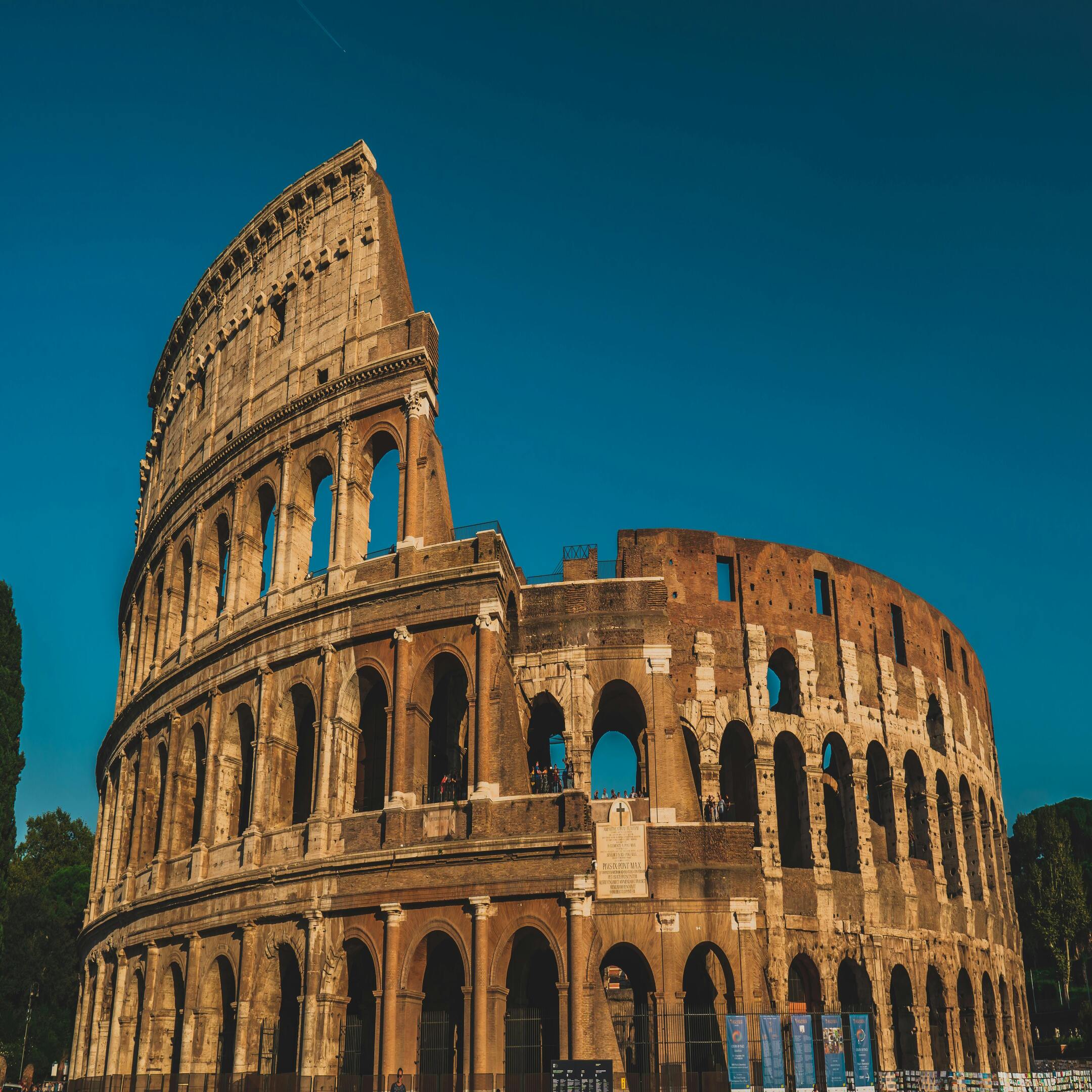
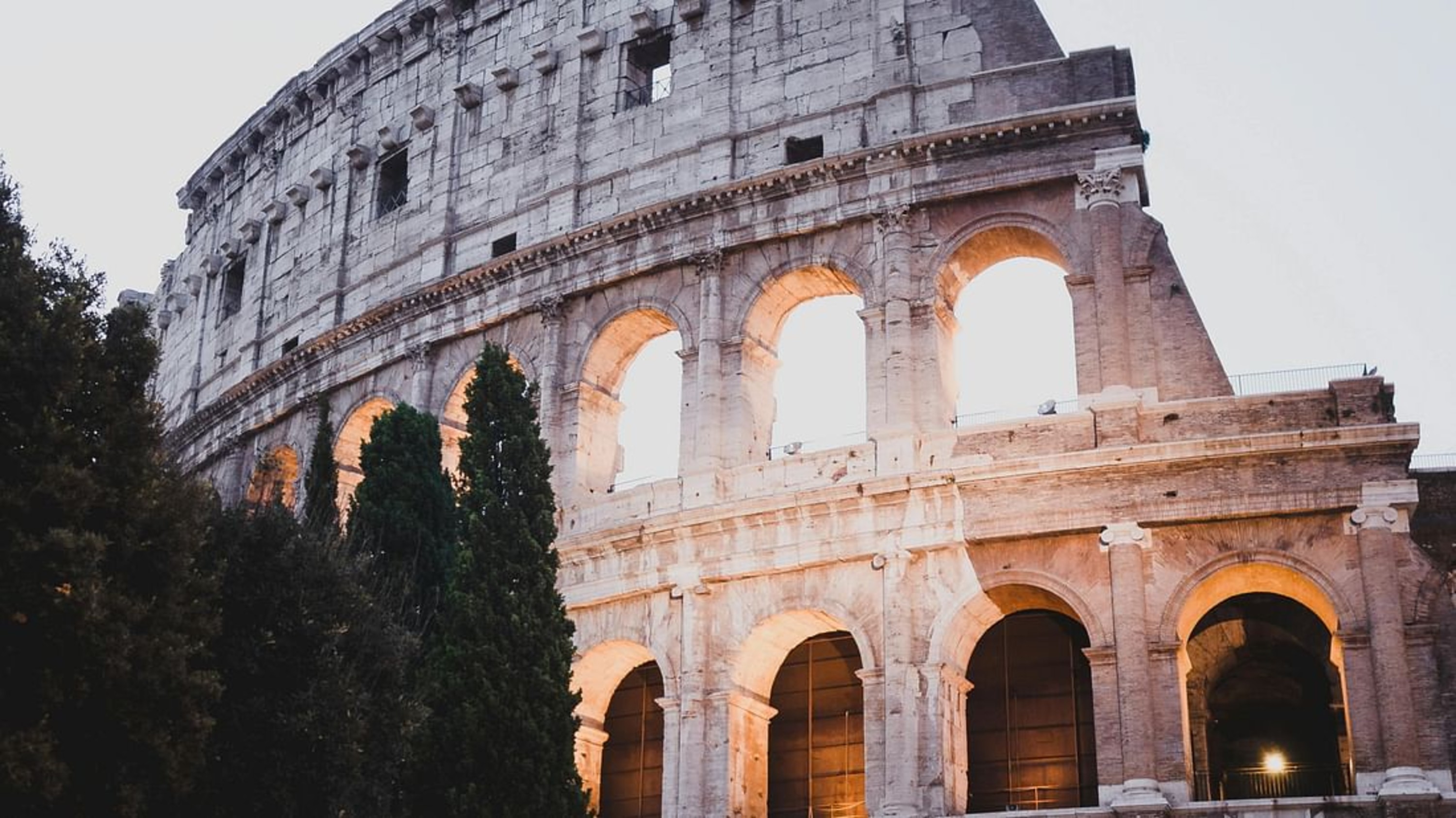
Colosseum
The Colosseum is an iconic symbol of Rome and one of the most famous ancient amphitheaters in the world. It was used for gladiatorial contests and public spectacles.
Historical
1-2 hours
€16 (combined ticket with Roman Forum and Palatine Hill)
Vatican City
Vatican City is an independent city-state enclaved within Rome. It is the spiritual and administrative center of the Roman Catholic Church.
Religious
Half day
€17 (Vatican Museums and Sistine Chapel), Free (St. Peter's Basilica)
Roman Forum
The Roman Forum was the political, commercial, and legal hub of the Roman Republic and Empire. It is a sprawling ruin of temples, basilicas, and arches.
Historical
1-2 hours
€16 (combined ticket with Colosseum and Palatine Hill)
Pantheon
The Pantheon is a former Roman temple, now a church, known for its large dome and oculus. It is one of the best-preserved ancient buildings in Rome.
Historical
30 minutes to 1 hour
Free
Trevi Fountain
The Trevi Fountain is a Baroque masterpiece and the largest fountain in Rome. It is a popular spot for visitors to throw coins and make wishes.
Architecture
15-30 minutes
Free
Must-Try Local Dishes
Cacio e Pepe
A simple yet delicious pasta dish made with Pecorino Romano cheese and black pepper.
Pasta
Vegetarian
Carbonara
A rich pasta dish made with eggs, Pecorino Romano, guanciale (cured pork cheek), and black pepper.
Pasta
Contains pork and eggs
Supplì
Fried rice balls filled with mozzarella and tomato sauce.
Snack
Vegetarian (some variations may contain meat)
Carciofi alla Romana
Artichokes braised with garlic, mint, and olive oil.
Vegetable
Vegetarian
Popular Activities
Hiking in the Appian Way Regional Park
Biking along the Tiber River
Rock climbing in the nearby mountains
Picnicking in Villa Borghese Gardens
Boating on Lake Albano
Enjoying a spa day at a luxury hotel
Visiting the Vatican Museums
Attending an opera at the Teatro dell'Opera di Roma
Best Time to Visit
April to June, September to October
Spring and fall offer pleasant weather and fewer crowds compared to the summer peak. Ideal for sightseeing and outdoor activities.
15-30°C
59-86°F
Practical Information
Language
- Official: Italian
- Widely spoken: English, Spanish, French
- English: Moderately spoken
Currency
Euro (EUR)
Time Zone
GMT+1 (CET), GMT+2 (CEST during daylight saving time)
Electricity
230VV, 50HzHz
Safety Information
Overall Safety Rating: Generally safe
Rome is generally safe for tourists, but pickpocketing and scams can be a problem in crowded areas. Be aware of your surroundings and take precautions to protect your belongings.
Important Precautions:
- • Keep valuables secure and out of sight
- • Use official taxis or ride-sharing services
- • Be cautious of strangers approaching you with petitions or bracelets
Getting there
By air
- Leonardo da Vinci International Airport • 35 km from city center
- Ciampino Airport • 15 km from city center
By train
Roma Termini, Roma Tiburtina
By bus
Tiburtina Bus Station, Roma Termini
Getting around
Public transport
The metro system is efficient and covers major tourist areas. It operates from 5:30 AM to 11:30 PM.
Taxis
Available • Apps: Uber, FreeNow
Rentals
Car, Bike, Scooter
Neighborhoods
Trastevere
Monti
Prancipio
Testaccio
Day trips
Ostia Antica
30 km from Rome • Half day
An ancient Roman port city with well-preserved ruins, including a theater, baths, and mosaics. It offers a glimpse into daily life in ancient Rome.
Tivoli
30 km from Rome • Full day
A picturesque town known for its stunning villas and gardens, including the famous Villa d'Este with its elaborate fountains and gardens.
Orvieto
120 km from Rome • Full day
A charming hilltop town known for its stunning cathedral, underground caves, and local wine. It offers a mix of history, culture, and scenic views.
Festivals
Natale di Roma • April 21
Festa de' Noantri • July
Rome Film Festival • October
Pro tips
- Visit major attractions early in the morning or late in the afternoon to avoid crowds
- Use public transport or walk instead of taking taxis to save money and experience the city like a local
- Try local specialties and ask for recommendations from locals and restaurant staff
- Dress modestly when visiting religious sites and be respectful of local customs and traditions
- Be aware of pickpockets and scams, especially in crowded areas and tourist hotspots
From $25
per person
Price varies by option
Secure booking
Free cancellation available
Instant confirmation