Private Day Tour to Habu Temple, Valley of Nobles, Deir El-Madina
Active
8h - 9h
For a full refund, cancel at least 24 hours before the scheduled departure time.
Instant confirmation
Mobile or paper ticket accepted
About this experience
Join us on an unforgettable journey through the heart of ancient Thebes!
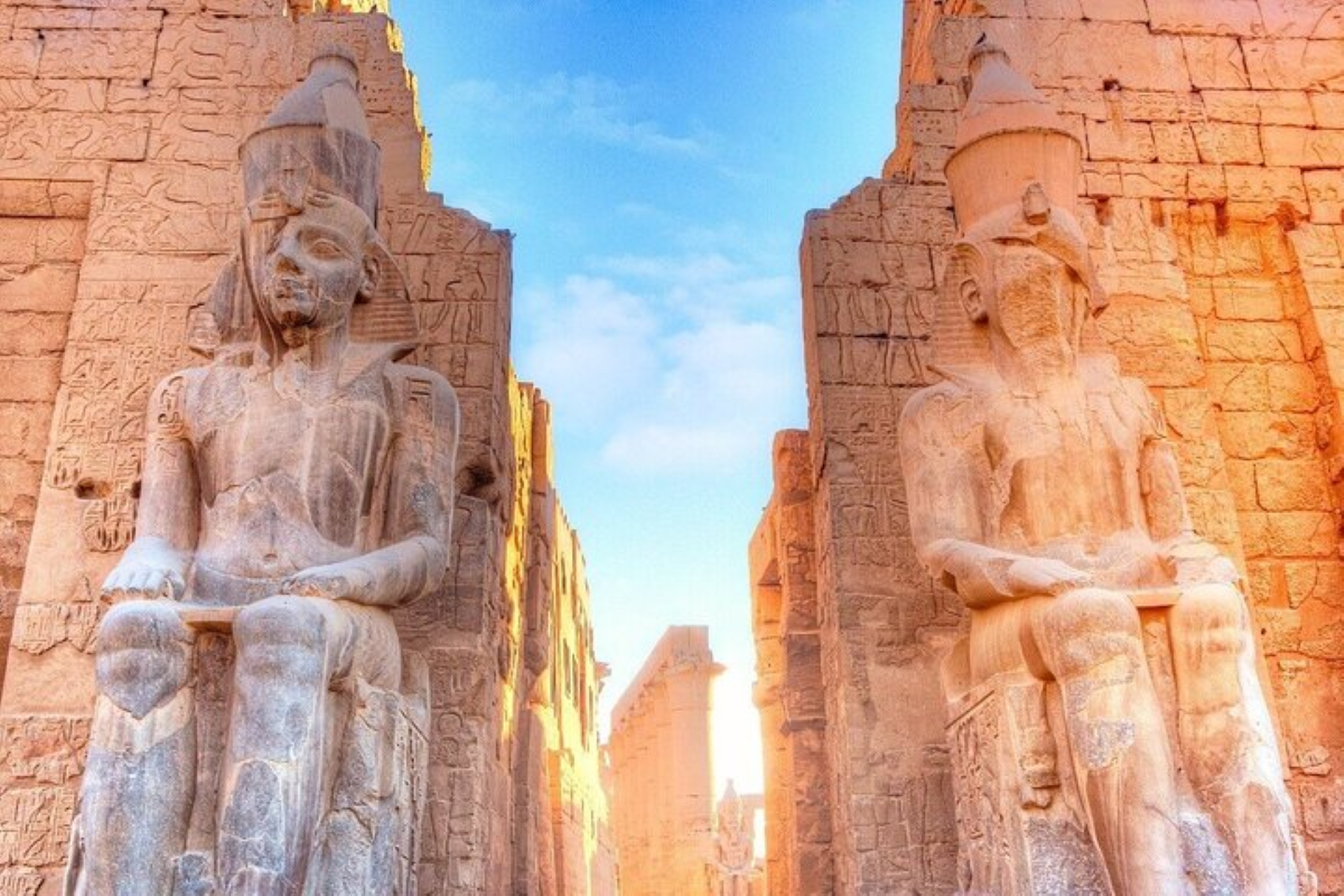
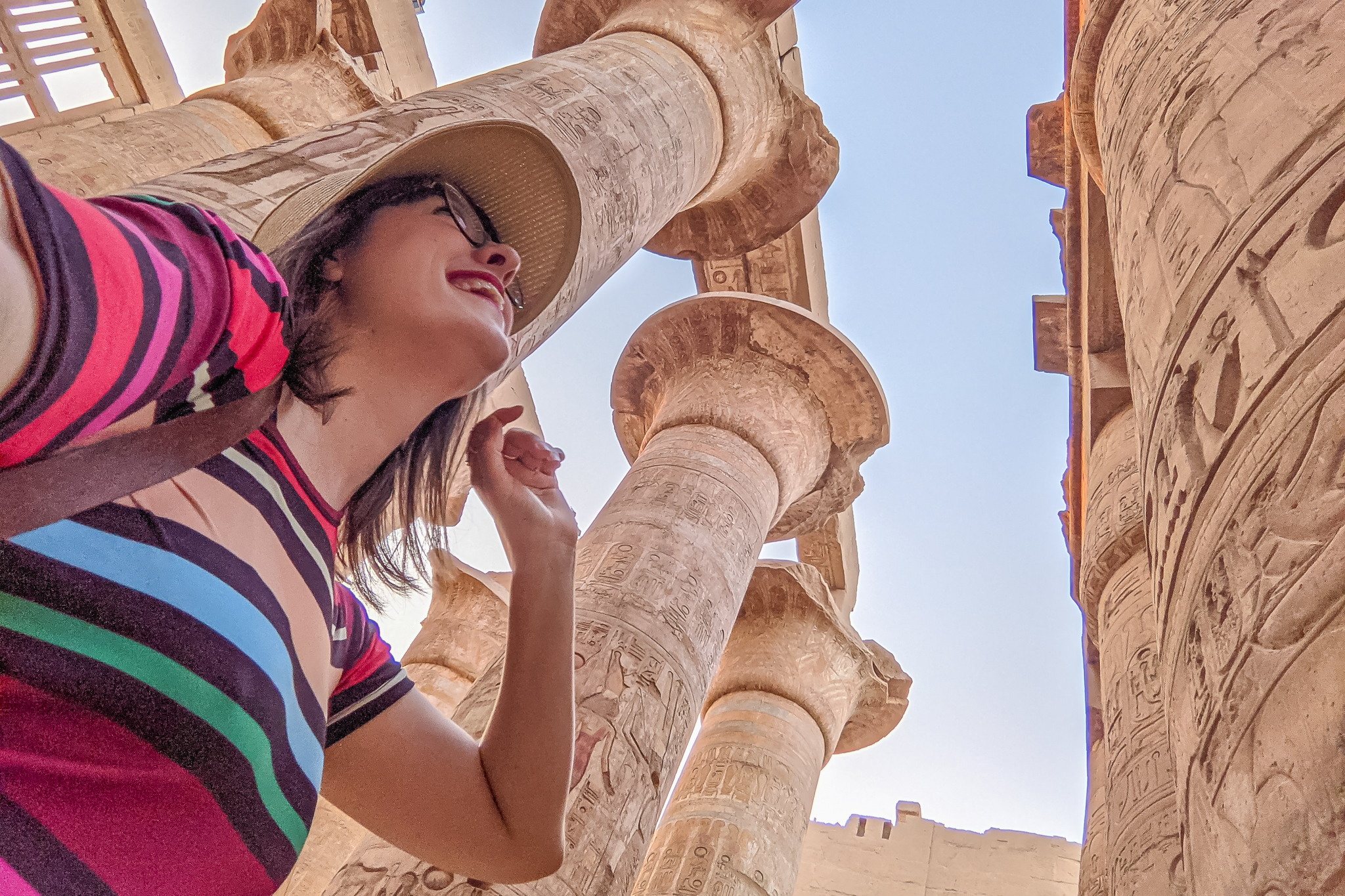
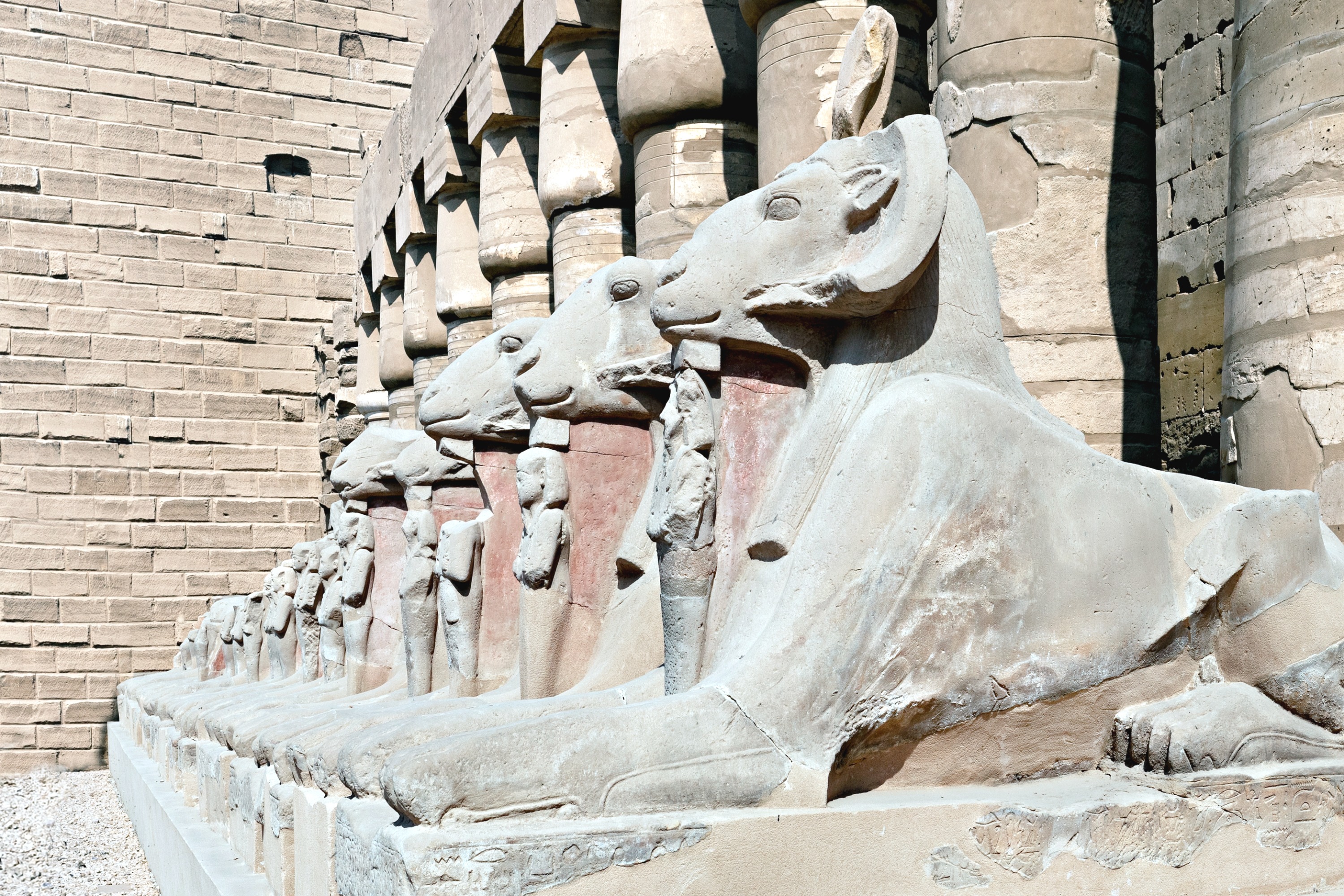
Start your adventure at the magnificent Medinet Habu Temple, the mortuary temple of King Ramses III, where towering walls and vivid carvings bring to life epic battles and royal ceremonies.
Next, step into the Valley of the Nobles, a place that reveals the true spirit of ancient Egypt. Explore the colorful tombs of high officials, covered with vibrant scenes of daily life, family moments, and eternal devotion — a window into how the elite once lived and dreamed.
Finally, wander through Deir El-Medina, the village of the craftsmen who built the royal tombs. Walk among their homes, admire their beautifully painted tombs, and feel the connection to the skilled hands that shaped Egypt’s timeless wonders.
A journey filled with art, history, and human stories — a perfect blend of mystery and magic in the land of the pharaohs!
Available options
Private Day Tour to Habu Temple, Valley of Nobles, Deir El-Madina
Pickup included
What's included
Bottled Mineral Water
Entrance Fees for All Mentioned Sites.
All Transfers by Air-Conditioned Private vehicle.
Lunch In Very Nice Restaurant.
Egyptologist tour guide.
Detailed itinerary
1
Stop 1
Egypt Royal Tours representative will pick you up from your hotel or Nile Cruise in Luxor, to start your tour by visiting Medinet Habu Temple, also known as the Mortuary Temple of Ramses III, is located on the west bank of Luxor.
It was built by King Ramses III to honor the god Amun-Ra and to serve as his mortuary temple.
The temple is famous for its well-preserved reliefs depicting the king’s military victories and religious ceremonies.
Its walls still retain much of their original colors, making it one of the best-preserved temples in Egypt.
The complex includes massive gates, open courtyards, and grand halls, reflecting the power and glory of Ramses III’s reign.
2
Stop 2
Then continue your tour by visiting The Valley of the Nobles is located on the west bank of Luxor, between the Valley of the Kings and the Valley of the Queens.
It contains the tombs of high officials, governors, and priests who served the pharaohs of ancient Egypt.
The tombs are smaller than royal ones but beautifully decorated with colorful scenes of daily life, agriculture, and family gatherings, giving a vivid picture of ancient Egyptian society.
The paintings are still well preserved and show the wealth and status of the nobles buried there.
3
Stop 3
Then we proceed to see Deir El-Medina, is an ancient village on the west bank of Luxor that was home to the workers and artists who built the royal tombs in the Valley of the Kings.
It gives a unique insight into the daily lives of ordinary ancient Egyptians, including their homes, family life, and beliefs.
The site includes well-preserved houses, small temples, and beautifully decorated tombs belonging to the craftsmen and their families.
The tombs are known for their bright colors and detailed scenes showing both work and personal life.
What's not included
Tipping
Any Extras.
Personal Items.
Available languages
Audio guide
DE
EN
IT
FR
ES
Guide guide
DE
EN
IT
FR
ES
Written guide
DE
EN
IT
FR
ES
Reviews breakdown
Tripadvisor
5.0
7 reviews
5★
7
4★
0
3★
0
2★
0
1★
0
Important information
Not recommended for travelers with spinal injuries
Suitable for all physical fitness levels
About Luxor
Luxor, once the ancient city of Thebes, is a treasure trove of ancient Egyptian history and architecture. Known for its magnificent temples, tombs, and monuments, it offers an unparalleled glimpse into the past. The city is often referred to as the world's greatest open-air museum, with landmarks like the Valley of the Kings and Karnak Temple attracting visitors from around the globe.
Top Attractions
Karnak Temple Complex
The Karnak Temple Complex is a massive temple complex dedicated to the god Amun-Ra. It is one of the largest religious buildings ever constructed and a must-visit for its grandeur and historical significance.
Historical/Architecture
2-3 hours
Egyptian Pounds 160
Valley of the Kings
The Valley of the Kings is a burial site for pharaohs and nobles from the New Kingdom period. It contains over 60 tombs, including the famous tomb of Tutankhamun.
Historical/Architecture
3-4 hours
Egyptian Pounds 240 (includes entry to 3 tombs)
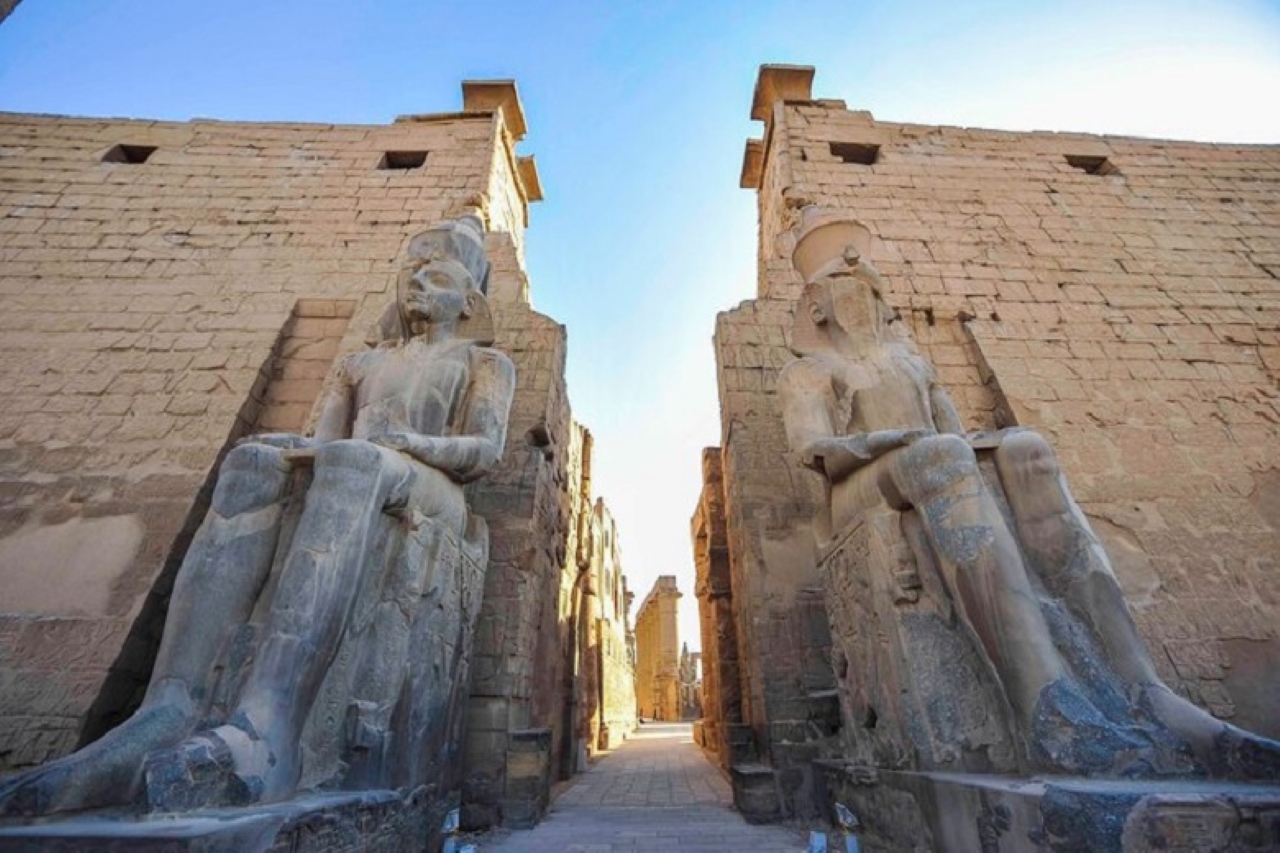
Luxor Temple
Luxor Temple is a large ancient Egyptian temple complex located on the east bank of the Nile. It was constructed around 1400 BCE and dedicated to the god Amun-Ra.
Historical/Architecture
1-2 hours
Egyptian Pounds 160
Hatshepsut Temple
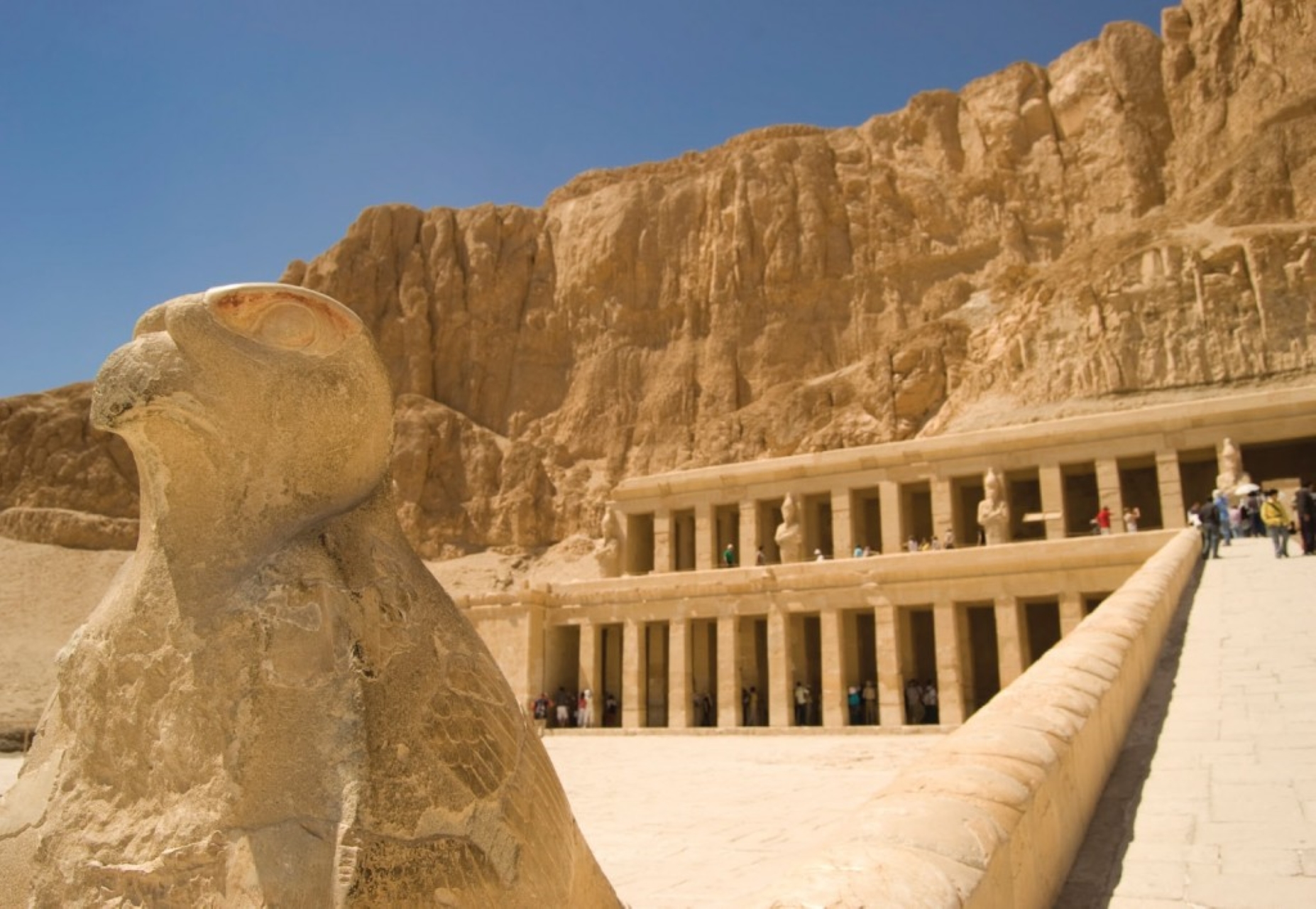
The Mortuary Temple of Hatshepsut is a stunning temple dedicated to the female pharaoh Hatshepsut. It is uniquely designed and set against the cliffs of Deir el-Bahari.
Historical/Architecture
1-2 hours
Egyptian Pounds 120
Luxor Museum
The Luxor Museum is a small but impressive museum showcasing artifacts from the Theban Necropolis and the surrounding area. It provides a great overview of Luxor's rich history.
Museum
1 hour
Egyptian Pounds 100
Must-Try Local Dishes
Kushari
A popular Egyptian dish made with rice, lentils, pasta, and fried onions, topped with tomato sauce and garlic vinegar.
Main Dish
Vegetarian
Ful Medames
A traditional Egyptian breakfast dish made from slow-cooked fava beans, often served with eggs, falafel, and tahini.
Breakfast
Vegan
Grilled Kebab
Marinated and grilled skewers of lamb or chicken, often served with rice and salad.
Main Dish
Contains meat
Baklava
A sweet pastry made with layers of filo dough, nuts, and honey syrup.
Dessert
Vegetarian, contains nuts
Popular Activities
Hot air balloon ride
Felucca sailing
Horseback riding
Nile River cruise
Spa treatments
Café hopping
Temple visits
Museum tours
Best Time to Visit
October to April
This period offers the most comfortable weather for sightseeing and exploring the ancient sites. The cooler temperatures make it ideal for outdoor activities.
15°C to 30°C
59°F to 86°F
Practical Information
Language
- Official: Arabic
- Widely spoken: English, French
- English: Moderately spoken in tourist areas
Currency
Egyptian Pound (EGP)
Time Zone
GMT+2
Electricity
220VV, 50HzHz
Safety Information
Overall Safety Rating: Generally safe
Luxor is generally safe for tourists, but petty crime and scams can occur. Be cautious of your surroundings, especially in crowded areas and tourist sites.
Important Precautions:
- • Be cautious of your belongings in crowded areas
- • Use reputable tour companies and guides
- • Negotiate prices in advance for taxis and services
Getting there
By air
- Luxor International Airport • 6 km from city center
By train
Luxor Train Station
By bus
Luxor Bus Station
Getting around
Public transport
Local buses are a cheap and common way to get around Luxor. They can be crowded and may not be the most comfortable option for tourists.
Taxis
Available • Apps: Uber, Careem
Rentals
Car, Bike, Scooter
Neighborhoods
East Bank
West Bank
Day trips
Valley of the Queens
3 km from Luxor • Half day
The Valley of the Queens is a burial site for the wives and children of pharaohs. It contains over 70 tombs, including the famous tomb of Nefertari.
Dendera Temple Complex
60 km from Luxor • Full day
The Dendera Temple Complex is a well-preserved temple dedicated to the goddess Hathor. It is known for its beautiful reliefs and the famous Dendera zodiac.
Abydos Temple
140 km from Luxor • Full day
The Abydos Temple is a significant archaeological site dedicated to the god Osiris. It is known for its well-preserved reliefs and the famous Abydos King List.
Festivals
Luxor African Film Festival • Late March to early April
Luxor International Folk Festival • Late October to early November
Eid al-Fitr • Varies (end of Ramadan)
Pro tips
- Visit major attractions early in the morning to avoid crowds and the heat.
- Hire a knowledgeable local guide to fully appreciate the history and significance of the ancient sites.
- Stay hydrated and wear sun protection, as the sun can be intense, especially during the summer months.
- Bargain politely in markets and with street vendors, as prices are often inflated for tourists.
- Try local dishes like Kushari and Ful Medames for an authentic culinary experience.
From $25
per person
Price varies by option
Secure booking
Free cancellation available
Instant confirmation