

Private Full-Day Tour of Beijing with Lunch
Active
8h - 9h
For a full refund, cancel at least 24 hours before the scheduled departure time.
Instant confirmation
Mobile or paper ticket accepted
About this experience
Experience three signature sights of Beijing on the guided tour. After a convenient hotel pickup, visit the Ming Tombs Scenic Area and explore Changling Tomb—among the best preserved of the mausoleums containing the 13 emperors of the Ming Dynasty. After lunch, we will back to downtown to explore the largest and best-preserved of the surviving imperial garden and stop to take some pictures at Niaochao National Stadium. At dusk, climb the Jingshan and enjoy panoramic view of Forbidden City.
1. Visit the UNESCO-listed Ming Tombs, a series of mausoleums to the ancient rules of the Ming Dynasty
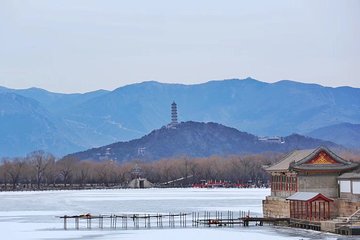
2. Stroll around Kunming Lake and Long Corridor at the Summer Palace
3. Learn about local insights, history and geography from your private guide
4. Enjoy convenient airport or hotel pickup/drop-off on this private tour
Available options
Private Full-Day Tour of Beijing with Lunch
Pickup included
What's included
Private transportation
Bottled water
Lunch
Professional tour guide
Entrance fee of the indicated attractions
Detailed itinerary
1
Stop 1
Your tour guide will meet you at your hotel with the welcoming board on which your name will be written at 09:00 a.m.. Then, we will transfer to the Ming Tombs and start the highlight day tour.
A series of temple-like structures and burial mounds, the Ming Tombs contain the remains of 13 of the 16 emperors who ruled China during the Ming Dynasty (1368 to 1644). Of the 13 tombs, three are open to the public and accessible via a statue-lined path called the Sacred Way, where the carvings of mythical animals and legendary figures are believed to ward off evil spirits. The Ming Tombs Museum sits just behind the ticket office and offers a short introduction to each of the 13 entombed emperors.
After lunch, we will drive back to Beijing downtown and visit Summer Palace, Jingshan Park.
2
Stop 2
The Summer Palace is the largest and best-preserved of the surviving imperial garden, rich in history and culture. Once a summer retreat for emperors, this 716-acre park is still a retreat for tourist, who can relax here or stroll around ancient pavilions, mansions, temples, bridges and huge lake, stopping occasionally at a shop or tea-house. Much-loved summer retreat of the Imperial families, the lovely landscaped gardens, halls, pavilions and corridors are set around the lake and rivers in natural harmony.
Long Corridor at the Summer Palace
The paths beside the lake lead you under shady trees, or along the roofed colonnade known as the Long Corridor, with its magnificently painted ceilings. Bridges, boats, willows, lotus flowers, and other attractive landscaping make this a pleasant place to soak up the atmosphere and in the views.
Then, we will stroll around Beijing Olympic Park and admire the facade of Niaochao National Stadium and Water Cube.
3
Stop 3
Beijing Olympic Park, also known as the Olympic Green. Beijing Olympic Park is where the 2008 Beijing Olympic Games and Paralympics took place. It also will be where the 2022 Winter Olympics takes place. Afterward, it was transformed into a comprehensive multifunctional activity center for the public.
It contains the main venues used during the 2008 Summer Olympic Games and Paralympic Games, such as the Bird’s Nest and the Water Cube. You will be overwhelmed by the architecture of these two magnificent buildings.
4
Stop 4
Pass by
The Beijing National Stadium, more commonly referred to as the Bird’s Nest, was built for the 2008 Beijing Olympic Games at a cost of $423 million. Since the Olympics and all its fanfare, the stadium has become a major landmark and tourist attraction, as well as a venue for both international and domestic sporting competitions.
Though relatively new to the Beijing landscape, the National Stadium has become a must-see attraction.
5
Stop 5
Pass by
Not far from the Bird's Nest, there is the National Aquatics Center, also known as Water Cube. Its creative design concept is originated from the arrangement pattern of cells and natural structure of soap bubbles. The huge square box was produced by combining modern technologies with traditional Chinese culture. In the past, Chinese ancestors believed that the sky is round while the earth is square, and that is the way nature keeps harmonious. The square Water Cube together with the round Bird's Nest, embody and interpret this idea very well.
Then, we will transfer to Jingshan Park and enjoy panoramic view of Forbidden City from Jingshan.
6
Stop 6
Jingshan Park is superbly landscaped with hills to ascend by steps, clear lakes and dignified ancient buildings. It used to be one of the ancient imperial gardens in Beijing, and now has developed as a peaceful public park. Vigorous cypresses are planted widely in the park, creating a quiet and solemn atmosphere with the golden-glazed ancient pavilions.
Because of close to north of the Forbidden City, Jingshan Park is the best place for a bird's eye view of the Forbidden City and central Beijing. At dusk, the Forbidden City is particularly beautiful, palace eaves decorated with golden rays of the setting sun.
Afterwards, enjoy comfortable transfer back to your hotel, Wrap your memories and say good-bye in your hotel.
Available languages
Guide guide
CMN
EN
Important information
Wheelchair accessible
Infants and small children can ride in a pram or stroller
Service animals allowed
Specialized infant seats are available
Not recommended for travelers with poor cardiovascular health
Suitable for all physical fitness levels
About Beijing
Beijing, the capital of China, is a city of immense historical significance and modern dynamism. It's home to iconic landmarks, ancient palaces, and a vibrant contemporary culture that blends tradition with modernity. The city offers a unique mix of ancient history, cultural treasures, and modern advancements.
Top Attractions
The Great Wall of China
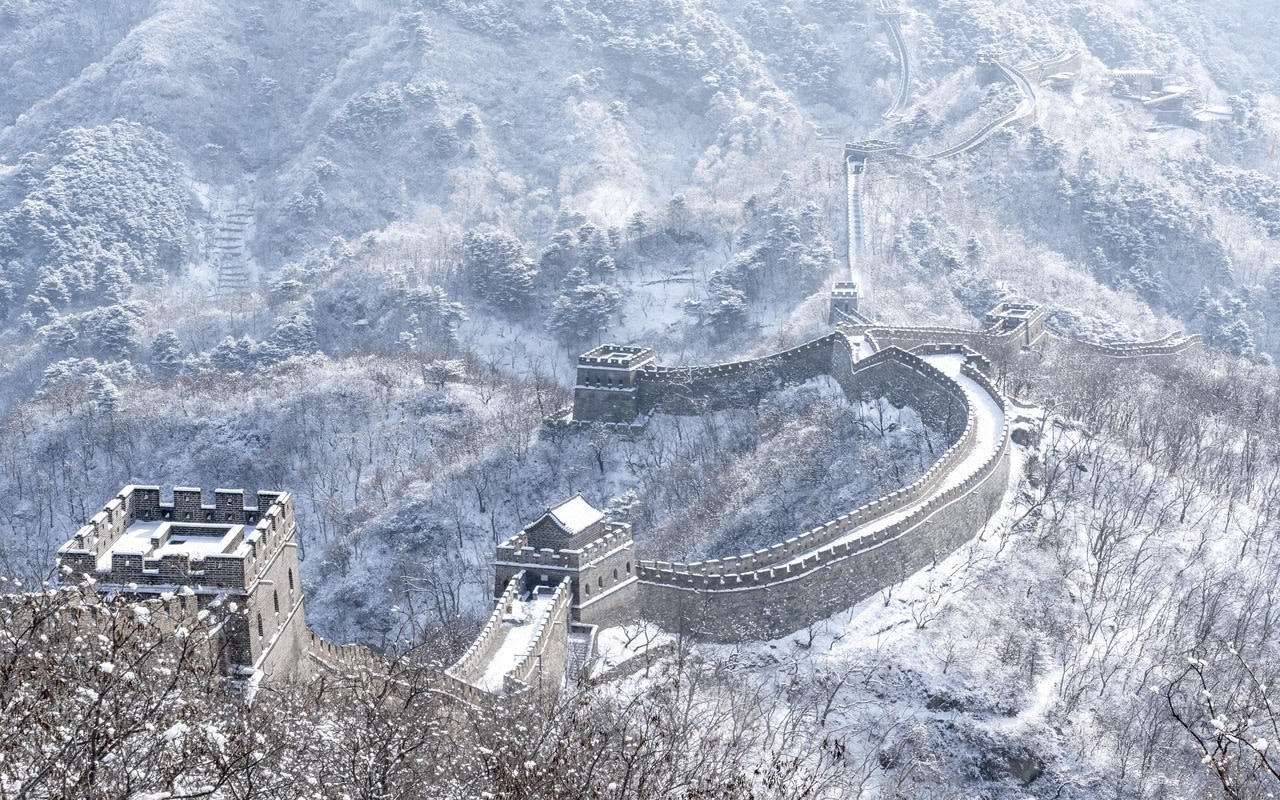
One of the most iconic landmarks in the world, the Great Wall of China stretches over 21,000 kilometers. The most accessible sections near Beijing are Badaling and Mutianyu.
Historical
Half day to full day
¥40-80 (depending on the section)
Forbidden City
The Forbidden City, also known as the Palace Museum, was the imperial palace during the Ming and Qing dynasties. It houses an extensive collection of artifacts and offers a glimpse into China's imperial past.
Historical
2-3 hours
¥60 (March-October), ¥40 (November-February)
Temple of Heaven
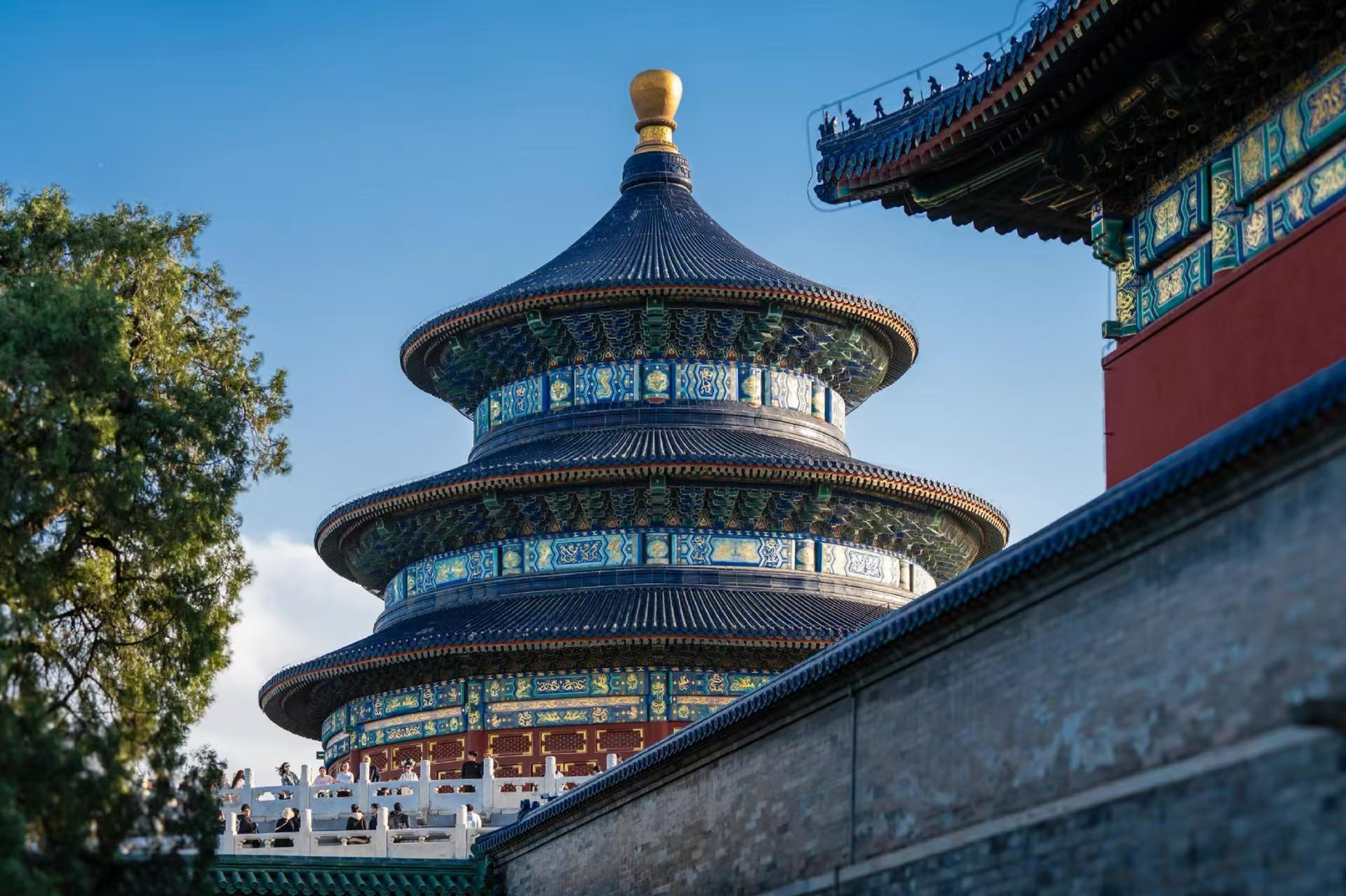
The Temple of Heaven is a complex of religious buildings where emperors of the Ming and Qing dynasties performed annual ceremonies of prayer to heaven for good harvests.
Historical
1-2 hours
¥15 (Temple area), ¥35 (Temple and park)
Summer Palace
The Summer Palace is a vast ensemble of lakes, gardens, and palaces. It served as a retreat for emperors to escape the summer heat and is known for its beautiful landscapes and architecture.
Historical
3-4 hours
¥30 (Park and palace area), ¥60 (Boat ride included)
Hutongs
Hutongs are traditional narrow alleys and residential neighborhoods that offer a glimpse into old Beijing's way of life. Exploring hutongs provides an authentic experience of local culture and history.
Cultural
Half day to full day
Free to explore, but consider paying for guided tours or Rickshaw rides
798 Art Zone
The 798 Art Zone is a contemporary art district located in a former military factory. It's home to numerous art galleries, studios, and cultural events, making it a hub for Beijing's art scene.
Cultural
1-2 hours
Free to explore, but some galleries may charge admission
Must-Try Local Dishes
Peking Duck
A iconic dish of Beijing, Peking Duck is roasted to perfection and served with thin pancakes, hoisin sauce, and scallions. The crispy skin and tender meat make it a must-try for any visitor.
Main Course
Contains meat (duck), gluten (pancakes and sauce)
Zhajiangmian (Fried Sauce Noodles)
A popular Beijing street food, Zhajiangmian consists of hand-pulled noodles topped with a rich, savory sauce made from fermented soybean paste and minced pork. It's often served with cucumber and bean sprouts.
Main Course
Contains meat (pork), gluten (noodles and sauce)
Jianbing (Savory Crepes)
A popular Beijing street food, Jianbing is a savory crepe made with a batter of wheat and mung bean flour, filled with egg, scallions, and hoisin sauce. It's crispy, delicious, and perfect for a quick breakfast on the go.
Breakfast
Contains eggs, gluten (batter and sauce)
Baozi (Steamed Buns)
Baozi are steamed buns filled with various ingredients, such as pork, beef, or vegetables. They are a popular street food and can be found in many markets and food stalls throughout Beijing.
Snack
Can be vegetarian or contain meat, depending on the filling; contains gluten (bun)
Popular Activities
Hiking the Great Wall
Rock climbing in the Huairou District
Mountain biking in the outskirts of Beijing
Boat rides on Kunming Lake at the Summer Palace
Tea ceremonies at traditional teahouses
Gardens and parks at the Temple of Heaven and Beihai Park
Exploring the Forbidden City and other imperial palaces
Visiting temples and religious sites
Best Time to Visit
September to October, April to May
These months offer the most pleasant weather with clear skies and comfortable temperatures, making it ideal for sightseeing. The city is vibrant with cultural festivals and outdoor activities.
15-25°C (59-77°F)
59-77°F
Practical Information
Language
- Official: Mandarin Chinese
- Widely spoken: English (in tourist areas and by younger generations)
- English: Moderately spoken in tourist areas, limited elsewhere
Currency
Chinese Yuan (CNY)
Time Zone
GMT+8 (China Standard Time)
Electricity
220VV, 50HzHz
Safety Information
Overall Safety Rating: Generally safe, but exercise caution in crowded areas and tourist spots
Beijing is generally a safe city for travelers, with low crime rates and a strong police presence. However, petty crimes such as pickpocketing and scams can occur, especially in crowded areas and tourist spots. Exercise caution and be aware of your surroundings, particularly at night and in less touristy areas.
Important Precautions:
- • Be cautious when using taxis, and insist on using the meter or agreeing on a price before starting the journey
- • Keep valuables secure and be aware of your surroundings in crowded areas and tourist spots
- • Be wary of strangers offering services or attractions at inflated prices, and only use licensed and reputable tour guides and operators
Getting there
By air
- Beijing Capital International Airport • 32 km (20 miles) northeast of city center
- Beijing Daxing International Airport • 46 km (29 miles) south of city center
By train
Beijing Railway Station, Beijing West Railway Station
By bus
Beijing Sihui Bus Station, Beijing Liuliqiao Bus Station
Getting around
Public transport
The Beijing Subway is efficient, affordable, and widely used. It's the best way to navigate the city, especially during peak hours.
Taxis
Available • Apps: Didi Chuxing, Tencent Taxi
Rentals
Car, Bike, Scooter
Neighborhoods
Dongcheng
Xicheng
Chaoyang
Haidian
Shijingshan
Day trips
The Great Wall at Mutianyu
70 km (43 miles) northeast of Beijing • Full day
The Great Wall at Mutianyu is a less crowded and more scenic section of the Great Wall, offering stunning views of the surrounding mountains and valleys. It's a popular day trip from Beijing for those looking to experience the Great Wall without the large crowds.
The Great Wall at Jinshanling
130 km (81 miles) northeast of Beijing • Full day
The Great Wall at Jinshanling is a remote and less restored section of the Great Wall, offering a more authentic and adventurous experience. It's a popular day trip for those looking to explore the Great Wall's wild and rugged beauty.
The Great Wall at Simatai
120 km (75 miles) northeast of Beijing • Full day
The Great Wall at Simatai is a unique and well-preserved section of the Great Wall, known for its dramatic and picturesque landscape. It's a popular day trip for those looking to experience the Great Wall's beauty and history in a more intimate setting.
Festivals
Chinese New Year (Spring Festival) • January or February (varies by lunar calendar)
Lantern Festival • 15th day of the first lunar month (varies by year)
Qingming Festival (Tomb-Sweeping Day) • April 4th or 5th (varies by solar calendar)
Pro tips
- Use the official Beijing Subway app for route planning and real-time updates
- Carry a VPN to access restricted apps and websites, such as Google, Facebook, and Instagram
- Learn a few basic Mandarin phrases to enhance your experience and interact with locals
- Wear comfortable shoes for exploring the city's many attractions and neighborhoods
- Try local snacks and street food for an authentic and delicious culinary experience
From $25
per person
Price varies by option
Secure booking
Free cancellation available
Instant confirmation