Beysehir Tour
Active
9h - 10h
For a full refund, cancel at least 24 hours before the scheduled departure time.
Instant confirmation
Mobile or paper ticket accepted
About this experience
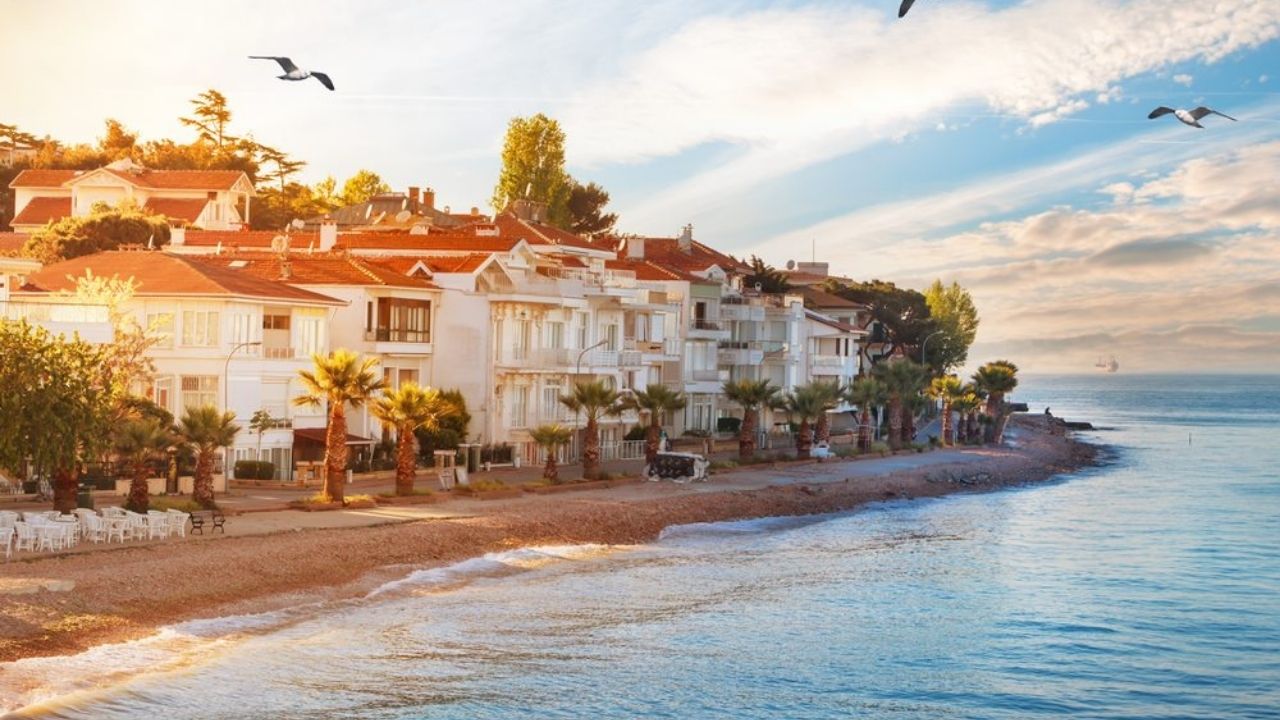
Beysehir lake is the third largest lake in Turkey, and as a result of chemical reactions it has formed many islands, which are the remains of cavernous geological structures. The lake was accepted as a first grade natural site area in 1991. Lake Beysehir ,which has the largest freshwater reserves of Turkey,has a rich biological diversity both in the water and in the islands and coasts. The islands provide a home for thousands of water birds which nest there, including swans, cormorants, ducks and divers. Species of trees here include juniper, blackpine, firs, cedar and oak. In addition to the natural beauty of the area, it also has an interesting history as it was governed by Hittites, Friesian, Lydias, Persians and Byzantines. Finally, the Anatolian Seljuks conquered the area, and since then it has been under the reign of the Turks.
Beysehir is 90 km from Konya.
Available options
Beysehir Tour
Pickup included
What's included
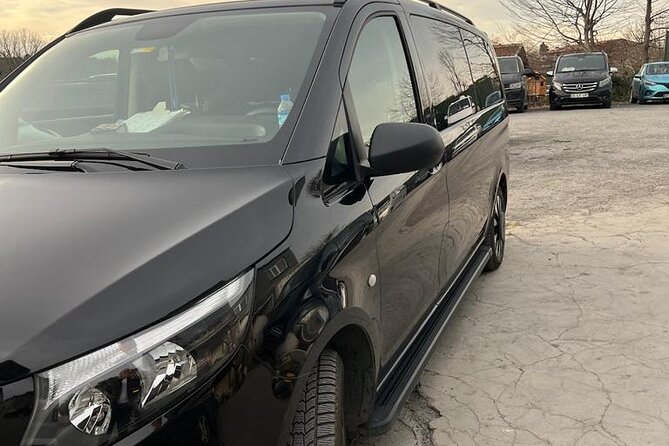
Private transportation
All Fees and Taxes
Professional Guiding
Lunch
Detailed itinerary
1
Kızılören Caravansarai :
This caravansarai is from 13th century on the road to Beysehir.
Caravanserais are important structures built on important trade routes such as the historical silk road for accommodation needs of merchants in the Seljuk period.
2
Stone Bridge
As a symbol of Beyşehir ,Historic stone bridge where the first irrigation project was made to function as a dam by the Ottoman State between 1908 and 1914 in Beysehir,reveals a unique landscape with its great sunlight.
3
Eşrefoğlu Mosque is the only wooden mosque where several decorative techniques of stone, brick, ceramics and painting were used together. It was built in 13th century. It is a unique example of Islamic architecture, ıt’s also noteworthy for its wooden pillars as well as ornaments and fresco paintings on the ceiling. Eşrefoğlu Mosque is known as the biggest flat-ceiling mosque placed on wooden pillars.
4
Boat Tour in Beysehir Lake
One hour boat tours are available in Beyşehir to see and admire the beauties of the lake
5
EFLATUNPINAR HITITE MONUMENT
The monument is formed as a rectangular shaped pond fed with the waters from a nearby spring. The most prominent part is the highwall of reliefs that stand on the North edge of the roughly 34 by 30 meter rectangular pond. Eflatunpınar is one of the few examples of frontal portrayal of human forms in Hittite art of the Empire period.
What's not included
Any tip for the Guide and driver
Available languages
Guide guide
EN
TR
Reviews breakdown
Viator
5.0
2 reviews
5★
2
4★
0
3★
0
2★
0
1★
0
Tripadvisor
5.0
2 reviews
5★
2
4★
0
3★
0
2★
0
1★
0
Important information
Wheelchair accessible
Infants and small children can ride in a pram or stroller
Service animals allowed
Specialized infant seats are available
Transportation options are wheelchair accessible
All areas and surfaces are wheelchair accessible
Travelers should have at least a moderate level of physical fitness
About Konya
Konya is a historic city in central Turkey, renowned for its rich cultural heritage and spiritual significance. It's famous as the home of the Mevlana Museum, dedicated to the Sufi mystic Rumi, and offers a unique blend of ancient history and vibrant traditions.
Top Attractions
Mevlana Museum
Dedicated to the Sufi mystic Rumi, this museum is a significant cultural and spiritual site. It houses the tomb of Rumi and a beautiful collection of Islamic art and manuscripts.
Historical/Religious
2-3 hours
Moderate (around $5)
Konya Archaeological Museum
This museum showcases a rich collection of artifacts from the region's ancient history, including Hittite, Roman, and Byzantine periods.
Museum
1-2 hours
Moderate (around $3)
Alâeddin Hill
A historic hilltop site with ruins of Seljuk palaces and mosques, offering panoramic views of the city.
Historical
1-2 hours
Free
Must-Try Local Dishes
Etli Kuru
A traditional Konya dish made with lamb, chickpeas, and various spices, slow-cooked in a clay pot.
Dinner
Contains meat, can be spicy
Tandır Kebap
A type of kebab cooked in a traditional tandır (clay oven), known for its tender and flavorful meat.
Dinner
Contains meat
Şırdan
A traditional dish made with lamb intestines, cooked with onions and spices.
Dinner
Contains meat, not suitable for vegetarians
Popular Activities
Hiking in the nearby mountains
Horseback riding
Visiting traditional Turkish baths
Tea house lounging
Attending the Sema Ceremony
Exploring museums and historical sites
Visiting the snow-covered Alâeddin Hill for winter views
Experiencing the Whirling Dervishes ceremony
Best Time to Visit
April to June, September to October
These periods offer comfortable temperatures and are ideal for exploring the city's attractions and outdoor activities.
15-30°C
59-86°F
Practical Information
Language
- Official: Turkish
- Widely spoken: English, German
- English: Moderately spoken in tourist areas, limited elsewhere
Currency
Turkish Lira (TRY)
Time Zone
GMT+3
Electricity
220VV, 50HzHz
Safety Information
Overall Safety Rating: Generally safe
Konya is generally safe for tourists, but standard precautions should be taken to avoid petty crime and scams.
Important Precautions:
- • Keep valuables secure and out of sight.
- • Be cautious of strangers approaching you with offers that seem too good to be true.
- • Use reputable tour operators and guides.
Getting there
By air
- Konya Airport • 18 km (11 miles) from city center
By train
Konya Train Station
By bus
Konya Bus Terminal
Getting around
Public transport
The bus system is the primary mode of public transport in Konya, covering most of the city and its suburbs.
Taxis
Available • Apps: BiTaksi, Hepsibisey
Rentals
Car, Bike, Scooter
Neighborhoods
Akşemseddin District
Selçuklu District
Day trips
Çatalhöyük
150 km (93 miles) from Konya • Full day
One of the world's earliest known towns, dating back to around 7500 BC. It's a significant archaeological site with well-preserved ruins.
Lake Tuz
80 km (50 miles) from Konya • Half day
A large salt lake known for its pink hue and flamingo population. It's a unique natural site and a great place for birdwatching.
Festivals
Konya International Mystery Play Festival • Annual, typically in December
Konya Wine Festival • Annual, typically in September
Pro tips
- Visit the Mevlana Museum early in the morning to avoid crowds.
- Try local specialties like Etli Kuru and Tandır Kebap for an authentic dining experience.
- Explore the city's bazaars for unique souvenirs and local crafts.
- Take a day trip to Çatalhöyük for a fascinating glimpse into ancient history.
- Experience the Sema Ceremony for a unique cultural and spiritual experience.
From $25
per person
Price varies by option
Secure booking
Free cancellation available
Instant confirmation