Cagliari: Porto Flavia from Chia
Active
4h - 5h
For a full refund, cancel at least 24 hours before the scheduled departure time.
Instant confirmation
Mobile or paper ticket accepted
About this experience
The Masua hub was a complex of several mining operations in the Sulcis area, a region of Sardinia rich in coal, sulphur, barium, zinc, lead, silver and other metals. Extraction began in 1600, but became economically relevant only in the early 1900s when the mining business in the whole region experienced a quick expansion. The extraction, especially of the coal caves, was operated on a low-technology basis until the early 20th century. Since the late 1800s metal-gathering enjoyed more modern techniques, as it was controlled mostly by rich north-European corporations more willing to commit money in improving the mining efficiency. In 1922, the Masua mines were acquired by the Belgian Vieille Montagne Company, and exploitation increased with the growing need for zinc and lead for reconstruction after World War I as well as because of technological advance in steel alloys.
Available options
Private Tour
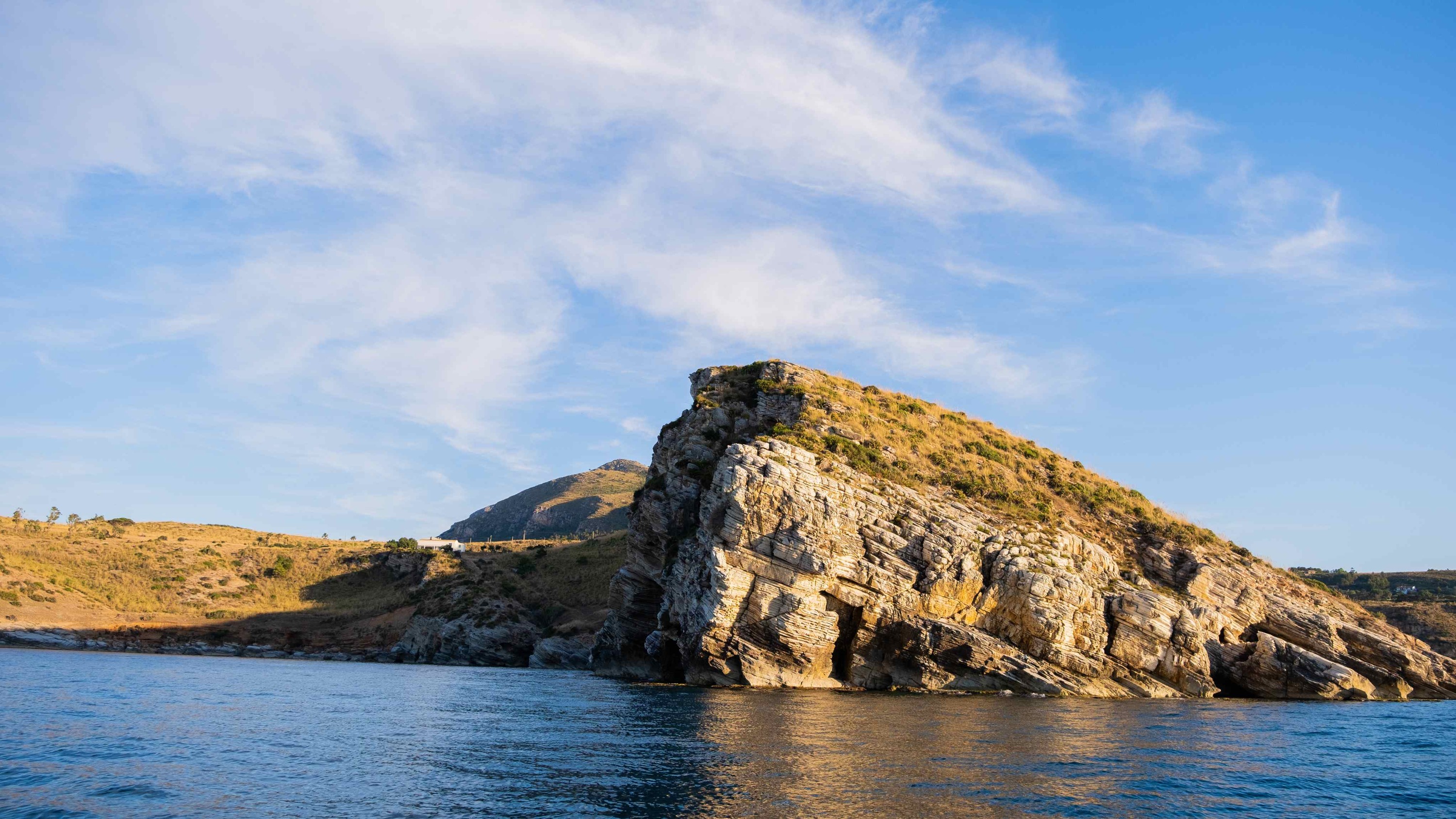
Tour: Porto Flavia is a sea harbor located in Masua. Built in 192324, it served as the mineral production hub of Masua in the west coast of the Sardinian Sulcis area.<br/>Pickup included
What's included
Bottled water
All taxes, fees and handling charges
Transport by air-conditioned minivan with free wifi on board, due to availability, please be aware that for groups of more than 8 participants vehicles used in the excursions may be different from description and vary at the management's discretion.
Use of helmet
Hotel pickup and drop-off only for Chia area
Insurance
Professional guide in english, french, portuguese and italian
Detailed itinerary
1
Starting from Chia you will enjoy an amazing ride (1.5 hour) through the panoramic road towards Iglesias.
2
We'll see how a special crew of miners expert in explosives and rock climbing was assembled. They worked in shifts, day and night, to complete the excavations in record time. Despite safety measures being practically ignored to speed up work, no casualties were reported in the building phase. Because the tunnel was without angles or trenches, the usual technique for dynamite-drilling was impossible (the crew used those angles and trenches as shelter while blowing up charges just a few meters away). Instead, small cavities were excavated at regular distances to allow the workers to gain cover after igniting explosives. They are still visible in the guided tour. The workers began drilling the upper gallery, 37 metres (121 ft) above sea-level, with dynamite and mechanical drills (many mines at the time mostly used pickaxes) until they reached the sea. They then hung from ropes and began drilling the lower tunnel from the cliff-face, 16 metres (52 ft) above sea-level, going the opposite direction under the upper gallery. This way, they could dump the removed rocks directly into the sea. Finally, the reservoirs were excavated by creating holes in the basaltic rock, starting from the bottom of the cavities and going up. This again eased the removal of rubble, although this procedure was very dangerous. Each storage reservoir was 4 to 8 metres (13 to 26 ft) in diameter and 20 metres (66 ft) high. Venting holes were opened on the side of the galleries. Mechanical iron hatches were installed, along with the electric railway into the upper tunnel. The train brought the ore to the loading hatches of the reservoirs, while in the lower tunnel the unloading hatches fed the ore to the conveyor belt leading to the ships. The belt was covered with a steel casing to prevent the wind blowing away zinc oxide powder. It was extensible, and retracted after a load was delivered to the ship's hold. The main conveyor belt featured an innovative movable alignment system, designed to reduce the risk of the belt escaping the driving wheels under the pressure of the falling ore. The main belt dumped the ore on the slightly lower extensible conveyor belt, which could be protruded for 15 metres (49 ft) and channeled the ore powder into a vertical shaft going to the hold of a moored ship. Construction took only two years, ending in 1924, a remarkably short period of time for a work of that size. The ends of the tunnels facing the sea were adorned with concrete towers and decorative nameplates. They were not necessary to the operation, but were asked to be constructed by the owner of the company as a mark of prestige. Vecelli's daughter, Flavia, was born earlier in 1924 and the engineer named his best job with his daughter's name.
3
Your local guide will be keen to make the tour as personal as possible. He will assist you with his expertise and recall interesting anecdotes for you before driving you back to your hotel.
What's not included
Food and drinks, unless specified
Gratuities
Available languages
Guide guide
PT
EN
IT
FR
ES
Reviews breakdown
Viator
4.0
1 reviews
5★
0
4★
1
3★
0
2★
0
1★
0
Tripadvisor
4.3
3 reviews
5★
2
4★
0
3★
1
2★
0
1★
0
Important information
Specialized infant seats are available
Infants and small children can ride in a pram or stroller
Not recommended for travelers with poor cardiovascular health
Suitable for all physical fitness levels
Dress code is smart casual
Due to availability, please be aware that for groups of more than 8 participants vehicles used in the excursions may be different from description and vary at the management's discretion.
Meeting point
CTC Parking, Viale del Porto 19 Chia (the parking ticket is not included, discounted fare to our guests, €5 per vehicle)
Important notes
• Dress code is smart casual
About Sardinia
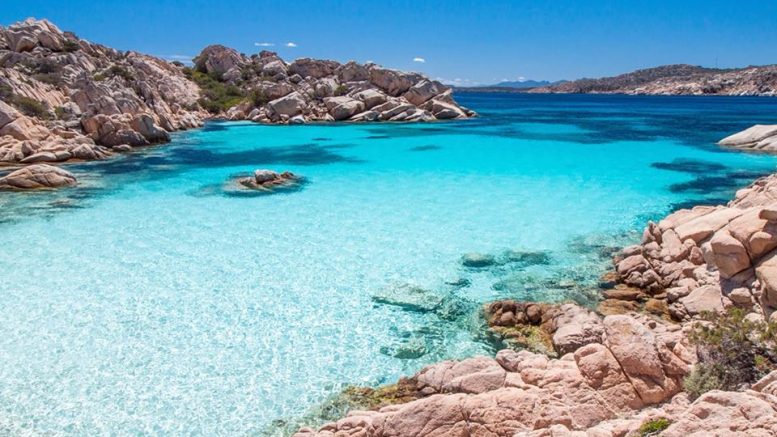
Sardinia is the second-largest island in the Mediterranean Sea and is renowned for its stunning beaches, crystal-clear waters, and rich cultural heritage. It offers a unique blend of Italian and Mediterranean influences, making it a distinctive and appealing destination for travelers.
Top Attractions
Costa Smeralda
Costa Smeralda is a glamorous stretch of coastline known for its turquoise waters, white sandy beaches, and luxury resorts. It's a popular destination for celebrities and tourists seeking a high-end beach experience.
Beach
Full day
Moderate to Expensive
Su Nuraxi di Barumini
Su Nuraxi di Barumini is a UNESCO World Heritage Site featuring the remains of a Nuragic settlement. It offers a fascinating glimpse into Sardinia's ancient past.
Historical
2-3 hours
€9 (includes museum entry)
La Pelosa Beach
La Pelosa Beach is one of Sardinia's most famous beaches, known for its crystal-clear waters, white sand, and the picturesque Torre del Falco. It's a must-visit for beach lovers.
Beach
Half day
Free
Must-Try Local Dishes
Porceddu
Suckling pig roasted slowly over an open fire, resulting in tender, flavorful meat.
Main Course
Not vegetarian
Culurgiones
Handmade pasta filled with potato, mint, and pecorino cheese.
Appetizer
Vegetarian
Bottarga
Dried, salted mullet or tuna roe, often served thinly sliced or grated over pasta.
Snack
Not vegetarian
Popular Activities
Hiking
Kayaking
Beach relaxation
Spa treatments
Visiting historical sites
Attending local festivals
Snorkeling
Scuba diving
Best Time to Visit
June to September
This is the peak tourist season with warm, sunny weather, perfect for beach activities and outdoor exploration. The island is lively with festivals and events.
22°C to 35°C
72°F to 95°F
Practical Information
Language
- Official: Italian
- Widely spoken: Sardinian (local dialect)
- English: Moderately spoken in tourist areas
Currency
Euro (EUR)
Time Zone
GMT+1 (CET), GMT+2 (CEST during daylight saving time)
Electricity
230VV, 50HzHz
Safety Information
Overall Safety Rating: Generally safe
Sardinia is generally a safe destination for travelers, with low crime rates. However, standard precautions should be taken to ensure a safe and enjoyable trip.
Important Precautions:
- • Keep valuables secure and be cautious in crowded areas
- • Use licensed taxis and agree on the fare before starting your journey
- • Be wary of strangers offering unsolicited help or services
Getting there
By air
- Cagliari Elmas Airport • 7 km from Cagliari city center
- Alghero-Fertilia Airport • 10 km from Alghero city center
By train
Cagliari Centrale, Sassari
By bus
Cagliari, Alghero, Olbia
Getting around
Public transport
ARST buses are the primary mode of public transport in Sardinia, offering affordable and reliable services.
Taxis
Available • Apps: FreeNow, ItTaxi
Rentals
Car, Bike, Scooter
Neighborhoods
Cagliari
Alghero
Olbia
Day trips
Isola di Caprera
5 km from La Maddalena • Full day
Isola di Caprera is a beautiful island known for its hiking trails, beaches, and historical sites. It's a great destination for nature lovers and outdoor enthusiasts.
Cala Luna
60 km from Alghero • Full day
Cala Luna is a stunning beach with turquoise waters and dramatic cliffs. It's a popular spot for kayaking, snorkeling, and relaxing.
Festivals
Sagra del Redentore • August
Autunno in Barbagia • Autumn
Pro tips
- Rent a car to explore the island's remote beaches and villages
- Visit during the shoulder season for fewer crowds and better prices
- Try local specialties like porceddu and culurgiones
- Book accommodations and popular activities well in advance, especially during peak season
- Respect local customs and traditions, especially during religious events and festivals
From $25
per person
Price varies by option
Secure booking
Free cancellation available
Instant confirmation