Visit Negombo by Scooty - All Inclusive
Active
4h
For a full refund, cancel at least 24 hours before the scheduled departure time.
Instant confirmation
Mobile or paper ticket accepted
About this experience
“Join our Negombo city tours by Scooty, Tuk Tuk, van, or car for a fun and memorable holiday experience. We’re ready to cater to your needs while offering the best value for money.”
Available options
Visit Negombo by Scooty - All Inclusive
Pickup included
What's included
Private transportation
Bottled water
Snacks
(Buddhist temple charges included)
Lunch or Dinner
Detailed itinerary
1
Located on Sri Lanka’s west coast just north of Colombo, Negombo is a city full of history and charm. Along the waterfront, the 17th-century Dutch Fort now functions as a prison, while the Negombo Lagoon, lined with fishermen’s huts, flows into the historic Hamilton Canal that leads south to Colombo. Don’t miss St. Mary’s Church, a neoclassical masterpiece from the 1920s, famous for its colorful and intricate ceiling paintings.
2
Experience the Negombo Fish Market, bustling right on the beach with the day’s fresh catch. Watch fishermen at work—untangling nets, sorting their boats, and sun-drying shark, tuna, sardines, mackerel, and more along the shore. Children play nearby, and lively stalls sell everything from fresh fish to live crabs. You might even spot families relaxing in the shade of the fishermen’s open coastal sheds.
3
Stop 3
Negombo Lagoon is a vast estuarine lagoon located in south-west Sri Lanka. Fed by several small rivers and a canal, it connects to the sea through a narrow northern channel near Negombo city. The lagoon is bordered by a densely populated area, featuring rice paddies, coconut plantations, and stretches of grassland.
4
Negombo Fort, about 30 km north of Colombo, was originally built by the Portuguese to defend Colombo. Captured and contested by the Dutch in the 1600s, it was later rebuilt in 1672 with a pentagonal design, though only four bastions were completed. The fort sat on a narrow strip of land between a lagoon and the sea, surrounded by a dry moat and accessed via a drawbridge. The British took over in 1796 and eventually demolished most of the fort in the late 1800s to build a prison, using its stones. Today, only part of the eastern rampart, mounds from former bastions, and a recessed arched gateway with a 1678 inscription remain, and the site continues to serve as a prison.
5
Negombo’s history has been strongly shaped by Christianity since the Portuguese era, earning it the nickname “Little Rome” due to its many churches. Construction of St. Mary’s Church began in 1874 and, after a long pause, was completed in 1922. The church, along with a few others in Sri Lanka, showcases a unique blend of European architectural styles and local Sri Lankan art, reflecting the cultural fusion of the early 20th century.
6
Sri Muthumariamman Temple (Tamil: ஸ்ரீ முத்துமாரியம்மன் கதிர்வேலாயுத சுவாமி கோவில்) is a prominent Mariamman temple in Negombo, built in the traditional Dravidian architectural style. The temple has preserved its old-world charm over the years. Its intricate granite carvings are highly revered by the local Tamil community, who consider it a powerful place of worship where pujas and offerings bring blessings and benefits to devotees.
7
Stop 7
Negombo, just 6 km from the international airport, is a charming Christian fishing town with historic churches, narrow streets, and local boutiques. Famous for traditional fishing and its lagoon, visitors can enjoy seasonal seafood and take outrigger canoe rides to experience the authentic life of local fishermen.
8
The Hamilton Canal, also called the Dutch Canal, is a 14.5 km waterway connecting Puttalam to Colombo through Negombo. Built by the British between 1802–1804 to drain saltwater from the Muthurajawela wetlands, it was named after Gavin Hamilton, the Government Agent of Revenue and Commerce.
9
Negombo, often called “Little Rome”, is a major Catholic center in Sri Lanka, with over 90% of its population following the faith and more than 50 churches and shrines. The town has produced many Catholic leaders, including the country’s only Cardinal.
Buddhists, though a small minority, have a strong presence. Notable figures like Brahmachari Walisingha Harischandra were born here, and Harischandra Vidyalaya is named after him. The town’s Budu Ge and Pilima Ge feature beautiful sculptures and paintings depicting Buddha’s life, Jataka stories, important Buddhist events, and life-size images of Sinhala kings from Vijaya to Sri Wickrema Rajasinghe.
What's not included
Boat ride (per boat, not per person).
Available languages
Audio guide
DE
IT
FR
ES
Written guide
DE
IT
FR
ES
Guide guide
EN
TA
Reviews breakdown
Tripadvisor
5.0
5 reviews
5★
5
4★
0
3★
0
2★
0
1★
0
Important information
Public transportation options are available nearby
Not recommended for travelers with spinal injuries
Not recommended for pregnant travelers
Not recommended for travelers with poor cardiovascular health
Suitable for all physical fitness levels
About Negombo
Negombo is a vibrant coastal city in Sri Lanka, known for its beautiful beaches, historic Dutch-era architecture, and the bustling fish market. Often called 'Little Rome' due to its significant Catholic population and churches, it offers a mix of cultural heritage, natural beauty, and lively local life.
Top Attractions
Negombo Beach
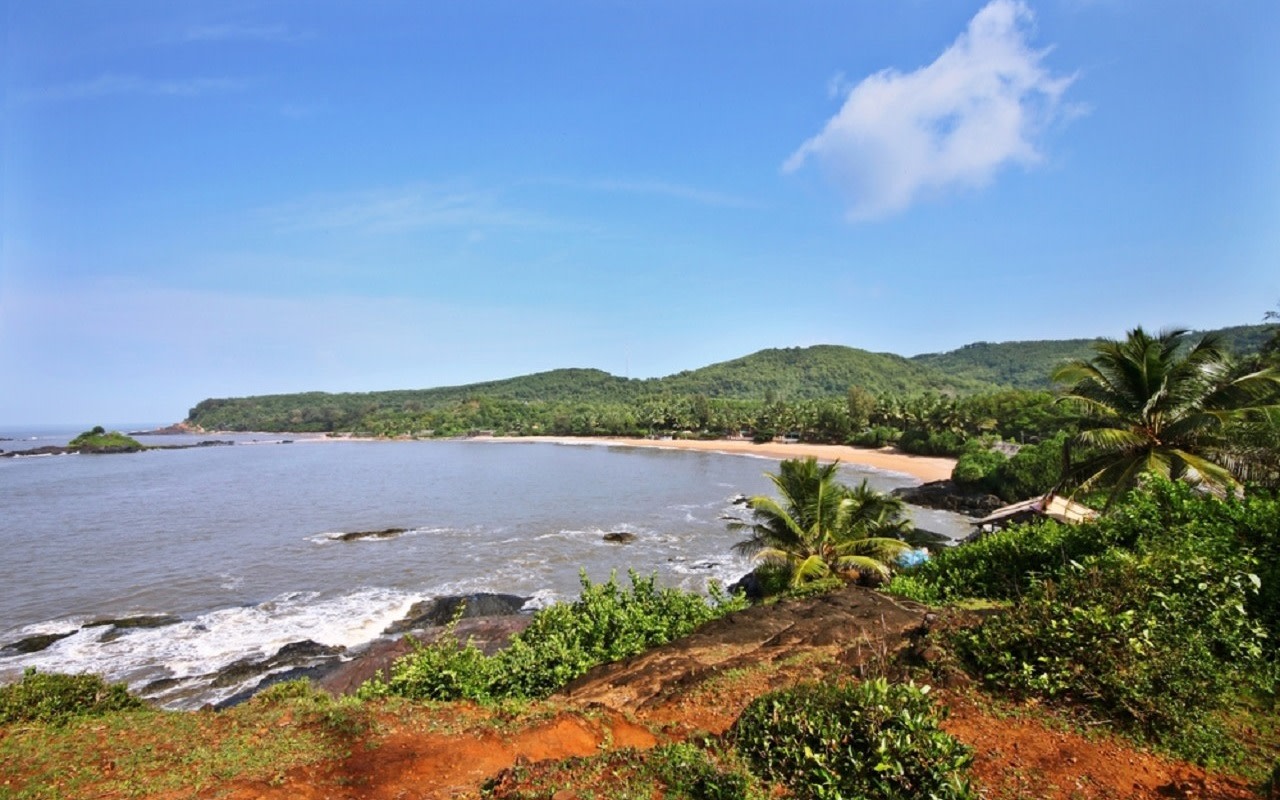
Negombo Beach is a beautiful stretch of golden sand along the Indian Ocean, perfect for swimming, sunbathing, and water sports. The beach is lined with palm trees and offers stunning sunsets.
Beach
Half day to full day
Free
Negombo Fish Market
The Negombo Fish Market is one of the largest and most vibrant fish markets in Sri Lanka. It's a bustling hub where fishermen sell their daily catch, and visitors can enjoy fresh seafood.
Market
1-2 hours
Free (Food purchases extra)
St. Mary's Church
St. Mary's Church is a historic Catholic church in Negombo, known for its beautiful architecture and religious significance. It's a popular pilgrimage site and a key landmark in the city.
Religious
30-60 minutes
Free
Dutch Canal
The Dutch Canal is a historic waterway built by the Dutch during their colonial period. It's a scenic spot for a leisurely walk or boat ride, offering glimpses of local life and nature.
Historical
1-2 hours
Free (Boat rides extra)
Anguruwankanda Forest Hermitage
Anguruwankanda Forest Hermitage is a peaceful retreat nestled in a lush forest. It's a great place for meditation, hiking, and experiencing the serenity of nature.
Nature
Half day
Free (Donations welcome)
Must-Try Local Dishes
Kottu Roti
A popular Sri Lankan dish made with chopped roti flatbread, vegetables, and meat or seafood, cooked with spices and served with gravy.
Dinner
Can be made vegetarian or vegan.
Seafood Curry
A flavorful curry made with fresh seafood, coconut milk, and a blend of spices, served with rice.
Dinner
Contains seafood and coconut.
Hoppers (Appa)
Bowl-shaped pancakes made from fermented rice flour and coconut milk, often served with an egg in the center.
Breakfast
Vegetarian (unless with egg).
Lamprais
A Dutch-influenced dish consisting of rice cooked in meat stock, wrapped in a banana leaf with meat, sambol, and a hard-boiled egg.
Lunch/Dinner
Contains meat and fish.
Popular Activities
Water sports
Boat safaris
Hiking
Beach lounging
Spa treatments
Yoga
Visiting temples and churches
Exploring local markets
Best Time to Visit
December to April
This is the dry season with sunny days and minimal rain, making it ideal for beach activities, sightseeing, and outdoor adventures. The city is bustling with tourists during this period.
26-30°C
79-86°F
Practical Information
Language
- Official: Sinhala, Tamil
- Widely spoken: English
- English: Moderately spoken
Currency
Sri Lankan Rupee (LKR)
Time Zone
GMT+5:30
Electricity
230VV, 50HzHz
Safety Information
Overall Safety Rating: Generally safe
Negombo is generally a safe destination for travelers. However, standard precautions should be taken to ensure a safe and enjoyable trip.
Important Precautions:
- • Use reputable taxi services or app-based taxis.
- • Keep valuables secure and out of sight.
- • Be cautious of strangers offering unsolicited help or services.
Getting there
By air
- Bandaranaike International Airport • 35 km (22 miles)
By train
Negombo Railway Station
By bus
Negombo Bus Station
Getting around
Public transport
Buses are the most common and affordable way to get around Negombo. They connect the city center with beaches, markets, and other attractions.
Taxis
Available • Apps: PickMe, Uber
Rentals
Car, Bike, Scooter
Neighborhoods
Negombo City Center
Negombo Beach
Lunuwila
Day trips
Colombo
35 km (22 miles) • Half day to full day
Colombo is the capital city of Sri Lanka, offering a mix of modern and colonial architecture, vibrant markets, and cultural attractions.
Kelani River Safari
40 km (25 miles) • Full day
A scenic boat safari along the Kelani River, offering opportunities to spot wildlife and enjoy the natural beauty of the river and its surroundings.
Muthurajawela Marsh
20 km (12 miles) • Half day
A unique wetland ecosystem located near Negombo, offering opportunities for birdwatching, boat rides, and nature walks.
Festivals
Easter Celebrations • March or April (varies by year)
Christmas Celebrations • December 25
Pro tips
- Visit the Negombo Fish Market early in the morning to see the fresh catch and experience the bustling atmosphere.
- Take a boat ride along the Dutch Canal to enjoy the scenic views and learn about its history.
- Try local seafood dishes, particularly grilled fish and prawn curry, for an authentic culinary experience.
- Explore the historic St. Mary's Church and learn about its significance to the local Catholic community.
- Relax on Negombo Beach and enjoy the beautiful sunset views.
From $25
per person
Price varies by option
Secure booking
Free cancellation available
Instant confirmation