Official Ticket: Oceanographic Museum Univali - Piçarras - SC
Active
1h - 1h
For a full refund, cancel at least 24 hours before the scheduled departure time.
Instant confirmation
Mobile or paper ticket accepted
About this experience
Have you ever thought about playing a real shark?!
Here at the Univali Oceanographic Museum this is possible! We have a visiting room that allows you to interact with part of the collection of the largest oceanographic museum in the Americas!
The long-term exhibition features more than 1600 pieces, providing the visitor with a panorama of the planet’s marine biodiversity. It is divided into seven different wings:
- Emergence of Life and Oceanography;
- Marine Invertebrates;
- Cartilage fish;
- Bone fish;
- Marine reptiles;
- Seabirds;
- Marine mammals.
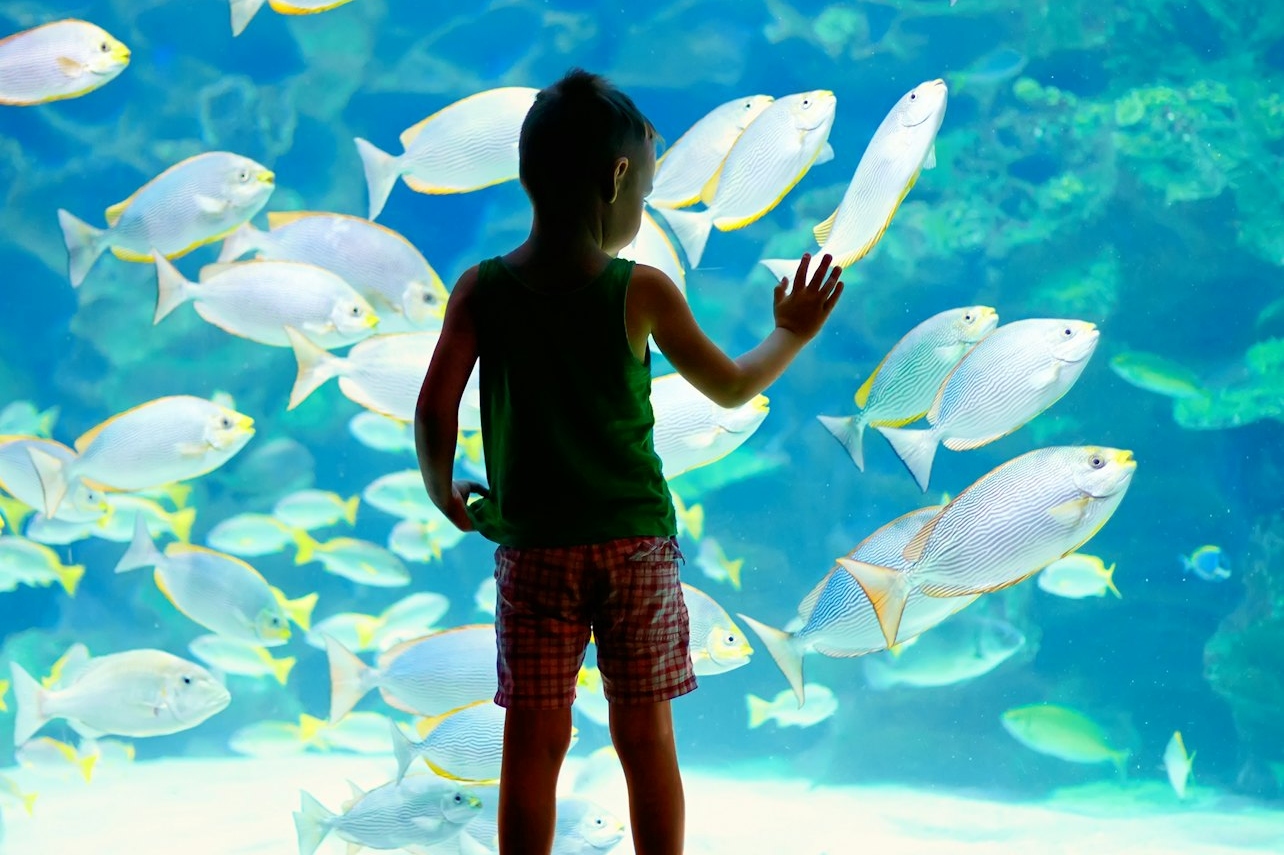
In addition, live animals in aquariums add life and movement to the exhibition circuit, which is fully air-conditioned, accessible and covered, being a great option for any type of climate.
The entrance includes the Sensory Experience, a unique opportunity to touch and feel the characteristics of various marine animals, such as turtles, penguins, rays, marine wolves, among others.
Come and experience this oceanographic experience!
Available options
Official Ticket: Oceanographic Museum Univali - Piçarras - SC
What's included
Access to the exhibition.
Sensory Experience with Marine Animals
Detailed itinerary
1
The long-term exhibit of the Univali Oceanographic Museum features over 1400 pieces, providing visitors with an overview of Brazilian marine biodiversity. In addition, live animals in aquariums add life and movement to the exhibition circuit. The museum is divided into seven different wings, according to the following themes:
Blue Wing - Emergence of Life and Oceanography
This wing tells the story of life through fossils from each geological age. Historical pieces contextualize the fascination of ancient civilizations with the sea, showing how the great voyages of discovery went and presenting the great exponents of oceanography. Also presented are the modern technologies of ocean exploration.
Red Wing - Marine Invertebrates
Calcareous skeletons of groups such as porifers and corals are located in front of the aquariums where animals of the same species are presented alive. The shapes and colors of the mollusks are shown through their shells and specimens like whole preserved giant squid. The echinoderms are represented by the stars, sea urchins and sea cucumbers. The wing ends with the exposure of various crustaceans such as shrimps, crabs, crabs, lobsters, among others.
Green Wing - Cartilaginous Fish
This wing features a wide variety of sharks and rays, with unique specimens including coastal, deep-sea and endangered animals. Teeth and jaws of the main species in this group are exposed, including the only white shark jaw on display in Brazil. Another sector contemplates the forms of reproduction of this group, revealing the great adaptation to different marine habitats. Also complete this wing four aquariums that represent the habitats of these animals in the wild.
Brown Wing - Bone Fish
Representatives of the major families of bony fish are on display, showing the variety of shapes and adaptations of the group. Highlight for large fish such as the primitive and coastal Tarpon and the oceanic swordfish. The aquarium squad consists of fish from the Indian Ocean and the Pacific Ocean. This wing completes a very rare exhibit of deep-sea fish that live in the abyssal area over 2,000 meters deep.
Gray Wing - Marine Reptiles
Marine reptiles are restricted to only 14 species. The MOVI collection is mostly made up of sea turtles. In Brazil there are five species, all presented in this wing. The exhibition is the most complete ever assembled and contemplates various aspects of the biology and ecology of these animals, ranging from small puppies to giant sea turtles.
Beige Wing - Seabirds
This wing highlights interesting aspects of the biology and ecology of some species in this group. All species of penguins are presented, showing their distribution in the southern hemisphere. The highlight is a diorama representing an oceanic island that contains the endangered species of wandering albatrosses.
Black Wing - Marine Mammals
The exhibition begins with the historical part of whaling and its commercial exploitation, an activity that was widely practiced in Santa Catarina. Then, several dolphin and whale species that occur in southern Brazil are presented, presenting aspects of their biology. South American wolves and sea lions and the manatees that occur in northeastern Brazil are also contemplated.
Ocean Giants Panel
This panel is located outside the museum and features the largest marine animals of each group on a full scale. Highlighting the largest animal that ever lived on Earth, a blue whale that stood 33 meters long and weighed 170 tons!
What's not included
Educational Package - Available for Groups
Reviews breakdown
Viator
4.0
9 reviews
5★
4
4★
3
3★
0
2★
2
1★
0
Tripadvisor
4.5
36 reviews
5★
23
4★
10
3★
2
2★
0
1★
1
Important information
Wheelchair accessible
Infants and small children can ride in a pram or stroller
Service animals allowed
Transportation options are wheelchair accessible
All areas and surfaces are wheelchair accessible
Suitable for all physical fitness levels
Important notes
Criteria for Half Entrance, visit the website: https://www.univali.br/institucional/museu-oceanografico-univali/criterios-para-meia-entrada/Documents/minuta%20doc%20-%20informacao%20-%20cartaz .pdf
About South Brazil
South Brazil, known as the Land of the Pines, is a region of stunning natural beauty, rich cultural heritage, and vibrant cities. From the lush rainforests of the Atlantic Forest to the breathtaking beaches of Florianópolis, this region offers a diverse range of experiences for travelers.
Top Attractions
Florianópolis
Florianópolis, known as 'Floripa', is a stunning island city famous for its beautiful beaches, lush rainforests, and vibrant nightlife. It's a popular destination for both relaxation and adventure.
Beach
3-5 days
Moderate
Iguaçu Falls
Iguaçu Falls is one of the most spectacular natural wonders in the world. Located on the border of Brazil and Argentina, these massive waterfalls offer breathtaking views and thrilling adventures.
Nature
2-3 days
Moderate to Expensive
Curitiba
Curitiba is a vibrant city known for its innovative urban planning, rich cultural scene, and lush parks. It's a great destination for those interested in history, art, and architecture.
Cultural
2-3 days
Moderate
Must-Try Local Dishes
Barreado
A traditional dish made with beef, pork, and sometimes chicken, slow-cooked in a clay pot with spices and tomatoes.
Main Course
Contains meat, not suitable for vegetarians
Pirão de Peixe
A thick fish stew made with cassava flour, fish, and various vegetables. It's a staple dish in the coastal regions of South Brazil.
Main Course
Contains fish, not suitable for vegetarians or those with seafood allergies
Popular Activities
Caving
Rappelling
Cave diving
Hiking
Water sports
Beach lounging
Spa treatments
Yoga
Best Time to Visit
December to March
This is the summer season in South Brazil, characterized by warm temperatures and plenty of sunshine. It's the perfect time for beach activities and outdoor adventures. However, it's also the peak tourist season, so expect larger crowds and higher prices.
20°C to 30°C
68°F to 86°F
Practical Information
Language
- Official: Portuguese
- Widely spoken: English, Spanish, German
- English: Moderately spoken
Currency
Brazilian Real (BRL)
Time Zone
GMT-3
Electricity
127V/220VV, 60HzHz
Safety Information
Overall Safety Rating: Generally safe
South Brazil is generally considered safe for travelers, with low crime rates and a stable political environment. However, as with any destination, it's important to be aware of your surroundings and take common-sense precautions to ensure a safe and enjoyable trip.
Important Precautions:
- • Be aware of your surroundings and keep valuables secure
- • Use common sense and trust your instincts
- • Research and plan your trip in advance
Getting there
By air
- São Paulo Guarulhos International Airport • 1,100 km from Florianópolis
- Porto Alegre International Airport • 15 km from Porto Alegre city center
By train
Porto Alegre Station, Curitiba Station
By bus
Rodoviária de Porto Alegre, Rodoviária de Curitiba
Getting around
Public transport
Buses are the most common form of public transport in South Brazil. They are affordable and cover most areas within cities and towns. However, schedules and routes can be complex, so it's helpful to have a map or use a local app.
Taxis
Available • Apps: 99 Taxis, Uber
Rentals
Car, Bike, Scooter
Neighborhoods
Jardim Botânico
Lagoa da Conceição
Day trips
Gruta das Moedas
50 km from Curitiba • Full day
Gruta das Moedas is a stunning cave system located in the municipality of Agudos do Sul. It's known for its beautiful formations, underground rivers, and thrilling adventures, including rappelling and cave diving.
Cidade Gaúcha
100 km from Porto Alegre • Full day
Cidade Gaúcha is a charming traditional village located in the municipality of Eldorado do Sul. It's known for its historic buildings, traditional crafts, and authentic South Brazilian cuisine. Visitors can explore the village's museums, art galleries, and local shops, as well as sample traditional dishes at one of the many local restaurants.
Festivals
Festa de São João • June 24
Carnaval • February or March (dates vary)
Pro tips
- Learn some basic Portuguese phrases to enhance your travel experience and connect with locals
- Try local specialties like barreado, pirão de peixe, and churrasco (Brazilian barbecue)
- Explore beyond the tourist hotspots to discover hidden gems and authentic experiences
- Be prepared for rapid weather changes, particularly in the coastal areas and higher elevations
- Respect local customs and traditions, particularly when visiting religious sites or participating in cultural events
From $25
per person
Price varies by option
Secure booking
Free cancellation available
Instant confirmation