Shanghai Private Tour with Jinmao Tower, Huangpu River Cruise
Active
9h - 10h
For a full refund, cancel at least 24 hours before the scheduled departure time.
Instant confirmation
Mobile or paper ticket accepted
About this experience
This classic inclusive tour which duration is about 10 hours will amaze you with top and popular attractions in Shanghai. Pay a visit to the educational Jewish Refugees’ Museum which tells us the truth that over 23000 Jews were accepted to escape from the holocaust of the Nazism during the second World War.
1.Appreciate the perfect view on the 88th floor of Jinmao Tower.
2.Enjoy the unstoppable beauty of the well-known garden located in the city center.
3.Have a distinct contrast of the western-style architectures built in early 20th century and modern ones built since 1990s.
4.Approach to appreciate the SHIKUMEN style old houses and the relaxing atmosphere of Xintiandi.
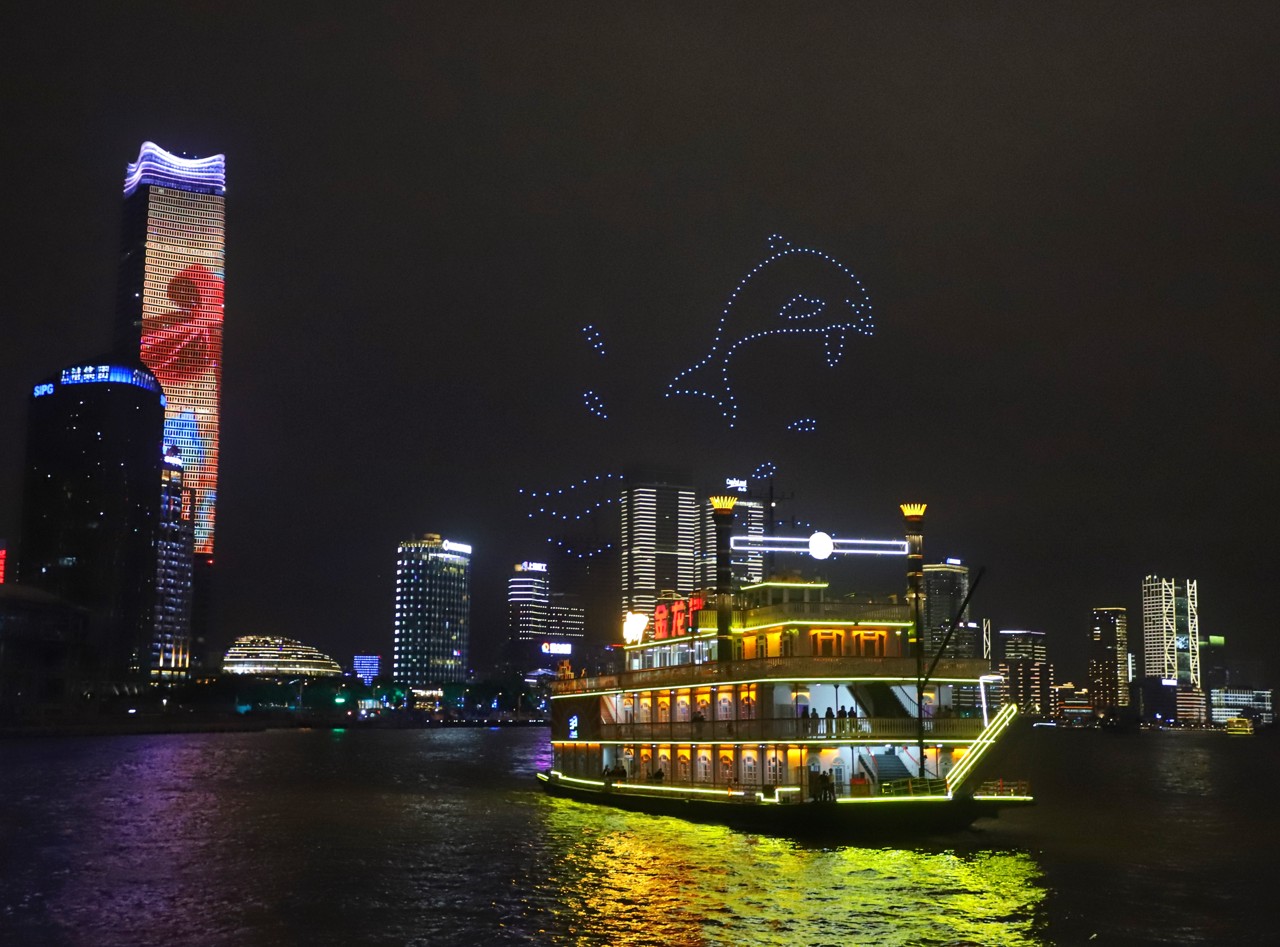
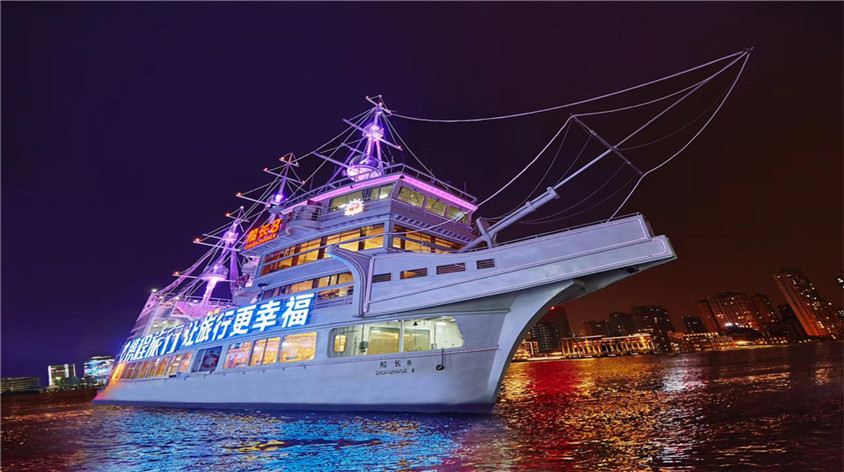
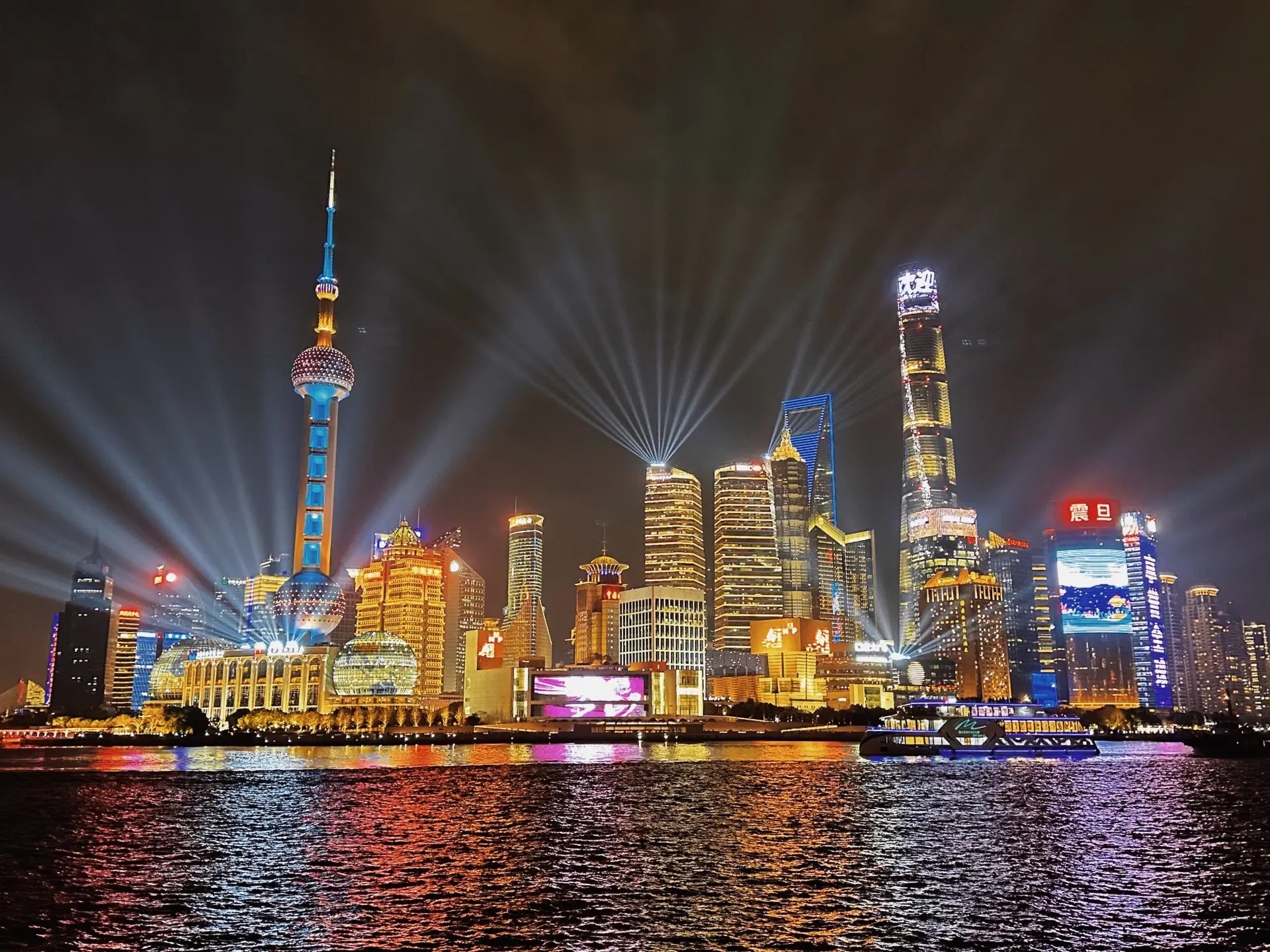
5.Have a boat cruise for the best night view in Huangpu River.
Available options
Shanghai Private Tour with Jinmao Tower, Huangpu River Cruise
Pickup included
What's included
Private transportation
Lunch
Cruise
Professional tour guide
Detailed itinerary
1
Stop 1
In the morning, Your tour guide will meet you at your hotel at 09:00 a.m. and start your tour.
Firstly your guide will take you to Shanghai Jewish Refugees Museum which is a museum commemorating the Jewish refugees who lived in Shanghai during World War II after fleeing Europe to escape the Holocaust. The museum features documents, photographs, films, and personal items documenting the lives of some of the more than 20,000 Jewish residents of the Restricted Sector for Stateless Refugees, better known as the Shanghai Ghetto, during the Japanese occupation of Shanghai.
2
Stop 2
Secondly you will move to Lujiazui Financial Trade Zone for Jinmao Tower.
Being the forth tallest building only to Shanghai Tower, Shanghai World Financial Center and Oriental Pearl Tower in Shanghai, Jin Mao Tower is located in the center of Lujiazui Finance and Trade Zone in Pudong. It is 420.5 meters (almost 1,380 feet) tall and covers an area of 2.3 hectares (5.68 acres). The architect, Adrian D. Smith, of this skyscraper ingeniously combined the elements of traditional Chinese culture with the newest architectural styles of the time, which makes it one of the best-constructed buildings in China.
The 88th floor-the highest floor, is reserved for the tower's observation deck, which can hold 1000 people at any one time. From there, visitors can get a sweeping view of the scenery on the banks of Huangpu River.
At noon, we will enjoy Xinjiang Cuisine for lunch.
3
Stop 3
After lunch you will be shown around Yu Garden which was first built in 1559 during the Ming Dynasty by Pan Yunduan as a comfort for his father, the minister Pan En, in his old age. Pan Yunduan began the project after failing one of the imperial exams, but his appointment as governor of Sichuan postponed construction for nearly twenty years until 1577.
Yu Garden is small in size, but it contains all elements that a classical Chinese garden should have. The pavilions, halls, rockeries, ponds and cloisters all have unique characteristics. The garden has six areas, each with its own style.
4
Stop 4
The Bund is a famous waterfront on the west bank of Huangpu River and regarded as the symbol of Shanghai. Here, the charm of Shanghai as a bustling metropolis combining the century-old history and flourishing future is fully presented, making the Bund Shanghai a must-see attraction. We will see the 26 various buildings of different architectural styles at the Bund. Such as Peace Hotel, Shanghai Customs House and Shanghai Pudong Development Bank. Others, we will enjoy the night scenery on both sides of huangpu river.
5
Stop 5
Then you will pay a visit to Xintiandi. Xintiandi is a tourist attraction that preserves the historical and cultural features of Shanghai and integrates Chinese and western culture. Xintiandi is divided into northern and southern parts. The south is dominated by modern architecture. The north is dominated by Shikumen old buildings. Composed of Shikumen and modern architectural style, now it has become a hot and fashionable pedestrian street in the center of the city. Actually, it stands for the popular and leisurely life style of this city's new generation. The outdoor cafés, bars and romantic restaurants can be seen everywhere.
6
Stop 6
It is an old shikumen house built in the 1920s that has been preserved and renovated. The museum was built according to the model of one household in the 1920s. There are seven main exhibition rooms, namely, the guest room, the study room, the old people's room, the master room, the daughter room, the pavilion room and the oven room. The story of a shikumen family runs through the whole visit. It not only shows the unique shikumen architectural culture of Shanghai, but also reproduces the living space and lifestyle of Shanghai people in those days.
7
Stop 7
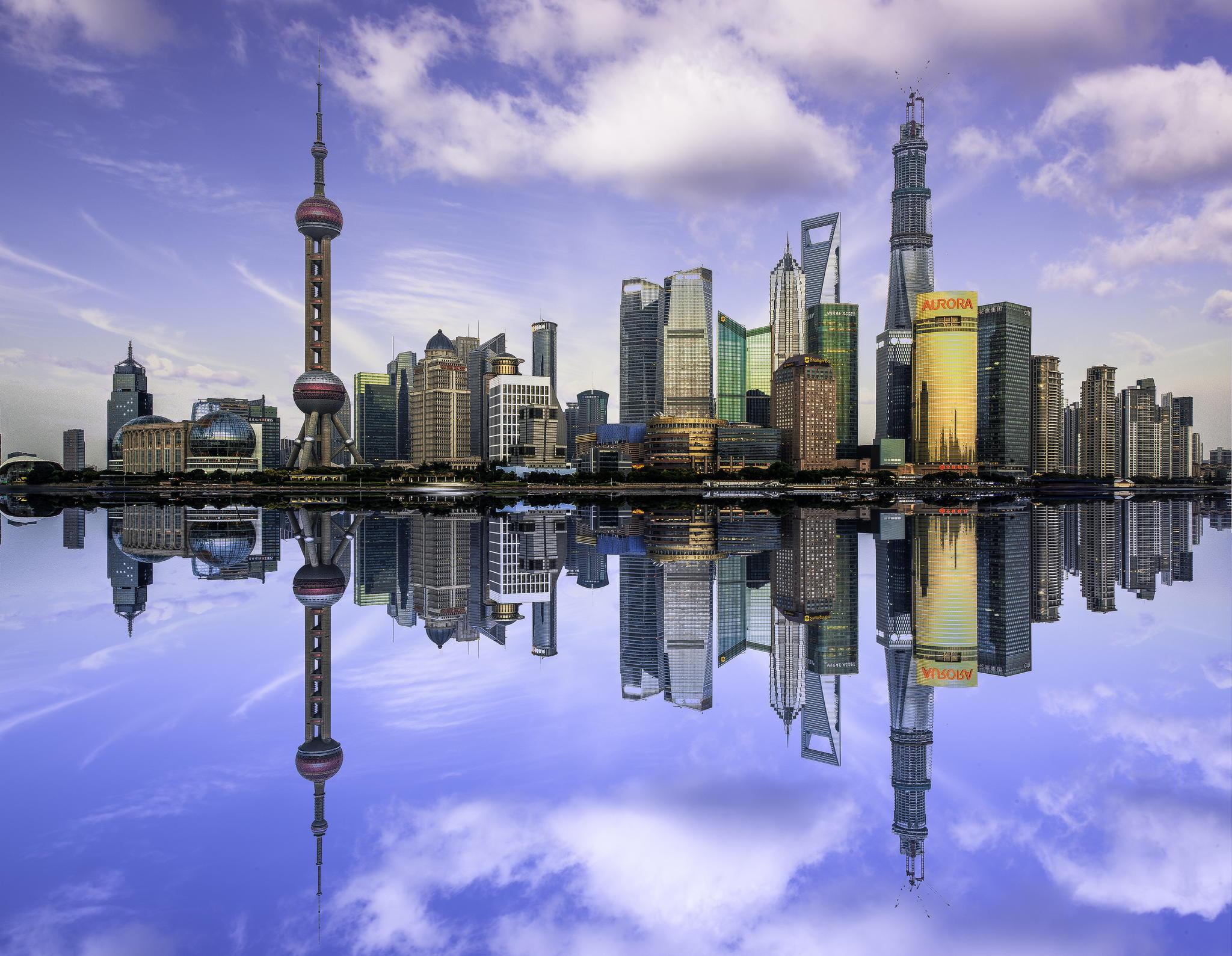
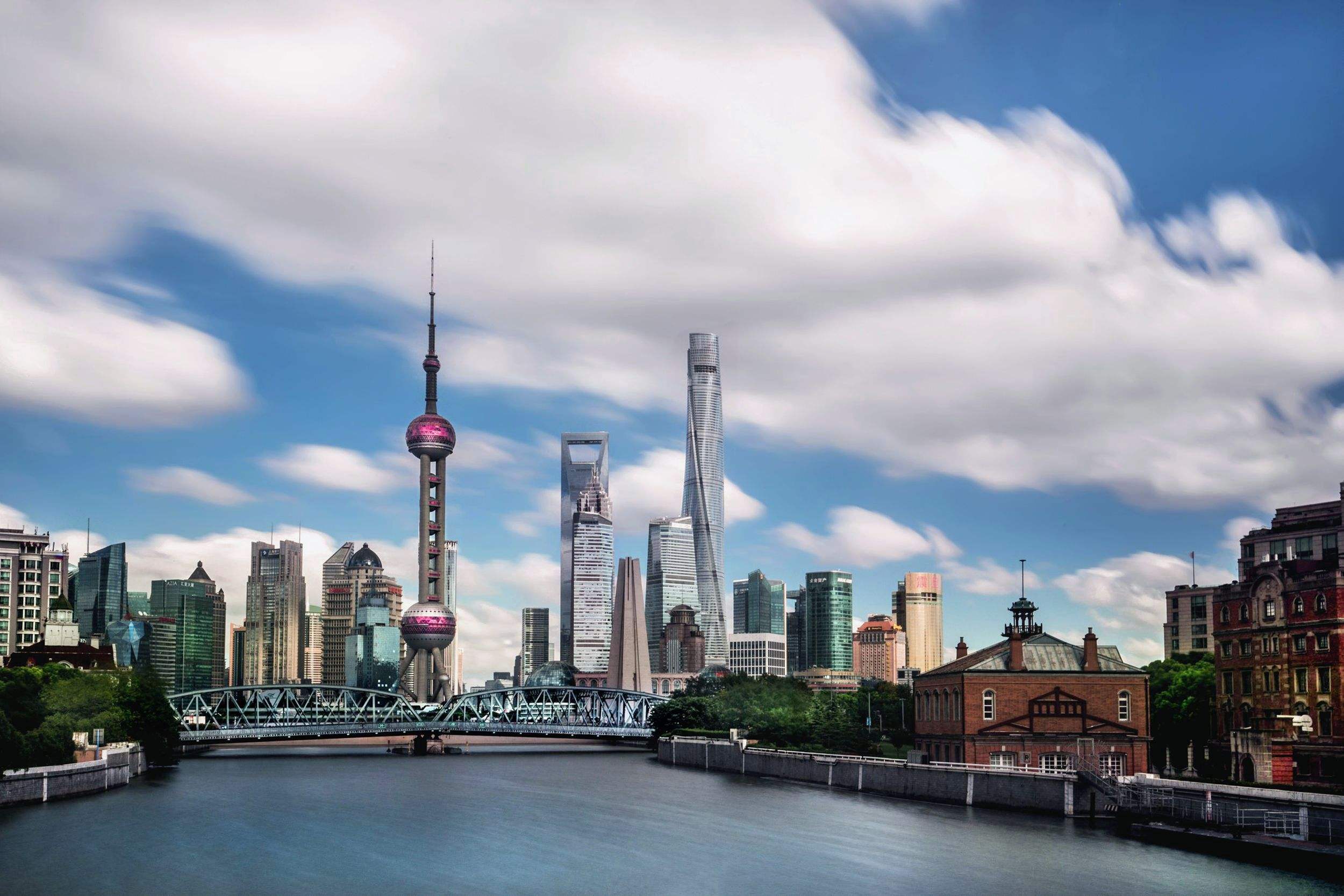
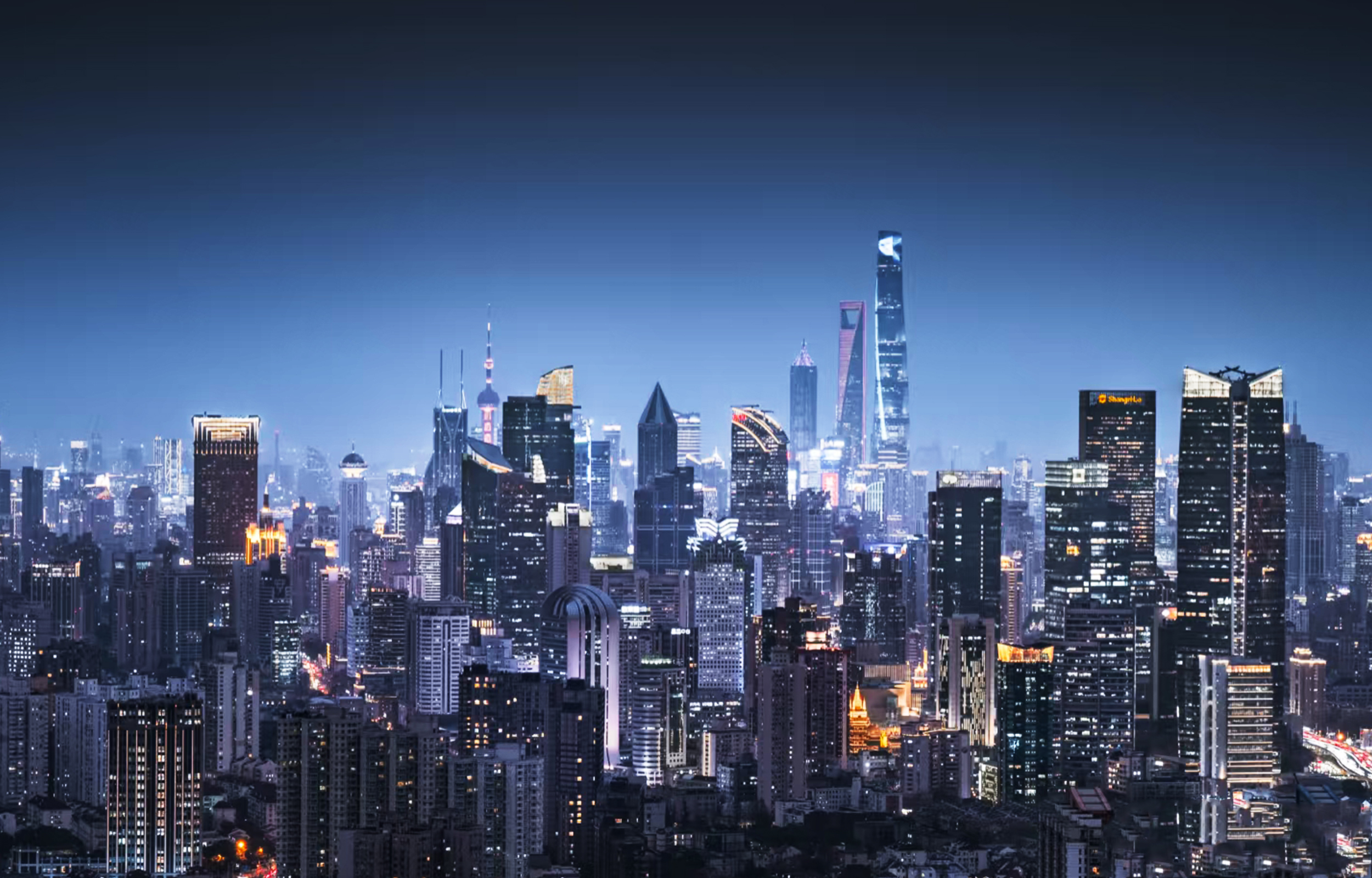
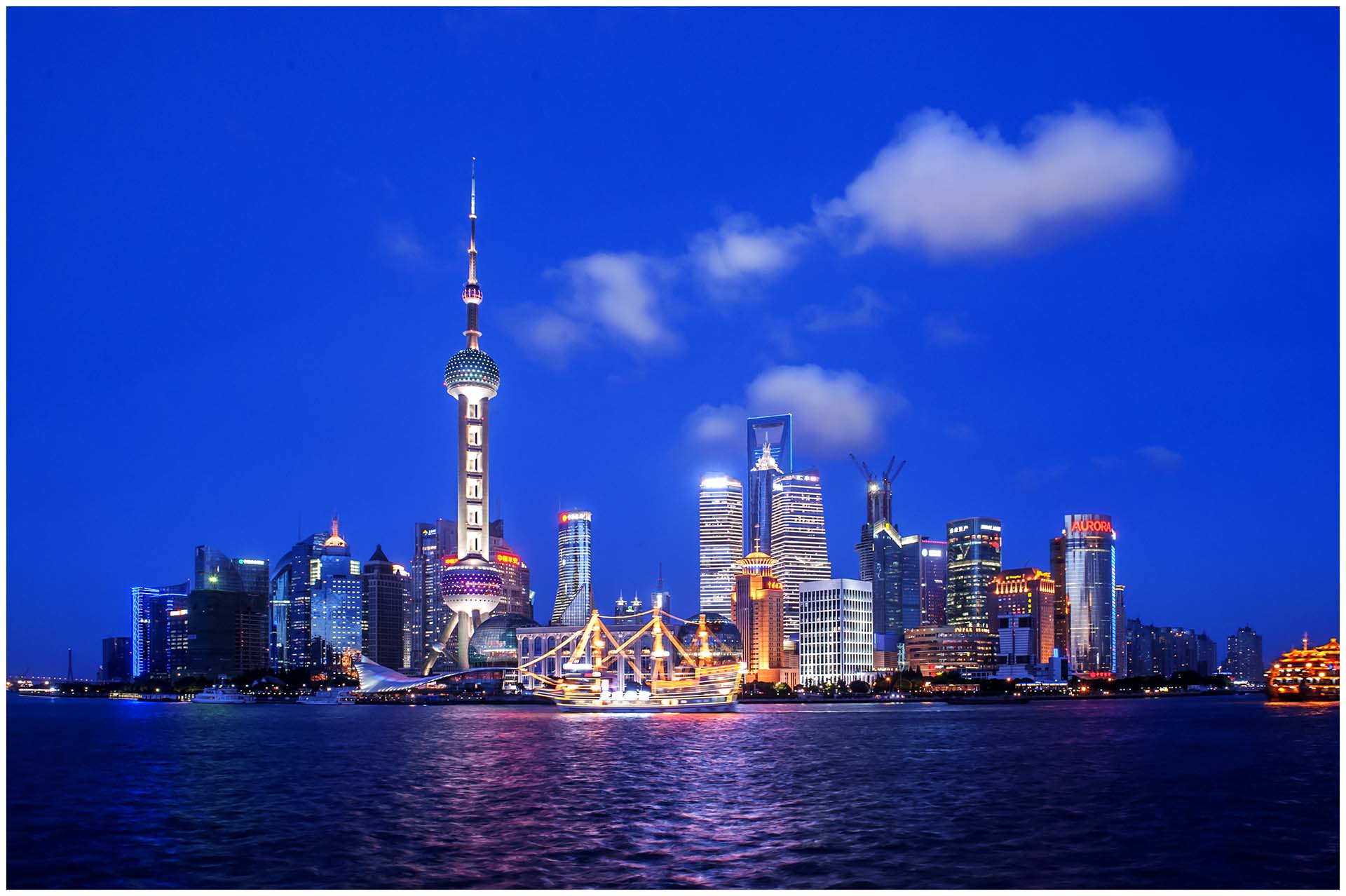
The Huangpu River divides two iconic but different Shanghai sights: high modern buildings in the Pudong area and 26 various buildings of different architectural styles on the west side. At nightfall, you will take a one-hour cruise along the Huangpu River to enjoy the light show and beautiful night scenery on both sides of the river including the Bund, the Oriental Pearl Tower, Shanghai Tower, Shanghai World Financial Center, and Jin Mao Tower.
Back to hotel after all the activities listed in the itinerary and end of the service.
What's not included
Dinner
Available languages
Guide guide
DE
CMN
JA
EN
FR
ES
Important information
Wheelchair accessible
Infants and small children can ride in a pram or stroller
Service animals allowed
Specialized infant seats are available
Suitable for all physical fitness levels
About Shanghai
Shanghai is a global financial hub and a city of stunning contrasts, where futuristic skyscrapers stand alongside traditional shikumen houses. It's known for its vibrant culture, delicious cuisine, and historic landmarks, making it a must-visit destination in China.
Top Attractions
The Bund
The Bund is a famous waterfront area with a stunning skyline of colonial-era buildings and modern skyscrapers. It's a must-visit for its historic significance and breathtaking views.
Historical/Architecture
1-2 hours
Free
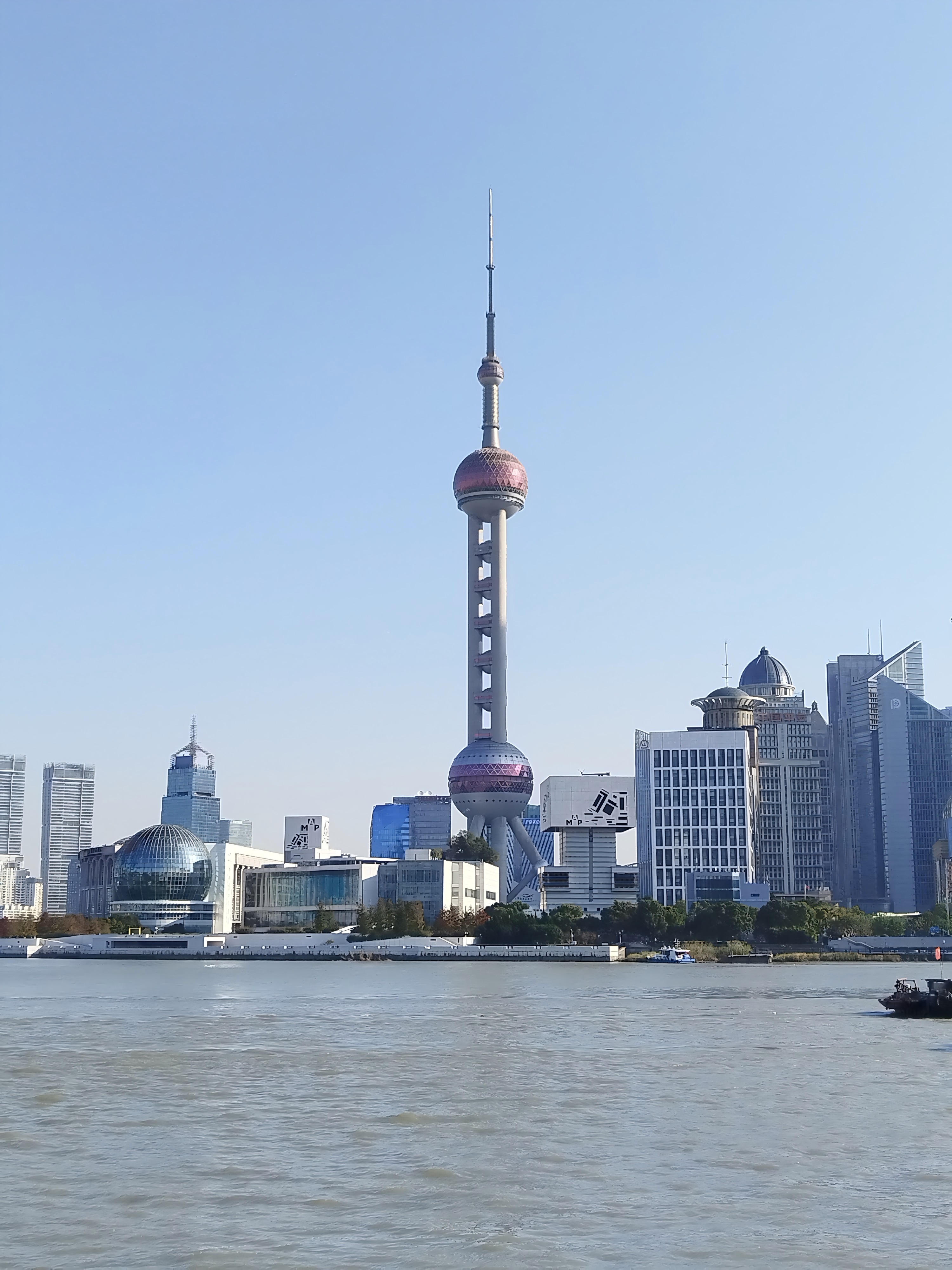
Oriental Pearl Tower
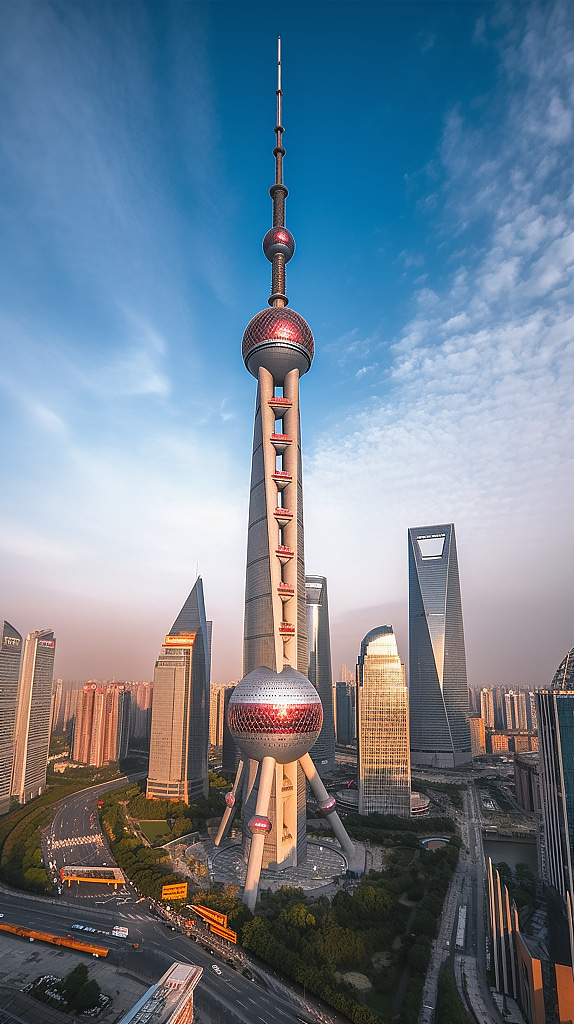
This iconic tower is a symbol of modern Shanghai, offering panoramic views of the city from its observation decks.
Architecture
2-3 hours
¥150-200
Yu Garden
Yu Garden is a classical Chinese garden with beautiful landscapes, pavilions, and historical buildings. It's a peaceful oasis in the bustling city.
Historical/Garden
2-3 hours
¥30
Shanghai Museum
The Shanghai Museum houses an extensive collection of ancient Chinese art and artifacts, providing a deep dive into China's rich history and culture.
Museum
2-3 hours
Free
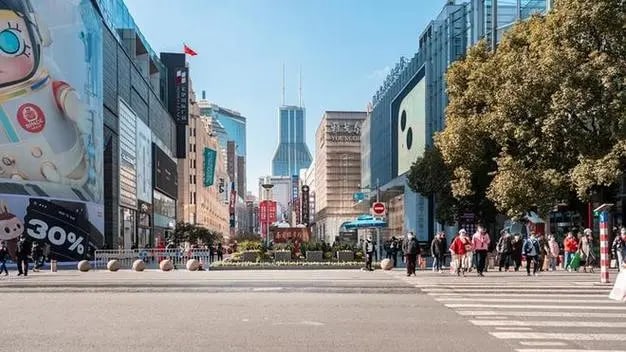
Nanjing Road
Nanjing Road is one of the world's busiest shopping streets, offering a mix of international brands, local shops, and vibrant street life.
Shopping
2-3 hours
Varies by shop
Must-Try Local Dishes
Xiaolongbao
Small soup dumplings filled with meat and hot broth, typically pork. They are a staple of Shanghai cuisine and are often served with soy sauce and ginger.
Dumplings
Contains meat, gluten, and soy.
Braised Pork Belly (Hong Shao Rou)
A slow-cooked dish of pork belly braised in soy sauce, sugar, and other seasonings. It's tender, flavorful, and often served with steamed buns or rice.
Main dish
Contains pork and soy.
Shanghai Soup Dumplings (Shao Mai)
Open-topped dumplings filled with minced pork and shrimp, often served with a dipping sauce made of soy sauce, vinegar, and ginger.
Dumplings
Contains pork, shrimp, and soy.
Stinky Tofu (Chou Doufu)
Fermented tofu with a strong odor, often deep-fried and served with pickled cabbage. It's an acquired taste but a popular street food.
Snack
Vegetarian, contains soy.
Popular Activities
Hiking in nearby nature reserves
Biking along the Huangpu River
Tea house visits
Spa treatments
Visiting museums and historic sites
Attending traditional performances
Boat rides on the Huangpu River
Swimming at nearby beaches
Best Time to Visit
April to October
This period offers pleasant weather, making it ideal for sightseeing and outdoor activities. The city is lively with numerous festivals and events.
15°C to 35°C
59°F to 95°F
Practical Information
Language
- Official: Chinese (Mandarin)
- Widely spoken: Shanghainese, English (in tourist areas)
- English: Moderately spoken in tourist areas, limited elsewhere
Currency
Chinese Yuan Renminbi (CNY)
Time Zone
GMT+8
Electricity
220VV, 50HzHz
Safety Information
Overall Safety Rating: Generally safe
Shanghai is generally safe for travelers, with low crime rates and a strong police presence. However, as with any major city, it's important to be aware of your surroundings and take precautions to protect yourself and your belongings.
Important Precautions:
- • Be cautious of pickpockets in crowded areas.
- • Use licensed taxis or ride-hailing apps like Didi.
- • Be wary of strangers offering unsolicited help or services.
Getting there
By air
- Shanghai Pudong International Airport • 30 km from city center
- Shanghai Hongqiao International Airport • 13 km from city center
By train
Shanghai Railway Station, Shanghai South Railway Station
By bus
Shanghai Long-Distance Bus Station, Shanghai South Long-Distance Bus Station
Getting around
Public transport
The Shanghai Metro is efficient, clean, and covers most of the city. It's the fastest and most convenient way to get around.
Taxis
Available • Apps: Didi, Meituan
Rentals
Car, Bike, Scooter
Neighborhoods
The Bund
Pudong
French Concession
Xintiandi
Tianzifang
Day trips
Hangzhou
180 km from Shanghai • Full day
Hangzhou is a beautiful city known for its natural beauty, historic sites, and the famous West Lake. It's a great day trip from Shanghai for those looking to escape the city and enjoy some nature.
Suzhou
100 km from Shanghai • Full day
Suzhou is a historic city known for its classical gardens, silk production, and canals. It's a great day trip for those interested in history, culture, and architecture.
Zhujiajiao
50 km from Shanghai • Half day
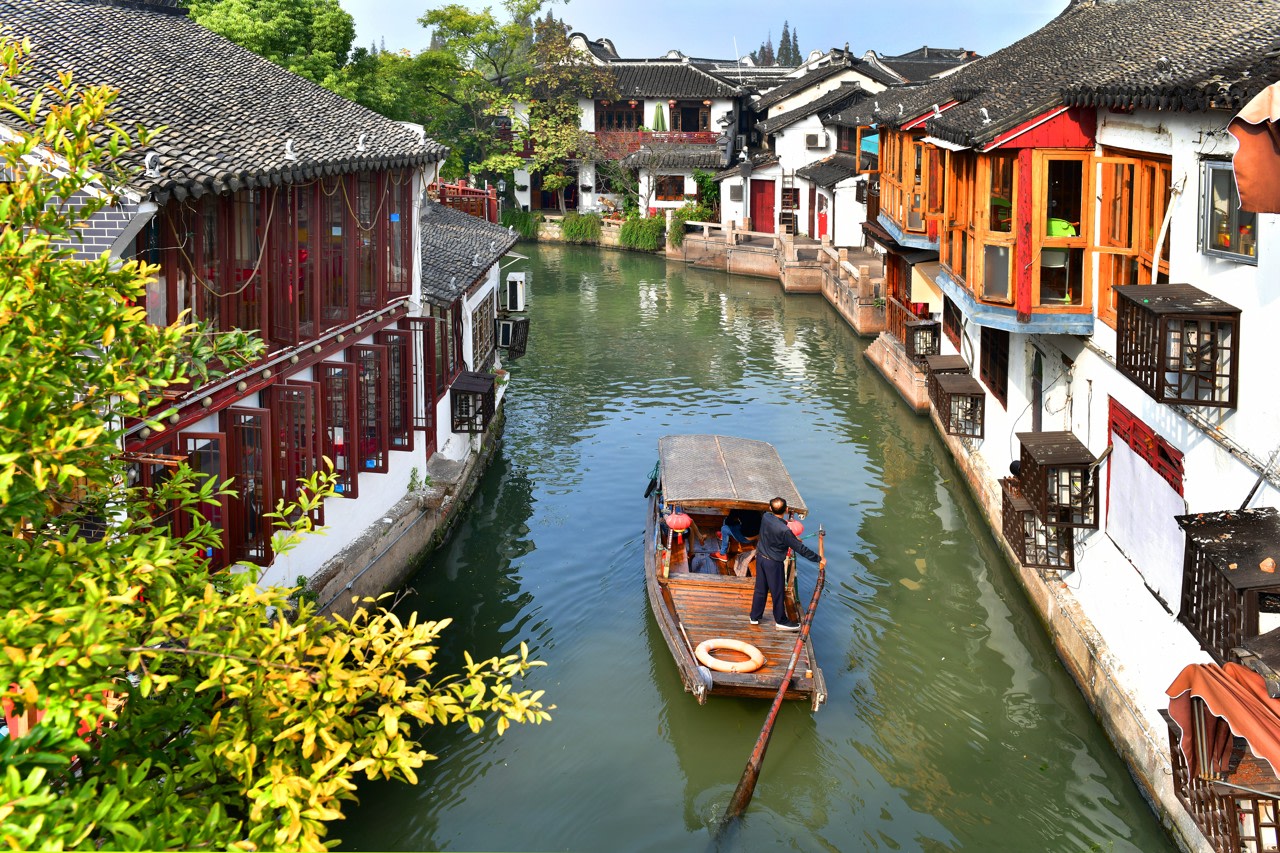
Zhujiajiao is an ancient water town known for its well-preserved Ming and Qing dynasty architecture, canals, and bridges. It's a great day trip for those looking to experience traditional Chinese water town life.
Festivals
Shanghai Tourism Festival • September
Shanghai International Film Festival • June
Chinese New Year • January/February (varies)
Pro tips
- Use the Shanghai Public Transportation Card for convenient and discounted travel on metro, buses, and ferries.
- Download a translation app or carry a phrasebook to help with language barriers.
- Try local street food, but be cautious of food safety and choose busy stalls with high turnover.
- Visit popular attractions early in the morning or late in the afternoon to avoid crowds.
- Consider hiring a local guide or joining a tour to gain insights into Shanghai's history and culture.
From $25
per person
Price varies by option
Secure booking
Free cancellation available
Instant confirmation