5 Hours Guided Hanoi Old Quarter Private Walking Experience
Active
5h
For a full refund, cancel at least 24 hours before the scheduled departure time.
Instant confirmation
Mobile or paper ticket accepted
About this experience
On this tour we will take you on a walk through the Old Quarter, an eclectic and vibrant area that is considered the historic heart and soul of Hanoi!
Prepare yourself to be blown away by everything this neighborhood has to offer! With the help of our local guide, you'll be able to discover hidden pagodas, beautiful Buddhist temples, secret alleyways, Vietnamese and French architecture, traditional old houses, bustling markets and ancient gates.
Your day will start with you meeting one of our English speaking guides at the famous Dong Xuan Market.
The highlights of this tour include:
-Dong Xuan Market: the oldest traditional market in the city
-Hoe Nhai Pagoda
-Phung Hung Mural Street
-Bach Ma temple: the oldest Buddhist temple in Hanoi
-Quan Chuong Gate
-Ma May Ancient House
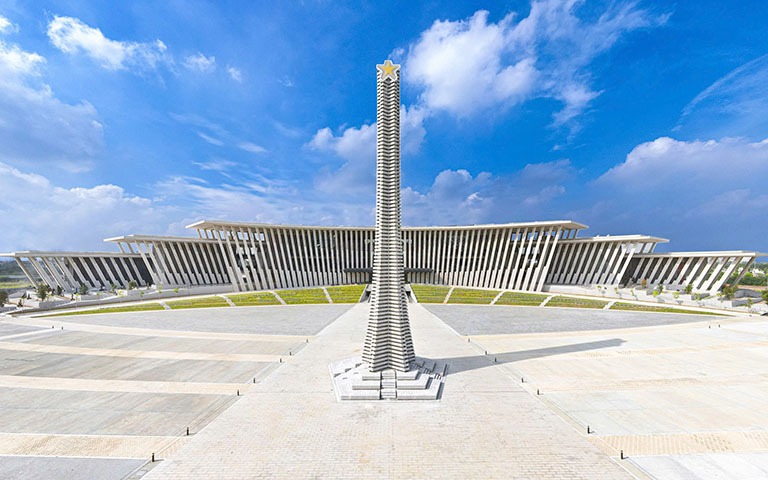
-Vietnam National Museum of History
-Vietnam Opera House
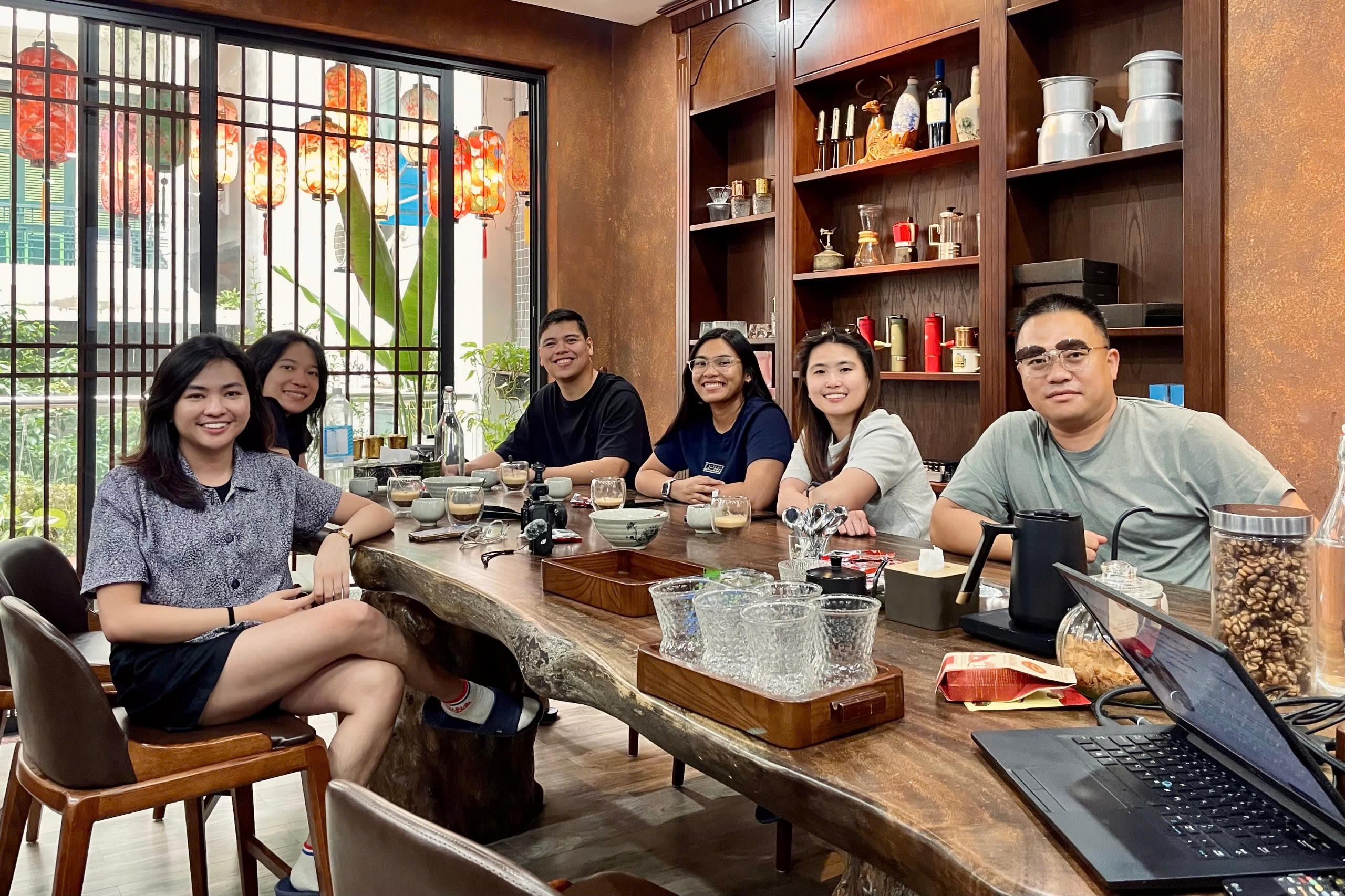
-Taste a real Vietnamese coffee
Available options
5 Hours Guided Hanoi Old Quarter Private Walking Experience
What's included
All Fees and Taxes
Bottled water
English speaking guide
Coffee and/or Tea
Detailed itinerary
1
Stop 1
Dong Xuan Market is one of the oldest and biggest markets in the old quarter of Hanoi. It is a symbol, a traditional feature and a pride of all Hanoians. For those who want to explore cultural values and discover local daily life, Dong Xuan Market is a must-visit destination when you are in Hanoi.
Built in 1889 as French administration then renovated several times, Dong Xuan Market has been covered market selling everything from souvenirs, clothes, household goods to foodstuffs.
2
Phung Hung Street, located at the heart of Vietnam’s capital, has been revived with beautiful mural paintings, depicting the older times and making it seem as though the past is walking with the present.
The murals on Phung Hung street highlight fine traditional and cultural values of thousand-year-old Hanoi, narrating tales of local vendors, women carrying flowers, tinkling trams with passengers, and more.
3
The only surviving city gate of ancient Hanoi, O Quan Chuong, also known as the Old City Gate or Old East Gate, was named after a chief of the army to remember him and other Nguyen soldiers who fought against the French. It has a typical architecture of a watch-tower from the Nguyen dynasty and till today, acts as a proof of the struggle.
Quan Chuong, better known as the old east gate of the city of Hanoi, is the very last of the 16 city gates standing today. It was once the entry point to the ancient walled city that had been secured at the eastern end by this gate. Hanoi has expanded over the years and is no longer a medieval town that had to be protected on all sides during foreign invasions.
4
In the heart of the Old Quarter, the small Bach Ma Temple (literally 'White Horse Temple') is said to be the oldest temple in the city, though much of the current structure dates from the 18th century and a shrine to Confucius was added in 1839. It was originally built by Emperor Ly Thai To in the 11th century to honour a white horse that guided him to this site, where he chose to construct his city walls.
Pass through the wonderful old wooden doors of the pagoda to see a statue of the legendary white horse, as well as a beautiful red-lacquered funeral palanquin.
5
Stop 5
Located in Hanoi's Old Quarter area, Ma May Street is unique as it is home to many of the city’s oldest houses.
The house is one of 14 ancient houses in Hanoi built in the late 19th century that still retains its original features and becomes a familiar address for those who want to learn about the daily life of Hanoians in the old time
6
Stop 6
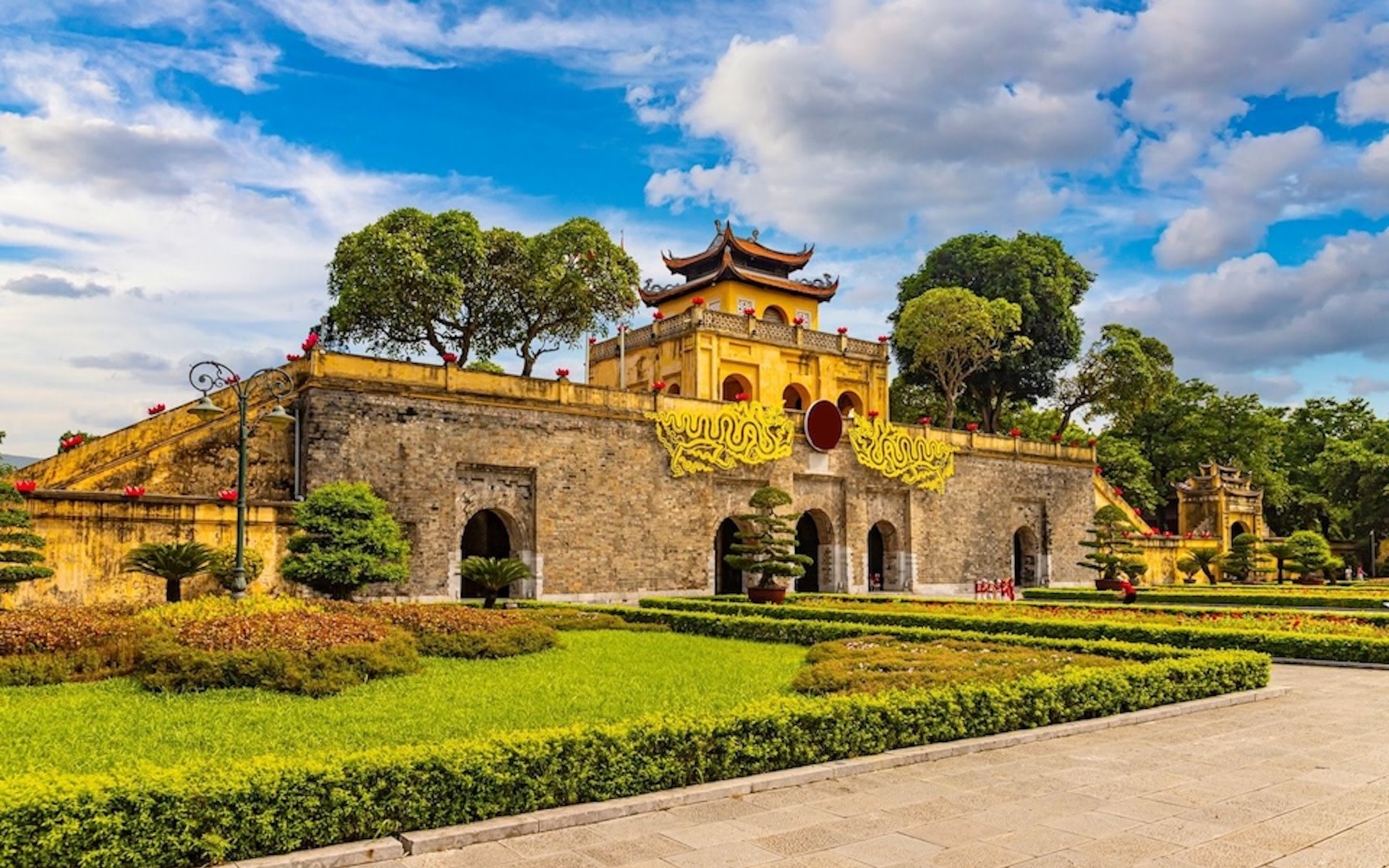
The Vietnam National Museum of History is one of Hanoi’s major institutions housed within an elegant French colonial building. A harmonious blend of early 20th century European and eastern architecture, the building has many interesting design features to admire while viewing the exhibits.
The Museum of History is home to rich and diverse collections of historical relics and thematic exhibitions on Vietnamese culture and history. The museum gives visitors a broad overview of the development of Vietnam from the prehistoric period through the national formation period, a very thorough and comprehensive historical outlook that other museums can't offer.
7
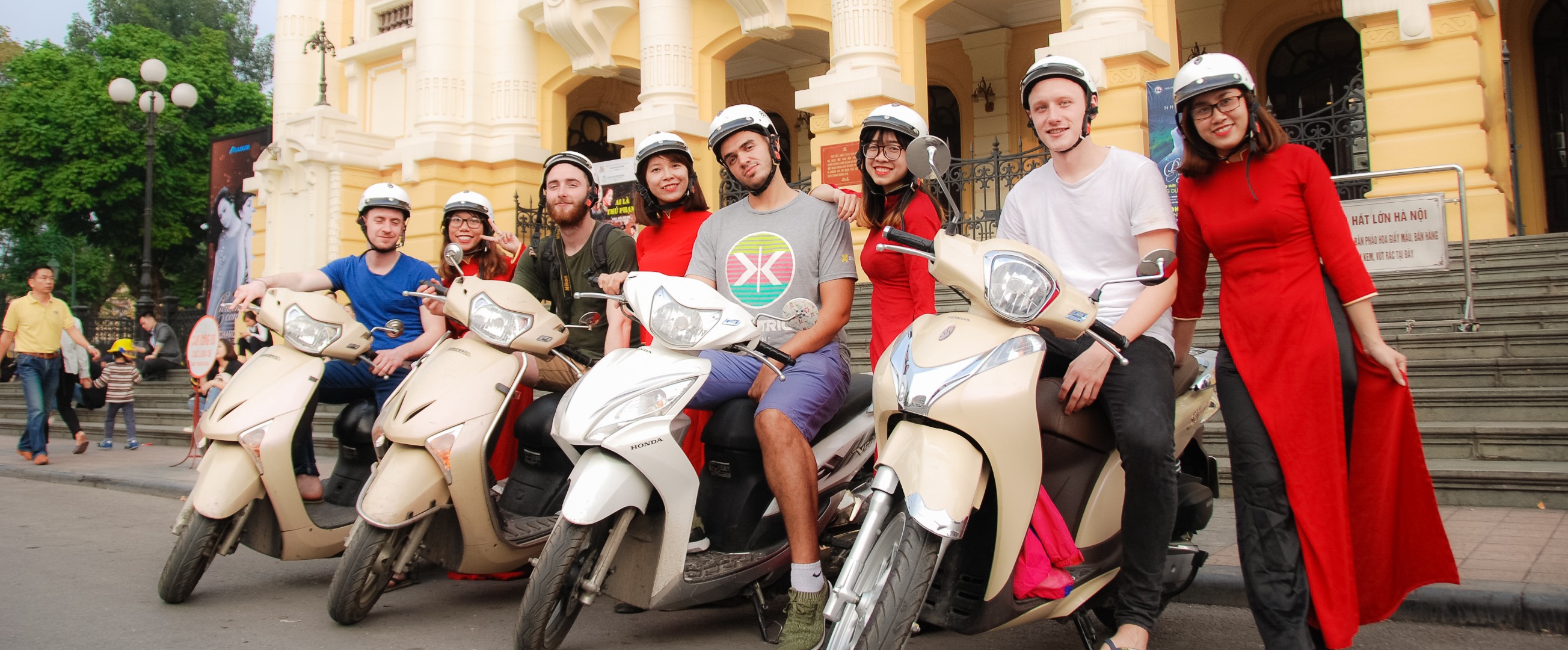
Hanoi Opera House proudly stands at the heart of central Hanoi as one of its most famous architectural and cultural symbol.
It is without doubt one of the most famous cultural and architectural monuments of Hanoi.
What's not included
Tips for guides
Available languages
Guide guide
VI
EN
Reviews breakdown
Tripadvisor
5.0
3 reviews
5★
3
4★
0
3★
0
2★
0
1★
0
Important information
Infants and small children can ride in a pram or stroller
Service animals allowed
Public transportation options are available nearby
Infants are required to sit on an adult’s lap
Suitable for all physical fitness levels
Meeting point
Meet your guide at the entrance of the market
About Hanoi
Hanoi, the capital of Vietnam, is a vibrant city steeped in history and culture. Known for its French colonial architecture, bustling Old Quarter, and rich culinary scene, Hanoi offers a unique blend of traditional and modern experiences.
Top Attractions
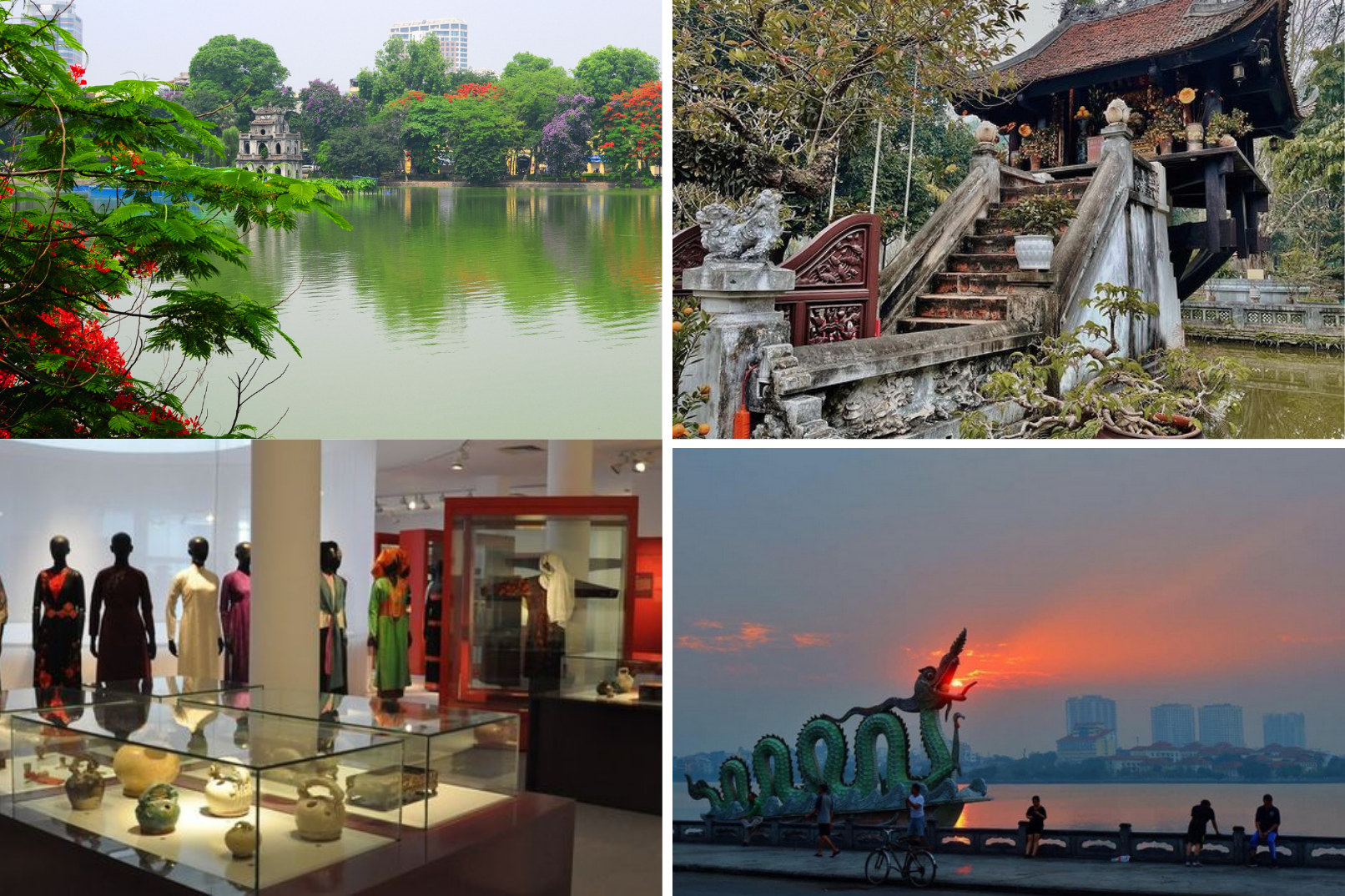
Hoan Kiem Lake
Hoan Kiem Lake is a serene oasis in the heart of Hanoi, surrounded by lush greenery and historical landmarks. The lake is a popular spot for locals and tourists to relax and enjoy the scenery.
Nature
1-2 hours
Free
Hanoi Old Quarter
The Old Quarter is the historic and cultural heart of Hanoi, featuring narrow streets lined with traditional shops, temples, and colonial-era architecture. It's a vibrant area with a rich history and bustling atmosphere.
Historical
Half day to full day
Free to explore, shopping and dining vary
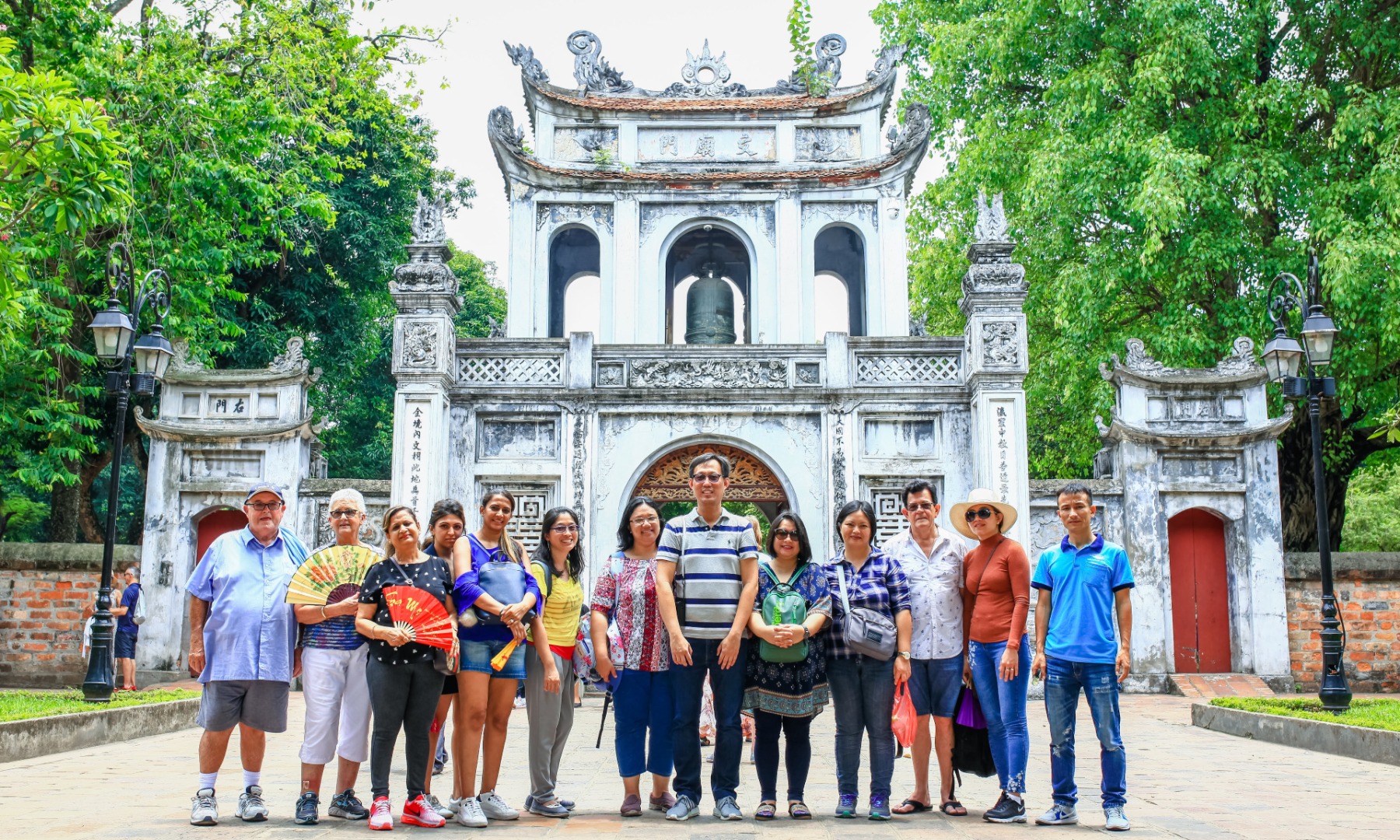
Temple of Literature
The Temple of Literature is a historic Confucian temple dedicated to education and literature. It's a serene and culturally significant site, featuring beautiful architecture and a peaceful garden.
Historical
1-2 hours
30,000 VND
Ho Chi Minh Mausoleum
The Ho Chi Minh Mausoleum is a significant historical site where the embalmed body of Vietnam's revolutionary leader, Ho Chi Minh, is displayed. The mausoleum is a place of pilgrimage and a symbol of Vietnam's history.
Historical
1-2 hours
Free
Hanoi Opera House
The Hanoi Opera House is a stunning example of French colonial architecture, featuring elegant design and a rich history. It's a popular venue for cultural performances and events.
Architecture
1-2 hours for a performance
Varies by event
Must-Try Local Dishes
Pho
A traditional Vietnamese noodle soup with a flavorful broth, rice noodles, and thinly sliced meat, typically beef or chicken.
Lunch/Dinner
Can be made vegetarian or vegan
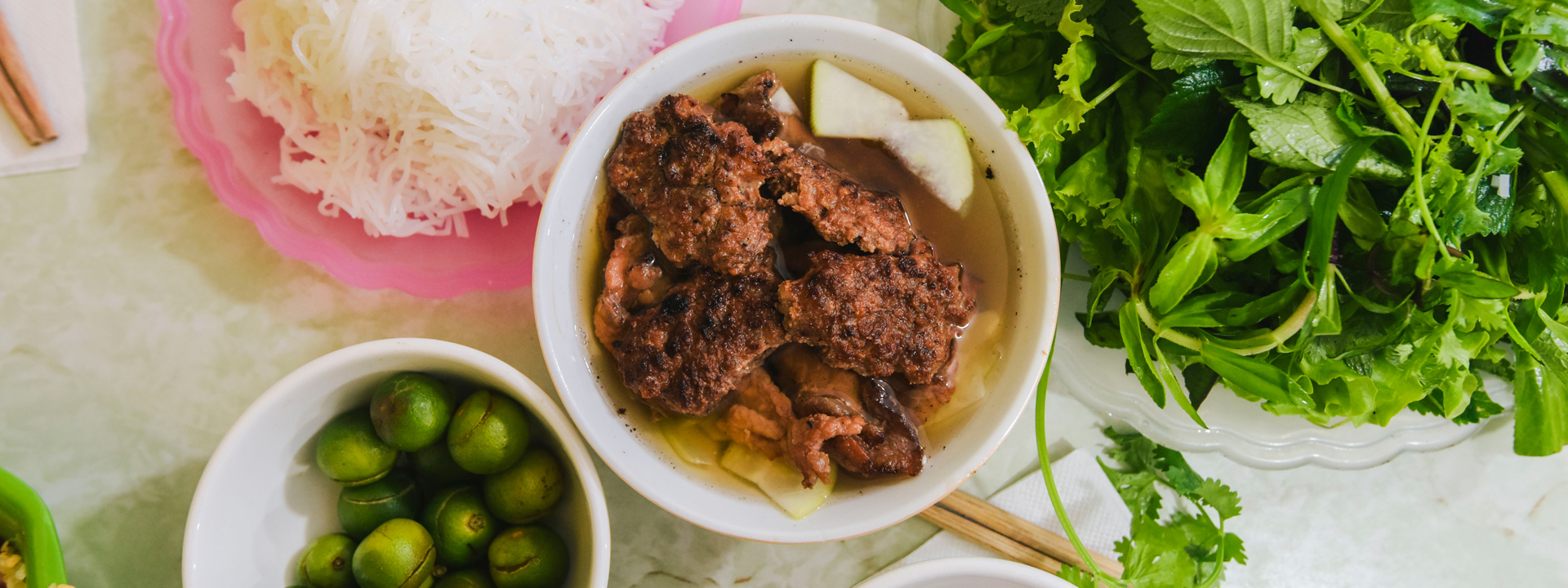
Bun Cha
Grilled pork patties served with rice noodles, fresh herbs, and a dipping sauce.
Lunch/Dinner
Contains meat
Banh Mi
A Vietnamese sandwich with a crispy baguette, filled with various ingredients such as grilled meat, pâté, pickled vegetables, and fresh herbs.
Snack/Lunch
Can be made vegetarian or vegan
Egg Coffee
A unique Vietnamese coffee made with strong drip coffee, condensed milk, and a frothy egg yolk mixture.
Drink
Contains eggs and dairy
Popular Activities
Kayaking in Ha Long Bay
Trekking in Sapa
Boat ride in Hoan Kiem Lake
Coffee at a local café
Exploring the Temple of Literature
Visiting the Ho Chi Minh Mausoleum
Swimming and snorkeling in Ha Long Bay
Egg coffee tasting
Best Time to Visit
October to December
This period offers pleasant weather with lower humidity and temperatures, making it ideal for sightseeing and outdoor activities. The city is less crowded compared to the peak tourist season.
15°C to 25°C
59°F to 77°F
Practical Information
Language
- Official: Vietnamese
- Widely spoken: English, French
- English: Moderately spoken in tourist areas, limited in other areas
Currency
Vietnamese Dong (VND)
Time Zone
GMT+7
Electricity
220VV, 50HzHz
Safety Information
Overall Safety Rating: Generally safe
Hanoi is generally safe for travelers, with low crime rates and a welcoming atmosphere. However, petty crime and scams can occur, and travelers should exercise caution and be aware of their surroundings.
Important Precautions:
- • Be cautious of your belongings, particularly in crowded areas and on public transportation.
- • Use reputable taxi companies and insist on using the meter or agree on a price before starting your journey.
- • Be wary of strangers offering help or services, as they may be trying to scam you.
Getting there
By air
- Noi Bai International Airport • 28 km from city center
By train
Hanoi Railway Station
By bus
Giap Bat Bus Station, My Dinh Bus Station
Getting around
Public transport
The bus system in Hanoi is affordable and covers most of the city. However, it can be crowded and confusing for first-time visitors.
Taxis
Available • Apps: Grab, Gojek
Rentals
Car, Bike, Scooter
Neighborhoods
Old Quarter
French Quarter
Ba Dinh District
Tay Ho District
Day trips
Ha Long Bay
165 km from Hanoi • Full day to overnight
Ha Long Bay is a UNESCO World Heritage Site known for its stunning limestone karsts and islets, emerald waters, and scenic beauty. It's a popular destination for cruises, kayaking, and exploring caves.
Ninh Binh
90 km from Hanoi • Full day
Ninh Binh is known as 'Halong Bay on land' due to its stunning limestone karsts, rice paddies, and historic sites. It's a popular destination for cycling, boat rides, and exploring ancient temples.
Sapa
320 km from Hanoi • Overnight to multi-day
Sapa is a mountainous region known for its stunning rice terraces, ethnic minority villages, and trekking opportunities. It's a popular destination for outdoor enthusiasts and cultural experiences.
Festivals
Tet Nguyen Dan (Lunar New Year) • January or February (based on the lunar calendar)
Mid-Autumn Festival • September or October (based on the lunar calendar)
Hanoi International Film Festival • October or November (annual)
Pro tips
- Learn a few basic Vietnamese phrases to enhance your experience and connect with locals.
- Explore the city's hidden gems and lesser-known attractions, such as the Hanoi Ceramic Mosaic Mural and the Temple of Literature.
- Try local street food and visit markets for an authentic and delicious culinary experience.
- Use a navigation app, such as Google Maps or GrabMaps, to help you get around the city and avoid getting lost.
- Be cautious of your belongings, particularly in crowded areas and on public transportation, to avoid petty crime and scams.
From $25
per person
Price varies by option
Secure booking
Free cancellation available
Instant confirmation