Half-day city tour of Cusco and Sacsayhuaman
Active
4h
For a full refund, cancel at least 24 hours before the scheduled departure time.
Instant confirmation
Mobile or paper ticket accepted
About this experience
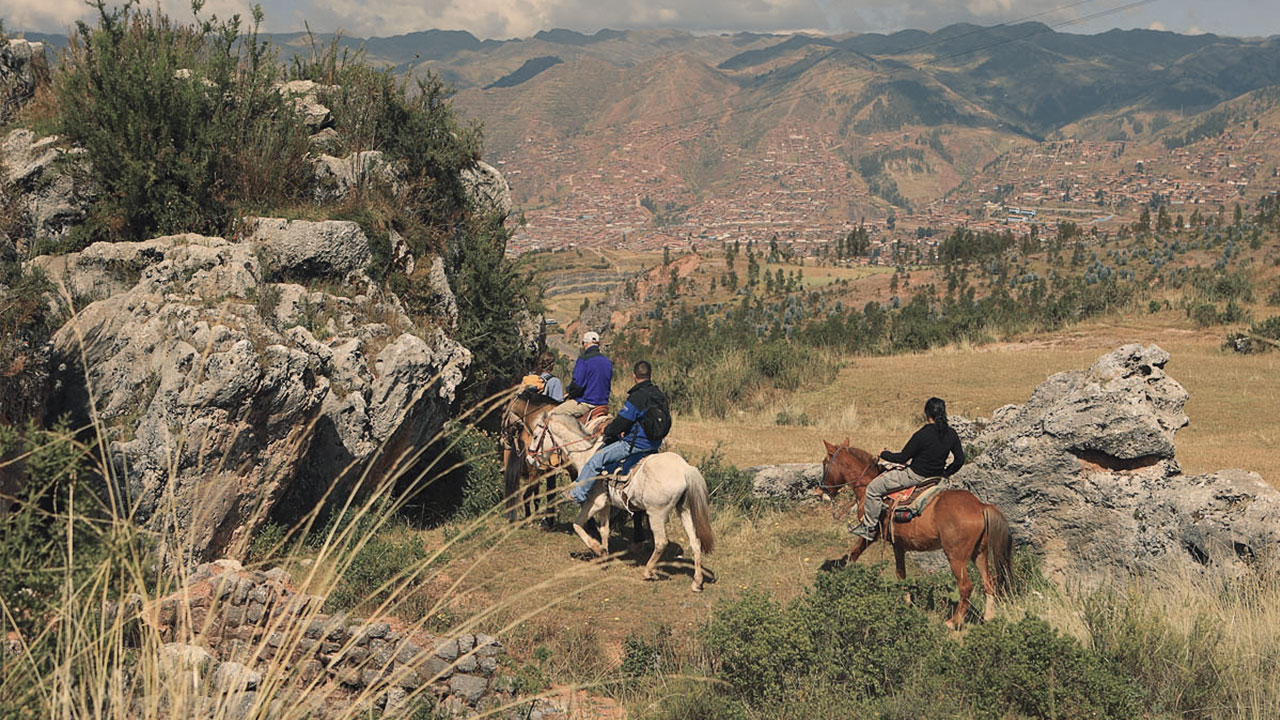
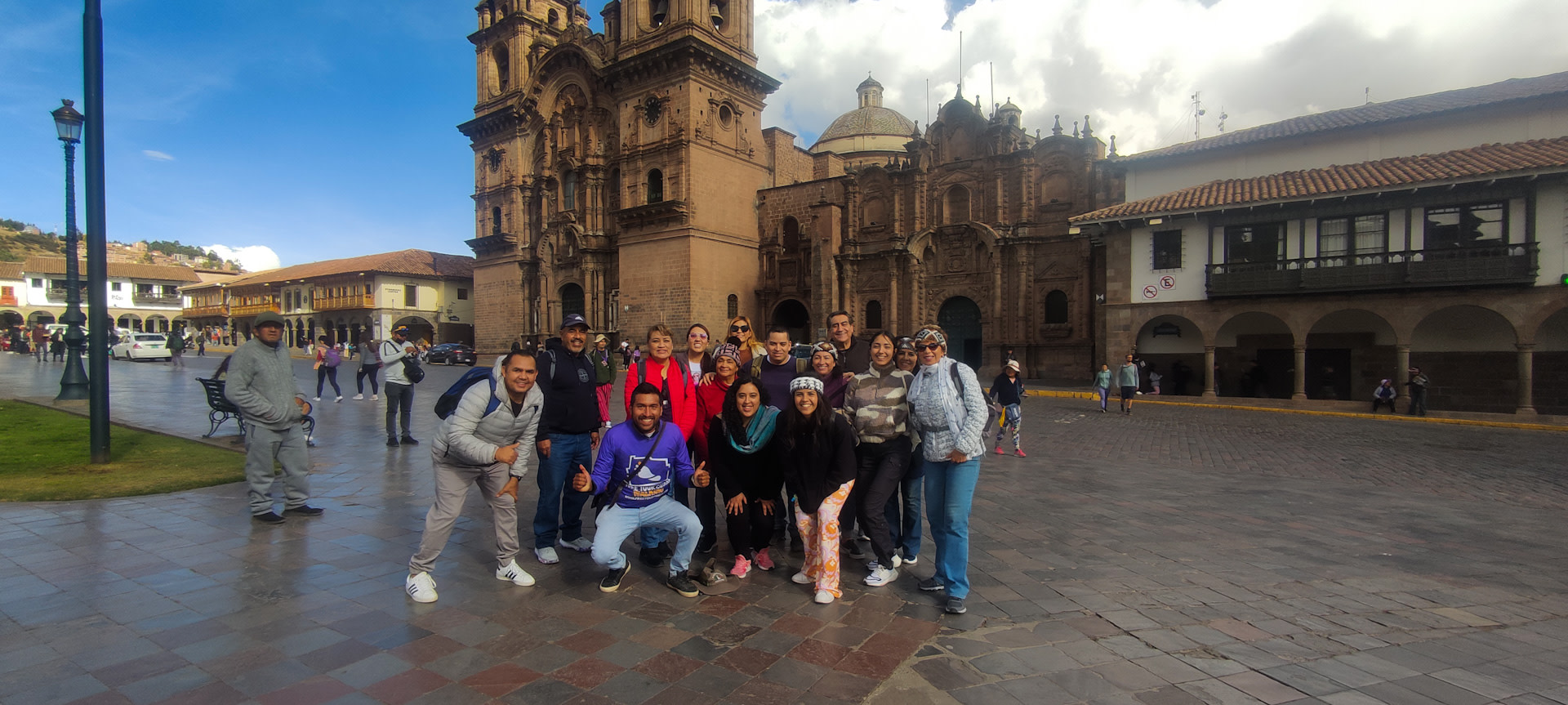
The Historic Center of Cusco is an incredible testimony of the overlapping of Inca and Hispanic architectures; Is a part of the city, continuously inhabited since before 1400.. It is known by some chroniclers, and now by satellite images, that the first urban layout of the city, had the form of a puma.
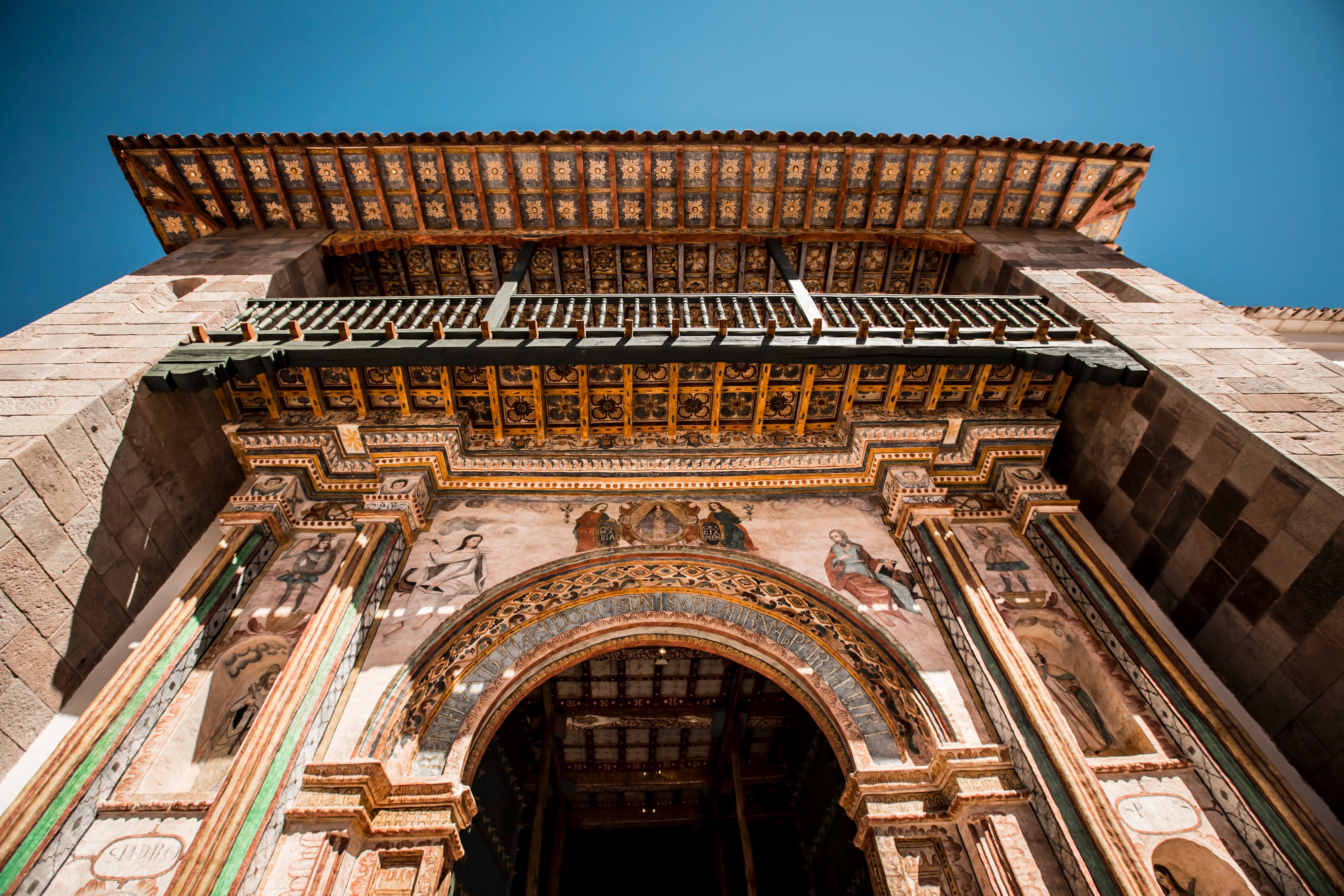
The arrival of the Spaniards produced in this environment, not only an artistic, architectural, pictorial, and folkloric mixture, but also human, combining characteristics of each culture. One of the most notorious and amazing characteristics of the fusion of cultures, is the architecture; Since the polished and carved stone lithic material is the main component of ancient colonial mansions, palaces, churches and convents built on ancient Inca walls and constructions.
Available options
Private Option
Private Tour<br/>Private Car<br/>Pickup included
Group Option
Pickup included
What's included
Oxygen
Transportation for the group
Professional Tour Guide
Detailed itinerary
1
Stop 1
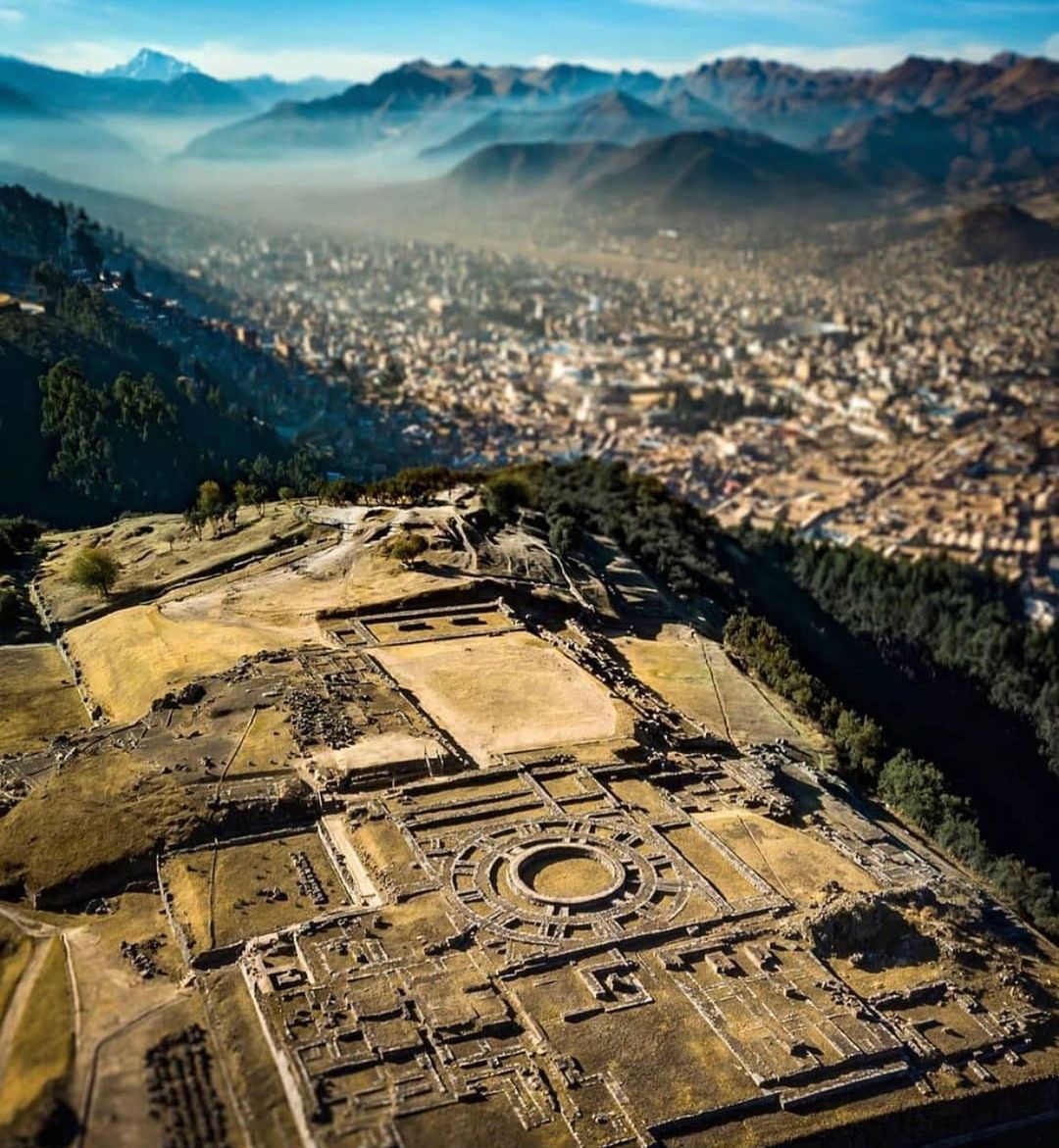
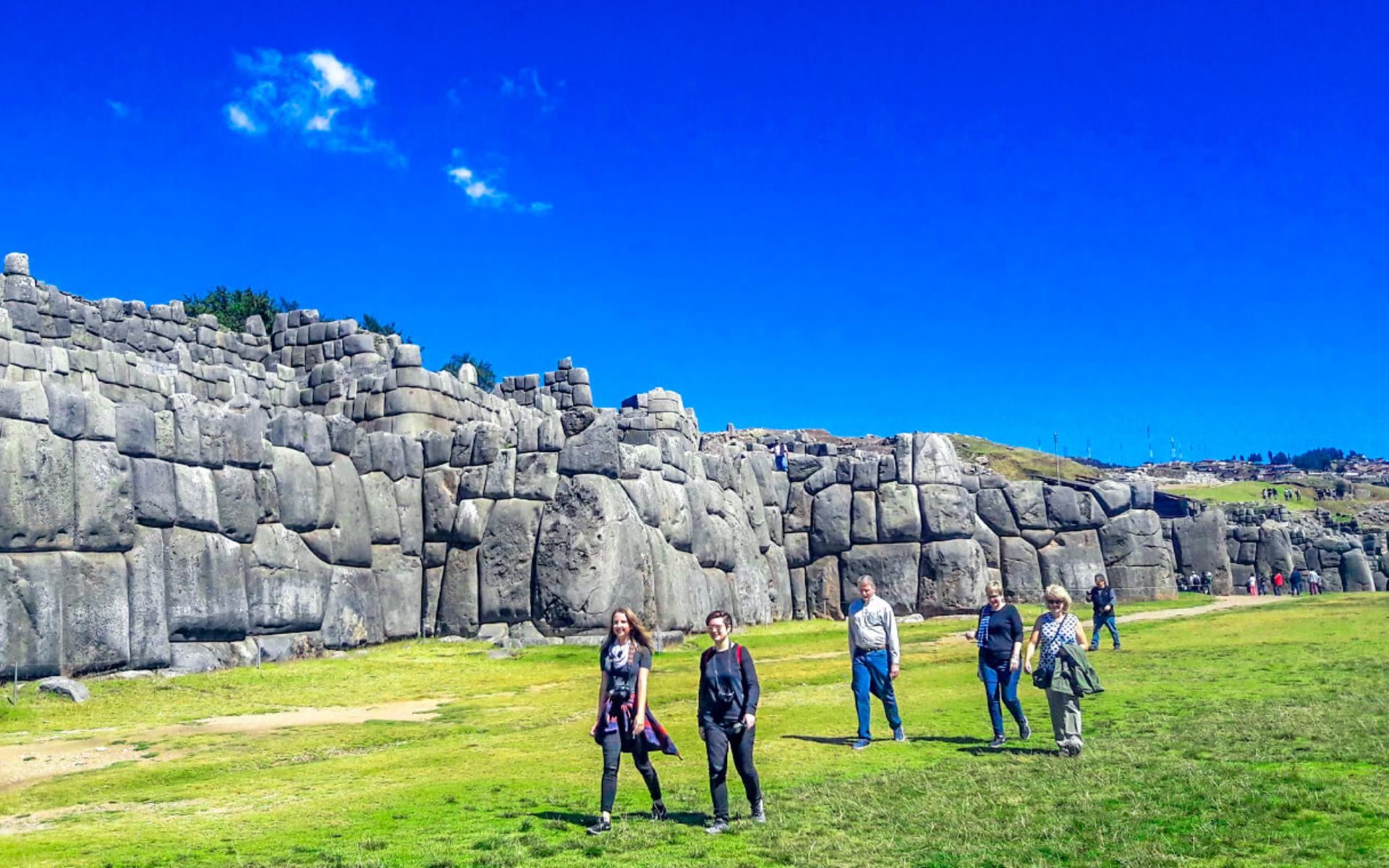
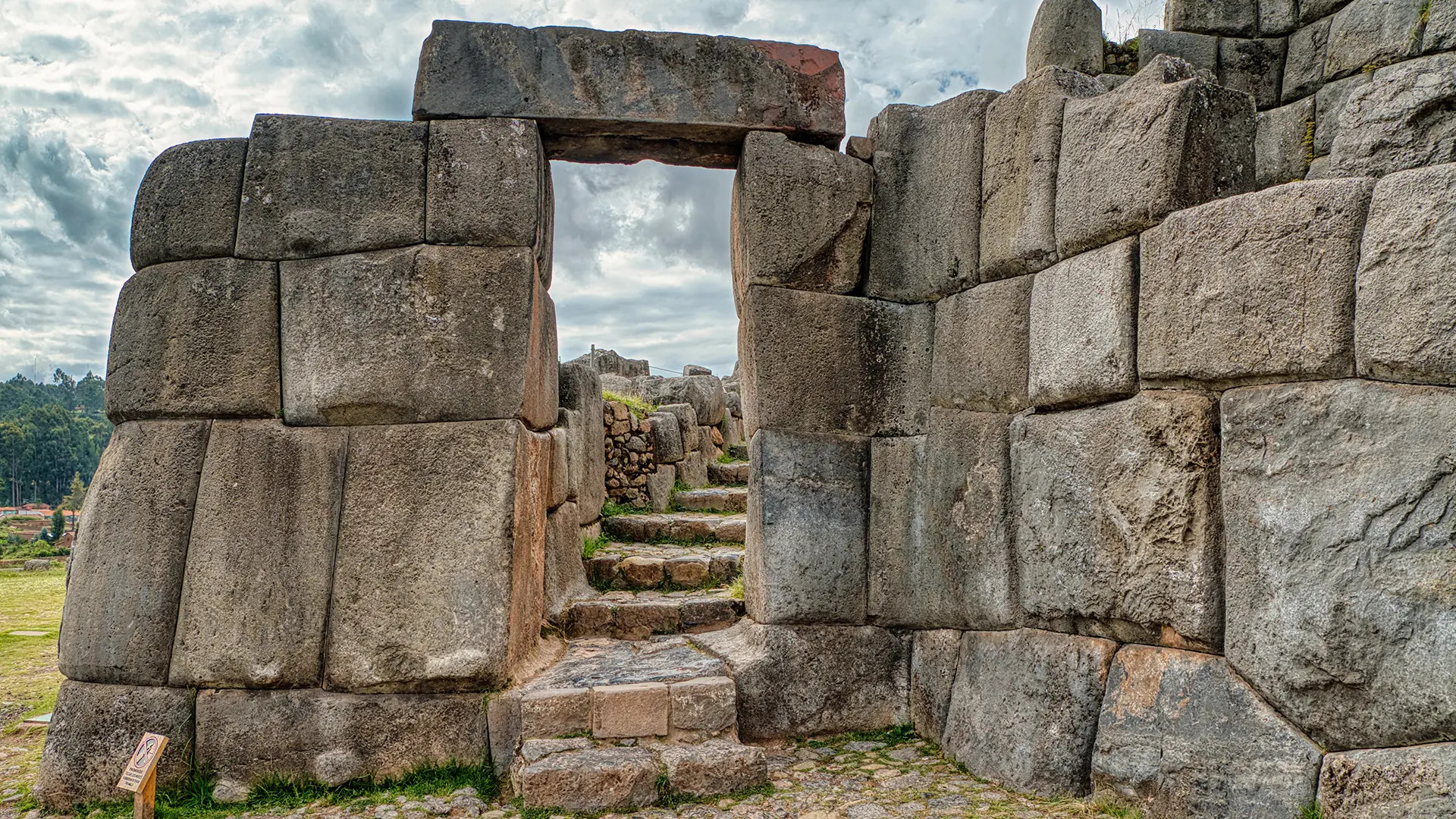
Visitors to this magnificent Inca fortress, which overlooks the city of Cusco, cannot fail to be impressed by the beauty and monumental scale of this important Inca construction. Sacsayhuaman can be variously translated as 'speckled falcon' or 'speckled head'. The last interpretation refers to the belief that the city of Cusco was set out in the form of a puma whose head was the hill of Sacsayhuaman. The origins are uncertain but the fortress is generally attributed to the period of Inca Pachacuti, the man who essentially founded the Inca empire.
2
Stop 2
This is one of the finest examples of a rock artfully carved insitu showing complex patterns of steps, seats, geometric reliefs and a puma design. The rock is an excellent example of the Inca 'Rock Worship'. In Inca cosmological beliefs the Incas held large rocky outcrops in reverence, as if they possessed some hidden spiritual force. On top of the rock are zigzag channels which served to course chicha (local maize beer) or sacrificed llama blood for purposes of divination; the speed and route of the liquid, in conjunction with the patterns made in the rock, gave the answers to the priest's invocations.
Inside the rock are large niches and a possible altar. This may have been a place where the mummies of lesser royalty were kept along with gold and precious objects
3
Situated on a hill with superb views over the surrounding countryside Puca Pucara was more likely a tambo, or kind of post house than an actual fortress. Travelers may have lodged here with their goods and animals before entering or leaving Cusco. An alternative theory is that it served as a guard post controlling the flow of people and produce between Cusco and the Sacred Valley
4
Stop 4
Commonly referred to as the 'Banos del Inca' or Inca baths, Tambomachay was a site for ritual bathing. The excellent quality of the stonework suggests that its use was restricted to the higher nobility, who maybe only used the baths on ceremonial occasions. The ruins basically consist of 3 tired platforms. The top one holds four trapezoidal niches that perhaps were used as seats; on the next level an underground spring emerges directly from a hole at the base of the stonework and from here cascades down to the bottom platform, creating a cold shower just high enough for an Inca to stand under. On this platform the spring water splits into two channels, both pouring the last metre down to ground level
5
Today’s site is a bizarre combination of Inca and colonial architecture, topped with a roof of glass and metal. In Inca times, Qorikancha (Quechua for ‘Golden Courtyard’) was literally covered with gold. The temple walls were lined with some 700 solid-gold sheets, each weighing about 2kg. There were life-sized gold and silver replicas of corn, which were ceremonially ‘planted’ in agricultural rituals. Also reported were solid-gold treasures, such as altars, llamas and babies, as well as a replica of the sun. But within months of the arrival of the first conquistadors, this incredible wealth had all been looted and melted down.
6
Stop 6
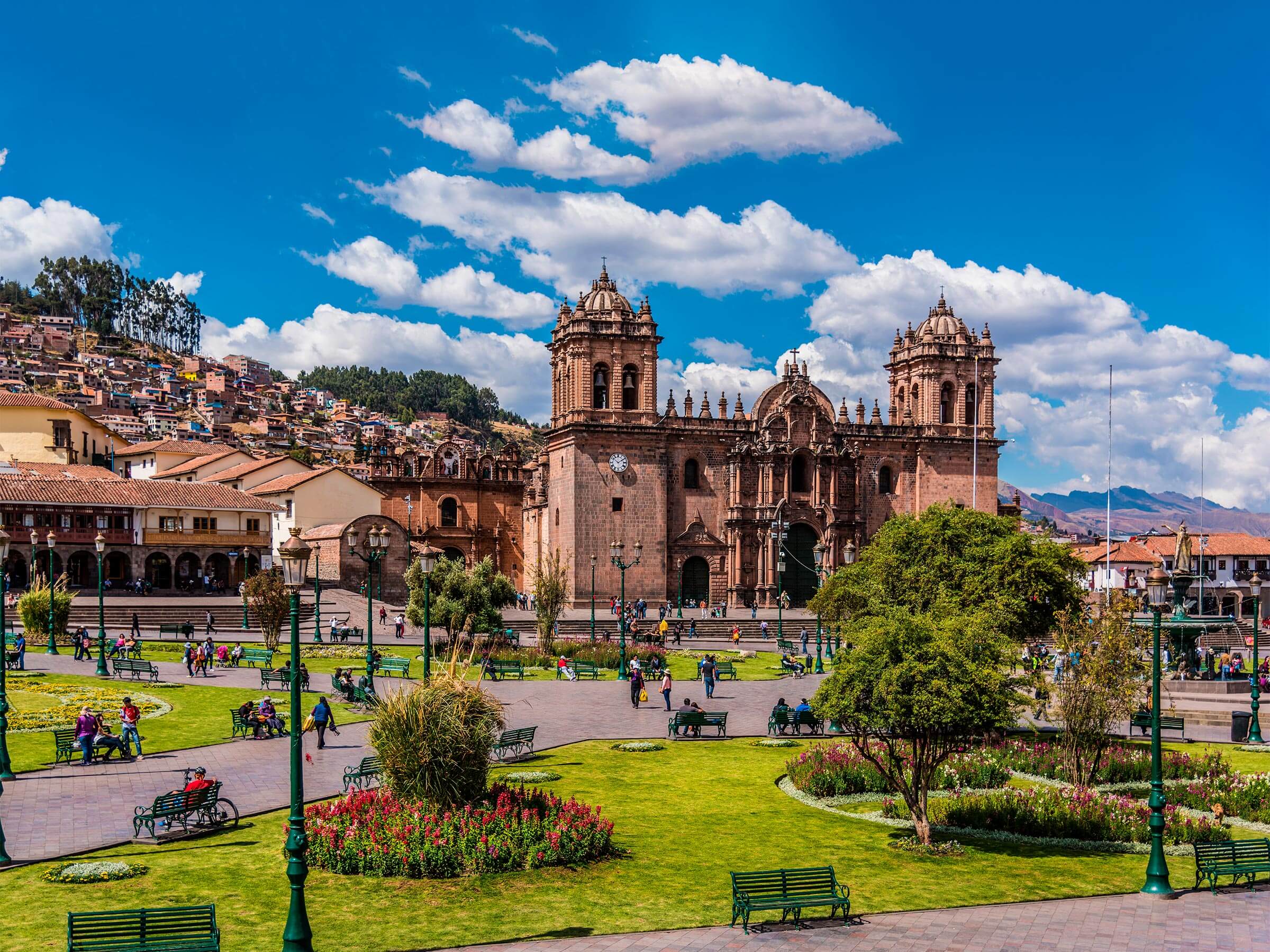
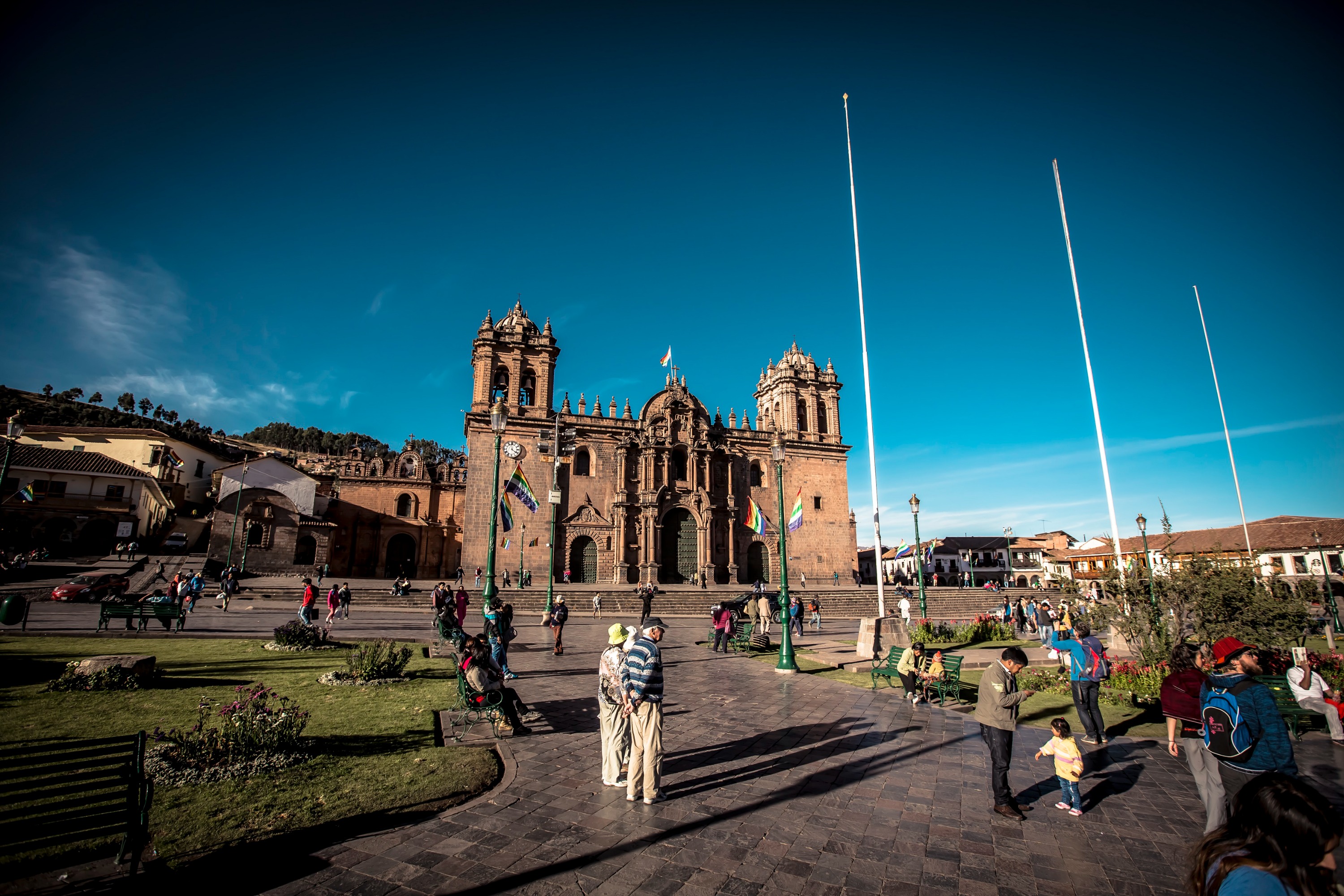
The cathedral is one of the city’s greatest repositories of colonial art, especially for works from the escuela cuzqueña (Cuzco school), noted for its decorative combination of 17th-century European devotional painting styles with the color palette and iconography of indigenous Andean artists. A classic example is the frequent portrayal of the Virgin Mary wearing a mountain-shaped skirt with a river running around its hem, identifying her with Pachamama (Mother Earth).
What's not included
Cathedral Ticket
Qoricancha Ticket
Ticket To Sacsayhuaman, Qenqo, Pucapucara & Tambomachay
Available languages
Guide guide
EN
ES
Reviews breakdown
Viator
5.0
1 reviews
5★
1
4★
0
3★
0
2★
0
1★
0
Important information
Infants are required to sit on an adult’s lap
Suitable for all physical fitness levels
Important notes
If you have more questions about the ticket and details of the tour, please contact us to the whatsApp +51 966 747 459
About Cusco
Cusco, the historic capital of the Inca Empire, is a captivating blend of Indigenous and colonial influences. Known for its well-preserved archaeological sites, vibrant culture, and stunning Andean landscapes, it's a gateway to Machu Picchu and the Sacred Valley. The city's rich history, combined with its lively arts scene and delicious cuisine, makes it a must-visit destination in South America.
Top Attractions
Sacred Valley
The Sacred Valley is a stunning region filled with Inca ruins, traditional villages, and breathtaking landscapes. It's a must-visit for history and nature lovers.
Historical/Nature
Full day
PEN 10-50 (USD 2.50-12.50) depending on the site
Machu Picchu
Machu Picchu is the iconic Inca citadel and one of the most famous archaeological sites in the world. Its breathtaking views and rich history make it a must-see.
Historical/Adventure
Full day or overnight
PEN 152 (USD 38) for entrance, train tickets vary
Qorikancha
Qorikancha, or the Temple of the Sun, was the most important temple in the Inca Empire. It's a fascinating blend of Inca and colonial architecture.
Historical/Religious
1-2 hours
PEN 10 (USD 2.50)
Sacsayhuaman
Sacsayhuaman is a massive Inca fortress with impressive stone walls and panoramic views of Cusco. It's a testament to Inca engineering and military might.
Historical
1-2 hours
PEN 10 (USD 2.50)
San Pedro Market
San Pedro Market is a bustling market offering a variety of fresh produce, local crafts, and traditional foods. It's a great place to experience local life.
Cultural/Food
1-2 hours
Free to enter, prices vary for purchases
Must-Try Local Dishes
Cuy al Horno
Roasted guinea pig, a traditional Andean dish.
Main Course
Not vegetarian
Lomo Saltado
Stir-fried beef with onions, tomatoes, and fries.
Main Course
Can be made vegetarian
Aji de Gallina
Shredded chicken in a creamy, spicy sauce.
Main Course
Not vegetarian
Sopa de Quinoa
Quinoa soup, a nutritious and traditional dish.
Soup
Can be made vegetarian
Popular Activities
Hiking
Trekking
Mountain biking
Whitewater rafting
Visiting spas
Exploring parks
Enjoying local cafes
Visiting museums
Best Time to Visit
May to September
This is the dry season, offering the best weather for exploring the city and its archaeological sites. The skies are clear, and temperatures are mild.
5°C to 20°C (41°F to 68°F)
41°F to 68°F
Practical Information
Language
- Official: Spanish
- Widely spoken: Quechua, English (in tourist areas)
- English: Moderately spoken in tourist areas, limited elsewhere
Currency
Peruvian Sol (PEN)
Time Zone
GMT-5
Electricity
220VV, 50HzHz
Safety Information
Overall Safety Rating: Generally safe with common-sense precautions
Cusco is generally safe for tourists, but petty crime can occur, especially in crowded areas. Be cautious with your belongings and avoid walking alone at night in poorly lit areas.
Important Precautions:
- • Keep valuables secure
- • Use reputable tour operators
- • Be cautious with street food
Getting there
By air
- Alejandro Velasco Astete International Airport • 5 km (3 miles) from city center
By train
San Pedro Station
By bus
Cusco Bus Terminal
Getting around
Public transport
Shared taxis (colectivos) are a common and affordable way to get around Cusco. They follow specific routes and can be flagged down.
Taxis
Available • Apps: InDriver, Easy Taxi
Rentals
Car, Bike, Scooter
Neighborhoods
Historic Center
San Blas
San Cristobal
Day trips
Pisac
35 km (22 miles) from Cusco • Full day
Pisac is a charming town known for its vibrant market and impressive Inca ruins. It's a great day trip from Cusco.
Ollantaytambo
60 km (37 miles) from Cusco • Full day or overnight
Ollantaytambo is a picturesque town with well-preserved Inca ruins and a gateway to Machu Picchu. It's a must-visit for history and adventure lovers.
Tipon
25 km (16 miles) from Cusco • Half day
Tipon is a beautiful archaeological site with well-preserved Inca terraces and water channels. It's a peaceful and less crowded alternative to other Inca sites.
Festivals
Inti Raymi • June 24
Cusco Festival of Music and Dance • August
Pro tips
- Acclimatize to the altitude before engaging in strenuous activities
- Dress in layers to accommodate changing temperatures
- Learn a few basic phrases in Spanish or Quechua to enhance your experience
- Visit the San Pedro Market early in the morning for the best selection and prices
- Book tickets and train tickets in advance for Machu Picchu and other popular attractions
From $25
per person
Price varies by option
Secure booking
Free cancellation available
Instant confirmation