Tour Inquisition and Witchcraft in Toledo
Active
1h
For a full refund, cancel at least 24 hours before the scheduled departure time.
Instant confirmation
Mobile or paper ticket accepted
About this experience
Can't miss another way to see Toledo, not least without it, "The complement to a perfect day in Toledo"
The Inquisition and witchcraft in Toledo represent a dark period in the history of the city, marked by persecution, fear and superstition. Toledo was an important religious and cultural center during the Spanish Inquisition, which began in the 15th century and continued until the 19th century.
Let yourself be carried away by the streets that once witnessed parades of condemned people to the Plaza de Zocodover and delve into the history of this most famous institution.
Available options
Tour Inquisition and Witchcraft in Toledo
What's included
Accredited Official Guide
Detailed itinerary
1
Stop 1
Here we will talk about the acts of faith and the public events that unfolded during the inquisitorial era, as well as a brief historical introduction to it.
2
Here we will talk about the prisons and the methods they had of holding prisoners and tried for the inquisition.
3
Find out about the organizational chart of Christianity and how church power worked in the city
4
Stop 4
Here we will delve into Jewish culture and how the inquisition pursued these false conversion crimes
5
We don't go into the museum. Here we will talk about the torture methods that were used, focusing on a well-known one from Toledo: The sambenitos
6
Here we will talk about the headquarters of the inquisition in Toledo and how the public events unfolded, from indictment, to trial and conviction.
7
This will be the last seat of the inquisition in Spain, so we will talk about the last collapsing of this religious organization in our country
8
This will be the last seat of the inquisition in Spain, so we will talk about the last collapsing of this religious organization in our country
What's not included
Private transportation
Available languages
Guide guide
ES
Important information
Wheelchair accessible
Infants and small children can ride in a pram or stroller
Service animals allowed
Public transportation options are available nearby
Infants are required to sit on an adult’s lap
All areas and surfaces are wheelchair accessible
Suitable for all physical fitness levels
Meeting point
We are located in a commercial location next to the pharmacy and the koker clothing store
About Toledo
Toledo is a historic city known for its rich cultural heritage and stunning architecture. Often referred to as the 'City of the Three Cultures,' it has been influenced by Christian, Muslim, and Jewish traditions. The city is a UNESCO World Heritage Site, boasting a medieval old town and a fortress that offers panoramic views of the surrounding countryside.
Top Attractions
Toledo Cathedral
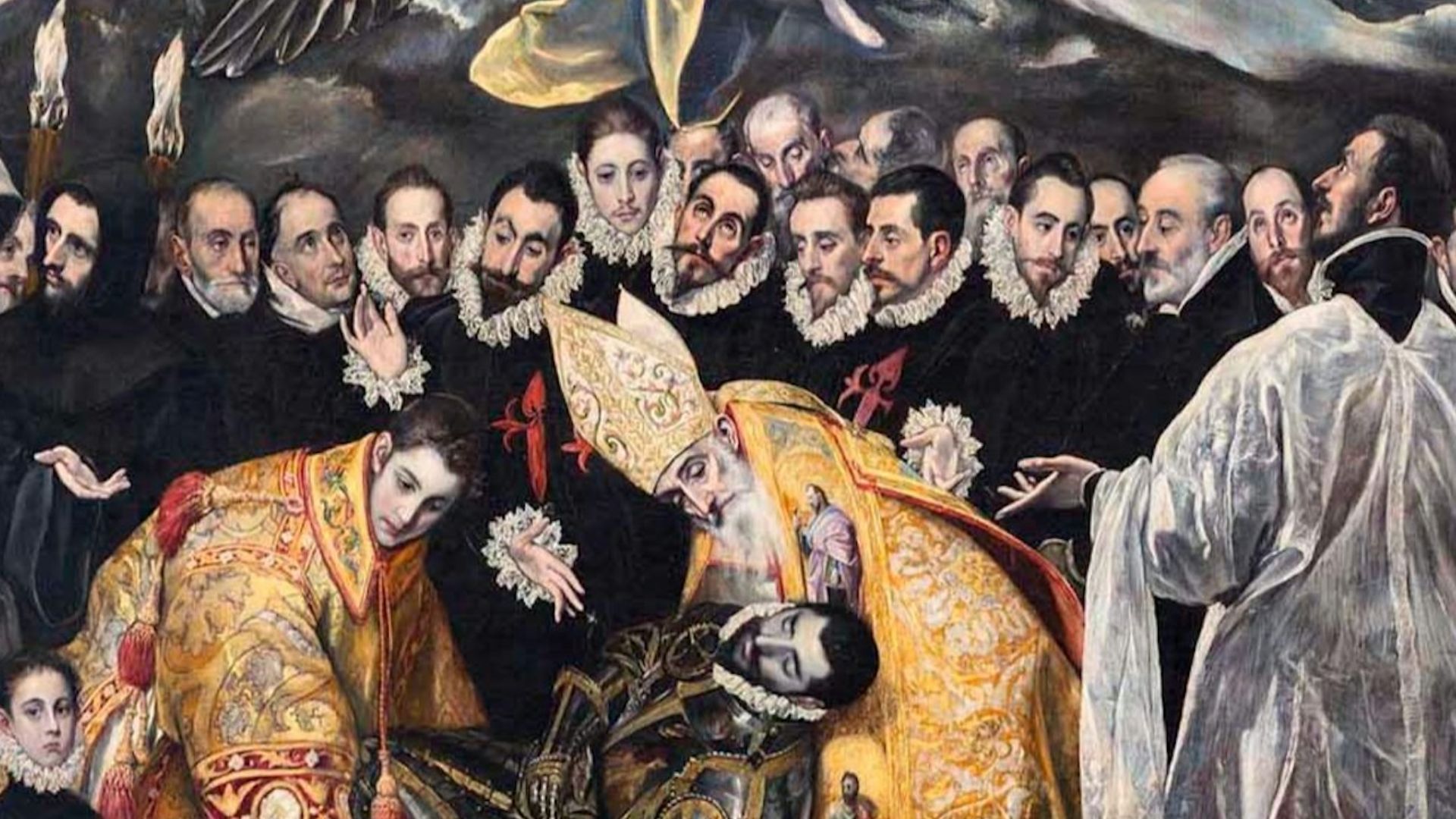
The Toledo Cathedral is a magnificent Gothic cathedral and one of the most important in Spain. It is renowned for its stunning architecture, beautiful stained glass windows, and the famous El Greco painting 'The Burial of the Count of Orgaz.'
Religious/Architecture
1-2 hours
€10
Alcázar of Toledo
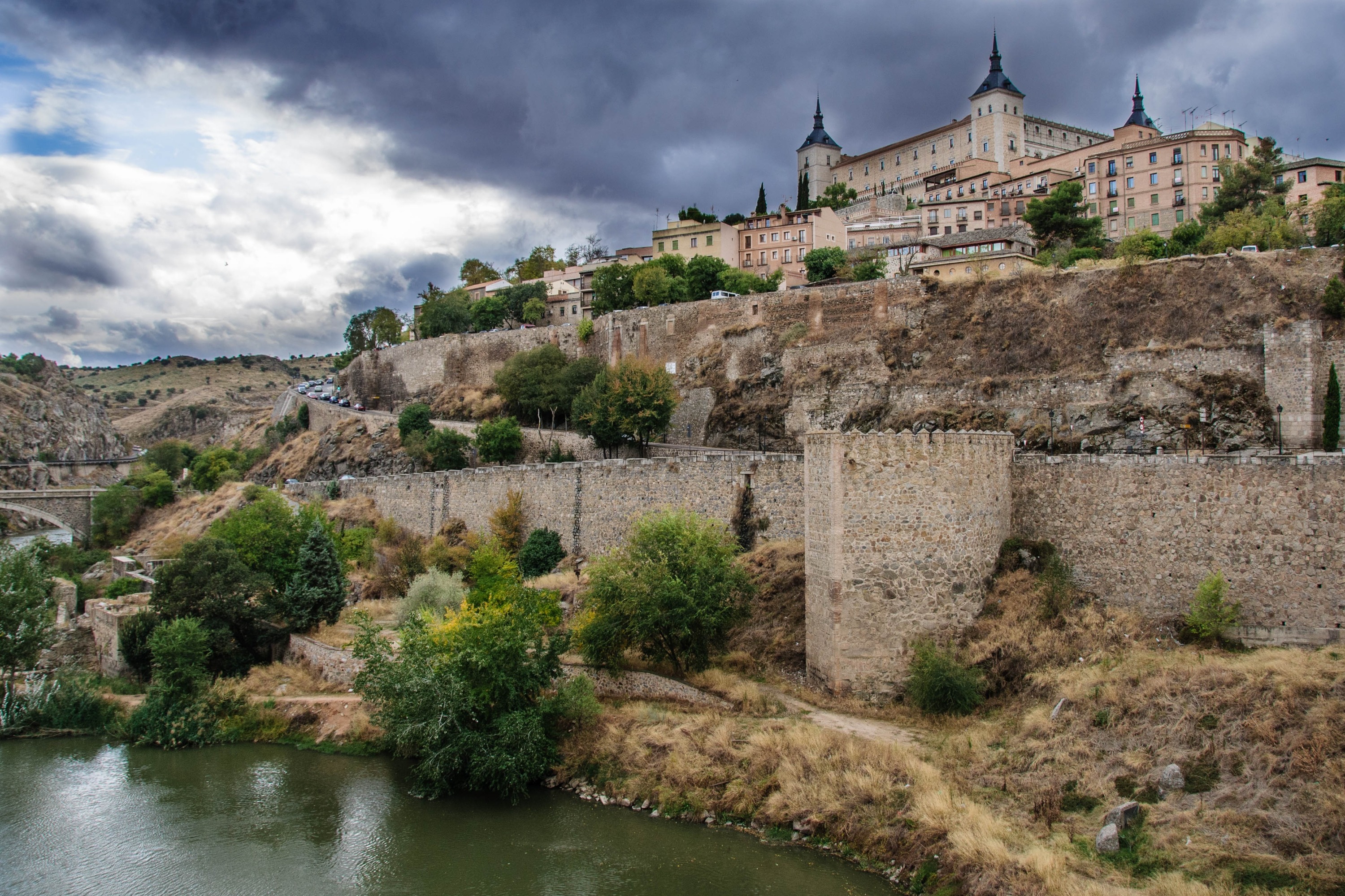
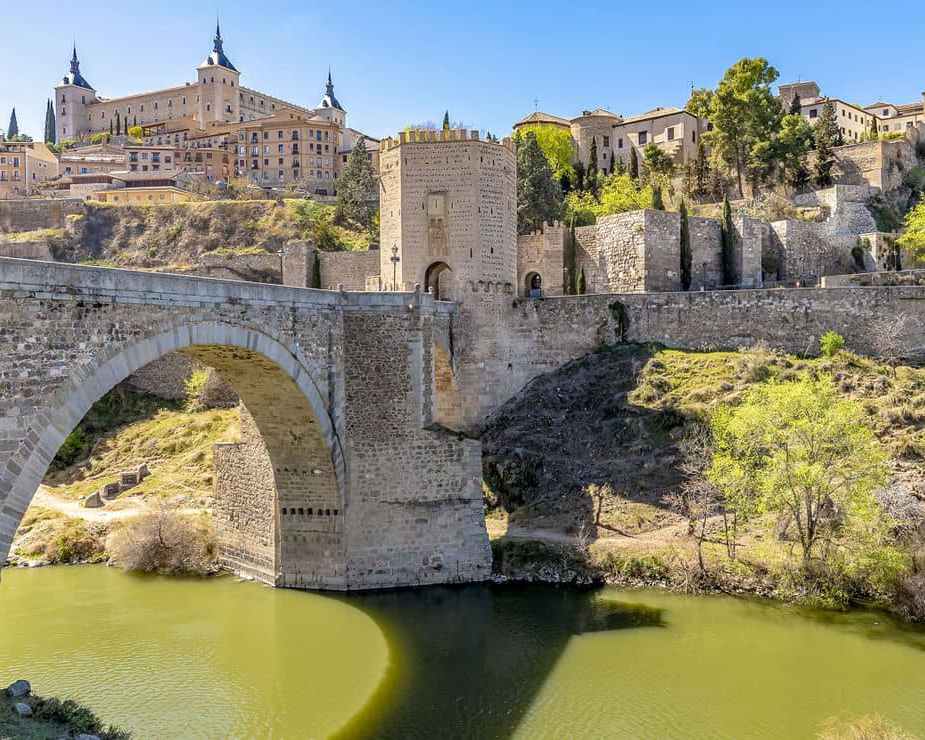
The Alcázar of Toledo is a historic stone fortification located at the highest point of the city. It offers panoramic views of Toledo and houses the Army Museum and the Library of Castilla-La Mancha.
Historical/Architecture
1-2 hours
€5
Monastery of San Juan de los Reyes
This beautiful monastery was built by the Catholic Monarchs in the late 15th century. It is a prime example of Isabelline Gothic architecture and features a stunning cloister and church.
Historical/Religious
30-45 minutes
€3
Must-Try Local Dishes
Carcamusas
A traditional Toledo dish made with beef, tomatoes, peppers, and garlic, often served with bread.
Main Course
Contains beef and gluten
Mazapán
A sweet almond paste dessert, often shaped into marzipan figures.
Dessert
Vegetarian, contains nuts
Perdiz estofada
A rich stew made with partridge, wine, and spices.
Main Course
Contains meat and alcohol
Popular Activities
Hiking in the surrounding countryside
Biking tours
Wine tasting
Strolling through the old town
Visiting museums and historical sites
Attending local festivals
Fishing in nearby rivers
Visiting indoor museums and galleries
Best Time to Visit
Spring (March to May) and Autumn (September to November)
Spring and autumn offer pleasant weather, ideal for sightseeing and outdoor activities. The city is less crowded, and the temperatures are comfortable for exploring.
15-25°C
59-77°F
Practical Information
Language
- Official: Spanish
- Widely spoken: English
- English: Moderately spoken
Currency
Euro (EUR)
Time Zone
GMT+1 (CET), GMT+2 (CEST) during daylight saving time
Electricity
230VV, 50HzHz
Safety Information
Overall Safety Rating: Generally safe
Toledo is generally safe for tourists, with low crime rates. However, pickpocketing can be a problem in crowded areas.
Important Precautions:
- • Keep valuables secure
- • Use licensed taxis
- • Be cautious of distractions and scams
Getting there
By air
- Adolfo Suárez Madrid-Barajas Airport • 70 km from Toledo
By train
Toledo Station
By bus
Toledo Bus Station
Getting around
Public transport
The bus system is efficient and affordable, with frequent services throughout the day.
Taxis
Available • Apps: Cabify, Uber (limited availability)
Rentals
Car, Bike, Scooter
Neighborhoods
Old Town
Covachuelas
Santa María la Blanca
Day trips
Consuegra
40 km from Toledo • Half day
Consuegra is a charming town known for its windmills, which inspired Don Quixote. The town also has a beautiful castle and a Roman villa.
Madrid
70 km from Toledo • Full day
Madrid, the capital of Spain, offers a wealth of cultural and historical attractions, including world-class museums, beautiful parks, and vibrant neighborhoods.
Cuenca
150 km from Toledo • Full day
Cuenca is known for its stunning hanging houses and natural parks. The city offers a mix of cultural and outdoor activities.
Festivals
Corpus Christi • June
Toledo International Festival of Organ Music • July
Toledo Christmas Market • December
Pro tips
- Visit the Alcázar of Toledo early in the morning or late in the afternoon for the best views and fewer crowds
- Explore the old town on foot to discover hidden gems and charming streets
- Try the local marzipan (mazapán) and other traditional sweets at El Trébol café
- Consider a guided tour to learn more about the city's rich history and cultural heritage
- Visit the nearby town of Consuegra for a unique day trip, featuring windmills and a beautiful castle
From $25
per person
Price varies by option
Secure booking
Free cancellation available
Instant confirmation