Osaka Explore Every Bit of Osaka Castle in 3 Hours
Active
3h
For a full refund, cancel at least 24 hours before the scheduled departure time.
Instant confirmation
Mobile or paper ticket accepted
About this experience
Japanese castles, katana, samurai, shoguns, stone walls. If you’re into any of these, lots of great memories are surely waiting for you at Osaka Castle. But just walking through the area isn't really enough to understand it’s appeal. With a knowledgeable guide, you will uncover many secrets about this renowned castle throughout the tour.
Do not miss this opportunity to immerse yourself in the beauty and charms of the Osaka's beloved castle!
Available options
Osaka Explore Every Bit of Osaka Castle in 3 Hours
What's included
Expert guide
Admission to Osaka Castle Tower
Walking tour of the castle park
Detailed itinerary
1
The first stop on the tour is the Otemon Gate, the main gate of Osaka Castle. Since it was built at the same time as the present Osaka Castle was constructed, it has a history of more than 400 years.
The gate itself is a highlight, with tiles in the shape of “peaches” installed on the roof to ward off evil spirits, but the area around the gate is also impressive, with several huge stones used in the stone walls to symbolize the power of the Tokugawa Shoguns who built the castle.
2
The next shrine we will visit, Toyokuni Shrine, is dedicated to Toyotomi Hideyoshi, the man who first built Osaka Castle here before the current Osaka Castle was built, and who first unified the samurai world.
In Japan, it is customary to enshrine as gods those who have made great achievements during their lifetime, even if they are human beings. Toyotomi Hideyoshi, who unified a turbulent world and laid the foundation for the development of the city of Osaka, is revered as a god.
3
Stop 3
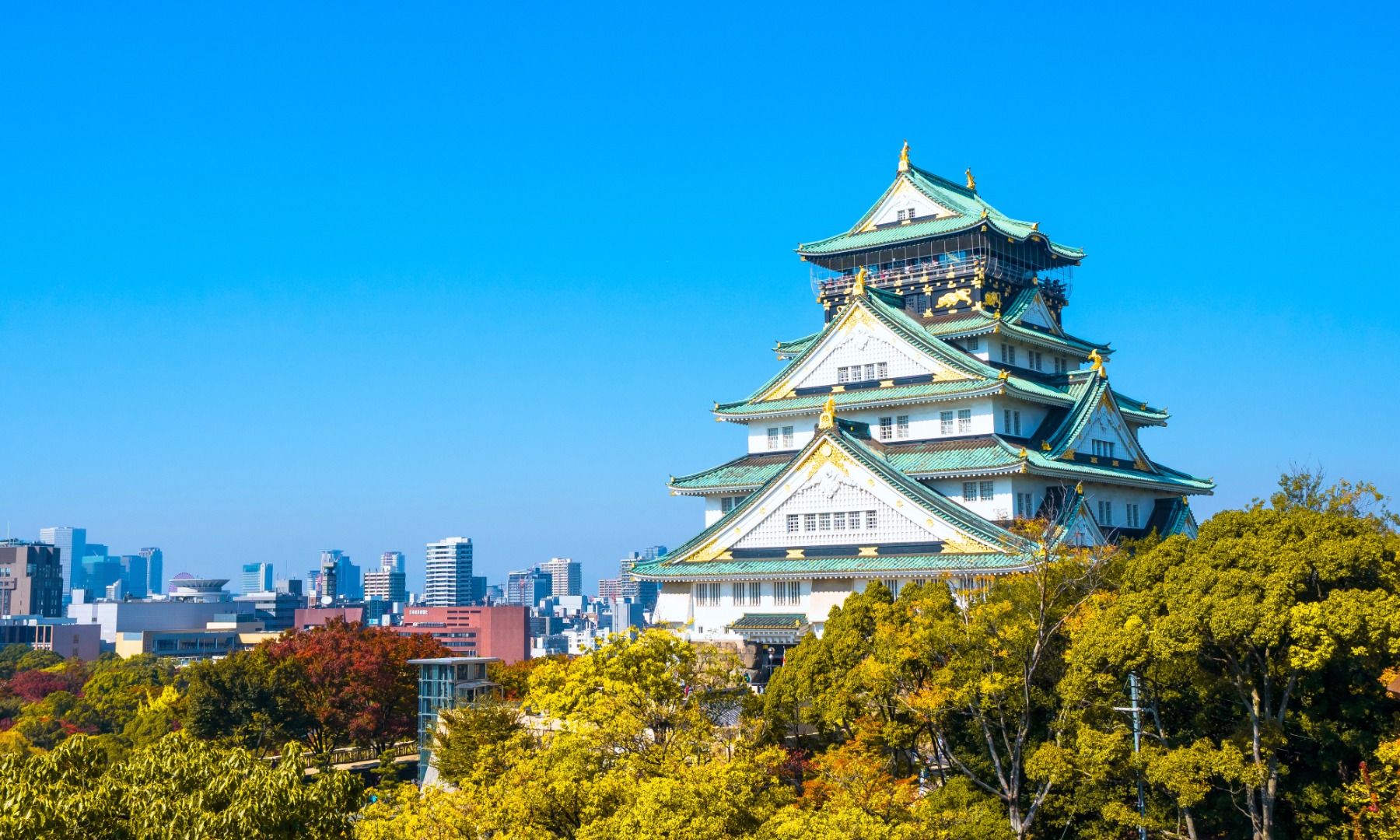
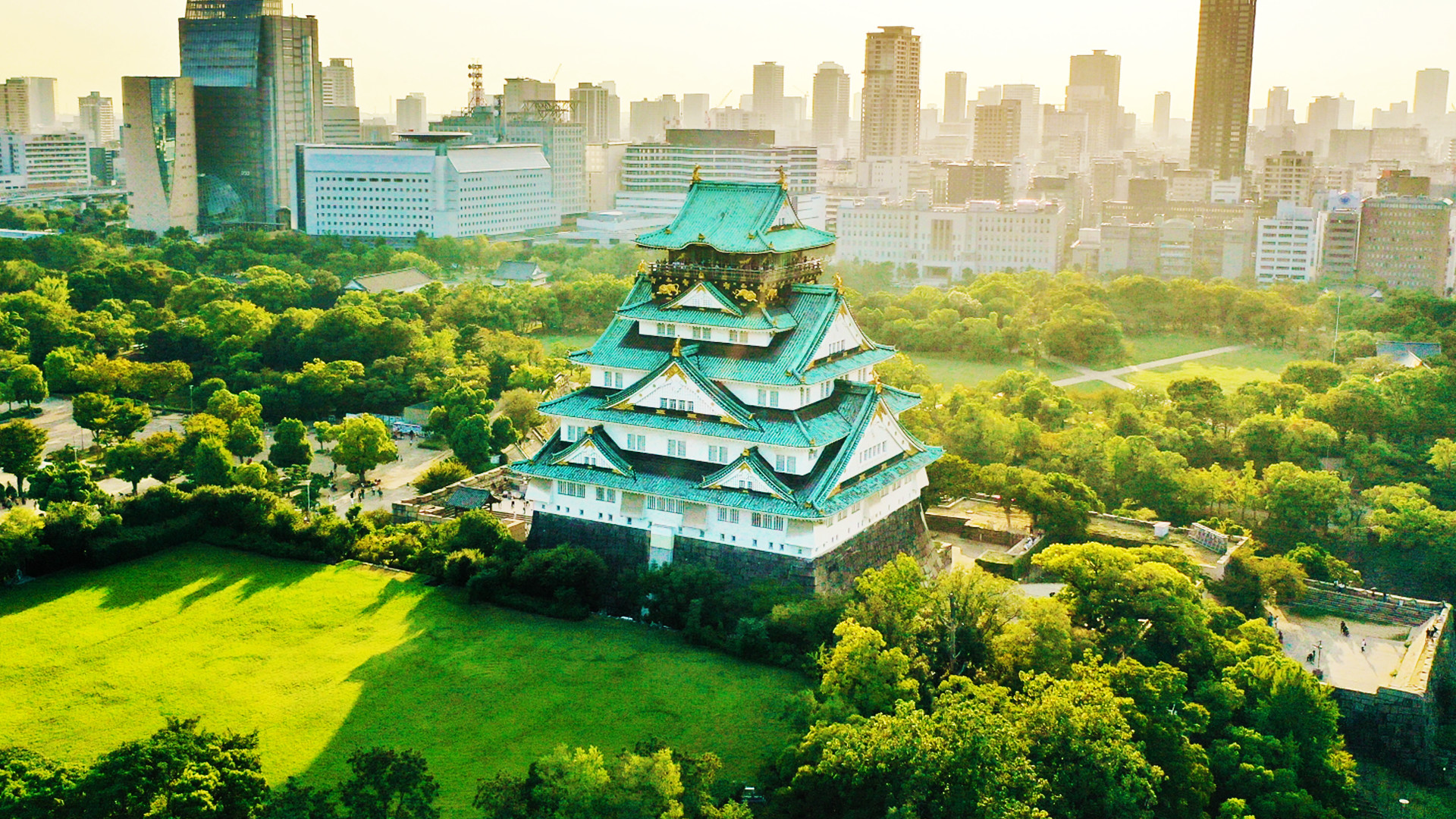
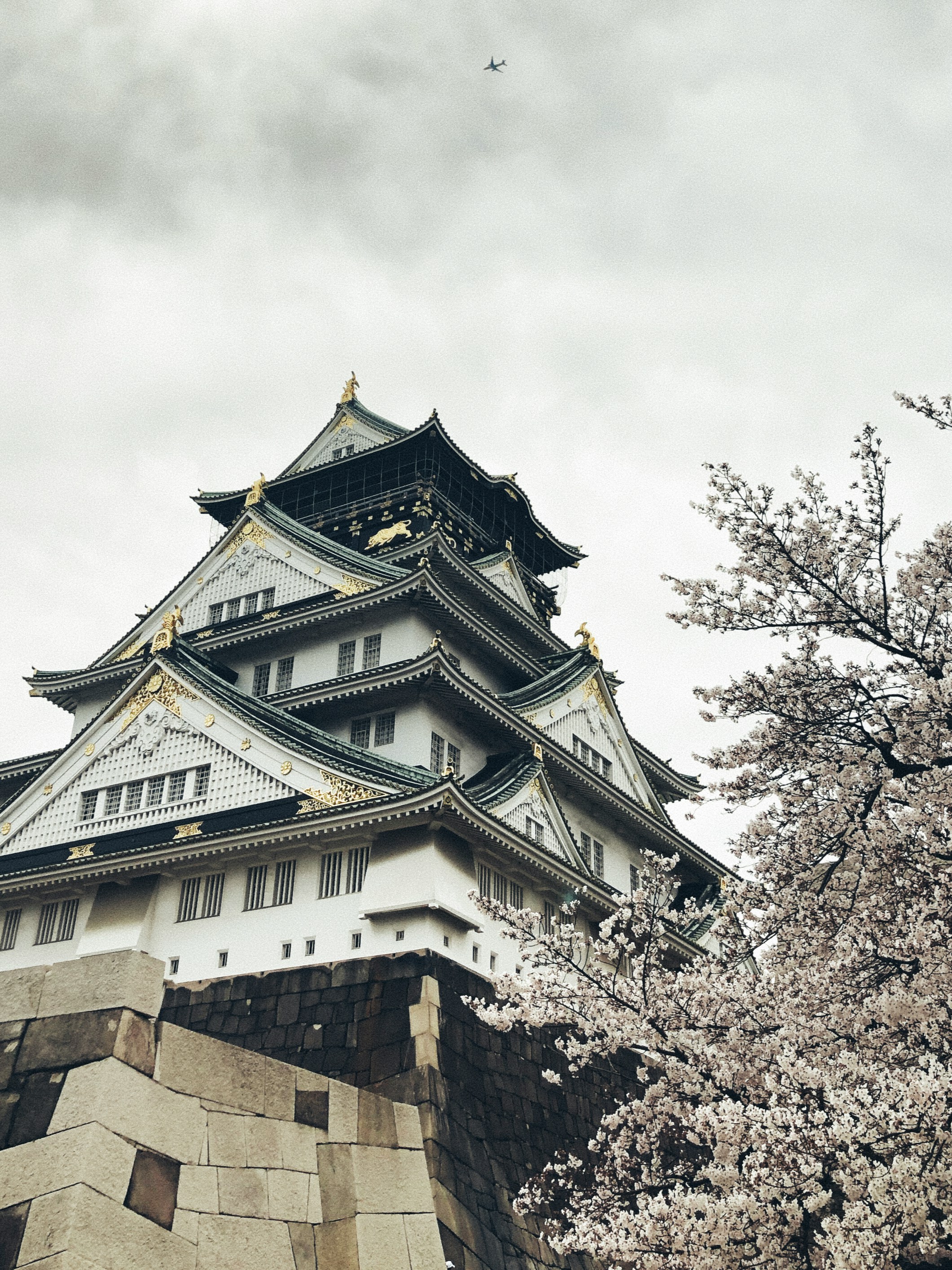
Come on! We have arrived at the Osaka Castle Keep, the highlight of this tour. Osaka Castle was built 400 years ago, but fell during the war and was rebuilt. From the top floor of the castle, which offers a great view of the city of Osaka, the castle is a history museum, where you can learn about the history of Osaka Castle and the samurai involved in its construction in an easy-to-understand manner. Osaka Castle has watched over the prosperity of the city of Osaka for more than 400 years. Enjoy all that Osaka Castle has to offer, a landmark in the hearts of the people who live in Osaka.
4
When you have finished touring the keep, head to the opposite side of the main gate.
This is the corner called “Yamasatomaru,” meaning “mountain village. The name comes from the fact that Hideyoshi, who first built Osaka Castle, was the son of a farmer, and this corner of the castle was named after the Japanese farming village landscape that he had recreated to remind him of his childhood.
In this area, a collection of stone wall stones unearthed through excavations that show evidence of having been transported by various feudal lords are collected and visitors can enjoy looking for patterns on them.
5
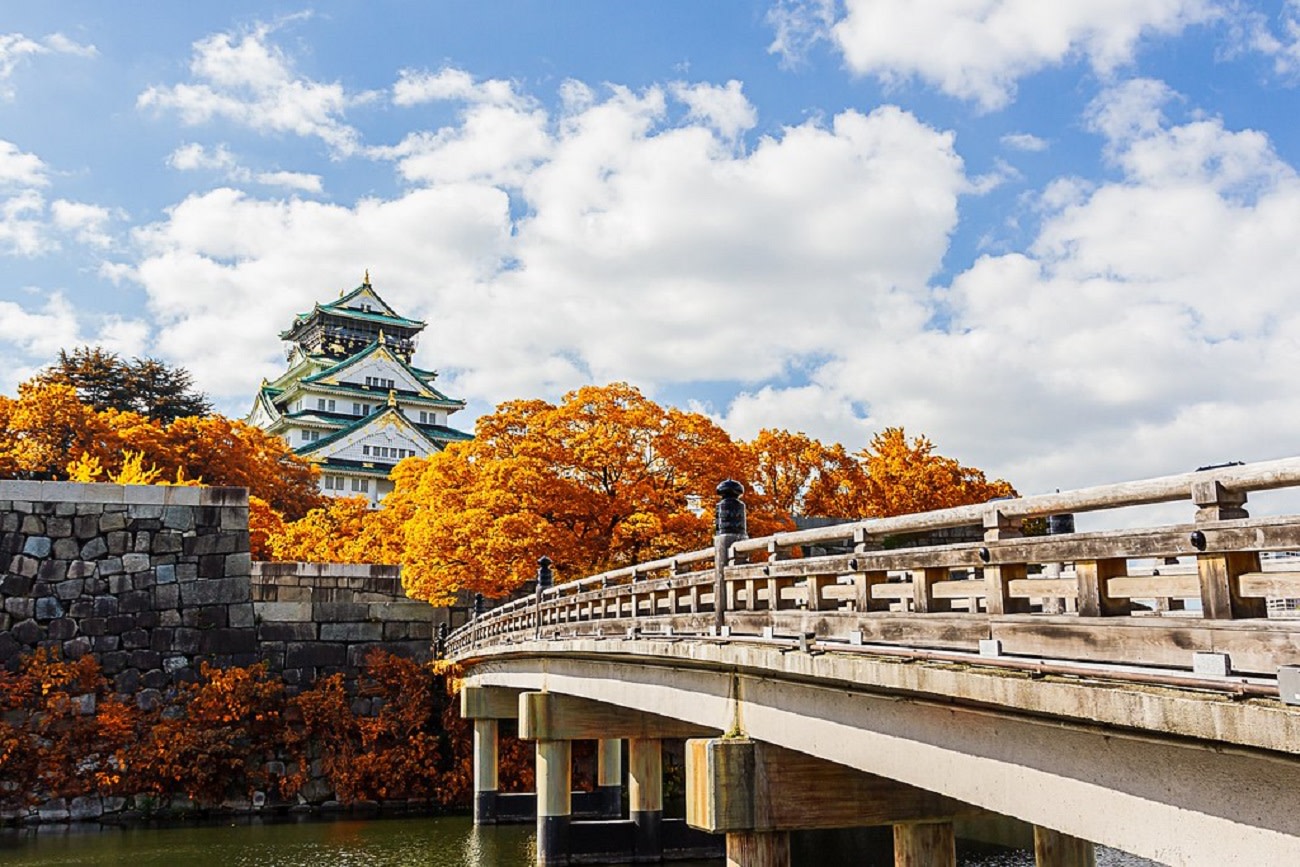
Proceeding in an easterly direction from the Osaka Castle keep, you will cross a bridge called “Gokurakubashi” (Gokurakubashi Bridge). The parapets and fences have been reproduced using wood, and looking in the direction of the castle keep from here is known as a spot where visitors can take charming photos as if they have stepped back in time.
What's not included
Lunch
Private transportation
Available languages
Guide guide
JA
EN
Reviews breakdown
Viator
5.0
4 reviews
5★
4
4★
0
3★
0
2★
0
1★
0
Important information
Public transportation options are available nearby
Not recommended for travelers with spinal injuries
Not recommended for pregnant travelers
Not recommended for travelers with poor cardiovascular health
Suitable for all physical fitness levels
Tours start from the train station and are easily accessible.
Meeting point
In front of the Lawson S Otemae Rest House (Near Banbacho). The guide will be holding the yellow sign.
About Osaka
Osaka is a vibrant, bustling city known for its rich culinary scene, historic sites, and modern entertainment. As Japan's second-largest metropolitan area, it offers a dynamic mix of traditional culture and contemporary urban life.
Top Attractions
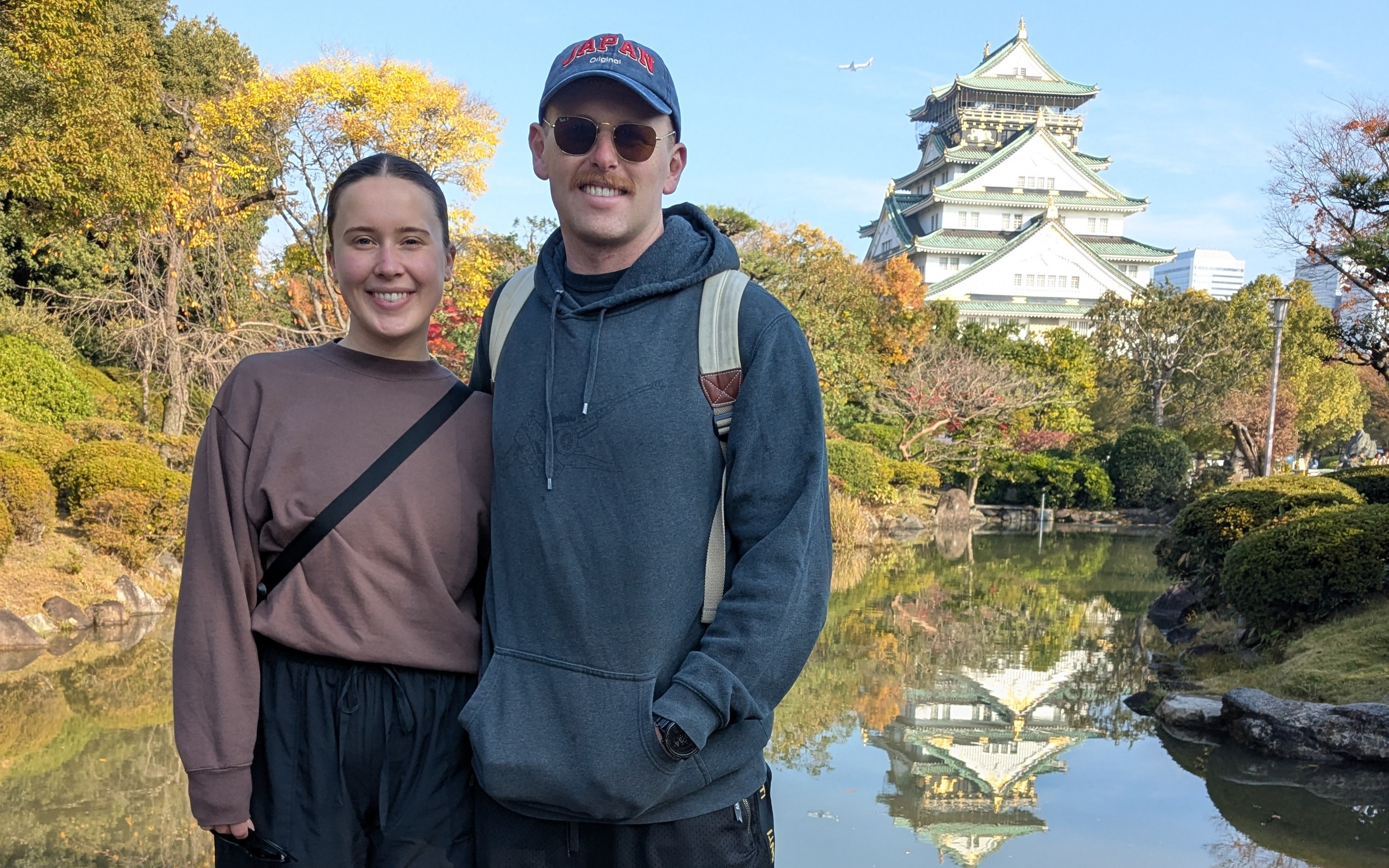
Osaka Castle
A iconic symbol of Osaka, this castle was originally built in the 16th century and has been beautifully restored. It offers a glimpse into Japan's feudal history and features a museum and scenic park.
Historical
2-3 hours
600 JPY
Dotonbori
A lively and colorful entertainment district known for its neon lights, street food, and vibrant nightlife. Dotonbori is a must-visit for foodies and those looking to experience Osaka's energetic atmosphere.
Entertainment
2-3 hours
Free (food and shopping vary)
Universal Studios Japan
A popular theme park featuring attractions based on famous movies and characters, including Harry Potter, Super Nintendo World, and Jurassic Park. It's a great destination for families and thrill-seekers.
Entertainment
Full day
8,400-10,600 JPY (varies by season and tickets)
Osaka Aquarium Kaiyukan
One of the largest aquariums in the world, featuring a wide variety of marine life, including whales, sharks, and penguins. The aquarium is known for its impressive exhibits and educational programs.
Nature
2-3 hours
2,600 JPY
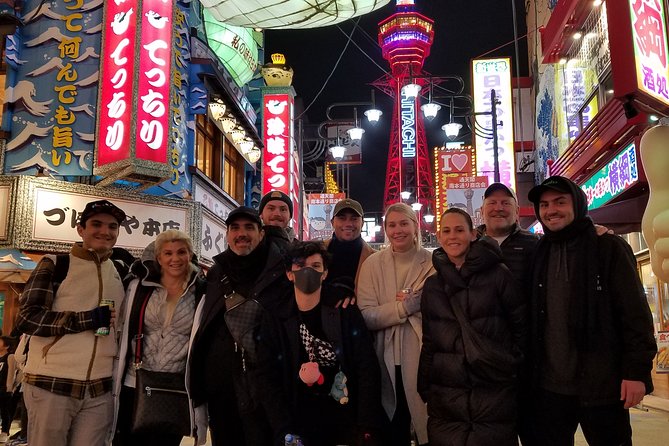
Shinsekai
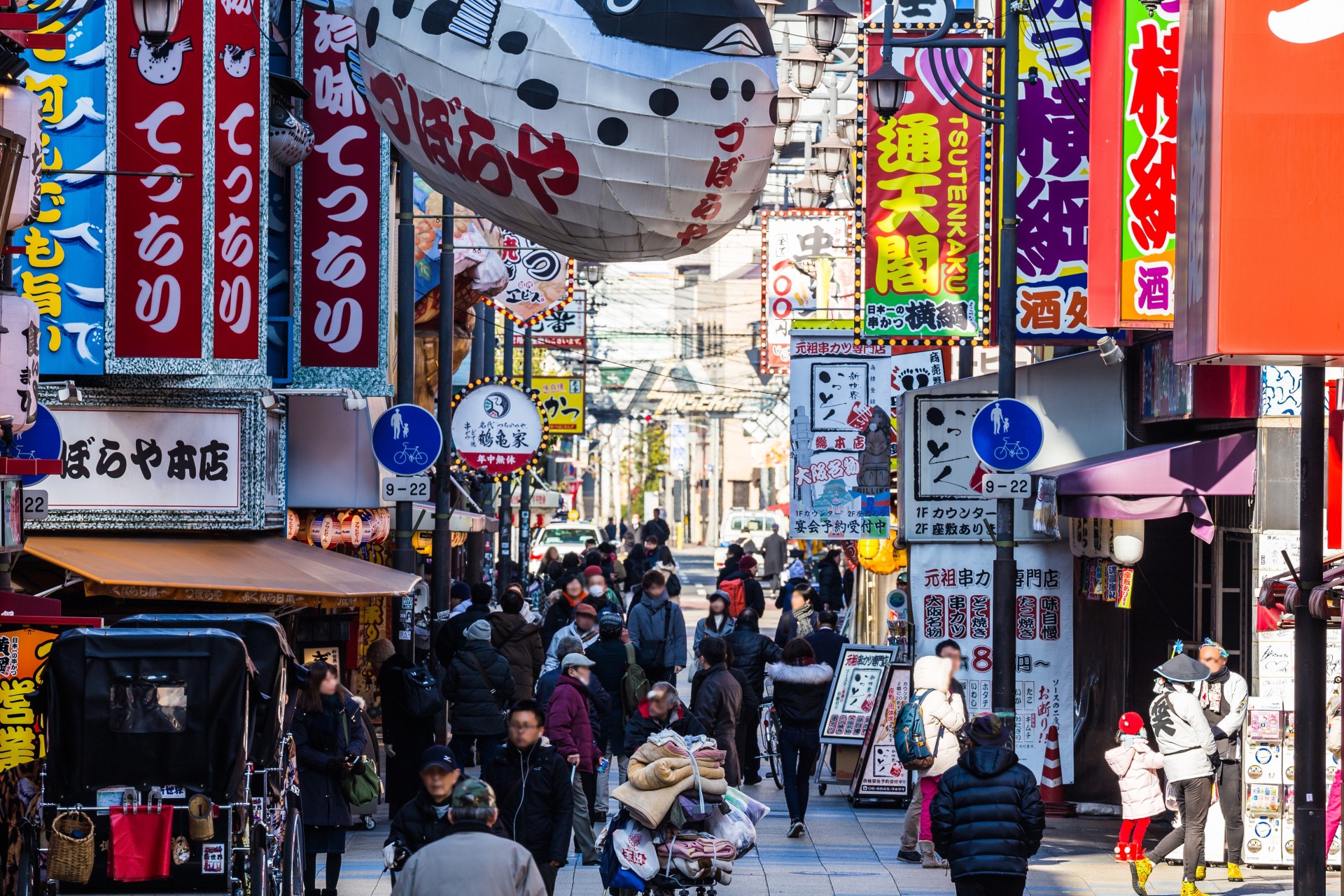
A retro district with a nostalgic atmosphere, featuring the iconic Tsutenkaku Tower and a variety of local eateries. Shinsekai is known for its unique blend of old and new, offering a glimpse into Osaka's past.
Cultural
1-2 hours
Free (food and shopping vary)
Must-Try Local Dishes
Takoyaki
Octopus-filled batter balls, cooked to perfection and topped with savory sauces and bonito flakes. A must-try street food in Osaka.
Snack
Contains seafood, can be made vegetarian upon request
Okonomiyaki
A savory pancake made with cabbage, batter, and various toppings, cooked on a griddle. Often referred to as 'Japanese pizza.'
Dinner
Can be made vegetarian or vegan upon request
Kushikatsu
Deep-fried skewers of various meats, vegetables, and seafood, served with a dipping sauce. A specialty of the Shinsekai district.
Dinner
Contains seafood and meat, can be made vegetarian upon request
Ramen
Noodle soup dish with various broths, toppings, and noodle types. Osaka is known for its rich and flavorful ramen.
Lunch/Dinner
Can be made vegetarian or vegan upon request
Popular Activities
Hiking in the nearby mountains
Cycling tours
Kayaking and water sports
Onsen (hot spring) visits
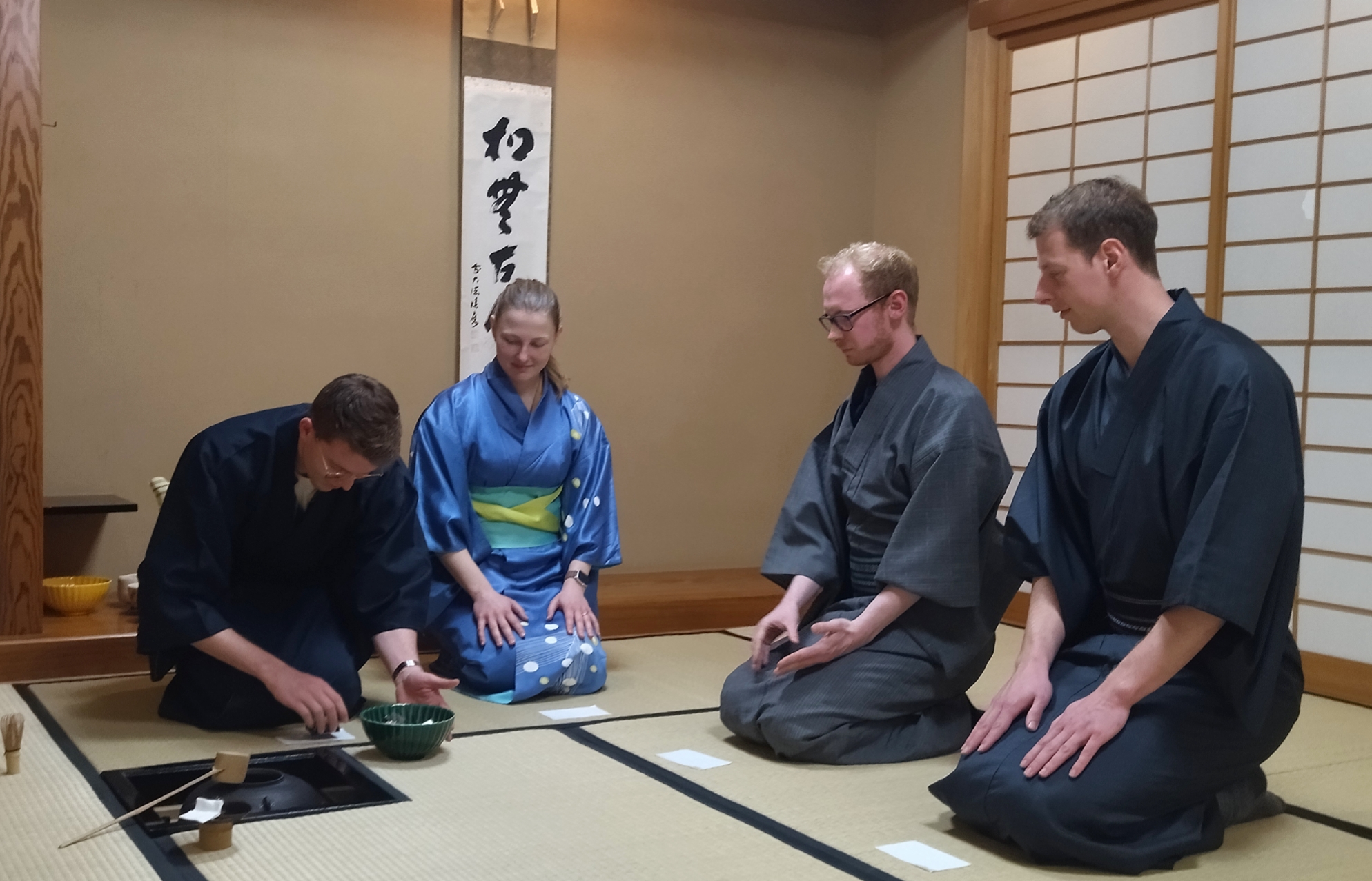
Tea ceremonies
Gardens and parks
Temple and shrine visits
Traditional workshops (e.g., calligraphy, ikebana)
Best Time to Visit
March to May, September to November
These months offer pleasant weather with mild temperatures and lower humidity, making it ideal for sightseeing and outdoor activities. Cherry blossoms in March and April add to the appeal.
15-25°C
59-77°F
Practical Information
Language
- Official: Japanese
- Widely spoken: English (limited)
- English: Limited
Currency
Japanese Yen (JPY)
Time Zone
JST (GMT+9)
Electricity
100VV, 50/60HzHz
Safety Information
Overall Safety Rating: Very safe
Osaka is generally very safe, with low crime rates and a strong emphasis on public safety. However, as with any major city, it's important to be aware of your surroundings and take precautions to protect your belongings.
Important Precautions:
- • Keep valuables secure and out of sight
- • Be cautious of pickpockets in crowded areas
- • Use licensed taxis and reputable tour operators
Getting there
By air
- Kansai International Airport • 50 km from city center
- Itami Airport • 20 km from city center
By train
Osaka Station, Shin-Osaka Station
By bus
Osaka Station Bus Terminal, Umeda Bus Terminal
Getting around
Public transport
The Osaka Metro system is efficient, clean, and easy to navigate. It consists of eight lines that connect major attractions, shopping districts, and neighborhoods.
Taxis
Available • Apps: JapanTaxi, DiDi
Rentals
Car, Bike, Scooter
Neighborhoods
Umeda
Namba
Shin-Osaka
Tennoji
Day trips
Kyoto
50 km • Full day
A historic city known for its temples, shrines, and traditional architecture. Kyoto offers a glimpse into Japan's rich cultural heritage and is a must-visit for history and culture enthusiasts.
Nara
40 km • Half day to full day
A historic city known for its ancient temples, shrines, and the famous Nara Park, home to hundreds of free-roaming deer. Nara offers a mix of history, culture, and nature.
Kobe
30 km • Full day
A port city known for its historic sites, scenic views, and delicious beef. Kobe offers a mix of culture, history, and culinary delights.
Festivals
Tenjin Matsuri • July 24-25
Kishiwada Danjiri Matsuri • September 14-15
Osaka Castle Illumination • December (specific dates vary)
Pro tips
- Use an IC card, such as ICOCA or Suica, for easy and convenient payments on public transportation, vending machines, and convenience stores
- Try local specialties, such as takoyaki, okonomiyaki, and kushikatsu, at street food stalls and local restaurants
- Visit popular attractions early in the morning or late in the afternoon to avoid crowds and long lines
- Explore the city's unique neighborhoods, such as Dotonbori, Shinsekai, and Den Den Town, to experience the diverse culture and atmosphere of Osaka
- Take advantage of the city's extensive public transportation system, including the Osaka Metro, JR trains, and buses, to easily navigate and explore the city
From $25
per person
Price varies by option
Secure booking
Free cancellation available
Instant confirmation