Wakayama: Dojoji Temple and Japan’s Tragic Love Legend
Active
1h
For a full refund, cancel at least 24 hours before the scheduled departure time.
Instant confirmation
Mobile or paper ticket accepted
About this experience
Discover the rich history of Dojoji Temple, a site of deep spiritual significance and home to the captivating legend of Anchin and Kiyohime. This 1.5-hour guided tour offers a unique insight into the temple’s ancient architecture and serene Buddha statues. Witness the traditional E-toki performance, where monks narrate the famous love story through beautifully illustrated scrolls. Experience a connection to Japan's cultural heritage and explore the tranquil grounds that have inspired countless artistic expressions.
- 1.5-hour guided tour of historic Dojoji Temple
- Learn about the legendary tale of Anchin and Kiyohime
- Enjoy a traditional E-toki performance with illustrated scrolls
- Explore the temple's serene surroundings and ancient architecture
Available options
From Dojoji Temple
From Dojoji Temple<br/>Starting point:<br/>道成寺石段, Kanemaki, Hidakagawa, Hidaka District, Wakayama 649-1331, Japan
From Dojoji Station
From Dojoji Station<br/>Starting point:<br/>Dōjōji Station, Fujii Fujitacho, Gobō, Wakayama 649-1341, Japan
What's included
Admiration of historic buildings
Viewing of Buddhist images
E-toki picture storytelling performance
1.5-hour guided tour
Detailed itinerary
1
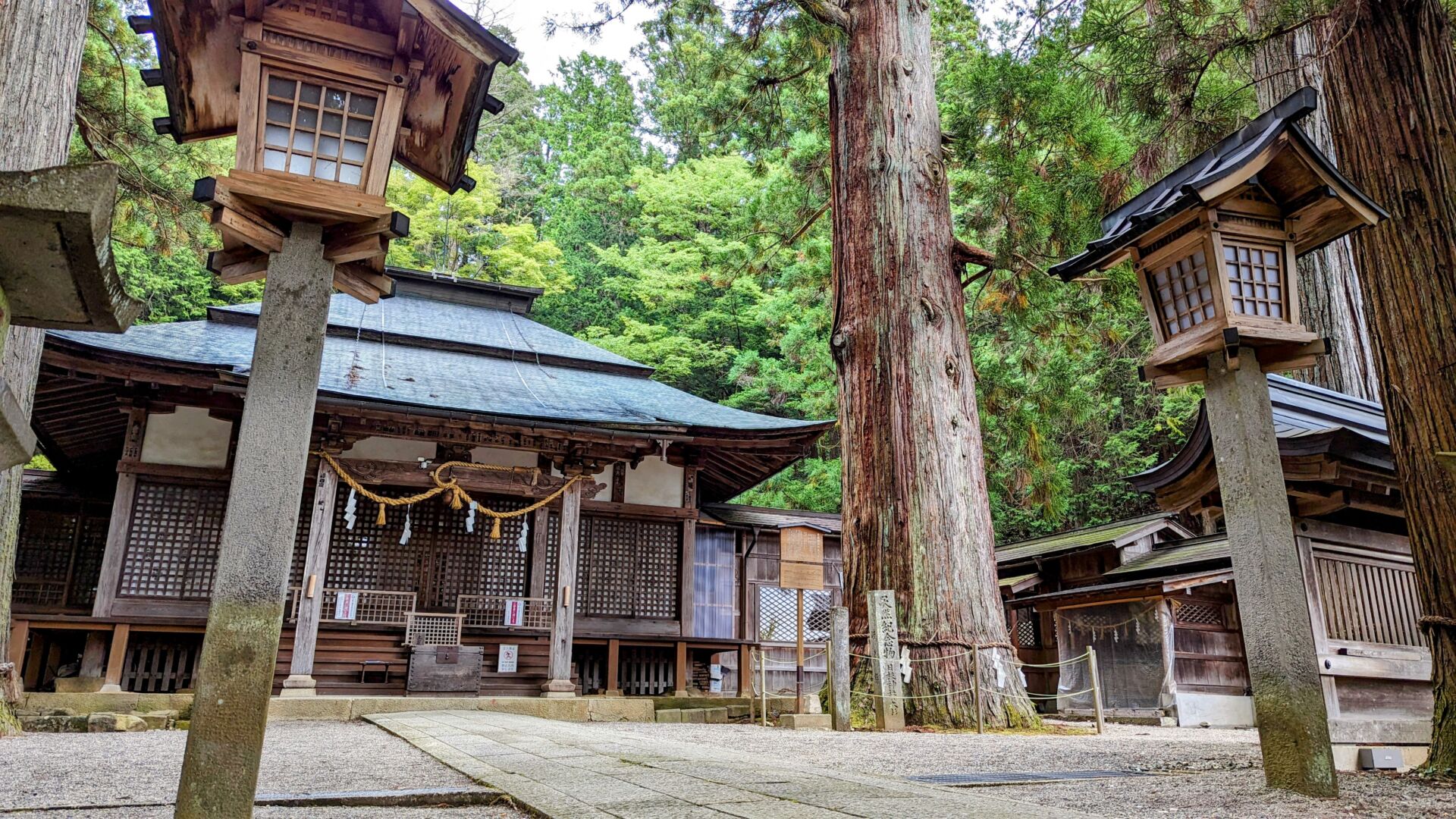
Standing quietly on the banks of the Hidaka River in central Wakayama, Dojoji Temple is one of Japan’s oldest Buddhist temples, founded over 1,300 years ago—even predating Mount Koya. Revered for its long history and graceful temple architecture, Dojoji has been a spiritual center for generations of monks and pilgrims. The temple is most famous as the setting of the Legend of Anchin and Kiyohime, a tragic love story that gave birth to one of Japan’s most enduring cultural traditions. This tale of devotion, jealousy, and transformation has inspired countless works of Noh, Kabuki, and Bunraku theater. Visitors walking through the temple grounds can admire its ancient halls, serene Buddha statues, and the quiet beauty of a place where faith and legend intertwine. More than just a historic site, Dojoji is a living monument to the emotional depth and artistry of Japan’s spiritual heritage, continuing to captivate those who seek both peace and imagination.
2
Within the temple precincts stands the Dojoji Engi Hall, where visitors can experience an extraordinary tradition known as “E-toki”—the sacred art of picture storytelling. During an E-toki performance, temple monks narrate the legendary tale of Anchin and Kiyohime while gradually unrolling a long illustrated scroll filled with exquisitely painted scenes. Through voice, rhythm, and imagery, the story comes alive before your eyes, blending faith, art, and emotion in a single timeless performance. This unique storytelling ritual has been passed down at Dojoji for centuries, and today, it is the only temple in Japan that continues to preserve this ancient practice. The gentle cadence of the monk’s voice, the flicker of light upon the scroll, and the tragic beauty of the tale create a deeply moving experience that connects visitors to Japan’s medieval culture and its living spiritual artistry.
What's not included
Meals and drinks
Available languages
Guide guide
JA
EN
Important information
Public transportation options are available nearby
Suitable for all physical fitness levels
Meeting point
If you choose the Dojoji Station departure option,
the meeting point is in front of Dojoji Station.
Your guide will be waiting for you with a yellow sign.
Please check the map for details.
About Wakayama Prefecture
Wakayama Prefecture, located in the Kansai region of Japan, is known for its stunning natural beauty, historic temples, and the famous Koyasan (Mount Koya) pilgrimage site. With its rugged mountains, scenic coastlines, and rich cultural heritage, Wakayama offers a unique blend of traditional and natural experiences.
Top Attractions
Koyasan (Mount Koya)
A sacred Buddhist monastery town and UNESCO World Heritage site, known for its temples, graveyards, and pilgrimage routes.
Historical/Religious
Full day to overnight
Moderate to Expensive
Nachi Falls
One of Japan's tallest waterfalls, located near the Kumano Nachi Taisha shrine.
Nature
Half day
Free to view, fees for shrine and museum
Shirahama Beach
A popular beach resort area with white sand beaches, hot springs, and a scenic coastline.
Beach
Full day
Budget to Moderate
Kimii-dera Temple
A historic temple with beautiful gardens and panoramic views of Wakayama City.
Historical/Religious
1-2 hours
Budget
Wakayama Castle
A reconstructed castle with a museum and beautiful gardens, offering insights into Wakayama's samurai history.
Historical
1-2 hours
Budget
Must-Try Local Dishes
Wakayama Beef
Tender and flavorful beef, often served as sukiyaki or grilled.
Dinner
Contains meat, not suitable for vegetarians or vegans.
Katsuobushi
Fermented, smoked, and dried bonito fish, used to make dashi (stock) and eaten as a topping for various dishes.
Snack/Dish
Contains fish, not suitable for vegetarians or vegans.
Meharizushi
A traditional sushi dish from the Kii Peninsula, made with vinegared rice and fresh seafood or vegetables.
Lunch/Dinner
Can be vegetarian if made with vegetables.
Koyasan Shojin Ryori
Buddhist vegetarian cuisine served in Koyasan, made with seasonal vegetables and tofu.
Lunch/Dinner
Vegetarian and vegan options available.
Popular Activities
Hiking in Kumano
Beach activities in Shirahama
Adventure World amusement park
Hot spring baths in Shirahama
Temple lodgings in Koyasan
Beach relaxation in Shirahama
Temple visits in Koyasan
Shrine visits in Kumano
Best Time to Visit
Spring (March to May) and Autumn (October to November)
These seasons offer pleasant weather and are ideal for outdoor activities and sightseeing. Spring brings cherry blossoms, while autumn offers beautiful foliage.
15°C to 25°C
59°F to 77°F
Practical Information
Language
- Official: Japanese
- Widely spoken: English (limited)
- English: Limited
Currency
Japanese Yen (JPY)
Time Zone
GMT+9
Electricity
100VV, 50/60HzHz
Safety Information
Overall Safety Rating: Very safe
Wakayama is a very safe destination with low crime rates. Violent crime is rare, and petty crime is uncommon.
Important Precautions:
- • Be cautious when hiking or exploring remote areas, as weather conditions can change quickly.
- • Carry a map or use a reliable navigation app, as some areas may have limited signage.
- • Be aware of your surroundings, especially in crowded areas and tourist spots.
Getting there
By air
- Kansai International Airport • 80 km from Wakayama City
By train
Wakayama Station
By bus
Wakayama Station Bus Terminal, Osaka Station Bus Terminal
Getting around
Public transport
Trains are efficient and punctual, with frequent services. The IC card (Suica, Icoca) can be used for seamless travel.
Taxis
Available • Apps: JapanTaxi
Rentals
Car, Bike, Scooter
Neighborhoods
Wakayama City
Koyasan (Mount Koya)
Shirahama
Kumano
Day trips
Kumano Nachi Taisha and Nachi Falls
80 km from Wakayama City • Full day
A UNESCO World Heritage site featuring a stunning waterfall and an ancient Shinto shrine.
Shirahama Beach and Adventure World
100 km from Wakayama City • Full day
A popular beach resort area with white sand beaches, hot springs, and an amusement park.
Koyasan (Mount Koya)
50 km from Wakayama City • Full day to overnight
A sacred Buddhist monastery town with temples, graveyards, and pilgrimage routes.
Festivals
Koyasan Fire Festival (Goman-no-Otaki) • March 12-15
Shirahama Summer Festival • July to August
Wakayama Castle Festival • April 1-30
Pro tips
- Stay overnight in a temple lodging (shukubo) in Koyasan for a unique cultural experience.
- Visit Nachi Falls early in the morning to avoid crowds and enjoy the serene atmosphere.
- Try the local seafood in Shirahama, especially the fresh sushi and grilled fish.
- Use an IC card (Suica, Icoca) for seamless travel on trains and buses in Wakayama and the Kansai region.
- Learn a few basic Japanese phrases to enhance your interactions with locals and show respect for their culture.
From $25
per person
Price varies by option
Secure booking
Free cancellation available
Instant confirmation