Okinawa: Sacred Island Tour to Kudaka’s Ryukyuan Holy Sites
Active
3h
For a full refund, cancel at least 24 hours before the scheduled departure time.
Instant confirmation
Mobile or paper ticket accepted
About this experience
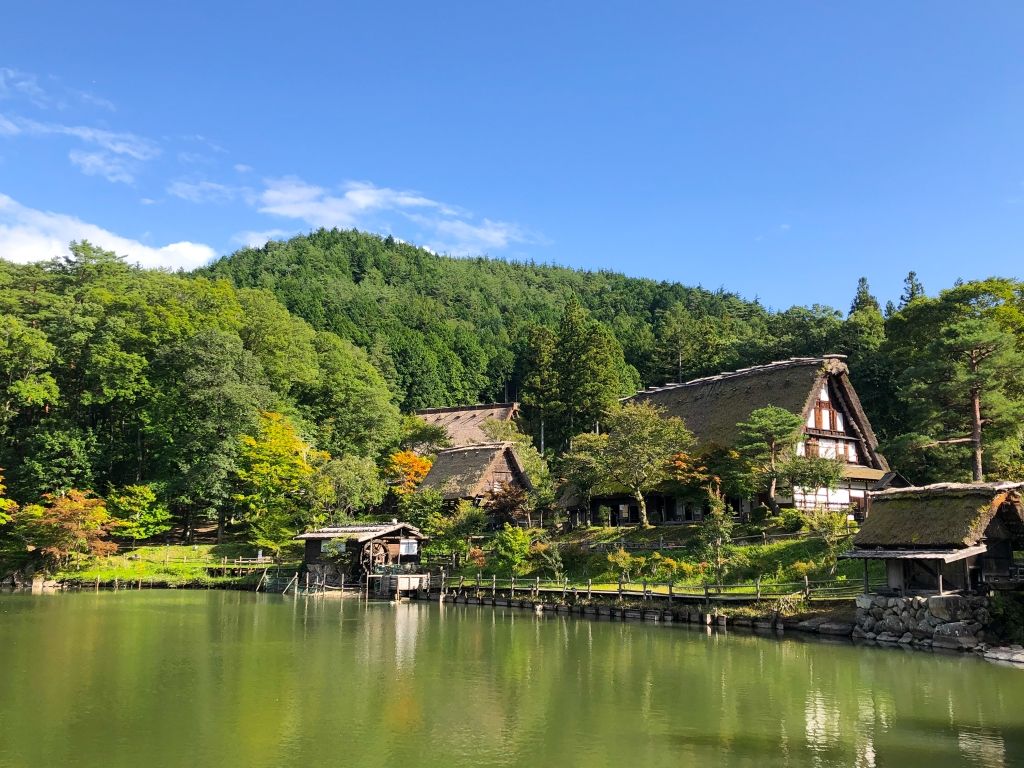
Discover the spiritual heart of Okinawa on this tour to Kudaka Island, known as the “Island of God” and the birthplace of the Ryukyuan people. Begin your sacred journey with a ferry ride from Azama Port, where your guide shares captivating stories of Amamikiyo and the island's deep spiritual ties. Walk along tranquil village paths to historic sites like Chimintomai and Tugyandī, where purification rituals take place. Visit the sacred courtyard of Udunmyaa and end your tour at Ishiki Beach, gazing toward the mythical Nirai Kanai. This journey unveils the unique practices of Ryukyuan Shintō and its reverence for nature, offering profound insights into the island’s cultural legacy.
- Ferry ride from Azama Port to Kudaka Island, a sacred site
- Guided exploration of historic and spiritual landmarks
- Walk through serene village paths and experience local traditions
- Visit Ishiki Beach, a place of deep spiritual significance
Available options
Okinawa: Sacred Island Tour to Kudaka’s Ryukyuan Holy Sites
What's included
A journey through the sacred sites of Kudaka Island
Ferry ride from Azama Port to Kudaka Island
Guided tour of Kudaka Island
Detailed itinerary
1
As you set sail across the turquoise waters from Azama Port to Kudaka Island, the journey itself becomes a meaningful transition. This short 30-minute ferry ride offers more than just transportation—it is the symbolic crossing from the everyday world to a sacred realm steeped in Ryukyuan mythology. The gentle sway of the boat and the horizon ahead set the tone for the spiritual experience to come. Your guide will use this time to introduce the significance of Kudaka Island in Ryukyuan belief, including its association with the mythical land of Nirai Kanai and its role in ancient state rituals. The sea route you travel mirrors the journeys once taken by Ryukyu kings and high priestesses as they approached the island for sacred observances.
2
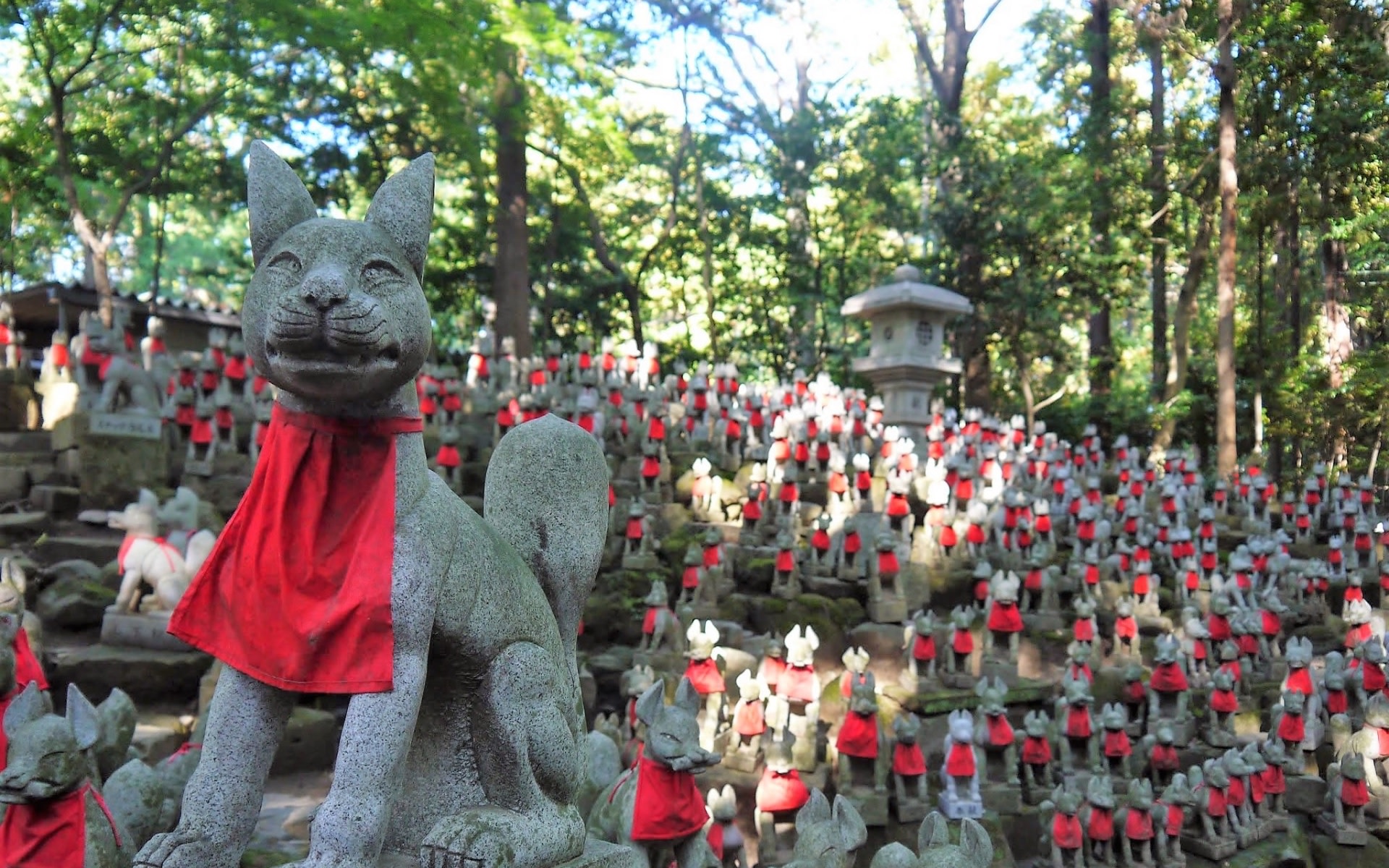
Kudaka Island is often called the “Island of the Gods,” and the moment you set foot on its serene shores, it becomes clear why. Unlike many other destinations, Kudaka is not simply a place of scenic beauty—it is an active spiritual landscape, revered for centuries in the Ryukyuan faith. The tour takes you through sacred groves, historic sanctuaries, and untouched beaches, each holding deep cultural and religious significance. Sites such as Udunmyā, where the initiation rites of local priestesses were once held, and Fukamaden, a solemn worship hall with ancient ties to royal rituals, offer insight into Okinawa's spiritual heritage. The highlight of the journey is Ishiki-hama, the island’s most sacred shoreline, where prayers are offered to Nirai Kanai—the mythical birthplace of life across the sea. Guided with deep respect, this exploration offers a rare connection to the spiritual lifeblood of the Ryukyu Islands.
3
As the tour concludes and the ferry departs from Kudaka Island back to Azama Port, the return journey provides a moment of quiet reflection. With the island slowly fading behind and the open sea ahead, many guests feel a sense of spiritual calm and renewal. Your guide may share final stories or answer lingering questions, helping you process the deeper meaning of what you’ve experienced. Though the island visit is brief, its presence tends to linger in memory—just as the ancient pilgrims of Ryukyu once carried home with them the blessings and teachings of Kudaka.
What's not included
Meals
Available languages
Guide guide
EN
Important information
Public transportation options are available nearby
Suitable for all physical fitness levels
Meeting point
Meeting Point: In front of the ticket booth and ferry terminal waiting area for the Kudaka Island Azama Ferry. Your guide will be waiting with a yellow sign. Please refer to the map for details.
About Nanjo
Nanjo is a picturesque town in southern Okinawa, known for its stunning beaches, lush landscapes, and rich cultural heritage. It's a perfect blend of natural beauty and traditional Okinawan charm, offering a more relaxed and authentic experience compared to the busier tourist spots.
Top Attractions
Okukuburijima Island
A small, uninhabited island known for its beautiful beaches, coral reefs, and clear waters. It's a great spot for snorkeling, swimming, and relaxing.
Nature
Half day to full day
Free (accessible by boat, which may have a fee)
Nanjo Castle Ruins
The ruins of a 16th-century castle that offer panoramic views of the surrounding area. The site is steeped in history and provides a glimpse into Okinawa's past.
Historical
1-2 hours
Free
Ocean Expo Park
A large park with a variety of attractions, including the Okinawa Churaumi Aquarium, dolphin lagoons, and beautiful gardens. It's a great place for families and nature lovers.
Nature/Adventure
Full day
¥2,000-¥4,000 ($15-$30) depending on attractions
Must-Try Local Dishes
Goya Champuru
A stir-fry dish made with bitter melon, tofu, eggs, and sometimes meat or seafood. It's a staple of Okinawan cuisine.
Lunch/Dinner
Can be vegetarian or vegan if prepared without meat or seafood.
Rafute
Slow-cooked pork belly, simmered in a sweet soy-based sauce. It's a popular Okinawan dish with a rich, tender texture.
Lunch/Dinner
Contains pork.
Sata Andagi
Deep-fried dough balls, similar to donuts, often flavored with brown sugar. They are a popular sweet treat in Okinawa.
Snack/Dessert
Contains gluten and sugar.
Popular Activities
Snorkeling and diving at Okukuburijima Island and Zamami Village
Hiking at Cape Manzamo and other scenic spots
Beachcombing and sunbathing at local beaches
Visiting onsen (hot springs) and spas
Exploring Nanjo Castle Ruins and other historical sites
Attending traditional performances and workshops at Okinawa World
Snorkeling and diving
Kayaking and paddleboarding
Best Time to Visit
November to April
This is the best time to visit Nanjo, with pleasant weather and minimal rainfall. It's ideal for outdoor activities and beach visits.
18-25°C
64-77°F
Practical Information
Language
- Official: Japanese
- Widely spoken: English (limited)
- English: Limited
Currency
Japanese Yen (JPY)
Time Zone
JST (UTC+9)
Electricity
100VV, 50/60HzHz
Safety Information
Overall Safety Rating: Generally safe
Nanjo is generally safe, with low crime rates and a welcoming atmosphere. However, travelers should still exercise caution and be aware of their surroundings.
Important Precautions:
- • Be cautious when walking alone at night, especially in poorly lit or deserted areas.
- • Keep valuables secure and be aware of your surroundings, especially in crowded areas.
- • Be cautious when using ATMs, especially at night. Use ATMs located inside banks or well-lit, secure areas.
Getting there
By air
- Naha Airport • 40 km (25 miles)
By bus
Naha Bus Terminal, Nanjo Bus Stop
Getting around
Public transport
Buses are the main form of public transport in Nanjo. They are affordable and reliable but may not run frequently to all areas.
Taxis
Available • Apps: JapanTaxi, DiDi
Rentals
Car, Bike, Scooter
Neighborhoods
Nanjo Town Center
Cape Manzamo
Day trips
Okinawa World
15 km (9 miles) • Full day
A cultural park featuring the Gyokusendo Cave, a traditional Okinawan village, and a variety of shops and restaurants. It offers a glimpse into Okinawa's history and culture.
Zamami Village
20 km (12 miles) by ferry • Full day to overnight
A small, picturesque island known for its beautiful beaches, crystal-clear waters, and rich marine life. It's a great spot for snorkeling, diving, and relaxing.
Festivals
Naha Great Tug-of-War Festival • Mid-October
Okinawa International Movie Festival • Late October to early November
Pro tips
- Visit the Nanjo Castle Ruins in the late afternoon for the best views and cooler temperatures.
- Bring a reusable water bottle and shopping bag to reduce waste and support sustainable travel.
- Purchase an IC card (like Suica or Manaca) for convenient and discounted fares on public transportation.
- Try traditional Okinawan dishes like goya champuru (bitter melon stir-fry) and rafute (slow-cooked pork belly).
- Explore the local markets and interact with locals for a unique and authentic experience.
From $25
per person
Price varies by option
Secure booking
Free cancellation available
Instant confirmation


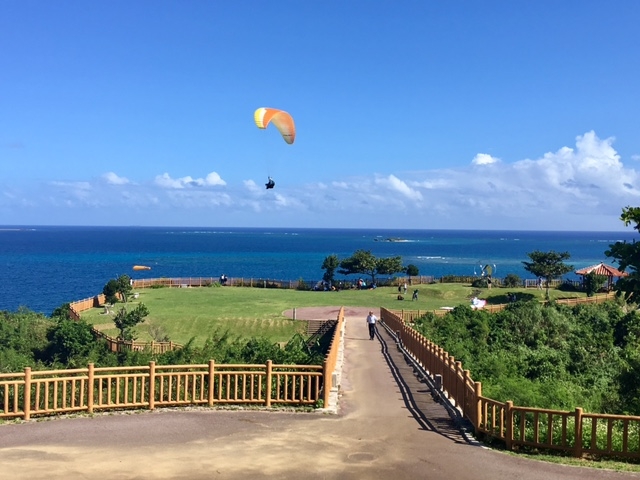

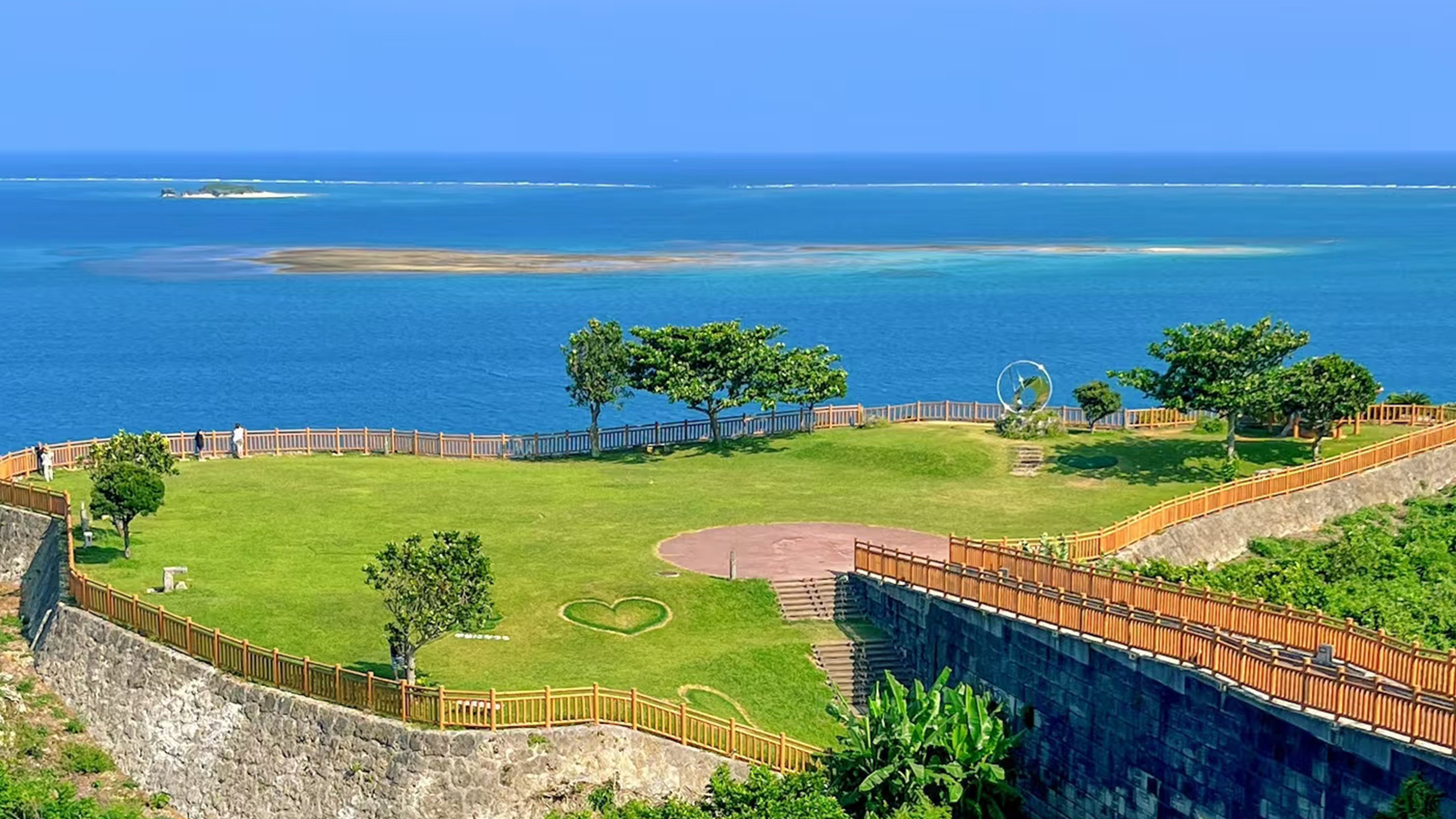
![[Okinawa South Day Tour] Gyokusendo Cave & Ryukyu Kingdom Village - Senaga Island - Sea Grape Picking - Itoman Fish Market - Cape Chinen - All-You-Can-Eat Yakiniku | Departure from Naha](https://res.klook.com/image/upload/activities/l2jlptnxp777guvdjsm5.jpg)
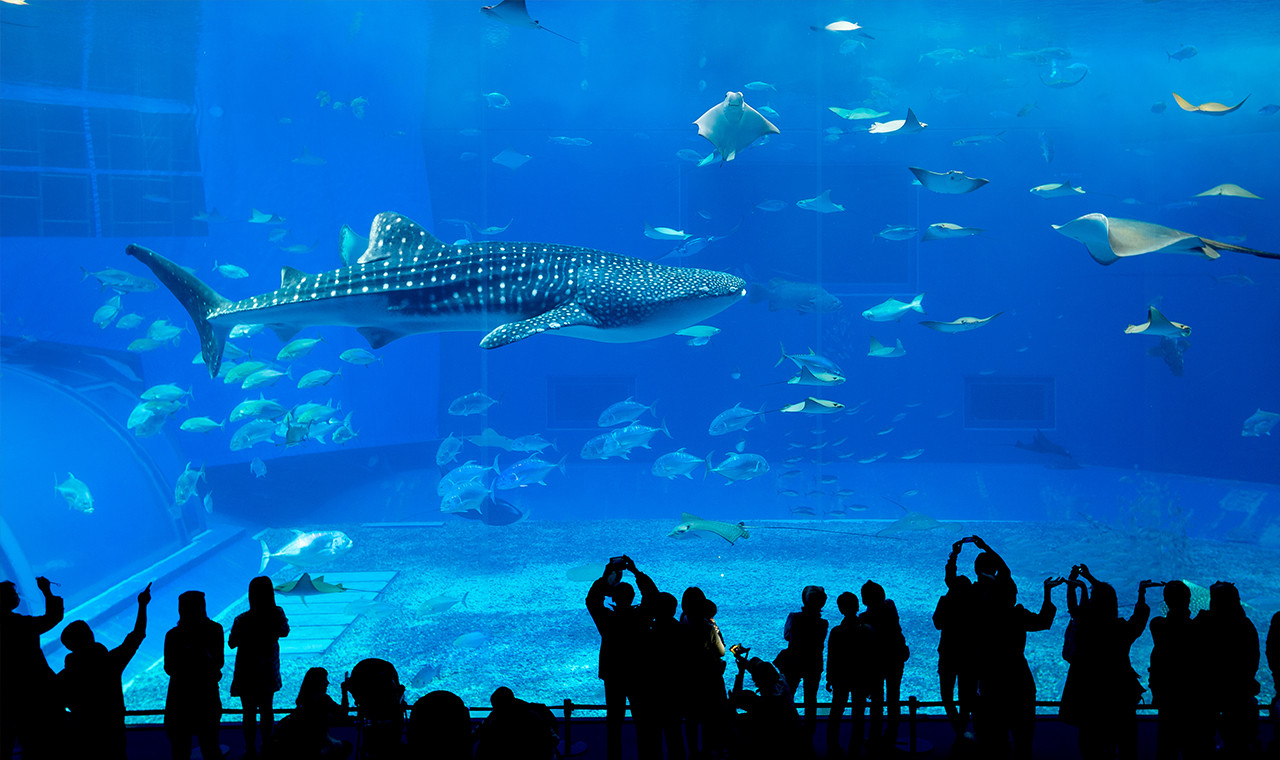
![[Northern Okinawa Day Trip] Okinawa Churaumi Aquarium, Manza Cape, Kouri Island, Bise Fukugi Tree Road|Departure from Naha](https://res.klook.com/image/upload/activities/xvb5gwuhci11twrjkmoi.jpg)