Okinawa: Zakimi Castle and Yuntanza Museum Heritage Tour
Active
2h
For a full refund, cancel at least 24 hours before the scheduled departure time.
Instant confirmation
Mobile or paper ticket accepted
About this experience
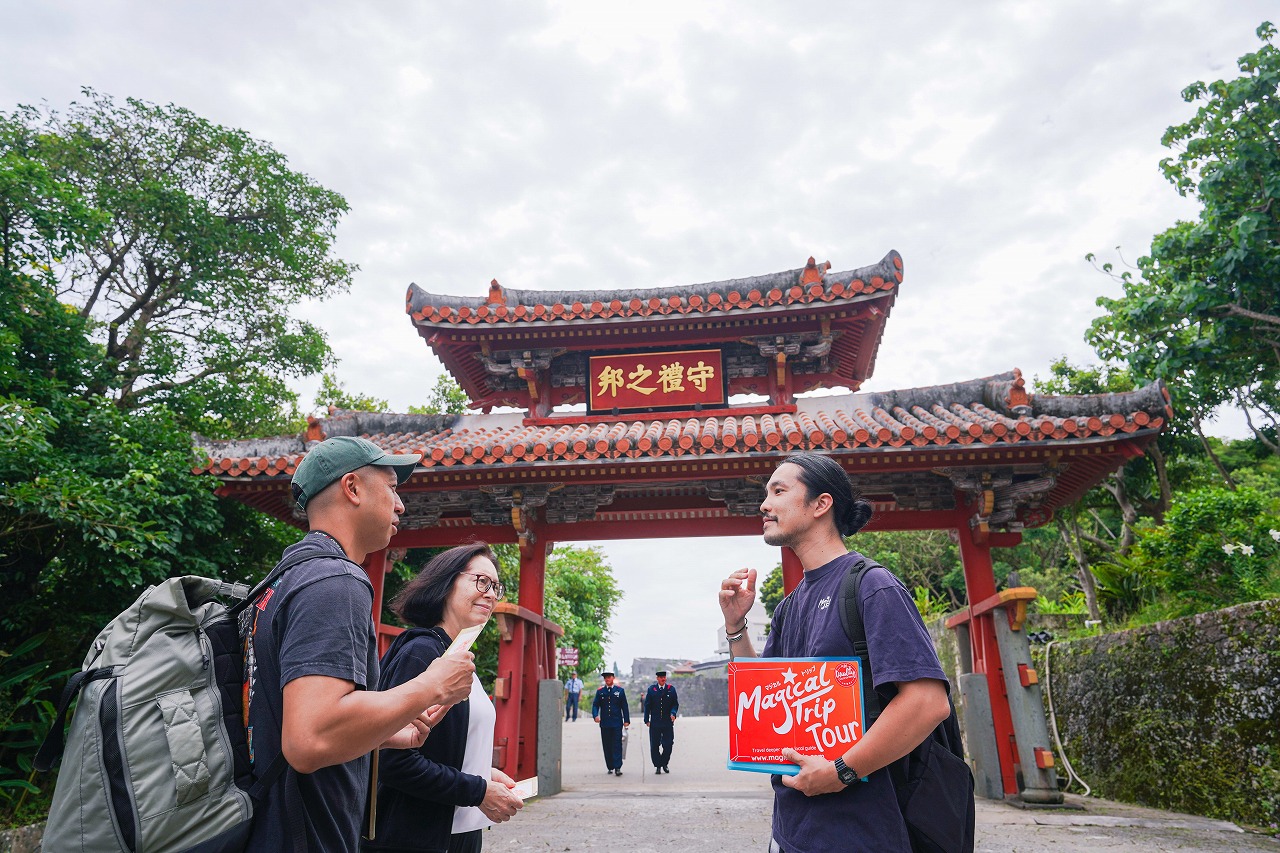
Discover the rich tapestry of Okinawa’s history on this 1.5-hour tour of Zakimi Castle and the Yuntanza Museum. From the sacred age of gusuku to the scars of World War II, explore Yomitan Village’s journey through time. Begin at the Yuntanza Museum, where insightful exhibits illuminate the region's architectural marvels and wartime resilience. Ascend to Zakimi Castle, a well-preserved fortress from the 15th century, and learn about its dual role as a cultural and military site. Enjoy breathtaking views from the castle's outer walls, connecting with Okinawa's layered past as you walk the stone paths of history.
- 1.5-hour guided tour of Zakimi Castle and Yuntanza Museum
- Explore the architectural beauty and spiritual significance of Zakimi
- Learn about Okinawa’s wartime history and resilience against air raids
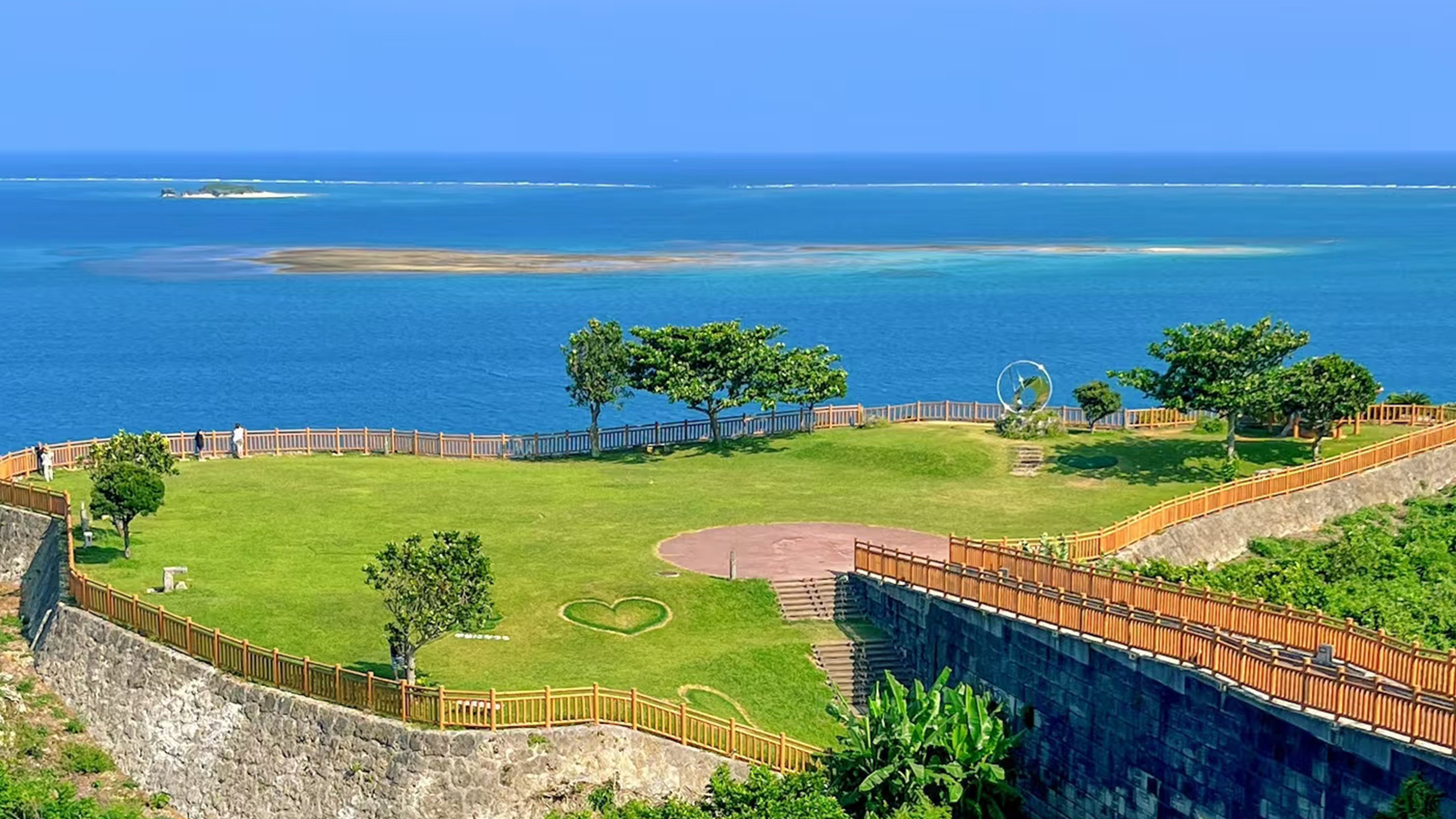
- Enjoy panoramic views of Yomitan and the East China Sea from the castle
Available options
Okinawa: Zakimi Castle and Yuntanza Museum Heritage Tour
What's included
Visit to Zakimi Castle
Panoramic views of Yomitan and the East China Sea
Guided tour of Yuntanza Museum
Detailed itinerary
1
The Yuntanza Museum is the ideal starting point for anyone wishing to explore the deep layers of Yomitan’s cultural and historical identity. This modern facility offers a compelling overview of the Ryukyuan past, with exhibits covering everything from local folklore and traditional crafts to the profound scars left by the Battle of Okinawa. One of its highlights is the detailed interpretation of Zakimi Castle’s architectural and spiritual significance. Visitors gain essential context on Ryukyuan castle-building traditions and the lives of the people who lived in and around these sacred fortresses. The museum also presents moving accounts of Yomitan’s experience during World War II, including civilian suffering, the repurposing of historical sites for military use, and the area's transformation during and after U.S. occupation. A visit here offers a rare opportunity to understand how a single village embodies centuries of Okinawan resilience.
2
Perched atop a hill overlooking Yomitan Village, Zakimi Castle is a stunning example of 15th-century Ryukyuan gusuku architecture, known for its sweeping stone walls and peaceful atmosphere. Built by renowned general Gosamaru, the castle originally served both defensive and spiritual purposes, featuring elegant archways, stone foundations of former halls, and sacred sites for religious rites. What sets Zakimi apart is its graceful curves, achieved through interlocking keystones and dry masonry techniques—a feat of engineering without modern tools. During World War II, the site was transformed into a Japanese anti-aircraft artillery post, and later became part of a U.S. military communications base. Yet, despite these upheavals, the essence of the castle as a symbol of Ryukyuan dignity and craftsmanship has endured. Standing atop its ramparts today offers more than just a scenic view—it’s a moment to reflect on Okinawa’s centuries-old balance of defense, devotion, and survival.
What's not included
Lunch
Available languages
Guide guide
EN
Important information
Service animals allowed
Public transportation options are available nearby
Suitable for all physical fitness levels
Meeting point
Meeting Point: In front of the entrance to the Yuntanza Museum.
Your guide will be waiting with a yellow sign. Please refer to the map for details.
About Yomitan
Yomitan, located in central Okinawa, is renowned for its traditional pottery and beautiful beaches. This charming village offers a blend of rich cultural heritage and stunning natural scenery, making it a unique destination for travelers seeking both relaxation and cultural immersion.
Top Attractions
Yachimun no Sato
This open-air museum and pottery village showcases traditional Okinawan pottery, known as Yachimun. Visitors can see artisans at work and purchase unique handmade items.
Cultural
1-2 hours
Free to explore, workshops and purchases vary
Hijichi Beach
A beautiful and less crowded beach with clear waters and a relaxed atmosphere. It's perfect for swimming, snorkeling, and sunbathing.
Beach
Half-day
Free
Sunabe Seawall
A scenic spot with a concrete seawall that offers beautiful ocean views, especially at sunset. It's a popular spot for photography and relaxing.
Nature
1-2 hours
Free
Okinawa World Cultural Park
A cultural theme park that offers a glimpse into Okinawan history and traditions. Visitors can explore cave tours, traditional performances, and local crafts.
Cultural
Half-day
¥1,500-¥2,000
Must-Try Local Dishes
Goya Champuru
A stir-fry dish made with bitter melon, tofu, eggs, and sometimes meat or seafood.
Main Dish
Can be vegetarian if made without meat
Okinawa Soba
A noodle dish with a rich, savory broth made from pork bones, topped with sliced pork and pickled ginger.
Main Dish
Contains pork, not suitable for vegetarians
Rafute
Slow-cooked pork belly, tender and flavorful, often served with rice and vegetables.
Main Dish
Contains pork, not suitable for vegetarians
Awamori
A traditional Okinawan distilled liquor made from Thai rice, known for its strong flavor and high alcohol content.
Drink
Alcoholic beverage
Popular Activities
Snorkeling
Hiking
Kayaking
Beach lounging
Sunset viewing
Spas and wellness
Pottery workshops
Traditional performances
Best Time to Visit
November to April
This is the most pleasant time to visit Yomitan, with comfortable temperatures and low humidity. It's ideal for outdoor activities and sightseeing.
15-25°C
59-77°F
Practical Information
Language
- Official: Japanese
- Widely spoken: English (limited)
- English: Limited
Currency
Japanese Yen (JPY)
Time Zone
GMT+9
Electricity
100VV, 50/60HzHz
Safety Information
Overall Safety Rating: Very safe
Yomitan is a safe destination with low crime rates. However, travelers should always take basic precautions to ensure a safe and enjoyable trip.
Important Precautions:
- • Keep valuables secure
- • Be cautious of your surroundings, especially at night
- • Use common sense and trust your instincts
Getting there
By air
- Naha Airport • 20 km
By bus
Naha Bus Terminal, Yomitan Bus Terminal
Getting around
Public transport
Buses are the primary mode of public transportation. They are reliable and affordable.
Taxis
Available • Apps: None widely used
Rentals
Car, Bike, Scooter
Neighborhoods
Central Yomitan
Coastal Yomitan
Day trips
Naha
20 km • Half-day to full day
Naha is the capital of Okinawa and offers a mix of historical sites, shopping, and dining. Visitors can explore Shuri Castle, Kokusai Street, and Makishi Public Market.
Okinawa Churaumi Aquarium
15 km • Half-day
One of the largest aquariums in the world, featuring a massive whale shark tank and a variety of marine life. It's a must-visit for nature and animal lovers.
Festivals
Yomitan Pottery Festival • Annual, typically in November
Pro tips
- Visit Yachimun no Sato early in the morning to avoid crowds and enjoy a peaceful experience
- Try making your own pottery at a traditional workshop for a unique and memorable experience
- Explore the local markets for fresh produce, seafood, and traditional Okinawan products
- Take a day trip to Naha to experience the capital's historical sites, shopping, and dining
- Visit the beaches in the morning for a more relaxing and less crowded experience
From $25
per person
Price varies by option
Secure booking
Free cancellation available
Instant confirmation