Ise: Full-Day Guided Tour of Shrines and Oharaimachi
Active
5h
For a full refund, cancel at least 24 hours before the scheduled departure time.
Instant confirmation
Mobile or paper ticket accepted
About this experience
This tour offers a rare opportunity to explore Ise—the spiritual heart of Japan—by visiting its most revered shrines in the traditional pilgrimage order, starting with the coastal Futami Okitama Shrine, followed by Toyouke Daijingu (Outer Shrine), Sarutahiko Shrine, and culminating at the Inner Shrine (Kōtai Jingu), the most sacred site in Shinto. Along the way, you'll discover myths, rituals, and centuries of tradition with a knowledgeable local guide who brings each site to life. You’ll walk the same sacred paths as ancient pilgrims, experience the power and tranquility of forested sanctuaries, and enjoy a peaceful break in the Edo-style Oharaimachi district, where traditional sweets and charming shops await. With deep cultural storytelling, spiritual insight, and a route rarely covered in one day, this tour connects you directly to Japan’s living heritage in a way that’s both personal and unforgettable.
Available options
Ise: Full-Day Guided Tour of Shrines and Oharaimachi
What's included
Visit to Sarutahiko Shrine
Visit to Inner Shrine of Ise Jingu
guide
Transportation during the tour (bus and train)
Guided tour of Ise shrines
Visit to Oharaimachi
Visit to Futami Okitama Shrine
Detailed itinerary
1
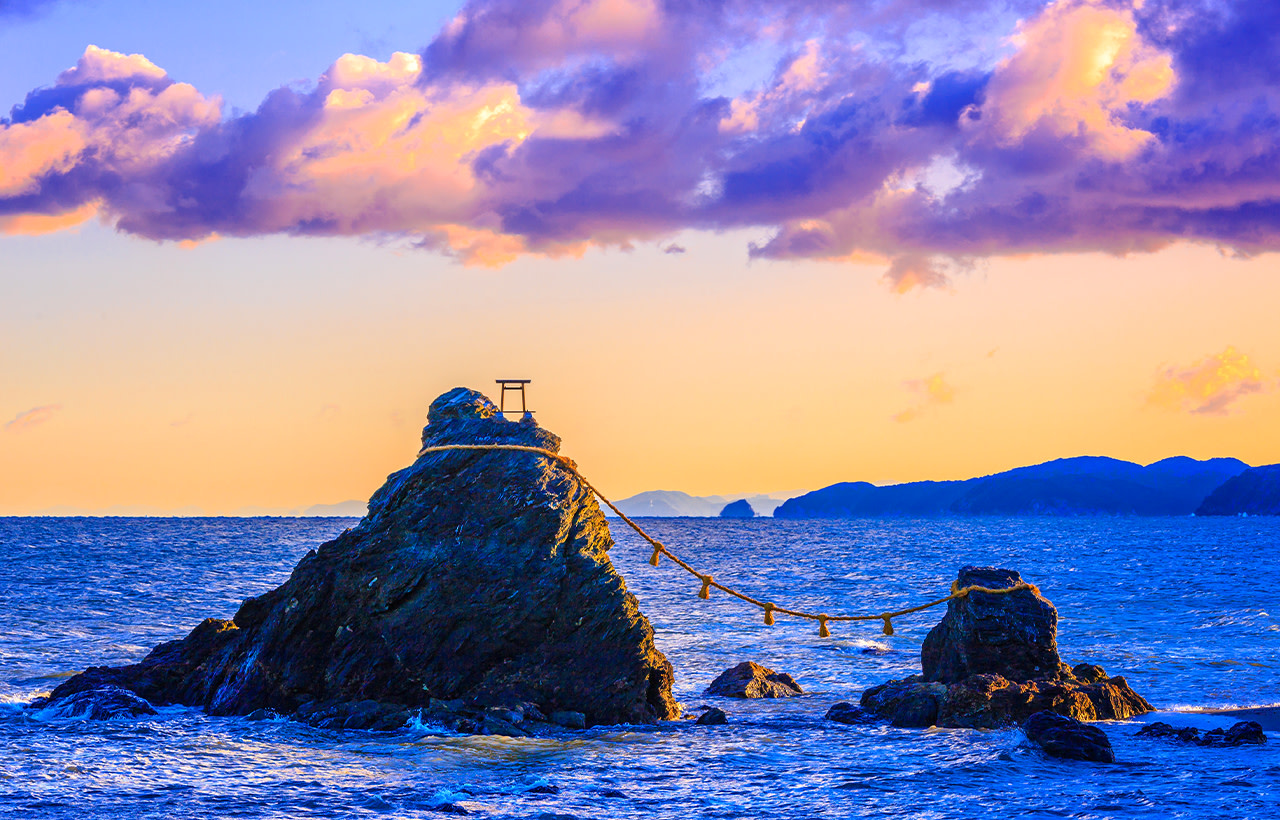
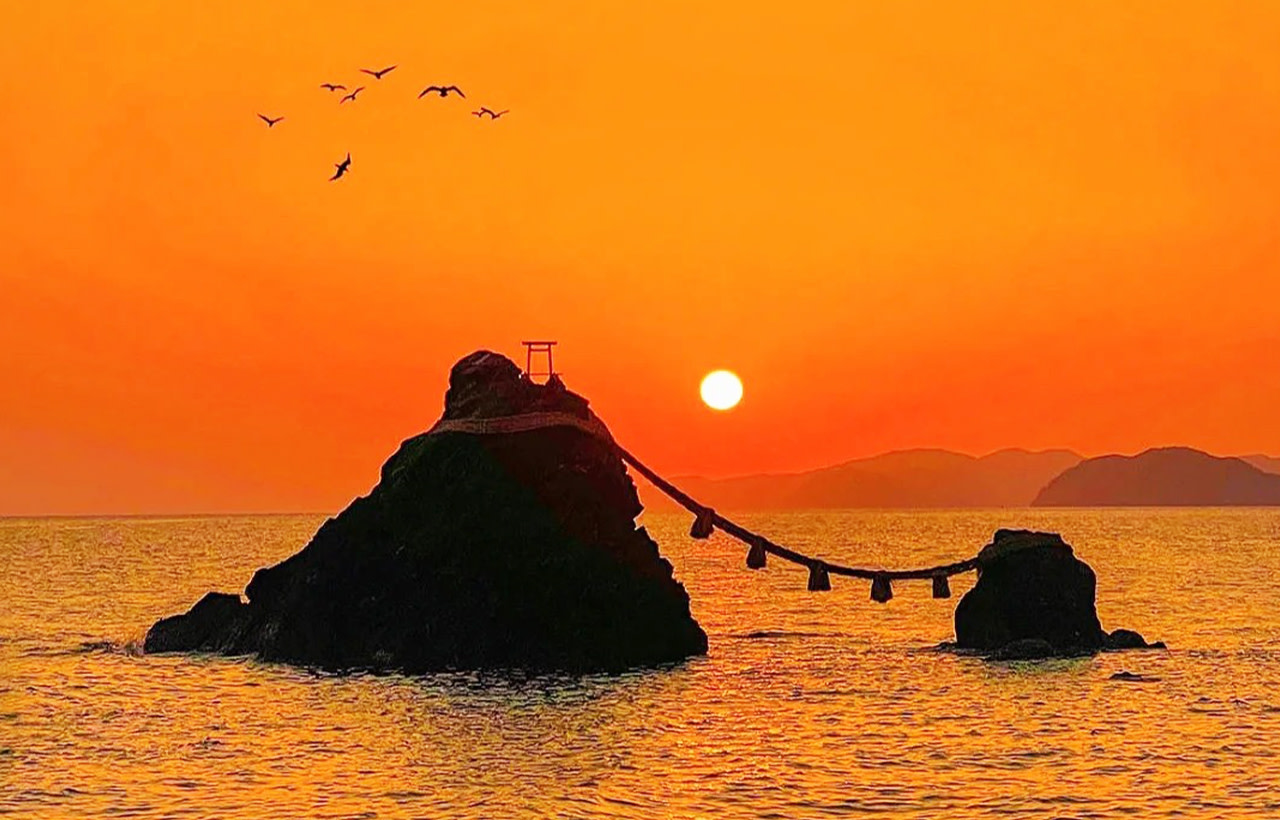
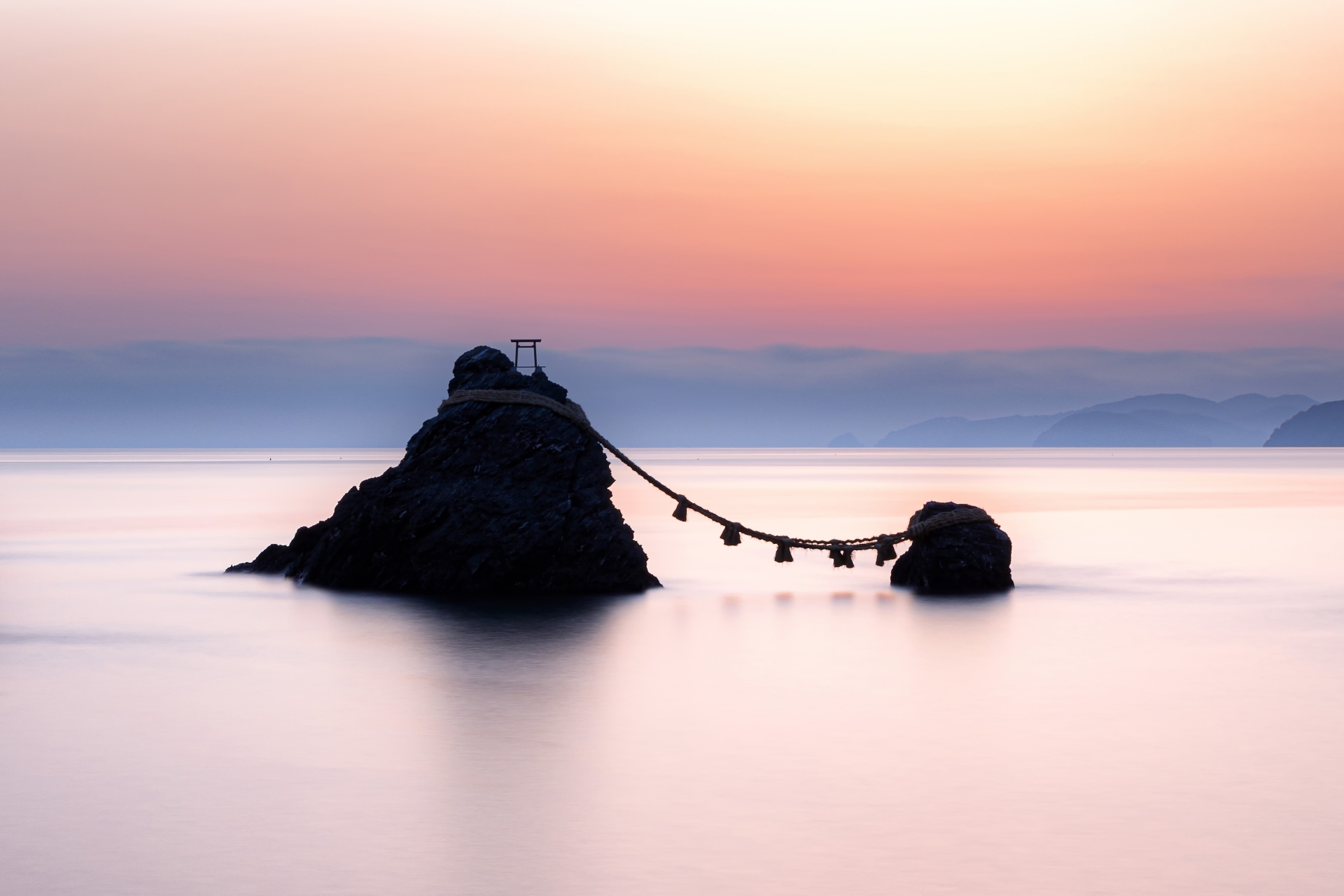
Located along the scenic coast of Futami, this shrine was historically the place where pilgrims purified themselves with seawater before approaching Ise Jingu. The site is most famous for its “Meoto Iwa,” or Wedded Rocks—two sacred stones in the sea bound together by a heavy shimenawa rope, symbolizing the union of male and female deities. With waves gently lapping at their base and the sun rising over the water, the scene evokes a deep sense of spiritual reverence and timeless serenity.
2
The Outer Shrine of Ise Jingu, known as Toyouke Daijingu, is dedicated to the deity of food, clothing, and shelter—Toyouke Ōmikami. Enclosed within a forest of towering cryptomeria and cypress, the shrine grounds offer a quiet dignity and deep spiritual calm. The shrine’s architecture, built entirely from hinoki wood without nails, reflects ancient Shinto aesthetics and the principle of tokowaka, or eternal renewal, which is ritually enacted every 20 years through complete reconstruction during the shikinen sengū.
3
This shrine honors Sarutahiko Ōkami, the god of guidance who, according to myth, helped lead heavenly deities to the earthly realm. It is especially revered by those seeking clarity or direction in life. Surrounded by sacred trees and quiet paths, the shrine invites thoughtful reflection. Visitors often pause at its symbolic compass stone and ancient altar space to offer prayers for safe journeys and wise decisions, making it a deeply personal and contemplative stop on the pilgrimage route.
4
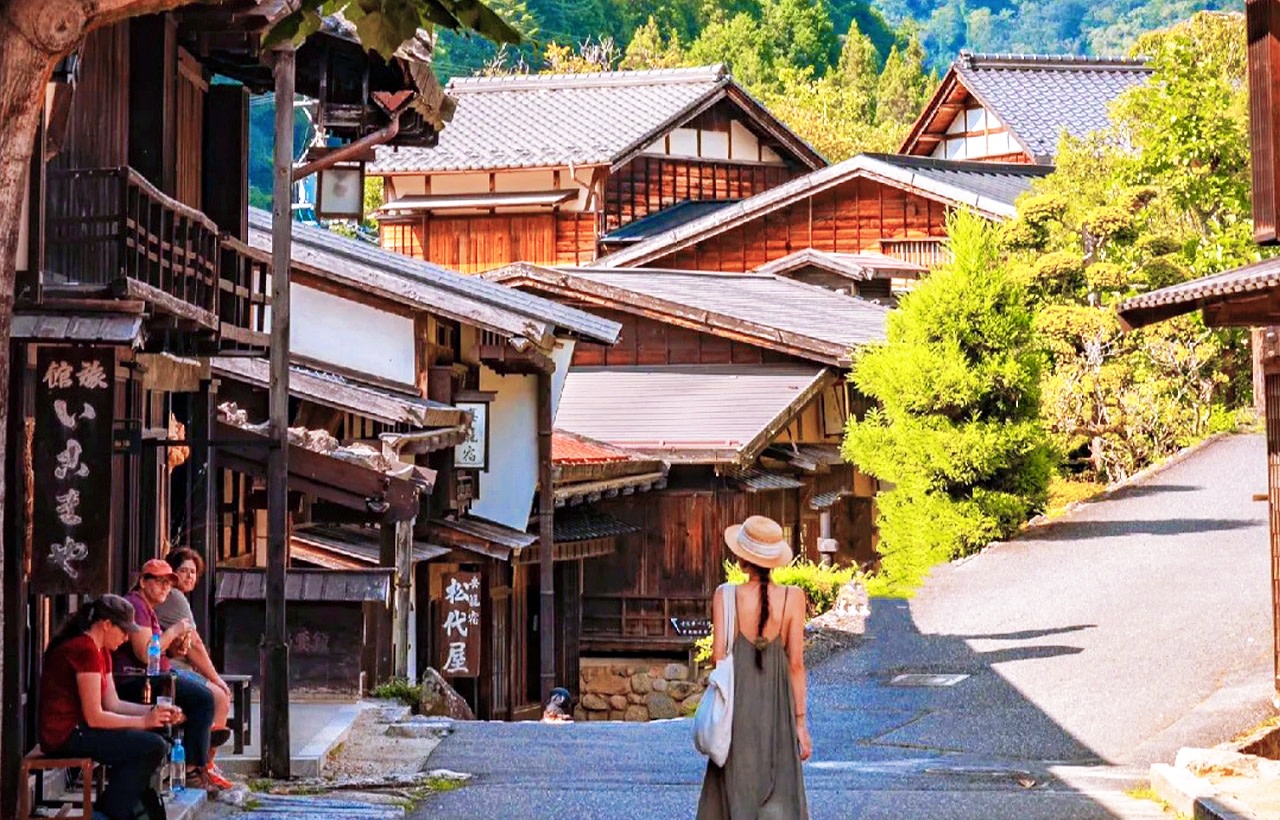
Oharaimachi is a beautifully preserved Edo-period street located just outside the Inner Shrine. Once a bustling post-pilgrimage town, today it welcomes visitors with its wooden merchant houses, traditional architecture, and warm hospitality. Along its cobblestone streets, you’ll find local shops selling souvenirs, crafts, and regional treats. A highlight is sampling Akafuku mochi—a soft rice cake topped with sweet red bean paste—which connects past and present in a single bite, offering nourishment and nostalgia in one.
5
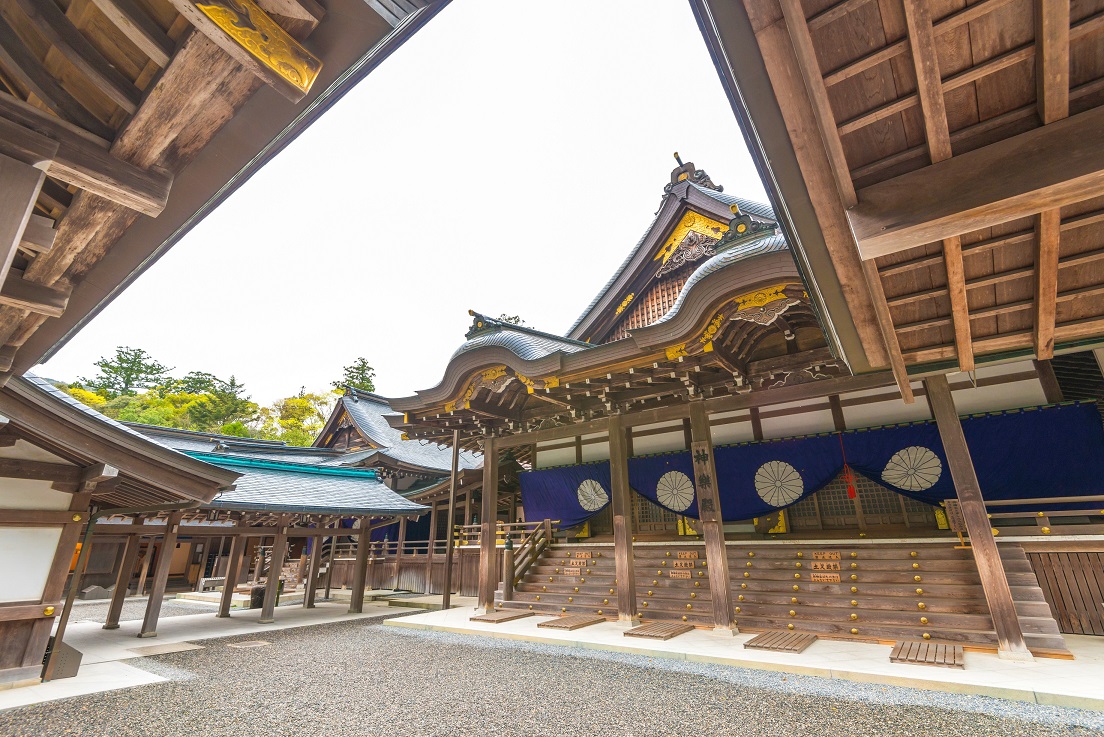
The Inner Shrine, or Kōtai Jingu, is the most sacred site in all of Shinto, enshrining Amaterasu Ōmikami, the sun goddess and ancestral deity of the Imperial family. As you cross the Uji Bridge into the forested sanctuary, you enter a world of profound stillness. The buildings, constructed from hinoki wood in the ancient yuitsu shinmei zukuri style, are rebuilt every 20 years, symbolizing spiritual and physical renewal. The gravel paths, towering trees, and sacred architecture create an atmosphere that transcends time, inviting visitors to connect deeply with the divine spirit of Japan.
What's not included
Transportation to the meeting point
Available languages
Guide guide
EN
Important information
Public transportation options are available nearby
Suitable for all physical fitness levels
Meeting point
Meeting point: In front of the ticket gate at Futaminoura Station.
Your guide will be waiting for you holding a yellow sign.
Please refer to the map for more details.
About Mie Prefecture
Mie Prefecture, located in the Chūbu region of Japan, is renowned for its natural beauty, rich history, and cultural heritage. From the sacred Ise Jingu shrines to the picturesque Ise-Shima National Park, Mie offers a blend of spiritual sites, scenic landscapes, and unique local traditions.
Top Attractions
Ise Jingu
Ise Jingu is Japan's most sacred Shinto shrine, dedicated to the sun goddess Amaterasu. The shrine complex consists of over 100 shrines, with the main Naikū and Gekū shrines being the most significant.
Religious
2-3 hours
Free (donations welcome)
Ise-Shima National Park
This national park offers stunning coastal landscapes, lush forests, and scenic hiking trails. It is a paradise for nature lovers and outdoor enthusiasts.
Nature
Half to full day
Free (some attractions may have fees)
Nabana no Sato
Nabana no Sato is a stunning seasonal flower park located on the shores of Ise Bay. It is famous for its illuminated night displays and vast fields of tulips, kochia, and other flowers.
Nature
2-3 hours
¥1,500 to ¥2,000
Matsusaka Castle
Matsusaka Castle is a reconstructed castle that offers a glimpse into Japan's feudal past. The castle grounds are surrounded by a moat and feature a museum and gardens.
Historical
1-2 hours
¥300 to ¥500
Suigetsu no Ie
Suigetsu no Ie is a traditional thatched-roof house that offers a glimpse into the lives of rural farmers in the Edo period. The house is surrounded by a beautiful garden and a pond.
Cultural
1-2 hours
¥500 to ¥1,000
Must-Try Local Dishes
Matsusaka Beef
Matsusaka beef is a premium type of Wagyu beef known for its tenderness, marbling, and rich flavor. It is often served as sashimi, grilled, or in hot pot dishes.
Dinner
Contains beef
Ise Udon
Ise udon is a type of thick, chewy udon noodle that is often served in a hot broth or as a cold noodle dish. It is a local specialty of the Ise region.
Lunch/Dinner
Vegetarian-friendly (check for dashi broth)
Akame Shio Ramen
Akame Shio Ramen is a salt-based ramen dish that originated in the Akame region of Mie. It is known for its rich, savory broth and chewy noodles.
Lunch/Dinner
Contains pork and seafood
Hitaki Ika
Hitaki Ika is a grilled squid dish that is a local specialty of the Toba region. The squid is grilled over charcoal and served with a tangy dipping sauce.
Snack/Dinner
Contains squid
Popular Activities
Hiking in Ise-Shima National Park
Scuba diving in Ago Bay
Visiting Ise Jingu for a spiritual experience
Enjoying a traditional onsen (hot spring)
Exploring Okage Yokocho in Ise
Learning about pearl farming in Toba
Boat tours in Ago Bay
Swimming and water sports in Ise Bay
Best Time to Visit
Spring (March to May) and Autumn (September to November)
Spring brings cherry blossoms and pleasant weather, while autumn offers vibrant fall foliage and comfortable temperatures. These are the best times to visit for outdoor activities and sightseeing.
15°C to 25°C
59°F to 77°F
Practical Information
Language
- Official: Japanese
- Widely spoken: English (limited)
- English: Limited
Currency
Japanese Yen (JPY)
Time Zone
GMT+9
Electricity
100VV, 50/60HzHz
Safety Information
Overall Safety Rating: Very safe
Mie Prefecture is generally very safe, with low crime rates and a welcoming atmosphere for visitors. However, as with any destination, it is important to take basic precautions to ensure a safe and enjoyable trip.
Important Precautions:
- • Keep valuables secure and out of sight
- • Be cautious when using ATMs, especially at night
- • Avoid unlicensed taxis and tour guides
Getting there
By air
- Chūbu Centrair International Airport • 50 km from Nagoya, 100 km from Mie
- Matsusaka Airport • 10 km from Matsusaka
By train
Kintetsu-Nagoya Station, Matsusaka Station
By bus
Nagoya Station, Osaka Station, Kyoto Station
Getting around
Public transport
Trains are the most convenient way to get around Mie, connecting major cities and attractions.
Taxis
Available • Apps: JapanTaxi, DiDi
Rentals
Car, Bike, Scooter
Neighborhoods
Ise
Toba
Matsusaka
Kuwana
Day trips
Nabana no Sato
30 km from Nagoya • Half to full day
Nabana no Sato is a stunning seasonal flower park located on the shores of Ise Bay. It is famous for its illuminated night displays and vast fields of tulips, kochia, and other flowers.
Ise Jingu
100 km from Nagoya • Full day
Ise Jingu is Japan's most sacred Shinto shrine, dedicated to the sun goddess Amaterasu. The shrine complex consists of over 100 shrines, with the main Naikū and Gekū shrines being the most significant.
Ise-Shima National Park
120 km from Nagoya • Full day
This national park offers stunning coastal landscapes, lush forests, and scenic hiking trails. It is a paradise for nature lovers and outdoor enthusiasts.
Festivals
Ise Grand Shrine Shikinen Sengu • Every 20 years (next in 2033)
Toba Fireworks Festival • Early August
Matsusaka Tanabata Festival • Early July
Pro tips
- Visit Ise Jingu during the Shikinen Sengu ceremony, which occurs every 20 years, for a unique and memorable experience.
- Try Matsusaka beef, a local specialty, at a traditional restaurant or izakaya (pub).
- Explore the scenic beauty of Ise-Shima National Park by hiking, cycling, or taking a scenic boat tour.
- Experience the illuminated night displays at Nabana no Sato flower park during the winter season.
- Learn about the history and production of pearls at the Toba Pearl Museum, and create your own pearl jewelry.
From $25
per person
Price varies by option
Secure booking
Free cancellation available
Instant confirmation


![[Ishigaki Island/Half-Day] Natural Monument Mangrove Forest: Choose SUP/Canoe (Okinawa)](https://res.klook.com/image/upload/activities/oanjxtg1aqmgdxzrtiif.jpg)