Ise: Guided Geku and Naiku in the Sacred Pilgrimage Order
Active
3h
For a full refund, cancel at least 24 hours before the scheduled departure time.
Instant confirmation
Mobile or paper ticket accepted
About this experience
This immersive Ise tour is the only guided experience that follows the traditional pilgrimage order—starting at the Outer Shrine (Gekū), dedicated to the deity of daily life, and continuing to the Inner Shrine (Naikū), Japan’s most sacred Shinto site devoted to the sun goddess Amaterasu. Led by a knowledgeable local guide, you'll gain insight into the spiritual meaning, myths, and architectural beauty of Ise Jingu, a place of national reverence for over 2,000 years. After visiting both shrines, guests enjoy a cultural stroll through Oharaimachi, a preserved Edo-period street where pilgrims once relaxed and today’s travelers can sample traditional sweets like Akafuku mochi. For added comfort, an optional upgrade includes a scenic ride on a limited express train from Nagoya, letting you begin your journey in ease. Whether you're seeking spiritual depth, cultural discovery, or a peaceful escape into Japan's timeless traditions, this tour offers an unforgettable and authentic experience.
Available options
Ise Station Meeting Plan (373)
Starting point:<br/>Iseshieki Information Centre, Japan, 516-0073 Mie, Ise, Fukiage, 1-chōme14 JR伊勢市駅構内
From Nagoya (G-374)
From Nagoya: Ise: Sacred Shrine and Heritage Town Tour with Express Train from Nagoya<br/>Starting point:<br/>Nana-chan Doll, 1-chōme-2-5 Meieki, Nakamura Ward, Nagoya, Aichi 450-0002, Japan
What's included
Expert local guide
Visit to Oharaimachi
option: Reserved-seat limited express train tickets from Nagoya to Ise
Guided tour of Ise Jingu's Outer and Inner Shrines
Detailed itinerary
1
Nestled in a tranquil grove of towering cryptomeria trees, Toyouke Daijingu—also known as the Outer Shrine or Gekū—is dedicated to Toyouke-Ōmikami, the deity of food, clothing, and shelter. As the divine provider to Amaterasu Ōmikami, the sun goddess enshrined in the Inner Shrine, Toyouke’s presence embodies the sacred harmony between sustenance and spirit. The shrine grounds exude quiet dignity, where each path and structure reflects the Shinto philosophy of coexistence with nature. Like its counterpart, Gekū undergoes the shikinen sengū ritual—being rebuilt every 20 years to preserve spiritual and architectural purity—manifesting the ideal of tokowaka, or eternal renewal. Visiting Gekū first honors the traditional pilgrimage order, allowing guests to engage with the full spiritual rhythm of Ise Jingu.
2
Kōtai Jingu, or the Inner Shrine (Naikū), is the spiritual heart of Ise Jingu and the most sacred site in all of Shinto. Enshrining Amaterasu Ōmikami, the ancestral deity of the Imperial family and the sun goddess who illuminates the world, Naikū has been a center of worship for over 2,000 years. Visitors cross the iconic Uji Bridge and enter a silent realm of ancient forest, where structures made from hinoki cypress—built without nails—stand in serene harmony with nature. Every step along the gravel paths carries the weight of centuries, connecting today’s guests with generations of pilgrims past. The sacred atmosphere invites reflection and awe, making this a deeply moving experience and the culmination of the traditional pilgrimage sequence.
3
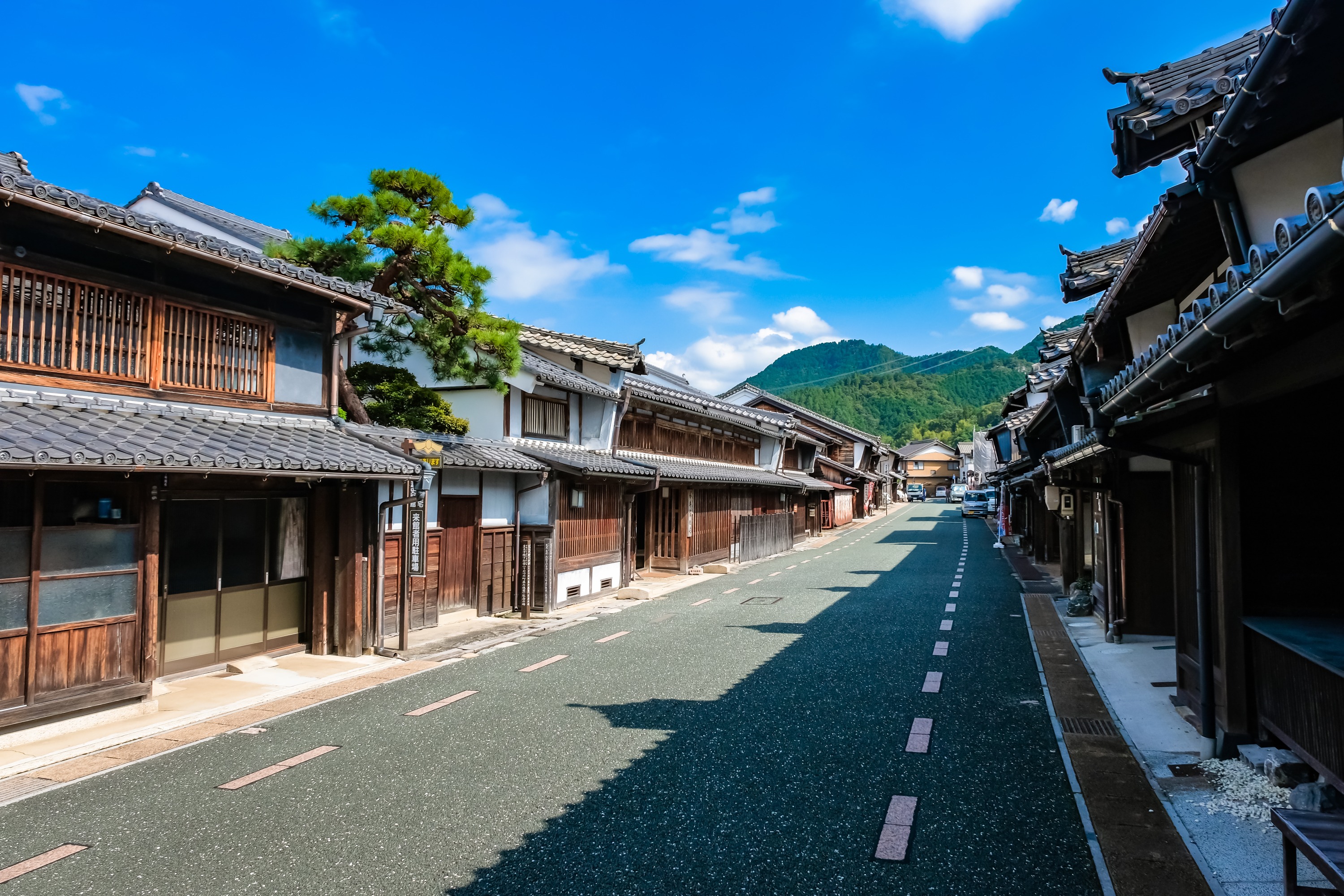
After visiting the sacred shrines, guests are guided into Oharaimachi, a beautifully preserved historical street that once served as a bustling rest stop for pilgrims to Ise Jingu. With its Edo-period wooden storefronts, tiled eaves, and cobbled alleys, Oharaimachi transports visitors back in time while offering an inviting space to unwind. Today, the area is alive with local shops and sweet shops where guests can enjoy traditional confections such as Akafuku mochi—a soft rice cake topped with smooth red bean paste—alongside Ise uiro and miso-glazed dango skewers. As the savory and sweet flavors linger, the spirit of old Japan remains vivid, making Oharaimachi the perfect conclusion to a day of sacred exploration.
What's not included
Lunch
Available languages
Guide guide
EN
Important information
Public transportation options are available nearby
Infants are required to sit on an adult’s lap
Specialized infant seats are available
Suitable for all physical fitness levels
Meeting point
Meeting Point: In front of the Nana-chan Doll at Nagoya Station.
Your guide will be waiting for you with a yellow sign.
Please refer to the map for details.
About Mie Prefecture
Mie Prefecture, located in the Chūbu region of Japan, is renowned for its natural beauty, rich history, and cultural heritage. From the sacred Ise Jingu shrines to the picturesque Ise-Shima National Park, Mie offers a blend of spiritual sites, scenic landscapes, and unique local traditions.
Top Attractions
Ise Jingu
Ise Jingu is Japan's most sacred Shinto shrine, dedicated to the sun goddess Amaterasu. The shrine complex consists of over 100 shrines, with the main Naikū and Gekū shrines being the most significant.
Religious
2-3 hours
Free (donations welcome)
Ise-Shima National Park
This national park offers stunning coastal landscapes, lush forests, and scenic hiking trails. It is a paradise for nature lovers and outdoor enthusiasts.
Nature
Half to full day
Free (some attractions may have fees)
Nabana no Sato
Nabana no Sato is a stunning seasonal flower park located on the shores of Ise Bay. It is famous for its illuminated night displays and vast fields of tulips, kochia, and other flowers.
Nature
2-3 hours
¥1,500 to ¥2,000
Matsusaka Castle
Matsusaka Castle is a reconstructed castle that offers a glimpse into Japan's feudal past. The castle grounds are surrounded by a moat and feature a museum and gardens.
Historical
1-2 hours
¥300 to ¥500
Suigetsu no Ie
Suigetsu no Ie is a traditional thatched-roof house that offers a glimpse into the lives of rural farmers in the Edo period. The house is surrounded by a beautiful garden and a pond.
Cultural
1-2 hours
¥500 to ¥1,000
Must-Try Local Dishes
Matsusaka Beef
Matsusaka beef is a premium type of Wagyu beef known for its tenderness, marbling, and rich flavor. It is often served as sashimi, grilled, or in hot pot dishes.
Dinner
Contains beef
Ise Udon
Ise udon is a type of thick, chewy udon noodle that is often served in a hot broth or as a cold noodle dish. It is a local specialty of the Ise region.
Lunch/Dinner
Vegetarian-friendly (check for dashi broth)
Akame Shio Ramen
Akame Shio Ramen is a salt-based ramen dish that originated in the Akame region of Mie. It is known for its rich, savory broth and chewy noodles.
Lunch/Dinner
Contains pork and seafood
Hitaki Ika
Hitaki Ika is a grilled squid dish that is a local specialty of the Toba region. The squid is grilled over charcoal and served with a tangy dipping sauce.
Snack/Dinner
Contains squid
Popular Activities
Hiking in Ise-Shima National Park
Scuba diving in Ago Bay
Visiting Ise Jingu for a spiritual experience
Enjoying a traditional onsen (hot spring)
Exploring Okage Yokocho in Ise
Learning about pearl farming in Toba
Boat tours in Ago Bay
Swimming and water sports in Ise Bay
Best Time to Visit
Spring (March to May) and Autumn (September to November)
Spring brings cherry blossoms and pleasant weather, while autumn offers vibrant fall foliage and comfortable temperatures. These are the best times to visit for outdoor activities and sightseeing.
15°C to 25°C
59°F to 77°F
Practical Information
Language
- Official: Japanese
- Widely spoken: English (limited)
- English: Limited
Currency
Japanese Yen (JPY)
Time Zone
GMT+9
Electricity
100VV, 50/60HzHz
Safety Information
Overall Safety Rating: Very safe
Mie Prefecture is generally very safe, with low crime rates and a welcoming atmosphere for visitors. However, as with any destination, it is important to take basic precautions to ensure a safe and enjoyable trip.
Important Precautions:
- • Keep valuables secure and out of sight
- • Be cautious when using ATMs, especially at night
- • Avoid unlicensed taxis and tour guides
Getting there
By air
- Chūbu Centrair International Airport • 50 km from Nagoya, 100 km from Mie
- Matsusaka Airport • 10 km from Matsusaka
By train
Kintetsu-Nagoya Station, Matsusaka Station
By bus
Nagoya Station, Osaka Station, Kyoto Station
Getting around
Public transport
Trains are the most convenient way to get around Mie, connecting major cities and attractions.
Taxis
Available • Apps: JapanTaxi, DiDi
Rentals
Car, Bike, Scooter
Neighborhoods
Ise
Toba
Matsusaka
Kuwana
Day trips
Nabana no Sato
30 km from Nagoya • Half to full day
Nabana no Sato is a stunning seasonal flower park located on the shores of Ise Bay. It is famous for its illuminated night displays and vast fields of tulips, kochia, and other flowers.
Ise Jingu
100 km from Nagoya • Full day
Ise Jingu is Japan's most sacred Shinto shrine, dedicated to the sun goddess Amaterasu. The shrine complex consists of over 100 shrines, with the main Naikū and Gekū shrines being the most significant.
Ise-Shima National Park
120 km from Nagoya • Full day
This national park offers stunning coastal landscapes, lush forests, and scenic hiking trails. It is a paradise for nature lovers and outdoor enthusiasts.
Festivals
Ise Grand Shrine Shikinen Sengu • Every 20 years (next in 2033)
Toba Fireworks Festival • Early August
Matsusaka Tanabata Festival • Early July
Pro tips
- Visit Ise Jingu during the Shikinen Sengu ceremony, which occurs every 20 years, for a unique and memorable experience.
- Try Matsusaka beef, a local specialty, at a traditional restaurant or izakaya (pub).
- Explore the scenic beauty of Ise-Shima National Park by hiking, cycling, or taking a scenic boat tour.
- Experience the illuminated night displays at Nabana no Sato flower park during the winter season.
- Learn about the history and production of pearls at the Toba Pearl Museum, and create your own pearl jewelry.
From $25
per person
Price varies by option
Secure booking
Free cancellation available
Instant confirmation


![[Nara and Uji Day Trip] Byodoin Temple, The Tale of Genji Museum, Uji Natural Hot Spring Genji no Yu, Nara Park, Todai-ji Temple, Kasuga Taisha Shrine](https://res.klook.com/image/upload/activities/rpumwvzsfon6ozd85j4h.jpg)
![[Miyako Island/Night] Stargazing & Jungle Night Tour](https://res.klook.com/image/upload/activities/t4dztjhd5fd5g7tsqb4l.jpg)
![[1 Person Group] Meet adorable deer, stroll through ancient capitals: Kyoto, Nara, Osaka Kansai classic panoramic one-day tour](https://res.klook.com/image/upload/activities/jbrmcjclahu1gouqkk9w.jpg)